
Many travelers head to islands for beaches and resorts, but some islands attract visitors because of the animals that live there. In 2026, wildlife tourism continues to grow as more people search for outdoor experiences connected to nature. Remote islands often protect rare species that cannot be found anywhere else.
Penguins, sea lions, giant tortoises, and tropical birds thrive in these isolated locations. Careful tourism programs also help support conservation projects and habitat protection. These islands offer unforgettable opportunities to see wildlife living freely in the wild.
1. The Galápagos Islands, Ecuador
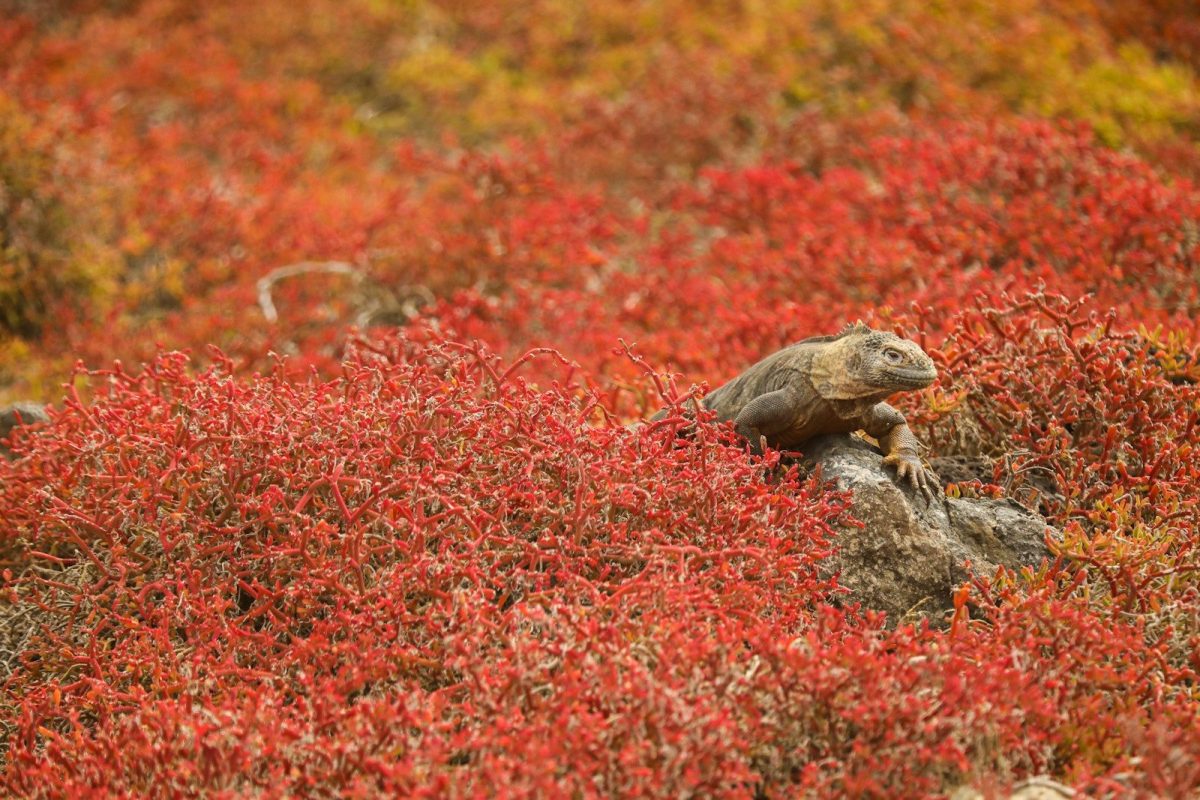
Galápagos Islands remain one of the world’s best destinations for wildlife encounters. The volcanic islands are home to marine iguanas, giant tortoises, blue-footed boobies, and sea lions that gather along rocky shores. Many animals show little fear around people because the islands have remained protected for decades.
Visitors often snorkel beside sea turtles and rays in clear Pacific waters. Strict visitor rules continue to limit environmental damage and protect local species. Scientists and conservation groups still study the islands because of their unusual biodiversity and importance to evolutionary research.
2. Madagascar’s Rare Animals
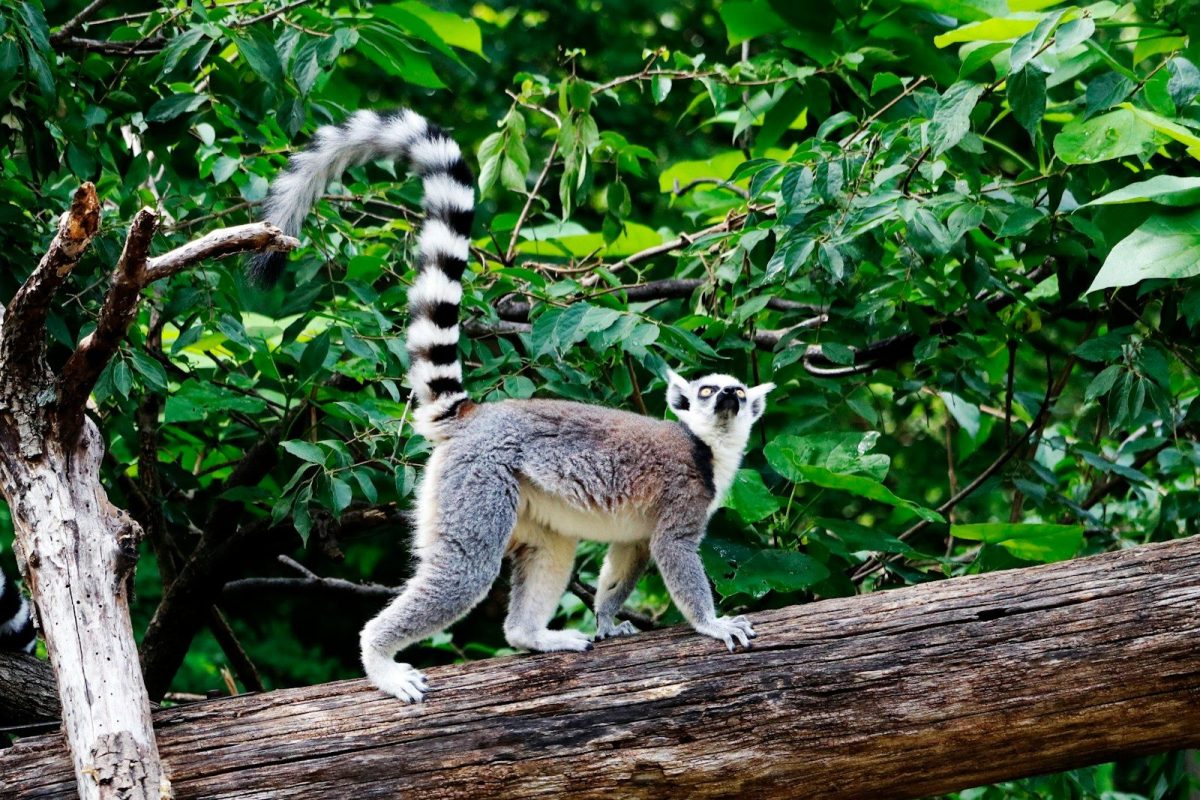
Madagascar contains thousands of plant and animal species found nowhere else on Earth. Lemurs remain the island’s most famous residents, with dozens of species living across forests and national parks. Chameleons, brightly colored frogs, and unusual insects also attract wildlife photographers from around the world.
Areas such as Andasibe-Mantadia National Park continue drawing visitors who want to hear the loud calls of indri lemurs echo through the trees. Conservation work remains important because deforestation still threatens parts of the island. Eco-tourism helps support many local protection programs.
3. Borneo and the Orangutans
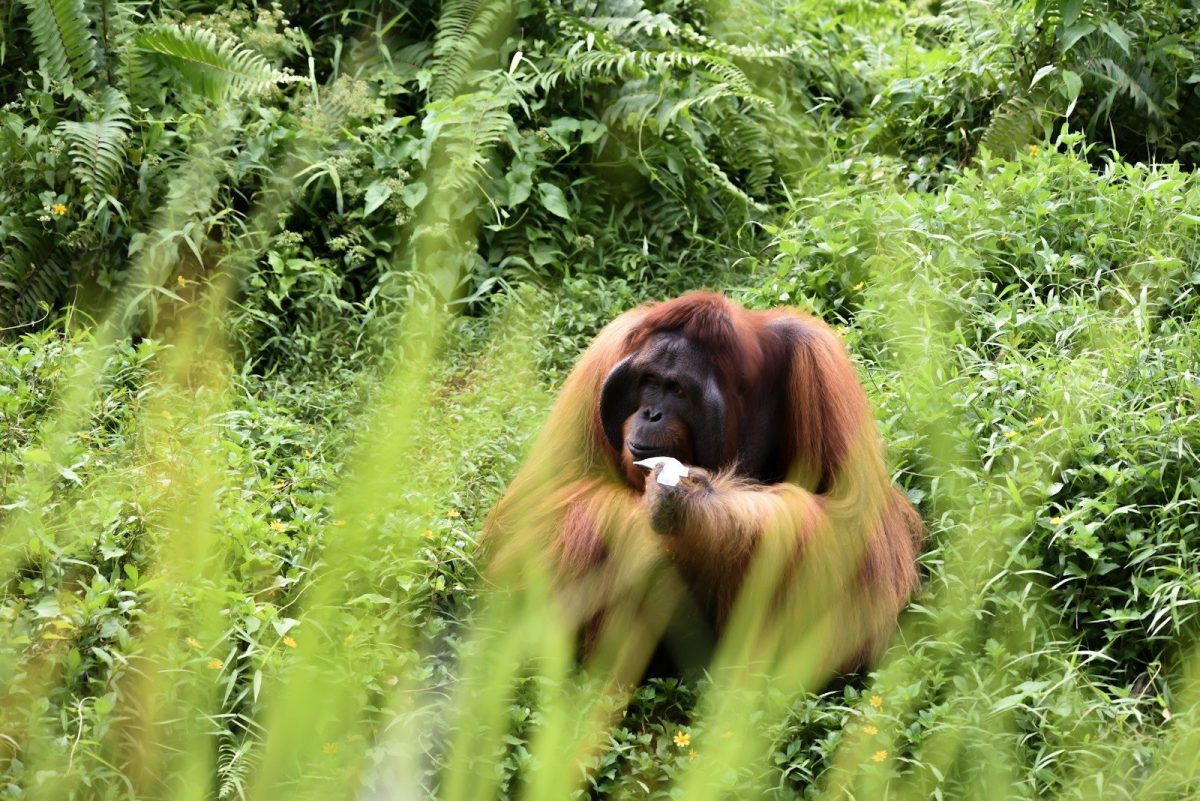
Borneo supports one of the oldest rainforests on the planet. The island is famous for endangered orangutans that spend much of their lives high in the forest canopy. River cruises through protected areas often reveal proboscis monkeys, crocodiles, hornbills, and pygmy elephants near the water.
Rehabilitation centers continue caring for orphaned orangutans before returning them to the wild. Many travelers visit Borneo for guided rainforest tours that focus on conservation and sustainable travel practices. The island’s dense forests remain one of Southeast Asia’s richest wildlife regions.
4. South Georgia’s Penguin Colonies
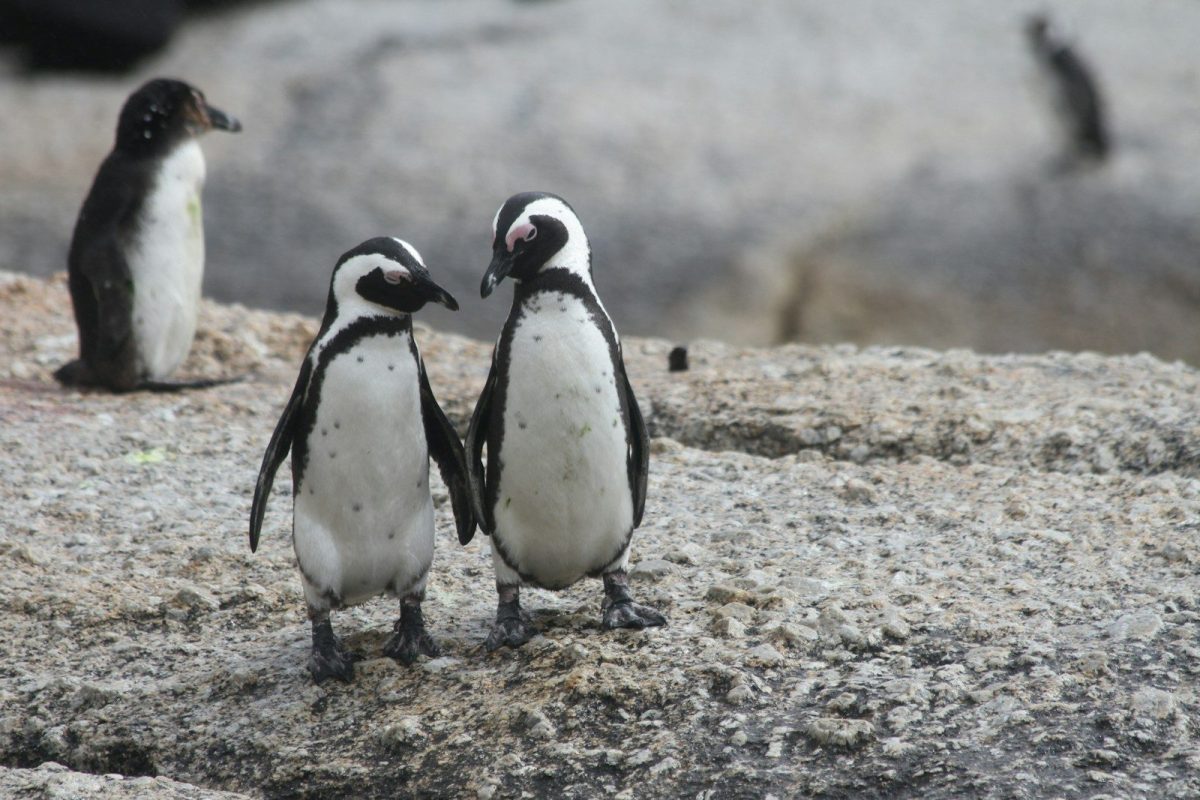
South Georgia sits far from major population centers, yet the island supports enormous numbers of animals. King penguins gather in massive colonies that stretch across icy beaches and open plains. Elephant seals crowd the shoreline during breeding season, creating loud and chaotic scenes along the coast.
Expedition cruises visit the island during the Antarctic summer when wildlife activity reaches its peak. Snow-covered mountains rise behind the colonies, creating dramatic views for photographers and nature travelers. The island remains one of the most remote wildlife destinations on Earth.
5. Vancouver Island’s Coastal Wildlife
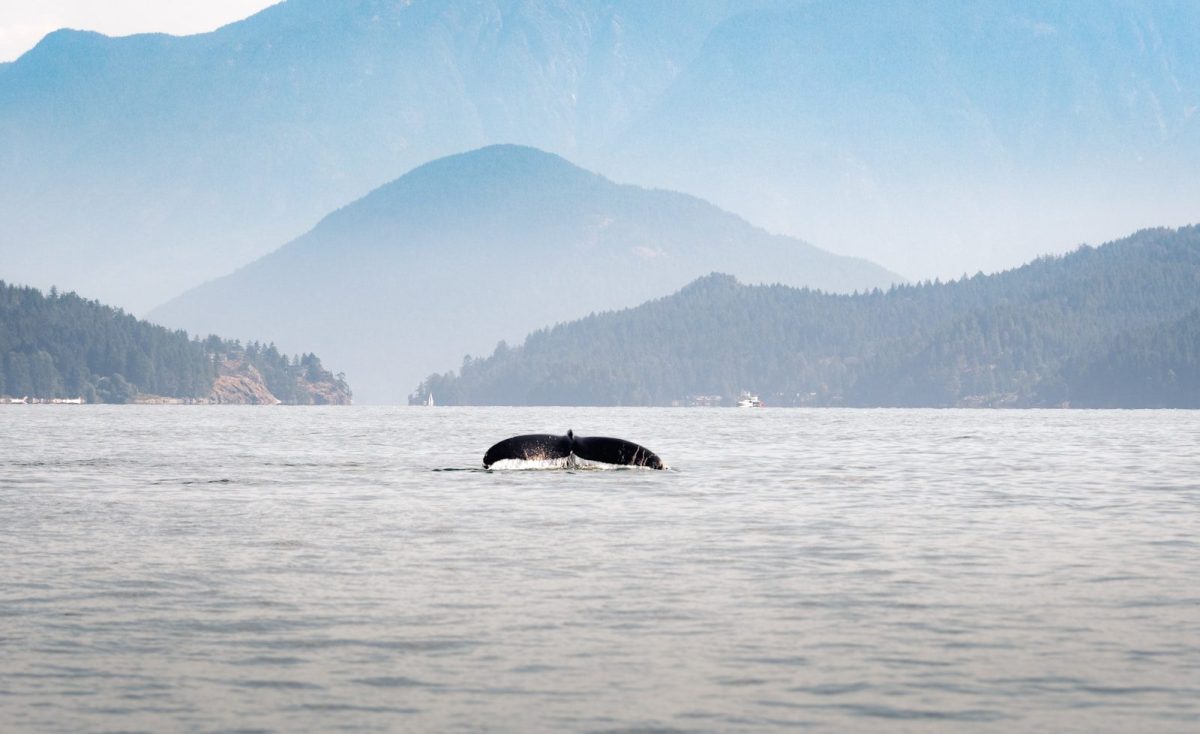
Vancouver Island attracts travelers searching for marine wildlife and rugged scenery. Orcas remain the island’s biggest attraction, especially during whale-watching season along the Pacific coast. Humpback whales, gray whales, sea otters, and bald eagles also appear regularly throughout the year.
Forested regions contain black bears and coastal wolves that roam near rivers and shorelines. Guided eco-tours continue promoting responsible wildlife viewing practices in 2026. The island’s mix of ocean life and forest habitats creates excellent opportunities for nature photography.
6. Kangaroo Island, Australia
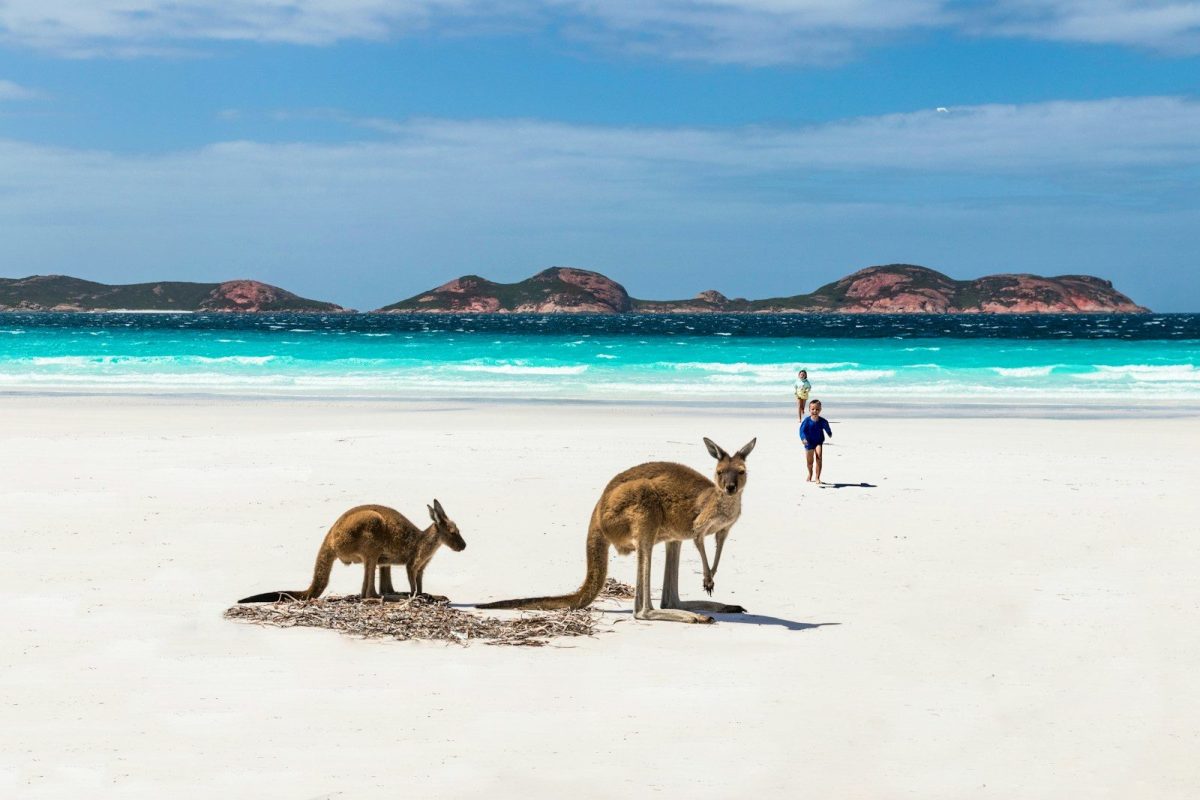
Kangaroo Island remains one of Australia’s top wildlife destinations. Native species recovered steadily after major bushfires damaged parts of the island earlier in the decade. Kangaroos, koalas, echidnas, and wallabies can now be spotted across parks and protected reserves.
Seal Bay continues attracting visitors because wild sea lions rest directly on the beach near walking paths. Coastal cliffs and open grasslands provide habitats for many bird species as well. Conservation groups continue restoring damaged habitats and protecting native wildlife populations across the island.
7. Iceland’s Puffins and Whales
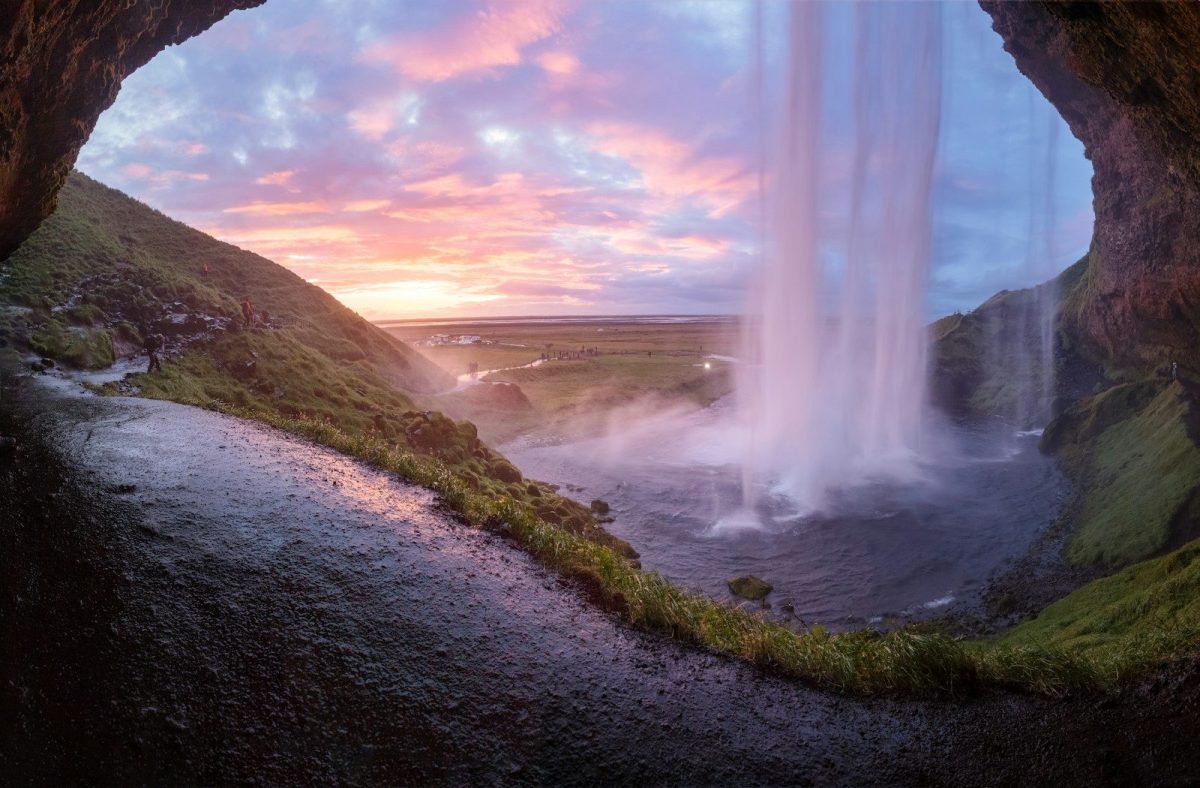
Iceland draws wildlife enthusiasts during the summer breeding season when millions of puffins gather along steep coastal cliffs. Birdwatchers travel from around the world to photograph the colorful seabirds nesting near the ocean. Whale-watching tours frequently spot humpback whales, minke whales, and dolphins in surrounding waters.
Arctic foxes also live in remote parts of the country, particularly near protected reserves. Eco-friendly tourism remains a growing focus across Iceland in 2026. Many tour operators now follow stricter guidelines designed to reduce environmental impact and protect wildlife habitats.
8. Komodo Island’s Giant Reptiles
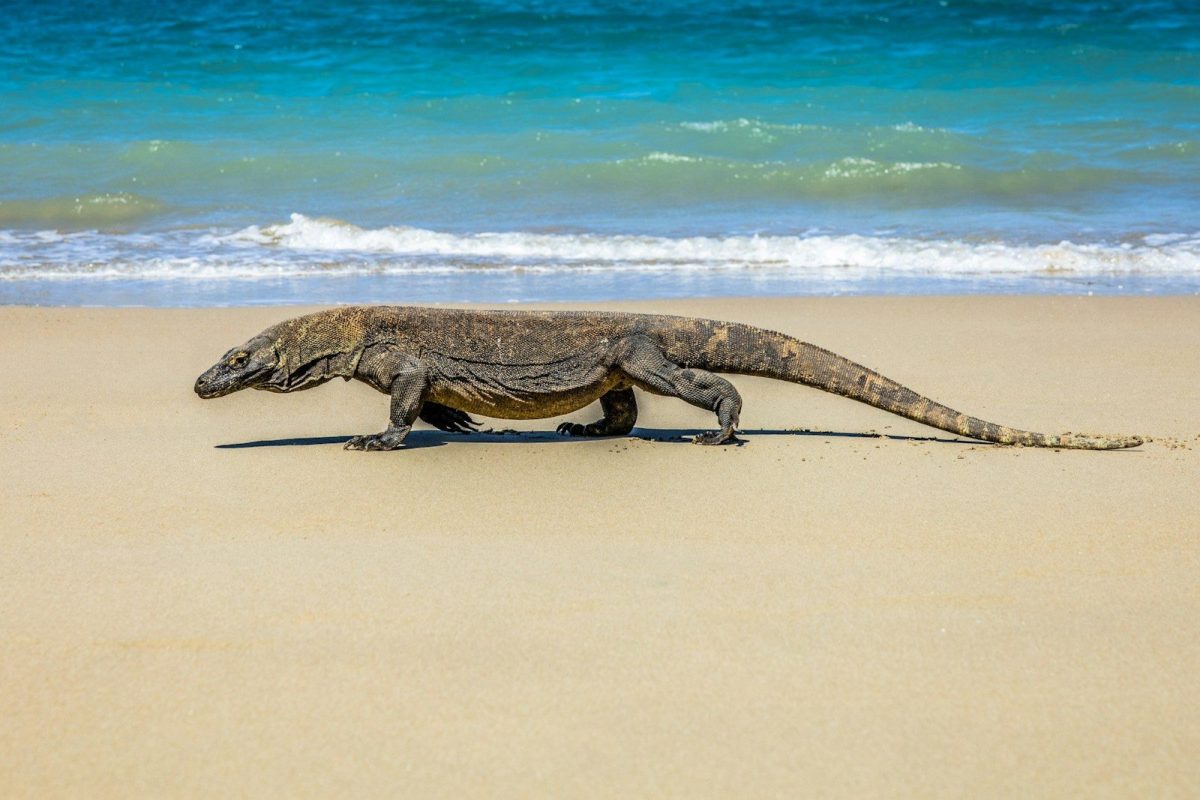
Komodo Island is famous for the Komodo dragon, the world’s largest living lizard. These powerful reptiles can grow longer than 10 feet and weigh more than 150 pounds. Guided tours allow visitors to observe the dragons safely inside protected areas.
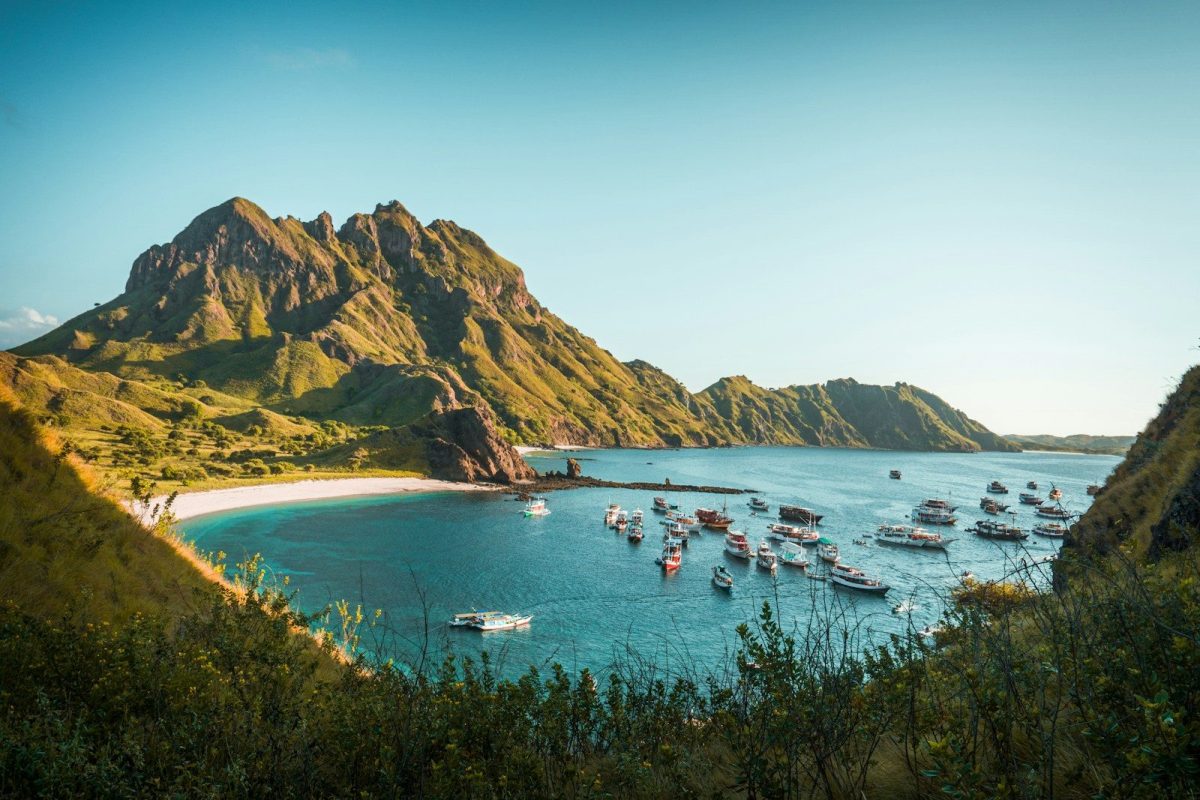
Rangers continue monitoring the population closely because the species remains vulnerable to habitat changes and human activity. The surrounding waters also attract divers because coral reefs and marine life thrive near the island. Manta rays, sea turtles, and tropical fish appear regularly in the nearby national park.
Why Wildlife Islands Matter
Wildlife islands continue playing an important role in conservation and environmental research. Many protect endangered species that face shrinking habitats in other parts of the world. Tourism also helps fund wildlife programs, scientific studies, and habitat restoration projects. Travelers visiting these islands often leave with a stronger understanding of conservation and the importance of protecting natural habitats.
Penguins, orangutans, puffins, and giant tortoises remain powerful symbols of the wild places that still exist across the planet. These islands continue giving visitors rare opportunities to experience nature in its purest form.
