
Travelers in 2026 continue searching for destinations with memorable streets, historic districts, and skylines that stand apart from every other city. Architecture shapes the personality of a place long before anyone enters a museum or restaurant. Some cities built their reputation on royal palaces and centuries-old churches. Others became famous through modern towers, daring engineering, and carefully planned public spaces.
The cities on this list represent different eras and design styles. Each one offers buildings and neighborhoods that leave a lasting impression on visitors from around the world.
1. Paris, France
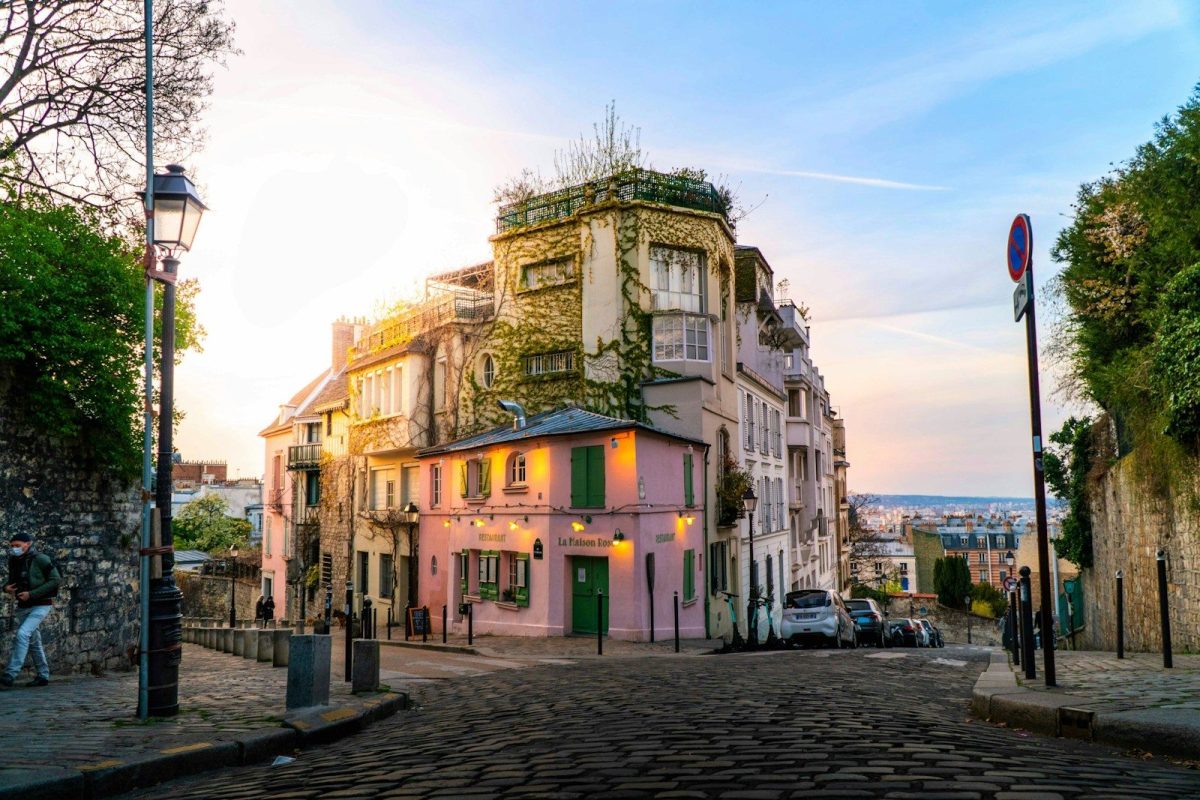
Paris remains one of the world’s best-known architectural destinations in 2026. Wide boulevards, elegant apartment buildings, decorative balconies, and stone facades give the city a consistent visual style that feels recognizable almost instantly.
Famous landmarks such as Eiffel Tower and Notre-Dame de Paris continue drawing millions of visitors each year. Restoration work around historic sites has also renewed interest in older neighborhoods throughout the city. Paris succeeds because its architecture extends beyond tourist landmarks. Cafes, bridges, museums, and residential streets all contribute to the city’s appearance. The result feels polished without losing its history.
2. Barcelona, Spain
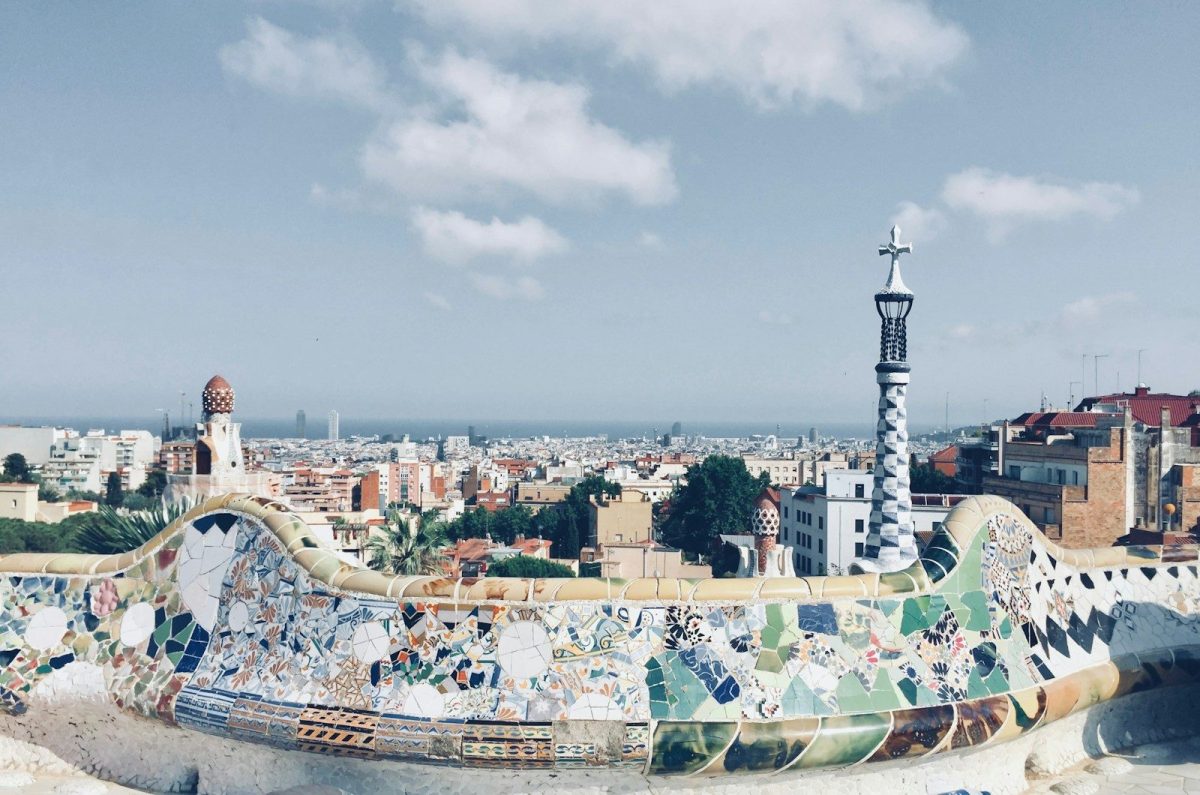
Barcelona stands apart because of its unusual shapes, colorful surfaces, and artistic design choices. Much of the city’s identity comes from the work of Antoni Gaudí, whose buildings helped transform Barcelona into one of Europe’s most recognizable destinations.
The towering Sagrada Família remains the city’s most famous structure in 2026. Visitors also continue flocking to Park Güell and Casa Batlló for their curved designs and colorful mosaic details. Older Gothic buildings add another layer to the city’s appearance. Narrow streets, public squares, and historic churches help Barcelona feel visually rich far beyond its famous landmarks.
3. Tokyo, Japan

Tokyo offers a completely different architectural experience. The city combines futuristic construction with traditional Japanese design in a way few places can match. Modern districts such as Shibuya and Shinjuku continue expanding in 2026 with sleek towers, digital billboards, and advanced transit hubs. At the same time, older areas preserve temples, gardens, and wooden structures tied to the city’s past.
Sensō-ji remains one of Tokyo’s most visited landmarks. The temple provides a strong contrast to the surrounding modern skyline and helps define the city’s unique identity.
4. Rome, Italy
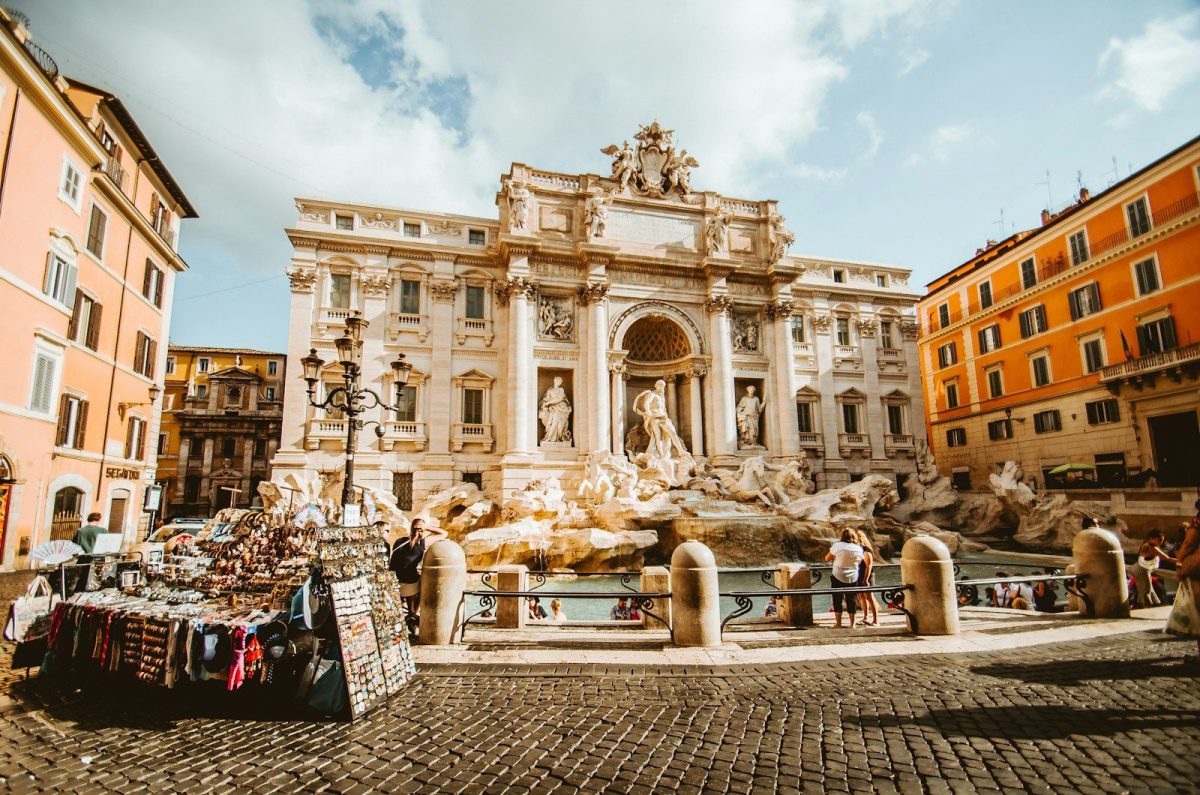
Rome carries layers of architectural history that stretch back thousands of years. Ancient ruins, Renaissance buildings, baroque fountains, and grand churches all share space within the modern city. The Colosseum continues attracting travelers in 2026, though Rome’s appeal reaches far beyond a single landmark. Public squares, marble statues, and detailed church interiors appear throughout the city center.
Many streets still follow patterns established centuries ago. That sense of continuity gives Rome an atmosphere few cities can duplicate.
5. Chicago, Illinois
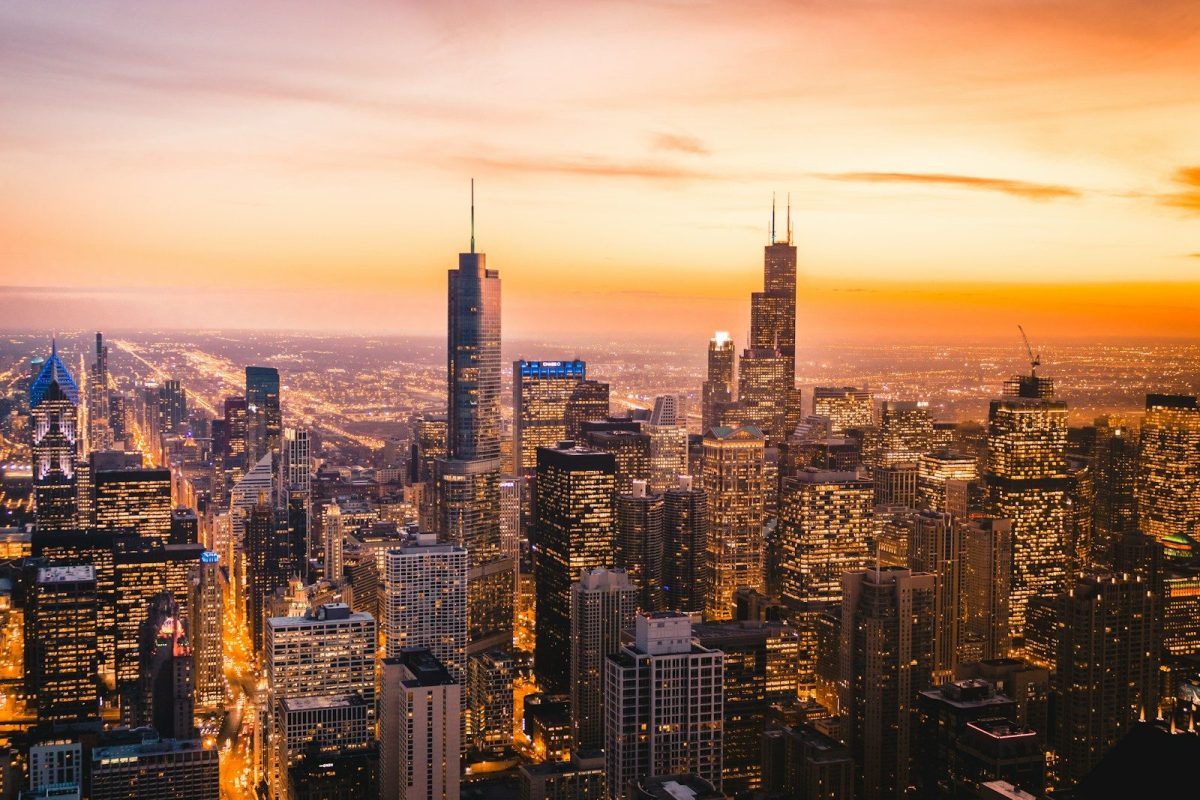
Chicago helped shape modern skyscraper design after the Great Chicago Fire changed the city’s future in the late nineteenth century. Architects experimented with steel-frame construction and taller buildings, influencing cities across the globe.
The skyline remains one of America’s strongest architectural showcases in 2026. Historic skyscrapers stand beside newer glass towers along Lake Michigan and the Chicago River. Designs connected to Frank Lloyd Wright continue drawing architecture fans to the city each year. Boat tours through downtown also remain popular because they provide close views of Chicago’s most famous buildings.
6. Istanbul, Turkey
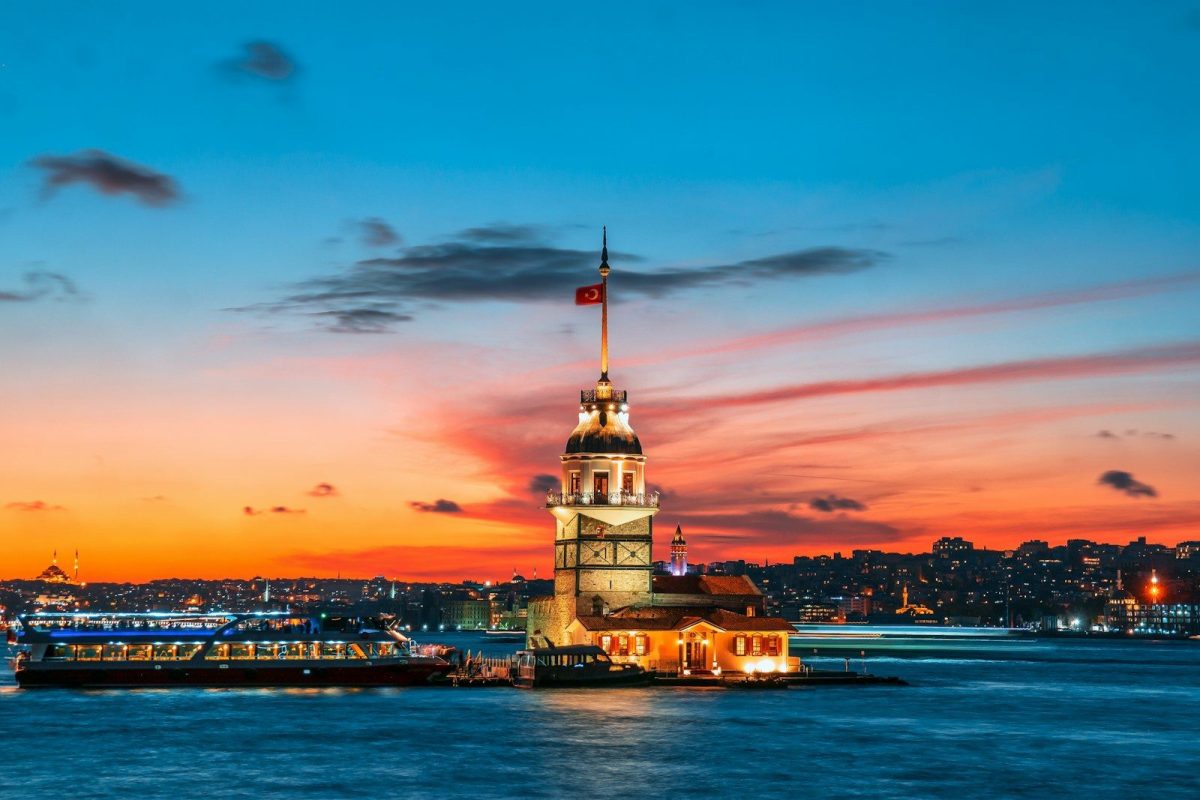
Istanbul reflects centuries of cultural exchange between Europe and Asia. The city’s skyline mixes Byzantine churches, Ottoman mosques, palaces, and modern developments along the Bosphorus. Hagia Sophia remains one of the world’s most admired architectural landmarks in 2026. The nearby Blue Mosque continues impressing visitors with its domes, interior tile work, and towering minarets.
Markets, ferry terminals, and crowded streets surround many of these historic buildings. That daily activity helps Istanbul feel active and connected to its past at the same time.
7. Prague, Czech Republic
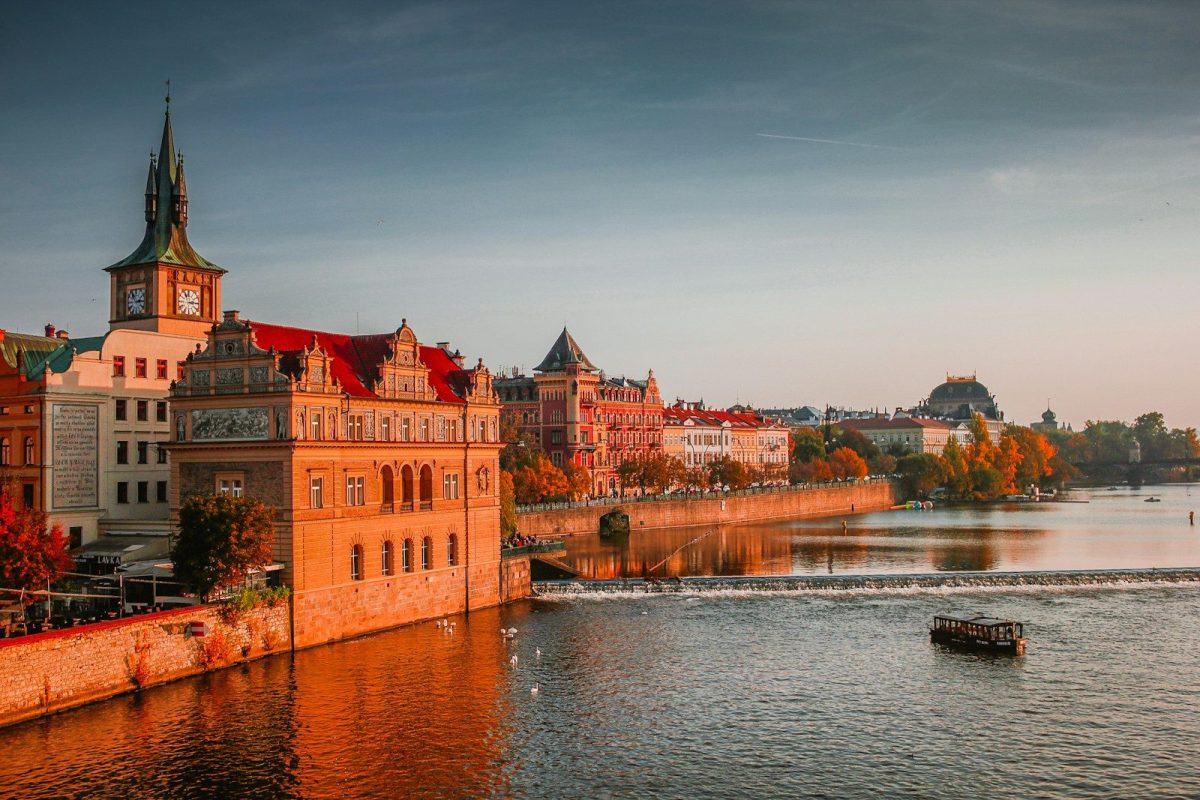
Prague remains one of Europe’s most visually preserved capitals. Gothic towers, medieval streets, and colorful baroque buildings create a city center that feels remarkably intact. Travelers in 2026 continue gathering around Charles Bridge and Prague Castle for views of the historic skyline. Church spires and red rooftops dominate many parts of the city.
Prague also benefits from careful preservation efforts. Large portions of the historic center maintain their original appearance, giving visitors a rare chance to experience architecture that survived across multiple centuries.
8. Dubai, United Arab Emirates
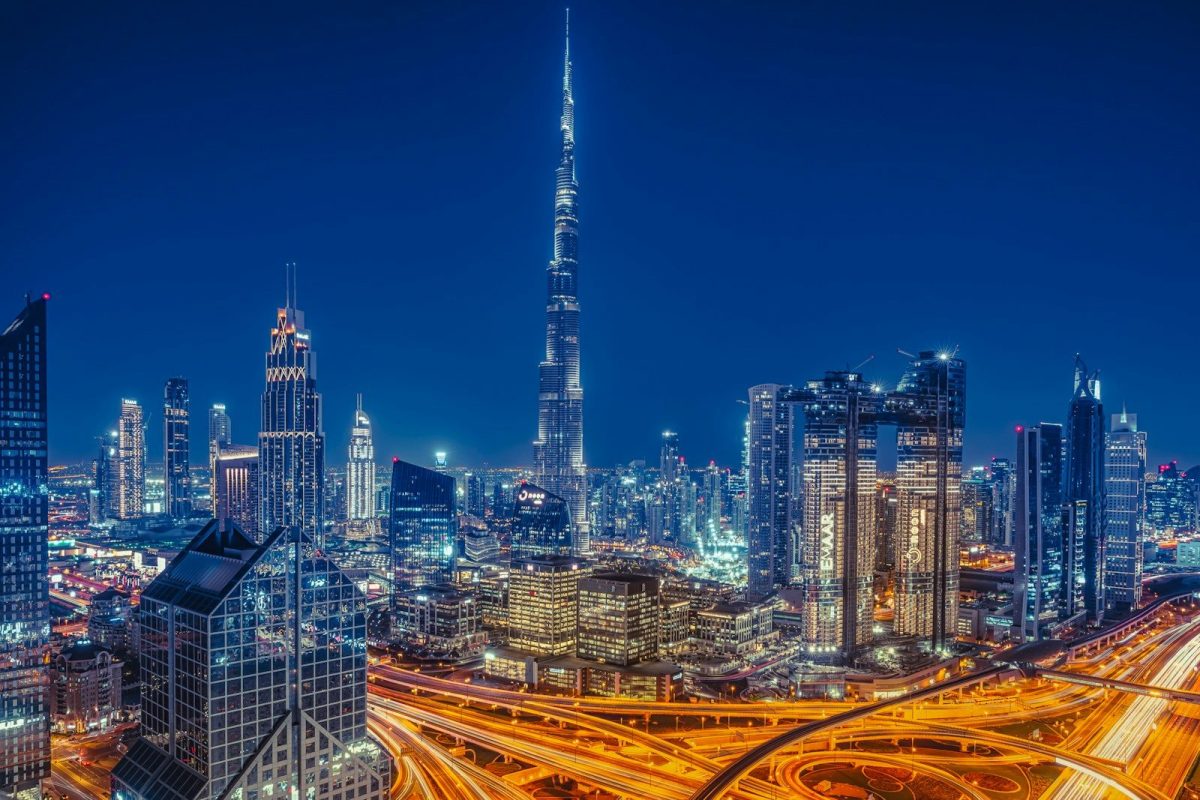
Dubai built its global reputation through ambitious modern construction and large-scale engineering projects. The city’s skyline continues expanding in 2026 with luxury towers, waterfront developments, and futuristic entertainment districts.
The Burj Khalifa remains the city’s defining landmark and one of the tallest buildings ever constructed. Nearby districts feature curved glass towers, illuminated facades, and large shopping complexes designed to attract international visitors. Dubai’s architecture focuses heavily on scale and visual impact. New projects continue reshaping the skyline year after year.
9. Vienna, Austria
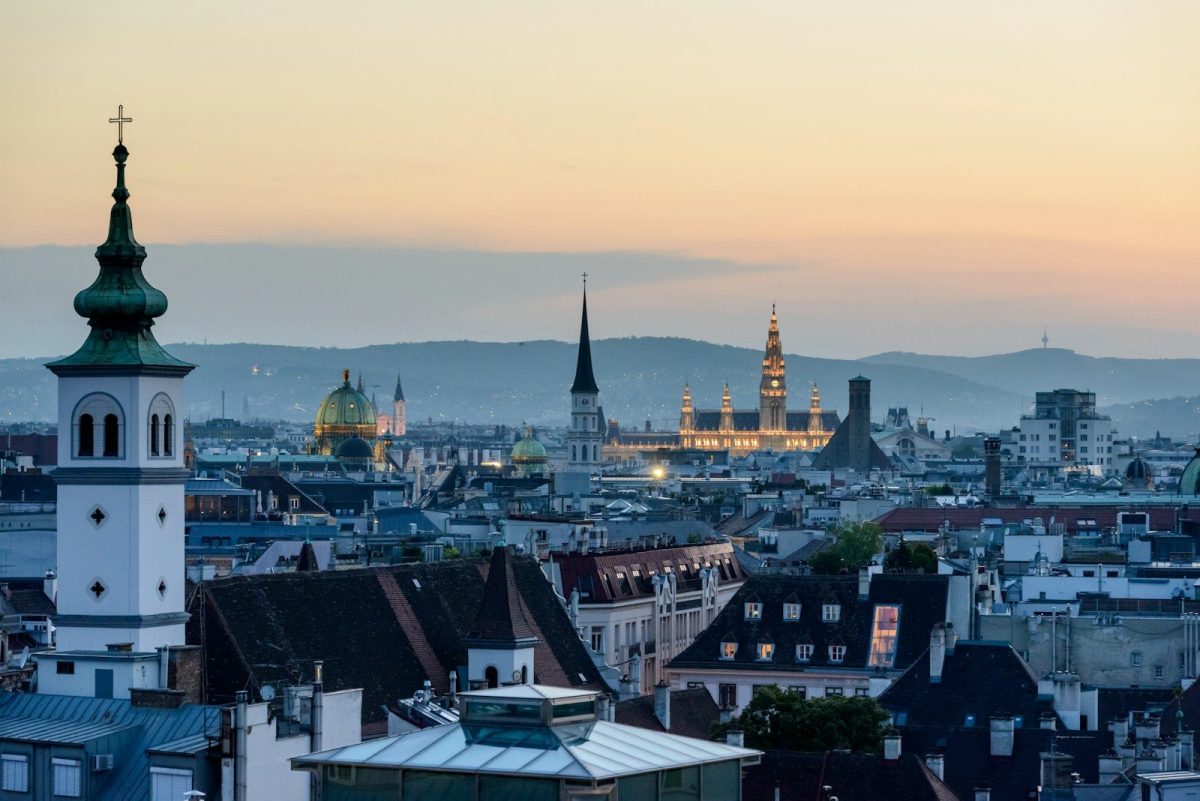
Vienna closes the list with grand imperial architecture and carefully preserved historic districts. The city’s appearance reflects centuries of royal influence through palaces, opera houses, museums, and cathedrals. Schönbrunn Palace remains one of the city’s most visited attractions in 2026. St. Stephen’s Cathedral also continues serving as one of Vienna’s defining landmarks.
Modern additions fit naturally into the older city center without overpowering its historic character. That balance helps Vienna remain one of Europe’s most admired architectural destinations.
