
Europe remains a practical starting point for international travel in 2026. Many cities are connected through fast rail networks and short-haul flights, which makes multi-city travel straightforward. Public transportation in major destinations is well developed, and navigation is generally simple for visitors arriving for the first time.
The best cities for a first trip usually share clear transit systems, walkable districts, and concentrated attractions. Museums, historic areas, and food districts often sit close together, reducing the need for complex planning. Language barriers are also lower in many major capitals where English is widely understood. These 9 cities offer a strong introduction to European travel, combining ease of movement with cultural depth and recognizable landmarks.
1. Lisbon, Portugal
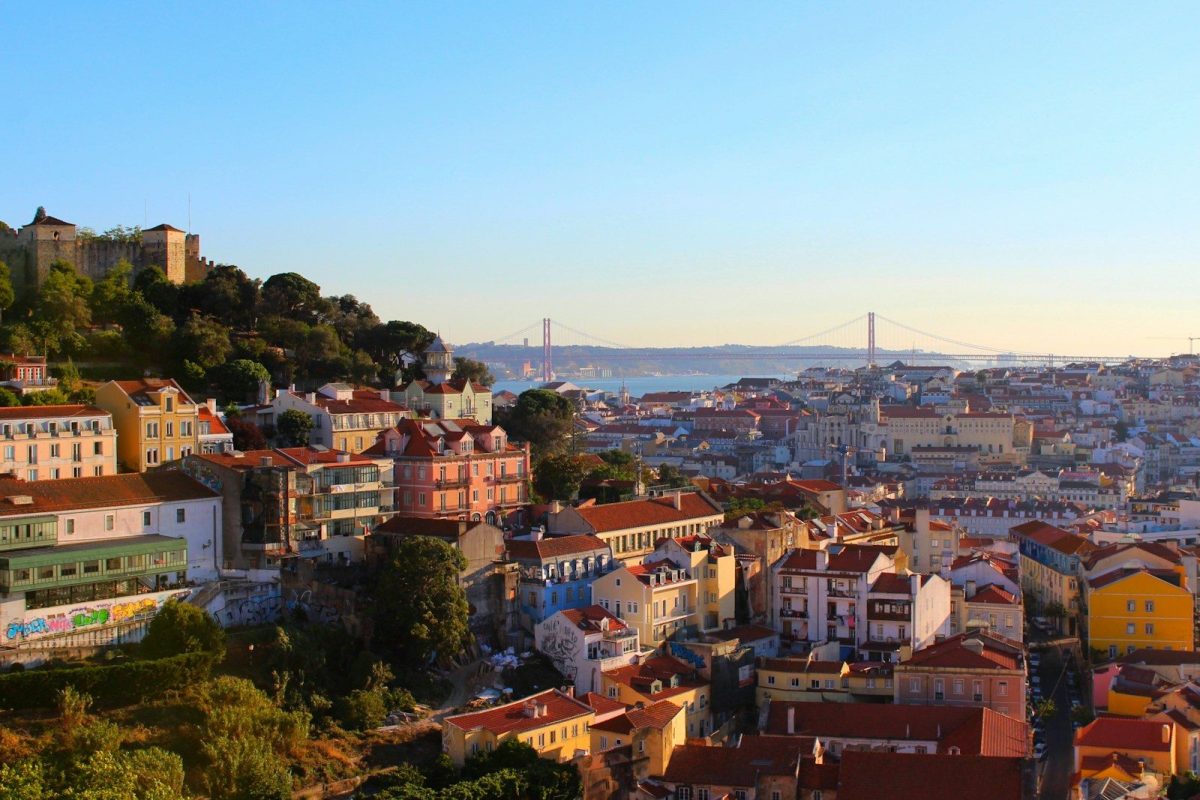
Lisbon offers a coastal setting with bright architecture and a relaxed pace. The city is known for its hillside layout, historic neighborhoods, and ocean views that appear throughout the urban center. Public transport includes trams, buses, and a metro system that connects major districts.
Walking remains one of the simplest ways to explore areas such as Alfama and Baixa, where streets lead to plazas, viewpoints, and local cafés. Food options are accessible and varied. Seafood dishes, grilled meats, and traditional pastries are common across the city. Many visitors find Lisbon approachable due to its layout and consistent weather patterns.
2. Amsterdam, Netherlands
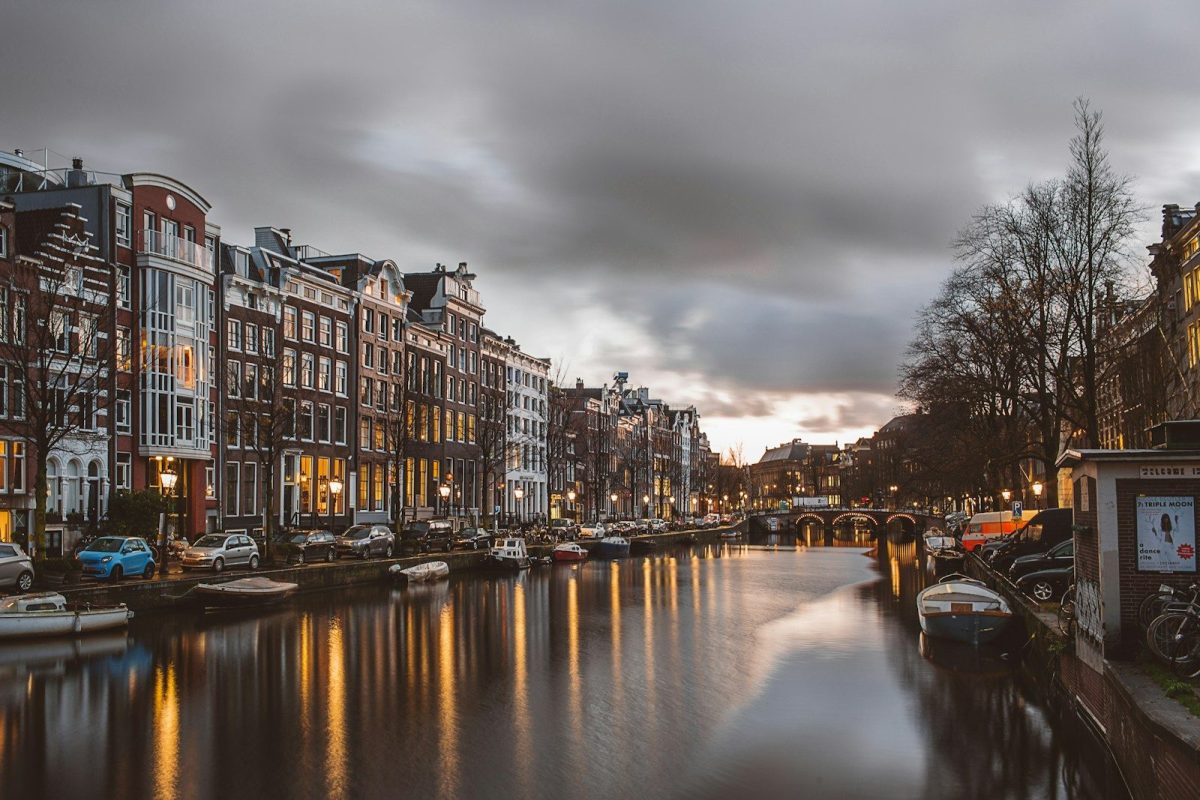
Amsterdam is structured around canals that form a natural navigation system. The compact city center allows visitors to move between attractions with ease. Museums such as the Rijksmuseum and Van Gogh Museum sit near residential neighborhoods and café streets.
Cycling is a common mode of transport, supported by dedicated lanes across the city. Walking also provides direct access to most central areas. English is widely spoken, which supports smooth communication for first-time travelers. Train connections extend beyond the city, linking Amsterdam to other European destinations with minimal transfer complexity.
3. Prague, Czech Republic
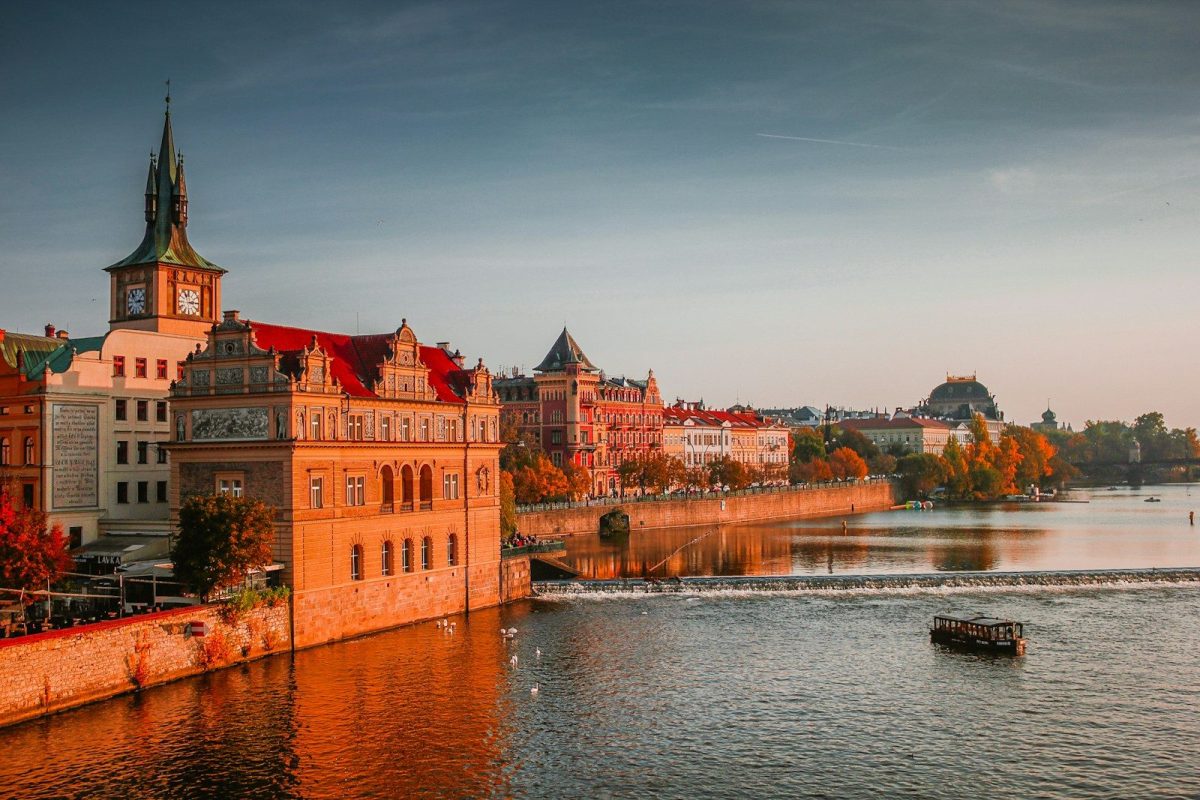
Prague presents a historic city layout centered around its old town. Stone bridges, towers, and narrow streets define much of the central area. Key landmarks, including Charles Bridge, Old Town Square, and Prague Castle, sit within walking distance of one another. This concentration allows for efficient sightseeing without extensive travel across the city.
The cost of food, accommodation, and transport is generally lower compared to several Western European capitals. This makes Prague a practical choice for travelers managing a fixed budget during their first international trip.
4. Copenhagen, Denmark
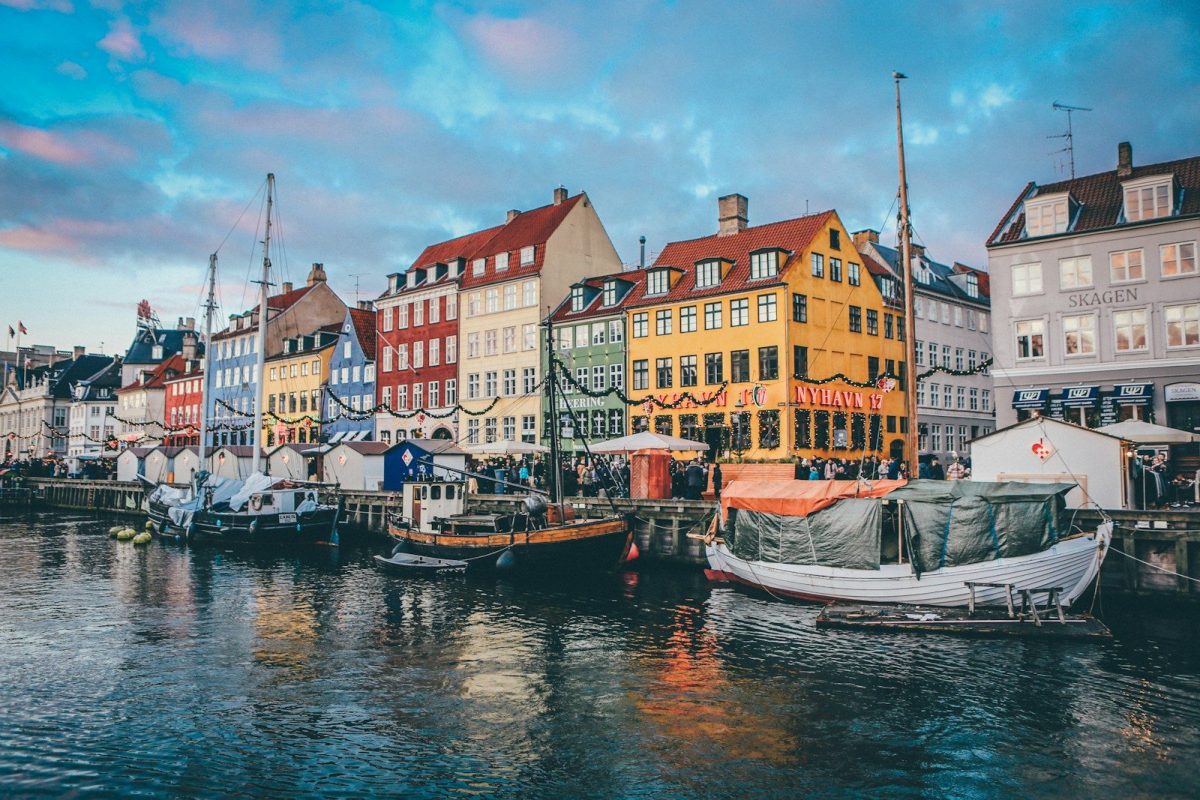
Copenhagen is known for order, clean public spaces, and efficient transport systems. The city is designed for bicycles, with wide lanes and structured traffic flow throughout central districts. Nyhavn harbor, royal palaces, and modern waterfront developments form key parts of the visitor experience. Most attractions connect easily through metro lines, buses, or cycling routes.
The city operates at a higher price level than many European destinations. That cost is matched by strong infrastructure, clear signage, and a consistent level of organization across public services.
5. Rome, Italy
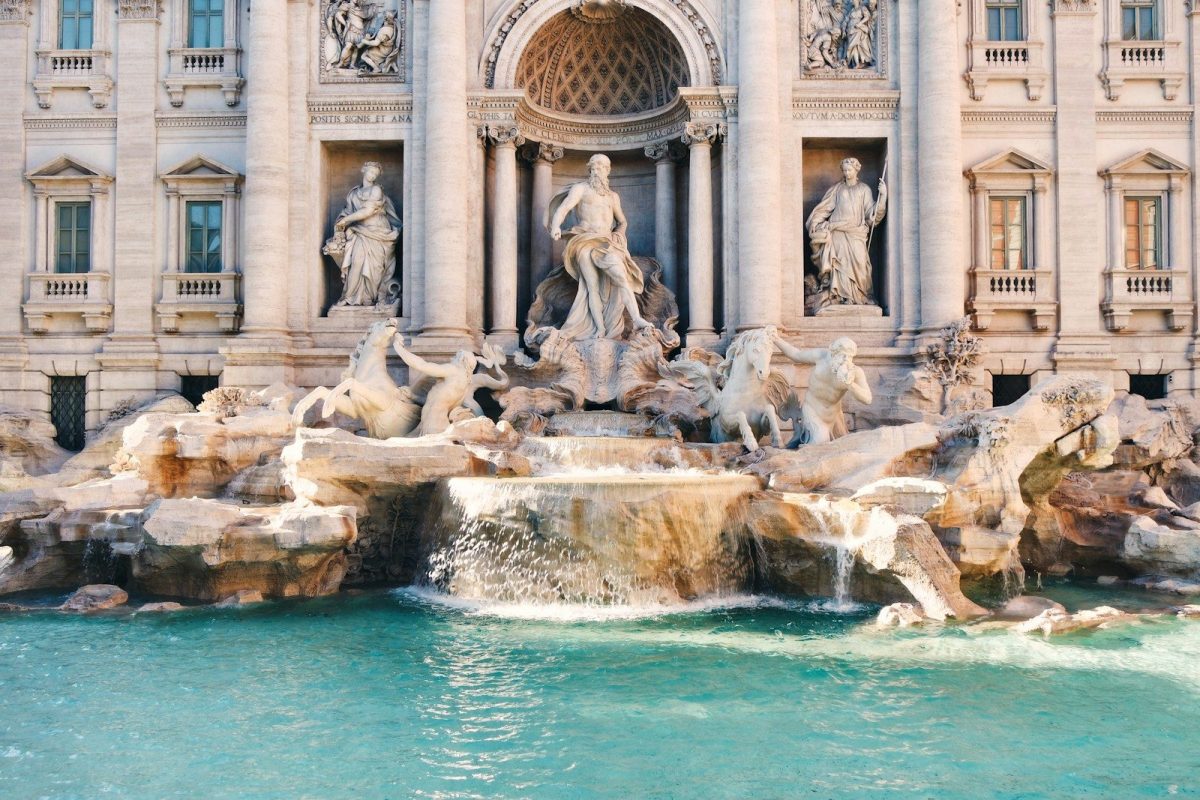
Rome combines historical architecture with active city life. Ancient structures such as the Colosseum and Roman Forum sit alongside busy streets filled with restaurants and shops. Many major sites are located within central districts, allowing visitors to move between landmarks without long travel times.
Walking routes often pass through plazas, fountains, and open-air gathering spaces. Food culture plays a central role in daily life. Pasta dishes, espresso bars, and gelato shops appear throughout the city, creating frequent opportunities to experience local cuisine between sightseeing stops.
6. Dublin, Ireland
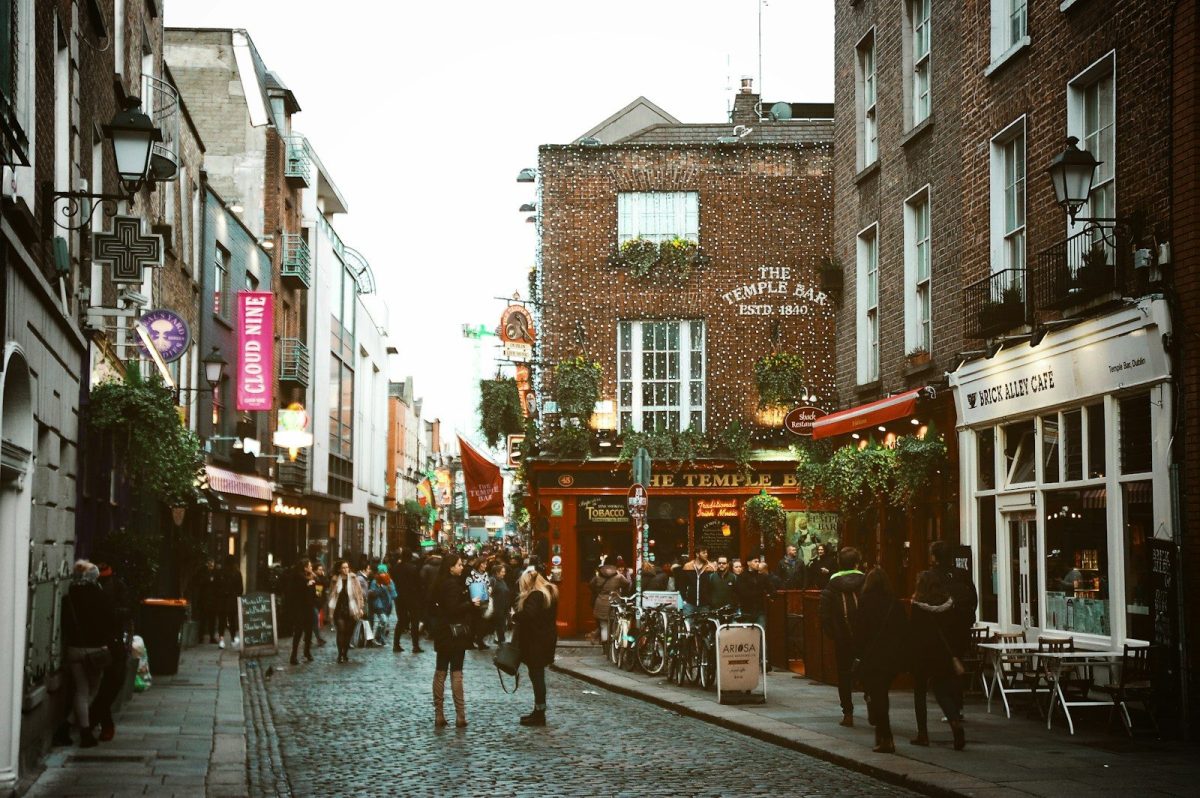
Dublin provides an accessible introduction to European travel for English-speaking visitors. The city center is compact and supports easy movement on foot. Historic buildings, river crossings, and public squares form the main sightseeing areas.
Traditional pubs and live music venues contribute to the city’s social atmosphere. Transport options include buses and light rail connections that extend into surrounding suburbs. Dublin also serves as a base for exploring coastal regions and rural landscapes within a short distance of the city.
7. Barcelona, Spain
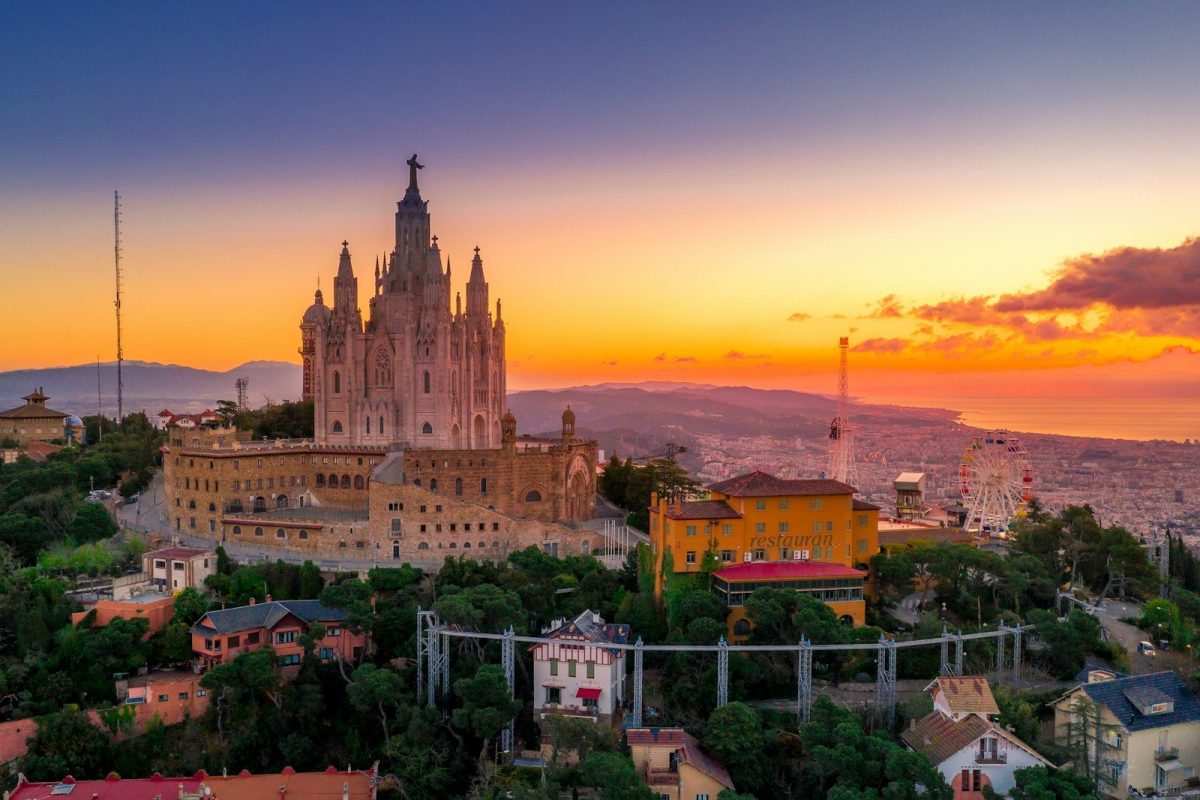
Barcelona combines coastal access with architectural landmarks and urban districts. The city is known for the works of Antoni Gaudí, including the Sagrada Família and Park Güell. The metro system connects beach areas, historic quarters, and residential neighborhoods.
This structure supports efficient travel between widely different parts of the city. Food culture includes tapas, seafood, and market-based dining. Evening hours often extend later into the night compared to many other European cities, with restaurants and public spaces remaining active.
8. Vienna, Austria
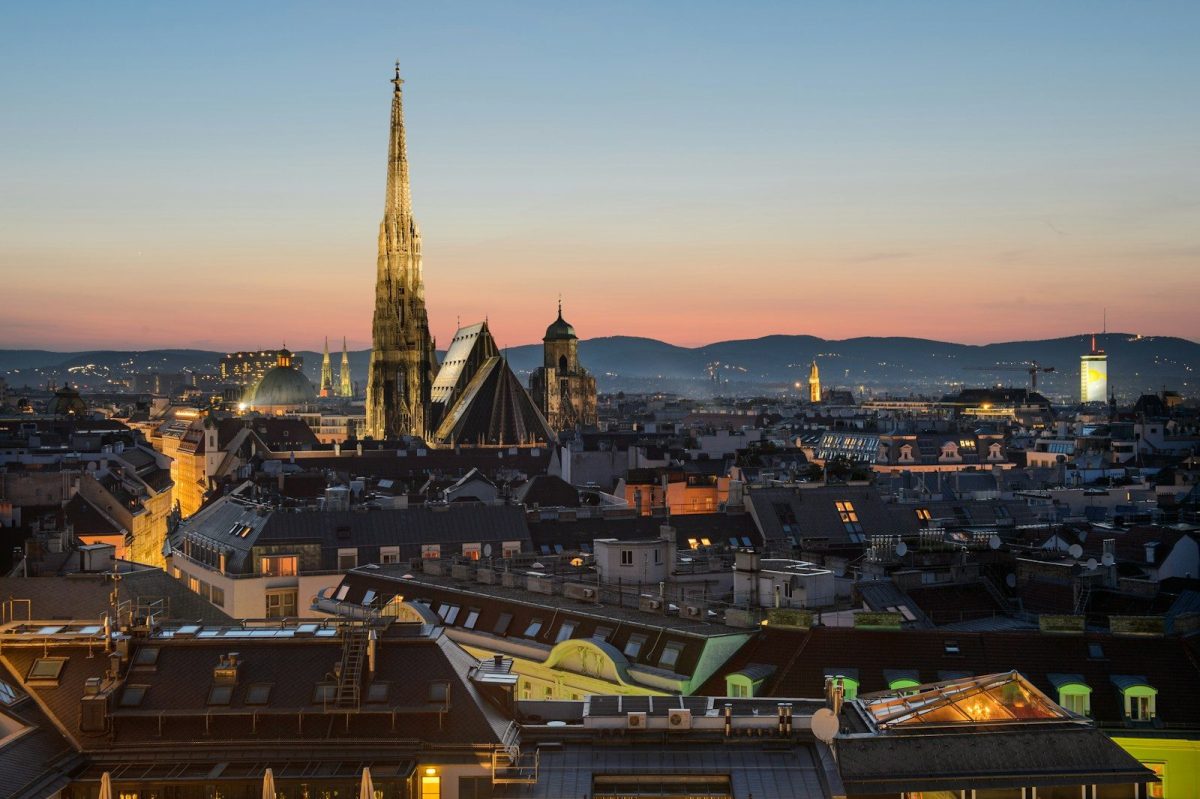
Vienna presents a structured city environment with wide streets and organized transport. Trams, buses, and metro lines connect major districts with consistent timing. Palaces, museums, and classical concert halls define much of the cultural setting. Central areas include cafés that follow long-standing traditions of service and seating culture.
Public spaces remain calm compared to busier capitals. This environment supports steady exploration of museums, parks, and historic buildings without heavy congestion.
9. Paris, France
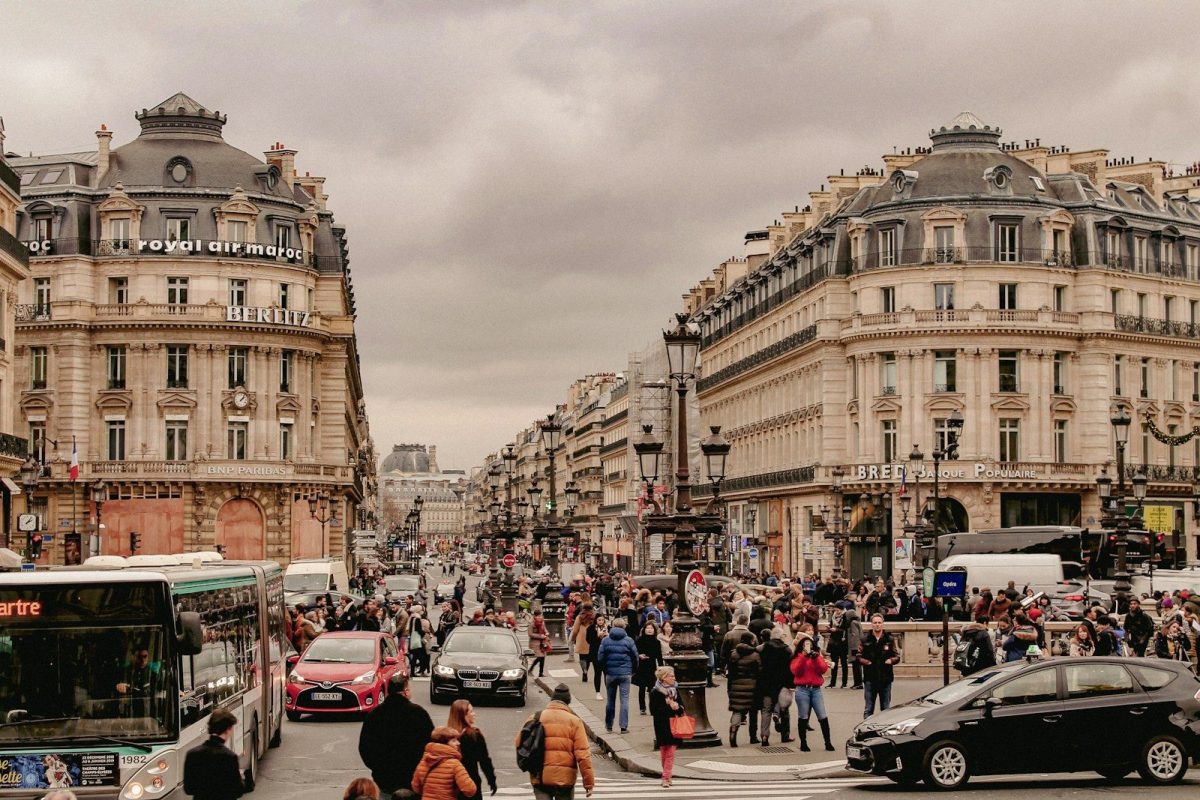
Paris continues to attract first-time visitors through its architecture, museums, and neighborhood variety. The city is divided into districts that each contain distinct landmarks and local character. The Eiffel Tower, Louvre Museum, and Seine River represent central points of interest.
Beyond these areas, residential streets include bakeries, small shops, and markets that reflect daily life in the city. The metro system connects nearly all districts, supporting efficient travel across the city. Walking between neighborhoods also remains common due to the layout of central Paris.
