
Many towns across the United States carry strong European influence in their design, history, and local culture. Some reflect German alpine villages, others show Spanish colonial roots or coastal English charm.
These destinations offer architectural detail, walkable historic districts, and food traditions that trace back to Europe. The result is a collection of places that mirror European style without requiring international travel.
1.Leavenworth, Washington

Leavenworth is shaped by Bavarian inspiration and set within the Cascade Mountains. The town center features timber-framed buildings, painted facades, and decorative balconies filled with flowers during warmer months.
Bakeries serve pretzels, pastries, and traditional sweets. Seasonal events fill the calendar, including winter markets and summer festivals. Snowfall in colder months adds to the alpine character, giving the town a consistent German village identity throughout the year.
2. St. Augustine, Florida
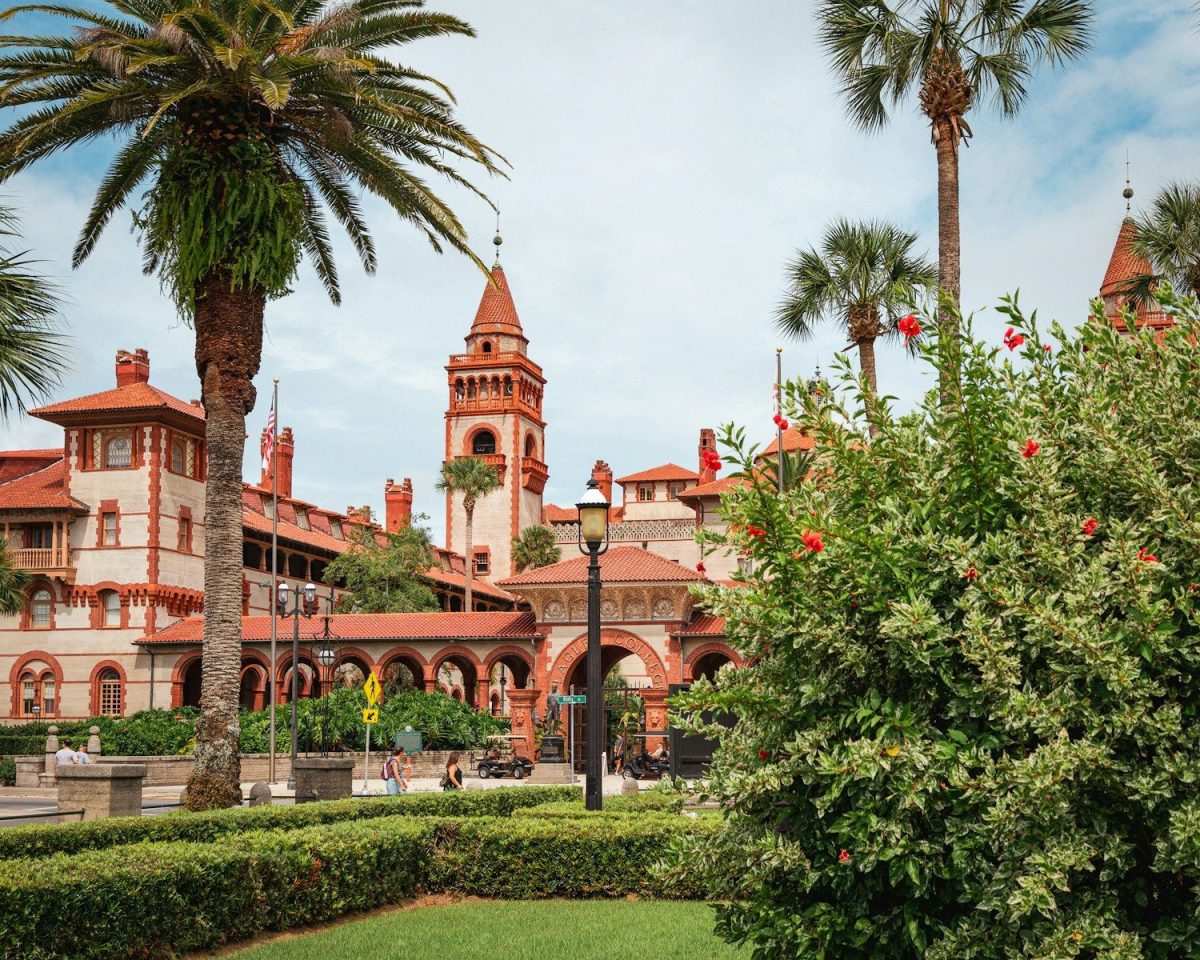
St. Augustine holds the distinction of being the oldest continuously inhabited European-established city in the continental United States. Its historic district reflects Spanish colonial design with stone streets, courtyards, and centuries-old structures.
Forts and churches remain preserved, showing architectural influence from early European settlement. Narrow lanes and shaded plazas create a strong sense of history throughout the city center. The coastal setting reinforces its historic identity as a port town shaped by early exploration.
3. Solvang, California
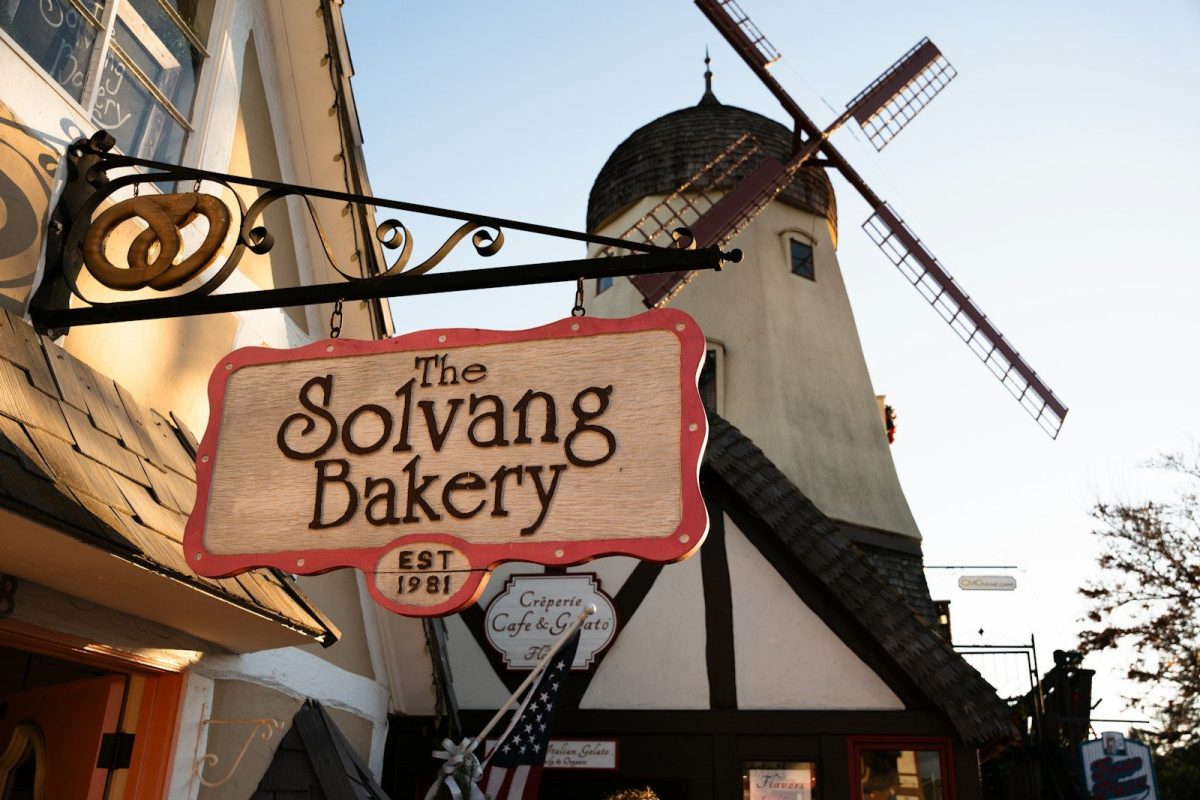
Solvang was founded by Danish settlers and preserves that heritage through its design and public spaces. Windmills stand throughout the town, and many buildings feature timber framing and decorative woodwork. Local bakeries specialize in Danish pastries and European-style breads.
Shops sell imported goods and handcrafted items inspired by Scandinavian tradition. The layout of the town supports walking between cafés, museums, and small boutiques, creating a compact cultural district shaped by Danish influence.
4. New Orleans, Louisiana
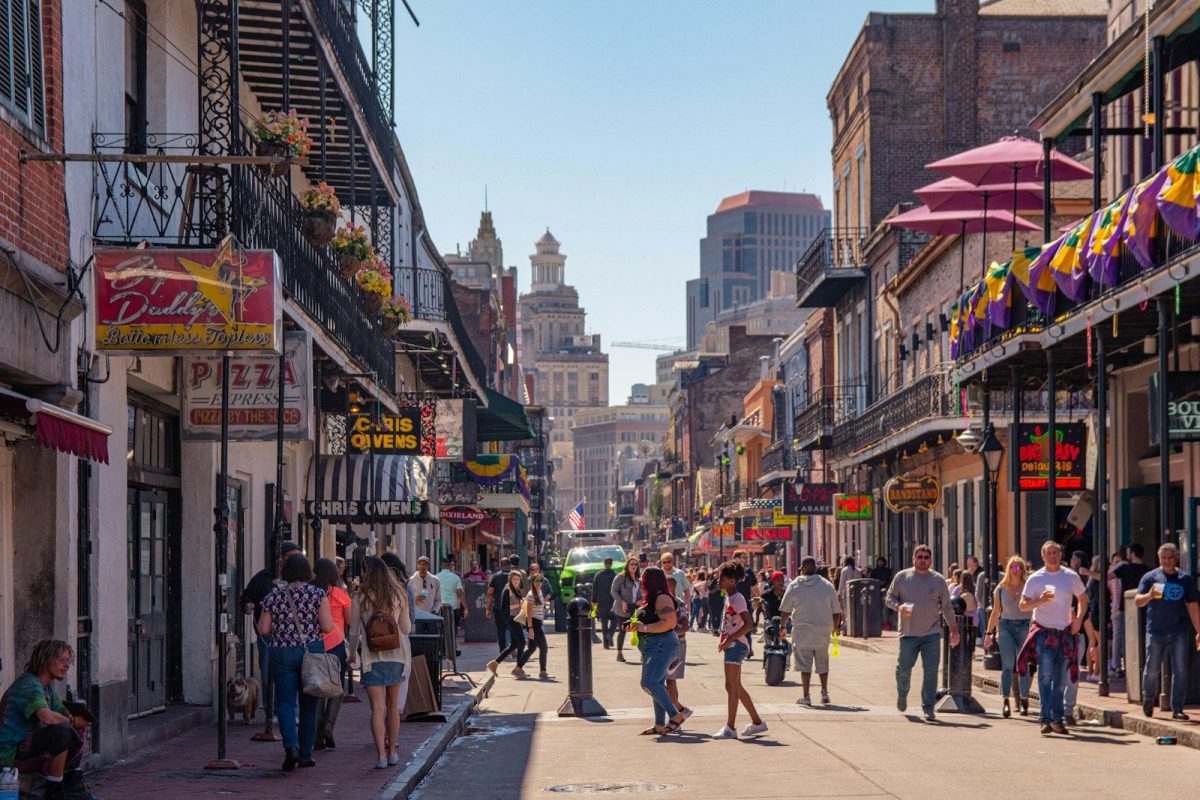
New Orleans contains strong French and Spanish architectural roots, especially in the French Quarter. Iron balconies line colorful buildings, and enclosed courtyards appear throughout residential blocks. Streets are narrow and arranged in a pattern that reflects early European planning.
Cafés and restaurants serve dishes influenced by French and Creole traditions. Music and street performance are common in public areas, adding movement and sound to the historic surroundings shaped by colonial-era design.
5. Charleston, South Carolina
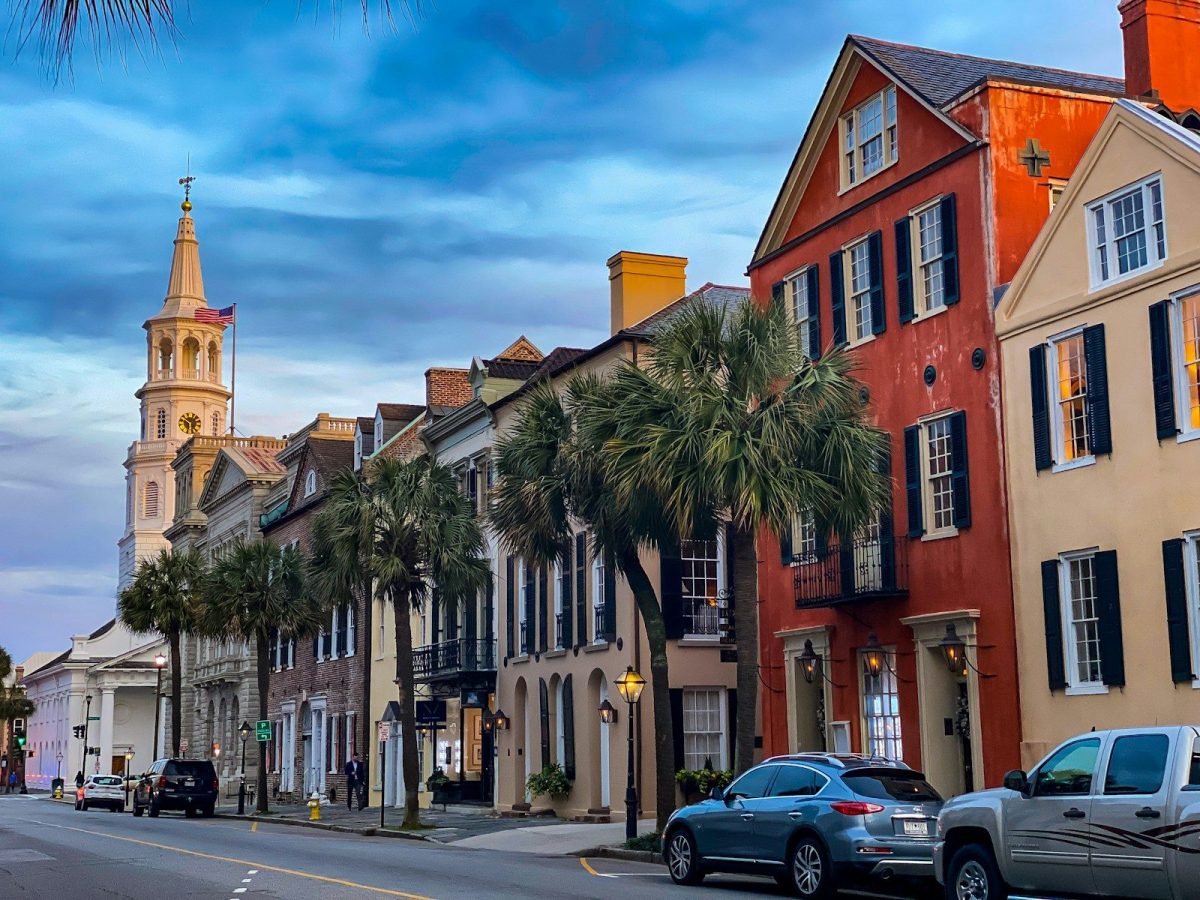
Charleston’s historic district features cobblestone streets, preserved townhomes, and church steeples that reflect European architectural influence. Many buildings date back to the colonial period and show design elements linked to English and French styles.
Waterfront views and harbor access connect the city to centuries of maritime trade. Horse-drawn carriage routes pass through residential streets lined with historic homes. The layout of the city emphasizes preservation, keeping older architectural forms central to daily life.
6. Helen, Georgia

Helen was redesigned with Bavarian-style architecture, resulting in a compact mountain town filled with alpine-inspired buildings. Wooden facades, painted trim, and steep rooflines shape the downtown area.
Shops and restaurants follow a consistent visual theme that reflects German village design. The surrounding mountains add forested scenery that supports the alpine concept. Seasonal festivals, especially autumn celebrations, bring traditional food, music, and cultural displays into the town center.
7. Newport, Rhode Island
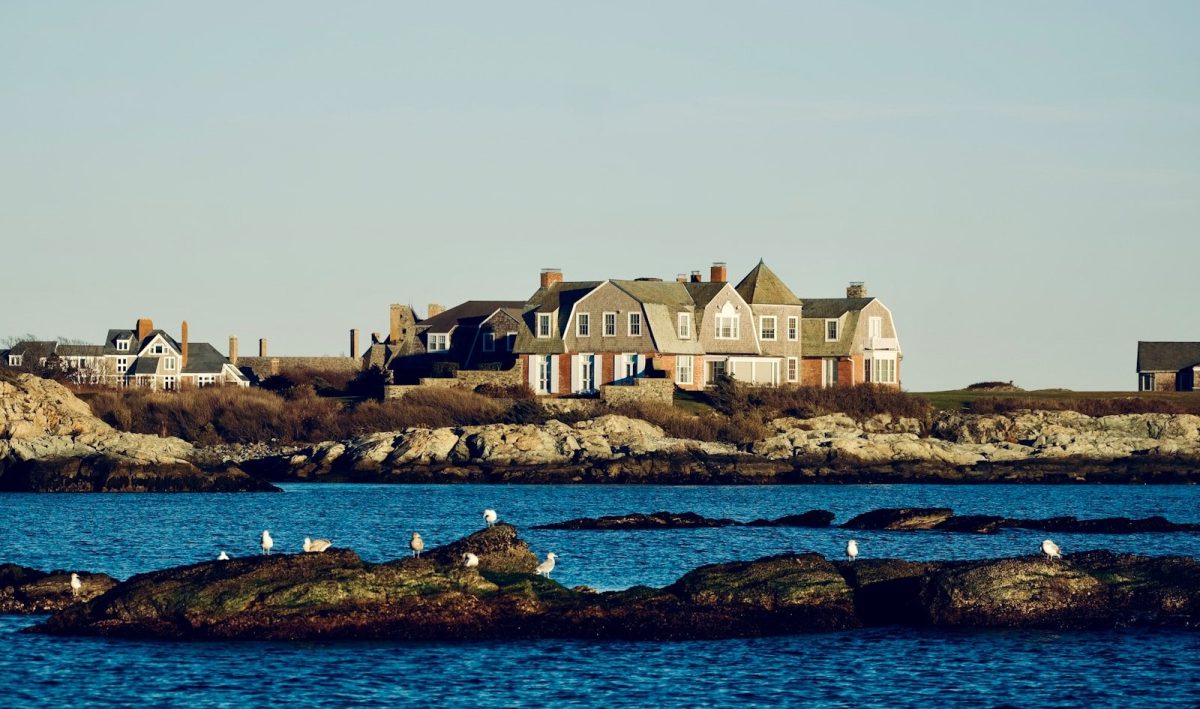
Newport contains coastal architecture influenced by English and Mediterranean traditions. Historic mansions line the shoreline, and preserved colonial streets extend through the city center.
The harbor area supports sailing activity and waterfront promenades. Stone buildings and old churches contribute to the historic character of the city. Public gardens and estate grounds reflect design trends from earlier European aristocratic homes, maintained through careful preservation efforts over time.
8. Carmel-by-the-Sea, California
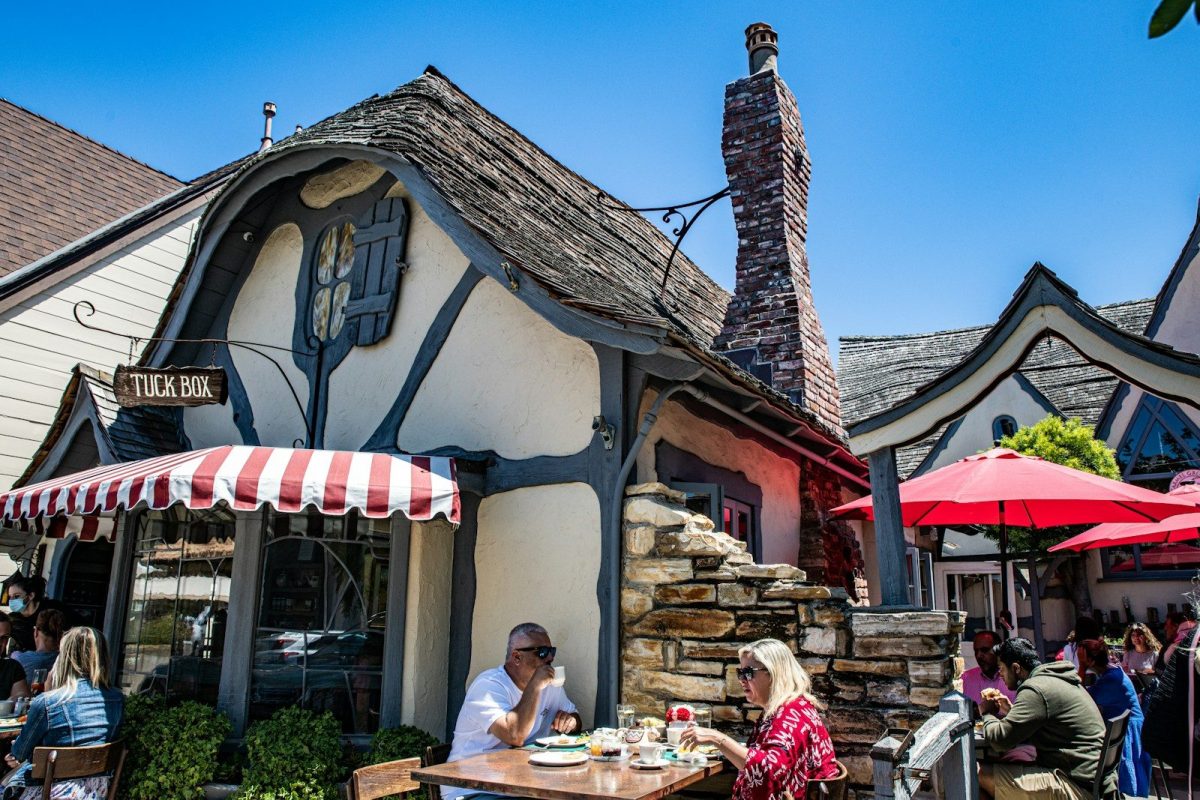
Carmel-by-the-Sea is known for its cottage-style buildings, narrow pathways, and artistic village layout. The town contains small galleries, independent shops, and residential homes designed with handcrafted details.
Streets often curve without strict grid patterns, creating a relaxed walking environment. Architectural styles include stone, wood, and stucco elements that reflect European coastal villages. The nearby shoreline adds natural scenery that complements the town’s compact and artistic design.
European Influence
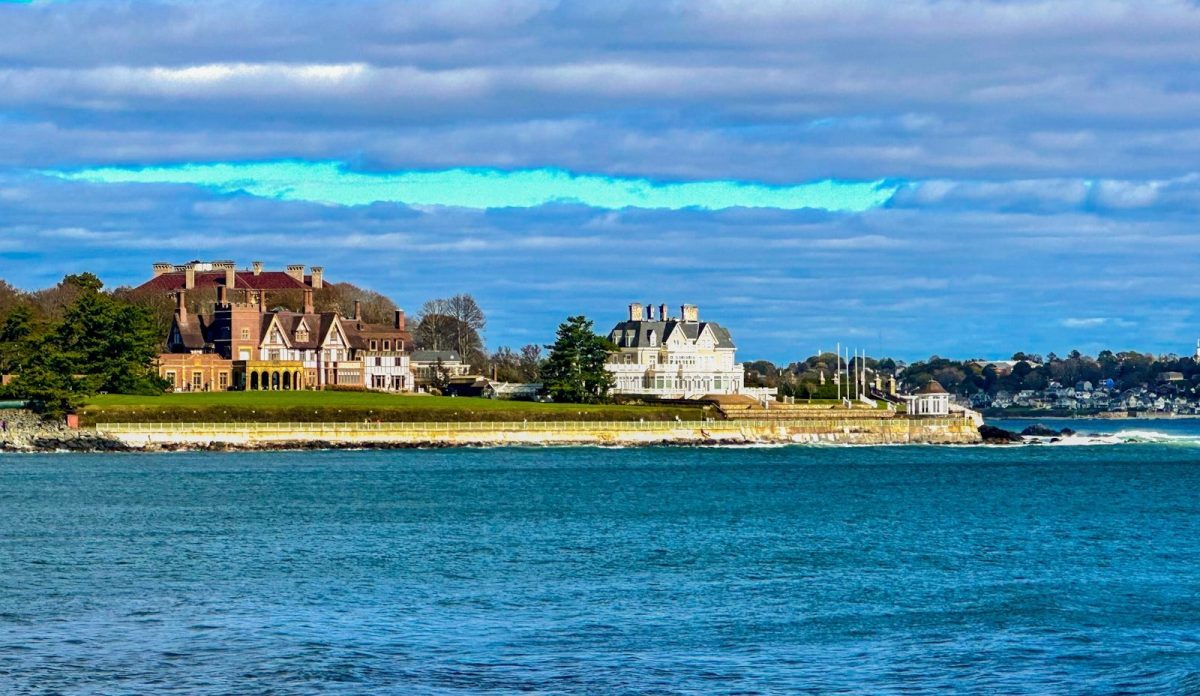
These destinations across the United States reflect different layers of European influence through architecture, town planning, and cultural traditions.
German alpine design appears in mountain towns, Spanish colonial history remains visible in early settlements, and Scandinavian inspiration shapes select communities. Each location preserves distinct elements that connect back to European heritage while maintaining local identity.
