
Yellowstone spans more than 2.2 million acres across Wyoming, Montana, and Idaho, sitting above one of the most geologically active hotspots on the planet. Boiling water erupts from the ground on schedule. Wolves cross open meadows at dawn. Bison wander the roads with complete indifference to the traffic they create.
Established in 1872 as the world’s first national park, Yellowstone holds over 10,000 hydrothermal features, the largest intact temperate wildlife population in the lower 48 states, and some of the most dramatic canyon scenery in the American West. In 2026, with improved visitor management in place and wildlife populations in strong condition, the timing for a trip is excellent.
1. Old Faithful and the Upper Geyser Basin
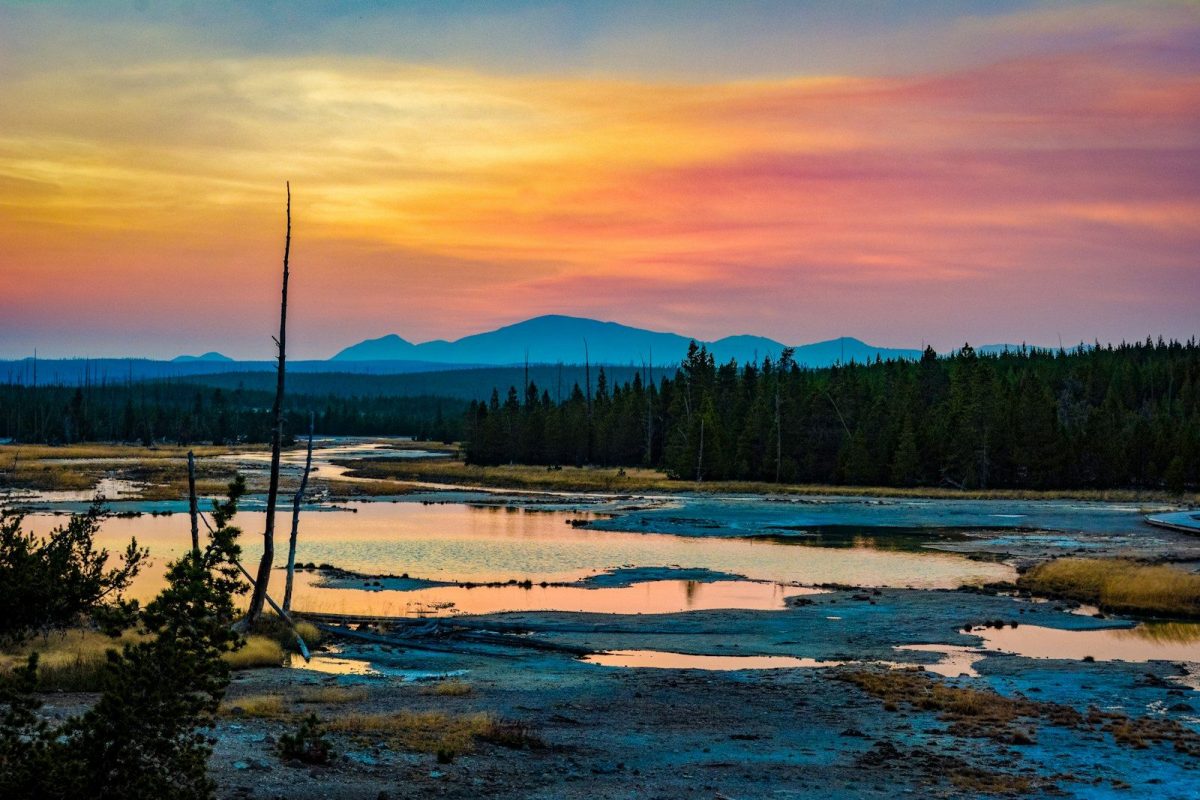
Old Faithful erupts every 60 to 110 minutes, sending water up to 185 feet into the air on a schedule reliable enough that staff post predicted times at the visitor center. It is only the beginning. The Upper Geyser Basin holds more than 500 geysers within a single square mile, the densest concentration on Earth. Walking the boardwalks over an afternoon means witnessing a near-constant rotation of eruptions of every size.
Position toward the back of the viewing area for a cleaner sightline and more room for a wide camera angle.
2. Wildlife Viewing in the Lamar Valley
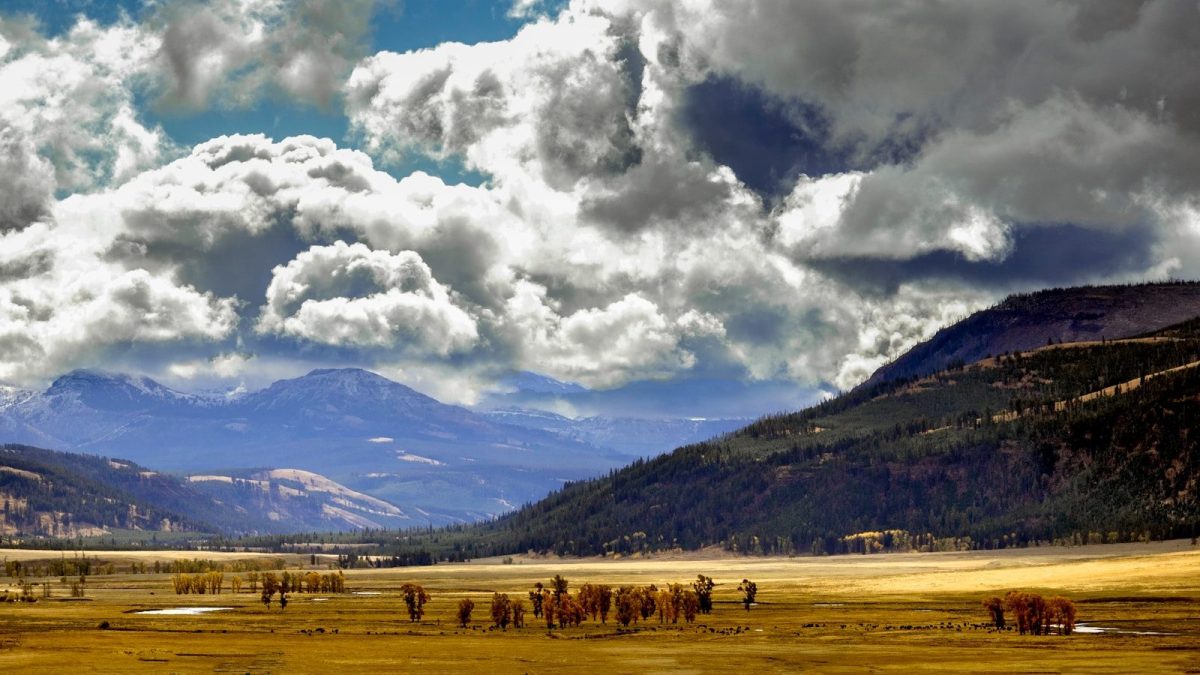
The Lamar Valley produces wildlife encounters that most visitors assume require a trip to Alaska or East Africa. The valley is wide, open, and bisected by a paved road, offering clear sightlines across meadows where bison, elk, wolves, and grizzly bears move through without apparent concern for observers.
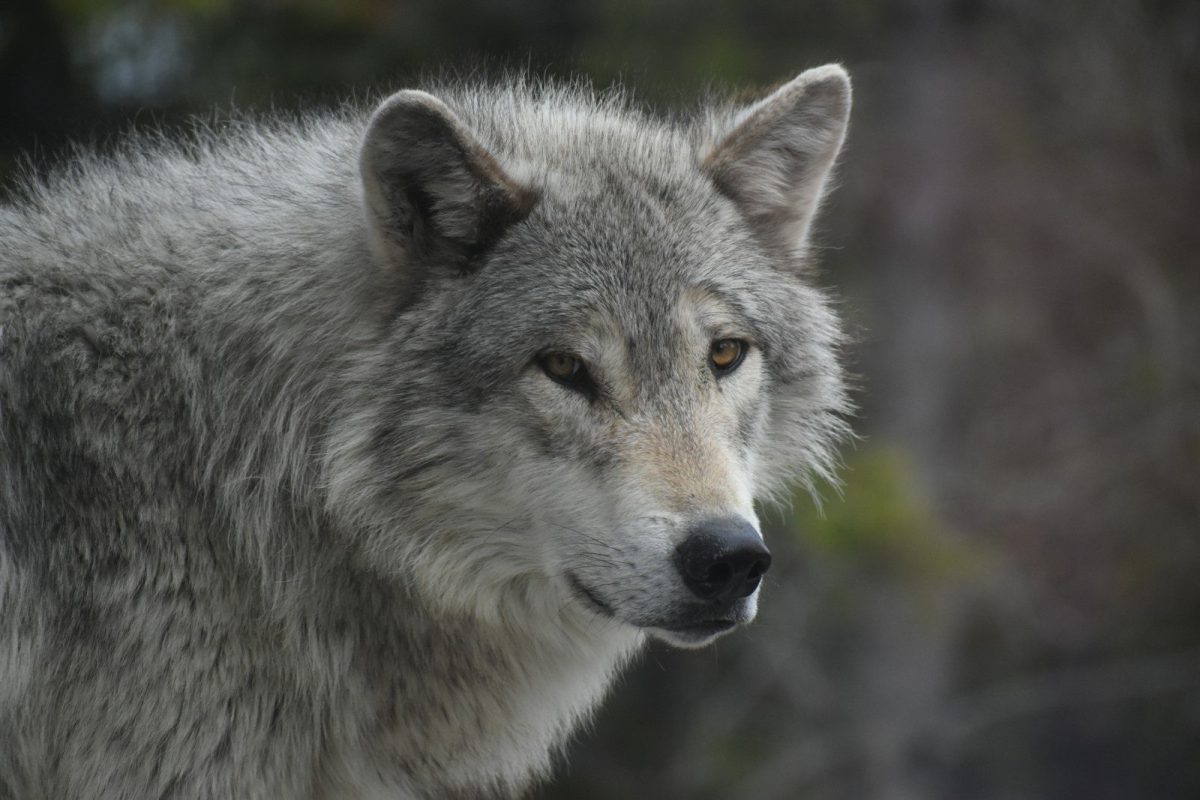
Gray wolves were reintroduced in 1995 after a 70-year absence. Their return reshaped the park’s rivers and plant communities in ways researchers still document today. For visitors, wolf sightings at dawn and dusk are a realistic possibility. Beyond wolves, the park holds roughly 700 grizzly bears, 5,000 bison, and up to 20,000 elk.
Bring binoculars rated 10×42 or better. The valley’s scale means the most interesting activity often happens at a distance that naked-eye observation misses entirely.
3. The Grand Prismatic Spring
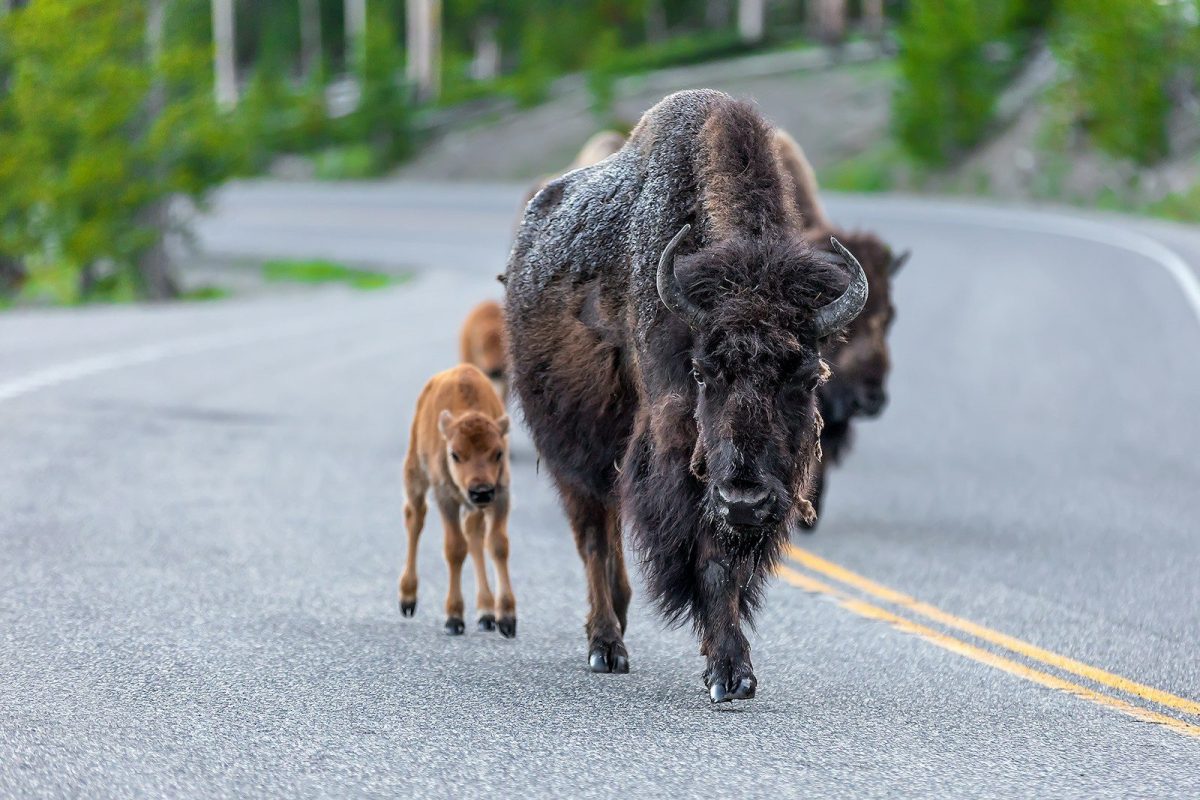
At roughly 370 feet wide and 121 feet deep, the Grand Prismatic Spring is Yellowstone’s largest hot spring and the third largest in the world. Its rings of electric blue, green, amber, and orange are produced by heat-tolerant microorganisms forming pigmented mats at different temperature zones radiating outward from the vent.
The ground-level boardwalk provides a close view, but the spring is so large that appreciating its full scale requires elevation. The overlook trail near the Fairy Falls trailhead provides a complete aerial perspective that the boardwalk cannot.
Late morning is the best time for the overlook. The sun reduces steam obstruction without the heavy haze that builds later in the day.
4. The Grand Canyon of the Yellowstone
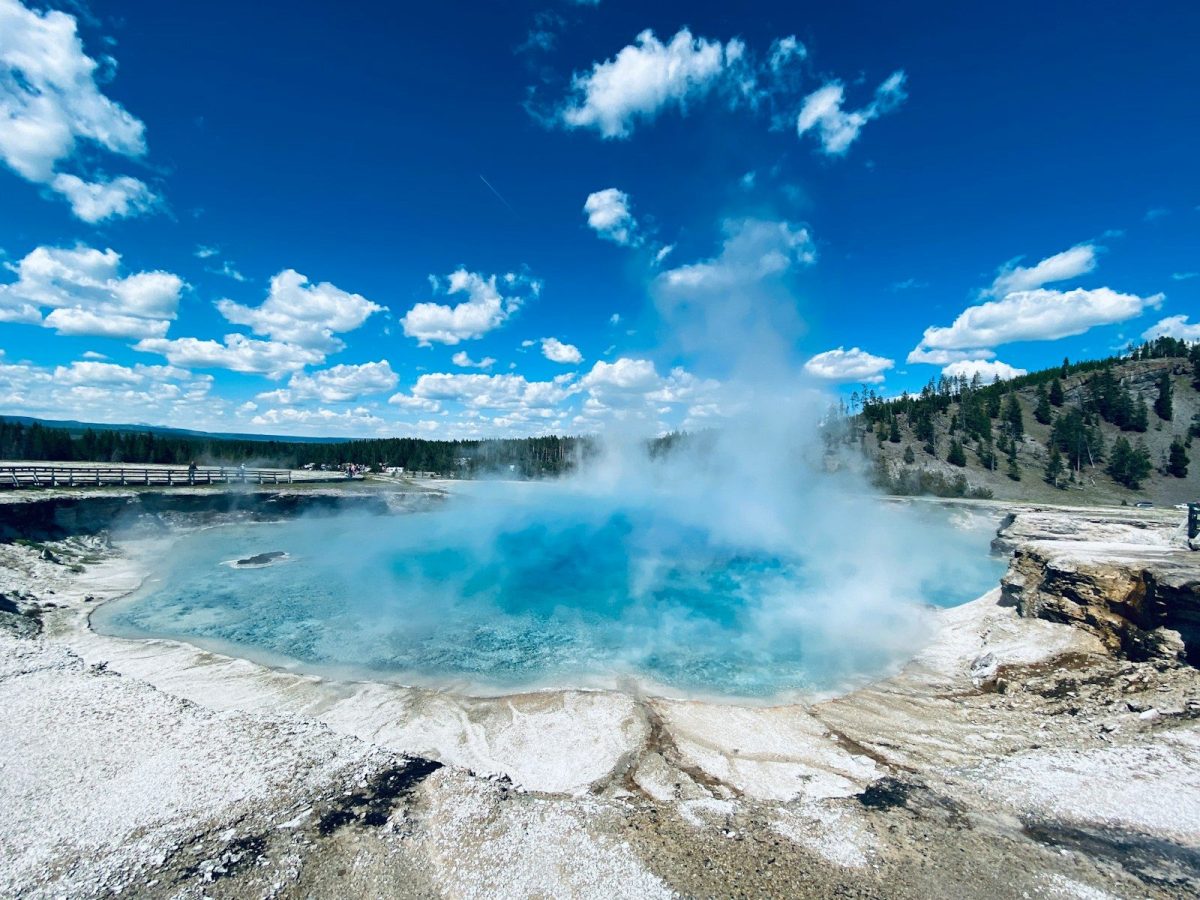
The Yellowstone River carved a canyon 20 miles long, up to 1,500 feet wide, and nearly 1,000 feet deep. The walls are stained yellow, orange, and red by iron compounds, the color that gave the park and surrounding region their names. The Lower Falls drop 308 feet, nearly twice the height of Niagara, and the sound carries clearly from the rim.
Artist Point on the south rim delivers the classic view. The north rim’s Lookout Point draws fewer visitors and offers an equally strong angle on the falls.
Arriving at the north rim before 9 a.m. means having one of the canyon’s best views largely to yourself.
5. Backcountry Access
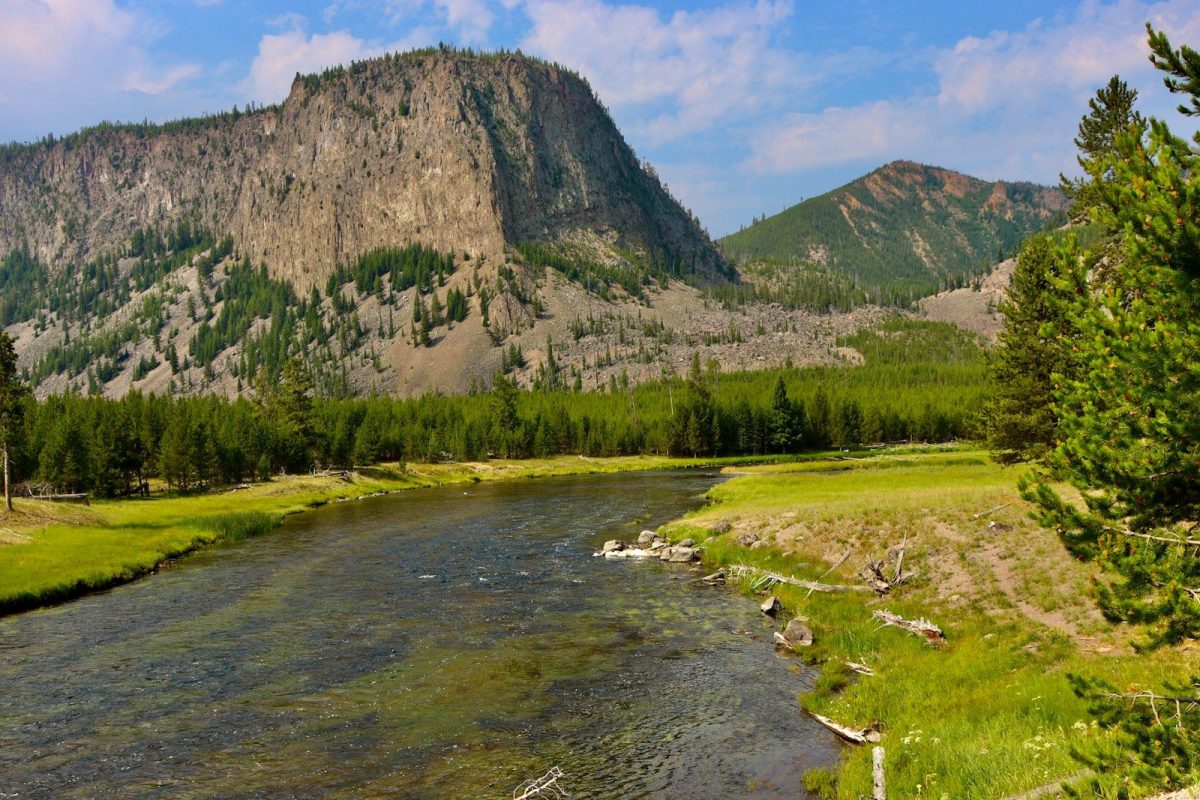
Most visitors experience Yellowstone from the road or along main boardwalks, leaving 900 miles of backcountry trails sparsely traveled. Shoshone Lake, the largest backcountry lake in the lower 48, is reachable only on foot or by non-motorized watercraft. The Bechler region in the park’s southwest corner passes through wetlands and thermal streams toward waterfalls that appear in very few travel photographs. The Mount Washburn trail, a 6-mile round trip, climbs to a fire lookout with views across the entire caldera.
Backcountry permits are limited. Reservations open in mid-March and popular sites fill within days.
6. Dark Skies
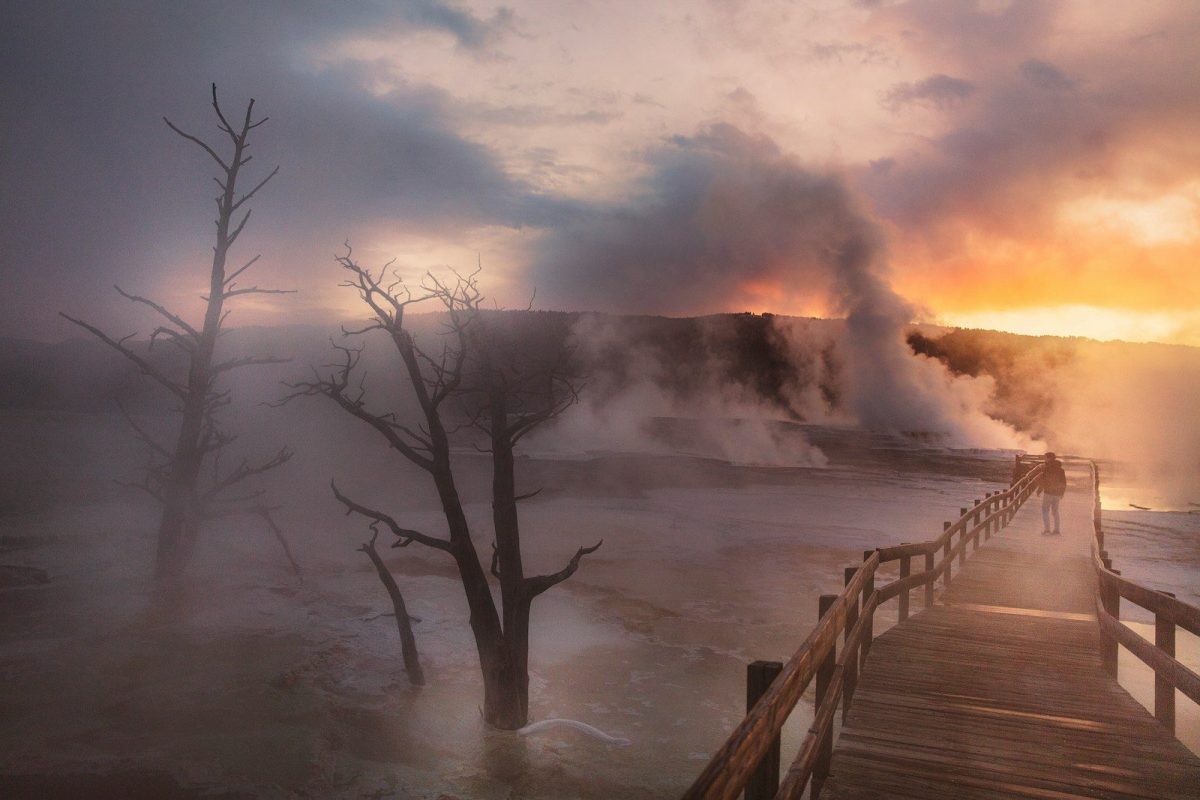
Yellowstone sits within one of the least light-polluted regions of the continental United States. On a clear, moonless night above the Hayden Valley, the Milky Way is visible as a structural feature of the sky. Steam columns from the geyser basins catch ambient light and rise against the stars in a scene particular to this park alone. Ranger-led astronomy programs run during summer months at several locations inside the park.
Scheduling a visit around a new moon in July, August, or September maximizes sky quality.
7. Shoulder Season
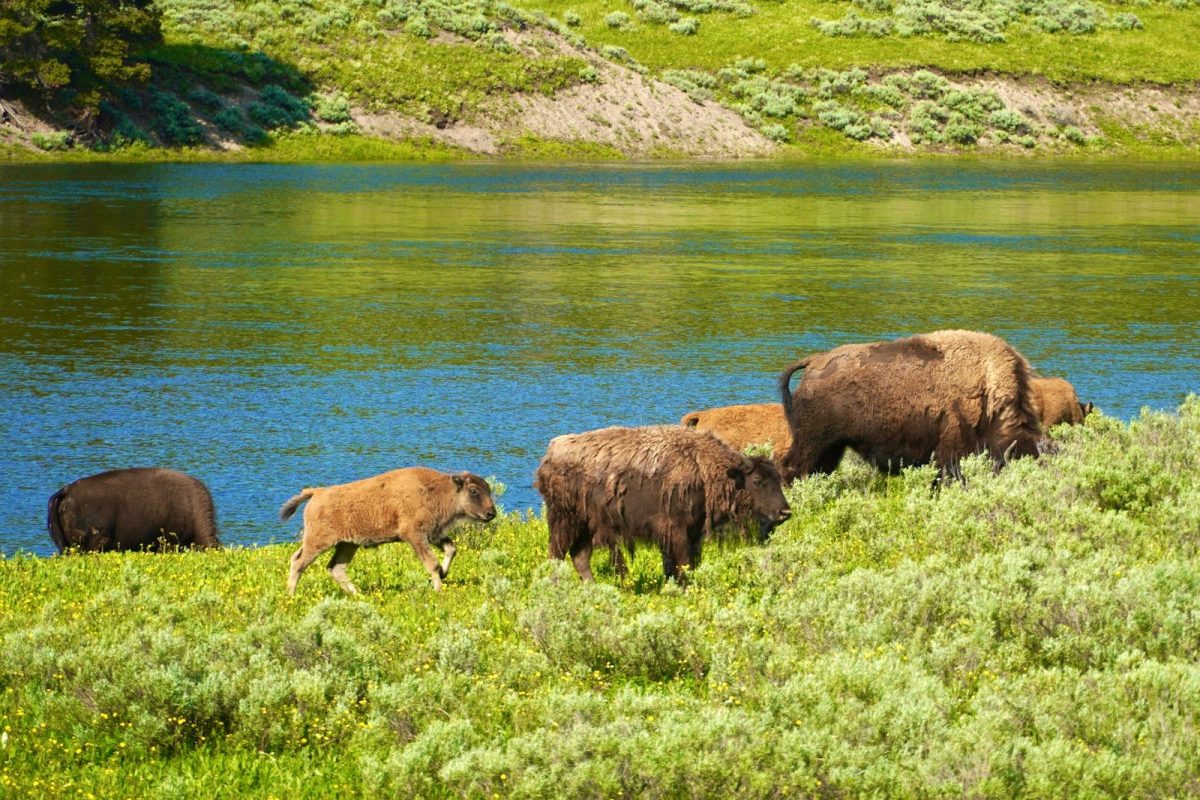
May and September offer the park at a calmer pace with distinct seasonal draws. In May, newborn bison calves appear across the northern range, grizzly bears feed actively in lower elevations, and thermal features steam dramatically in cold morning air. In September, the elk rut fills the Madison River corridor and Mammoth Hot Springs meadows with bugling bulls. Crowds drop sharply after Labor Day and the cottonwoods along the river valleys turn gold.
September in-park lodging books out well before the season. Reservations through Xanterra open in May of the preceding year.
8. The Gateway Towns
The towns surrounding Yellowstone each add something to a broader trip. Jackson, Wyoming, holds the National Museum of Wildlife Art, a collection of over 5,000 works consistently underestimated by visitors passing through. Cody, Wyoming, offers the Buffalo Bill Center of the West, a five-museum complex covering Western art, Plains Indian culture, and natural history. Gardiner, Montana, the only year-round entrance, sits at the edge of the Lamar Valley corridor and gives direct access to the park’s northern range without the southern approach’s added distance.
Allow at least a day on either end of the itinerary for the gateway towns.
150 Years
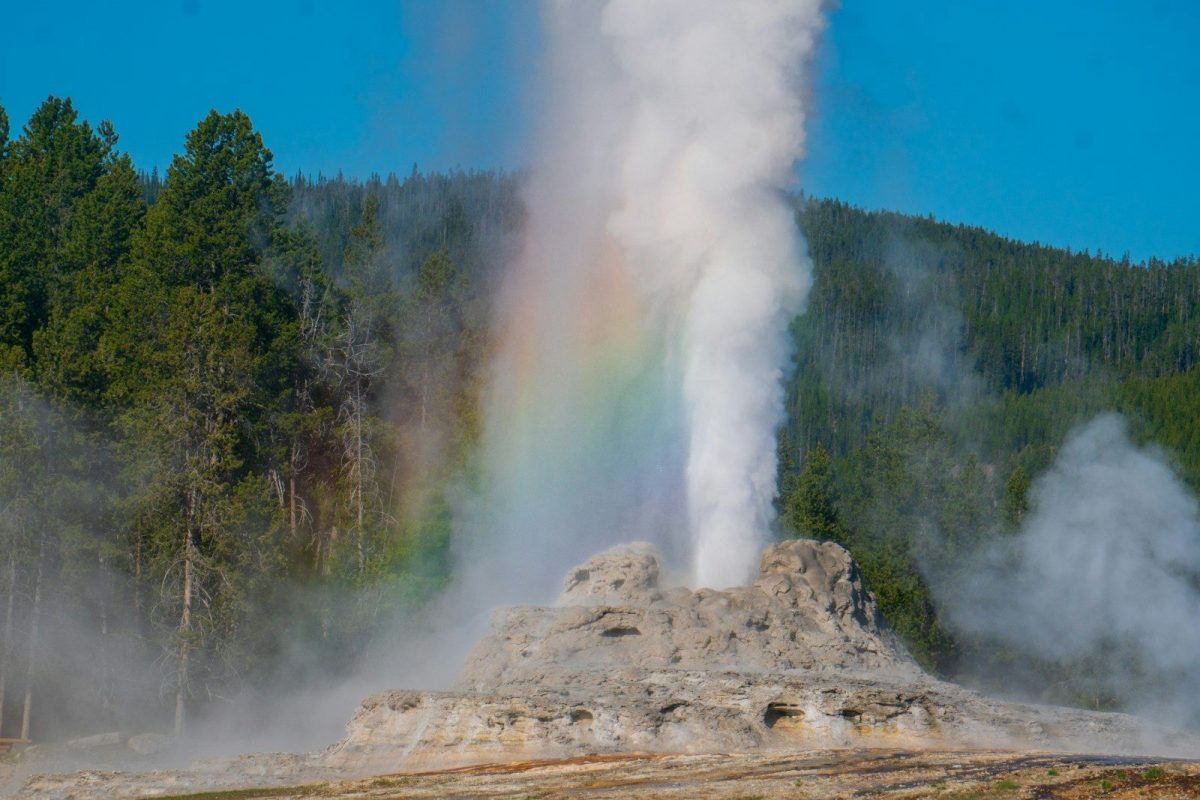
Yellowstone has drawn visitors for 150 years because it presents natural phenomena found nowhere else in this combination. The geysers, canyon, thermal springs, wildlife, and dark skies are each remarkable on their own terms.
A timed entry permit system operates during peak summer months for the most visited corridors. Permits are released through Recreation.gov in advance and on a rolling basis each morning. Arriving without one during required hours results in a turn-away, so confirming current entry requirements before travel is necessary.
Allow a minimum of five days, book lodging early, arrive at primary features before 8:30 a.m., and dedicate at least one full day to the Lamar Valley. A seven-day vehicle pass runs $35. The America the Beautiful annual pass covers all federal lands for $80 and pays for itself quickly on a multi-park itinerary.
