
Luxury travel is often less about how much you spend and more about how you travel, according to etiquette experts who argue that some expensive holiday trends are actually far from stylish. The idea is not that these trips are “bad,” but that many are driven more by social signalling than genuine travel enjoyment.
A leading voice in travel etiquette, often referred to as the “Queen of Etiquette,” Laura Windsor, suggests that some popular middle-class holiday choices are more about impressing others than experiencing a destination authentically. Her critique focuses on the gap between perceived sophistication and actual travel quality.
Glamping that’s “just camping with a price tag”

Glamping has become one of the most popular short break options, especially in the UK, offering yurts, bell tents, fairy lights, and hotel-style beds in rural settings. But critics argue it is simply camping with a marketing upgrade.
According to Windsor, the appeal is largely aesthetic rather than practical. Guests still share facilities, deal with weather conditions, and live close to nature, yet often pay luxury hotel prices for the experience. The suggestion is that traditional camping may actually be more honest, if less Instagram-friendly.
All-inclusive resorts that pretend to be luxury

All-inclusive holidays are often marketed as premium experiences, especially when branded under upscale names. However, critics say the core concept remains the same: unlimited food, drinks, and poolside relaxation.
Windsor argues that changing the branding does not necessarily change the experience. Whether it is a budget package holiday or a higher end resort, the structure is similar. The key difference, she suggests, is often just presentation rather than exclusivity.
Overhyped “intrepid” destinations like Costa Rica

Destinations such as Costa Rica are widely promoted as exotic, wildlife-rich adventures. In reality, experts say they have become heavily touristed, particularly by North American and European visitors.
While the landscapes and biodiversity remain impressive, some travellers find the experience less “off the beaten track” than expected. Popular wildlife encounters can involve crowded viewpoints and busy tour routes rather than the secluded jungle experience many imagine.
Mass market staycations and crowded hotspots
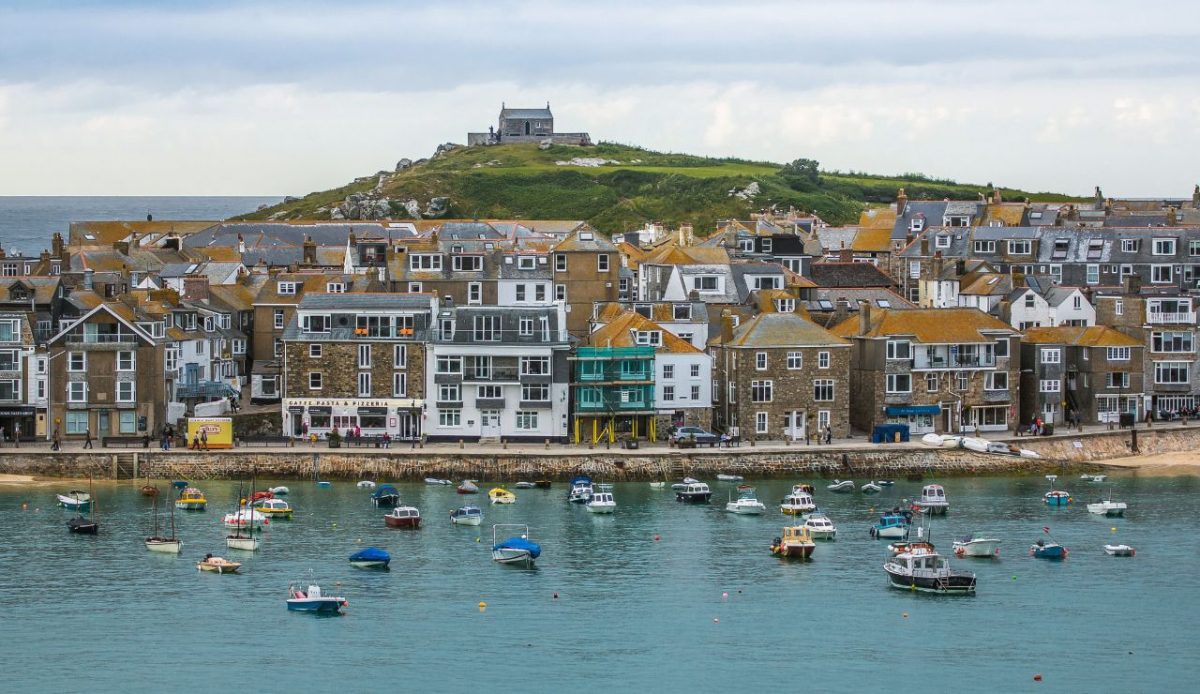
Short breaks to popular domestic destinations, such as coastal UK holidays, are also under scrutiny. Areas like Cornwall are often packed during peak season, with traffic congestion, high prices, and overcrowded attractions.
Critics argue that while these trips are marketed as relaxing escapes, they can feel more stressful than restorative. In contrast, they suggest travellers seeking a more “elevated” experience might consider quieter or less obvious destinations abroad.
Safari tours that are anything but exclusive

Safaris, once considered the pinnacle of luxury travel, have become increasingly accessible. That popularity has led to crowded viewing areas where multiple vehicles gather around the same wildlife sightings.
In destinations such as national parks in Kenya and other parts of Africa, travellers sometimes find themselves in queues of safari vehicles rather than remote wilderness.
Experts say the issue is not the experience itself, but the expectation of exclusivity. A safari can still be extraordinary, but not always private or untouched.
Ski holidays during peak season chaos
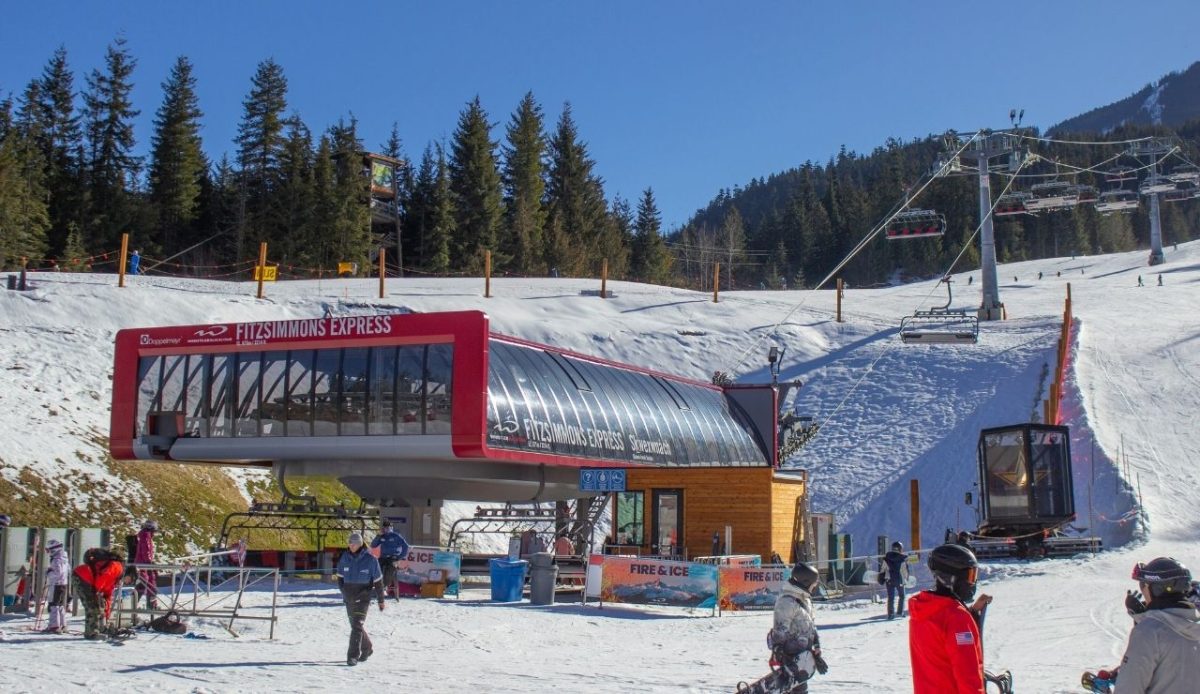
Family ski trips during school holidays remain a staple of middle class travel. However, peak season slopes in places like the Alps can become heavily congested, with long lift queues and crowded runs.
The result, critics argue, is an experience that can feel more stressful than luxurious, especially for beginners navigating busy slopes.
Japan tourism following the same routes
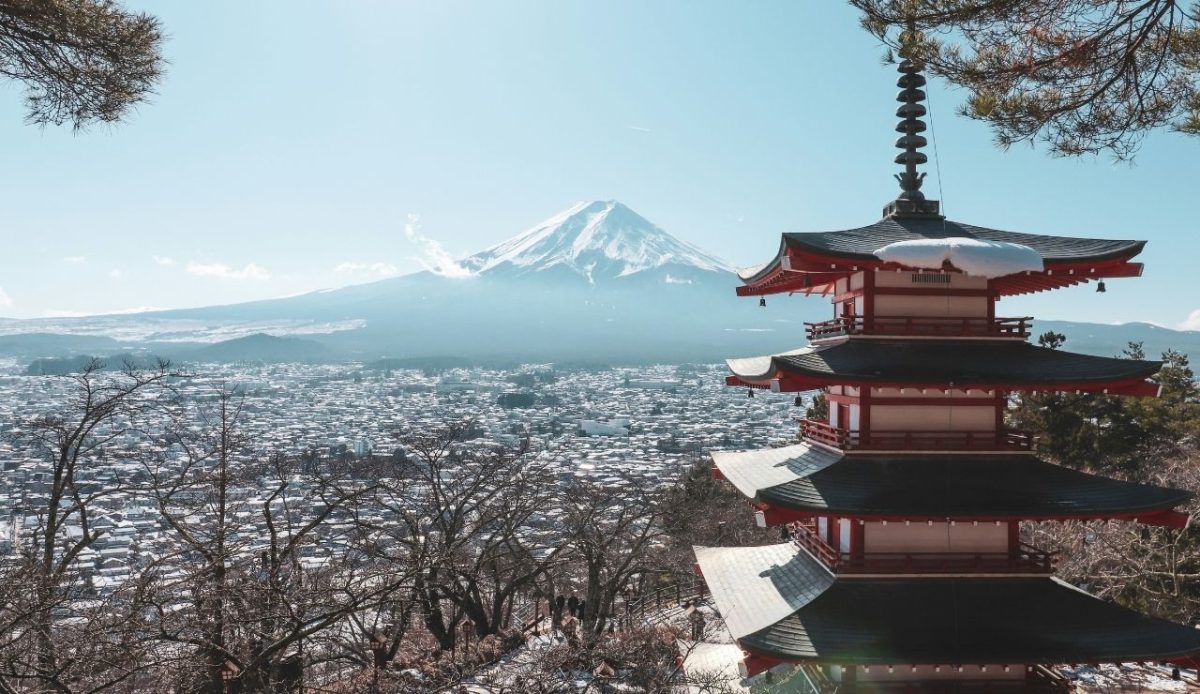
Travel to Japan has surged in recent years, with many visitors following identical sightseeing routes. Popular spots such as shrines, parks, and shopping districts can become extremely crowded.
Experts suggest that travellers who stick only to major attractions may miss the quieter, more authentic side of the country.
The real message behind “tacky travel”

The underlying point from etiquette critics is not to shame certain holidays, but to highlight motivation. Holidays driven by social status or social media validation can lose the sense of discovery that makes travel meaningful.
In their view, true travel style is less about expense and more about curiosity, individuality, and choosing experiences that feel personal rather than performative.
