
Europe’s historic cities, winding streets, and cultural treasures attract millions of visitors each year, yet many trips end before they begin because passports fail border checks. A document that seems valid at home may not meet the region’s strict standards. Airlines and border officers enforce the rules without exception. The Schengen area follows firm limits tied to both the issue date and the time of departure. Anyone preparing for a journey should confirm these details early. Checking them now prevents wasted tickets, saves time, and ensures the adventure continues as planned.
1. Learn How the 3+10 Rule Works
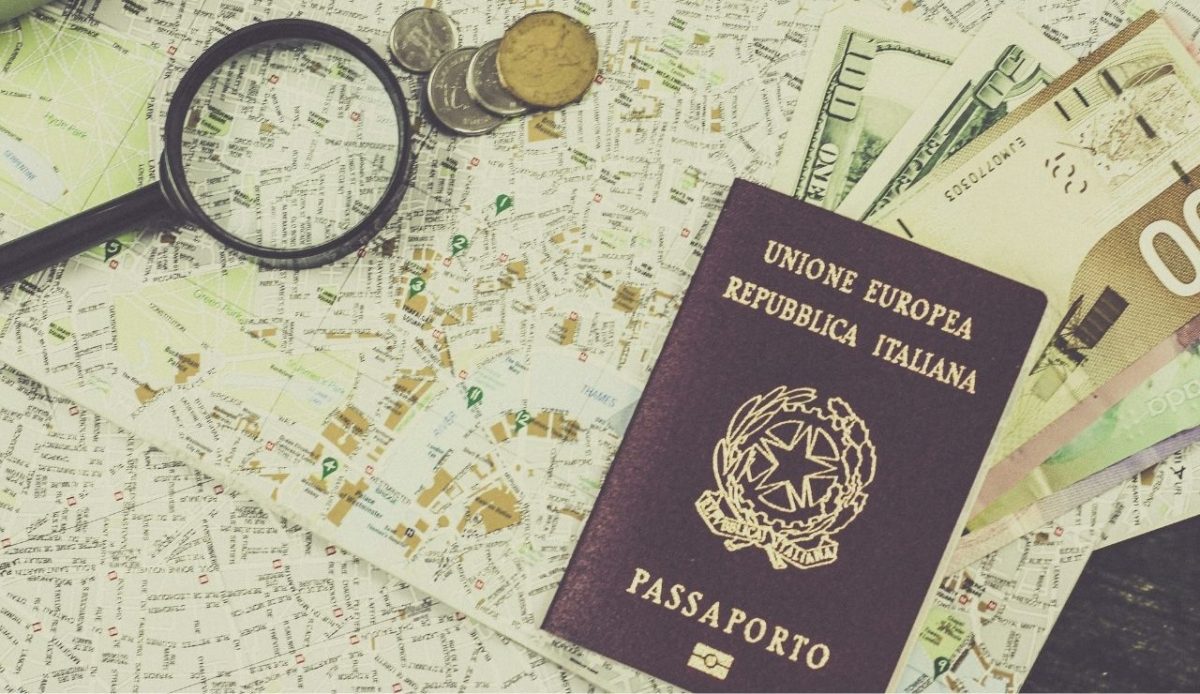
Schengen countries apply two conditions for entry. The passport must be less than ten years old on the date of arrival and remain valid at least three months after the date of departure. Both conditions apply together, not separately. For example, a passport issued in July 2015 but expiring in December 2025 becomes invalid in July 2025. Many travelers overlook this rule, which can stop the trip before boarding begins. The safest choice is to renew well ahead of time, long before planning flights and hotels.
2. Expiration Dates Do Not Tell the Whole Story
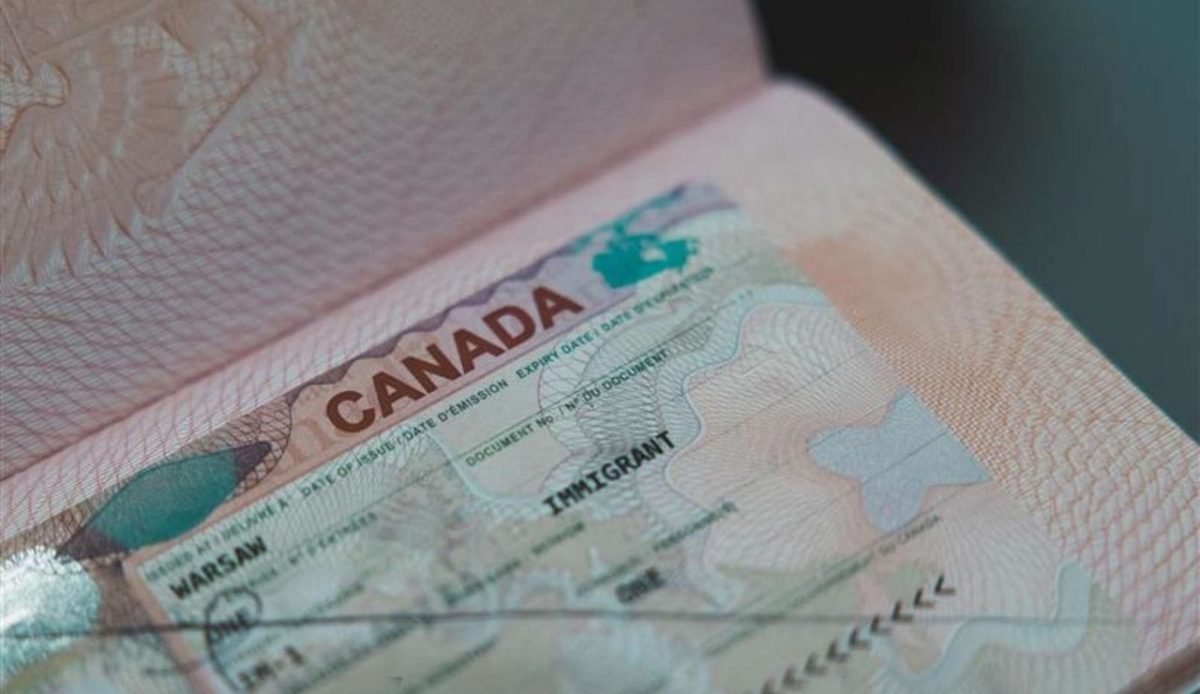
Many travelers assume that the printed expiration date is the only detail that matters. In Europe, the issue date is just as important. Passports once granted extra months of validity in some countries, but those extensions are ignored under Schengen rules. A passport issued in spring 2015 cannot be used after spring 2025, even if it lists a later expiration date. Airlines will deny boarding if this rule is broken. To avoid problems, travelers should check both the issue date and expiry date together and renew before either condition creates a barrier.
3. Airlines May Demand More Time

Even though Schengen countries require three months of validity beyond departure, many airlines prefer a margin of six months. Carriers adopt stricter limits to avoid fines if passengers are denied entry later. A traveler with only four months remaining may still be refused boarding at the gate. The best option is to renew well before the passport nears its expiration. Extra months on the document provide peace of mind, prevent last-minute disputes, and ensure that plans for tours, hotels, or transfers are not lost at the start of the trip.
4. Blank Pages Can Matter Too
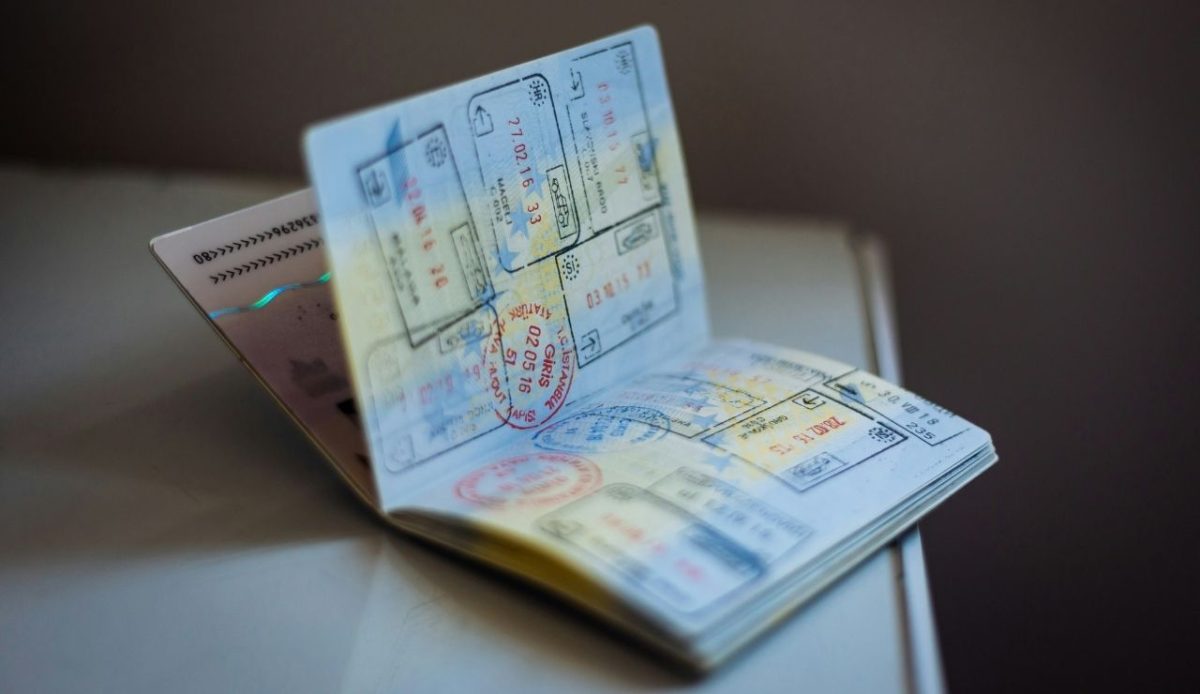
Entry rules are not only about dates. Many airports still use physical stamps on arrival and departure, and some airlines insist on two blank pages in the passport. A document filled with visas and stamps may be rejected at check-in even if the expiration is fine. Extra pages cannot be added once the passport is full, so the only solution is renewal. Travelers who plan ahead avoid this common problem. Checking the number of blank pages before buying tickets ensures there is space for new stamps and keeps the journey on track.
5. A Damaged Passport Can End a Trip
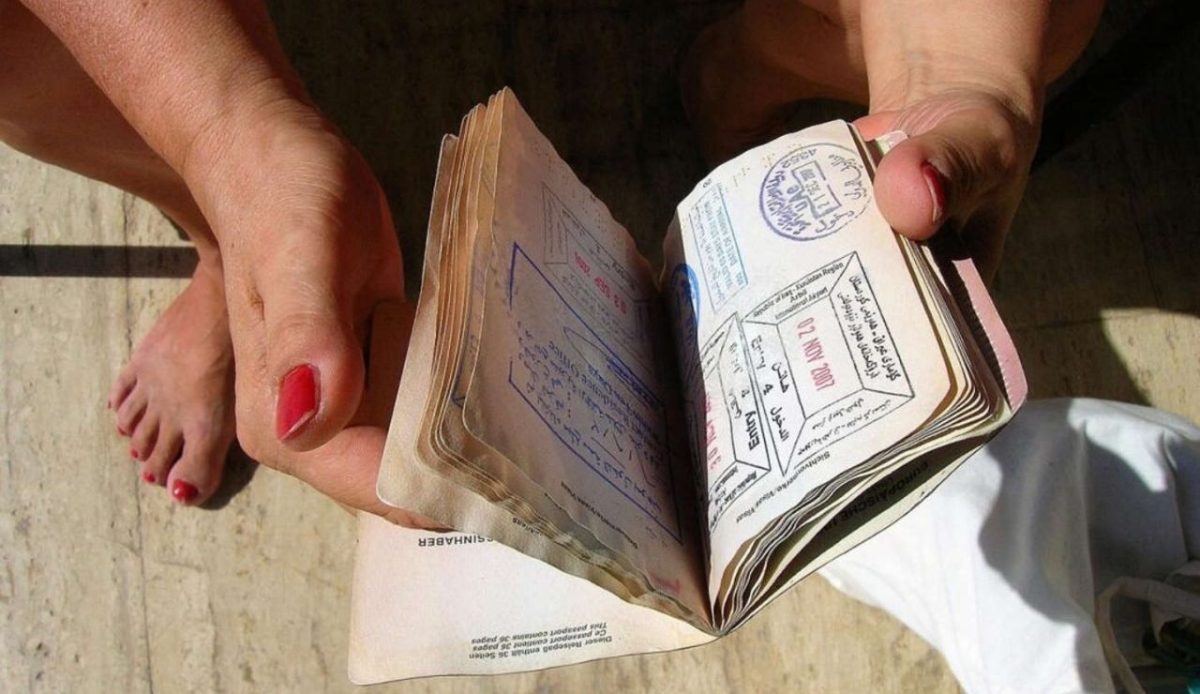
Passports in poor condition often fail inspection. Pages that are torn, stained, or loose create doubts about security. A damaged photo or chipped cover can lead border officers to reject the document outright. Airlines and border staff are trained to refuse entry rather than take risks. Hoping for leniency is not reliable. Renewing at the first sign of damage is the safest step. Keeping the passport in a protective case, storing it carefully, and avoiding moisture helps ensure it stays intact and acceptable throughout future travels.
6. Watch Out for Children’s Documents and Name Changes

Passports issued to children often expire in fewer years than adult documents, which shortens the margin for travel. Families planning trips together may overlook this detail until the journey is close. Another common issue comes from name changes. A ticket and passport must match exactly, with no tolerance for spelling differences. Travelers who have changed their name through marriage, divorce, or official records should update their passport before booking flights. Checking every detail early avoids confusion at check-in counters and keeps the entire group moving forward.
7. Remember the UK and Ireland Follow Separate Rules
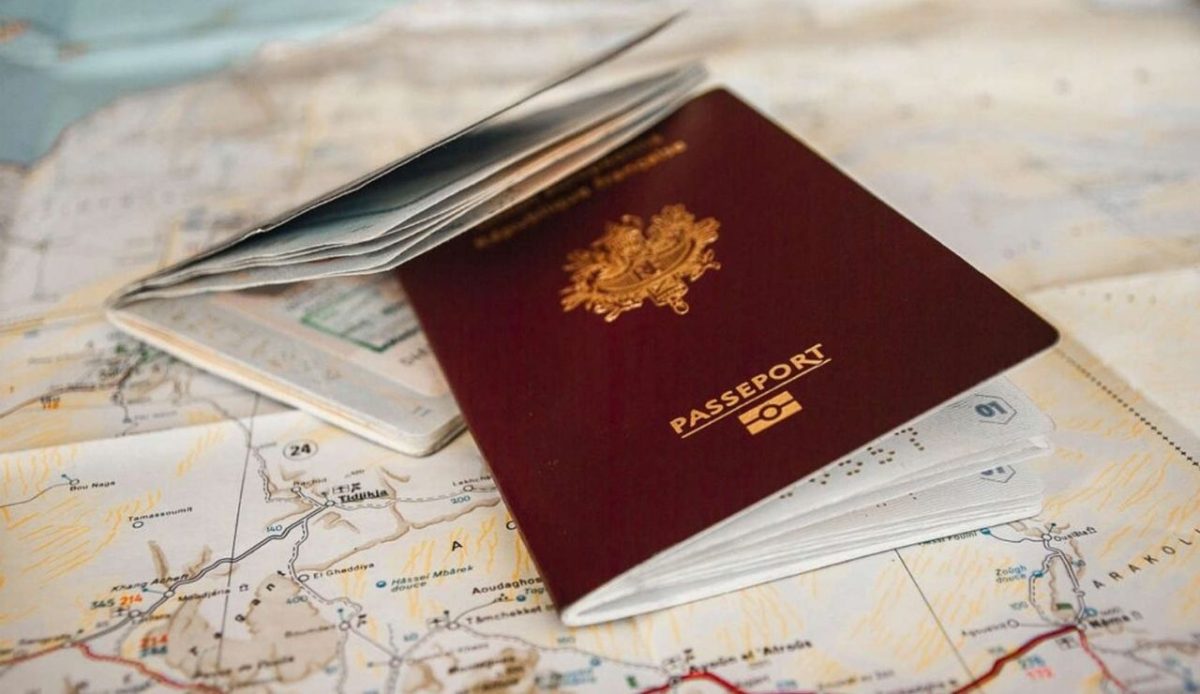
Not every country in Europe follows Schengen rules. The United Kingdom and Ireland operate under their own systems, usually requiring a passport valid for the length of stay. If a trip combines these destinations with Schengen countries, the strictest standards will apply. A document that works in Dublin may not qualify in Paris. Planning for the higher requirement across the entire route avoids unexpected problems. Checking official guidance for each stop ensures that no leg of the journey is blocked by rules that were overlooked.
8. Understand the New Rules for Bulgaria and Romania

Bulgaria and Romania now apply Schengen rules for air and sea entry, while land borders are still transitioning. Passports must be less than ten years old, valid at least three months after leaving, and respect the 90 days within 180 days stay limit. Older advice sometimes lists lighter checks, but airlines follow the updated system. Travelers heading to Bucharest, Varna, or other entry points should review both dates and count their travel days carefully. Careful preparation ensures smooth boarding and arrival without disruption.
9. Plan for Airport Connections and Transit Needs

Travelers often assume that connections avoid passport checks, but many airports require full entry when changing terminals or airports. This means the same validity rules apply, even during short layovers. Some nationalities also need transit visas for specific hubs. Airlines will deny boarding if these are missing. Studying the route in detail, confirming the rules with the airline, and checking the consular website prevent being stranded midway through the trip. Low fares may seem attractive, but they are costly if the journey ends in an airport lounge.
10. Prepare for Future Systems like ETIAS and EES

Europe is introducing new systems to manage border control. The Entry Exit System will log non-EU visitors using biometric records, replacing many stamps. ETIAS will require travelers from visa-exempt countries to complete an online authorization before departure once it begins. These systems are not fully active yet, but will appear in the near future. Travelers should only apply through official EU websites to avoid scams. Preparing in advance helps ensure a smooth transition into the new checks and prevents unexpected costs or delays at the gate.
