
Europe is full of cities known worldwide, but some of the most rewarding destinations are those travelers expect less from. These places combine history, culture, food, and scenery in ways that surprise visitors again and again. They are not always the largest or most famous, yet they consistently impress with what they offer. From colorful harbors in the north to lively plazas in the south, these 13 cities go far beyond ordinary assumptions. Each one proves that Europe’s most memorable experiences are not only in its capitals but also in cities often overlooked.
1. Porto, Portugal
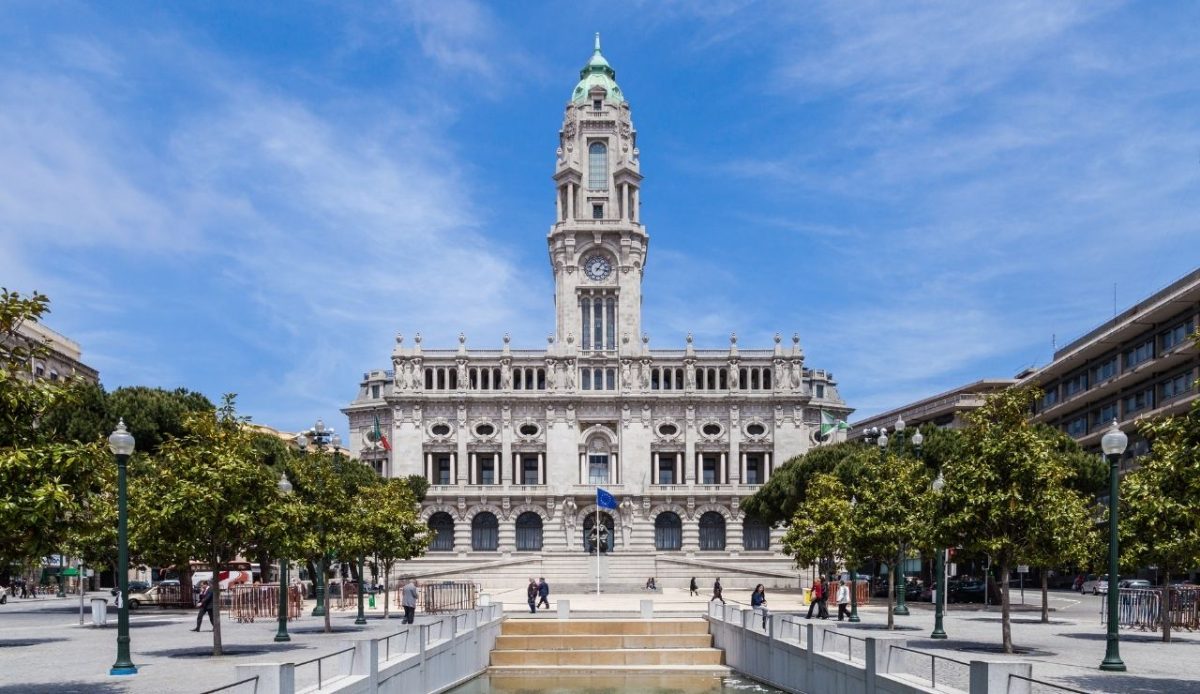
Porto is located in northern Portugal along the Douro River with a deep wine tradition. Its history stretches back centuries, visible in its narrow medieval lanes, tiled facades, and baroque churches. Visitors find riverfront walks, cafés, bookstores, and bridges that connect both banks. While many expect Lisbon to take the spotlight, Porto often feels more approachable and charming. The combination of history, culture, and a slower pace surprises travelers who come with modest expectations. Porto leaves a lasting impression as one of Portugal’s most rewarding cities to discover.
2. Valencia, Spain
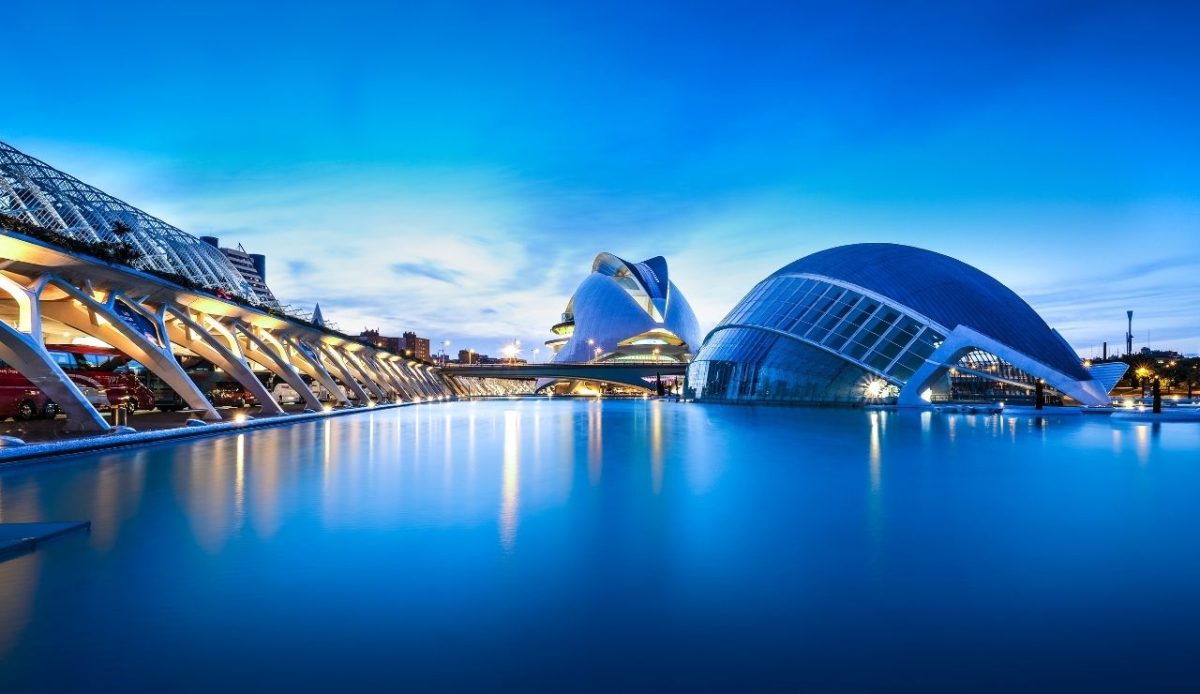
Valencia is located on Spain’s eastern coast, offering a unique mix of past and present. Its old town is filled with Gothic and Renaissance landmarks, including the cathedral and silk exchange that recall its trading importance. Just outside, the City of Arts and Sciences showcases bold modern design and interactive museums. Wide beaches and a rich food culture, including paella’s birthplace, add to its appeal. Many assume Madrid or Barcelona outshine it, but Valencia proves otherwise. With tradition, innovation, and coastal charm, the city consistently impresses beyond expectation.
3. Granada, Spain
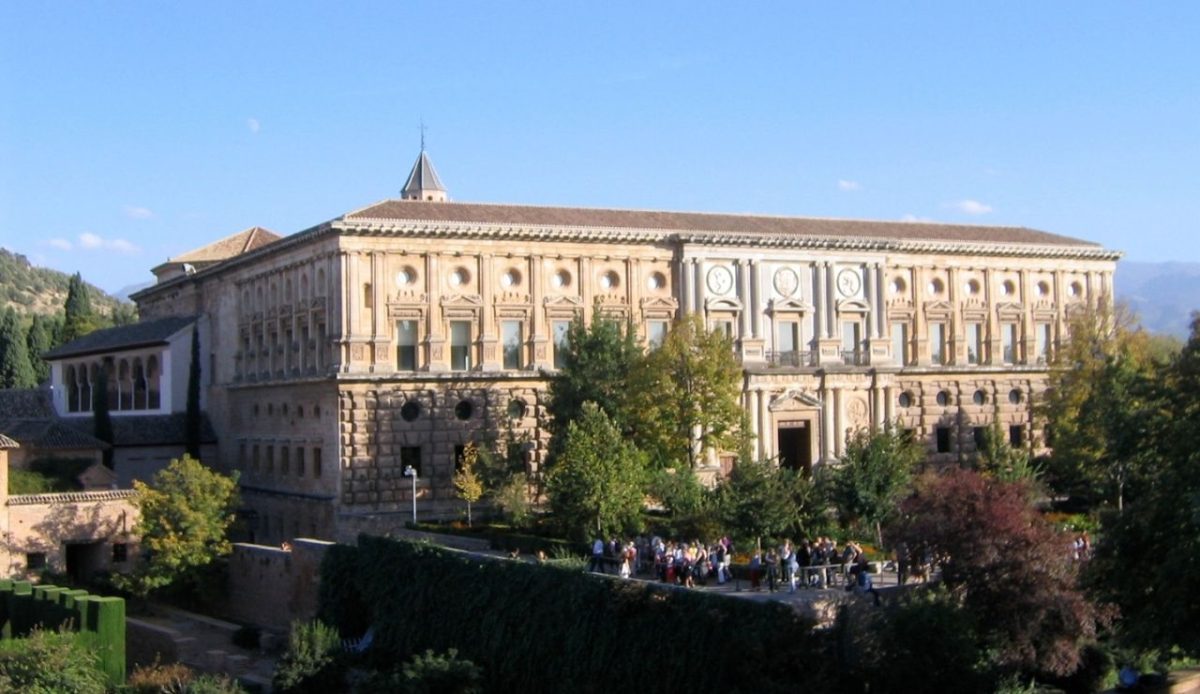
Granada is located at the base of Spain’s Sierra Nevada mountains, carrying both Moorish and Spanish heritage. The Alhambra dominates as its most famous site, with palaces, gardens, and courtyards that showcase centuries of design. Beyond it, the Albaicín quarter offers winding streets, tea houses, and city views. Modern Granada also thrives with universities and vibrant nightlife. Many visitors expect only a landmark fortress, but instead discover a lively city layered with cultures. Granada far surpasses assumptions, leaving travelers with both historic beauty and an energetic atmosphere.
4. Bilbao, Spain
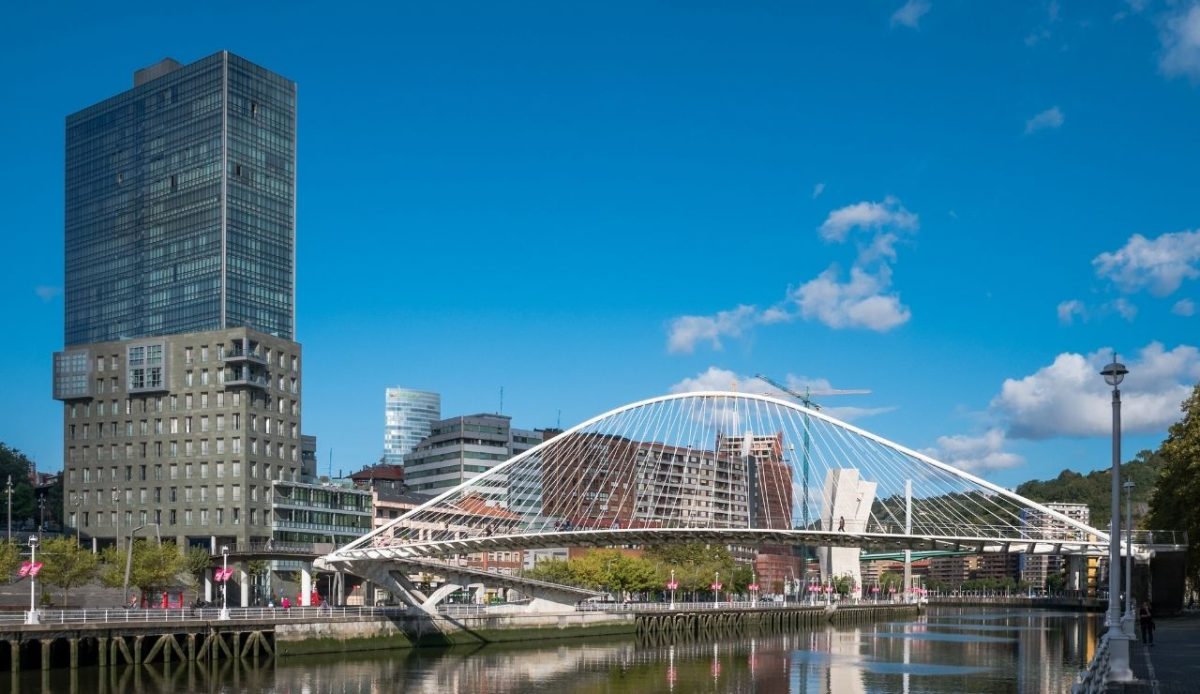
Bilbao in northern Spain has moved from industrial roots to a place recognized for creativity and design. The Guggenheim Museum reshaped the city’s image, but historic quarters with taverns serving Basque pintxos remain central to daily life. Green hills and river promenades show how natural settings blend with cultural revival. Most expect only factories and shipping, but Bilbao presents art, food, and scenery. This transformation has surprised countless travelers, proving it as one of Europe’s most dynamic cities where the mix of old and new exceeds every assumption.
5. Montpellier, France
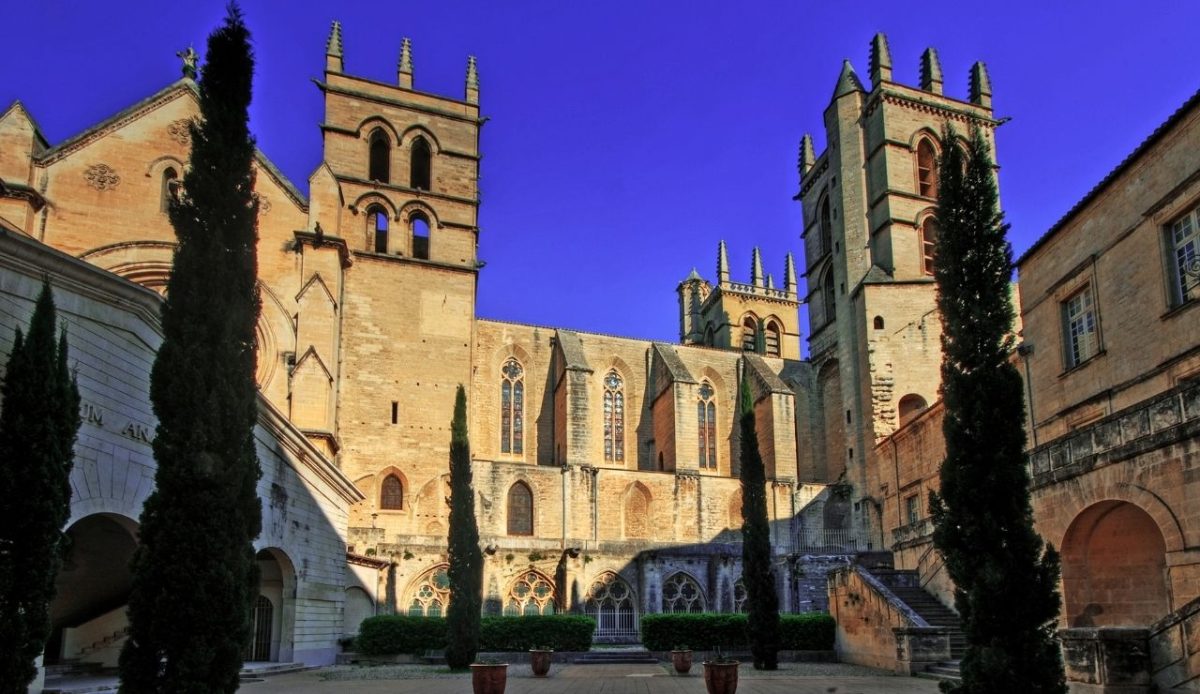
Montpellier, in southern France, combines centuries-old streets with a thriving modern edge. The medieval quarter offers narrow lanes, grand squares, and Gothic architecture, while trams and public spaces reflect a forward-looking spirit. As a university city, it carries a youthful energy with markets, cafés, and cultural events throughout the year. Many travelers overlook Montpellier in favor of Paris or coastal resorts, but its mix of historic charm and lively atmosphere leaves an impression. The city shows that southern France holds surprises far beyond the usual tourist choices.
6. Lyon, France
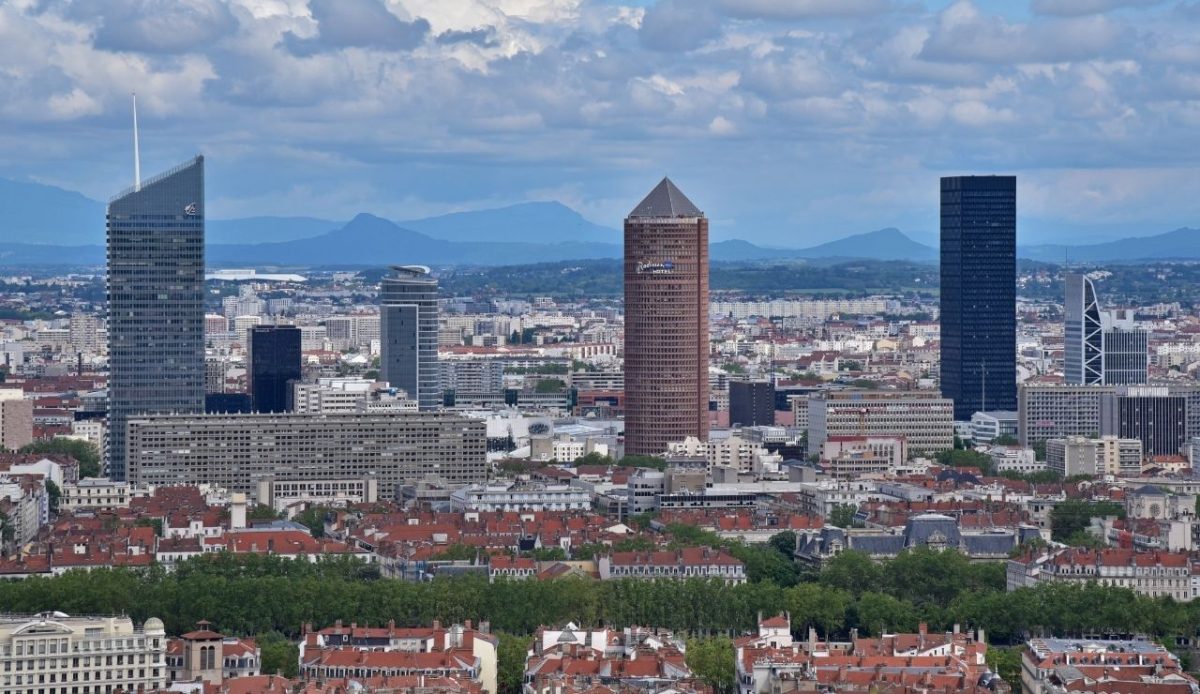
Lyon, in eastern France, is a city known as a food capital while also carrying deep historic value. Its Old Town preserves Renaissance courtyards and narrow lanes, while Roman theaters remind visitors of an even earlier past. Modern districts and the Presqu’île show how the city has grown into a cultural center. Lyon often surprises travelers who expect Paris to dominate French culture, yet its dining scene and UNESCO heritage stand out. Visitors discover a city where history, gastronomy, and vibrant daily life consistently exceed assumptions.
7. Bordeaux, France
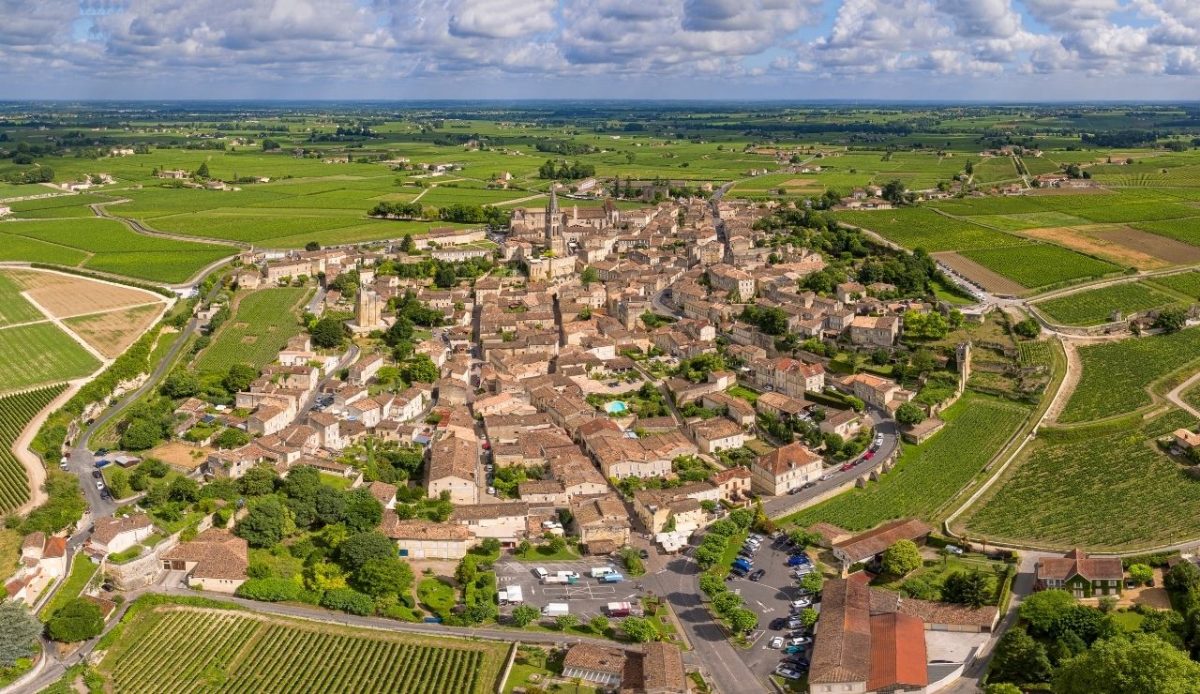
Bordeaux is located in southwestern France and is world-famous for wine, but the city offers more than vineyards. The riverside has been redeveloped with wide quays, bike paths, and cultural venues that welcome residents and visitors. Its 18th-century architecture makes the center one of the most harmonious in Europe. Many arrive expecting only tastings, yet discover museums, lively neighborhoods, and a strong mix of tradition and innovation. Bordeaux proves that its appeal extends well beyond wine, making it one of France’s most rewarding cities to visit.
8. Ghent, Belgium
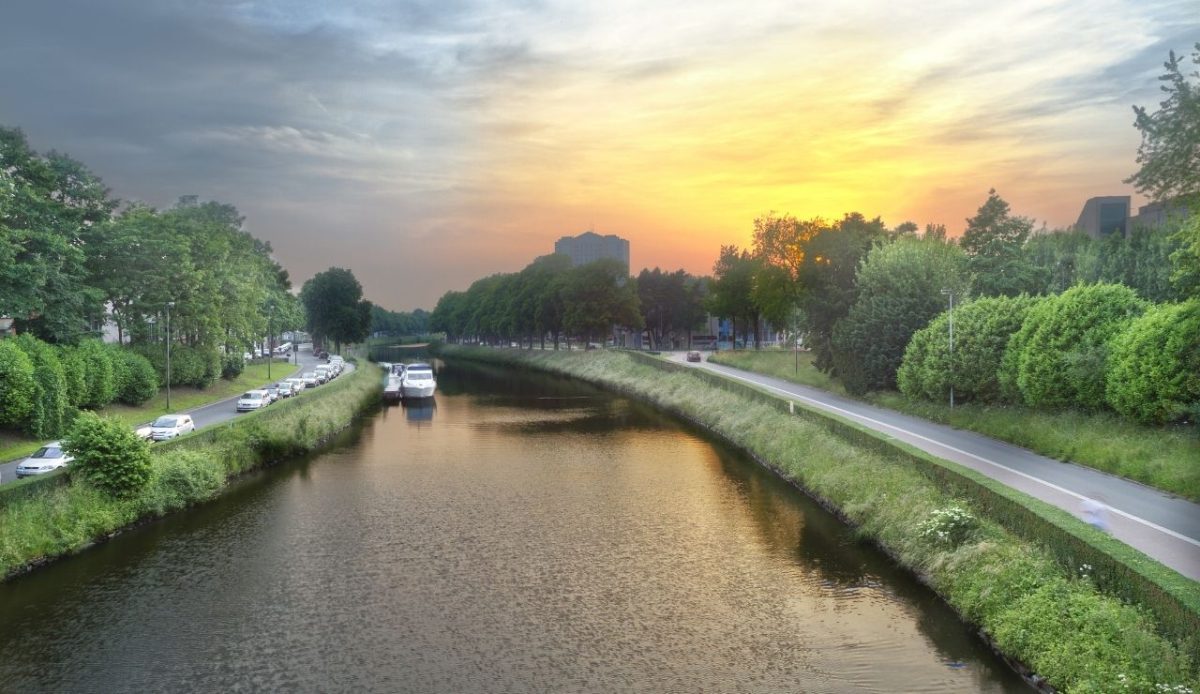
Ghent in northern Belgium balances historic charm with a lively modern spirit. Its canals and medieval towers form a dramatic setting, while the castle and Gothic churches recall centuries of trade and power. Today the city is driven by a student population that keeps streets active with cafés, festivals, and markets. Travelers often assume Bruges outshines it, but Ghent feels less crowded and more dynamic. The combination of heritage and contemporary energy makes Ghent one of Europe’s most surprising mid-sized cities.
9. Bruges, Belgium
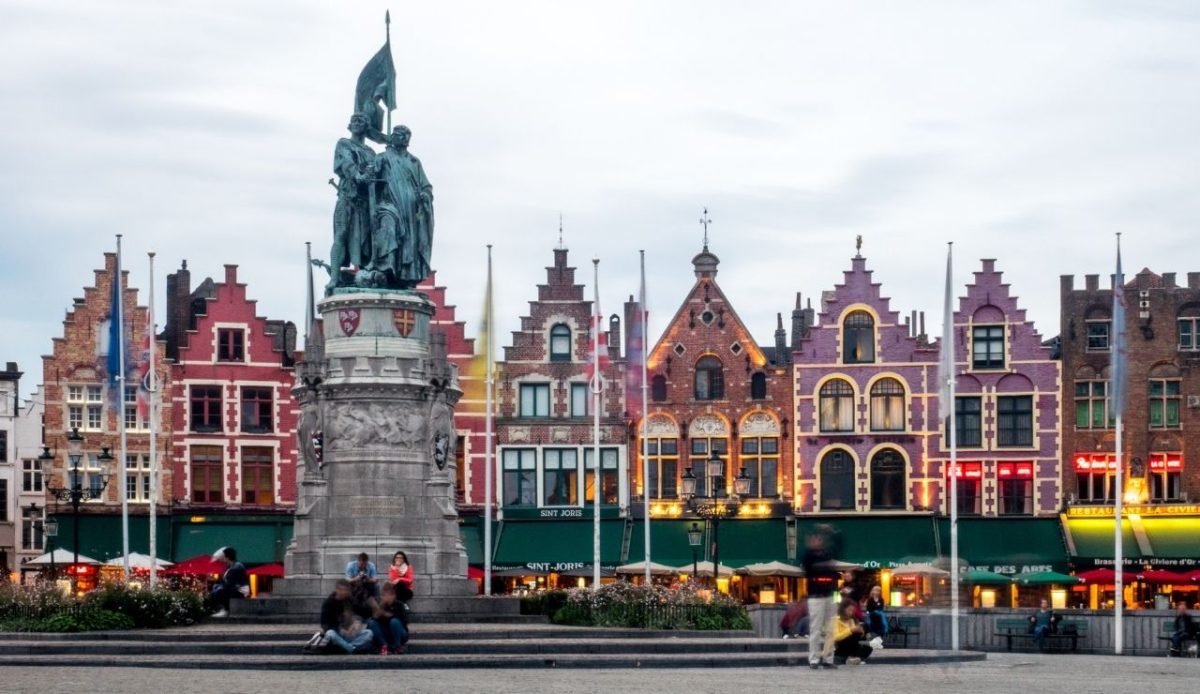
Bruges, also in Belgium, is a city shaped by canals and historic trade wealth. The preserved medieval center includes market squares, guild houses, and a famous belfry tower. Horse carriages and boats highlight the city’s historic character, while museums and chocolatiers add modern appeal. Many visitors expect only postcard views, yet discover active culture through concerts, seasonal markets, and galleries. Bruges consistently exceeds expectations by offering more than picture-perfect scenery. It remains one of Europe’s most beautiful cities with real activity behind its historic streets.
10. Ljubljana, Slovenia
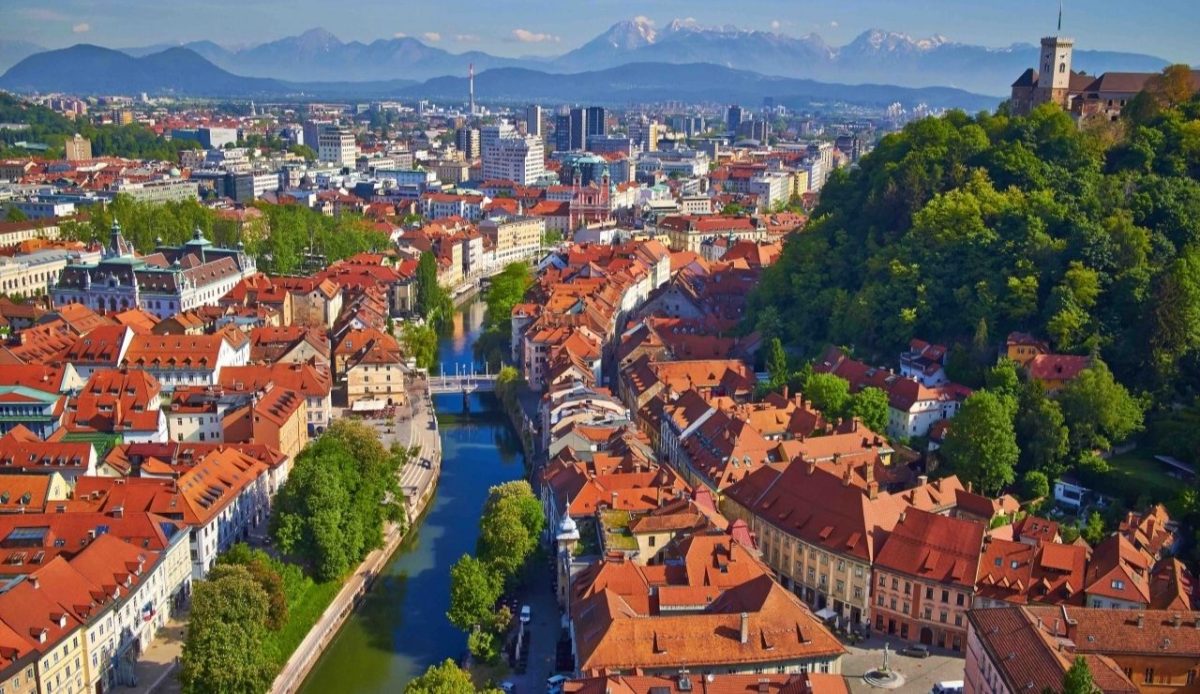
Ljubljana, Slovenia’s capital, is a compact city with a striking mix of baroque, Secessionist, and modern design. Its pedestrian center follows the Ljubljanica River, lined with bridges and cafés. The castle overlooks the old town, while public markets keep local traditions visible. Many expect a small, quiet capital, but Ljubljana feels youthful and engaging, thanks in part to its universities. With festivals, outdoor dining, and green spaces, it consistently surprises travelers. Ljubljana stands out as a capital that offers far more charm and life than most anticipate.
11. Dubrovnik, Croatia
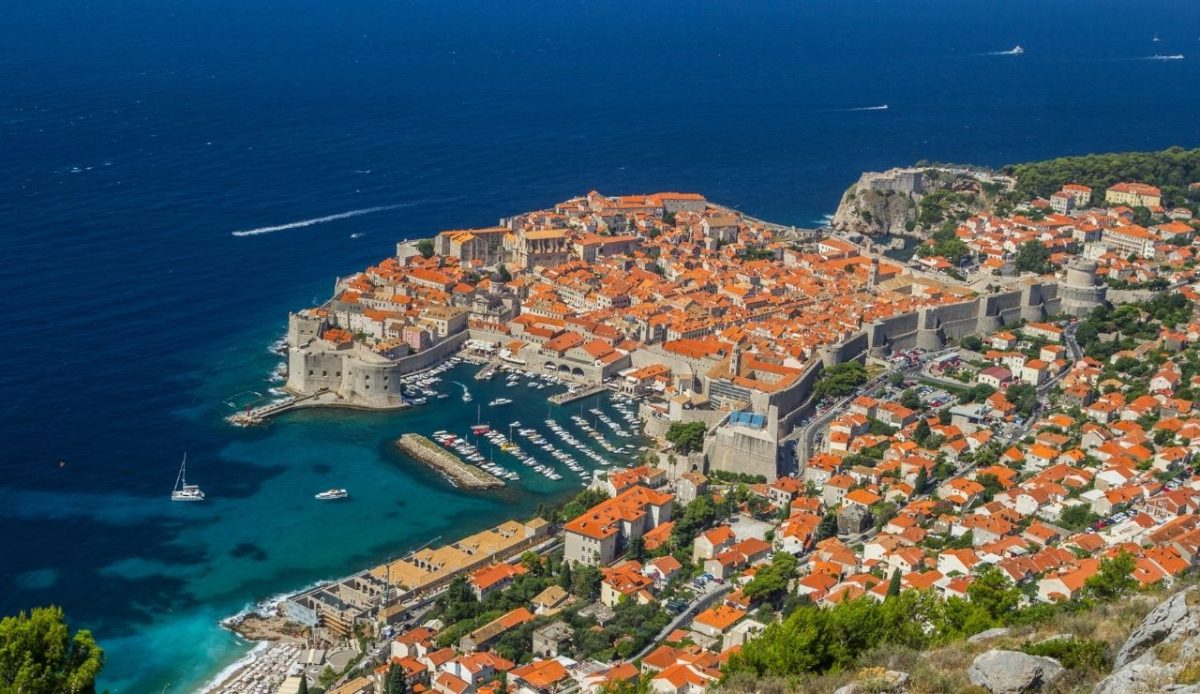
Dubrovnik, on Croatia’s Adriatic coast, is often called the “Pearl of the Adriatic” for its walled old town. The limestone streets, Gothic palaces, and baroque churches reflect centuries of trade and maritime history. Visitors walk the ancient city walls, enjoy views of the sea, and explore museums housed in historic buildings. Many expect a crowded tourist spot, yet Dubrovnik continues to impress with its preservation and coastal beauty. Despite its popularity, the city delivers more depth than assumed, proving its global reputation is well deserved.
12. Split, Croatia
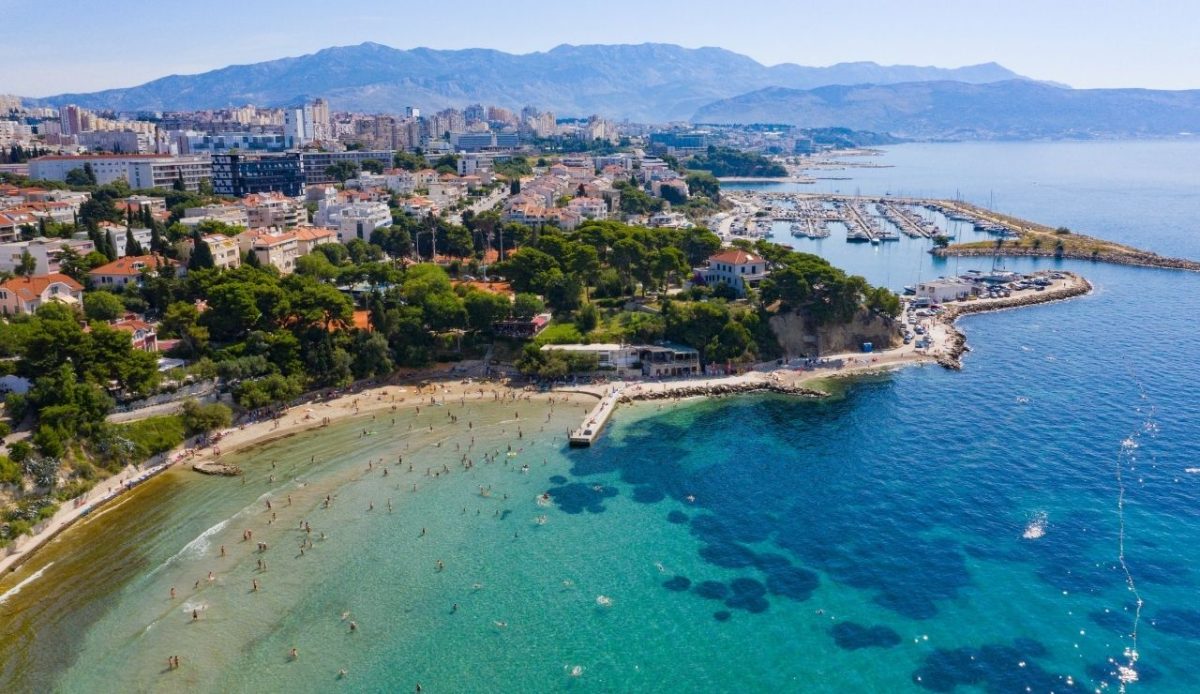
Split is located on the Dalmatian coast and is built around Diocletian’s Palace, a Roman complex that still serves as part of the living city. Narrow alleys, shops, and cafés fill the historic core, while the waterfront promenade draws locals and travelers alike. Modern neighborhoods and beaches add variety. Many visitors anticipate only ruins, but Split reveals itself as a city that has grown around history, not just preserved it. This balance of ancient architecture and everyday activity exceeds expectations and makes Split unforgettable.
13. Kraków, Poland
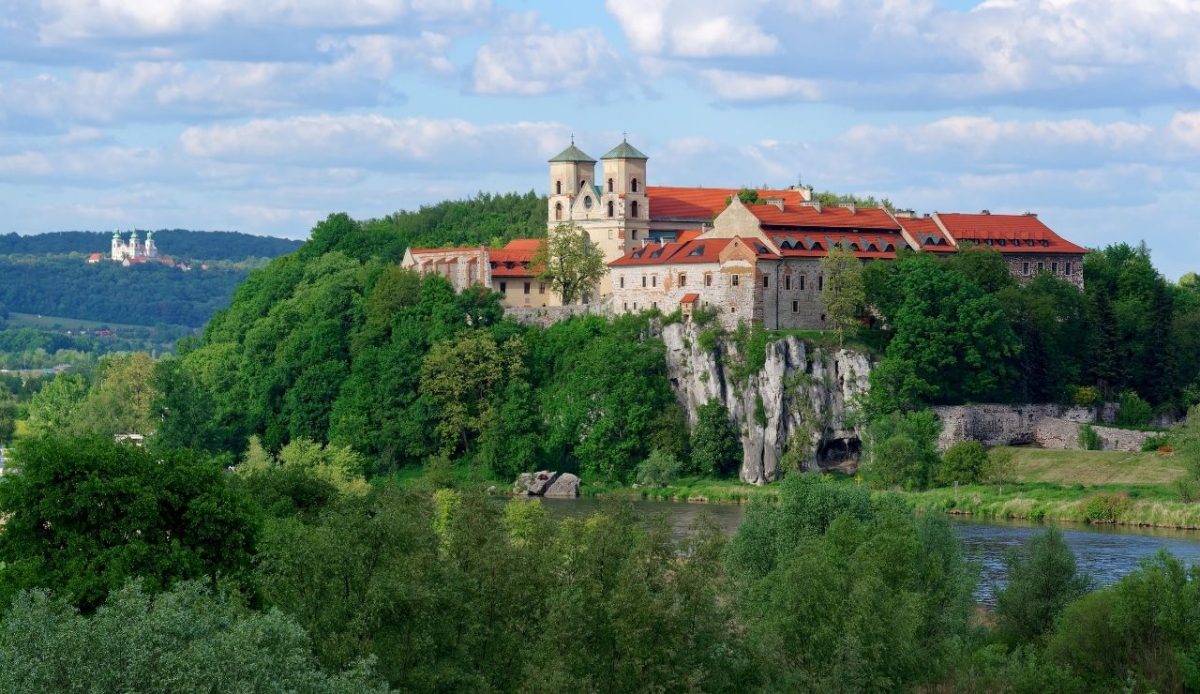
Kraków in southern Poland is a city where history remains strongly present. Its Old Town, with the main market square and St. Mary’s Basilica, showcases medieval Europe at its best. The Wawel Castle and Jewish quarter add further depth, offering insight into cultural and historical layers. Visitors often expect a quiet provincial city but find a vibrant hub filled with cafés, theaters, and festivals. Kraków demonstrates how a place can preserve heritage while remaining lively and modern. It consistently exceeds what most travelers anticipate.
