
Cities can slide for years when leaders chase quick fixes, gamble on one industry, or approve projects that weaken neighborhoods. The harm often shows up later as lost jobs, hollowed tax bases, higher health risks, and broken confidence in public systems. This list focuses on places where widely documented policy and planning choices created long-running problems that residents still live with. Natural disasters and market shifts mattered, but decisions made the setbacks deeper and harder to repair. These examples are not about blaming people who stayed, but about how governance choices can box a city in for decades.
1. Detroit, Michigan
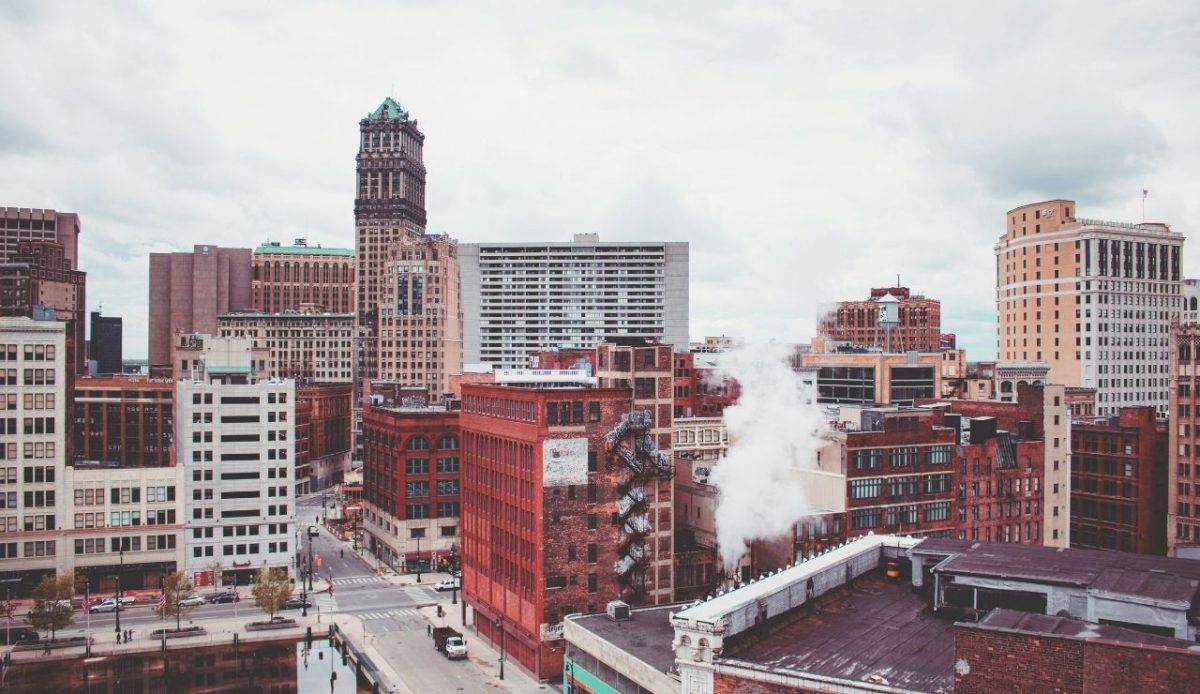
Detroit rose with auto manufacturing and then linked most of its fortunes to that single sector. Local and state leaders backed freeway plans that cut through established Black neighborhoods and made suburban commuting easier than staying. Redlining and unequal lending limited investment, shrinking the tax base and leaving aging infrastructure behind. When production moved outward, and factory jobs fell, the city had too few alternative employers, so population and services declined fast. Redevelopment later concentrated in select corridors, while many blocks faced vacant lots, costly repairs, and long response times.
2. Flint, Michigan
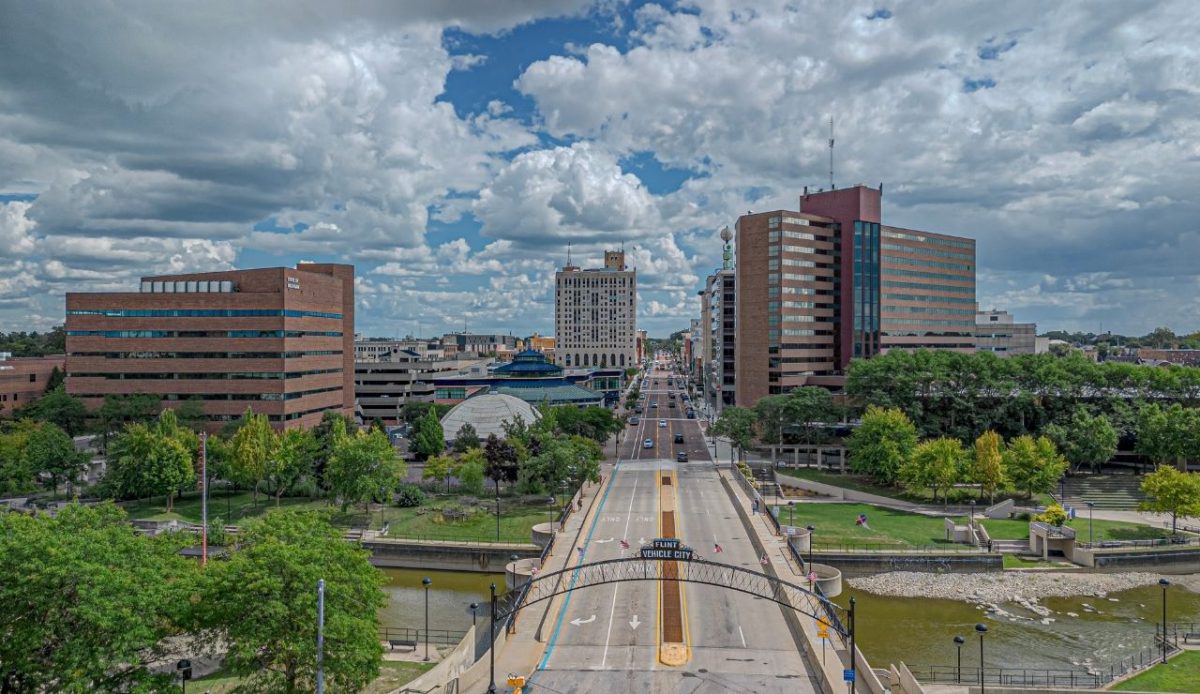
Flint’s water crisis followed a decision to switch the city’s water source to save money during a period of emergency management. Corrosion control was not properly applied, and lead from old service lines and plumbing could leach into tap water. Residents reported foul smell, taste, and color for months while officials downplayed the risk. The result was preventable exposure, expensive pipe replacement, and a lasting collapse in trust toward public health messages and city leadership. Families relied on bottled water and filters, and investigations, settlements, and criminal cases dragged on for years.
3. New Orleans, Louisiana
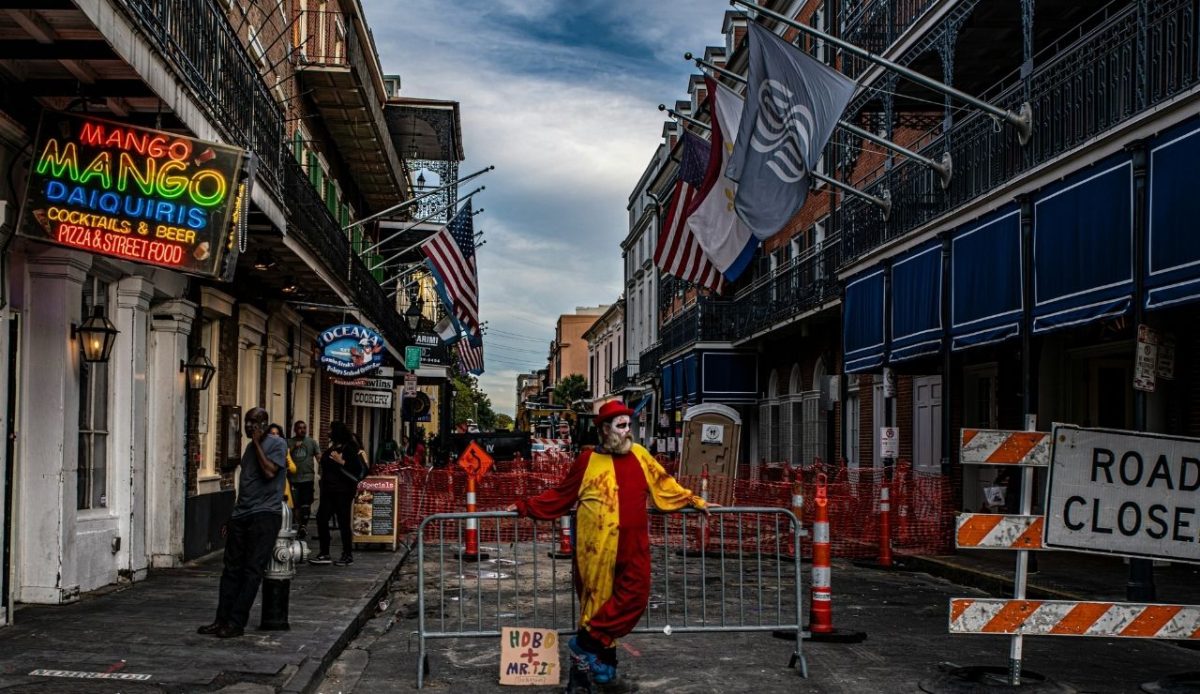
New Orleans sits below sea level in many areas, so protection depends on wetlands, canals, pumps, and levees working as a system. Over decades, navigation canals and development choices helped erode wetlands that once absorbed storm surge. At the same time, floodwalls and levees were built and maintained unevenly, with weak points that were not fixed quickly enough. When Hurricane Katrina hit in 2005, multiple breaches led to catastrophic flooding, displacement, and a slow, uneven return for many neighborhoods. Land use pushed housing into vulnerable basins, so rebuilding brought higher costs, insurance fights, and lasting population shifts.
4. Atlantic City, New Jersey
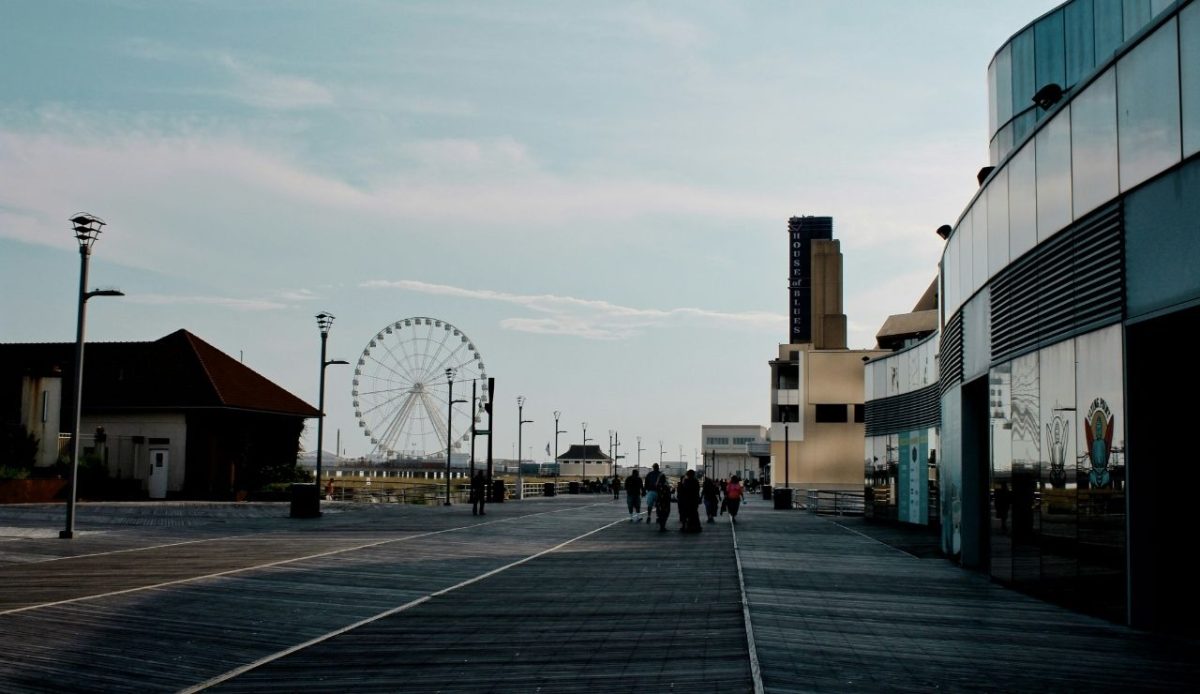
Atlantic City tried to revive itself by leaning heavily on casino gambling instead of building a broader economy. Policy choices favored large gaming properties and a tourism corridor, while many nearby neighborhoods saw little new investment. As other states legalized casinos, competition grew and visitor spending spread across the region. Closures and layoffs followed, and budget stress pushed leaders to keep chasing gaming revenue, deepening dependence on a volatile market. Disputes over casino assessments and tax deals became recurring, and basic services like road upkeep and public safety faced tighter funding.
5. Las Vegas, Nevada
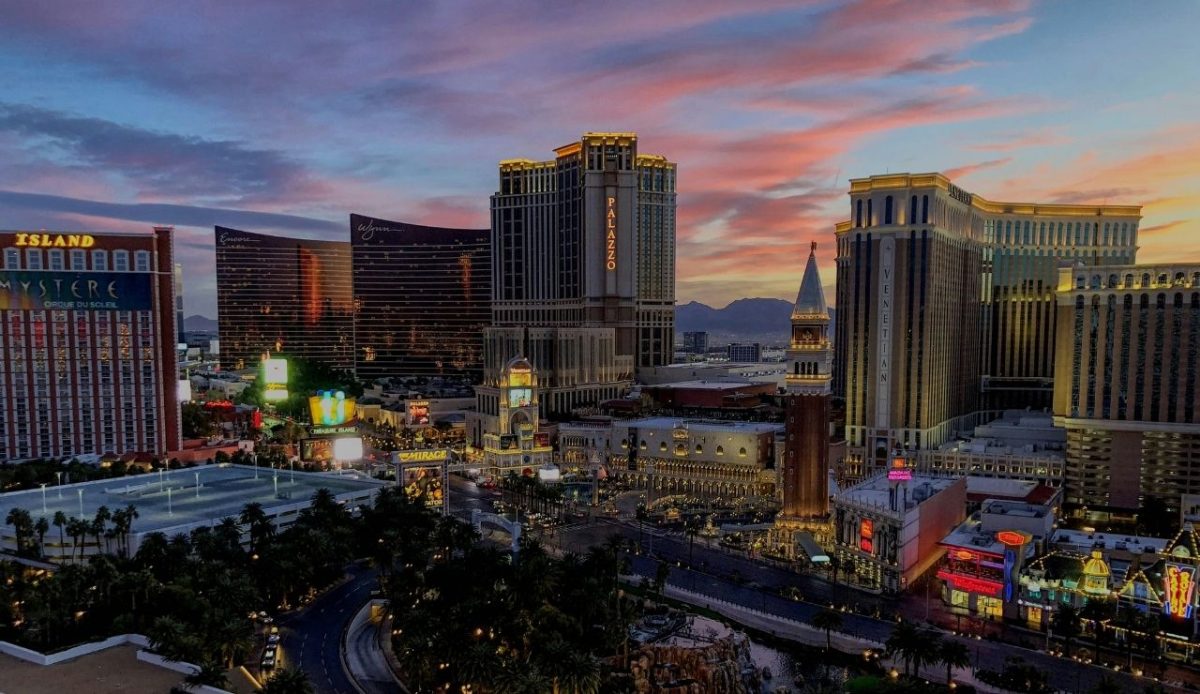
Las Vegas built a global resort economy in the Mojave Desert and then approved waves of suburban growth around it. That expansion depends on Colorado River supplies stored in Lake Mead, plus steady conservation to keep demand in check. Even with aggressive water programs, the region remains exposed when drought and basin-wide overuse shrink the reservoir. Decades of development sold the image of endless desert comfort, so limits on lawns, pools, and new buildings now carry real political and economic costs. Choices like turf-heavy landscaping and golf added pressure, and the city must keep shifting toward reuse and stricter outdoor rules.
6. Phoenix, Arizona
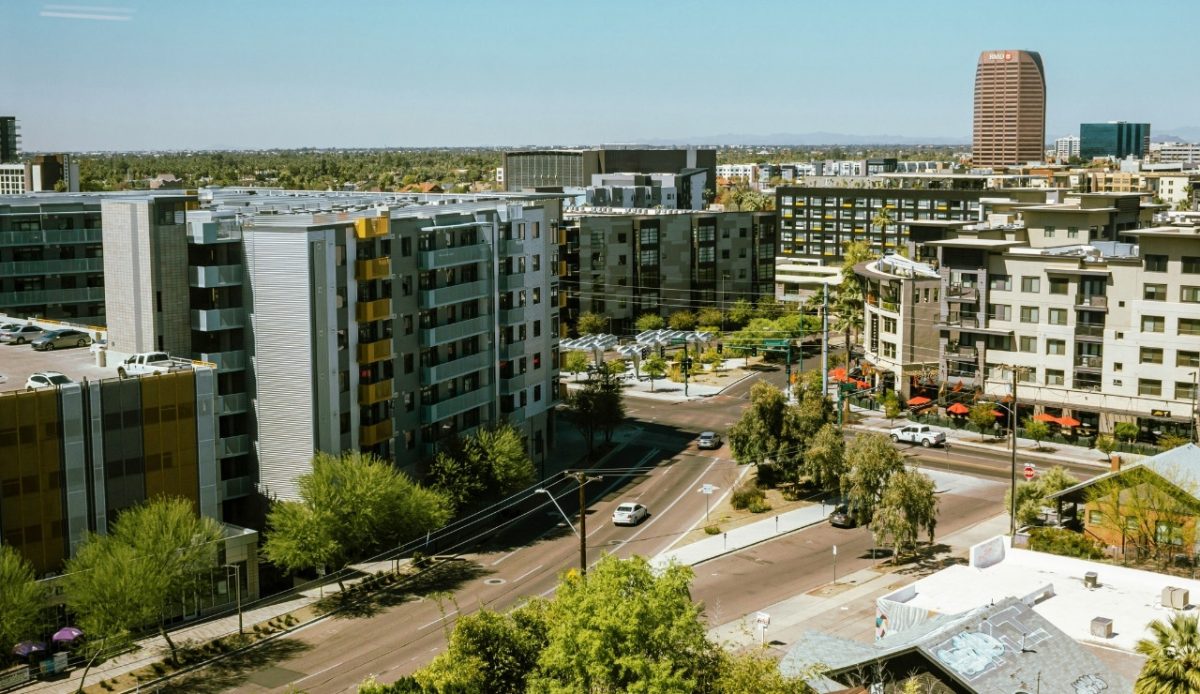
Phoenix expanded outward with low-density housing, wide arterials, and a daily routine built around driving. That pattern spreads pavement and dark roofs across huge areas, which traps heat and raises nighttime temperatures. Hotter streets push up energy demand for cooling and make walking and transit less comfortable, especially for people without cars. The city now has to add shade trees, cool surfaces, and safer routes after the fact, which is harder and more expensive than planning for heat from the start. Water rules and growth debates are tied to this layout because long commutes and large lots also increase outdoor water demand.
7. Youngstown, Ohio
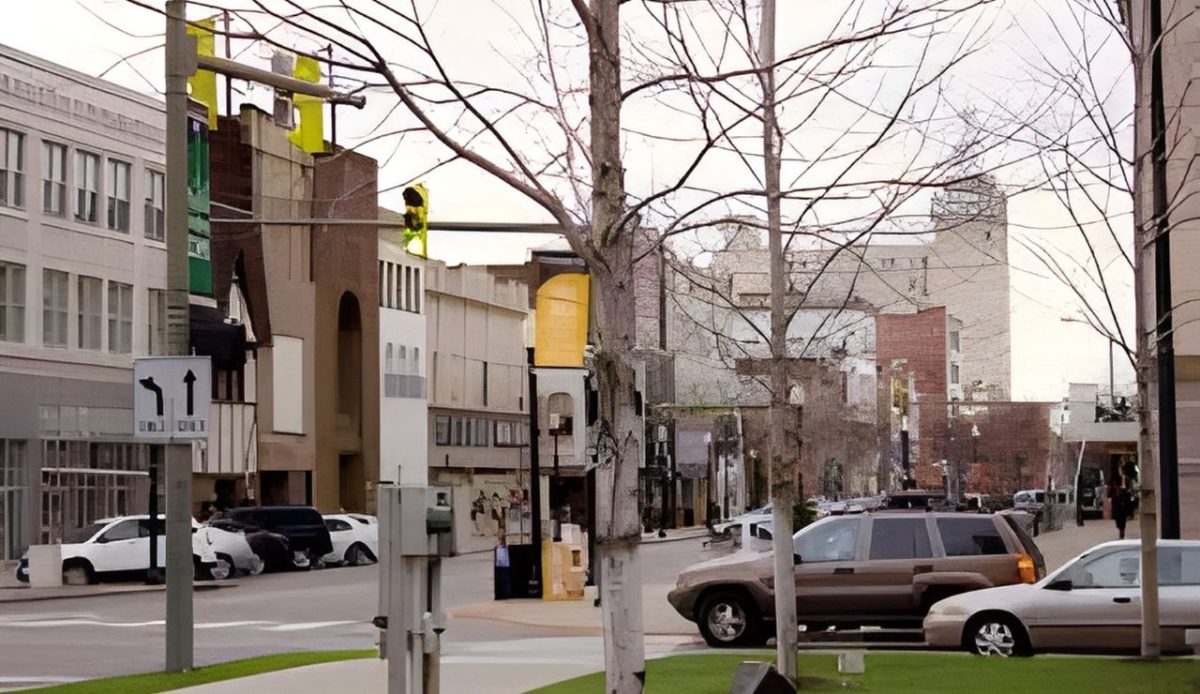
Youngstown depended on steel mills for jobs and identity, and local planning did not pivot early enough as the industry weakened. When major closures hit, including the shock of 1977’s Black Monday, layoffs rippled through suppliers, shops, and city budgets. The population fell, vacant homes spread, and the tax base shrank, making it harder to maintain streets, parks, and services. Later efforts to diversify into education, health care, and small manufacturing faced the reality that decades of decline had already changed the city’s scale. Even “right-sizing” plans required painful choices about which blocks to save and which to clear.
8. St. Louis, Missouri
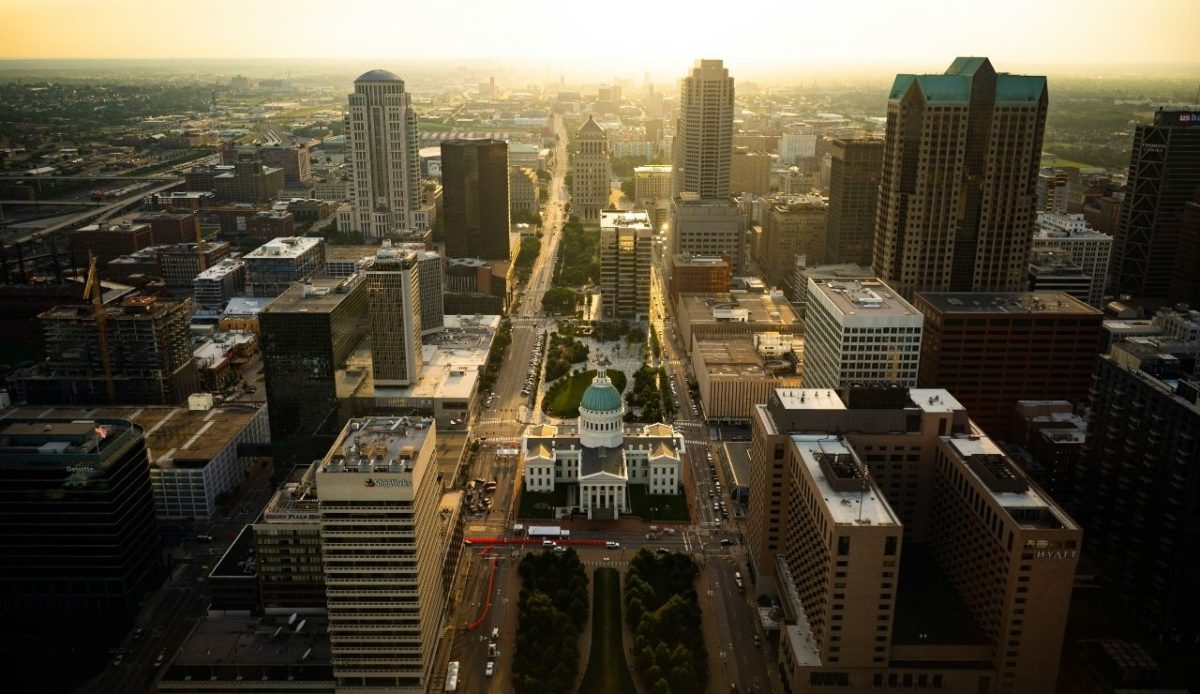
St. Louis pursued mid-century urban renewal that cleared neighborhoods, widened highways, and separated communities from jobs and services. Large public housing projects were built without stable funding and social support, and segregation patterns hardened. Pruitt-Igoe’s failure and demolition became a lasting symbol of planning that ignored how residents actually lived. The city still carries the legacy in fragmented land use, vacant parcels, and a downtown core that struggles to connect to surrounding neighborhoods. These choices weakened the tax base and made reinvestment harder, because rebuilding cohesion costs time and money.
9. Gary, Indiana
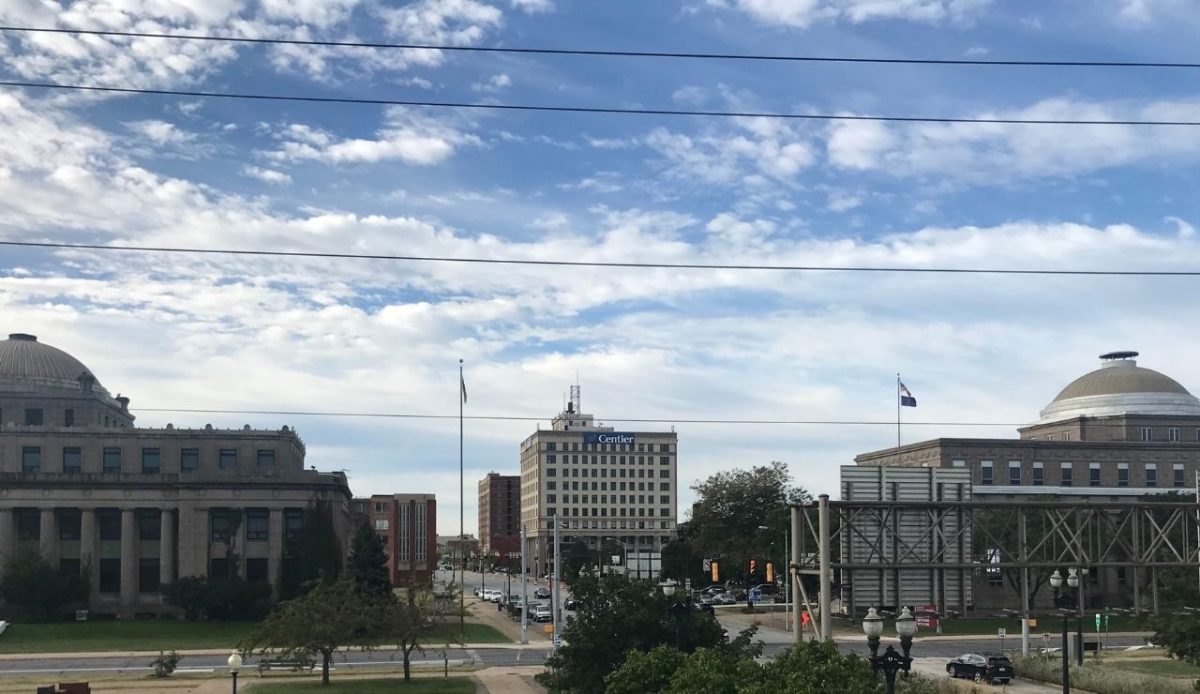
Gary was built around U.S. Steel and operated for decades like a classic company town, with city fortunes tied to mill employment. When global competition, automation, and restructuring reduced jobs, the tax base dropped, and population loss accelerated. Commercial corridors thinned out, vacant buildings multiplied, and public services became harder to fund. Because leaders had not created enough alternative anchors, recovery has depended on slow, piecemeal efforts in logistics, lakefront access, and selective redevelopment. The longer the decline lasted, the more it fed a reputation problem that discouraged new residents and new investment.
