
Solo travel can be empowering, but the phrase “places where women vanish” isn’t a safe or accurate way to frame the issue. Real risk comes from settings that strip away visibility and support: isolation, poor oversight, and limited ways to call for help. These aren’t “bad destinations”; they’re situations that can pop up in any city, resort, or national park.
This article highlights nine solo-travel red flags that can escalate quickly if you’re alone. Each section explains what makes the setting risky and what to do instead, without fearmongering.
Use it as a pre-trip checklist and an in-the-moment gut check. Small choices, daylight timing, verified transport, check-ins, keep freedom high and risk low.
1. Unlicensed rides and unofficial taxis
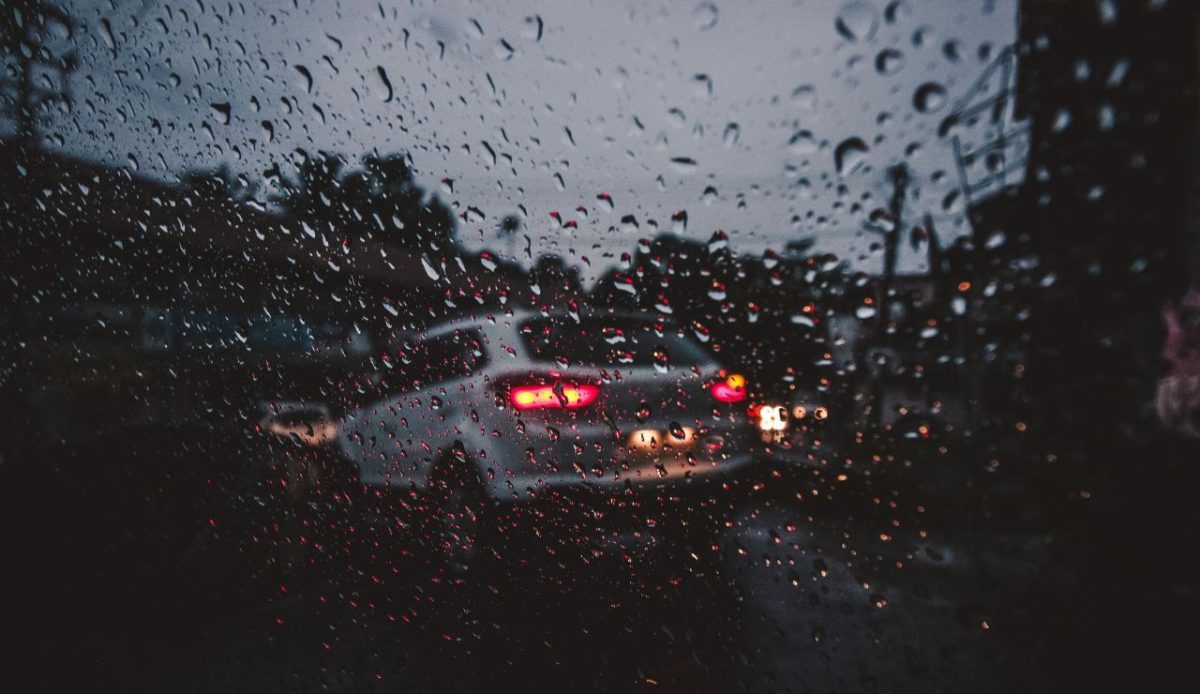
After a flight or late night out, the biggest danger is getting into a vehicle you can’t trace. Unlicensed drivers may pressure you to cancel in-app rides, pay cash, or follow them to a “better pickup spot,” which isolates you fast and removes witnesses.
Choose official taxi ranks or app-based rides with plate matching and trip sharing on. Stand in well-lit areas with cameras, keep your phone in hand, and avoid moving to secondary locations, even if the driver sounds helpful.
Once inside, lock the door, confirm the route on your map, and text a friend your ETA. If anything feels off, end the ride in a public place and rebook. Saving five minutes isn’t worth losing your ability to be found quickly.
2. Poorly lit nightlife zones after closing time
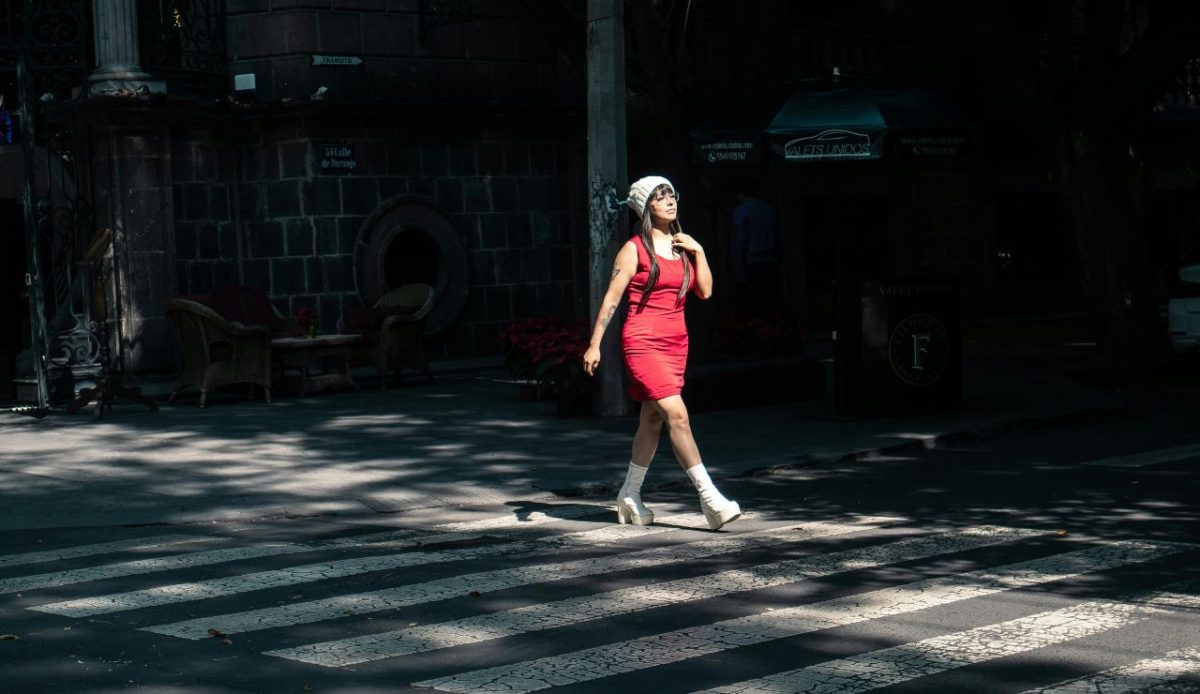
Nightlife districts feel safe while bars are open, then flip the moment crowds thin. After last call, side streets empty, staff go home, and people looking for easy targets know exactly when attention drops.
Plan your exit before you order the final drink: choose a well-known pickup point, keep enough battery for maps, and avoid “walking it” through alleys or shortcuts. Stick to main roads, well-lit storefronts, and areas with security.
If you’re separated from friends, step into a staffed venue, hotel lobby, late-night diner, or convenience store, and call a verified ride from inside. Leaving with the crowd beats leaving alone, even if it feels less spontaneous.
3. Remote trailheads and viewpoint pullouts at dusk

Scenic pullouts and trailheads can go from busy to empty in minutes, especially near sunset. Cell service drops, parking lots have limited lighting, and a quick photo stop can become an isolated situation with no easy help.
Treat dusk like a hard deadline: start hikes earlier than you think, tell someone your route, and park where you can be seen from the road. Keep keys accessible and avoid lingering if other cars leave.
If you arrive and the area feels deserted or sketchy, skip it. Choose a staffed visitor center, a popular trail with steady traffic, or a viewpoint inside town. Your best safety tool is the willingness to say, “Not today,” and move on without negotiating with the moment.
4. Budget lodging with weak access control
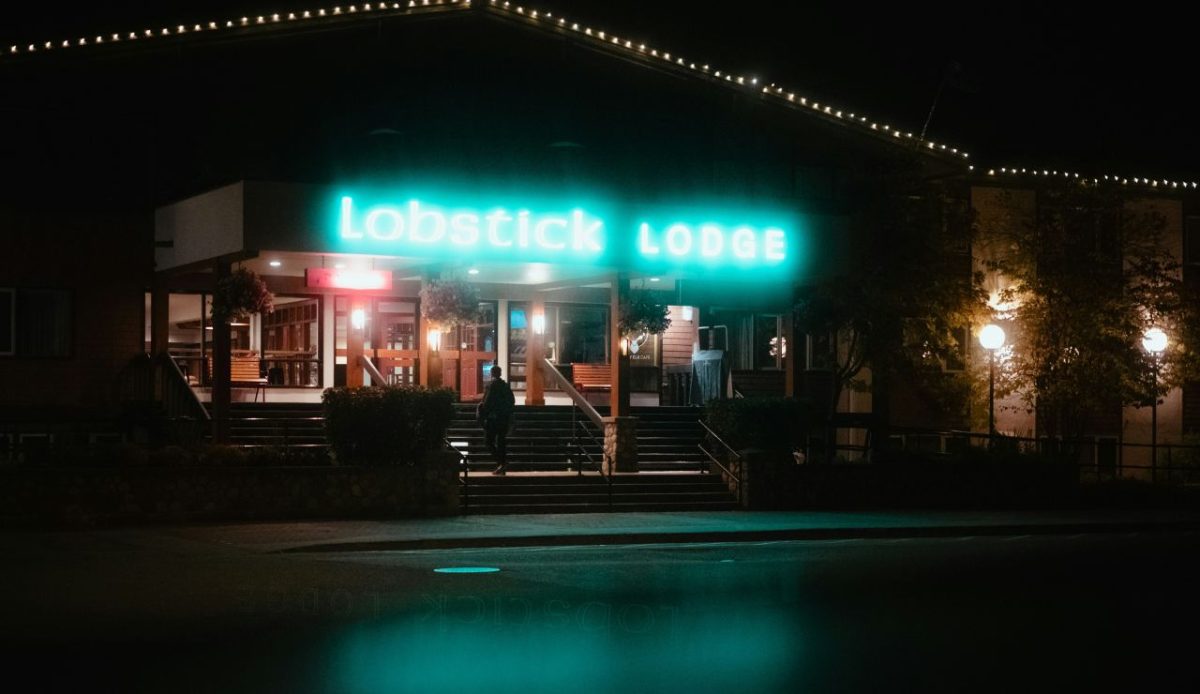
Not all budget stays are unsafe, but weak access control is a real red flag. Look out for propped doors, broken locks, no staffed desk at night, and rooms that open directly to exterior corridors with blind spots.
Before checking in, ask where parking is, how after-hours entry works, and whether cameras cover the entrance. Request a room on a higher floor when possible, away from stairwells and side exits.
Inside, use the deadbolt and any secondary latch, and keep curtains closed at night. If the property feels unmanaged, random people in hallways, no key checks, leave and rebook. Paying a little more for basic security features often saves you the real cost: stress and lost sleep.
5. “Friendly” invitations to private after-parties
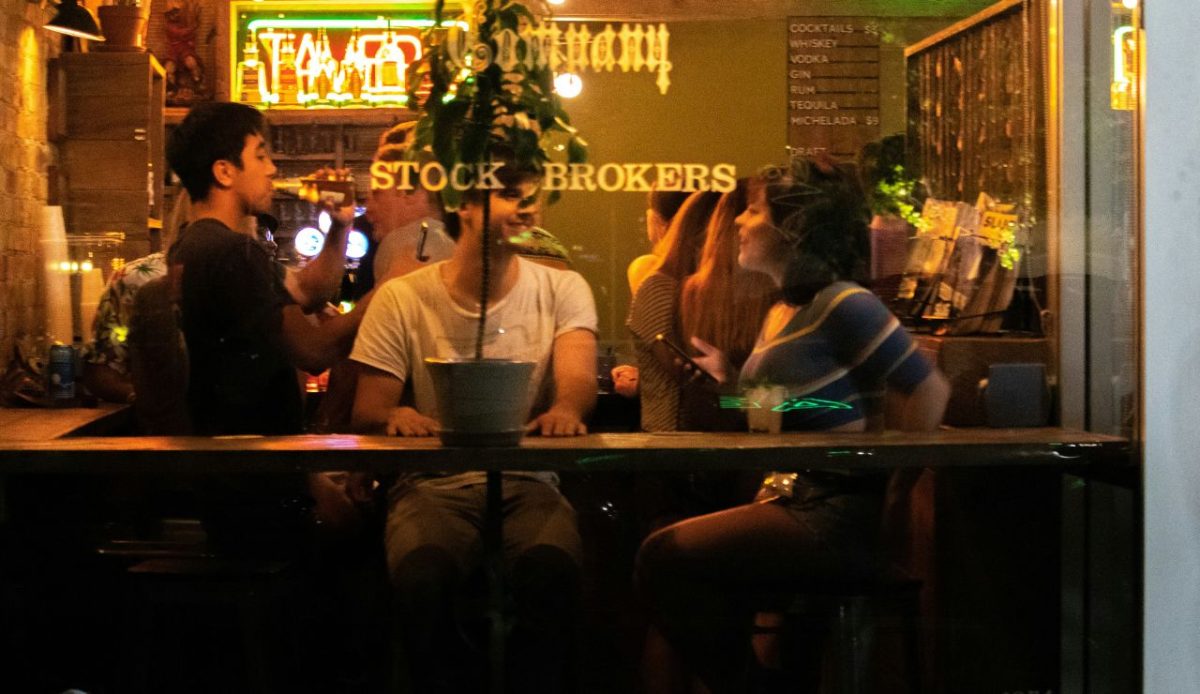
The fastest way to lose control of a situation is to move from a public space to a private one with people you just met. An after-party, “secret bar,” or “my place is nearby” pitch often sounds casual, but it removes staff, cameras, and easy exits.
Keep first meetups public and time-boxed: another drink at a well-reviewed venue, a food stop, or a busy live-music spot. Tell someone where you are and share your live location for an hour.
If someone pushes you to go somewhere private, treat that pressure as the answer. Leave politely, then immediately change your route and head to a staffed, well-lit place. Being “nice” is not a safety strategy; boundaries are.
6. Street ATMs and currency exchange in quiet areas
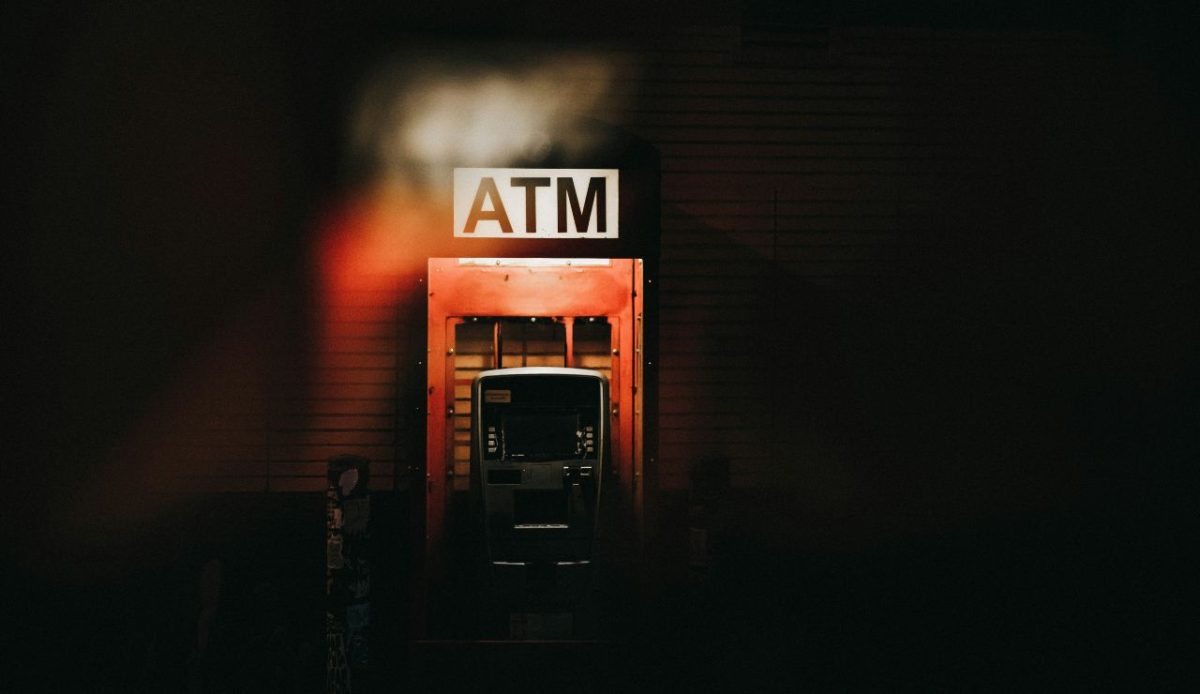
Money errands create predictable vulnerability: you’re distracted, your hands are full, and you may flash cash. Street ATMs, back-alley exchange booths, or “I’ll help you find a bank” offers can pull you into low-visibility spots quickly.
Use ATMs inside banks, supermarkets, or busy hotels, ideally in daylight. Withdraw small amounts, put cash away immediately, and don’t count money in public. If you need exchange, use official counters and get a receipt.
If someone approaches while you’re withdrawing, cancel the transaction and step away. Trust your instincts over politeness, and relocate to a staffed place before trying again. The goal is not paranoia; it’s keeping financial tasks boring, brief, and observable.
7. Long-distance buses and stations with limited staffing
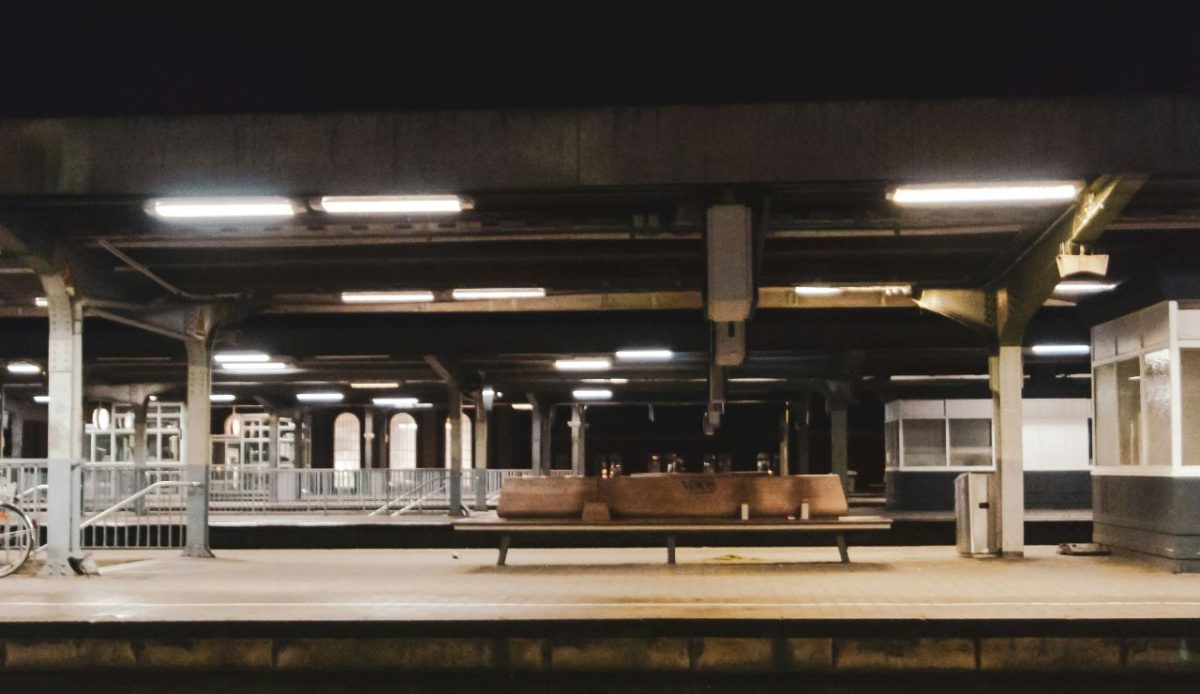
Budget bus travel can be great, but some stations and roadside stops have minimal staff, weak lighting, and confusing pickup rules. That combination makes it easier to get separated from your route, pressured into “help,” or stranded if a bus changes bays.
Arrive early, confirm the bay number with official signage, and keep your ticket and ID accessible. Wait near other travelers, not at the far end of the platform. Use only official agents for questions and avoid anyone offering rides or “faster routes.”
Pack a backup plan: a charged power bank, offline maps, and the station’s official phone number. If you miss a departure, move to a staffed area immediately and rebook through the company, not through strangers.
8. Beach walks and boardwalks far from crowds
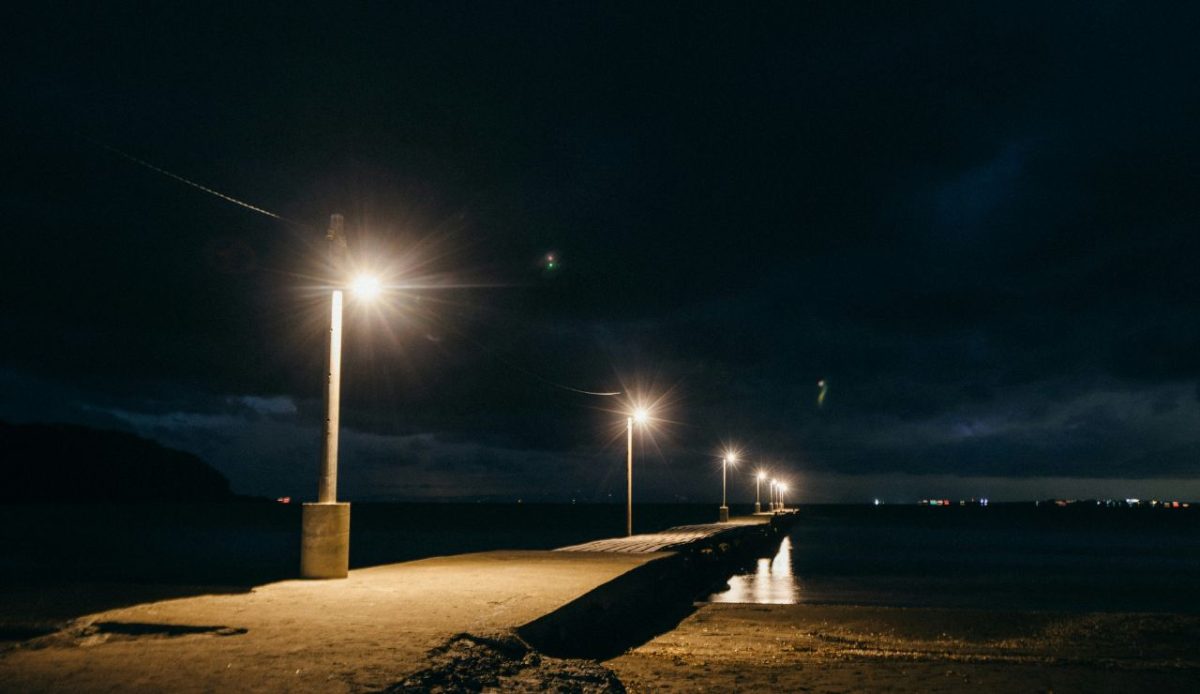
Beaches feel open and relaxing, but long stretches without lifeguards or foot traffic can be isolating, especially early morning or after dark. Noise from waves masks movement, and exits can be far apart, which reduces your options if you feel uncomfortable.
Choose sections with lifeguards, open businesses, and visible patrols. Keep shoes on or nearby, carry only essentials, and avoid wearing headphones that block awareness. If you’re photographing sunrise, stay close to other early risers.
If someone’s attention feels persistent, change direction toward crowds and step into a café or hotel lobby. Don’t try to “walk it off” into emptier sand. Your best move is to increase visibility fast: people, lights, and staff.
9. Days without check-ins or a trackable plan

One of the biggest solo-travel traps isn’t a place; it’s disappearing from your own safety net. When no one knows your plans, a small problem can stay invisible for hours or days, especially if you change hotels or head to a new town.
Set simple check-ins: a daily text to one person, a shared itinerary note, and live location during transit days. Keep copies of IDs and reservations in the cloud and on your phone offline.
If you’re going off-grid, leave a clear return time and the last known point you’ll reach. These steps don’t reduce freedom; they protect it. Spontaneity works best when someone can still find the outline of your day, quickly.
