
America’s most photogenic drives have a new downside: gridlock. Routes built for slow views now double as commuter corridors, national-park gateways, and social-media bucket lists. Popular pullouts can turn into parking lots.
Traffic can stack up for miles where roads narrow, parking is limited, or a single crash blocks everything. Peak weekends, holiday travel, and summer tourism make the slowdown feel routine rather than rare.
These nine scenic highways still deliver the views, but planning matters more than ever. Build buffer time, start early, and check road alerts or shuttle options, especially in peak season, so the scenery stays the highlight, not the stress.
1. Pacific Coast Highway, California
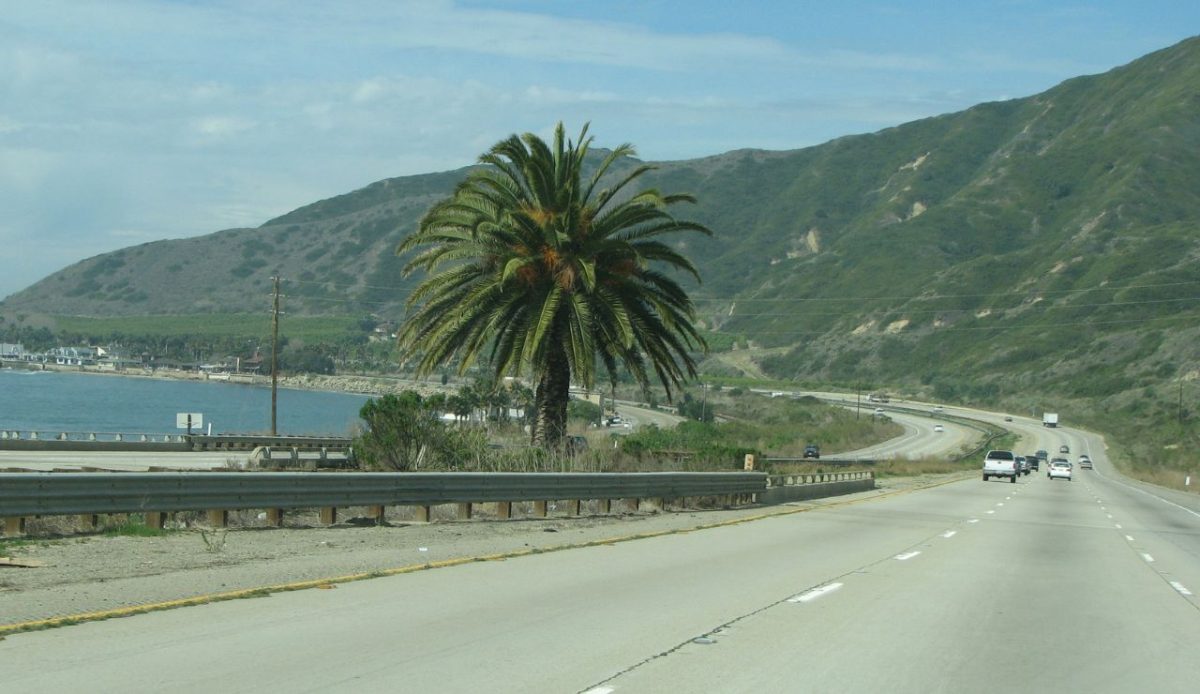
Cliffside ocean views along California’s Pacific Coast Highway make it one of the country’s iconic scenic drives. The same fame also pulls in beach traffic, day-trippers, and photo stops that interrupt the flow.
Congestion is most noticeable around popular towns and viewpoints where pullouts are limited and drivers slow to take in Big Sur-style scenery. A minor fender-bender can ripple into long, slow crawls.
Expect the worst on summer weekends and holiday afternoons, especially near coastal choke points and construction zones. Leaving early and treating it as a series of short segments can keep the day from disappearing behind brake lights.
2. Blue Ridge Parkway (Virginia–North Carolina)
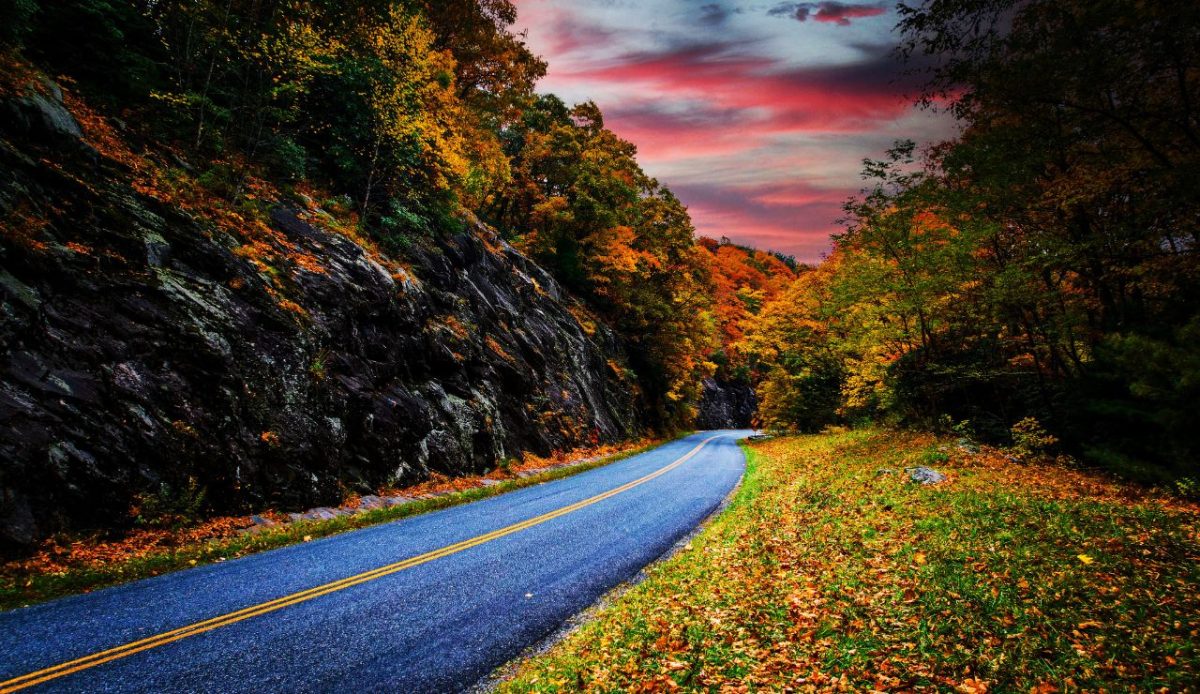
Built for leisurely mountain views, the Blue Ridge Parkway is a magnet for leaf-peeping, overlook hopping, and weekend getaways. Its 469-mile route means traffic problems vary, but popular stretches can feel jammed.
Slowdowns often happen near visitor centers, trailheads, and scenic pullouts where cars enter and exit constantly. When fog or weather reduces visibility, drivers tend to brake early and bunch up behind cautious traffic.
Closures and work zones can also concentrate cars onto fewer open miles, turning a “cruise” into stop-and-go. Check current conditions before committing to a long segment, and plan extra time around peak fall weekends.
3. Overseas Highway, Florida Keys
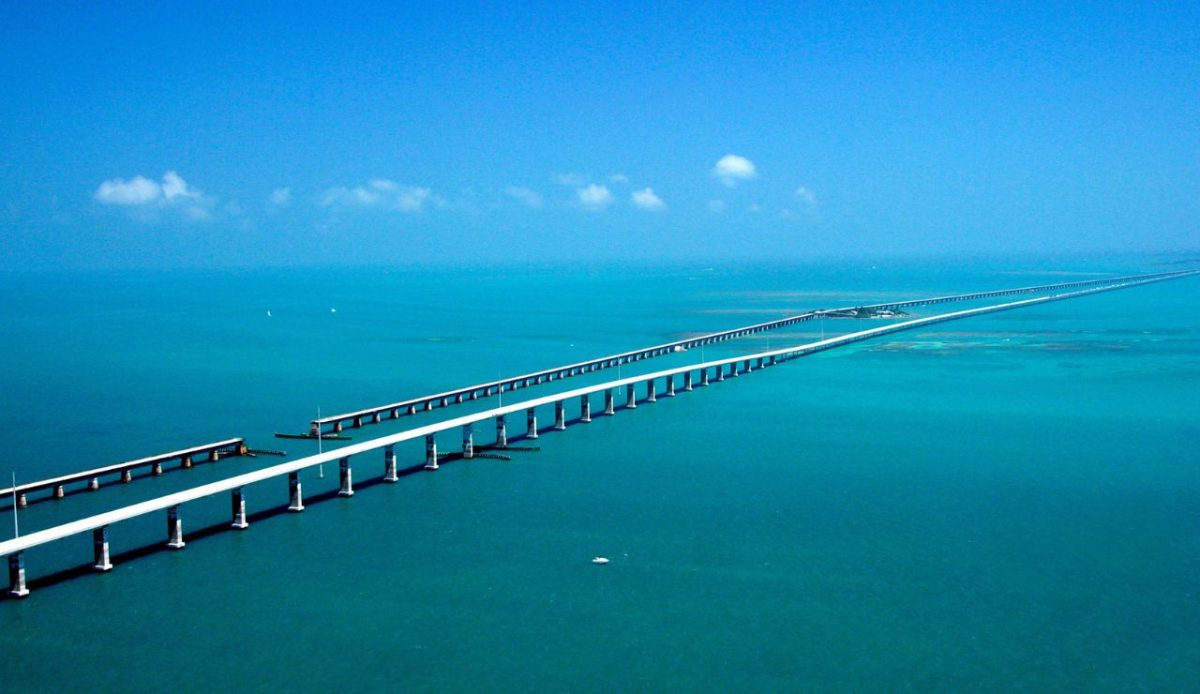
The Overseas Highway sells a dream: turquoise water, causeway bridges, and island stops all the way to Key West. Reality is a thin lifeline with limited alternate routes, so backups are hard to escape.
With long single-lane stretches and frequent signals through towns, one slowdown can cascade in both directions. Construction projects and lane closures have recently caused heavy backups, especially during afternoon travel windows.
Holidays, fishing tournaments, and winter peak season add sheer volume, while crashes can halt movement entirely. If you can, travel mid-morning on weekdays, top off fuel early, and keep expectations flexible for arrival times.
4. Going-to-the-Sun Road (Glacier National Park, Montana)
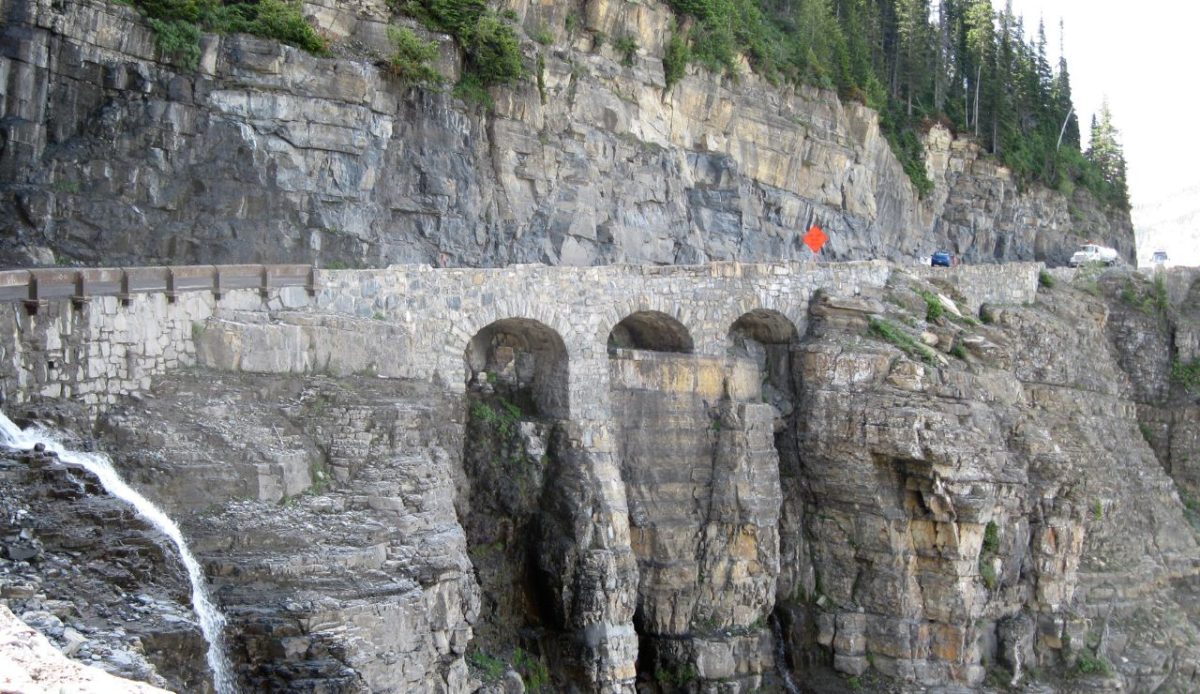
Glacier’s Going-to-the-Sun Road is short, spectacular, and famously crowded, threading alpine scenery through a narrow mountain corridor. When the road is open for the season, demand can exceed parking and roadway capacity fast.
Logan Pass and other major stops act like funnels: drivers slow to look, hunt for spaces, then circle. The National Park Service has warned that summer road and infrastructure projects can create traffic delays, compounding the usual congestion.
Even small delays add up because there’s little room to pass and few escape routes. Plan for early starts, consider shuttle options where available, and treat the drive as an all-day experience rather than a quick scenic detour.
5. Skyline Drive (Shenandoah National Park, Virginia)
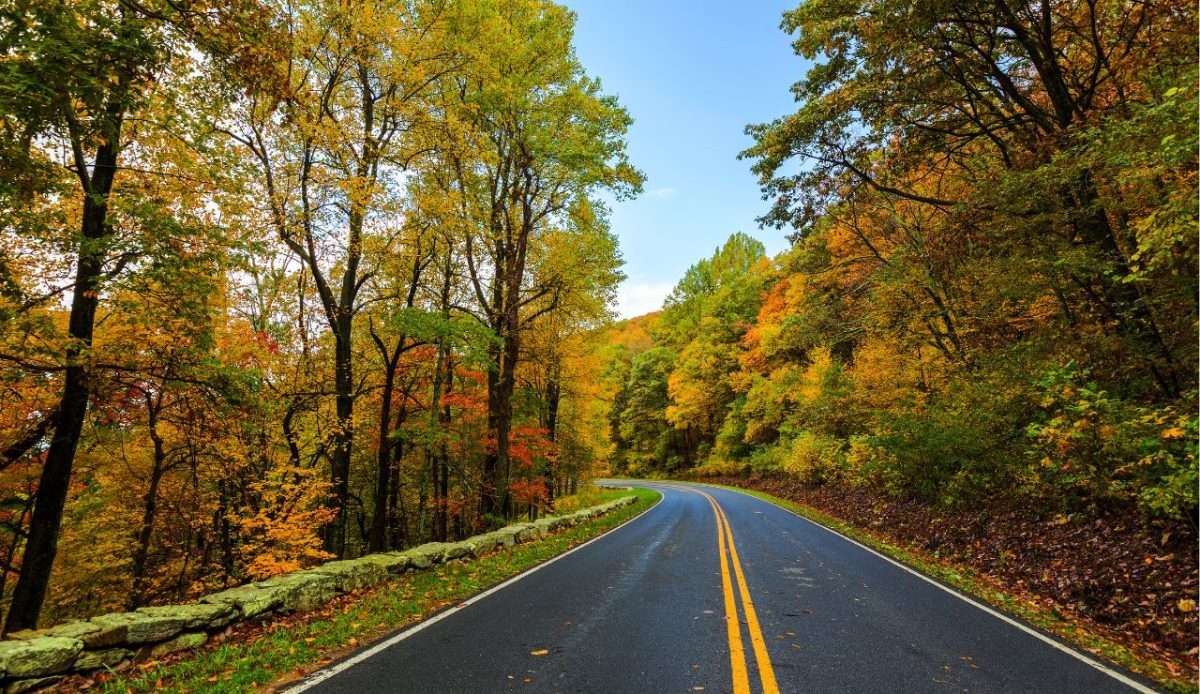
Skyline Drive runs a ridgeline with frequent overlooks, which is exactly why traffic can crawl in peak season. The road’s low speed limits and constant stop-and-start viewing culture reward patience, not rushing.
Congestion builds near entry gates, visitor centers, and the most photographed viewpoints, where drivers queue to pull in or merge back out. Wildlife sightings and sudden weather changes also trigger abrupt braking and long follow-the-leader lines.
Fall color weekends and clear summer Saturdays are prime gridlock territory, especially mid-day. Starting at sunrise, packing snacks, and choosing a shorter out-and-back segment can preserve the experience without spending hours inching forward.
6. Hana Highway (Hawaii Route 360, Maui)
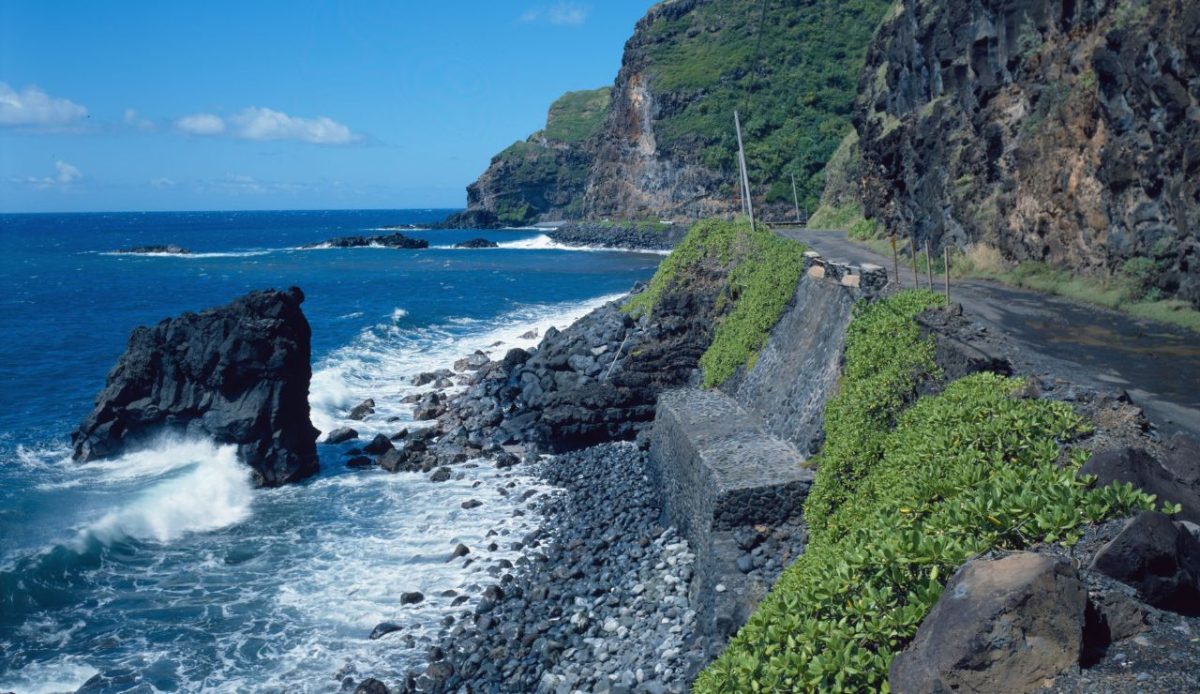
Maui’s Hana Highway is legendary for rain-forest scenery, waterfalls, and tight curves, but it was never designed for high volumes of rental cars. Narrow lanes, one-lane bridges, and frequent pullovers make delays feel baked in.
Traffic often bottlenecks where drivers stop for short hikes, food stands, or quick photos, then struggle to rejoin the line. Weather can slow everyone down, and a single stalled vehicle may block a whole stretch until help arrives.
The result is a drive that can take far longer than the map suggests, especially on weekends. If you go, start early, commit to fewer stops, and respect local access points so the route stays safer and smoother for everyone.
7. Tail of the Dragon (US 129, Tennessee–North Carolina)
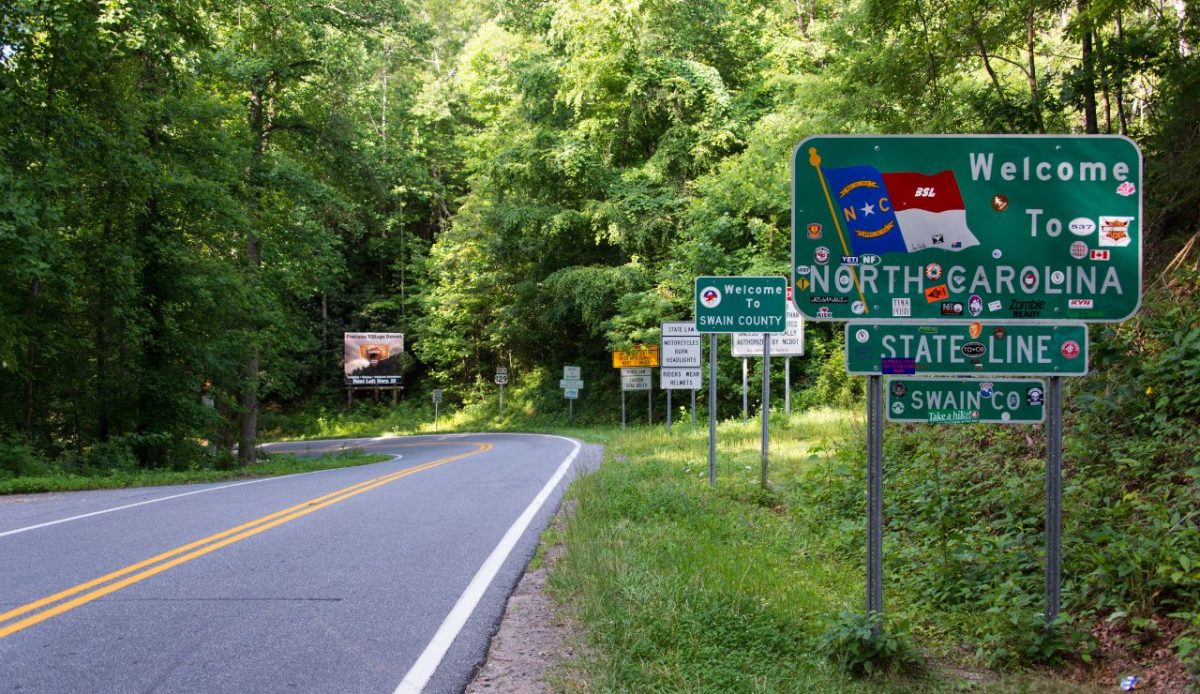
The Tail of the Dragon is famous for its tight curves and Smoky Mountain scenery, drawing motorcyclists, sports cars, and sightseers to the same narrow ribbon of asphalt. That mix can turn a fun drive into stop-and-go.
Slowdowns build when cautious drivers brake through curves while others look for safe passing opportunities that rarely exist. Add in photo pullouts, enforcement stops, and the occasional crash on a technical section, and backups form quickly.
Weekends and event days are the biggest pressure points, with heavier traffic and more interruptions. For a calmer run, aim for weekday mornings, keep speeds sensible, and expect delays near popular overlooks and meeting spots.
8. Utah Scenic Byway 12 (Bryce to Capitol Reef)
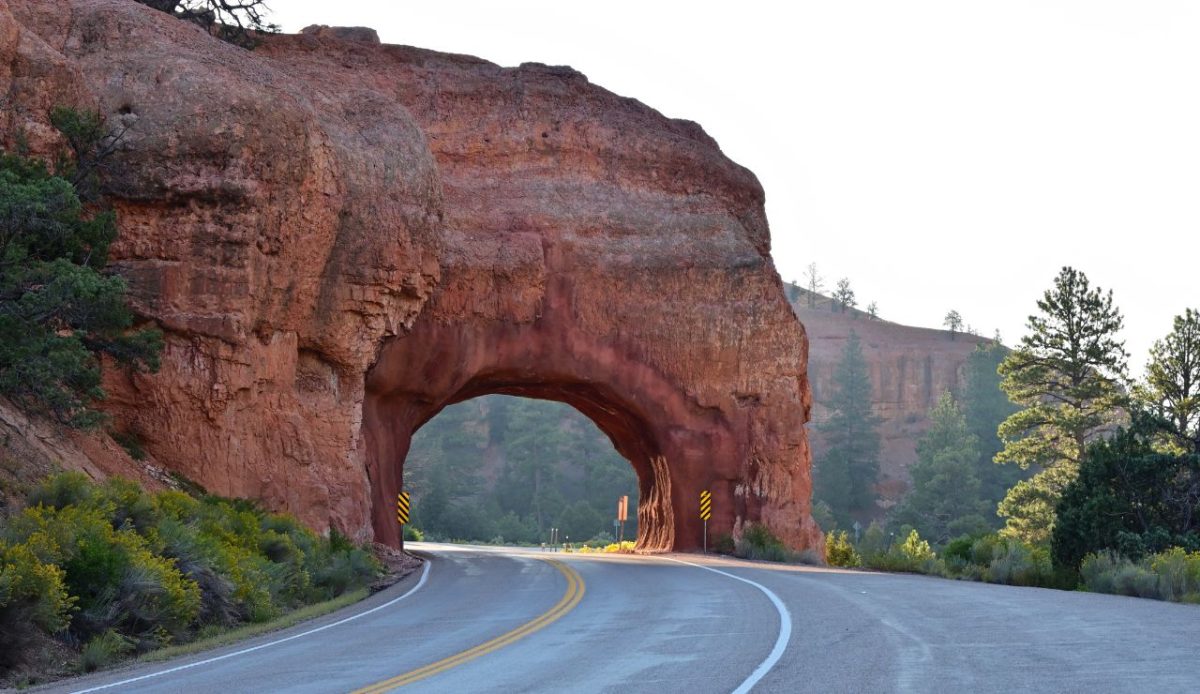
Utah’s Scenic Byway 12 links red-rock country with postcard overlooks, and it’s become a must-drive for anyone looping Bryce Canyon, Grand Staircase-Escalante, and Capitol Reef. In peak season, that popularity packs the road.
Congestion clusters near trailheads, small towns, and the most dramatic viewpoints where parking is limited and drivers slow down to scan the horizon. RVs and tour traffic can set the pace on long grades and winding sections.
Because services are spread out, even a short delay can feel bigger when it pushes you into dusk or bad weather. Build extra time, keep fuel topped up, and avoid stacking multiple parks into one afternoon if you want less gridlock.
9. Rowena Crest U-turn, Historic Columbia River Highway, Portland, Oregon, United states
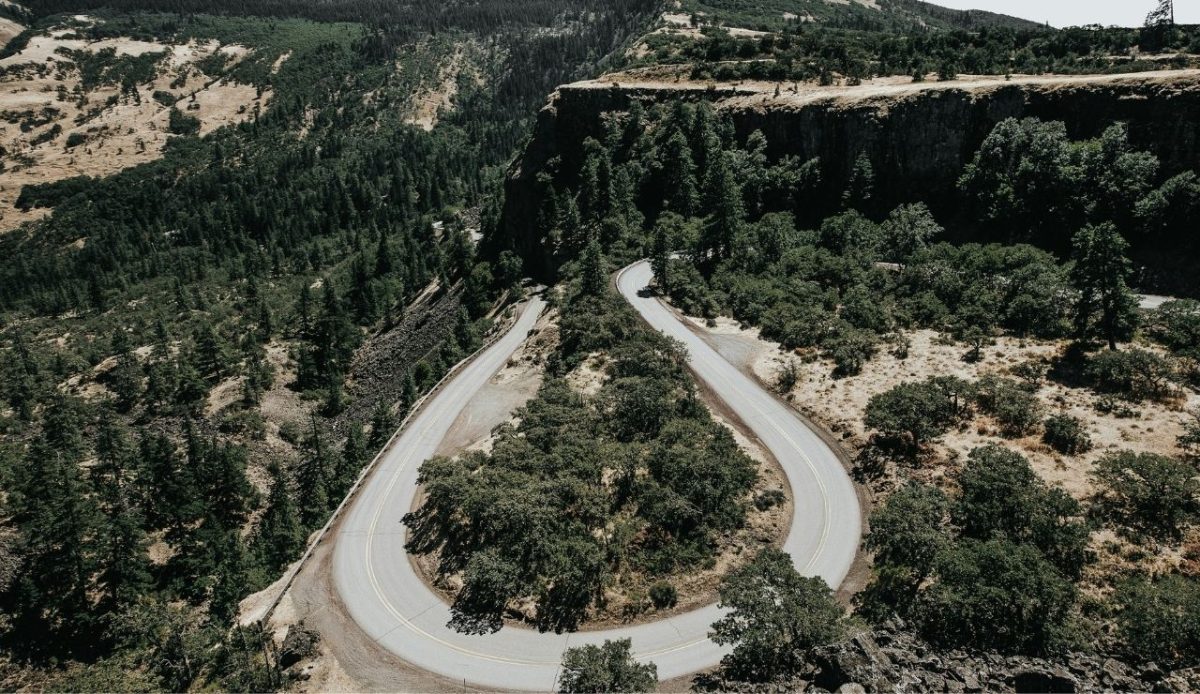
The Columbia River Gorge pairs dramatic cliffs with waterfall stops, and the Historic Columbia River Highway feels tailor-made for scenic cruising. It also sits near a major metro area, so weekend recreation traffic can be intense.
Bottlenecks form at popular trailheads and waterfall parking lots, where cars queue to enter, circle for spaces, and then merge back into a steady stream. When weather is good, the drive can resemble a moving line for the same few pullouts.
Seasonal closures or limited access can concentrate visitors into smaller sections, raising pressure on nearby roads. Consider shuttles or off-peak days, and treat the gorge as a series of short visits rather than one continuous drive.
