
Argentina’s size and range make it one of South America’s most diverse destinations. From glaciers to wetlands and wine regions to ancient trade valleys, the country combines geography, history, and modern development in ways that reward long trips and regional travel. These fifteen destinations highlight the nation’s best mix of natural beauty, culture, and conservation, each distinct yet connected by Argentina’s strong network of roads, flights, and local tourism services.
1. Buenos Aires: Historic Neighborhoods, Teatro Colón, and Riverfront Walks
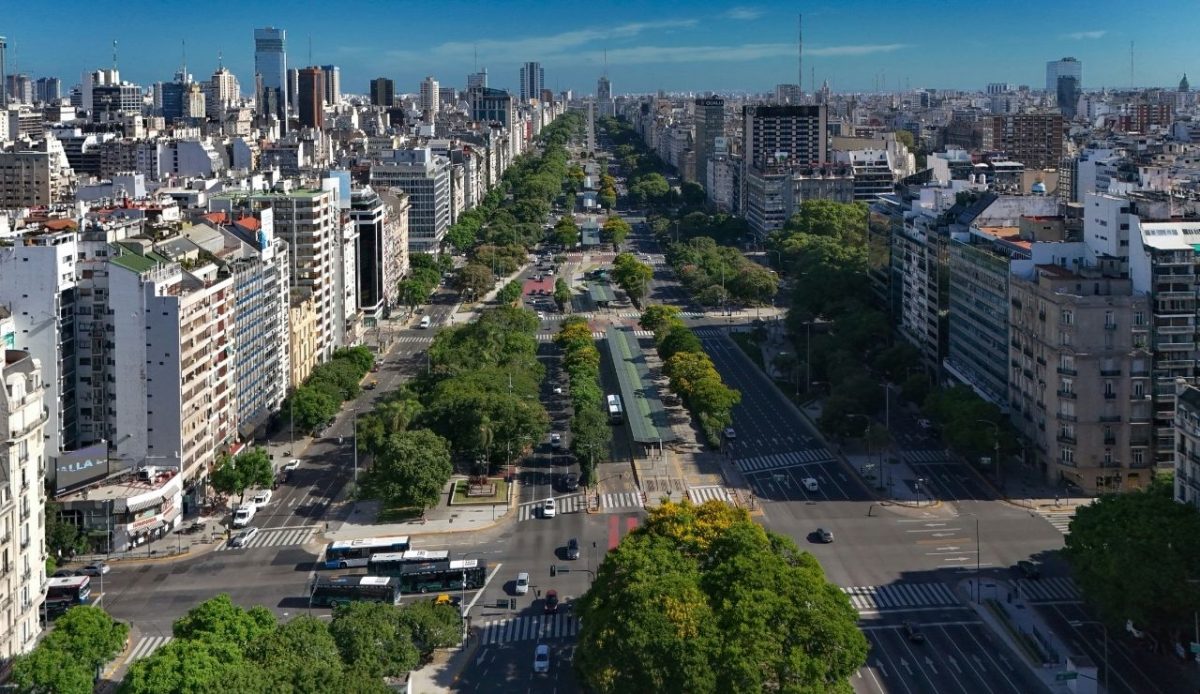
Buenos Aires serves as Argentina’s political and cultural center. San Telmo preserves colonial streets and markets, while La Boca is known for early immigrant history and brightly painted homes. Teatro Colón, opened in 1908, hosts international opera and orchestral performances. Puerto Madero offers renovated docks, and Palermo features wide parks and museums. Public transport and a walkable grid make it one of South America’s most accessible capitals. The city also maintains free public Wi-Fi in major parks and tourist areas.
2. Iguazú Falls and National Park, Misiones
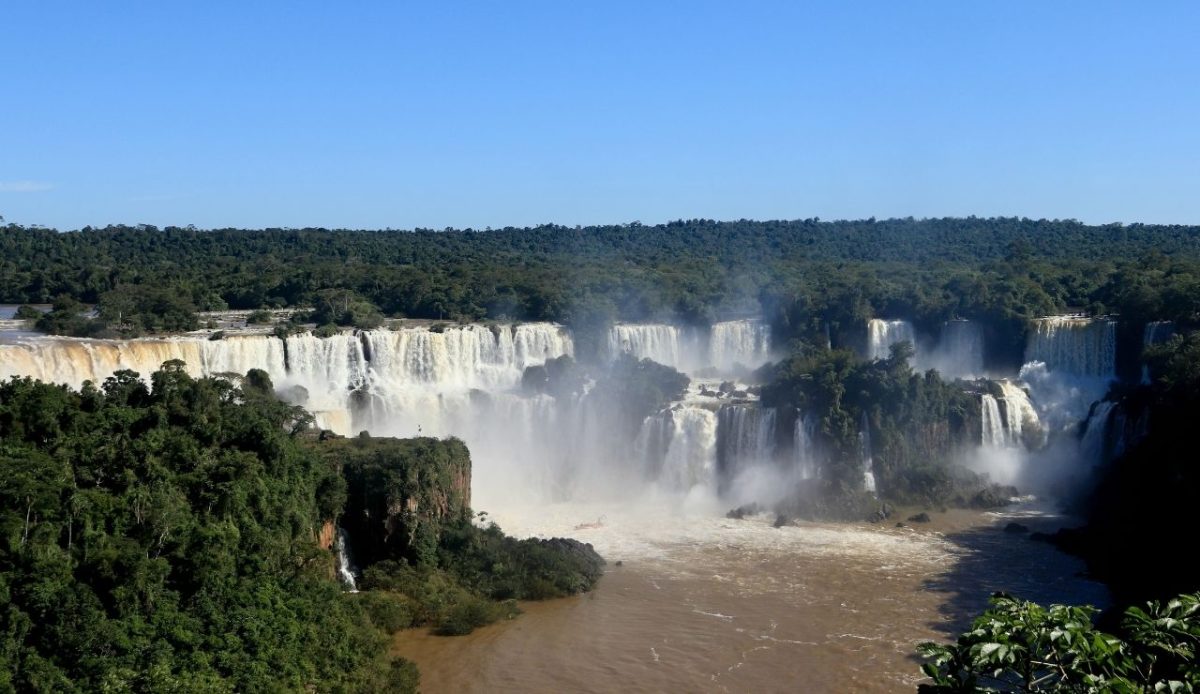
For travelers who value raw natural power, Iguazú Falls presents over 250 cascades within a protected rainforest shared with Brazil. Metal walkways reach the Devil’s Throat, and a small train links the park’s circuits. Rangers manage trail access and wildlife counts for species such as coatis and toucans. Puerto Iguazú, 11 miles away, supplies hotels and daily shuttles. Strict limits control crowd size, keeping the ecosystem stable year-round. Visitors can also access the nearby Guira Oga rescue center for rehabilitated native animals.
3. Iberá Wetlands, Corrientes: Rewilding and Wildlife Safaris
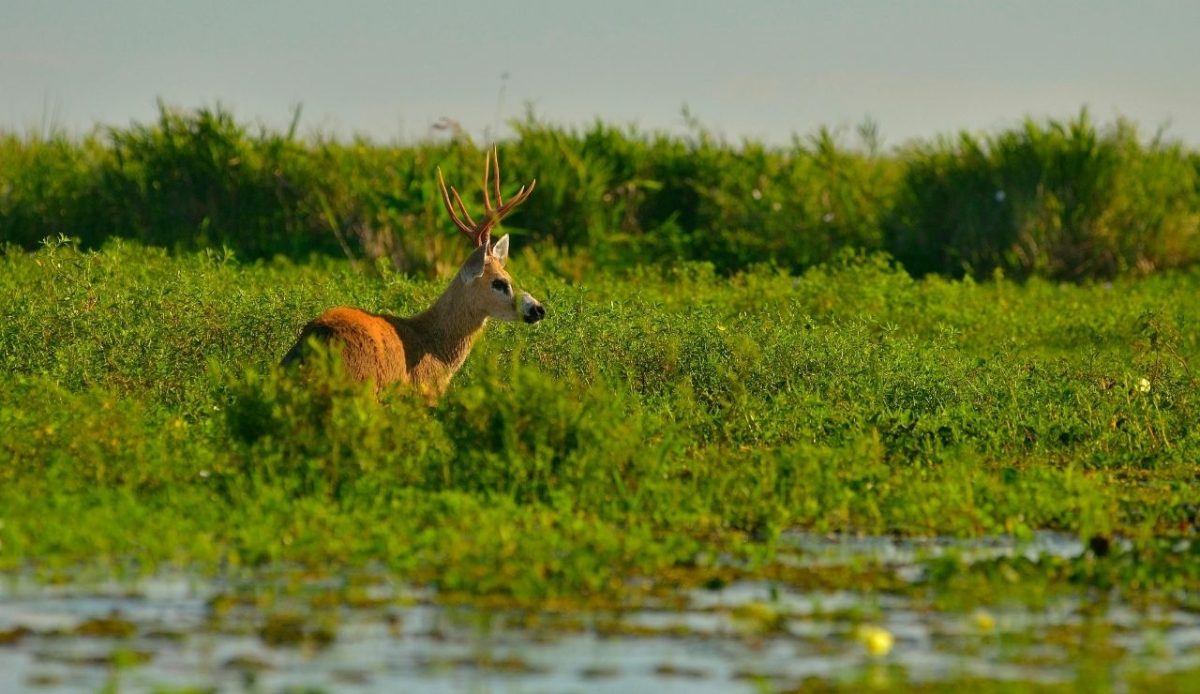
For eco-tourists, the Iberá Wetlands demonstrate large-scale habitat recovery. Covering nearly 6,000 square miles, the area supports caimans, capybaras, marsh deer, and giant anteaters reintroduced since the 1990s. Visitors reach the reserve through Colonia Carlos Pellegrini for guided canoe or night tours. Local cooperatives run eco-lodges, and monitoring stations record wildlife data to guide ongoing restoration. A new interpretation center explains current reintroduction projects and community involvement.
4. El Chaltén and Mount Fitz Roy: Argentina’s Trekking Capital
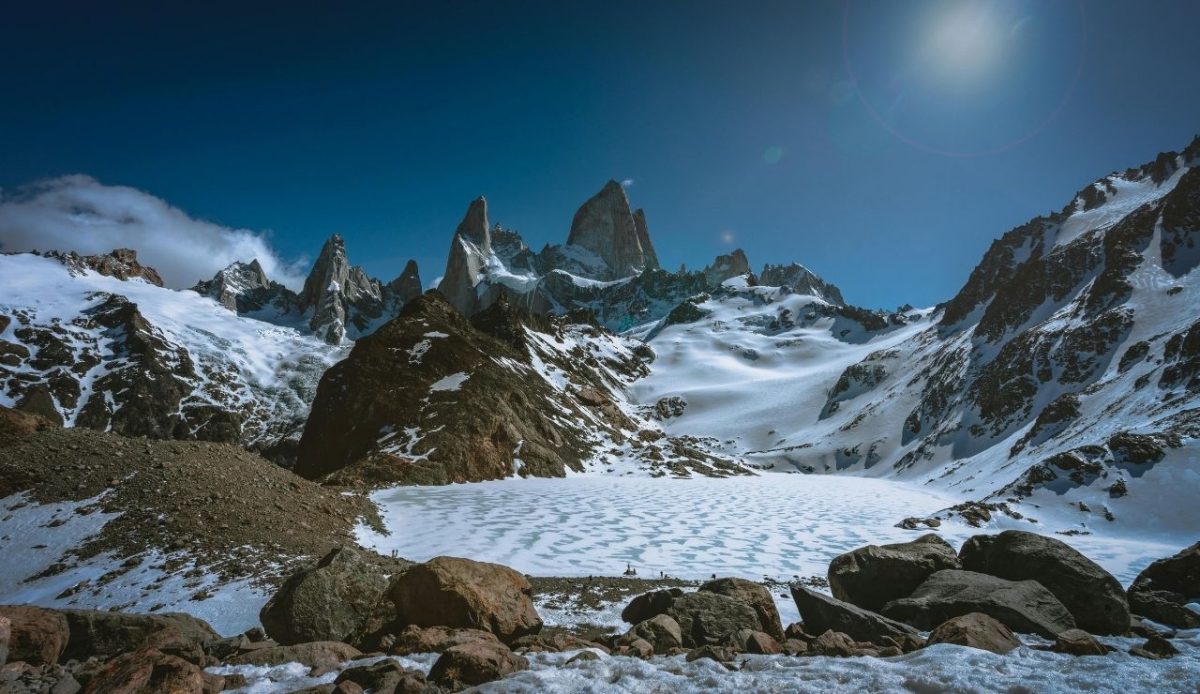
If hiking is your focus, El Chaltén offers direct access to the Fitz Roy range inside Los Glaciares National Park. Trails begin near town and reach viewpoints such as Laguna de los Tres. Rangers post weather updates and patrol routes daily. Facilities include campsites and rental shops supporting multi-day treks. Open fires are banned, and waste carry-out rules protect alpine areas. November through March provides the best daylight and stable trail conditions. The park also offers guided safety talks for new visitors each morning.
5. Bariloche and Nahuel Huapi: Gateways to the Seven Lakes Route
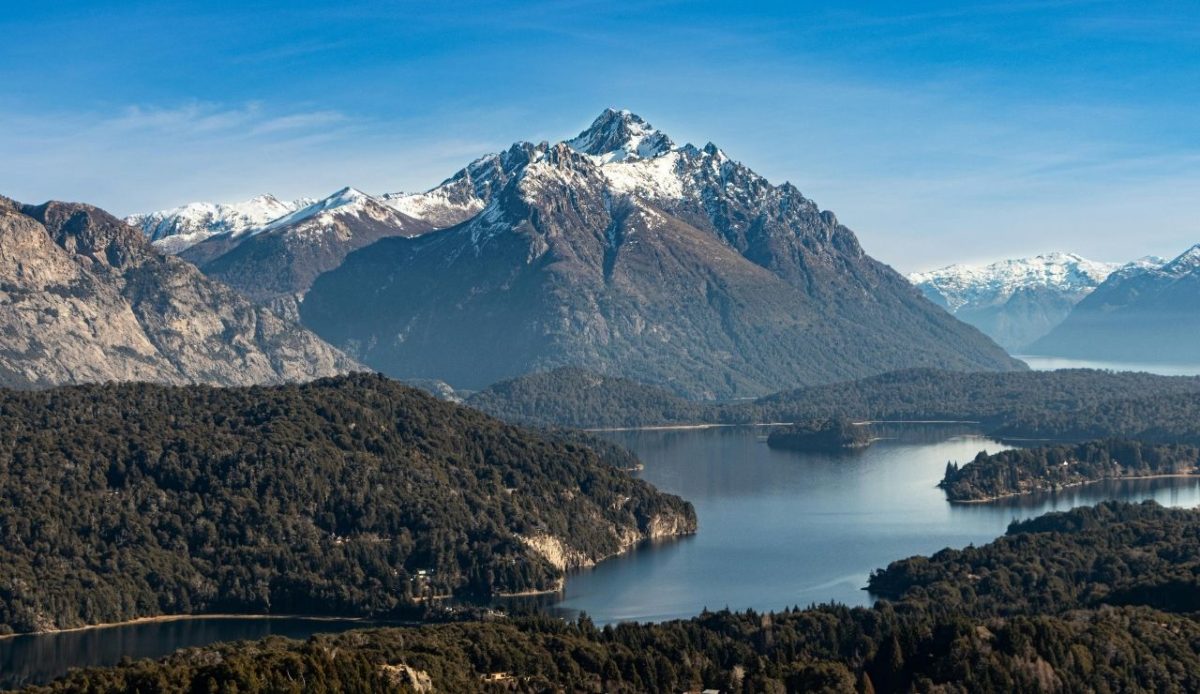
Bariloche lies within Nahuel Huapi National Park and anchors northern Patagonia’s lake district. The Seven Lakes Route links it with Villa La Angostura and San Martín de los Andes via a 66-mile highway of clear glacial lakes and forest. Visitors kayak, fish, or hike maintained trails, while Cerro Campanario’s chairlift gives panoramic views. Regular flights from Buenos Aires and certified tour operators keep Bariloche reliable year-round. The park authority provides visitor passes valid for multiple trailheads across the district.
6. Península Valdés and Puerto Madryn: Whale, Orca, and Penguin Hotspot
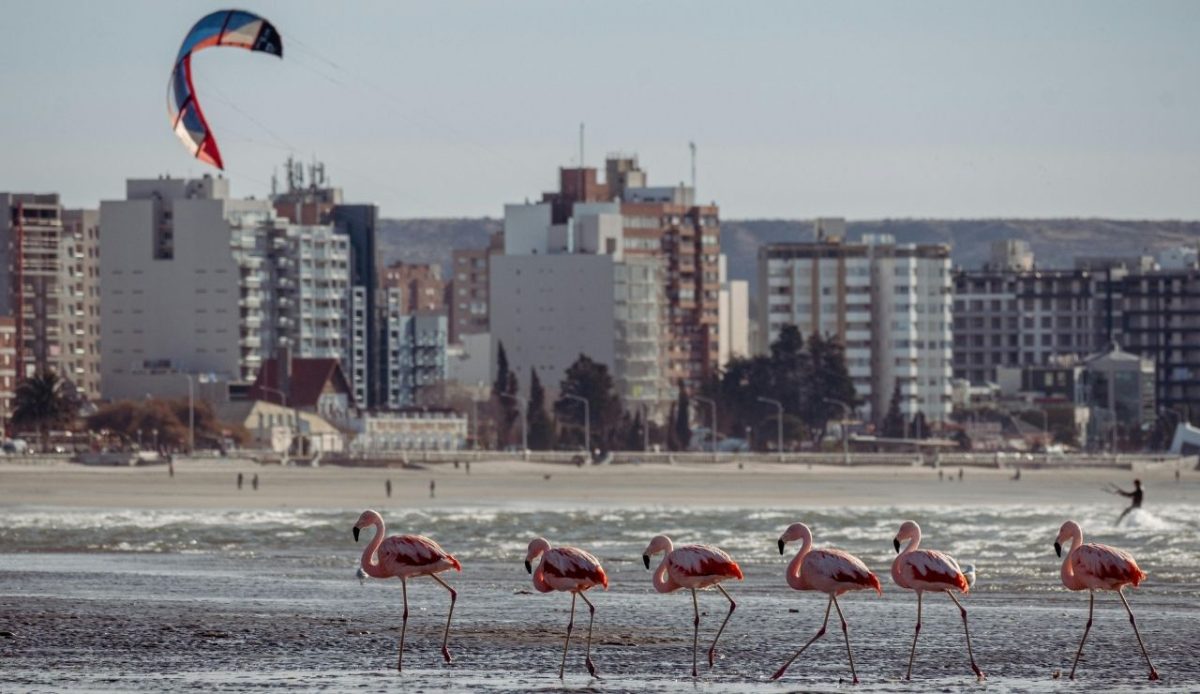
For wildlife watchers, Península Valdés ranks among the best coastal reserves in the Southern Hemisphere. From June to December, southern right whales breed near Puerto Pirámides. Penguins nest at Punta Tombo, sea lions crowd Caleta Valdés, and orcas appear during seasonal tides. Ranger stations monitor each colony and manage viewing distances. Puerto Madryn provides lodging, marine museums, and research centers that support data collection and responsible tourism. The reserve’s visitor fee directly funds wildlife protection and beach patrols.
7. Ushuaia and Tierra del Fuego National Park: End of the World Landscapes
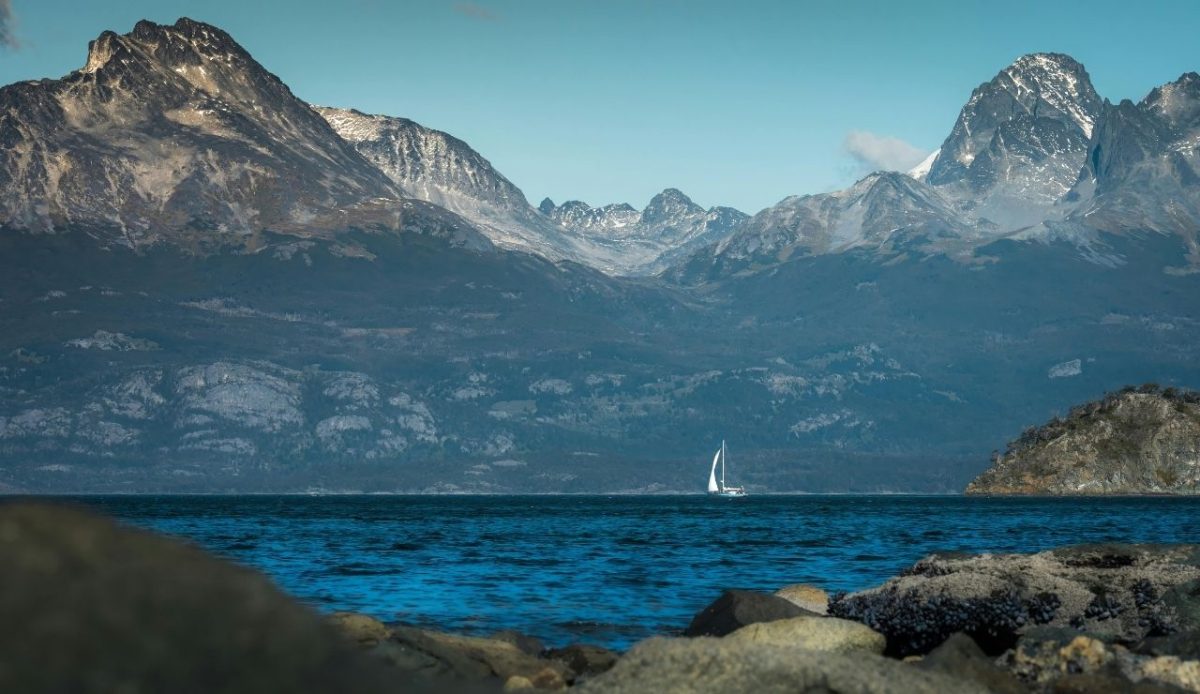
Ushuaia, on the Beagle Channel, is the southernmost city in South America. It gives access to Tierra del Fuego National Park, which contains subpolar forest, peat bogs, and short hiking circuits. The End of the World Train covers part of an old convict railway, and boat tours visit nearby islands with seabird colonies. Paved roads, a modern airport, and reliable hotels allow steady travel despite the harsh latitude. The local port also serves small expedition ships bound for Antarctica during the summer.
8. Cafayate and Quebrada de las Conchas: Wineries and Red-Rock Gorge
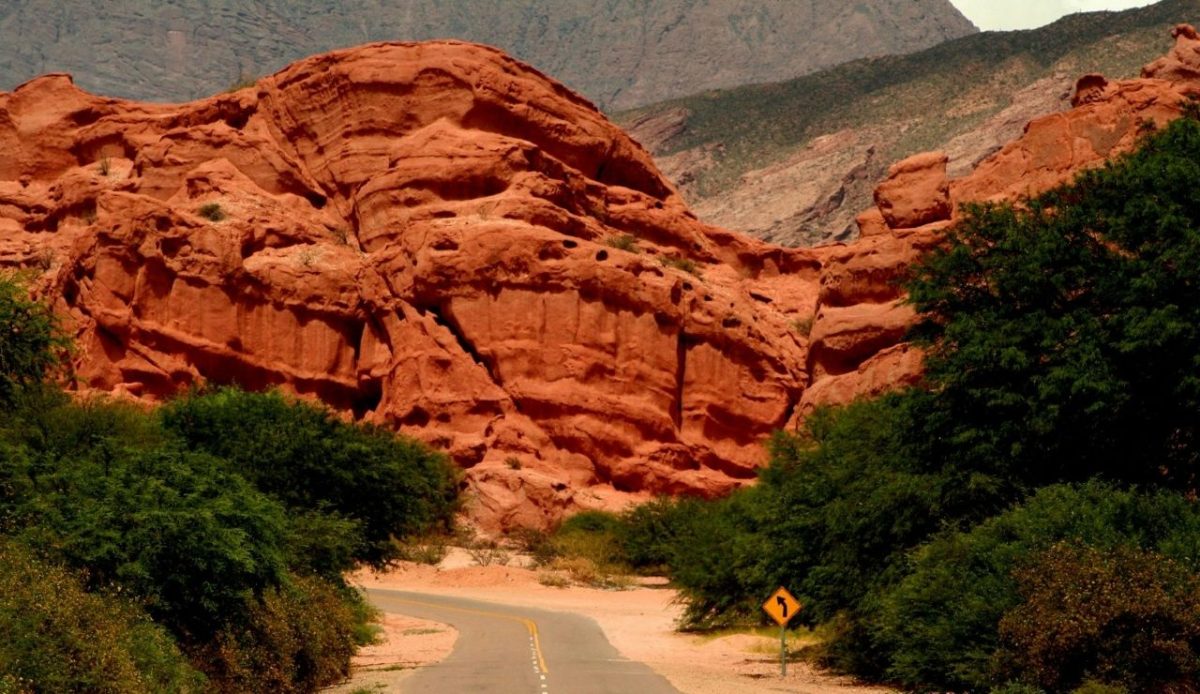
Cafayate is the main wine town of Salta Province and produces Torrontés, a white grape adapted to altitude. Vineyards open for tours and tastings year-round. The nearby Quebrada de las Conchas features rock formations, including the Amphitheater and Devil’s Throat, reachable by paved road. A small museum explains irrigation systems used since the 19th century. The dry climate ensures consistent road access between Cafayate and Salta. Annual harvest festivals in March highlight regional food and music traditions.
9. Quebrada de Humahuaca and Hornocal: UNESCO Valley and 14-Color Ridge
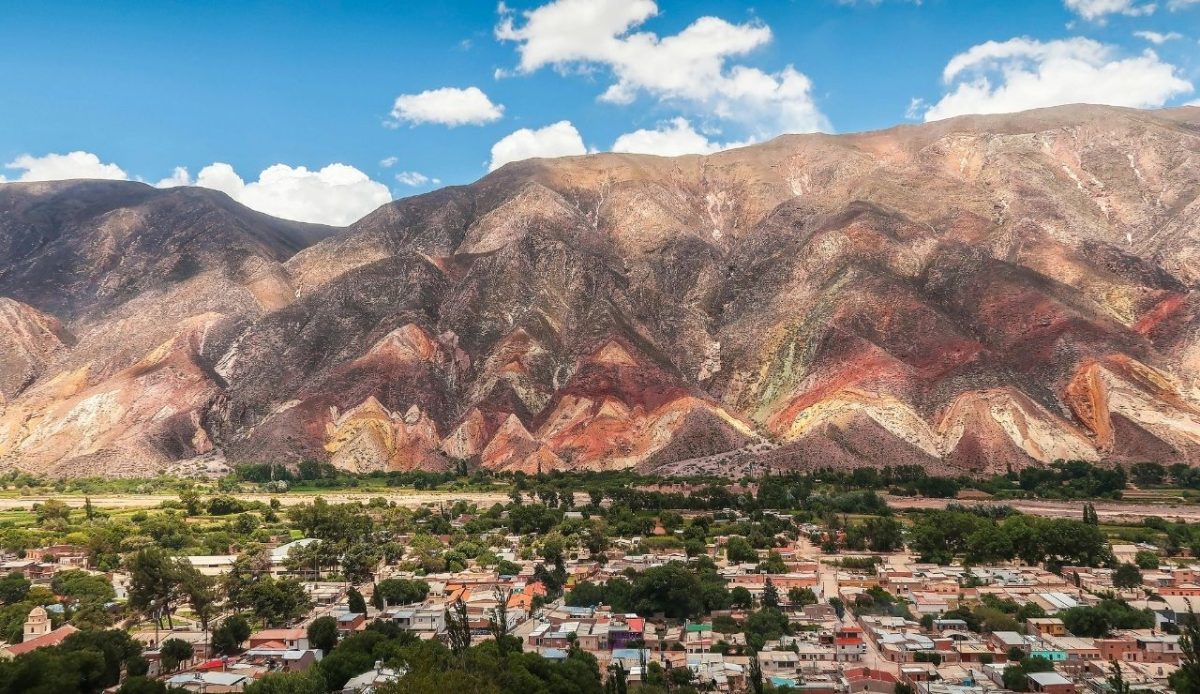
If heritage travel appeals to you, the Quebrada de Humahuaca offers deep Andean continuity and striking geology. Towns like Tilcara and Purmamarca keep adobe homes and active markets. Hornocal’s multicolored ridges rise above Humahuaca, reached by a 16-mile gravel road. The region averages 9,000 feet in altitude. Archaeological museums document trade routes that once linked the Andes to the plains, and local guides supervise access to prevent erosion. The valley’s altitude produces clear skies ideal for astronomy tours.
