
More than 70% of the Earth’s surface is covered by water, but most of it has not been explored yet. Millions of people around the world are drawn to marine life, dreaming of floating above a coral wall, the silence of the ocean, and the rare opportunity to share the ocean with some of the most incredible creatures on earth.
The nine destinations below were chosen because each one offers something genuinely rare, like record-breaking biodiversity, encounters with animals that few people ever see, or water so clear it barely seems real. These are 9 destinations to travel to if you are an ocean life enthusiast!
1. Raja Ampat, Indonesia
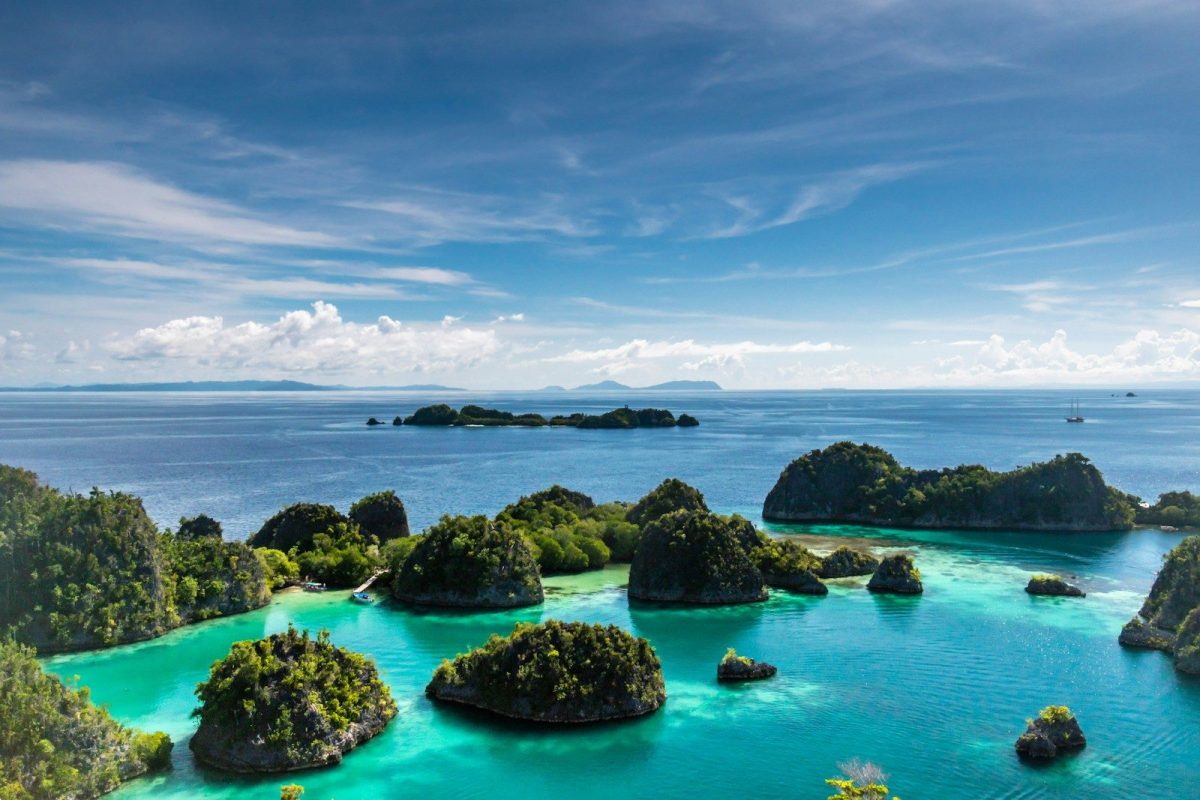
Raja Ampat sits within the Coral Triangle of West Papua and contains roughly 75 percent of all known coral species on Earth. Manta rays gather at cleaning stations, bumphead parrotfish grind through coral at dawn, and shallow reefs around Wayag deliver visibility exceeding 20 meters.
A 2024 expansion of Indonesia’s marine protected zones added 900,000 hectares around the archipelago, and the reefs are in measurably better condition because of it. The best season runs October through April.
2. Silfra Fissure, Iceland
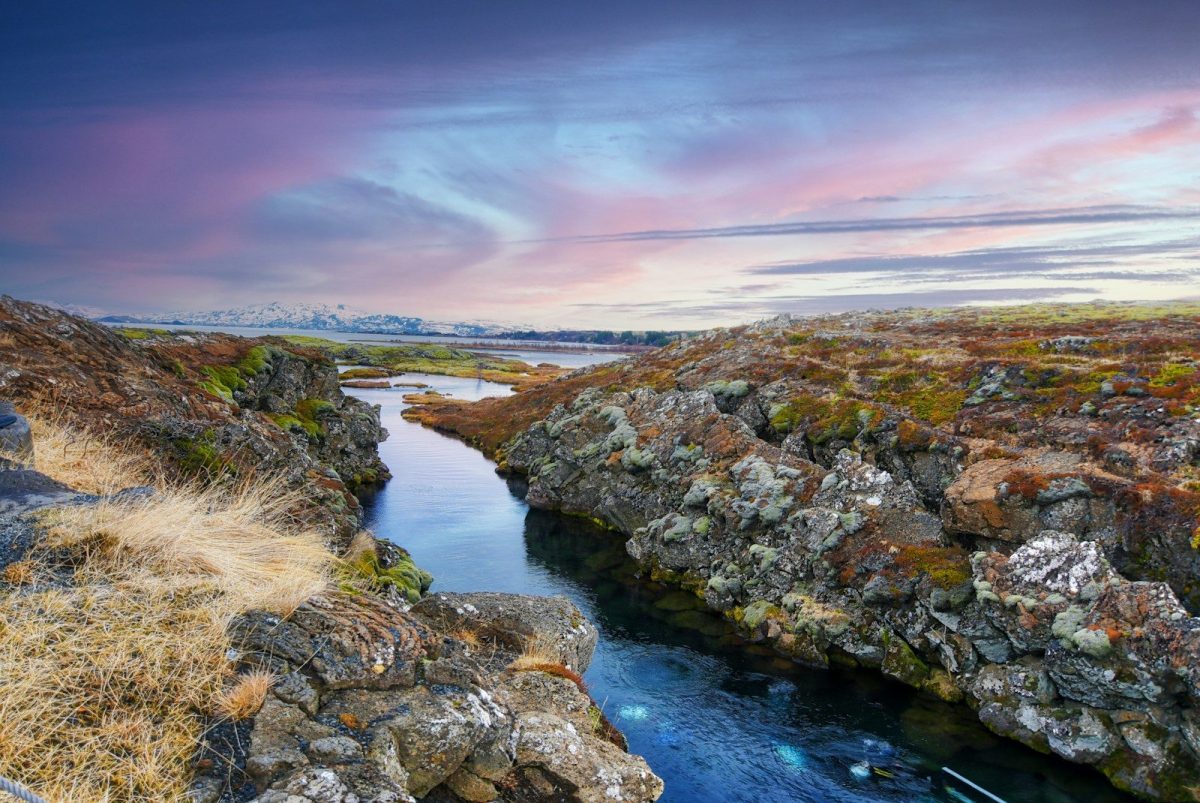
Silfra is a crack between the North American and Eurasian tectonic plates, filled with glacial meltwater filtered through lava rock for up to a century. Visibility regularly exceeds 100 meters. Water temperature holds near 2 degrees Celsius year-round, making dry suit certification a requirement.
The dive passes through a series of named chambers, including the Hall of Silica and the Cathedral, and at the widest point a diver can touch the rock faces of two continents at once. Some operators now run aurora-season night dives for an additional layer of spectacle.
3. Socorro Islands, Mexico
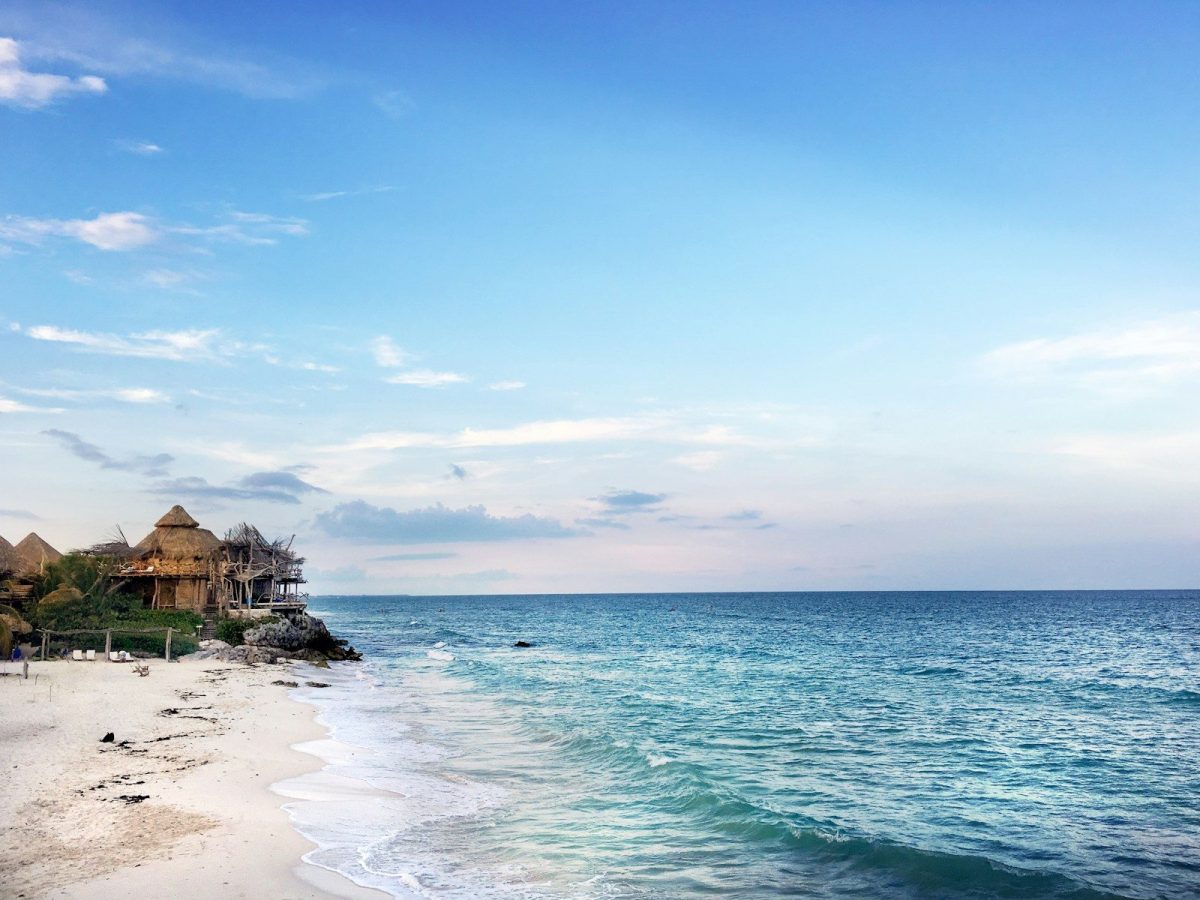
Socorro lies 400 miles off Mexico’s Pacific coast and requires a multi-day liveaboard to reach. The islands hold one of the largest populations of giant Pacific manta rays in the world, and the mantas here actively approach divers rather than avoiding them.
Marine biologists trace this behavior to a single curious individual from decades past, with the habit spreading through the local population via social learning across generations. Hammerheads, silky sharks, and seasonal whale sharks round out a destination built entirely around large pelagic animals. The season runs November through May.
4. Vava’u, Tonga
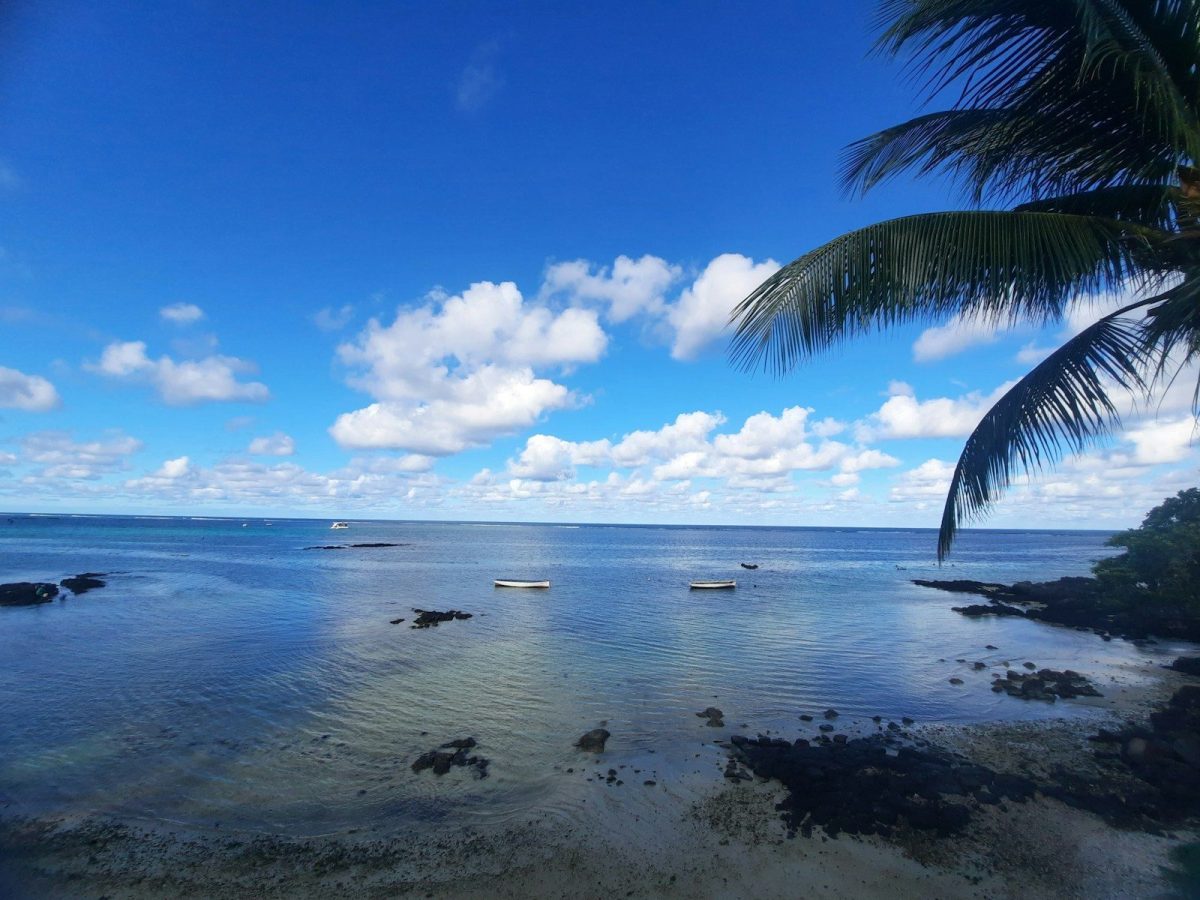
Between July and October, Southern Hemisphere humpback whales migrate into Vava’u’s sheltered waters to give birth and nurse their calves. Tonga is one of the few countries where swimming with humpbacks in open ocean is legally permitted. All encounters are conducted by snorkel, as scuba bubbles disturb nursing mothers.
A 2023 licensing overhaul reduced the number of permitted operators and tightened approach guidelines, improving encounter quality noticeably. The surrounding limestone islands, sea caves, and fringing reefs make Vava’u worth exploring between whale excursions.
5. Mosquito Bay, Vieques, Puerto Rico
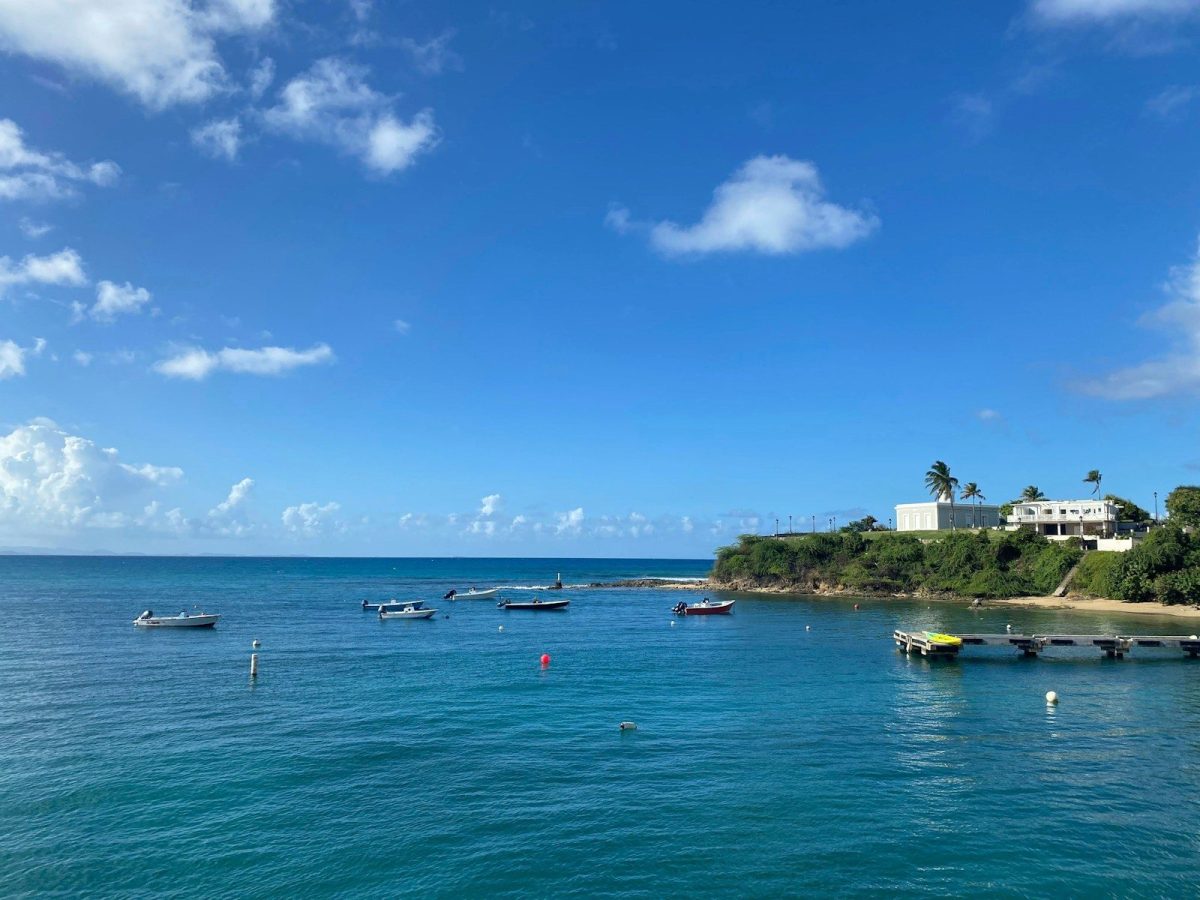
Mosquito Bay holds the Guinness World Record for the brightest bioluminescent bay on Earth. The glow comes from dinoflagellates, single-celled organisms that flash blue-white light when disturbed by movement. Tours run by electric kayak on moonless nights, when paddling through the water leaves a glowing trail behind each stroke.
The bay suffered hurricane damage in 2017 and has been recovering since. By 2025, dinoflagellate concentrations had returned to near-historical highs, making 2026 an excellent time to visit.
6. Monterey Bay, California
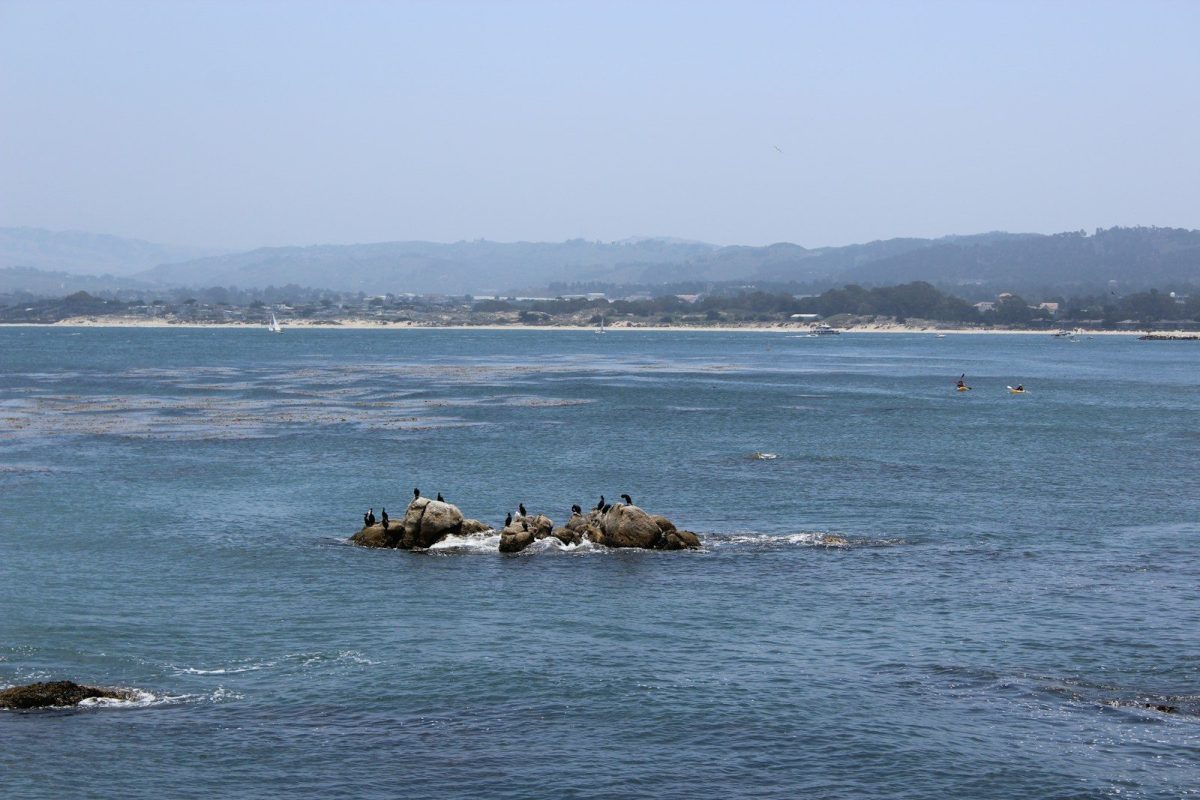
Monterey Bay’s productivity comes from upwelling: cold, nutrient-rich water pushed toward the surface by seasonal winds, feeding a food web that supports everything from nudibranchs to blue whales. Kelp forests fill the nearshore zone, harboring rockfish, lingcod, and sea otters that anchor themselves in fronds to sleep.
Humpbacks lunge-feed through anchovy schools within sight of shore throughout summer. Blue whales pass through on southward migrations in late summer, the largest animals ever to have lived on Earth, visible from whale watching boats a short distance offshore.
7. Komodo National Park, Indonesia
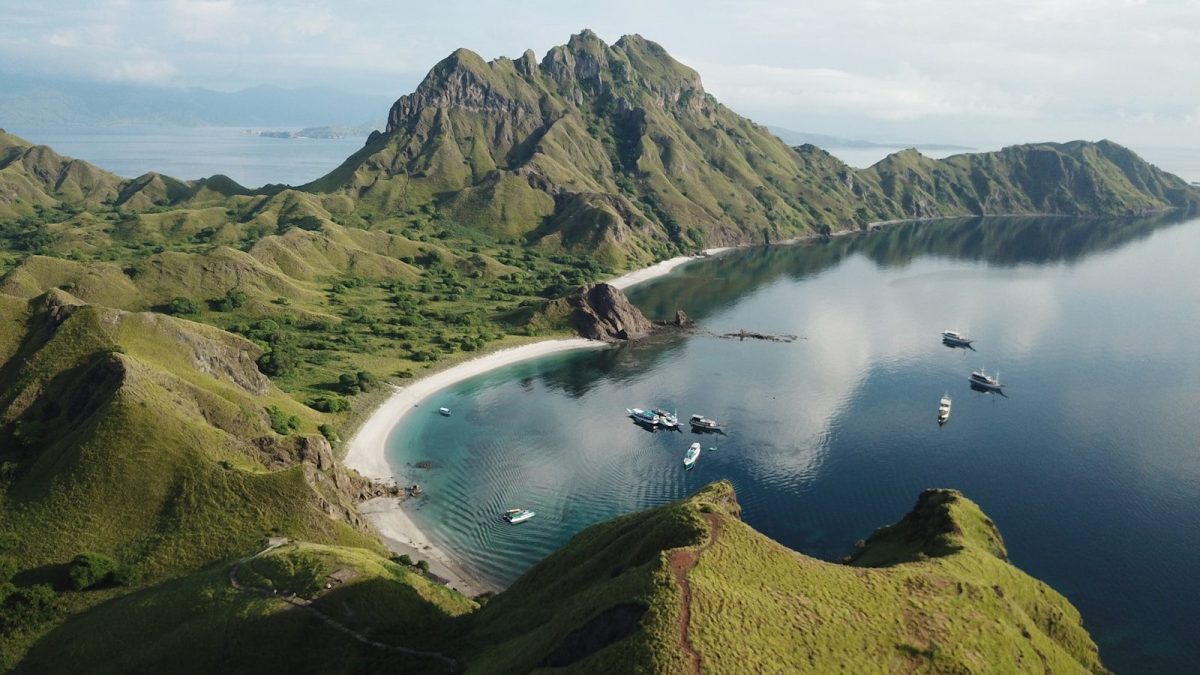
Komodo’s tidal currents, generated where the Flores Sea meets cooler Indian Ocean water, concentrate marine life across the park’s channels and pinnacles. Batu Bolong delivers reef sharks, Napoleon wrasse, and dense soft coral growth at the right current state.
Cannibal Rock rewards slow, close attention with frogfish, ghost pipefish, and cuttlefish on a single coral structure. Manta rays aggregate at cleaning stations throughout the park. April through August offers the clearest conditions.
8. The Azores, Portugal
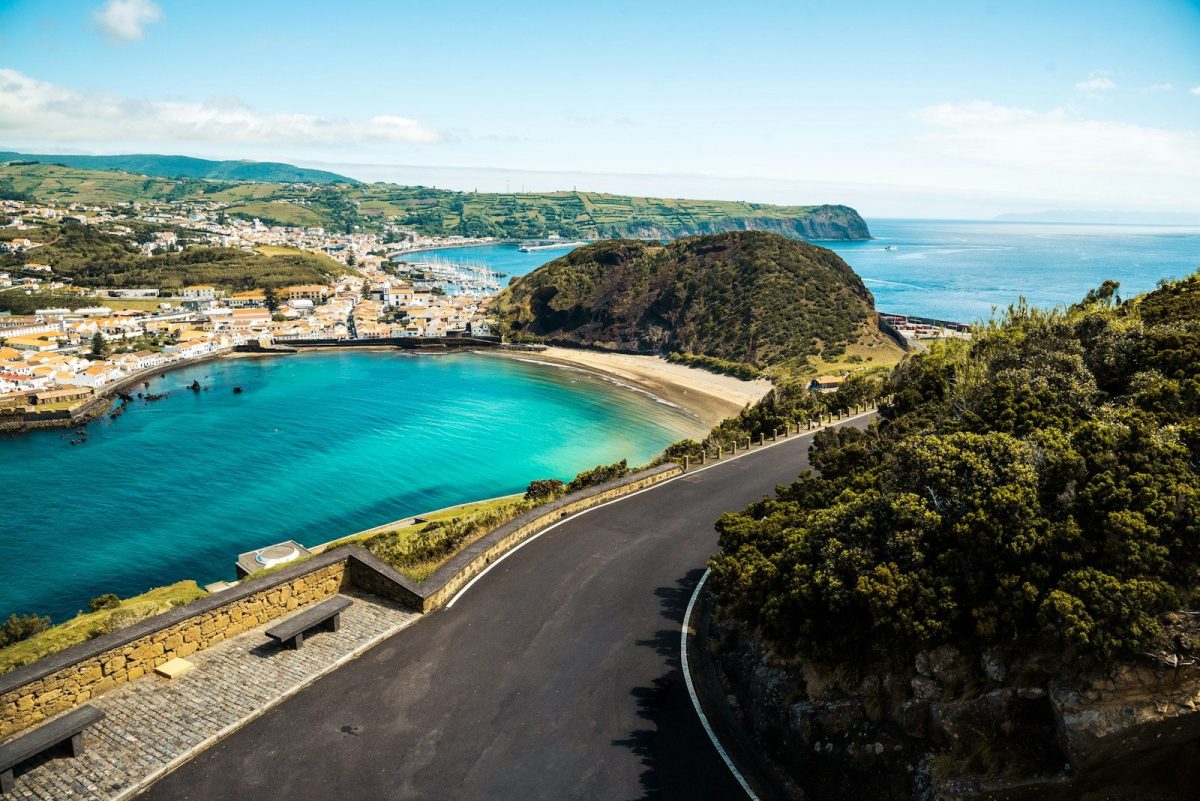
The Azores sit on the Mid-Atlantic Ridge and hold the most reliably accessible population of resident sperm whales in the North Atlantic. Boat-based encounters run from Pico between April and October, guided by shore-based spotters called vigias, a tradition converted from the whaling era to conservation tourism.
Blue sharks appear in surface waters from June onward, with cage-free snorkel encounters available through several operators. The islands remain far less visited than comparable Atlantic destinations, and the ocean around them reflects that directly.
9. Tubbataha Reef, Philippines
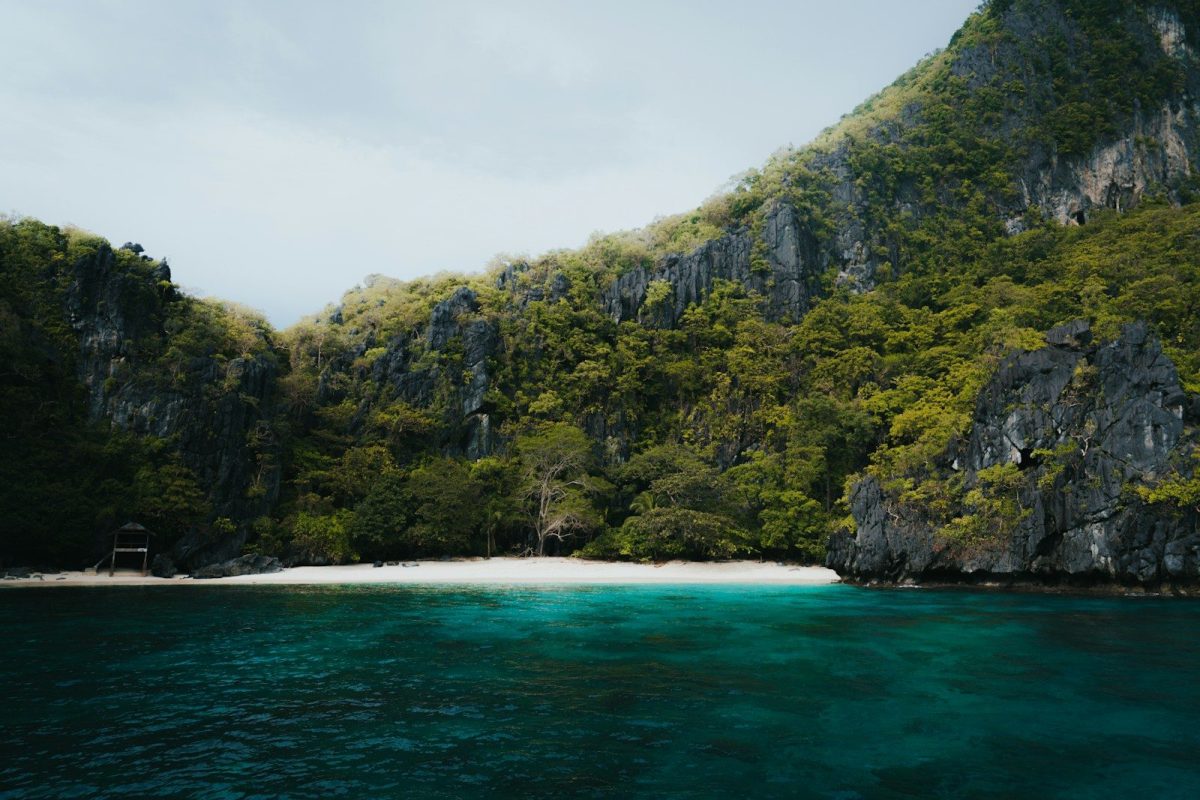
Tubbataha sits 150 kilometers into the Sulu Sea, reachable only by liveaboard during a March-to-June window. The 10-hour journey each way keeps visitor numbers low. Rangers live on the reef year-round, enforcing no-fishing and no-anchoring rules across two coral atolls with a consistency rare for remote tropical reserves. The reef supports over 600 fish species, 360 coral species, and 11 shark species. Vertical walls drop from the surface into open ocean, patrolled by whitetip, blacktip, and grey reef sharks in concentrations that are exceptional even by Southeast Asian standards. Tubbataha shows what a tropical reef looks like when protection is genuinely enforced over decades.
For 2026 travelers: every destination on this list sits within an ocean under measurable pressure from warming temperatures. Choosing operators with documented conservation commitments and following local guidelines closely are among the most direct contributions any traveler can make.
