
Traveling abroad means stepping into different cultures, each with its own customs, etiquette, and social rules. While most locals welcome visitors warmly, a simple misstep can come across as disrespectful, even if it wasn’t intended. From how you dress at religious sites to how you tip in restaurants, understanding cultural nuances helps you avoid awkward moments and show respect. Here are nine common cultural faux pas tourists often make worldwide, and how to avoid them on your journeys.
1. Wearing Shoes Indoors, Japan

In Japan, entering homes, traditional inns, and even some restaurants with shoes on is considered rude. Visitors are expected to remove footwear and are often provided with indoor slippers. Ignoring this custom not only disrespects hosts but also spreads dirt inside. To avoid embarrassment, always look for cues at the entrance and follow what locals do. This small act of respect shows cultural awareness and appreciation for Japanese traditions of cleanliness and hospitality.
2. Tipping Too Much, South Korea
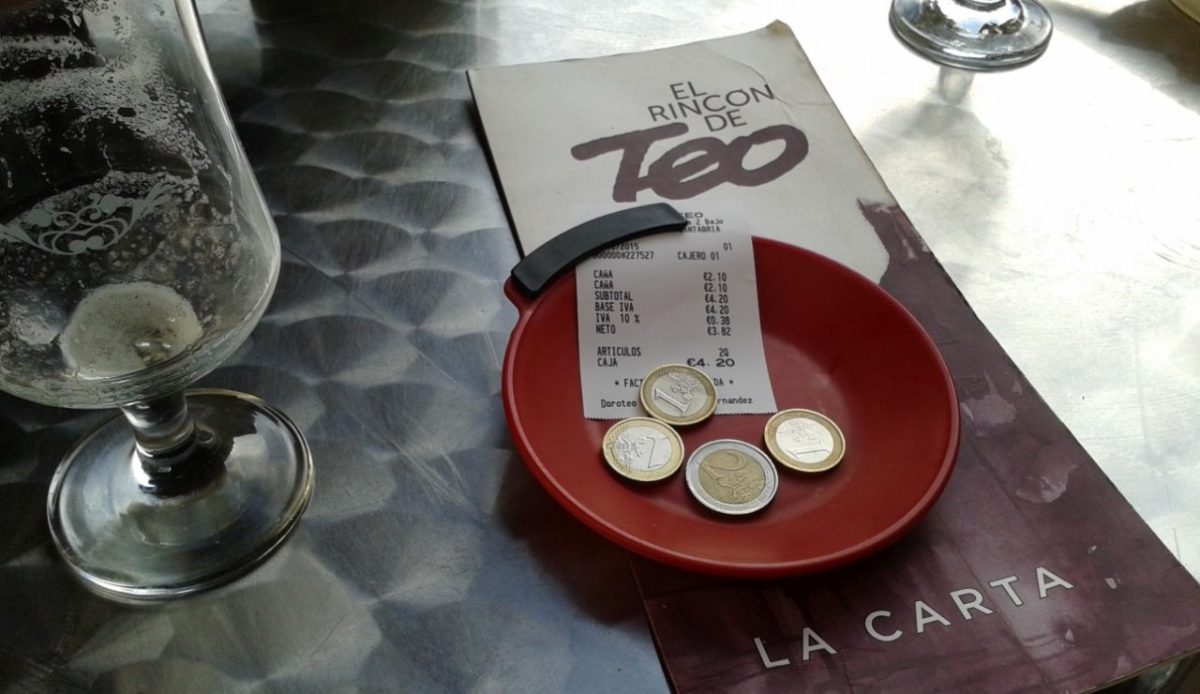
Unlike in North America, tipping in South Korea is not customary and can even be seen as awkward or insulting. Service charges are typically included in the bill, and handing over extra money may confuse or embarrass staff. Tourists sometimes overtip out of habit, creating unintended discomfort. To avoid this faux pas, simply pay the amount shown. Respecting local customs about tipping ensures smoother interactions and demonstrates cultural sensitivity while traveling in South Korea.
3. Pointing with a Finger, Thailand

In Thailand, pointing with your index finger is considered impolite, especially toward people or sacred objects. Locals often use their whole hand or chin gestures instead. Tourists unaware of this may come across as disrespectful when asking for directions or taking photos. To avoid offense, practice using open-palm gestures. It’s a subtle change, but one that reflects attentiveness to cultural norms and helps ensure friendlier interactions while exploring this warm, welcoming destination.
4. Disrespecting the Monarchy, Thailand

Thailand’s monarchy is deeply respected, and speaking negatively about it, even casually, can lead to serious legal trouble under strict lèse-majesté laws. Tourists unfamiliar with this may make careless remarks or jokes without realizing the consequences. To avoid issues, steer clear of political discussions about the royal family and respect national symbols. Demonstrating awareness not only keeps you safe but also shows understanding of Thailand’s culture and values while visiting.
5. Dressing Inappropriately at Temples, India

In India, temples and other religious sites require modest dress, with covered shoulders and knees being the norm. Tourists who show up in shorts, sleeveless tops, or revealing outfits risk offending worshippers and may be denied entry. Scarves or shawls are often provided at entrances, but it’s best to plan. Dressing modestly reflects respect for local traditions and ensures you experience these sacred places fully, without drawing negative attention during your visit.
6. Eating with the Left Hand, Middle East

In many Middle Eastern countries, the left hand is traditionally considered unclean and should not be used for eating, offering gifts, or shaking hands. Tourists unaware of this may unintentionally offend during meals or interactions. To avoid this faux pas, always use your right hand for these actions. Even if locals are understanding, showing awareness of this practice demonstrates respect and helps you engage more thoughtfully with cultural traditions in the region.
7. Forgetting to Remove Hats, Churches in Europe

In many European countries, especially in Catholic churches, men are expected to remove hats upon entering. Failing to do so is seen as disrespectful in sacred spaces. Tourists exploring historic cathedrals may overlook this rule while focused on sightseeing. To avoid offense, remove your hat as soon as you step inside, and dress modestly overall. This small gesture goes a long way in showing respect for religious customs and maintaining cultural sensitivity.
8. Ignoring Queue Etiquette, United Kingdom
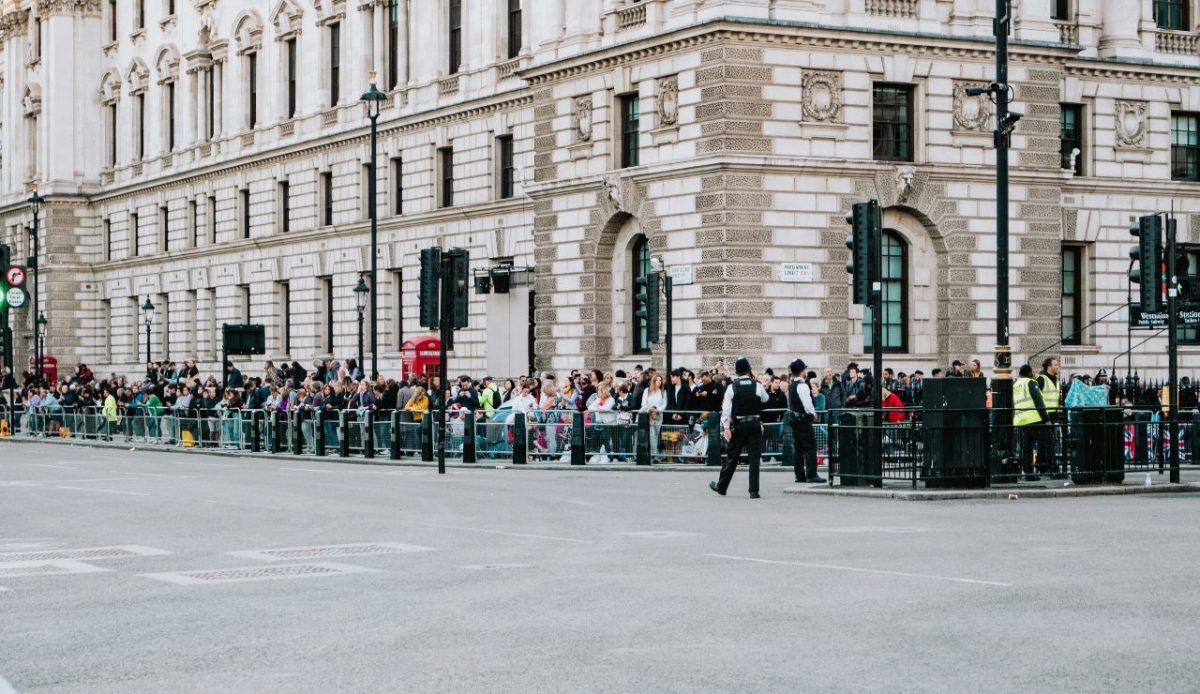
In the UK, queueing, or standing in line, is more than a habit; it’s a deeply valued cultural practice. Cutting ahead, crowding others, or ignoring the order is viewed as disrespectful and often sparks frustration among locals. Tourists in a rush may not realize how seriously this is taken. To avoid trouble, always find the back of the line, keep a polite distance, and wait your turn. Respecting this simple tradition shows courtesy and earns goodwill.
9. Misusing Chopsticks, China

Chopsticks are not just utensils in China; they carry cultural meaning. Sticking them upright in a bowl resembles funeral offerings and is considered highly disrespectful. Pointing at people with chopsticks or playing with them is also frowned upon. Tourists unfamiliar with these customs risk offending without realizing it. To avoid mistakes, use chopsticks carefully, place them neatly when not in use, and follow the locals’ example. This awareness enhances both dining experiences and cultural appreciation.
