
Some travelers love beaches and food tours. Others enjoy places with deep history and big questions.
Across the world, some old sites have symbols that look strangely alike. One independent researcher, Matthew LaCroix, believes these symbols may point to a lost civilization from 38,000 to 40,000 years ago.
Mainstream archaeologists do not accept this idea. They say there is no proven evidence for such an old global civilization. Still, the theory has made many people look at ancient sites in a new way.
Here are 10 places and ideas connected to this mystery.
1. Lake Van region, Turkey
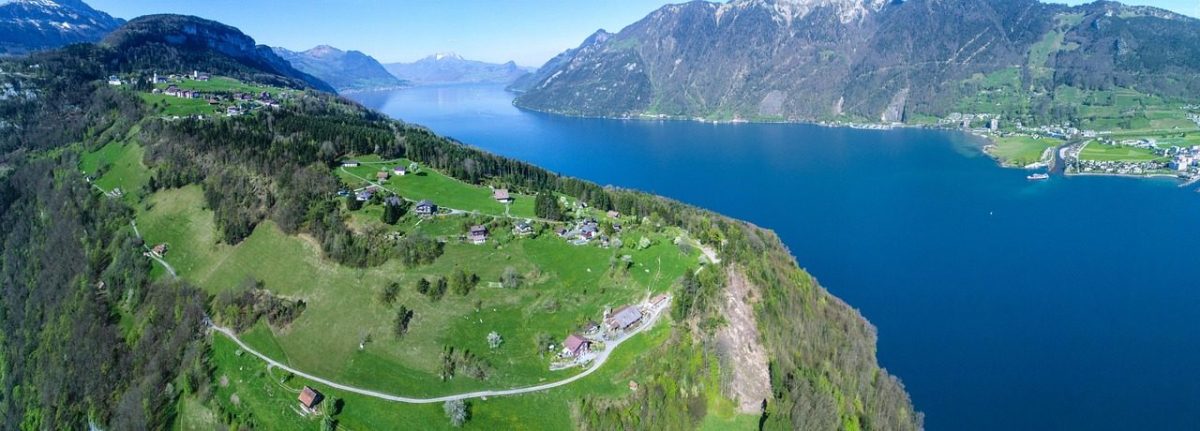
LaCroix believes the story starts near Lake Van in eastern Turkey.
He says a site in this region, called Ionis, may hold the oldest version of the symbols he studies. He connects it to T-shapes, step designs, lions, and sacred geometry.
He believes these designs later appeared in other parts of the world.
Archaeologists do not agree with his dating. Known sites in the Lake Van area are usually linked to the Urartian period, which is much more recent.
Still, for travelers who enjoy history, eastern Turkey is full of ancient landscapes and old stone sites.
2. Kefkalesi relief, Turkey
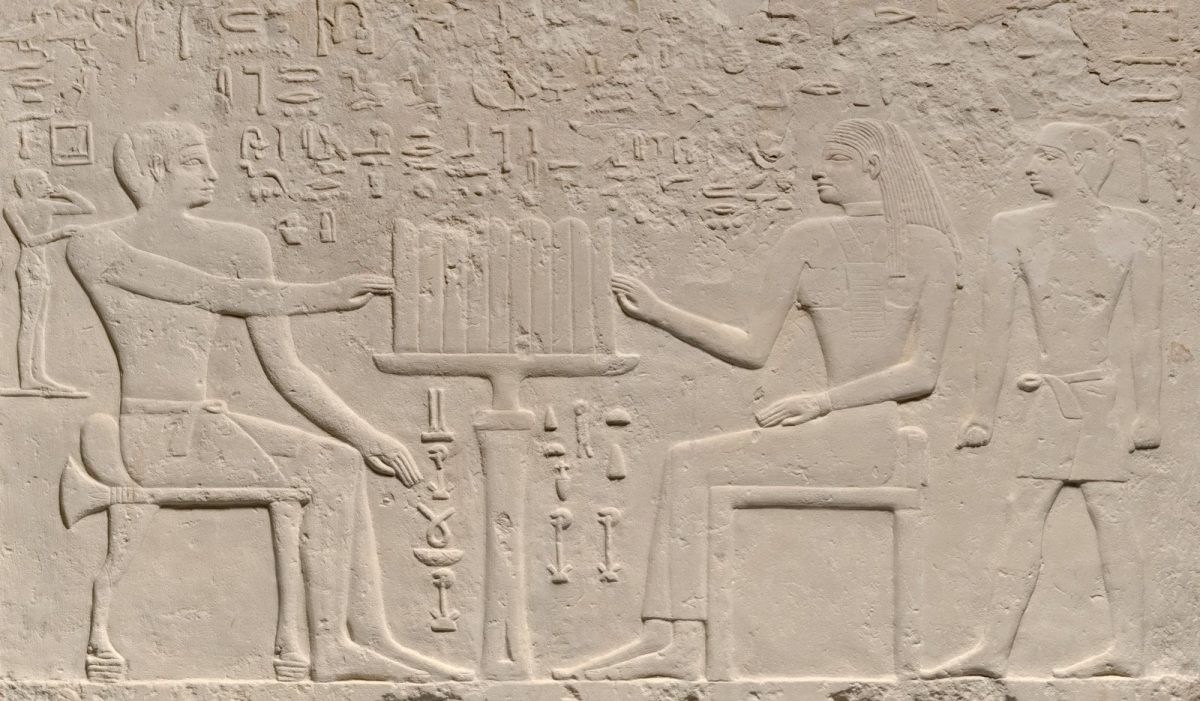
Near the Lake Van region, the Kefkalesi relief is one of the main pieces in LaCroix’s theory.
He says this stone carving shows repeated T-shapes, step pyramid forms, and a lion figure.
To him, these symbols connect Turkey with Egypt and South America.
Mainstream experts do not see this as proof of a lost ancient world system. But the relief remains interesting because it shows how ancient people used symbols in stone.
For visitors, it is a reminder that small details in carvings can tell big stories.
3. Giza Plateau, Egypt
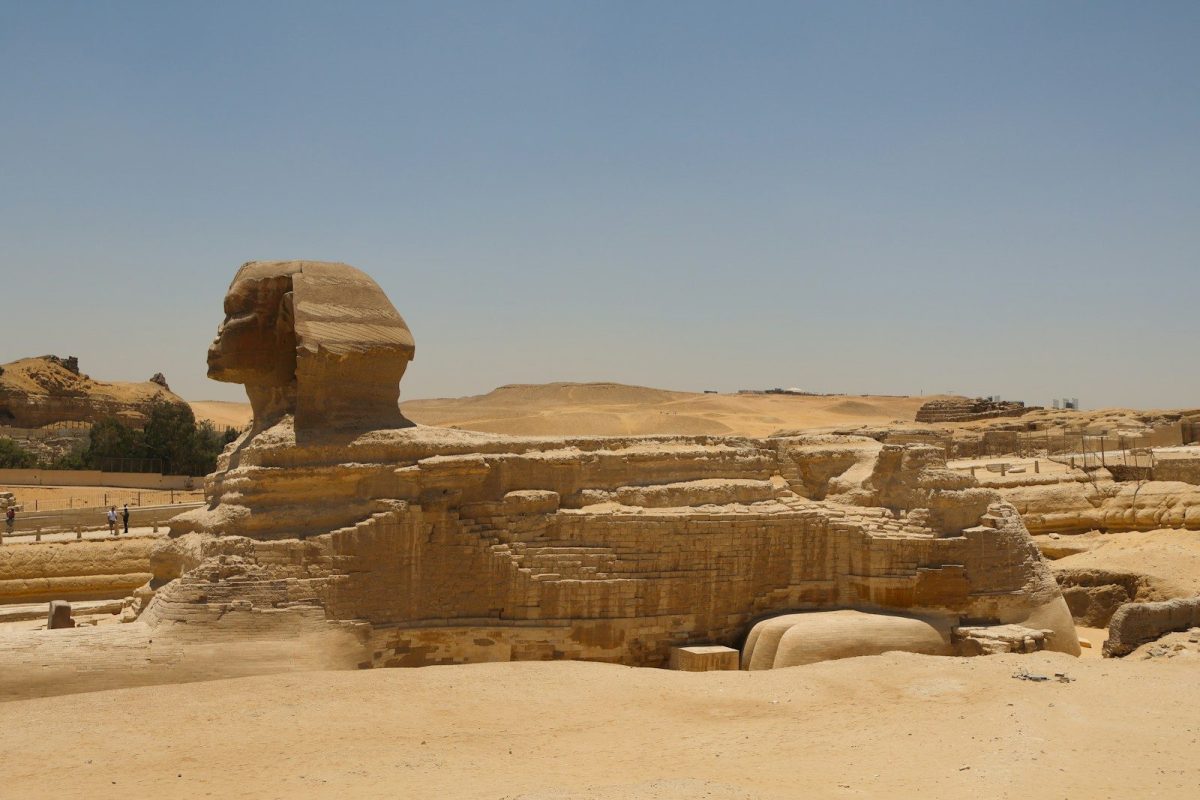
The Giza Plateau is one of the most famous ancient sites on Earth.
It is home to the Great Pyramids, the Sphinx, and several temples. Most scholars date the main pyramids to ancient Egypt around 4,500 years ago.
LaCroix gives a much older date. He says parts of Giza may be around 38,000 years old.
This claim is not accepted by mainstream archaeologists. But it shows why Giza continues to attract mystery lovers, historians, and travelers from around the world.
4. Sphinx Temple, Egypt
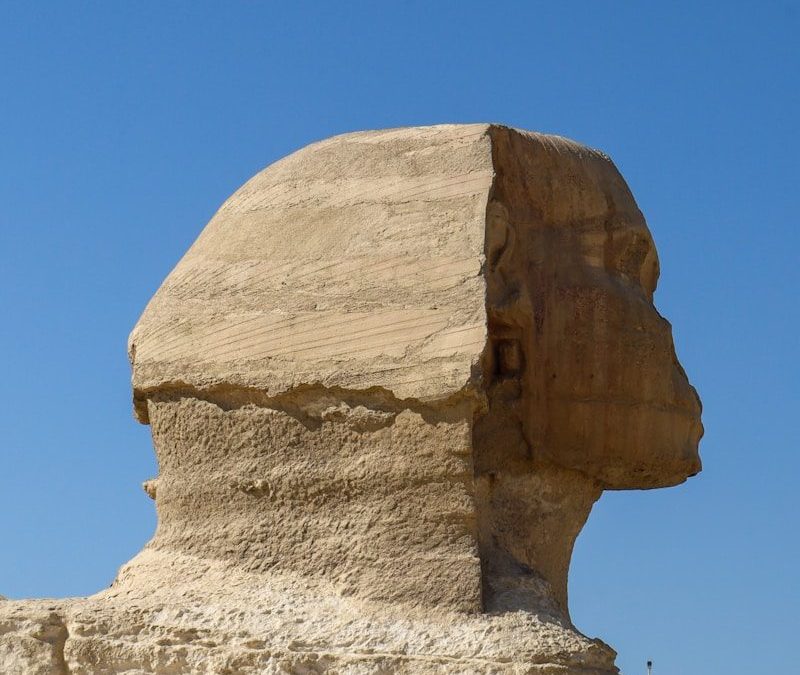
LaCroix says one of his key moments came when he looked again at a photo of the Sphinx Temple.
He believes he saw an inverted step pyramid shape in the structure.
This led him to study other temples around the Sphinx and Giza. He says he found more repeated designs, including T-shapes and step forms.
The Sphinx Temple is not open to the public in the same way as some other areas, but it remains part of the wider story of ancient Egypt.
For travelers, it adds another layer to the mystery of the Sphinx.
5. The Sphinx and the lion idea
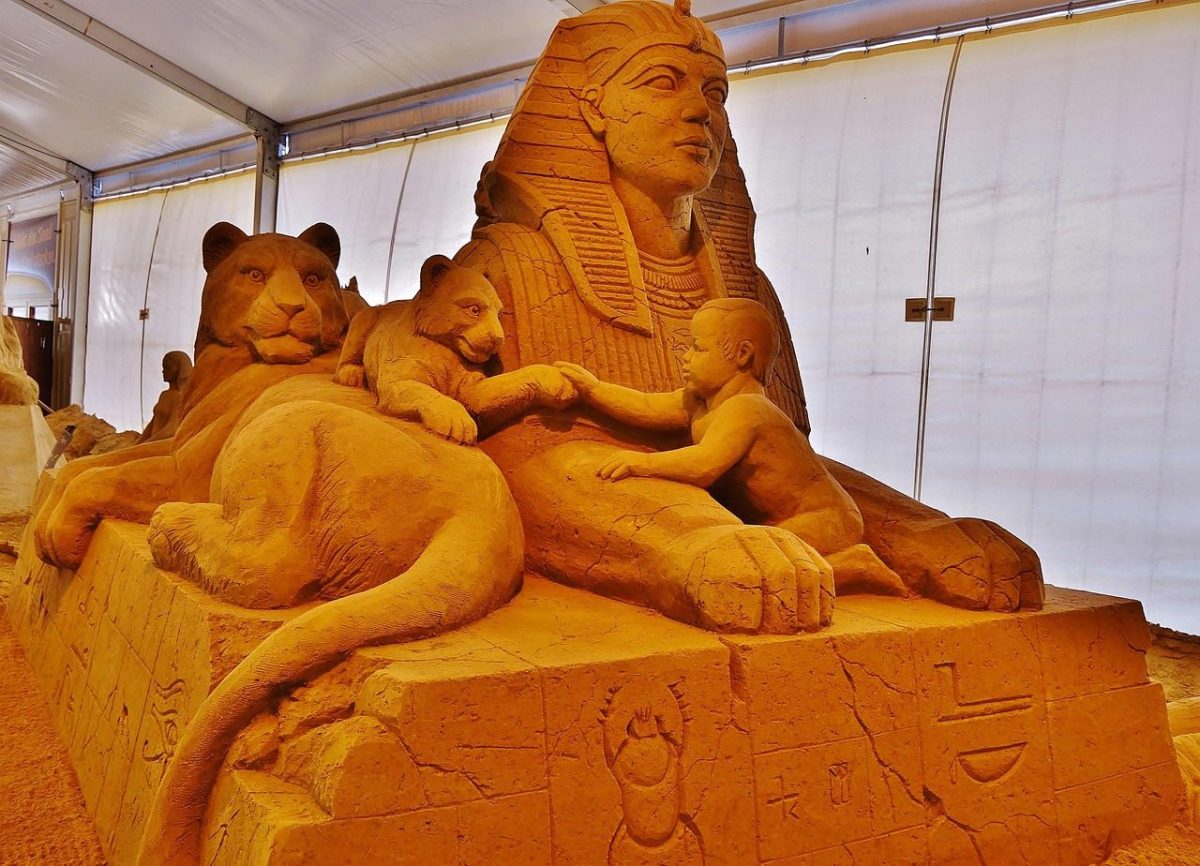
Some researchers have suggested that the Sphinx may have first been carved as a lion.
This idea is not accepted by most mainstream Egyptologists, but it has been discussed by some alternative researchers.
LaCroix connects the Sphinx to the constellation Leo and to a much older date.
He also links lion symbols to guardianship and sacred meaning.
Whether or not visitors believe the theory, the Sphinx is still one of the most powerful sights in Egypt. It stands as a symbol of strength, mystery, and ancient skill.
6. Tiwanaku, Bolivia
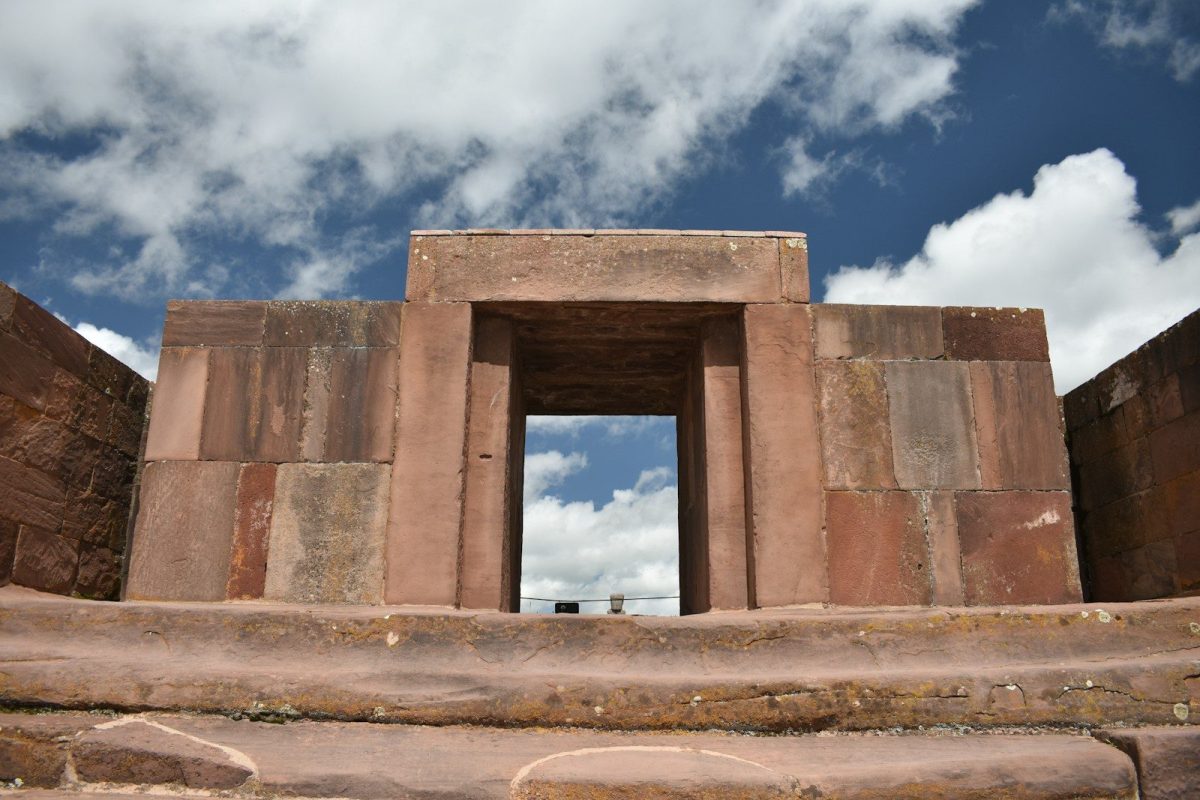
Tiwanaku is an important ancient site in Bolivia.
It is known for stone structures, temple layouts, and detailed carvings. LaCroix says the layout of the Akapana Pyramid at Tiwanaku looks similar to designs found in Egypt and Turkey.
He believes this may show a shared pattern between distant cultures.
Mainstream scholars explain Tiwanaku through the history of the Andean region, not through a lost global civilization.
Still, Tiwanaku is a must-see place for travelers interested in ancient architecture and South American history.
7. Puma Punku, Bolivia
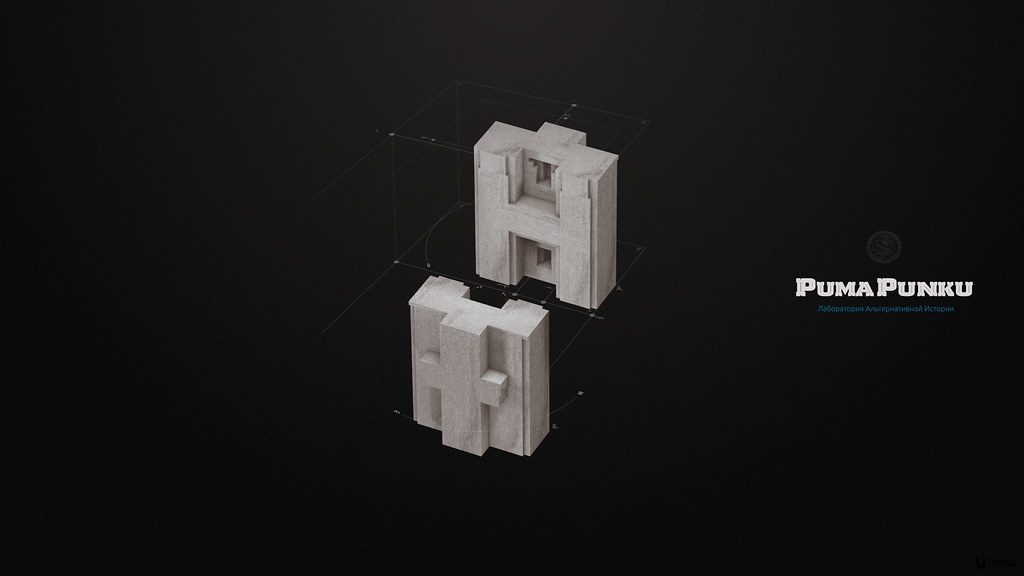
Puma Punku is close to Tiwanaku and is famous for its large stone blocks.
Some of the stonework is so clean and precise that it has inspired many theories.
LaCroix says LiDAR scans show a large T-shaped design at Puma Punku. He believes this supports his idea of a shared ancient template.
Experts do not see this as proof of a world system from 38,000 years ago.
Even so, Puma Punku remains one of the most interesting archaeological places in South America. Its stonework still makes many visitors stop and wonder.
8. Cambodia and repeated symbols
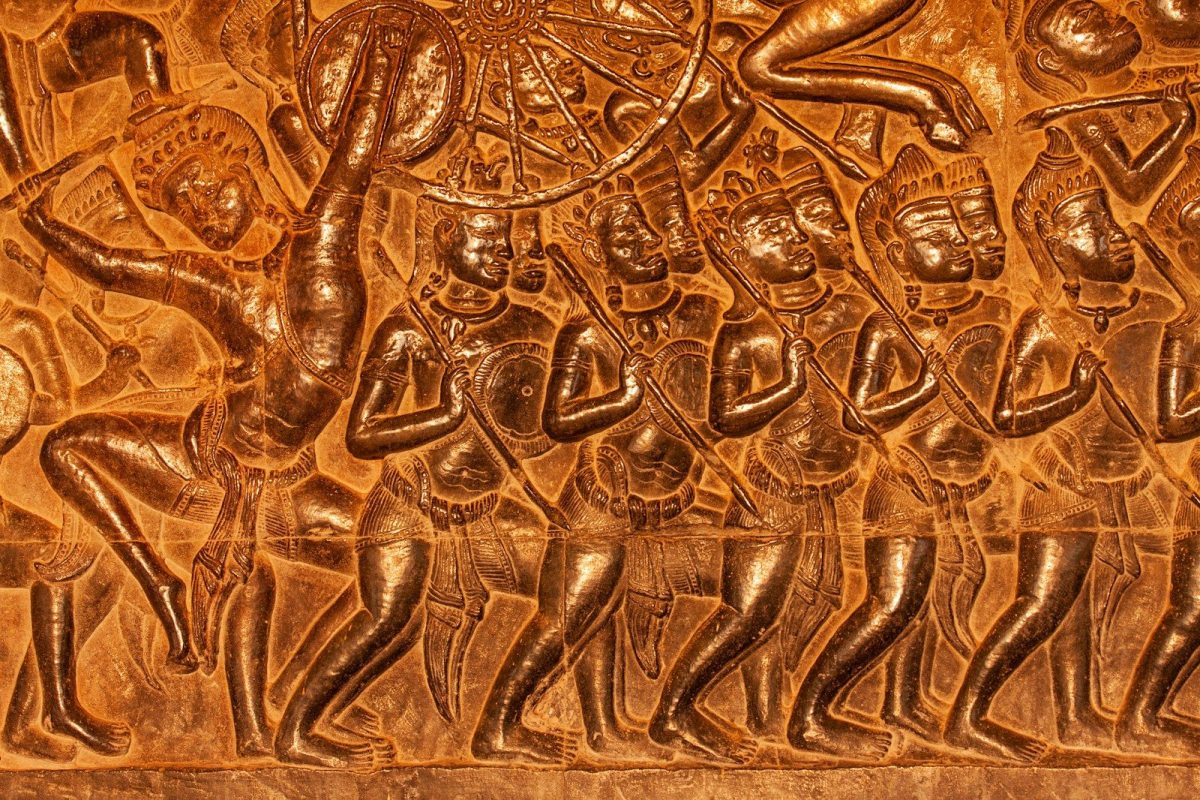
LaCroix also says similar symbols appear in Cambodia.
The article does not give many details about which exact Cambodian sites he means. But Cambodia is already famous for old temples, sacred layouts, and detailed stone carvings.
Places like Angkor show how ancient builders used design, direction, and religious meaning in architecture.
For travelers, Cambodia is a strong example of how sacred sites can blend art, belief, and landscape.
Whether these symbols are connected to other continents is still unproven.
9. The idea of a cosmogram
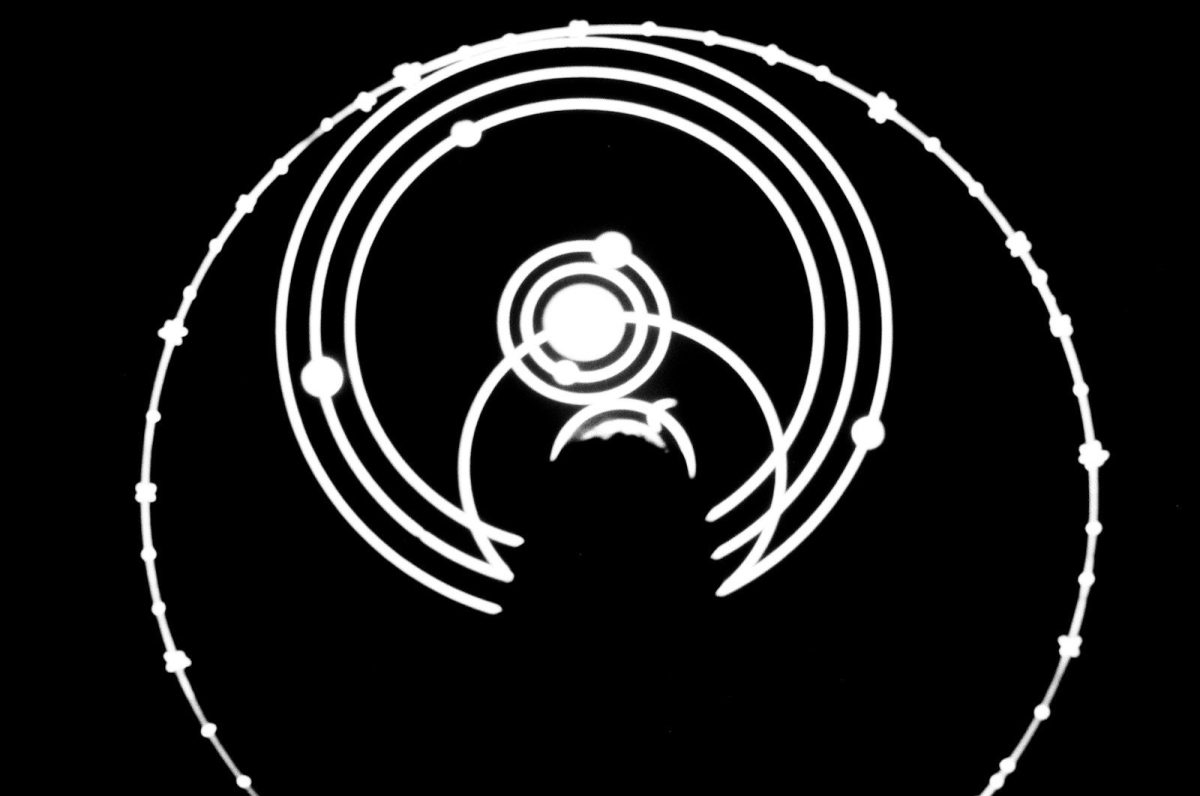
A big part of LaCroix’s theory is something he calls a cosmogram.
He believes the T-shapes, step pyramids, and three-part designs may describe the universe.
In his view, one side represents a hidden or non-physical world. The center represents the physical world. The other side represents a higher or spiritual world.
He says the T-shape may show a center point that balances everything.
This is a spiritual reading, not a proven archaeological fact. But it shows how symbols can carry deep meaning for different people.
Ancient sites are not only places to take photos. They are places where people ask questions about the past.
Matthew LaCroix believes repeated symbols around the world point to a lost civilization. Most archaeologists do not accept that claim.
But the sites linked to the theory are still worth knowing. Lake Van, Giza, Tiwanaku, Puma Punku, and other ancient places all show how creative and skilled early cultures could be.
You do not have to believe every mystery to enjoy the journey. Sometimes the best part of travel is standing in front of old stone and wondering what stories it still holds.
