
Some U.S. attractions that used to feel like “show up and wander” now run on a tour-only model. Sometimes it’s cultural respect and tribal rules, sometimes it’s fragile geology, tight spaces, or crowd control.
For travelers, the practical change is the same: you book a time, follow an official guide or ranger, and you can’t freeload your way in. Walk-ups are often limited, and popular dates sell out.
These tours can actually improve the experience; guides control pace, explain what you’re seeing, and keep people (and the place) safe. Here are nine American travel experiences where a mandatory guided tour is the price of admission, and how to plan around it.
1. Antelope Canyon, Arizona
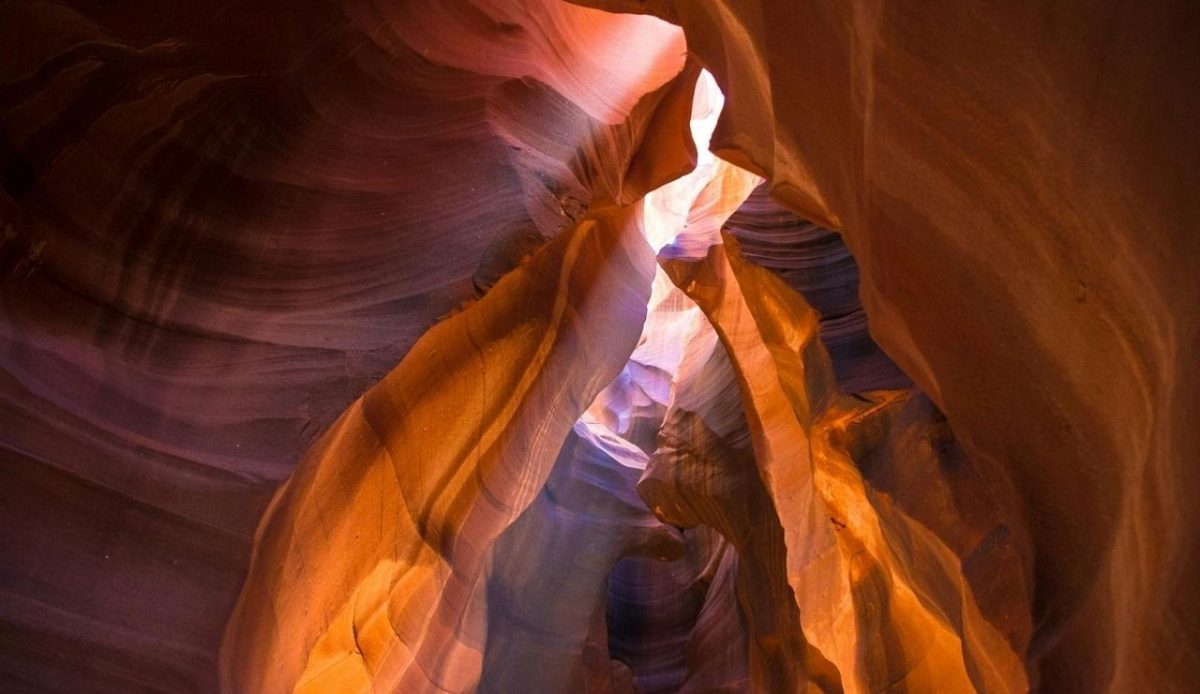
Antelope Canyon sits on Navajo Nation land, and access is controlled through authorized tour operators. Visitors enter only in guided groups, with set time slots and group limits.
The rule is partly about protection and respect for a culturally significant site, and partly about safety. Flash flooding can develop quickly in slot canyons, and guides watch weather, manage spacing, and move groups efficiently.
Plan on booking ahead, arriving early for check-in, and following photo and movement rules inside the canyon. Tours are usually under two hours and may include transport from a staging area, plus permit fees in the ticket price.
2. Monument Valley Backcountry, Arizona–Utah
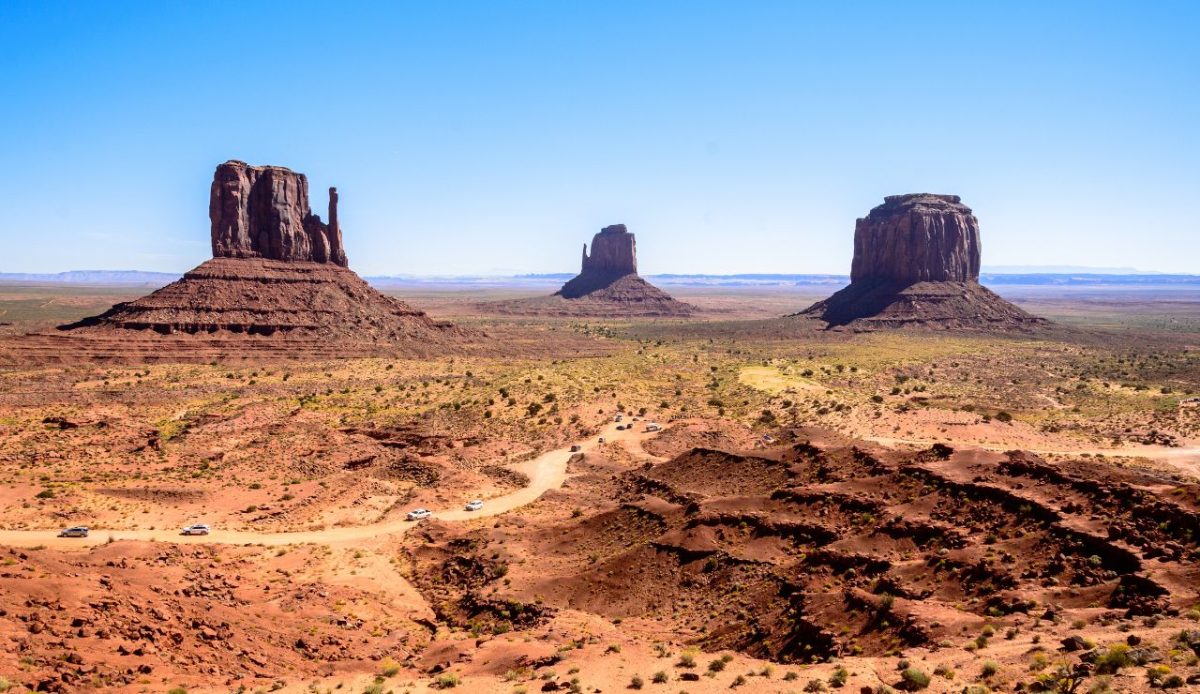
The famous mittens are easy to admire from overlooks, but much of Monument Valley’s backcountry access is restricted. Off-road and deeper backcountry travel is generally prohibited unless you’re with a licensed Navajo guide on an approved tour.
This approach protects sensitive desert terrain, reduces vehicle damage on rough tracks, and keeps visitation aligned with Navajo Nation rules. It also improves safety in remote areas where help can be far away.
Treat it like a timed activity: choose a tour length, confirm what areas are included, and bring water and sun protection. If you want formations beyond the main viewpoints, the guided route may be the only legal way to reach them.
3. Canyon de Chelly Canyon Floor, Arizona
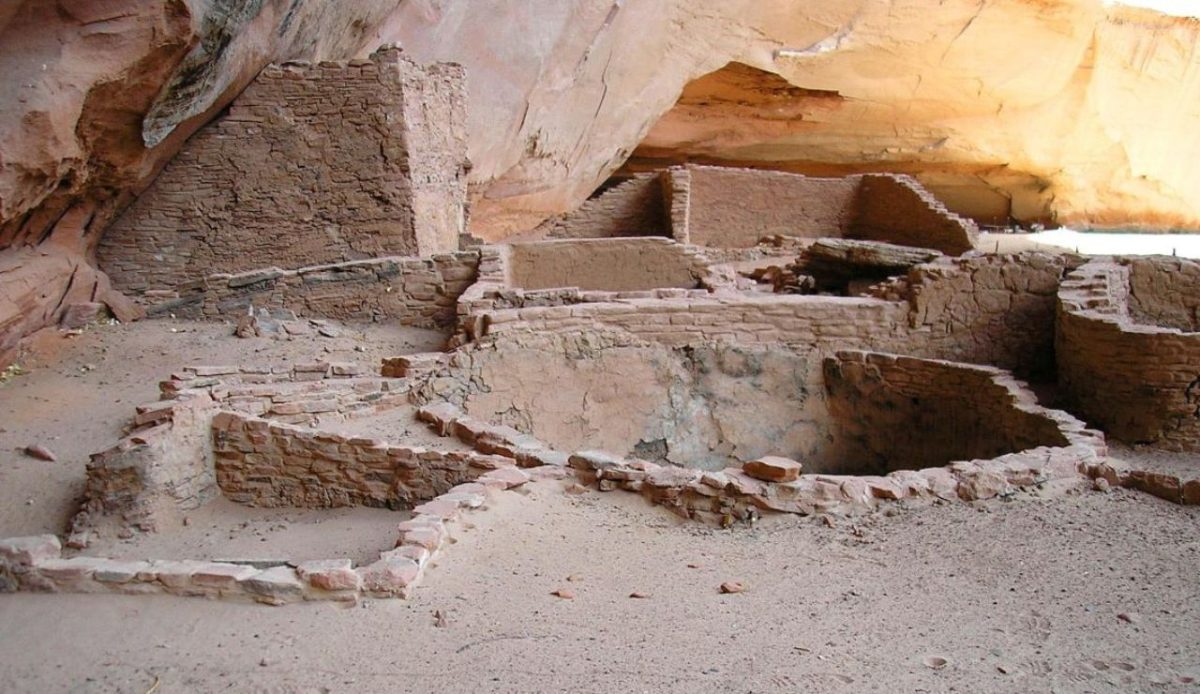
Canyon de Chelly is a living cultural landscape where Navajo families still reside, and that shapes how visitors can explore. You can drive the rim roads and stop at overlooks, but entering the canyon floor requires hiring a Navajo guide.
Guided access limits impacts on homes, farms, and archaeological sites, and it helps visitors follow local rules for a place that is scenic and sacred. Guides also handle route finding on sandy washes and changing conditions.
Decide whether you want a vehicle tour, a hike, or a mix, then confirm what permits and fees are included. Expect timing, limited group sizes, and closures when weather or roads make conditions unsafe.
4. Wind Cave, South Dakota
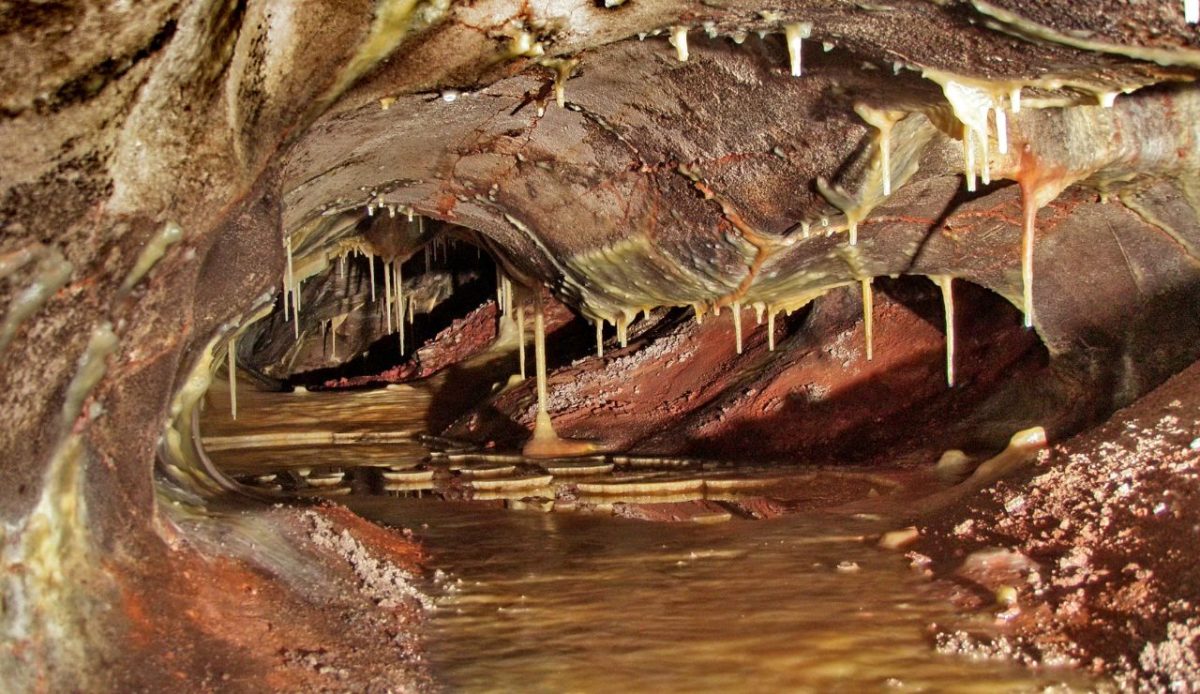
Wind Cave doesn’t do casual drop-ins underground. There are no self-guided cave routes; to go inside, you buy a ticket and join a ranger-guided tour that departs from the visitor center.
That structure protects delicate cave formations and keeps people safe in narrow passages, stairways, and low-light conditions. It also helps the park manage airflow, humidity, and visitor numbers in a fragile environment.
Tour types and lengths vary by season, so check schedules early and arrive with time for orientation. Wear steady shoes and a light layer; the cave stays cool year-round, even when the prairie outside is baking.
5. Jewel Cave, South Dakota
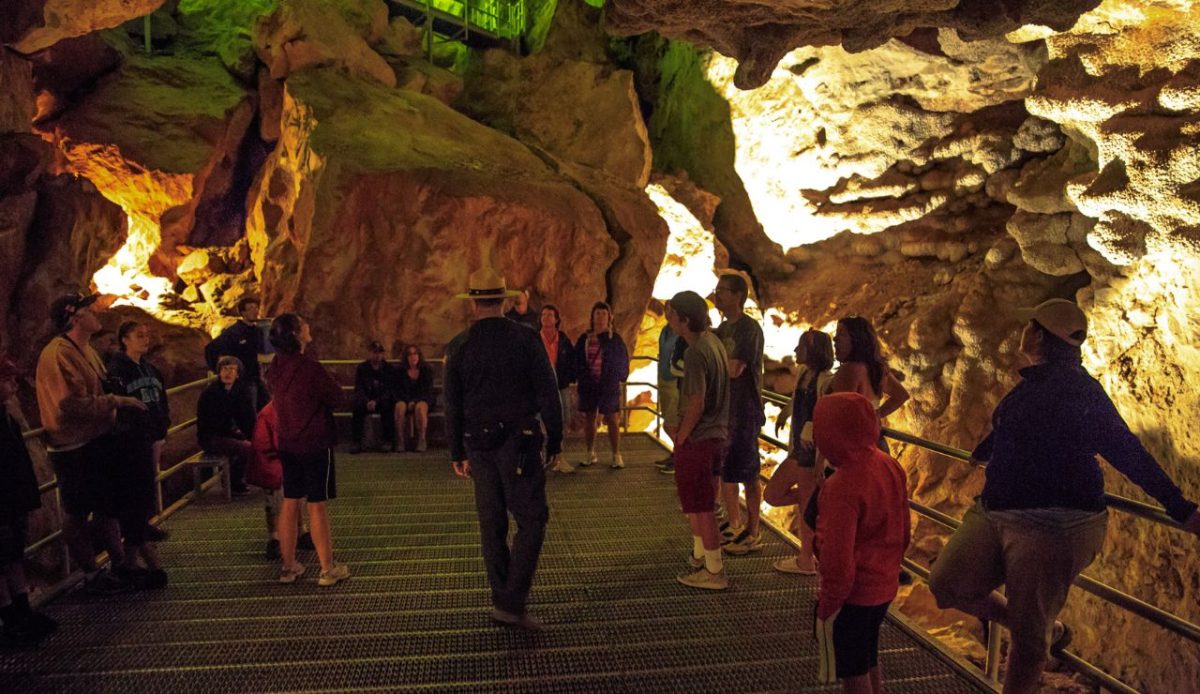
Jewel Cave is another “tour ticket or nothing” stop. Visitors enter only on ranger-guided tours, offered at scheduled times that change by season.
The guided format keeps groups together in a complex cave system and reduces accidental contact with fragile formations. It also lets staff control timing, lighting, and visitor flow through tighter sections and stair-heavy routes.
Reservations can open weeks in advance, and popular tours book out, especially in summer. Pick the tour that matches your comfort level, arrive early for ticketing, and expect a cool, damp cave even on hot Black Hills days.
6. Lehman Caves, Nevada
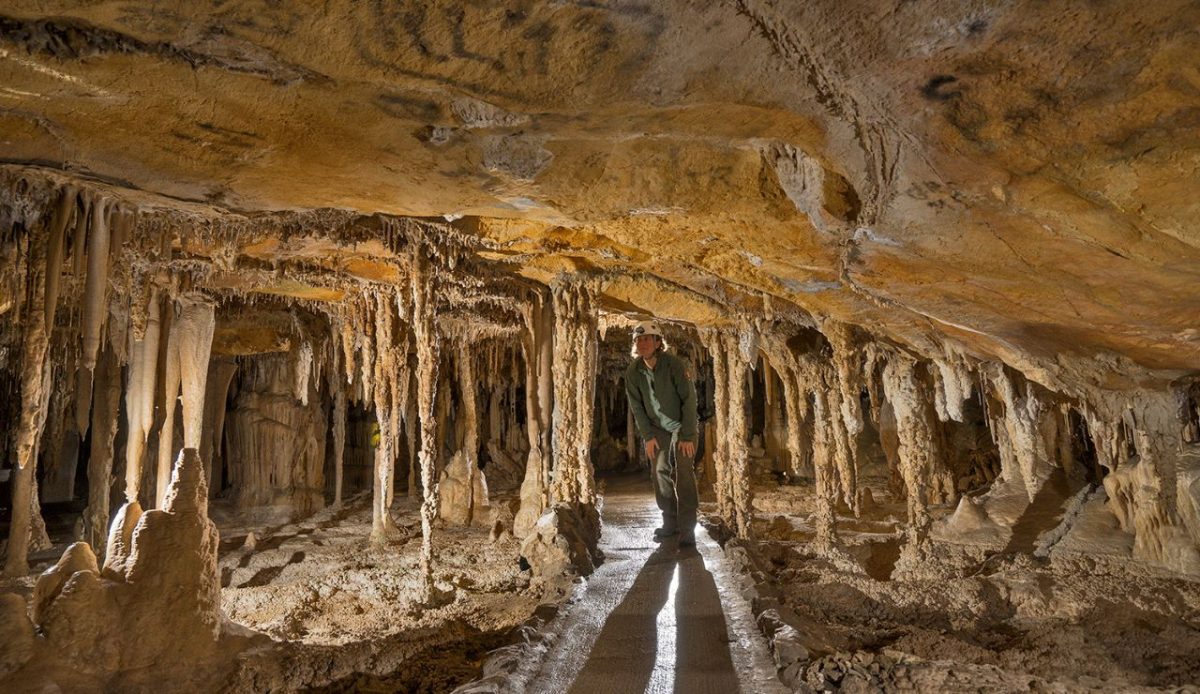
At Great Basin National Park, Lehman Caves can only be entered on a ranger-guided tour, and you can’t visit without a timed ticket. Tour options and schedules vary, with seasonal changes in staffing and access.
Guides are essential here because the cave contains tight corridors, stairs, and sensitive formations where crowding can cause damage. The tour-only system also helps the park manage lighting and protect the cave environment.
Before you drive out, check the current tour calendar and any temporary closures for maintenance or upgrades. Build in buffer time, because late arrivals may miss their slot and there’s no “wander in later” backup plan.
7. Timpanogos Cave, Utah
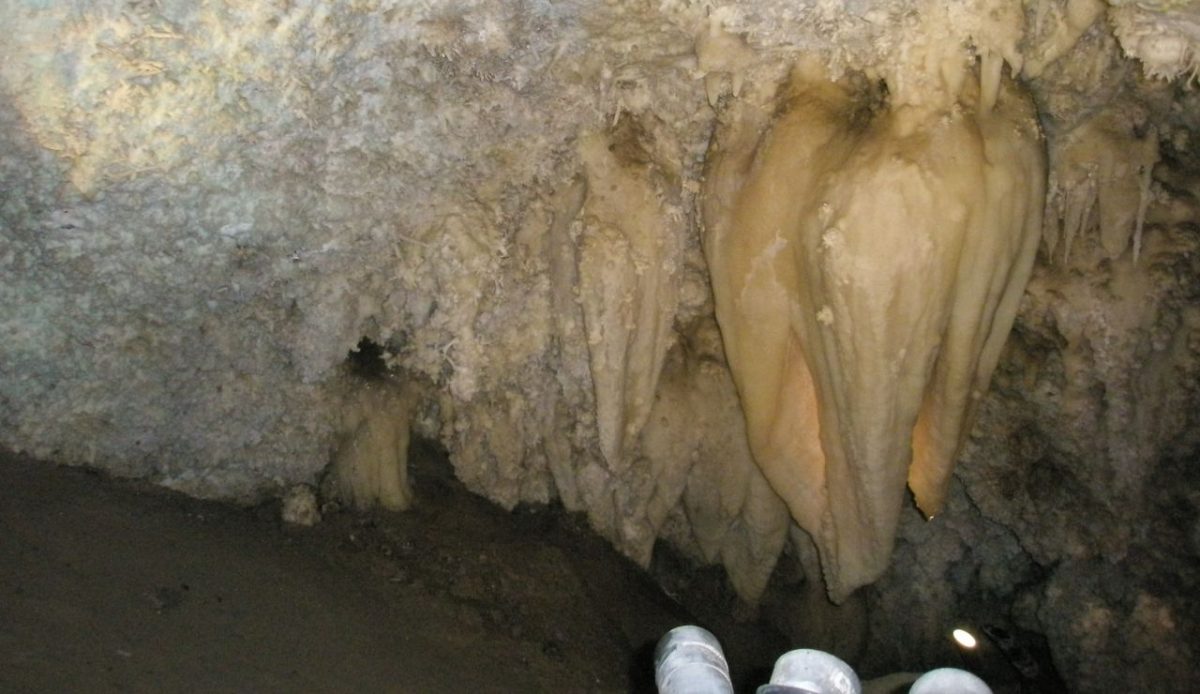
Timpanogos Cave National Monument keeps things simple: the caves may only be entered with a guided tour led by park rangers. Tickets are timed, and the underground portion is short but structured.
The bigger “gotcha” is the approach. You earn the tour by hiking a steep, paved trail up the canyon, which helps limit numbers and screens out unprepared visitors before they reach fragile cave corridors.
Book your time slot first, then plan your hike so you’re at the cave entrance before your group is called. Bring water, sun protection, a hat, and shoes with grip. If you’re late, you don’t get a second chance that day.
8. Crystal Cave, Sequoia National Park, California
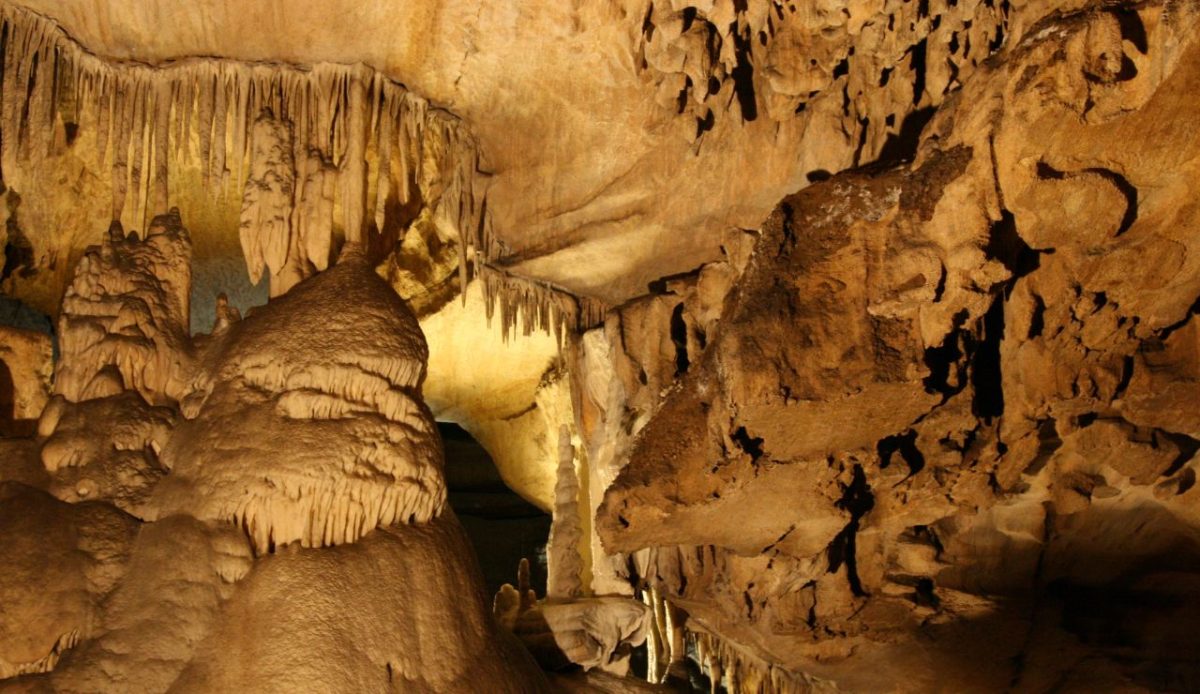
Crystal Cave is not a self-guided side quest. Visiting is tied to a guided tour, with timed entry and group control to protect a marble cavern that’s vulnerable to damage from touch, stray footsteps, and crowd heat.
Access also depends on road and trail conditions. Reaching the cave involves mountain driving and a hike with stairs, so the tour system doubles as a screening step for safety and pacing.
Tickets are typically sold in advance and can disappear fast in the summer window. Dress for a cool cave, even in warm weather, and plan extra time for the walk to the entrance so you’re not sprinting uphill to make your slot.
9. New River Gorge Bridge Walk, West Virginia
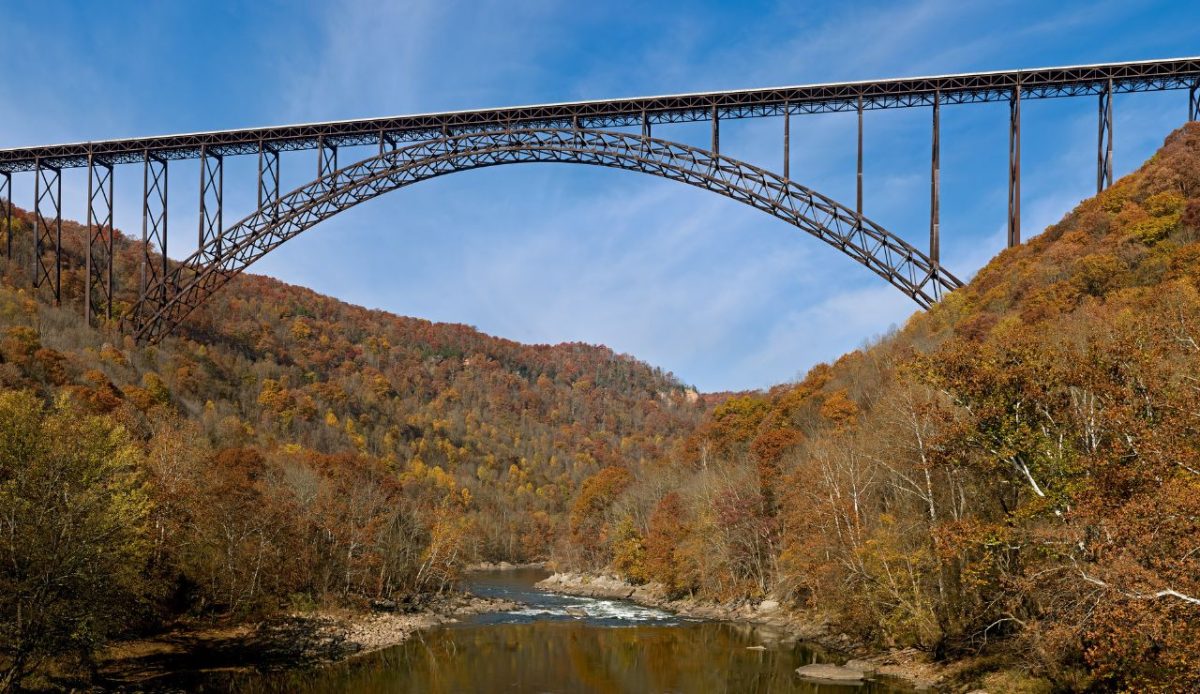
Walking the New River Gorge Bridge isn’t a DIY stroll. The Bridge Walk puts you on a catwalk beneath the bridge, and you can only participate through a guided tour with check-in, shuttle logistics, and required safety gear.
The guided format is the safety system: harness fitting, clipped-in movement rules, spacing between walkers, and staff supervision over a huge drop to the river.
Expect the outing to take a couple of hours from start to finish, including orientation and transport. Dress for the wind and changing weather, and arrive early because the schedule is fixed. If you want the view from below, this guided route is it.
