
American landmarks aren’t just photo ops,they’re real places with real hazards, and injuries can turn into lawsuits fast. From wet steps and uneven lighting to falling branches and wildlife encounters, claims often hinge on what warnings existed and what maintenance was done.
This article looks at nine well-known U.S. sites where visitor-injury lawsuits have been reported in court records, often under the Federal Tort Claims Act when the National Park Service is involved.
The point isn’t to scare anyone off. It’s to show what risks show up repeatedly, how they’re argued in court, and why basic precautions and posted rules, especially in busy seasons, matter.
1. Statue of Liberty National Monument, New York
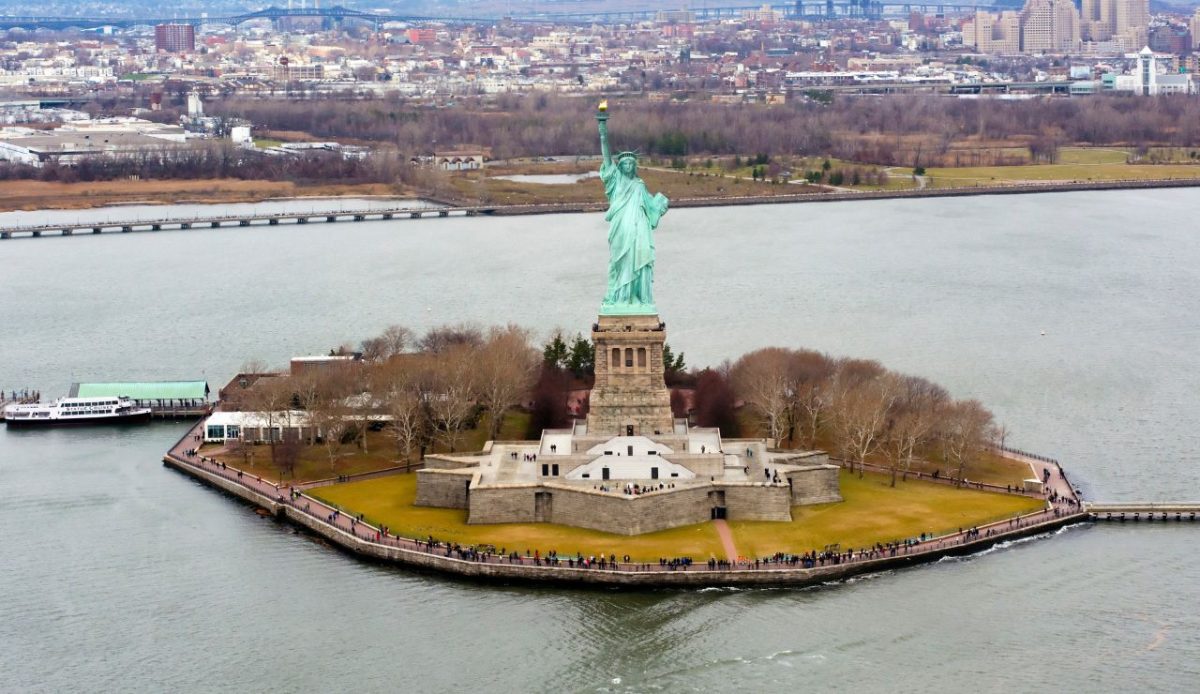
Crowds, stairs, and uneven lighting can be a rough combo inside an old monument. Litigation tied to the Statue of Liberty has included claims that lighting or warnings contributed to a visitor’s injury while moving through interior areas. Tight circulation and stop-and-go lines make stumbles more likely.
Because it’s federally managed, these cases usually run through a government-claim process and can hinge on whether safety choices were routine maintenance issues or discretionary design decisions. The process is slow, but the facts are simple: what was the condition, and was it addressed?
Visitor-side, the basics win: take the handrails, slow down in dim spots, and don’t try to pass people on tight stair runs just to save thirty seconds.
2. Ellis Island, New York/New Jersey
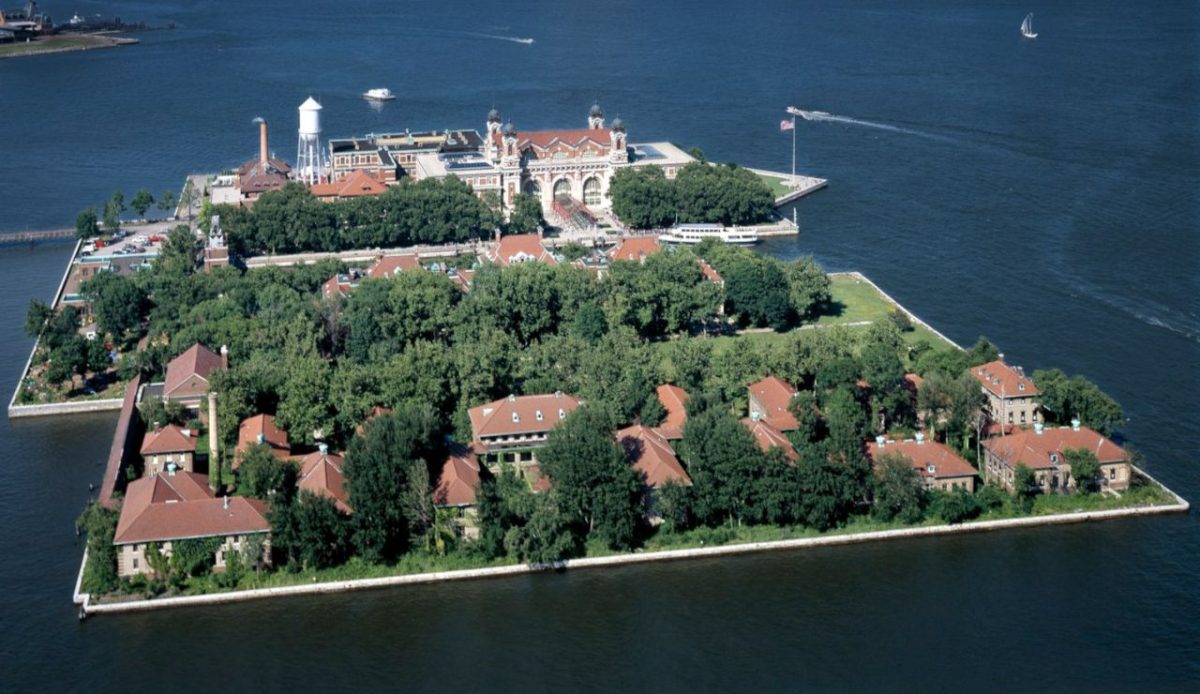
Ellis Island mixes historic structures with weather-exposed walkways and stairs that can get slick. Court records describe a slip-and-fall claim involving wet stairs in a historic facility area used by the public. Even a thin film of water on iron can turn a normal step into a slide.
In disputes like this, lawyers argue about whether the hazard was temporary (rain or tracked-in water) or a known condition needing better controls, inspection, or warnings. Crowd flow and time pressure show up a lot in the record because they affect how people move.
If it’s damp, assume metal and painted stair treads are high-risk. Give yourself ferry-time padding so you’re not speed-walking through the sketchiest spots.
3. Gateway Arch National Park, St. Louis
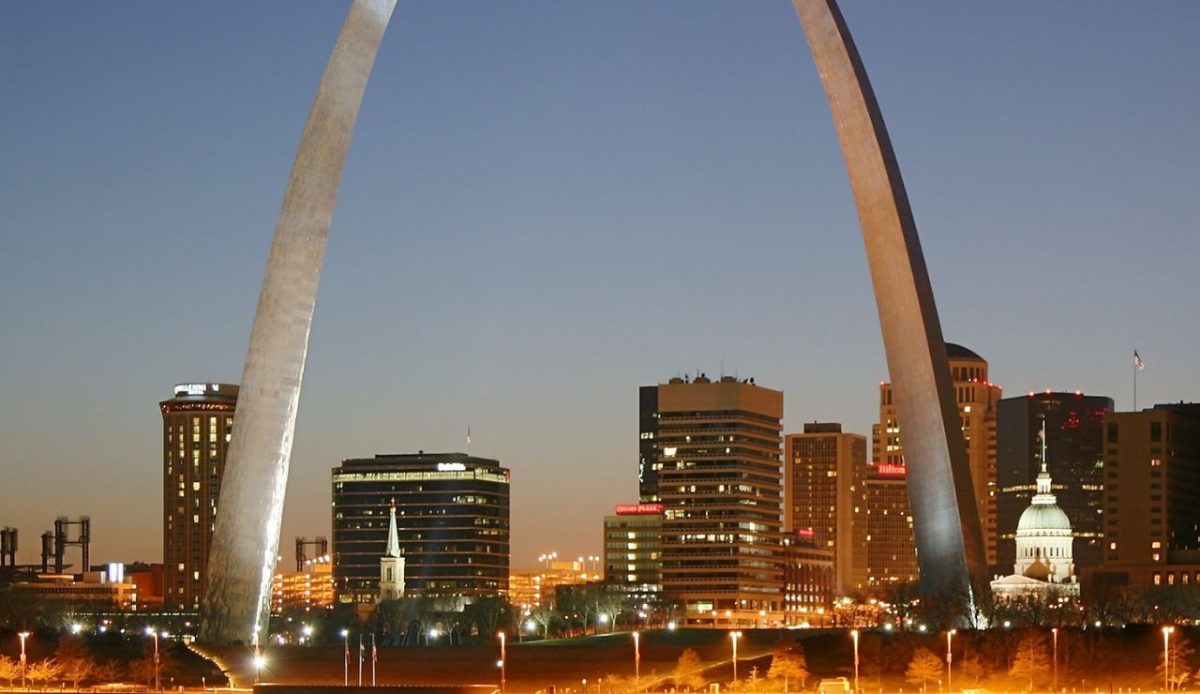
The Gateway Arch complex funnels huge foot traffic through museums, steps, and level changes. Federal cases have alleged injuries from falls on interior steps and debated whether the design or the way people were guided through it created an unreasonable risk. When visitors switch from looking at exhibits to looking at their feet, it’s usually too late.
Courts get granular: contrast between step surfaces, the presence or absence of handrails, and how lighting affects depth perception can all matter.
Practically, treat “small” transitions as big ones. Pause before stepping down if you’re distracted by exhibits, photos, or the crowd behind you. If you need to stop, step aside so you’re not reacting to someone bumping you mid-step.
4. Mount Rushmore National Memorial, South Dakota
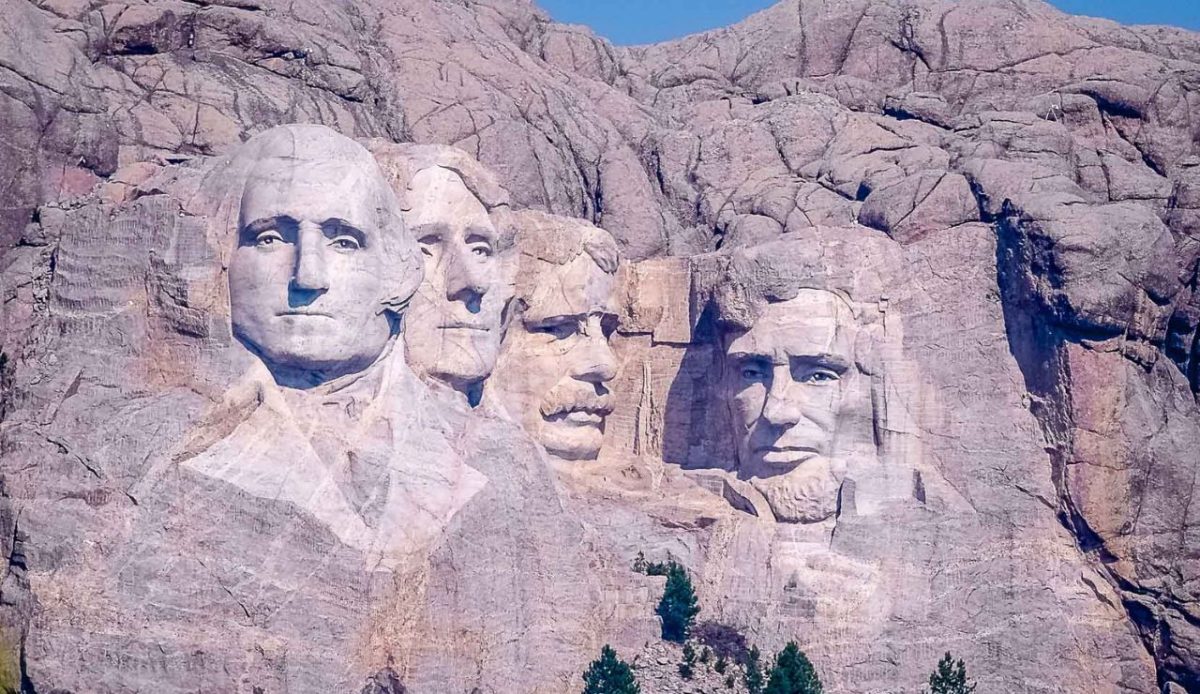
Mount Rushmore’s paths and entrances handle big seasonal surges, plus fast weather changes that leave surfaces damp. A recent appellate decision discusses a visitor injury claim involving a slip on a mat while walking between the memorial area and the parking. Tracked-in grit and moisture near entrances is the classic recipe for a bad fall.
These cases often turn on foreseeability: was the surface condition predictable for the conditions, and were mitigation steps reasonable for the traffic and terrain? Mats, drains, and cleaning schedules sound dull, but they’re the whole case.
On your end, don’t treat mats as fixed flooring. Step flat, especially on slopes, and wear footwear with grip if you’re visiting after rain or snowmelt.
5. Grand Canyon National Park, Arizona
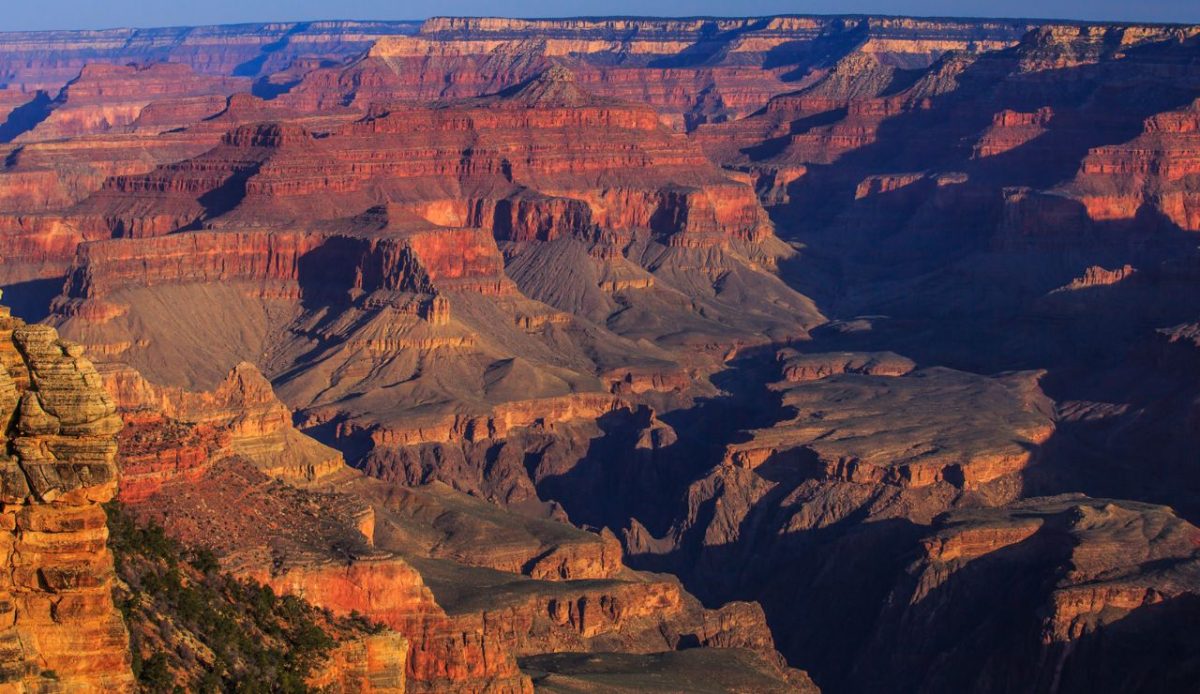
At the Grand Canyon, the risk is obvious: sheer drops paired with crowded viewpoints and distractions. Federal court opinions have discussed lawsuits after serious or fatal falls, including arguments over signage, barriers, and how much warning is enough. The legal arguments are less about the canyon and more about the overlook design choices.
A key tension is where visitor responsibility ends, and the park’s duty begins, especially at high-traffic overlooks where people cluster near edges.
Stay behind rails, don’t step onto loose rock for a better angle, and keep a buffer from the rim. If you’re taking photos, plant your feet first, then frame the shot, not the other way around.
6. Yellowstone National Park, Wyoming
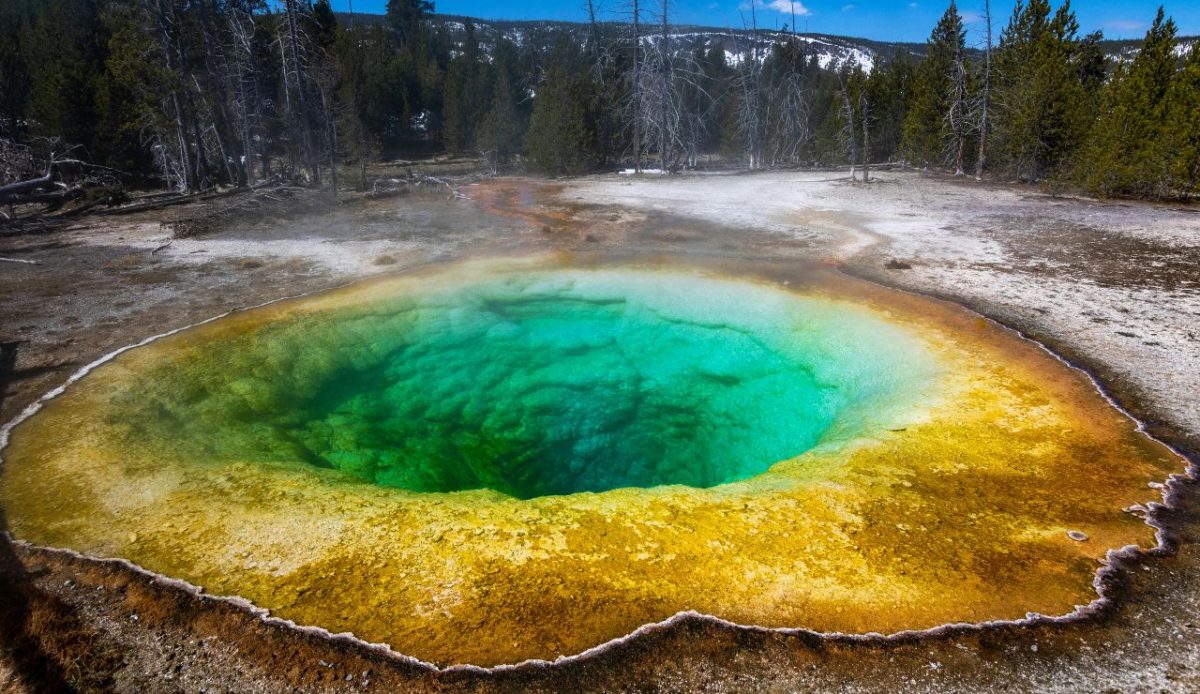
Yellowstone’s lawsuit history isn’t just about slips,it includes wildlife incidents. Case law includes an FTCA claim involving a visitor injured by a bear, with debate over what the park knew and what it could reasonably do to prevent attacks. Wildlife rules can feel strict until you read what happens when they’re ignored.
Other injury claims at Yellowstone can involve falls, burns, and off-boardwalk shortcuts, where posted warnings and visitor choices become central to liability. Parks can warn, but they can’t outrun curiosity, and courts often look at that reality.
Treat distance rules like physics, not vibes. Don’t approach animals, secure food, and stay on boardwalks near thermal areas; those planks exist for a reason.
7. Yosemite National Park, California
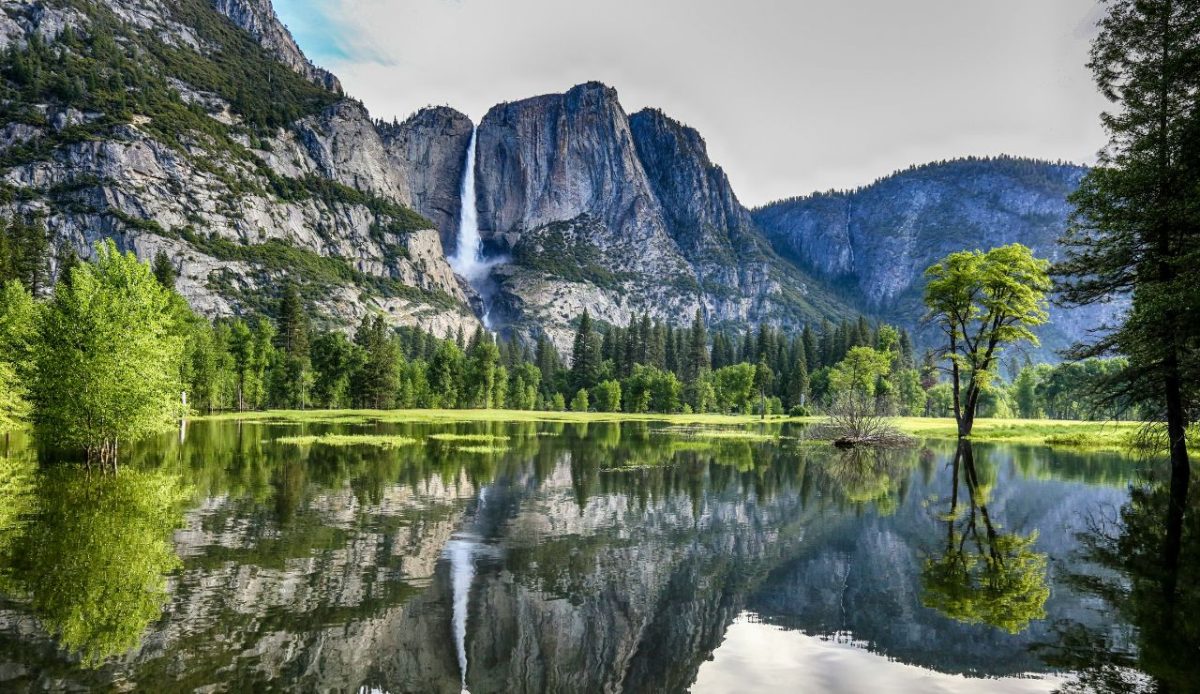
Yosemite draws campers into stunning terrain, but trees are a real hazard in crowded campgrounds. An FTCA case that reached the Ninth Circuit involved a limb falling onto a tent, leading to claims about whether officials knew the tree posed a danger. Tree hazards are tricky because danger isn’t always visible from the ground.
Disputes can focus on inspections, maintenance notes, prior incident reports, and whether warnings or closures should have been used sooner. That’s why internal hazard assessments and response timelines become so important.
When picking a campsite, look up and around. Avoid pitching under heavy limbs, and take wind advisories seriously. Branches don’t care that your vacation schedule is tight.
8. Mount Rainier National Park, Washington
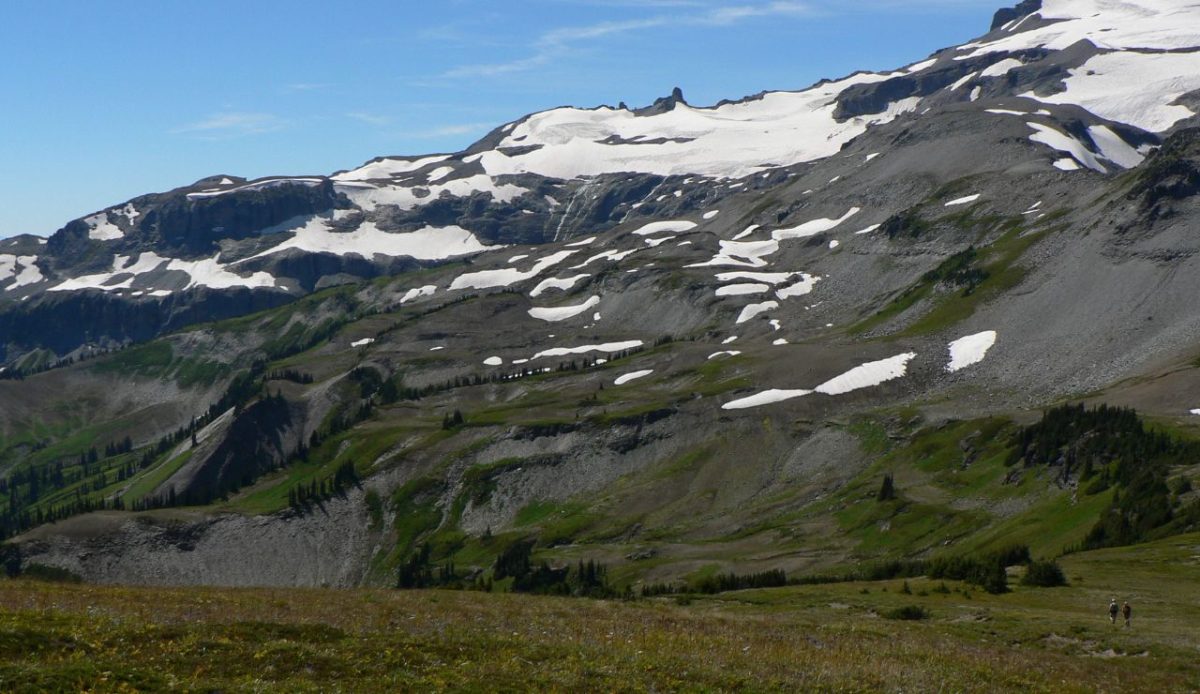
Mount Rainier looks approachable from the parking lot, then reminds you it’s a mountain. A Ninth Circuit decision addressed a lawsuit alleging the government failed to warn visitors about a known hazard in the park. Snow, ice, and exposure can exist within minutes of popular visitor areas.
Cases here often argue over what hazards are inherent to mountain travel versus what risk could be reduced with clearer warnings, better barriers, or different route management.
Plan for sudden weather changes even in the shoulder seasons. Traction, layers, and turning back early beat becoming the next rescue call, or the next court filing. Don’t let “it’s close to the car” trick you into under-preparing.
9. Independence National Historical Park, Philadelphia

Independence National Historical Park is urban, but it’s full of trip hazards: uneven historic paving, curbs, and heavy pedestrian flows near places like Independence Hall. A recent federal decision referenced a personal injury trip-and-fall claim in a national historical park. Historic surfaces wear unevenly, and temporary repairs can create edges you don’t notice.
These cases usually come down to notice, maintenance routines, and whether the condition was open and obvious to a reasonable visitor. Photos and surveillance footage often decide what actually happened when stories clash.
Walk like the ground is older than you are, because it is. Watch for sudden grade changes, and pick shoes meant for stone and brick, not just photos.
