
Latin American city trips planned for 2026 are being guided by two filters that matter on the ground, personal safety and day-to-day convenience. Visitors are favoring places with stable policing in key districts, clear transport options, and dependable services such as clinics, banks, and hotels that follow consistent standards. Recent travel trend reporting and U.S. travel advisories point to a short list of cities gaining interest because they pair striking streetscapes with routines that feel manageable once you arrive. That mix helps solo travelers and families plan longer stays instead of rushed stopovers.
1. Montevideo, Uruguay
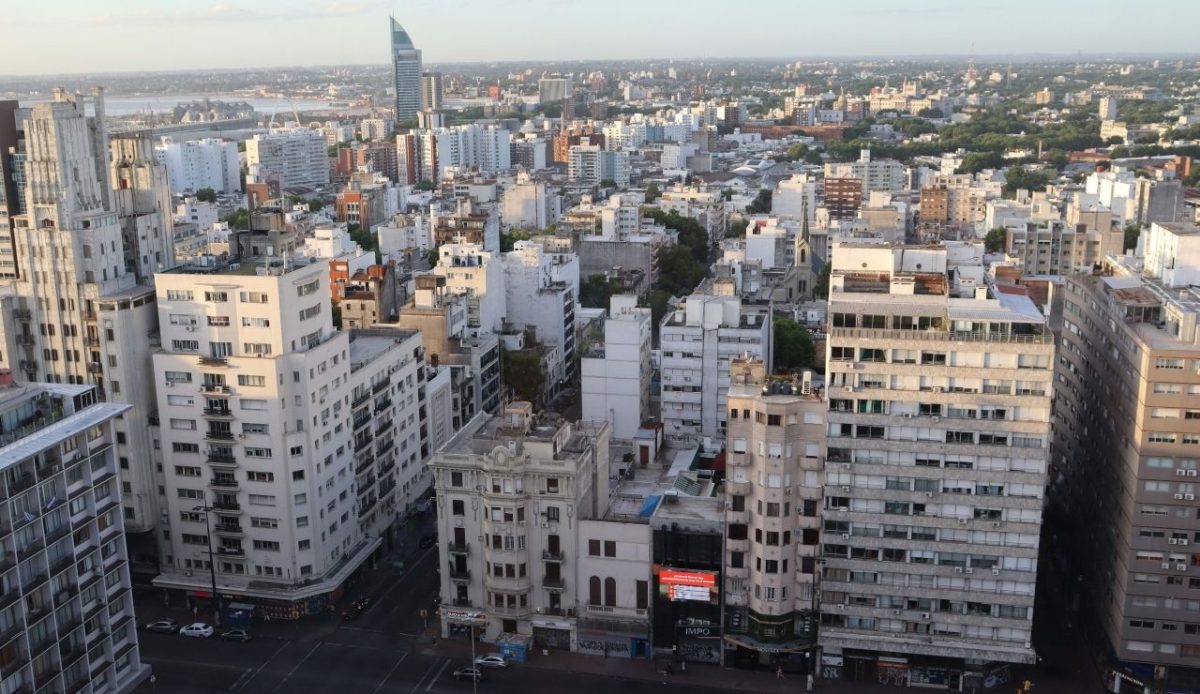
Montevideo appeals in 2026 because calm public life is paired with coastal scenery and strong basics. Uruguay is often rated among the region’s lower-risk destinations, so many visitors feel comfortable building a routine around the Rambla, markets, and museums. Neighborhoods are compact, prices tend to stay predictable, and walking routes can be planned without long transfers. Evenings work best with rideshare or reputable taxis, yet the city still feels open and readable. Day trips to nearby beaches and wineries add variety, and the historic Ciudad Vieja keeps cafés and galleries close together.
2. Santiago, Chile
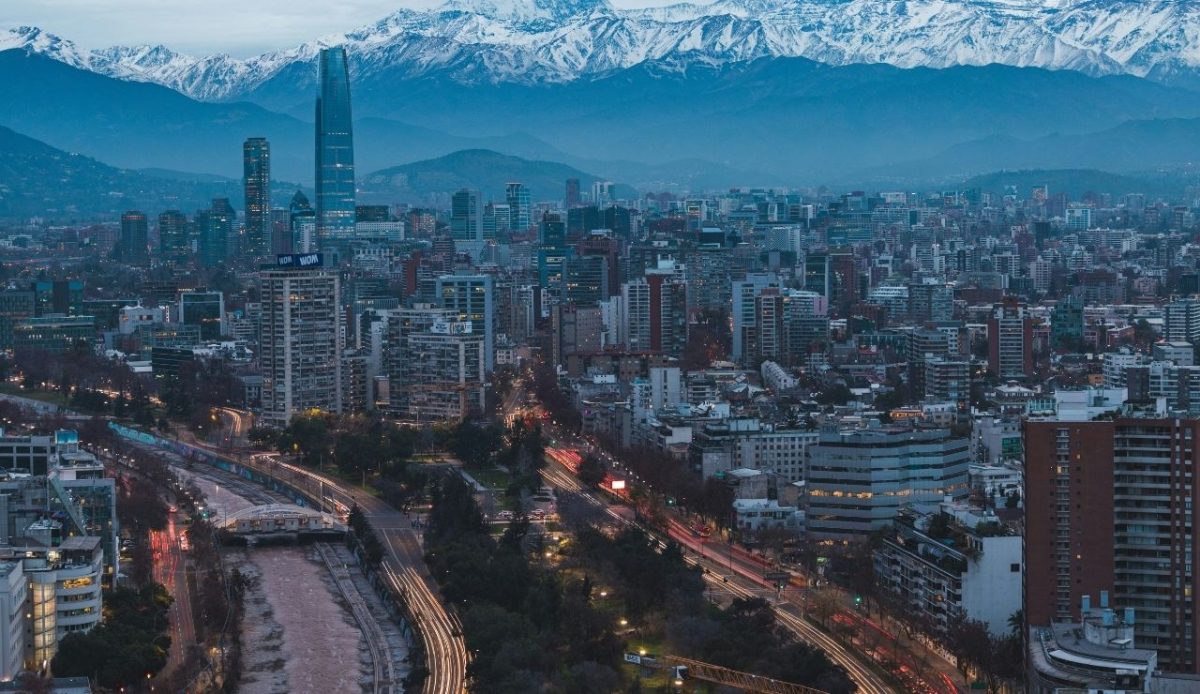
Santiago is being picked by travelers who want a major capital with systems that reduce guesswork. The Metro links business areas, parks, and museums, which lets visitors limit time spent on unfamiliar streets. Food-focused development around newer markets has been promoted for 2026, and it pairs well with quick escapes to vineyards or the Andes. Like any big city, petty theft is reported, and extra care is advised on crowded transit. Still, most visitor activity stays concentrated in well-managed zones. Choosing lodging in districts such as Providencia helps, and valuables should be secured when dining outdoors.
3. Buenos Aires, Argentina
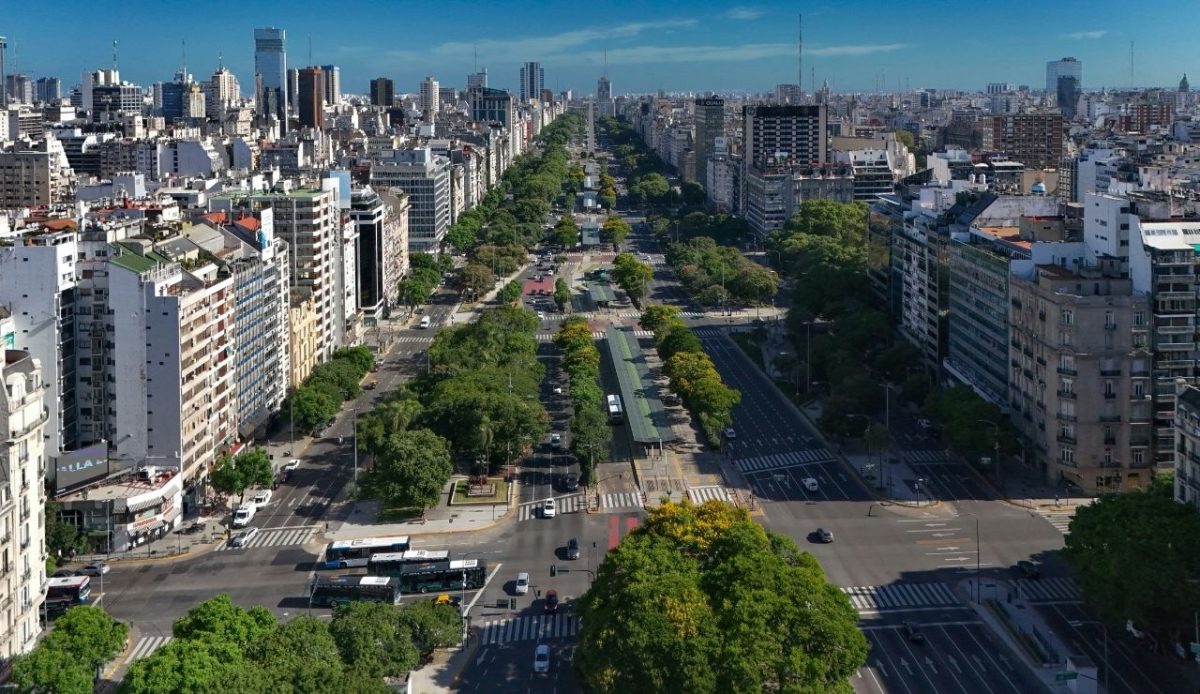
Buenos Aires keeps showing up in 2026 itineraries because its culture rewards time, and the city can be navigated with clear habits. Concerns are usually tied to pickpocketing and phone snatching rather than random violence, so routines matter more than avoidance. Areas like Palermo and Recoleta offer lodging, parks, and dining within short rides, and daytime walking feels practical on busy avenues. Visitors who use registered rides at night and keep bags closed in cafés are typically able to enjoy theaters, bookstores, and late dinners with fewer surprises. The Subte helps with hops across town when heat or rain makes walking less appealing.
4. Panama City, Panama
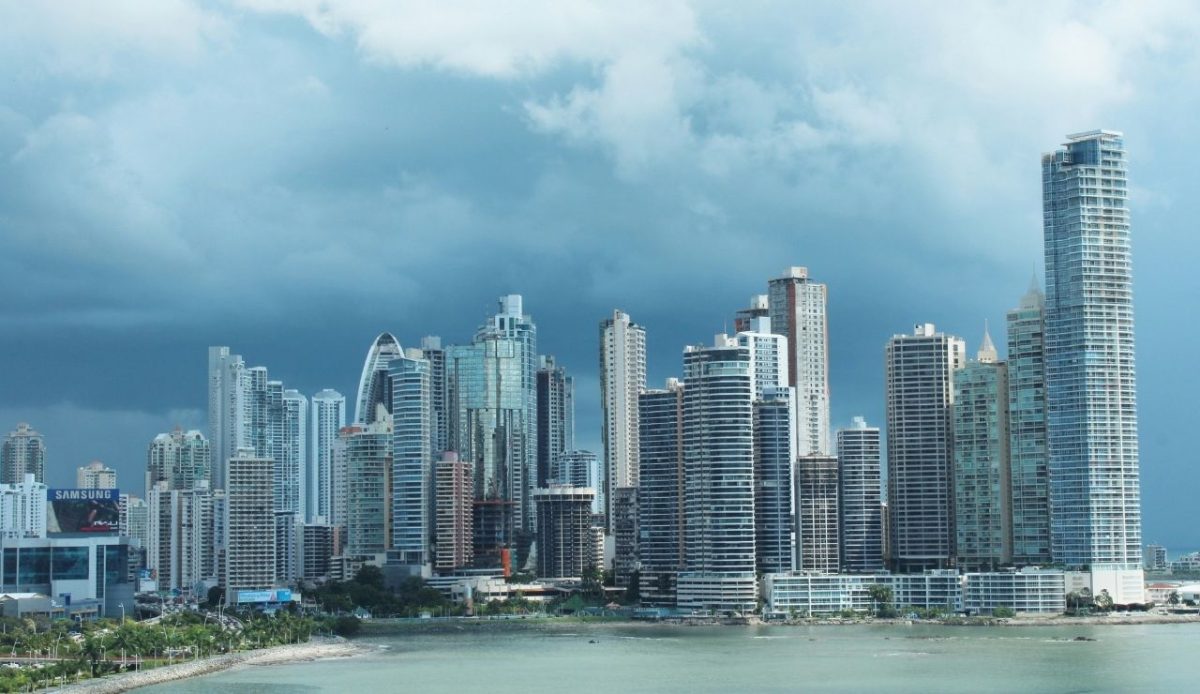
Panama City is popular for 2026 planning as a convenient gateway with modern infrastructure and direct air links. Business districts provide hospitals, banks, and hotels that operate with steady standards, which can lower anxiety for first-time visitors. Casco Viejo adds restored streets and plazas, and the canal area offers day tours that are easy to arrange through licensed operators. Travel advisory language still notes crime, so nightlife choices and transport should be handled carefully. Staying in central zones and using app-based rides helps keep trips orderly. Cinta Costera supports early walks along the bay with visible patrols.
5. Querétaro, Mexico
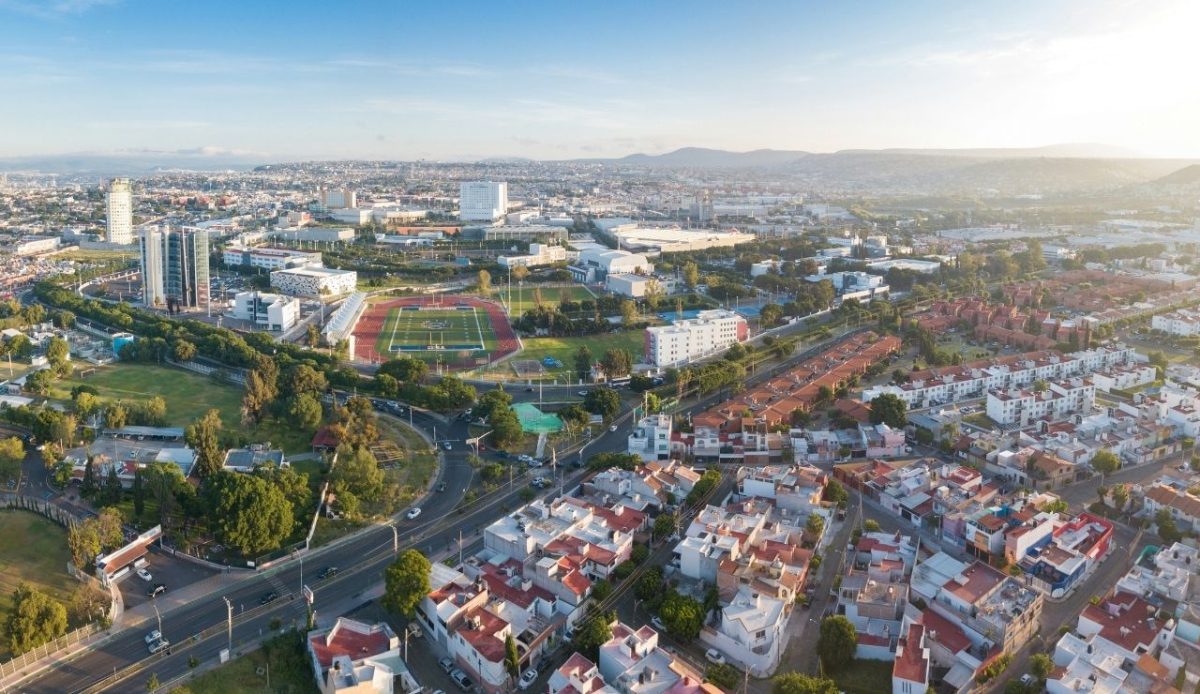
Querétaro is drawing more attention from safety-minded travelers who want colonial architecture without the pressure of larger Mexican metros. The historic center is compact, well-lit, and easy to cover on foot, so visitors can spend more time in plazas, museums, and cafés than in traffic. Local industry supports steady services, and day trips to vineyards and small towns can be arranged with reputable drivers. Mexico’s U.S. advisory is state-based, so checking the current guidance for Querétaro state is essential. Within the core districts, common theft prevention and late-night ride planning tend to be enough.
6. Asunción, Paraguay
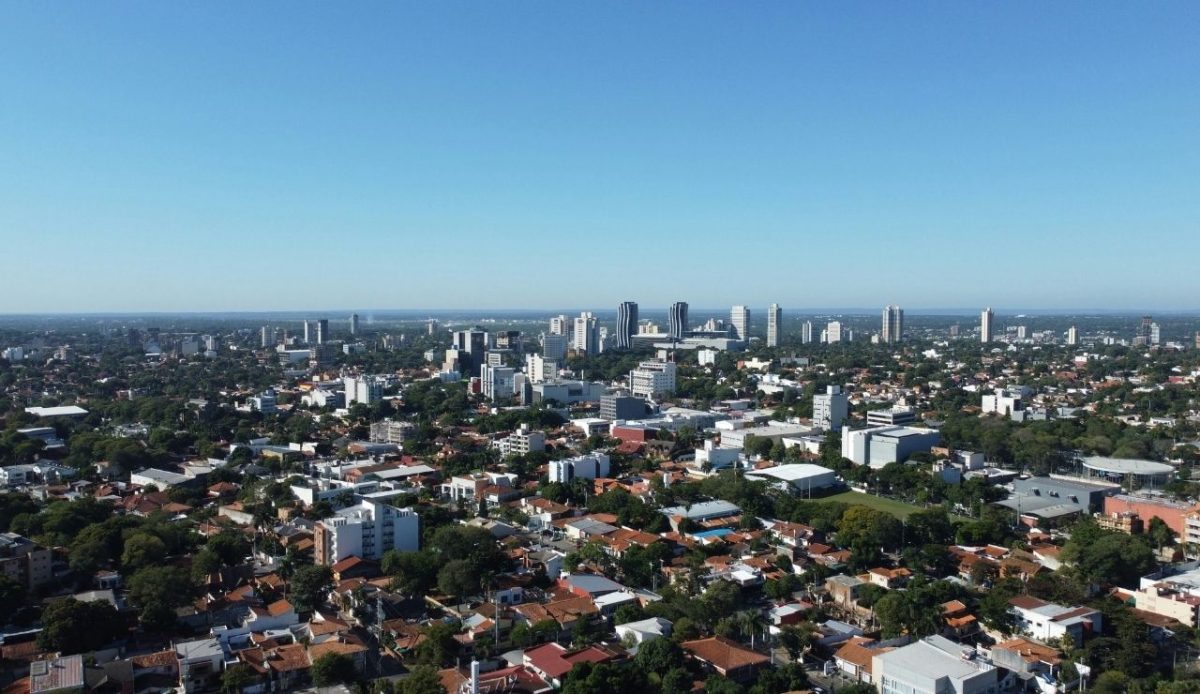
Asunción is being noticed for 2026 as Paraguay invests in culture and urban improvements that make short breaks easier to plan. Newer galleries, riverside areas, and a growing restaurant scene give visitors reasons to stay beyond a single day. Compared with many capitals, traffic and crowds are lighter, which can reduce the usual friction of moving around. Smart choices still matter, including using trusted transport after dark and keeping phones out of sight in busy spots. With those habits, the city offers a relaxed base for exploring nearby wetlands and Jesuit heritage sites. Hotel staff can flag streets to avoid during events.
7. Belo Horizonte, Brazil
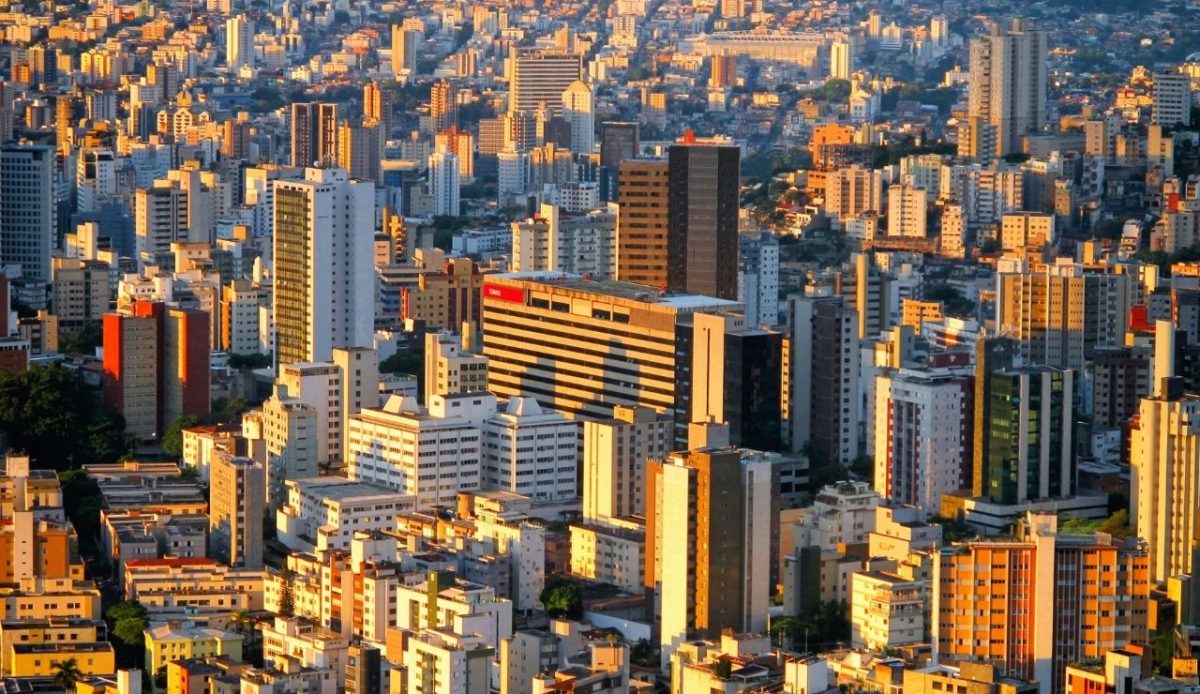
Belo Horizonte is gaining 2026 as Minas Gerais is promoted for food, design, and museums rather than beach crowds. The city rewards travelers who like daytime exploration, with markets, modernist architecture, and nearby historic towns reachable by planned transport. Brazil’s large cities’ risks still apply, and theft can occur, so travel is safer when routes are kept simple and rides are booked through known apps. Staying in well-regarded districts and visiting cultural venues earlier in the day helps reduce exposure. The payoff is a strong dining culture and access to scenic countryside without long flights.
8. Puerto Limón, Costa Rica
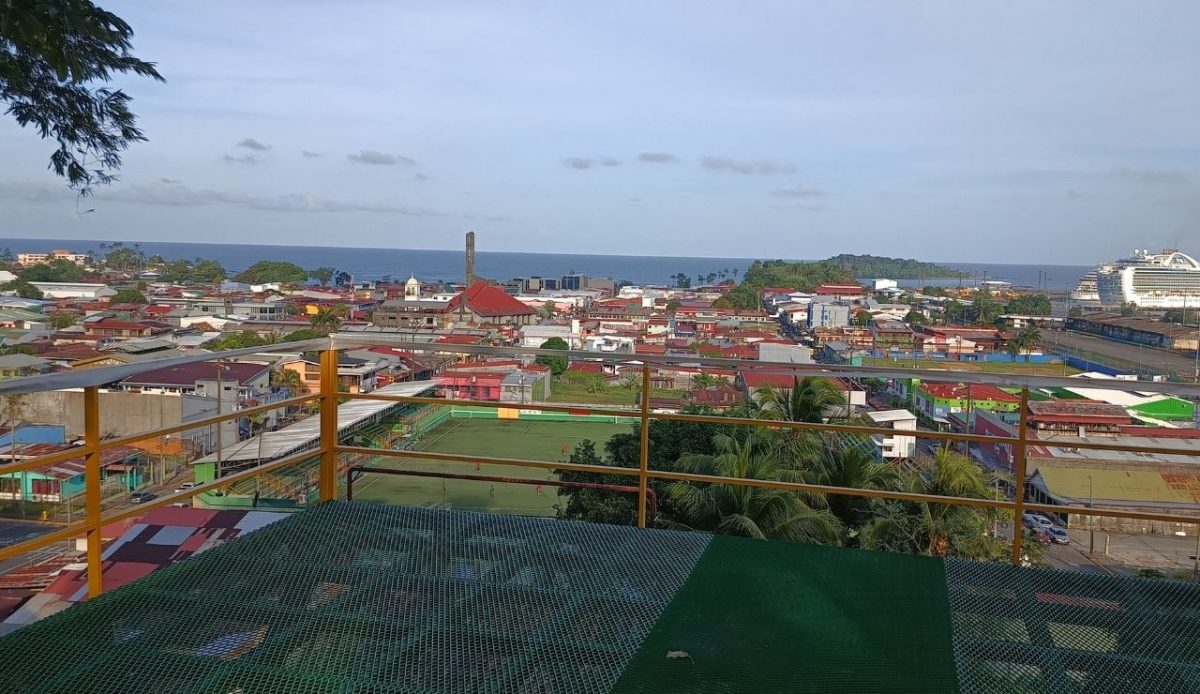
Puerto Limón is appearing in 2026 travel trend lists as visitors look beyond the Pacific resorts and toward Costa Rica’s Caribbean coast. It is a practical base for Cahuita and Tortuguero outings, where guides handle boats, permits, and timing while travelers focus on wildlife. Crime concerns remain, so late-night waterfront roaming is not advised, and taxis should be verified. Daytime stops for markets and Afro Caribbean cooking can feel rewarding when plans stay simple. With tours booked through established operators and lodging chosen carefully, the coast delivers bright streets, warm water, and quick rainforest access.
