
Music festivals have become primary reasons for booking flights, not just add-ons once a trip is planned. Dates are released early, and tickets are sold in waves, so hotel blocks and transit plans get locked months ahead. Travelers track official announcements, waitlists, and package sales to avoid missing limited entry. The eight events below were selected because current ticketing activity and posted 2026 dates show active trip planning by visitors arriving from outside the host region. These signals also affect airfare pricing, rental car supply, and stays, so many reserve refundable rooms first and confirm passes later.
1. Coachella Valley Music and Arts Festival
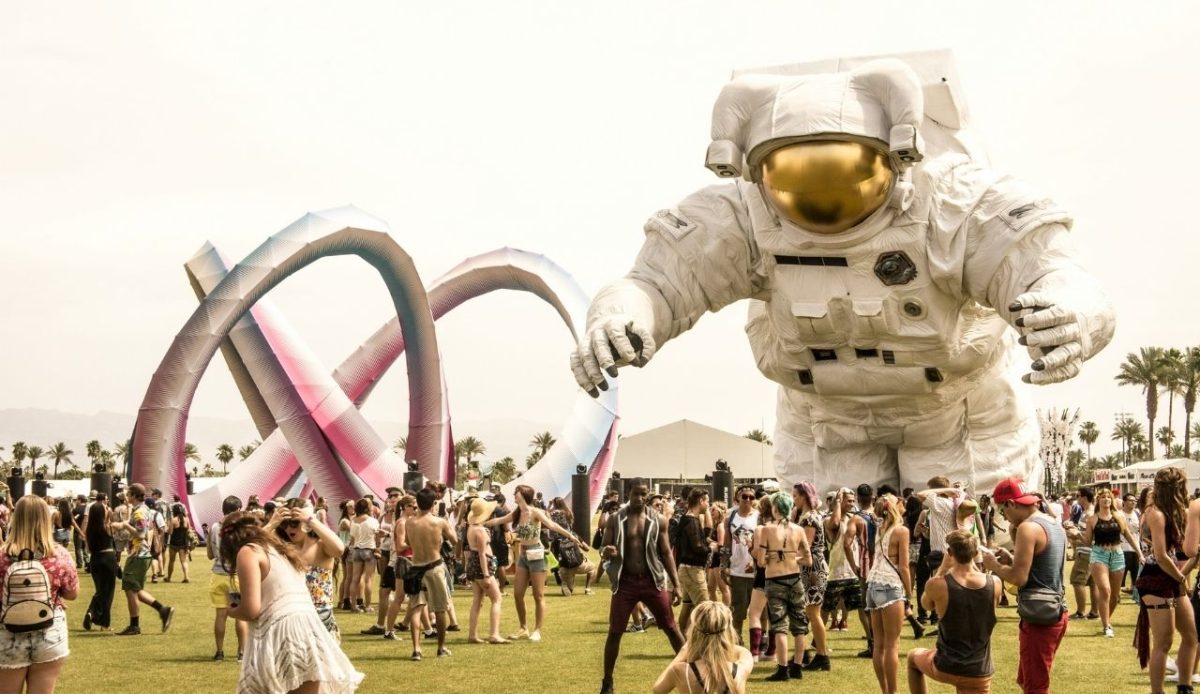
Coachella in Indio, California, runs across two April weekends, letting travelers pick dates that fit work schedules and price swings. Nearby room supply is tight, so hotels in Palm Springs and surrounding desert towns are commonly booked as soon as the next year dates are posted. Official shuttle maps and entry rules make transport planning straightforward, yet rental cars and rideshares can sell out or surge. Pass tiers and waitlists are watched closely, and many visitors add a side trip to Joshua Tree or Los Angeles. For international guests, the closest airports and long drives are mapped early to avoid late fare jumps.
2. Tomorrowland Belgium
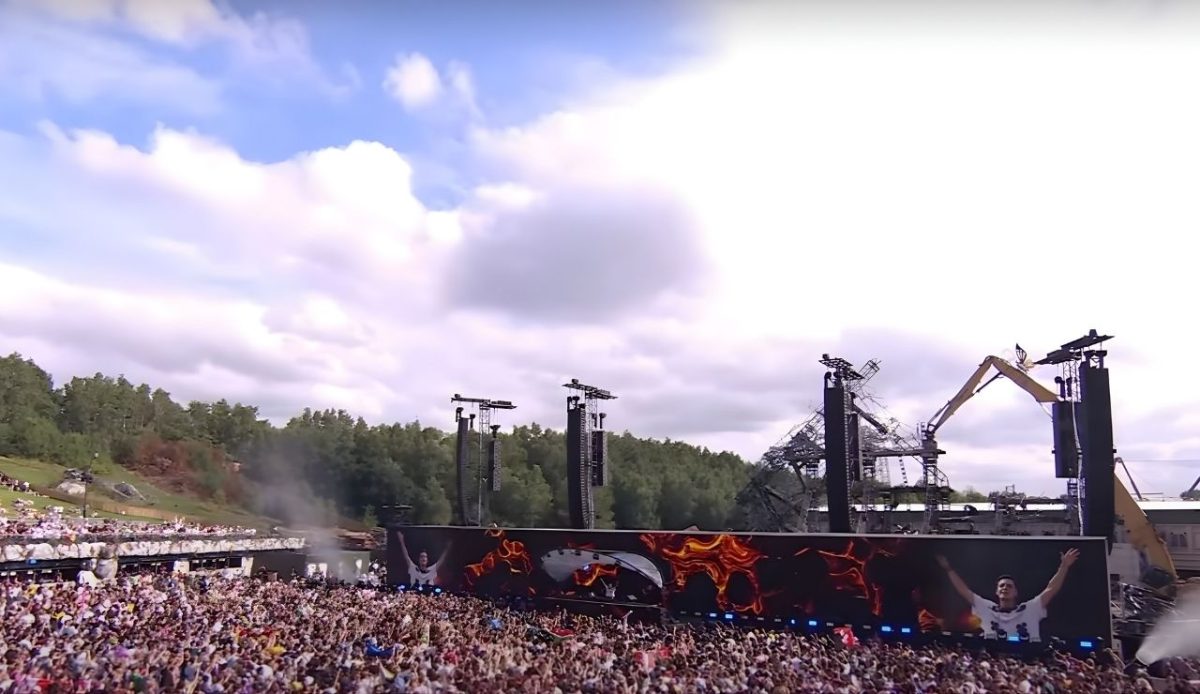
Tomorrowland in Boom, Belgium, draws a heavy flight crowd, so trip plans start with pre-registration windows and fast sellout ticket drops. Many travelers use the festival’s Global Journey options or plan rail connections through Brussels to reduce logistics risk. Because entry is limited and resale is restricted, flights and refundable hotels are often secured before passes are confirmed. Daytime sets and late nights also shape choices about nearby lodging, with Antwerp and Mechelen used as quieter bases. The two-weekend format helps groups coordinate time off, and Schengen travel rules are checked early by visitors from farther afield.
3. Primavera Sound Barcelona
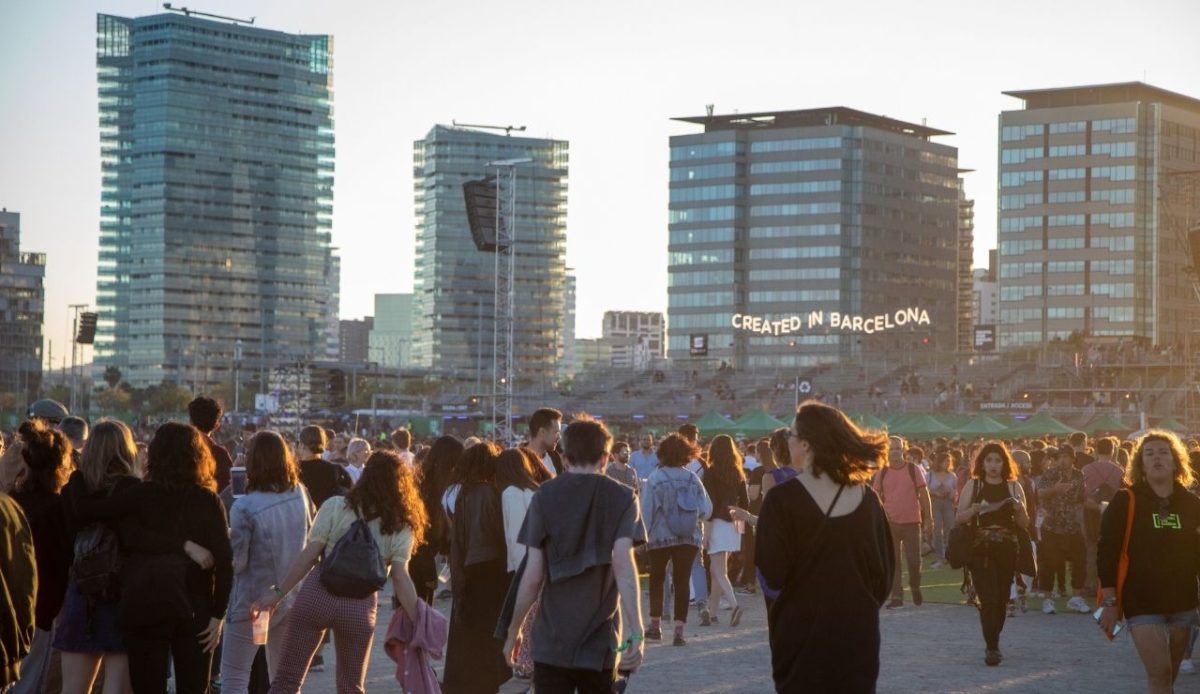
Primavera Sound in Barcelona is built for travelers who want major shows without leaving an active city. Once early June dates and ticket pages go live, beach area hotels and short-term apartments near Parc del Fòrum are reserved quickly. The schedule favors late evenings, so visitors plan daytime museum time, markets, and day trips to Sitges while saving energy for night sets. Metro access reduces car needs, which makes it easier for overseas guests to plan a longer stay around the festival. Wristband pickup policies and entry lines are reviewed ahead of arrival, and many book flights into BCN months out to keep fares manageable.
4. Ultra Music Festival
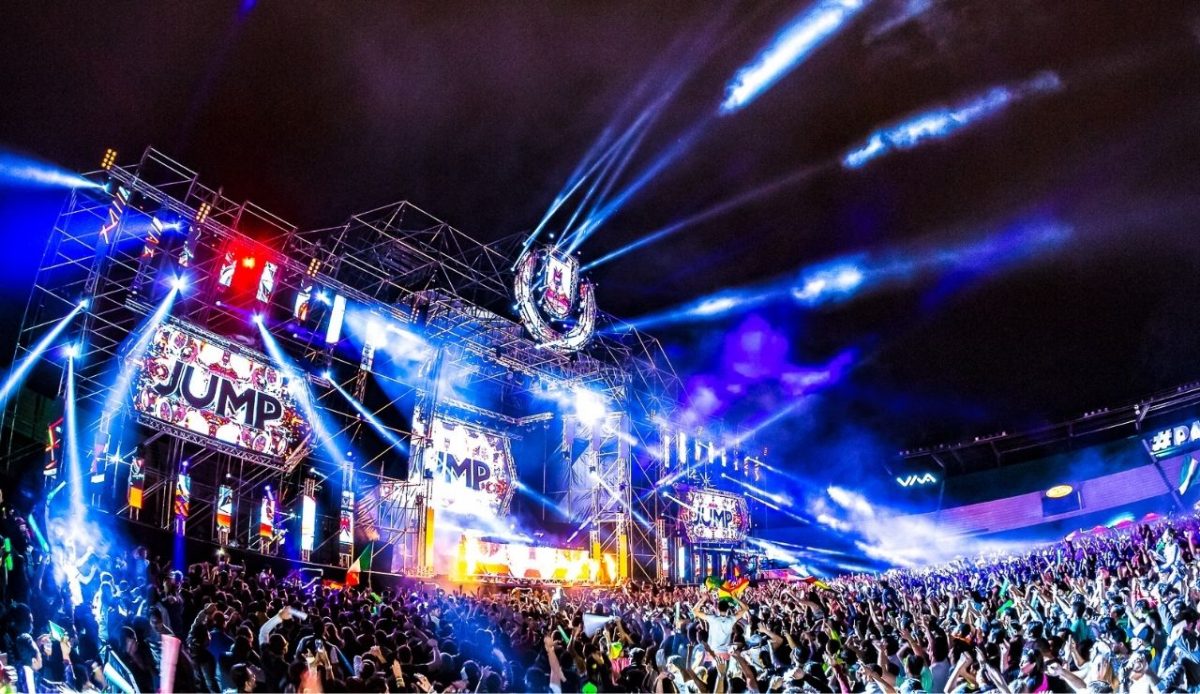
Ultra in Miami is tied to Miami Music Week, so travelers plan more than a single park festival. Official late March dates trigger early booking across Downtown and Miami Beach, since hotels fill with club goers and conference traffic. Tickets are released in phases, and tier changes create urgency that can be seen in online chatter and resale pricing. Because the venue is central, many visitors rely on transit and walking, and they build rest days into the trip to handle packed nights. Flights into MIA or Fort Lauderdale are compared early, and budgets include pricey afterparties that require separate tickets.
5. Sziget Festival
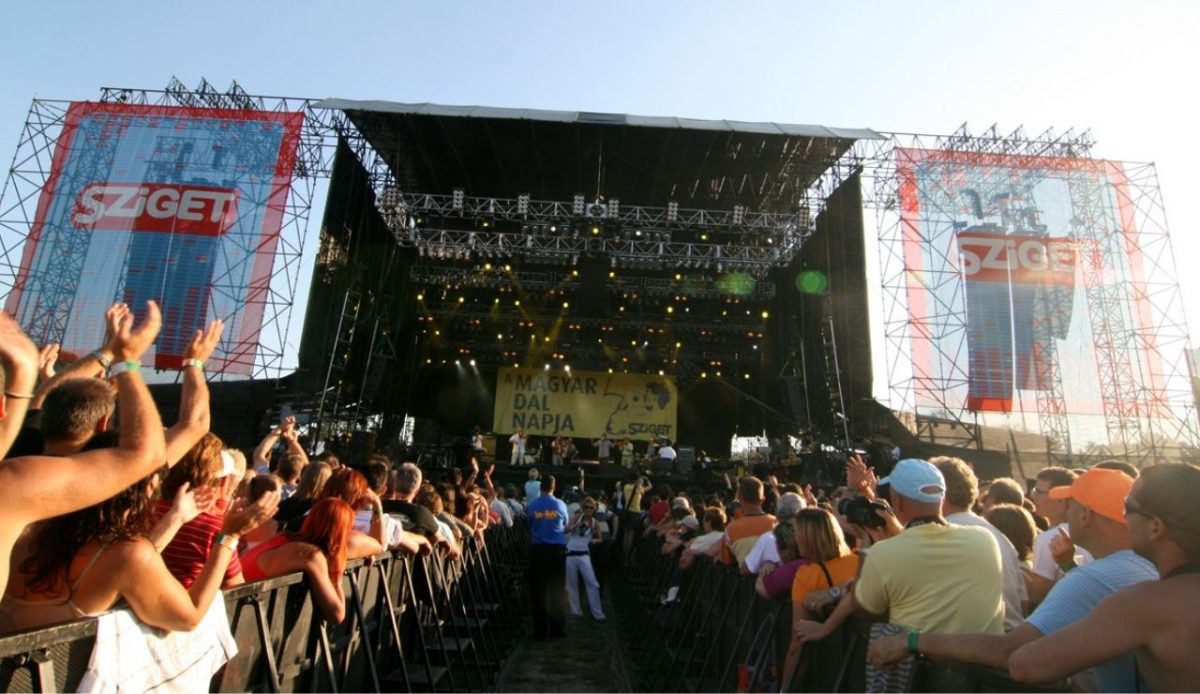
Sziget in Budapest operates as a multi-day city break anchored on an island venue, which makes it attractive for long-haul travelers. With August dates published well ahead, visitors secure flights, then choose between on-site camping and hotels across the river. Because the festival spans many stages and genres, groups plan meeting points, charging plans, and recovery time in advance. Budapest’s baths and river cruises are often slotted into mornings, while evening transport and wristband rules are checked before arrival. Many extend the route by train to Vienna or Prague, so seat reservations and border documents are reviewed early.
6. Roskilde Festival
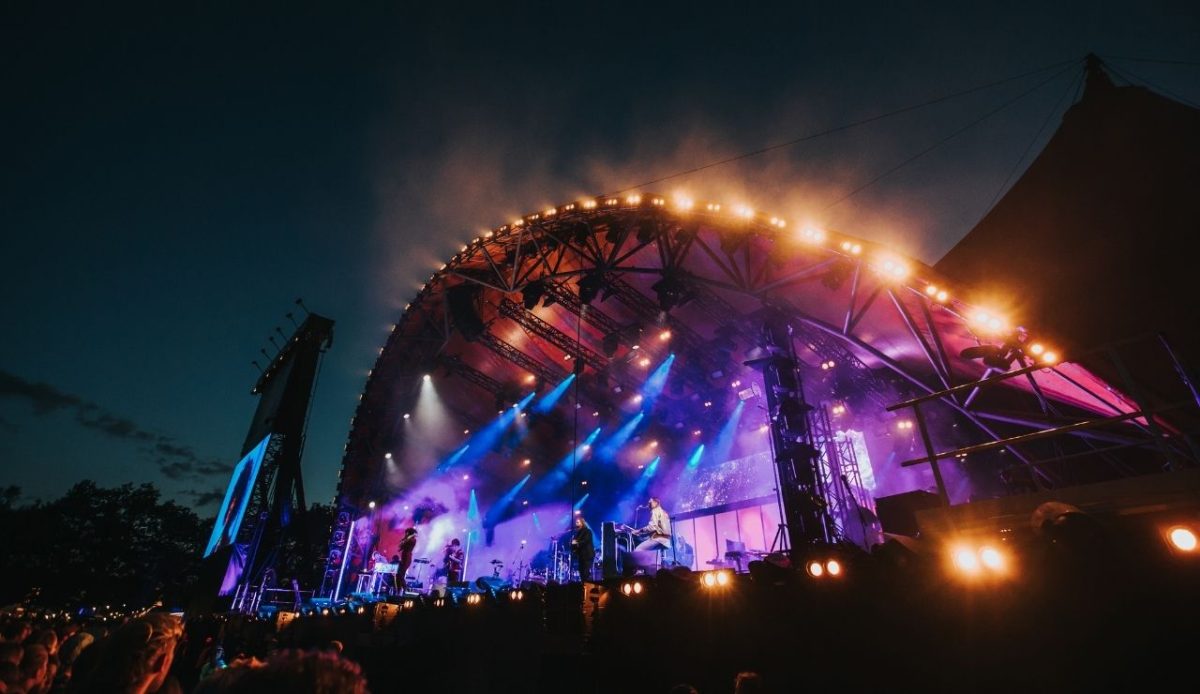
Roskilde Festival near Copenhagen runs for a full week, so travel planning looks more like a summer expedition than a weekend outing. Tickets are limited, and the long stay pushes people to organize camping gear, weather layers, and food budgets before departure. International visitors often land in Copenhagen, then take regional trains, which keeps logistics simple but requires early lodging decisions in peak season. Volunteer culture and early access camping days also shape arrival timing, so itineraries are set well in advance. Lockers, bike rentals, and cashless wristband payments are researched early to avoid long lines on the first day.
7. Rock Werchter
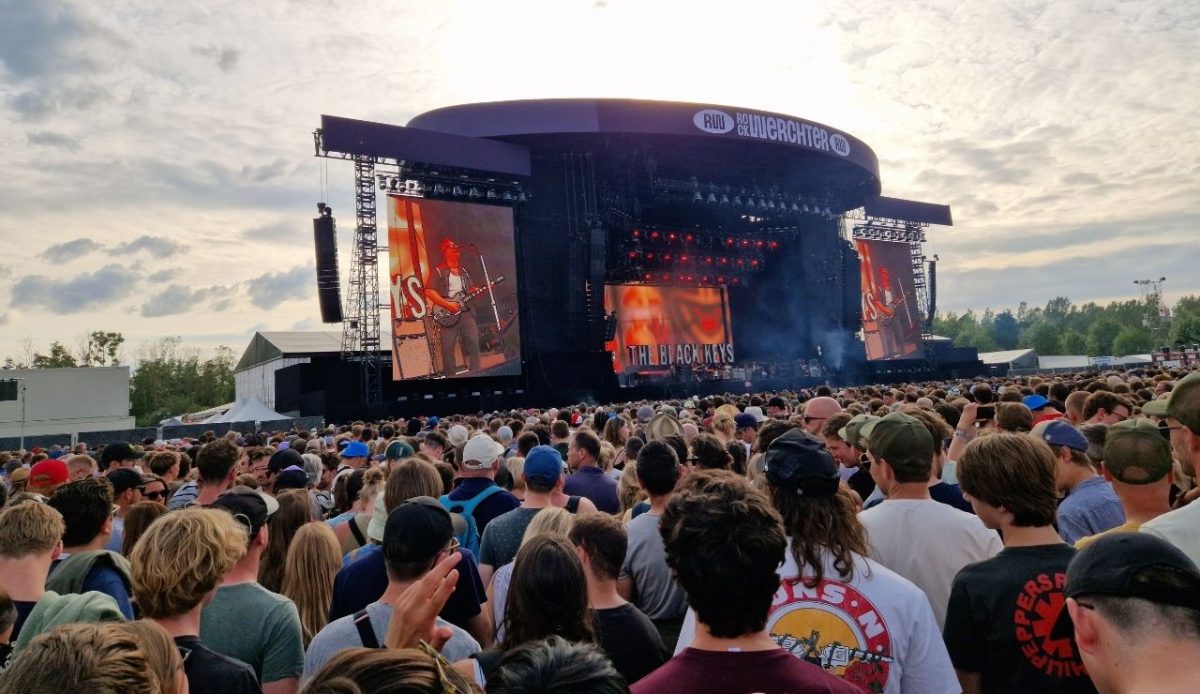
Rock Werchter in Belgium appeals to travelers who want a big lineup with a compact four-day footprint. When July dates are posted, nearby lodging and festival camps sell quickly, so many visitors book first and decide on day tickets later. Access via Brussels Airport and train links to Leuven makes the trip feasible without a car, which matters for overseas guests. Because individual days can sell out, groups coordinate around headliners and buy early, then plan short side trips in Flanders between shows. Shuttle schedules and local weather patterns are checked ahead of time, since rain gear and mud-ready shoes can be essential.
8. Rock in Rio Lisboa
Rock in Rio Lisboa is staged across select June dates, which encourages travelers to build a full Lisbon trip around specific show nights. As soon as dates and venue details are announced, hotel prices rise, and popular neighborhoods book out, especially on weekends. Many visitors plan daytime time in Alfama, Belém, or along the Tagus, then use the metro and rideshares to reach the grounds at night. Because summer crowds are high, flight timing, entry rules, and return transport are planned early to avoid long waits after the last set. Side trips to Sintra or Cascais are often booked in advance, since popular trains and tours can sell out.
