
Some destinations draw visitors because they overcame violence, not because the past was erased. Former war zones can become tourism hubs when safety returns, buildings are repaired, and stories are documented in public spaces. Travelers now tour rebuilt streets, memorial parks, and preserved fortifications to understand what happened on the ground. Good interpretation matters, so museums, guides, and signage are relied on more than rumor. The places below welcome guests while still treating loss with care and clarity. Practical trips also support local jobs, which helps long-term recovery in communities that once faced displacement.
1. Dubrovnik, Croatia
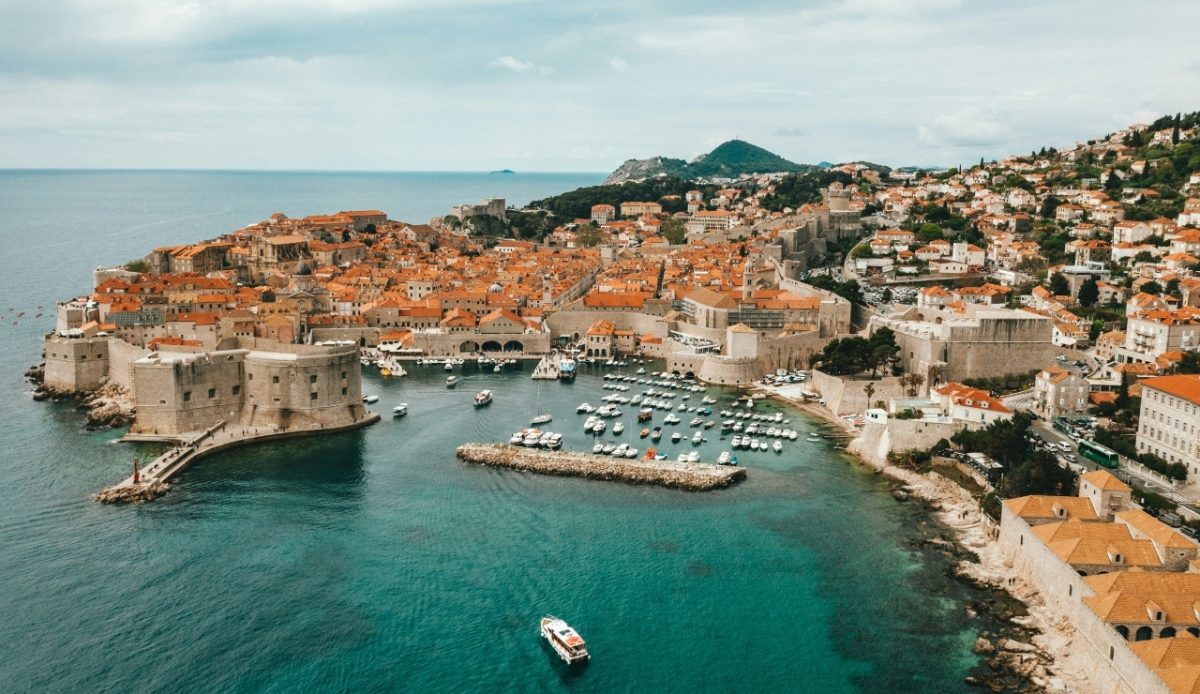
Dubrovnik’s medieval walls became a battlefield during the 1991–1992 attacks in the Croatian War of Independence, when shells damaged roofs, streets, and parts of the Old Town. After the fighting, restoration was carried out with heritage standards, and visitor routes were rebuilt around museums, plaques, and lookout points that explain what was hit and why. Today, travelers come for the preserved fortifications, the Adriatic views, and the chance to see recovery work that is still visible in repaired stone and tile. A short walk to Mount Srđ gives context, since the hill positions and the city panorama show how exposed the shoreline was.
2. Sarajevo, Bosnia and Herzegovina
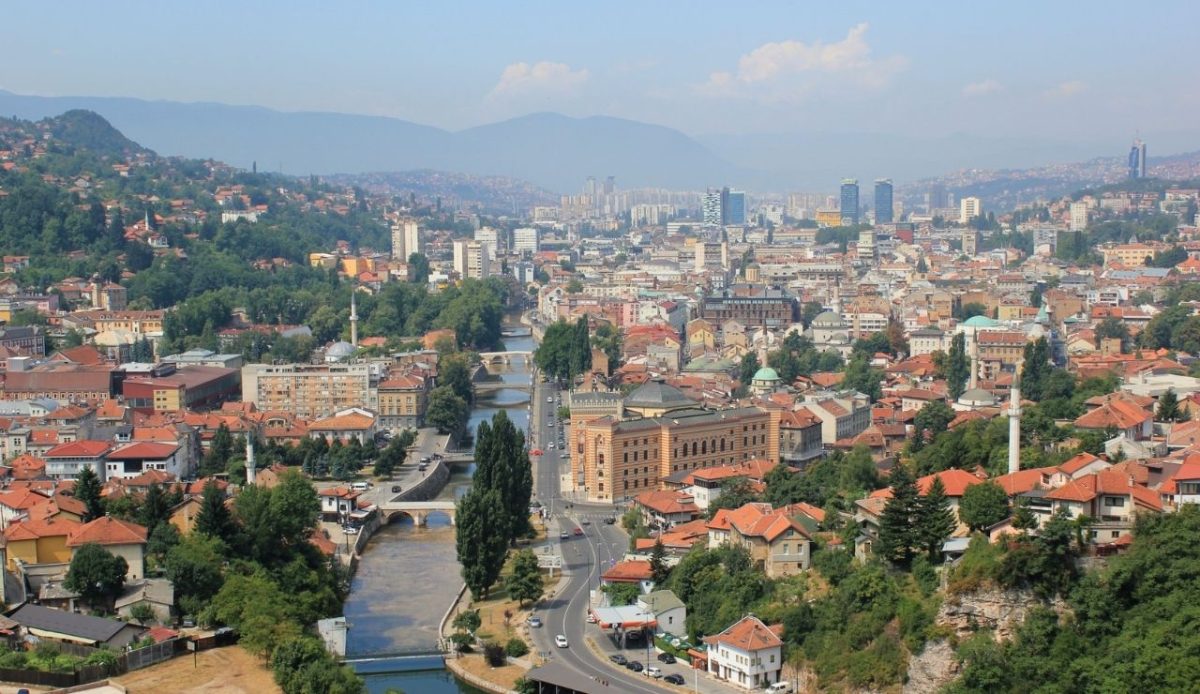
Sarajevo lived through the 1992–1996 siege, with daily shelling, sniper fire, and shortages that marked neighborhoods. Visitors can now follow marked locations such as the Tunnel of Hope, cemeteries on surrounding slopes, and streets where shell craters were later marked using red resin. Exhibits focus on civilian routines, from water runs to improvised schools, so the experience is grounded in evidence. Modern cafes and markets operate nearby, showing how working capital carries memory without freezing itself in time. Olympic venues from 1984 are visited, since some were later damaged and now help explain the city’s changing fortunes.
3. Mostar, Bosnia and Herzegovina
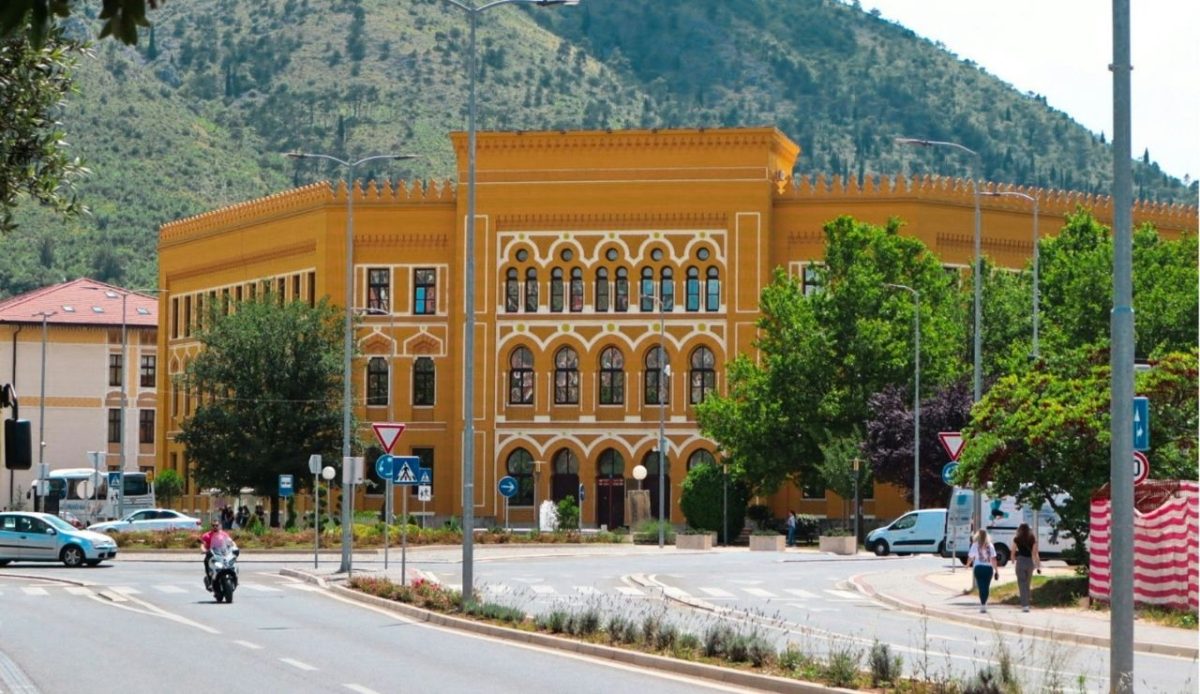
Mostar was split by front lines during the Bosnian War, and the Stari Most bridge fell in 1993. Rebuilding used period methods and local stone, turning the arch into proof that repair can be accurate without hiding trauma. Tourism runs through old town lanes, the bridge museum, and overlooks above the Neretva, where the city layout becomes clear. Local guides point out impact marks and explain how return and rebuilding changed daily routines after the ceasefire. Memorial plaques and repaired roofs appear side by side, so the timeline is read on the street rather than only in galleries. Festivals now share the calendar with remembrance dates.
4. Belfast, Northern Ireland
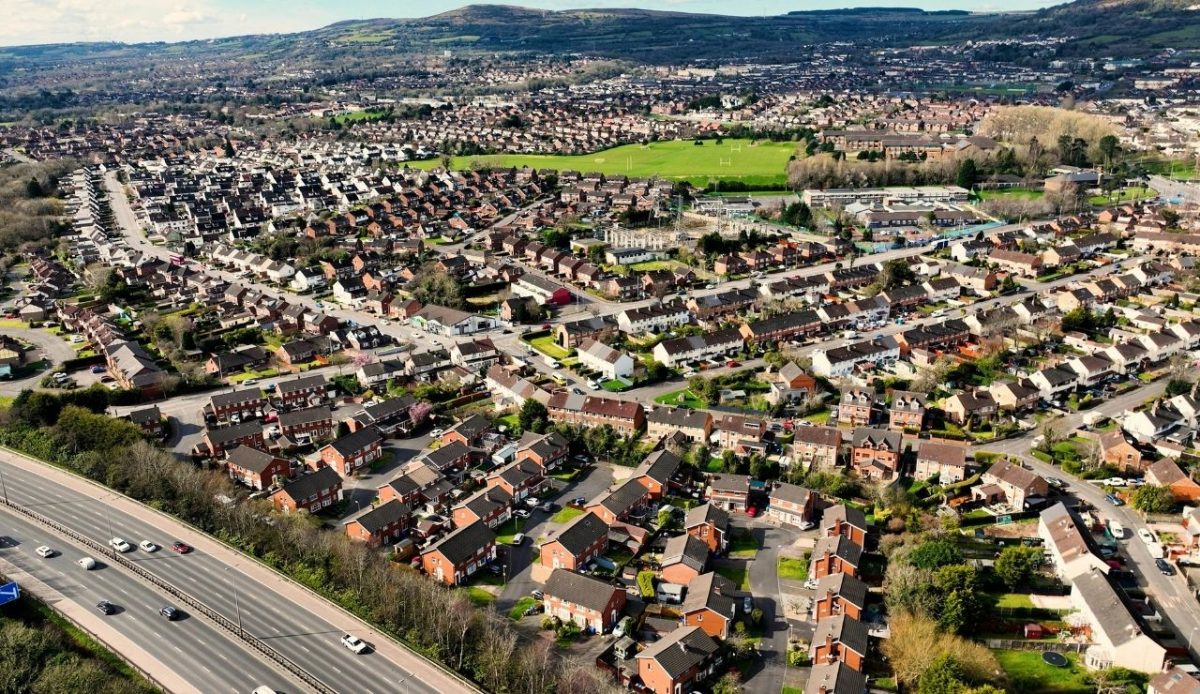
Belfast’s Troubles era left fortified interfaces, murals, and barriers that once marked contested territory between communities. Many of those streets are now visited on guided political history tours that explain why certain neighborhoods were separated and how agreements reduced violence. Peace walls remain in place in spots, and the artwork continues to change, so visitors can track social shifts in real time. Museums and archival projects add context beyond slogans, helping guests understand how a modern city manages a difficult past while expanding culture and hospitality. Local guides describe checkpoints that vanished after reforms.
5. Hiroshima, Japan
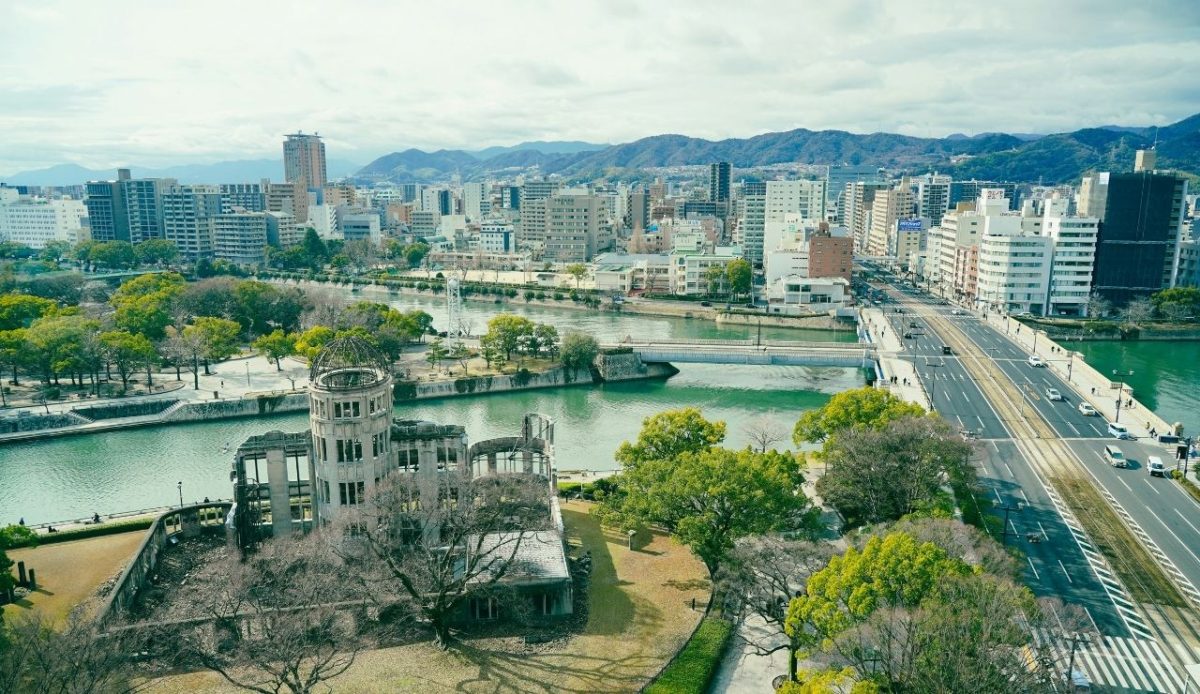
Hiroshima was devastated in 1945, yet it was rebuilt around public education on the effects of nuclear weapons. Visitors concentrate on the Peace Memorial Park, the Atomic Bomb Dome, and museum galleries that use artifacts, maps, and survivor testimony to document the blast and its aftermath. The experience is structured and quiet, with clear signage and school programs that keep the message consistent across generations. Beyond the memorial district, daily city life continues, so travelers see how reconstruction, planning, and services grew around a commitment to remembrance. The compact center supports respectful walking routes.
6. Cu Chi Tunnels, Vietnam

The Cu Chi district, northwest of Ho Chi Minh City, was a contested area during the Vietnam War, and an extensive tunnel network was used for shelter, movement, and supply. Parts of the system are now reinforced for safety, with crawl sections, exhibit rooms, and surface displays that explain traps, cooking methods, and communication. Guides separate myth from documented practice, which helps visitors understand limits as well as ingenuity. The site’s forest setting and reconstructed entrances show how concealment worked, while nearby museums connect the tunnels to wider campaigns in the south. Entry times are controlled.
7. Quảng Trị And The Former DMZ, Vietnam
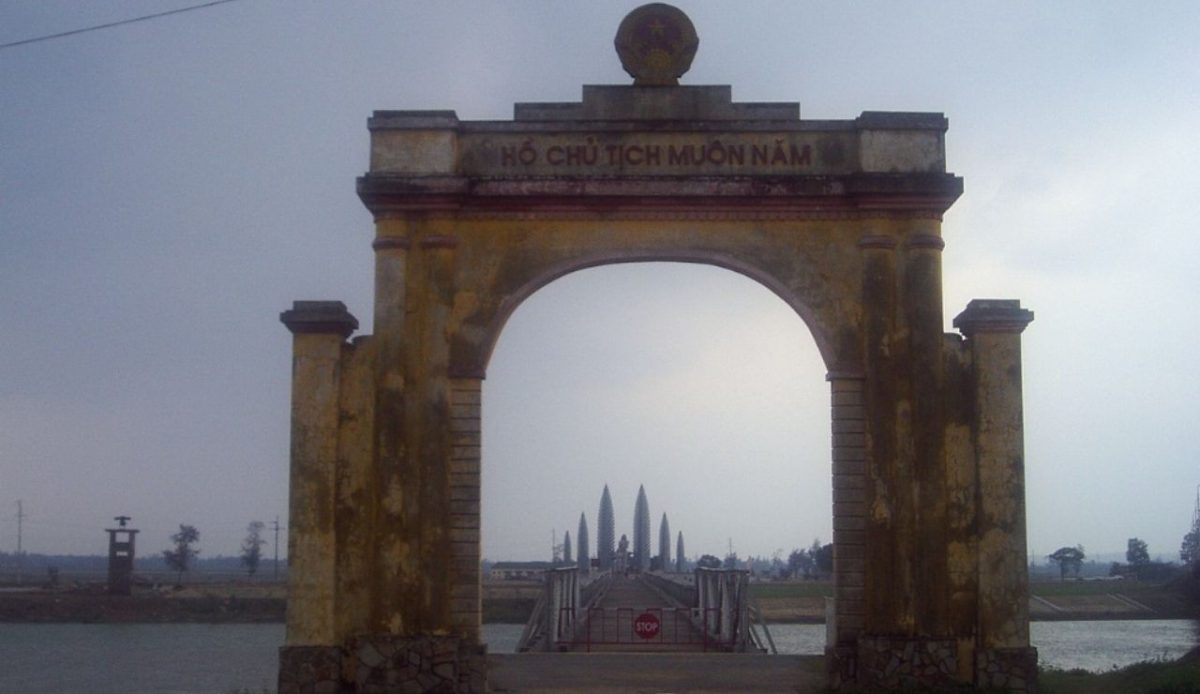
Central Vietnam’s Quảng Trị Province and the former Demilitarized Zone saw heavy fighting and bombardment, leaving bridges, bases, and villages altered for decades. Tour routes now link locations such as the Vịnh Mốc tunnels, the Hiền Lương Bridge, and former combat bases where museums explain troop movements and civilian displacement. Travel here often includes discussion of unexploded ordnance and the long cleanup process, which adds realism to the terrain. Rice fields and riverbanks look calm today, yet interpretive stops show how a narrow corridor carried national division and intense pressure.
8. Beirut, Lebanon
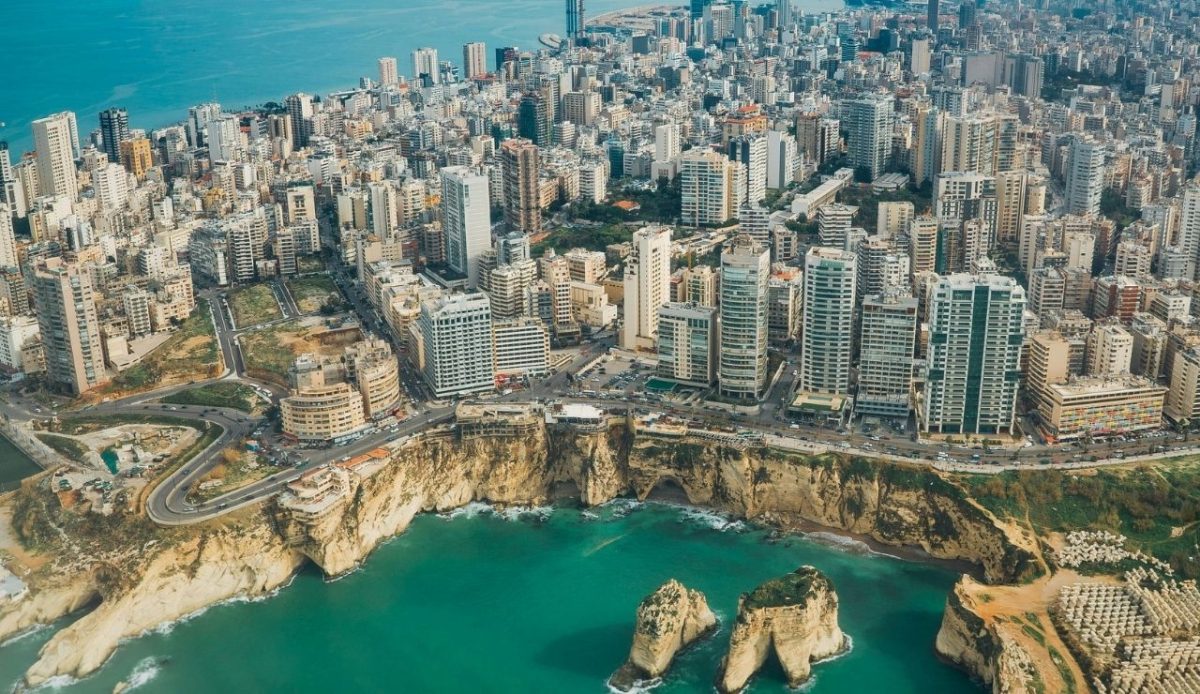
Beirut’s civil war left a patchwork of damaged buildings, former militia lines, and a city center that later underwent major rebuilding. Tourism today includes architecture walks that point out repaired facades, preserved bullet marks, and districts that once faced barricades or street fighting. Museums and galleries present photographs and oral histories that connect landmarks to specific phases of the conflict. Because nightlife and coastal promenades draw many visitors, good guides are relied on to keep the war story accurate and localized, not reduced to a single narrative. Day trips to southern viewpoints help explain strategic terrain.
