
Paris is known as one of the world’s greatest cities. The city’s food, architecture, and history is one of a kind, which is why so many people travel there every single year. But it’s also very expensive. In 2026, if you are just one person renting a place in Paris, you need about 6,100 euros a month to live comfortably, and a one-bedroom apartment in the city center averages between 1,800 and 2,000 euros for rent each month.
For people who want an exceptional quality of life without spending all of their savings, there are cities around the world where the same budget can take you a lot father. In some cases, the difference is so big that you can live twice as well for the same amount of money.
These destinations have great food, rich history, excellent public transit, and they are all around just wonderful to live in. The cities below have been selected based on current cost-of-living data, livability factors, and how they stack up against Paris across everyday expenses like rent, food, transport, and utilities.
1. Lisbon, Portugal, Around 45% Cheaper Than Paris
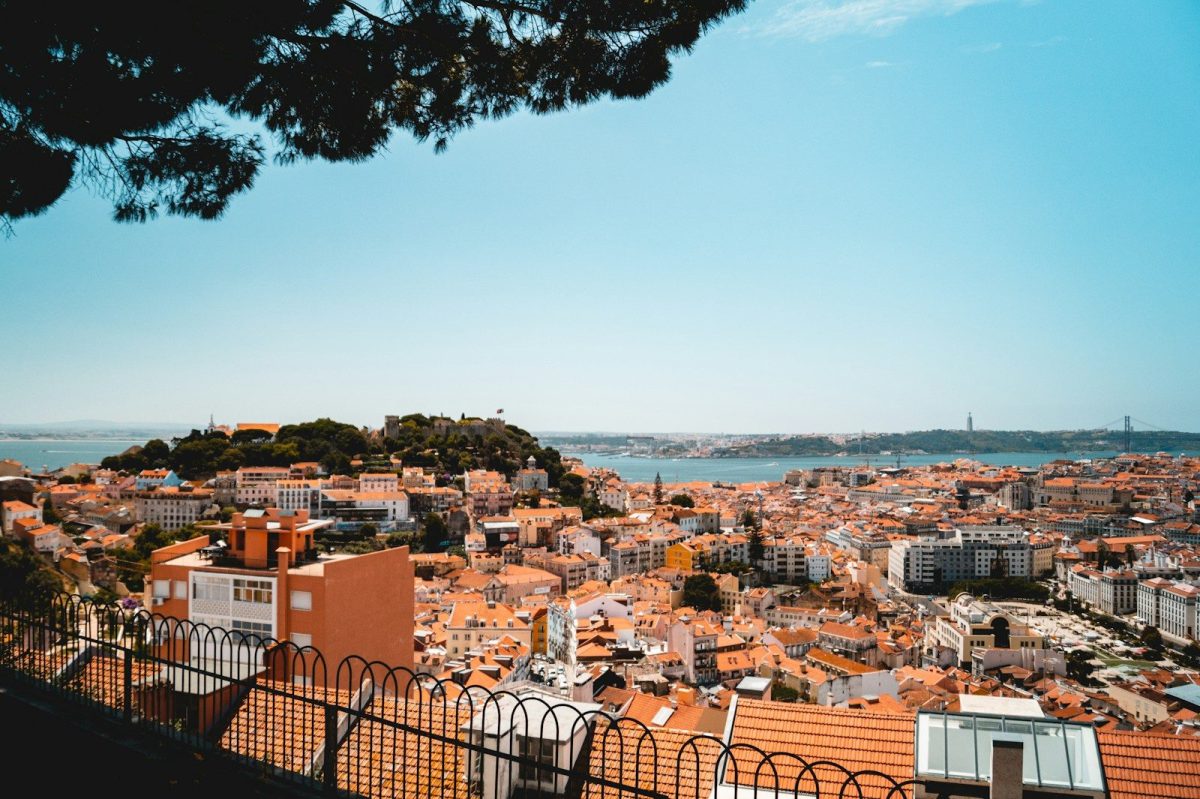
Lisbon has spent the better part of a decade catching up with Western European prices. Rents have climbed steadily, and the city isn’t as cheap as it was in 2015. Despite this, it is a lot cheaper than Paris for everyday spending.
A one-bedroom apartment in the center of Lisbon costs around 1,100 euros per month. Dinner for two at a mid-range restaurant costs between 25 and 40 euros. A monthly public transit pass will cost around 40 euros, which is less than half of what it would cost in Paris.
The food scene justifies the move on its own merits. Fresh seafood, pastéis de nata from neighborhood bakeries, and affordable local wine are daily realities rather than weekend splurges. Portugal’s infrastructure for remote workers has matured considerably in recent years, with co-working spaces, solid broadband, and a growing international community that has built out English-friendly services across the city.
Lisbon remains one of the few Western European capitals where a comfortable life does not require an alarming income.
2. Madrid, Spain, Around 34% Cheaper Than Paris
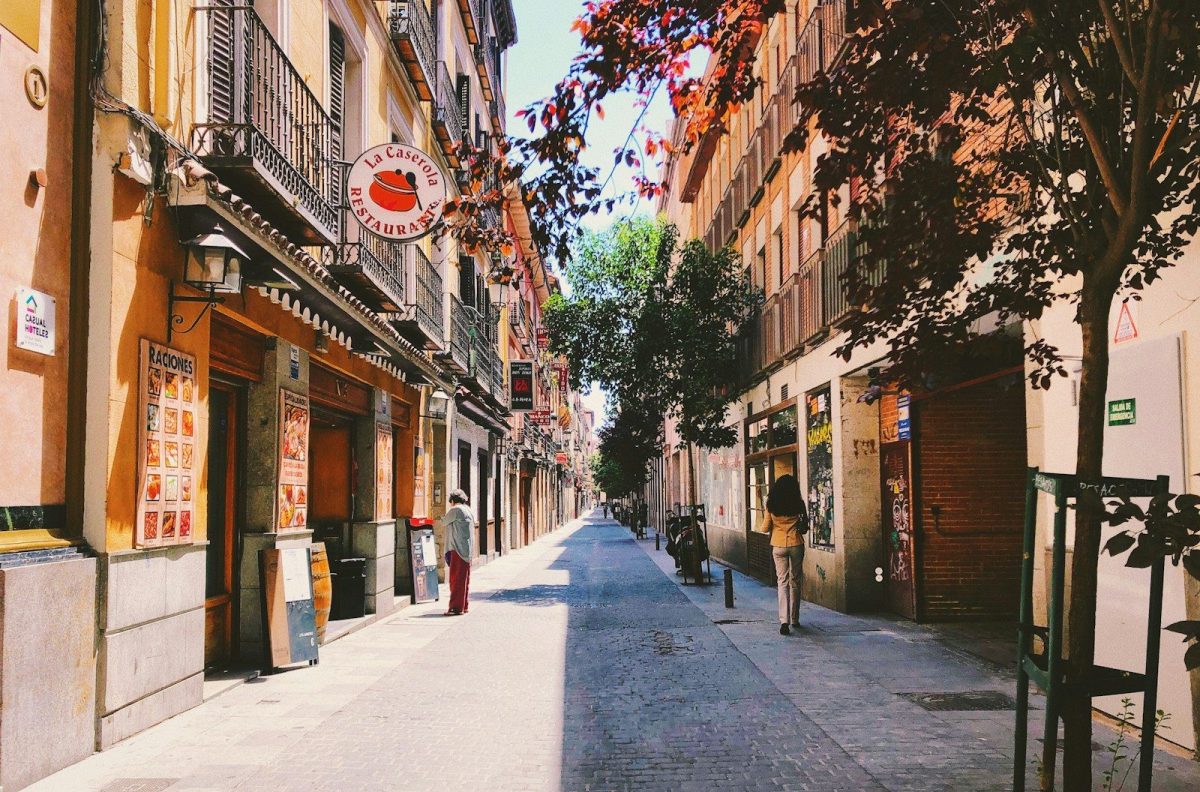
Madrid is cheaper than Paris matches it matches it closely in cultural depth. The Prado holds one of the most important art collections on Earth. The food markets are also really good, which is another big plus. The city’s nightlife is also excellent for any nightowls out there.
Average rent for a one-bedroom in the center costs around 1,300 euros per month. Dining out is noticeably more affordable, groceries cost less, and Madrid’s metro system is excellent and cheap. The city delivers around 300 days of sunshine annually, which factors into quality of life more than most people expect before they move there.
For families or long-term residents, the combination of accessible public healthcare, strong schooling options, and a deeply embedded social culture makes Madrid one of the most livable cities in Europe right now. The 34% cost difference relative to Paris represents real money over the course of a year, and it compounds across every category of daily spending.
3. Prague, Czech Republic, Around 40% Cheaper Than Paris
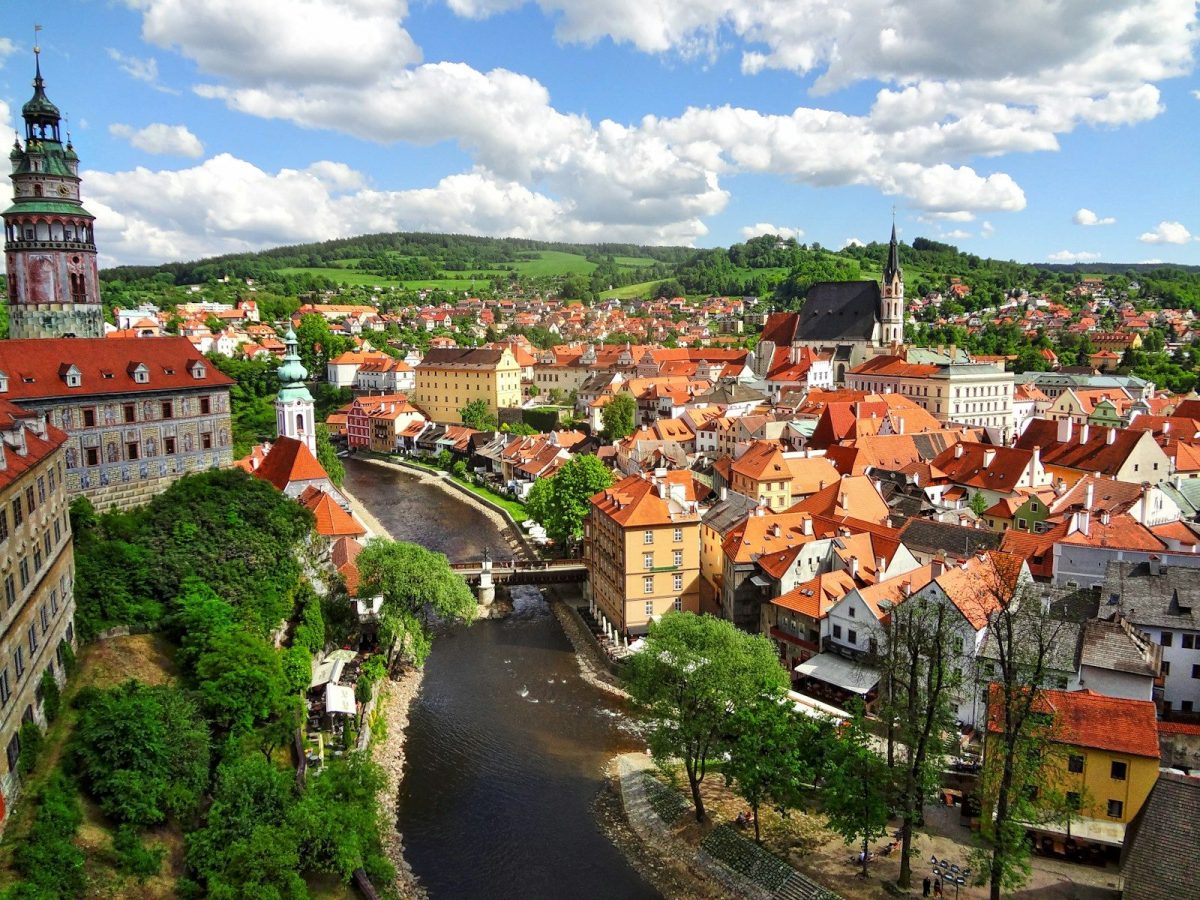
Prague’s old town survived World War II almost entirely intact, which means the city center looks genuinely medieval. It feels less like a preserved monument and more like a real, functioning place that happens to be architecturally extraordinary. The cost of living in that setting is far more manageable than the surroundings would suggest.
A one-bedroom apartment in central Prague averages around 900 euros per month. Restaurants are affordable by any Western European standard. The public transit network is one of the best-connected and cheapest in Central Europe, with monthly passes running around 25 euros. Healthcare is accessible, and the city has attracted enough expats and remote workers over the past decade to build out English-friendly services throughout most neighborhoods.
Prague’s prices have risen faster than many other Central European cities in recent years, and it no longer offers the dramatic cost advantage it had a decade ago. It still lands roughly 40% below Paris on most cost measures in 2026, which makes it a compelling option for anyone who wants a European capital with serious historical weight and a lower monthly overhead.
4. Bangkok, Thailand, Around 65% Cheaper Than Paris

Bangkok has been the standard reference point for affordable urban life among long-term travelers and expats for decades. In 2026, it still earns that status. The Thai baht’s stability against major currencies means that a Paris-level income goes extraordinarily far here, covering a comfortable apartment, daily restaurant meals, and regular travel around Southeast Asia with room to spare.
A one-bedroom apartment in the center of Bangkok runs around 500 euros per month. Street meals cost between 1.50 and 3 euros. The BTS Skytrain and MRT metro networks cover the city efficiently, and a monthly transit budget of around 30 euros is realistic for most residents.
The food scene is world-class by any serious measure. Thai street food is not just cheap, the quality ceiling is genuinely high, and the range of international cuisine available across Bangkok’s neighborhoods has expanded considerably in recent years. The heat and humidity require real adjustment, and navigating long-stay visa requirements takes planning. For those who commit to understanding the city properly, Bangkok offers a quality of daily life that few places at this price point can match.
5. Mexico City, Mexico, Around 55% Cheaper Than Paris
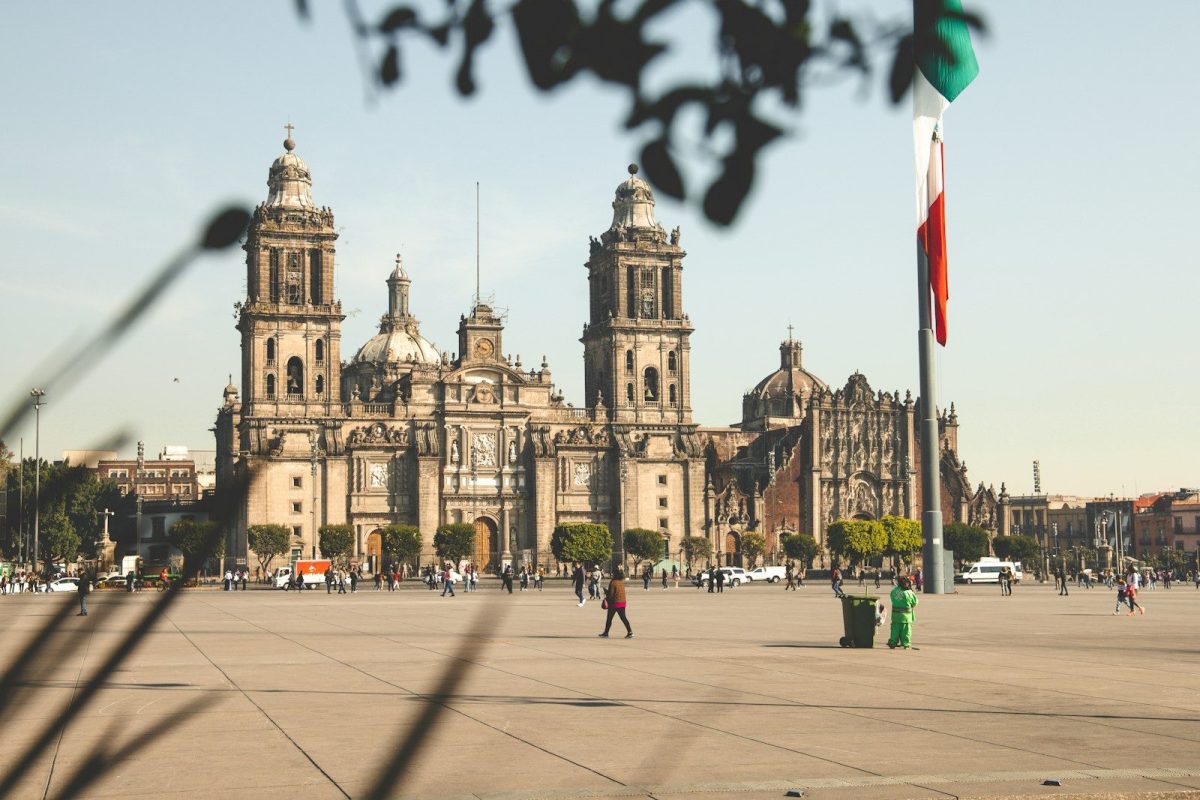
Mexico City had a complicated stretch in the early 2020s. A surge of American and European remote workers drove up rents sharply in neighborhoods like Roma and Condesa. Those increases were real and priced out some longtime residents. Even after that adjustment, Mexico City remains roughly 55% cheaper than Paris overall, and the value on offer across most of the city is still remarkable.
A one-bedroom apartment in the center averages around 600 euros per month. Dinner for two at a good restaurant runs 15 to 30 euros. The metro is one of the cheapest in the world, with monthly passes costing around 10 euros.
The food scene has earned serious international recognition in recent years. Taco stands that have been operating for 40 years sit alongside restaurants drawing attention from critics across North America and Europe. The cultural calendar across a city of 22 million people is relentless: art galleries, live music, theater, and festivals run year-round. Safety varies by neighborhood and requires awareness, as it does in most major cities globally. Those who invest time in understanding the city tend to stay longer than they originally planned.
6. Budapest, Hungary, Around 55% Cheaper Than Paris
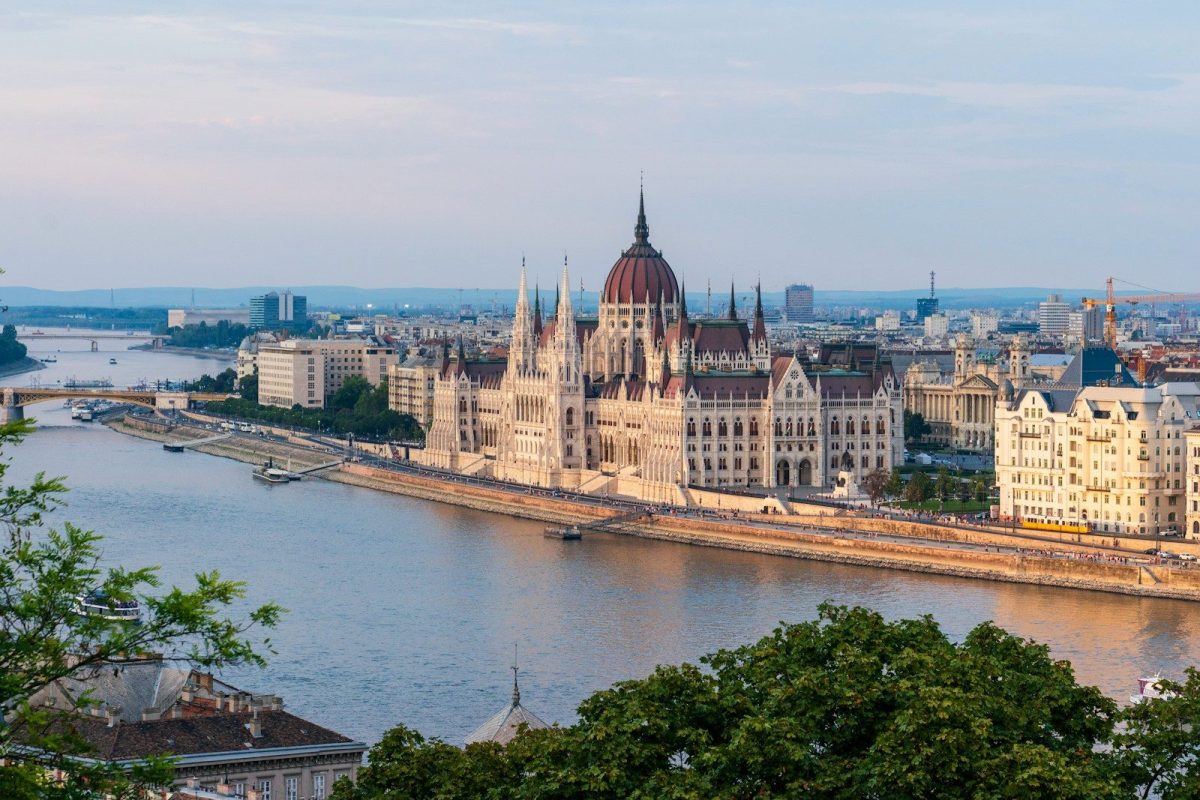
Budapest straddles the Danube and two very different histories: the elegance of the Austro-Hungarian era and the weight of the Cold War. Both periods left architectural marks that make the city one of the most visually distinctive in Europe. The thermal bath culture is genuinely unique on the continent. The ruin bars in the old Jewish quarter offer something that few other cities have managed to replicate.
Average rent for a one-bedroom in the center runs around 600 euros per month. Dining out is well below Western European norms, and the transit network covers the city thoroughly at a monthly cost of around 22 euros for a pass.
Hungary’s political climate is a consideration for those thinking about long-term residency, and the Hungarian forint has experienced some exchange rate volatility in recent years. For shorter stays, extended visits, or remote work arrangements with income in euros or dollars, Budapest consistently delivers exceptional value and a quality of life that compares favorably to Western European capitals at a much lower price.
7. Hanoi, Vietnam, Around 75% Cheaper Than Paris

Hanoi sits at the far end of the affordability scale among major world cities. A single person can live well here on 1,000 to 1,200 euros per month, accommodation, food, transport, and entertainment included. Measured against a Paris budget, the difference is not marginal. It is transformative.
A one-bedroom apartment in central Hanoi averages around 350 euros per month. A bowl of pho from a street vendor that has been operating at the same corner for decades costs between 1 and 2 euros. Monthly scooter rental, which is the practical transport choice for most residents, runs around 60 euros.
The Old Quarter is genuinely labyrinthine and rewards time spent getting to know it. The surrounding geography is one of Hanoi’s strongest assets: Halong Bay is two hours away, and the hill towns of Sapa are reachable by overnight train. Vietnam’s digital infrastructure has improved markedly, making the city increasingly practical for remote workers. Long-stay visa requirements are worth researching carefully before committing, but the combination of low cost and high day-to-day quality places Hanoi among the strongest options on this list for anyone with flexibility.
8. Bucharest, Romania, Around 60% Cheaper Than Paris
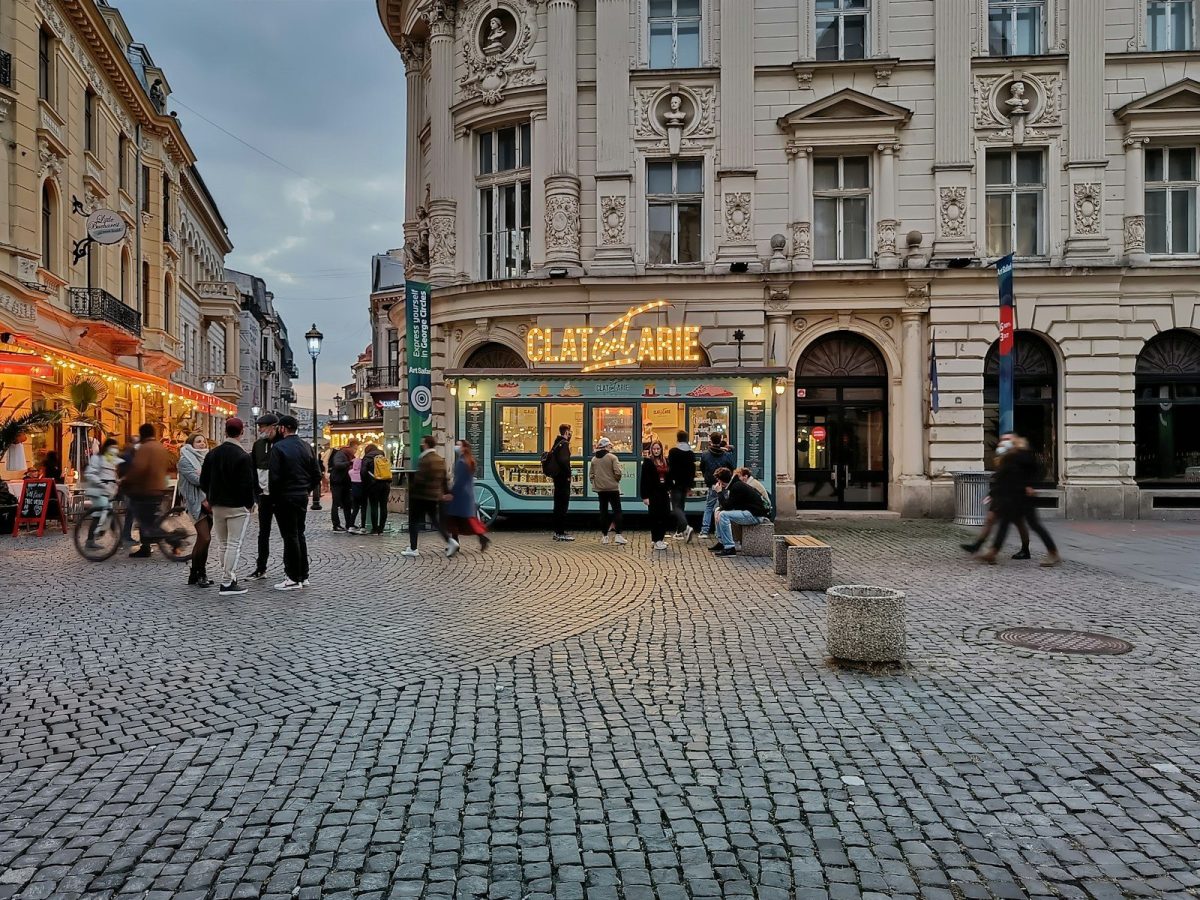
Bucharest does not have the name recognition of Prague or Lisbon, which is precisely why it still offers the kind of value those cities had fifteen years ago. The cost of living is among the lowest of any European Union capital in 2026. Internet connectivity regularly ranks among the fastest in Europe, which matters considerably for anyone working remotely.
A one-bedroom apartment in the center averages around 550 euros per month. Dinner for two at a mid-range restaurant costs between 15 and 25 euros. A monthly transit pass runs about 12 euros.
The city has a sprawling layout that can feel overwhelming on arrival, and some of the communist-era architecture takes time to appreciate. The arts scene is active, the café culture is genuine, and the restaurant options have improved considerably over the past decade. Romania’s EU membership means freedom of movement for European citizens, and the country’s growing tech sector has produced a young, English-speaking professional class that makes settling in easier than the city’s reputation might suggest. Bucharest rewards patience, and the cost savings relative to Paris are among the most dramatic of any capital in the region.
The Bottom Line

Paris is next level. The case for living there does not need to be made. What the data from 2026 makes clear is that a Paris-level budget produces very different outcomes depending on where it is spent.
Among the nine cities covered here, Hanoi offers the most dramatic cost reduction at roughly 75% below Paris. Bucharest and Budapest lead within Europe for pure affordability. Mexico City and Bangkok offer the strongest food scenes per euro spent. Madrid and Lisbon provide the smoothest transition for anyone coming from a Western European or American background, with familiar infrastructure, widely spoken English, and meaningful savings without a radical change in daily life.
The right choice depends on what matters most: the size of the savings, the ease of the transition, the climate, the culture, or the practical requirements of a visa. Across all nine cities, the consistent finding is the same. A Paris-caliber quality of life, good food, rich culture, strong transit, interesting neighborhoods, is available at a fraction of the cost. The only real variable is which version of it fits best.
