
Street culture can feel most real where it is not packaged for tourists. In the cities below, walls, sidewalks, markets, and parades carry local debates, memory, and pride in plain sight. A first visit can be jolting because the energy is louder and closer than brochures suggest. These places are shaped by migration, policing, music scenes, and informal trade, so the street becomes a public stage. Each section highlights a city whose gritty street identity has been described by local institutions, journalists, or researchers. Expect scenes, neighborhood codes, and moments that feel confrontational yet communal.
1. Berlin, Germany
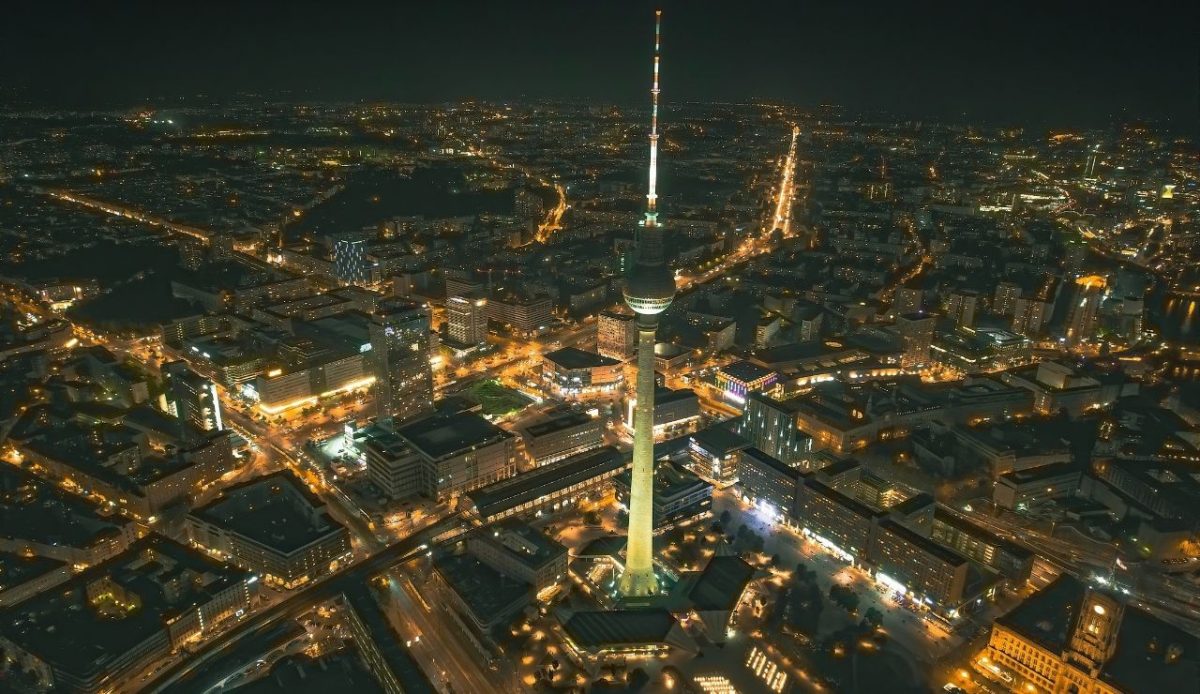
Berlin’s grit is easiest to read in Kreuzberg and Friedrichshain, where graffiti, paste-ups, and sticker layers cover underpasses, courtyards, and train stations. Political slogans appear beside club flyers and memorial tags, so public space feels contested and alive. Housing fights and protest traditions are echoed on walls and in street marches, and that tone is tolerated more than newcomers expect. For many visitors, the surprise is how dissent is treated as normal city texture, not hidden away. Nightlife corridors around the Spree and the U Bahn keep the same visual noise after dark, with new layers added weekly.
2. Medellín, Colombia
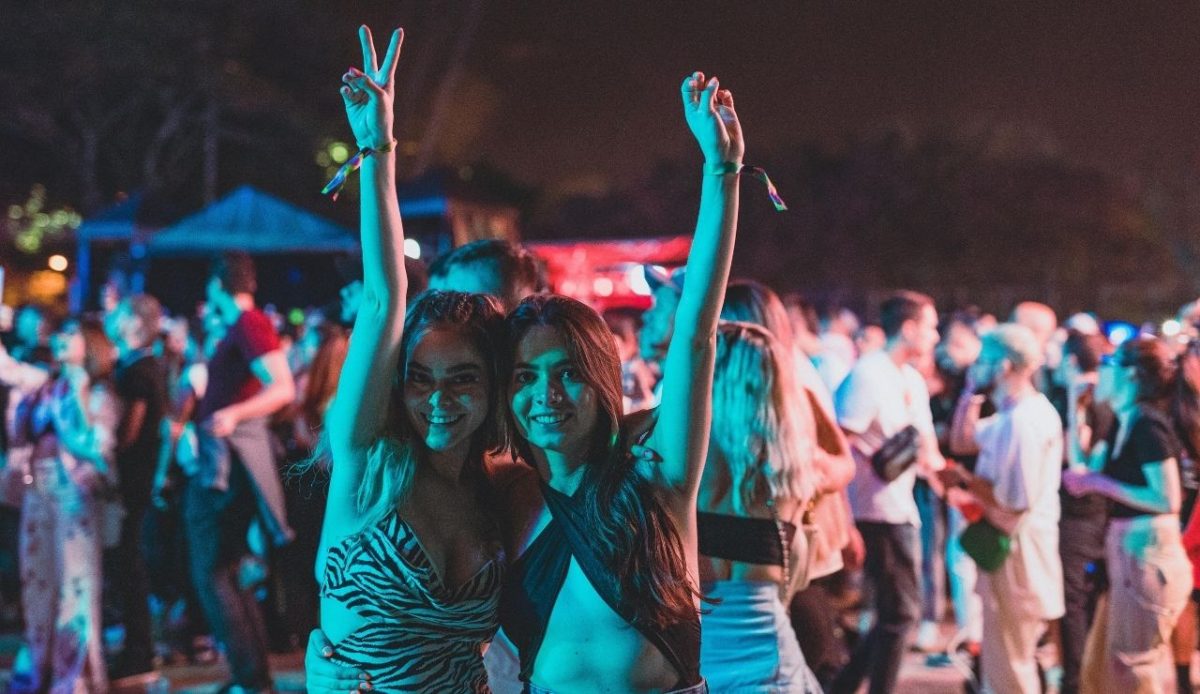
Medellín’s Comuna 13 is known for street art that works like a public archive. Murals line steep paths and the outdoor escalators, and many were painted by local crews who lived through years of violence. Tours are often led by residents, so stories of raids, displacement, and recovery are narrated on the same corners where they happened. Dance crews and hip hop performances appear in open plazas, turning hardship into visible identity. Visitors who expected fear often find pride and careful community control of the narrative. The setting feels raw, but it is also organized, with public space being used to claim safety on its own terms.
3. Naples, Italy
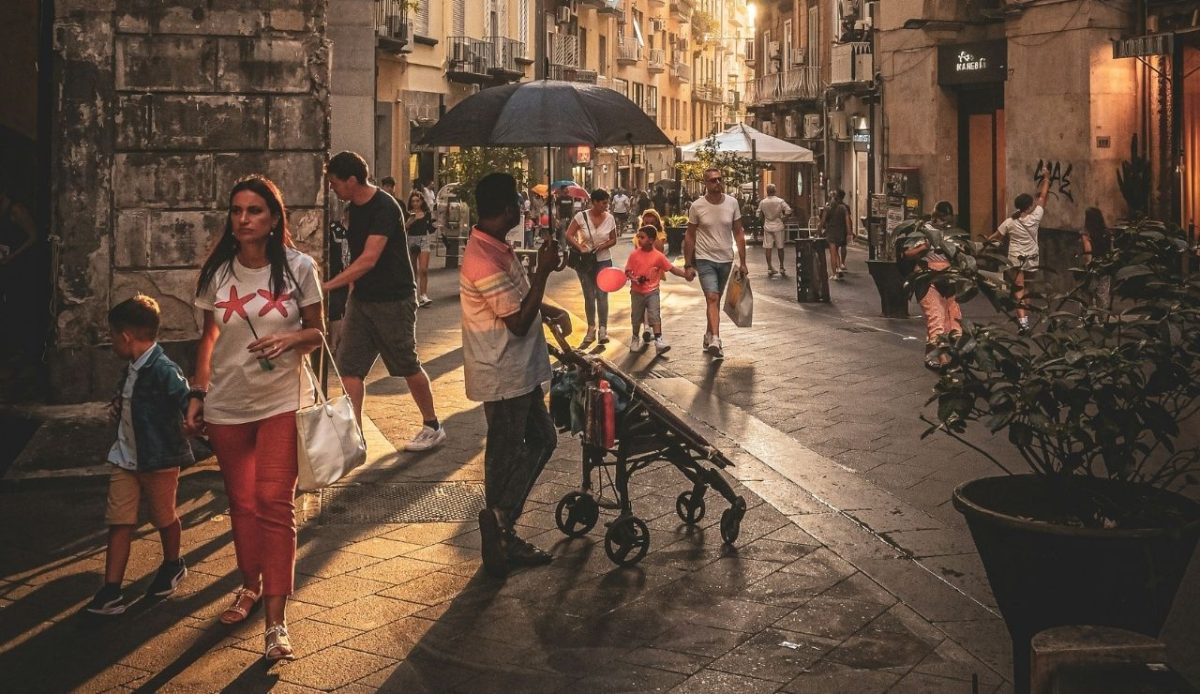
Naples delivers street culture through tight density and constant sound. In the Quartieri Spagnoli, scooters squeeze past doorways, laundry lines cross overhead, and small shrines share space with fresh tags. The famous Maradona murals function as neighborhood symbols, so crowds gather in working residential lanes rather than grand squares. Food stalls, shouted conversations, and late-night socializing keep the alleys active. Visitors who expected a calm, museum-style Italy are often startled by how close everything feels and how quickly the street becomes a shared living room. It is not staged, and it feels personal.
4. Mexico City, Mexico
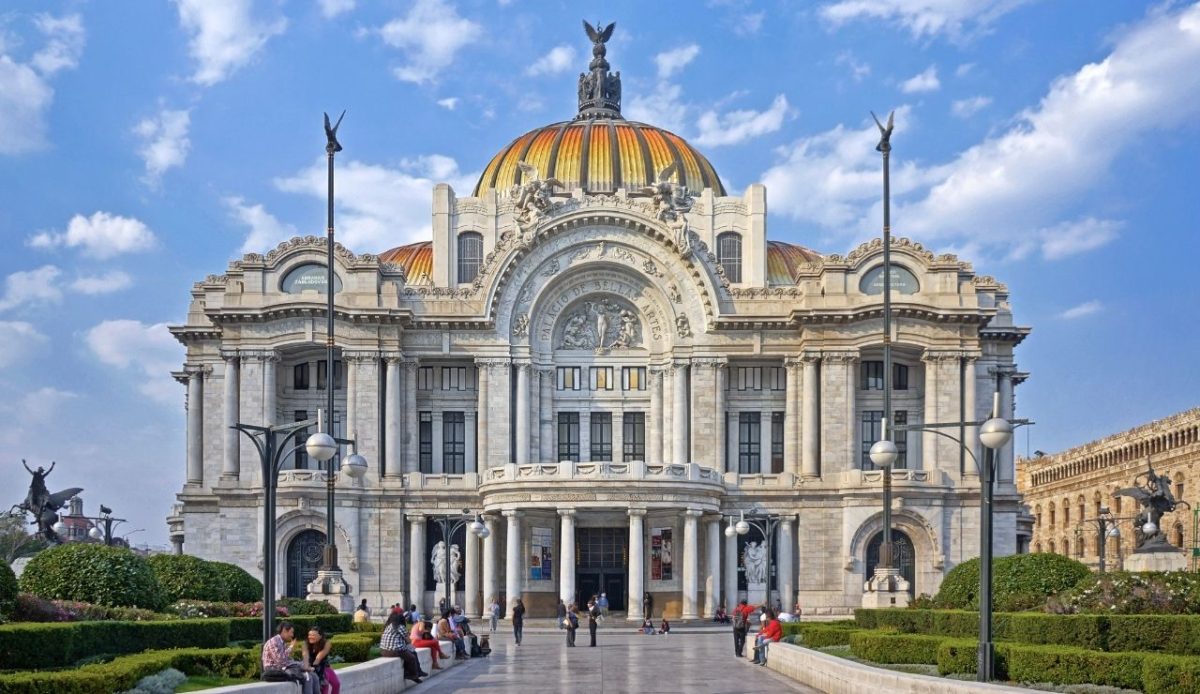
Mexico City surprises many travelers in Tepito, a neighborhood defined by a huge open-air market and a reputation for toughness. Stalls spill into streets with electronics, clothing, and street food, and bargaining sets the rhythm from morning onward. Local identity is defended loudly, with boxing culture, slang, and murals signaling pride and warning at once. The area is not built for spectators, so newcomers quickly learn that respect matters. Compared with polished districts, the street economy here feels blunt, fast, and intensely local. Police presence may be seen, yet daily trade continues through informal rules that locals understand.
5. New Orleans, USA
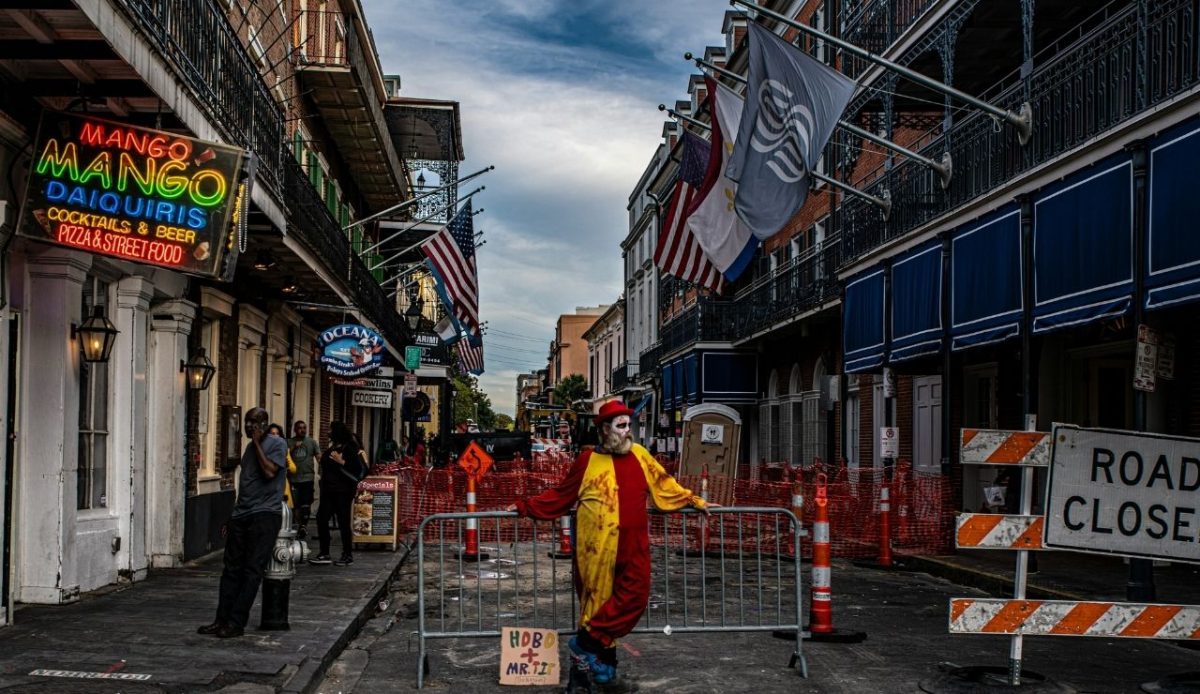
New Orleans street culture is heard before it is seen. Second line parades, organized by Social Aid and Pleasure Clubs, move through neighborhoods with brass bands, dancers, and neighbors joining as they go. The route is lived space, not an event venue, so porches and corner stores become part of the procession. These parades grew from mutual aid traditions and remain community-run, even when visitors watch. Many travelers expect nightlife on one strip and are shocked when a whole block turns into a moving celebration in daylight. A short stop can feel like a civic ritual, with music guiding the crowd rather than security barriers.
6. Marseille, France
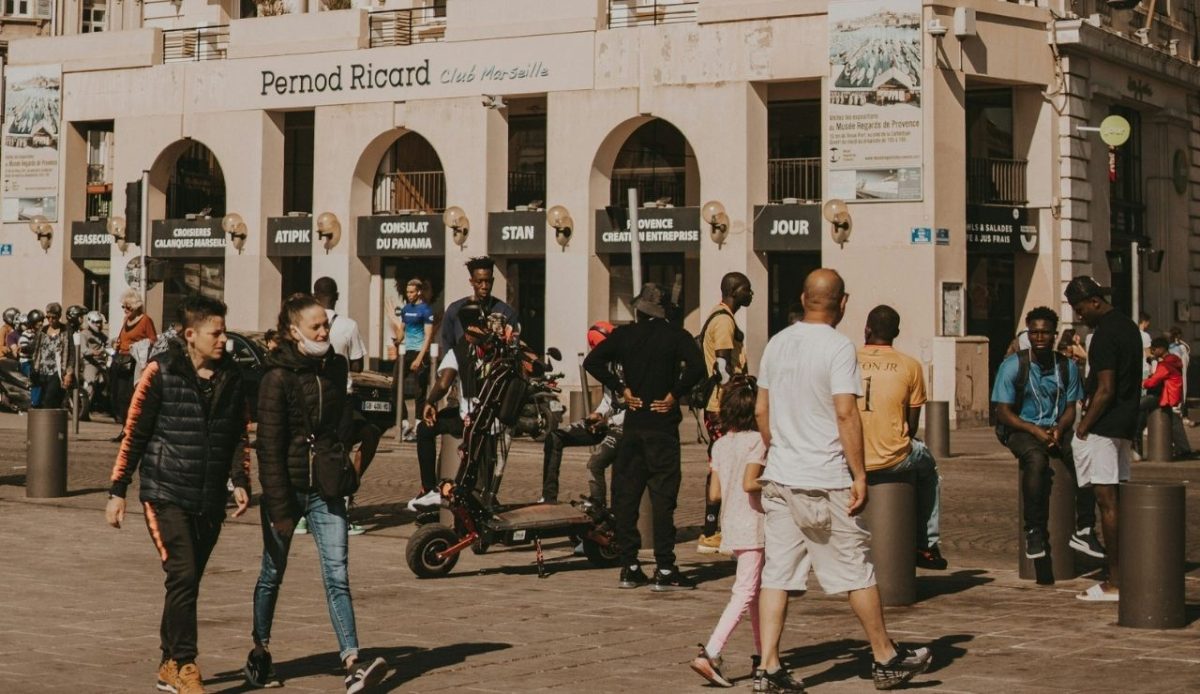
Marseille’s gritty street culture reflects a working port and long waves of migration. Around Cours Julien, murals and tags cover stairways, shutters, and apartment walls, and the imagery shifts quickly as crews repaint and react. Markets and late evenings spill onto sidewalks, mixing street art with arguments, laughter, and loud music from nearby bars. The city can feel rough-edged compared with coastal stereotypes of France, and that contrast surprises many visitors. Tension is visible, but so is pride in a street identity that refuses polish. Football loyalty and multilingual chatter reinforce that the street is the main meeting room.
7. Detroit, USA
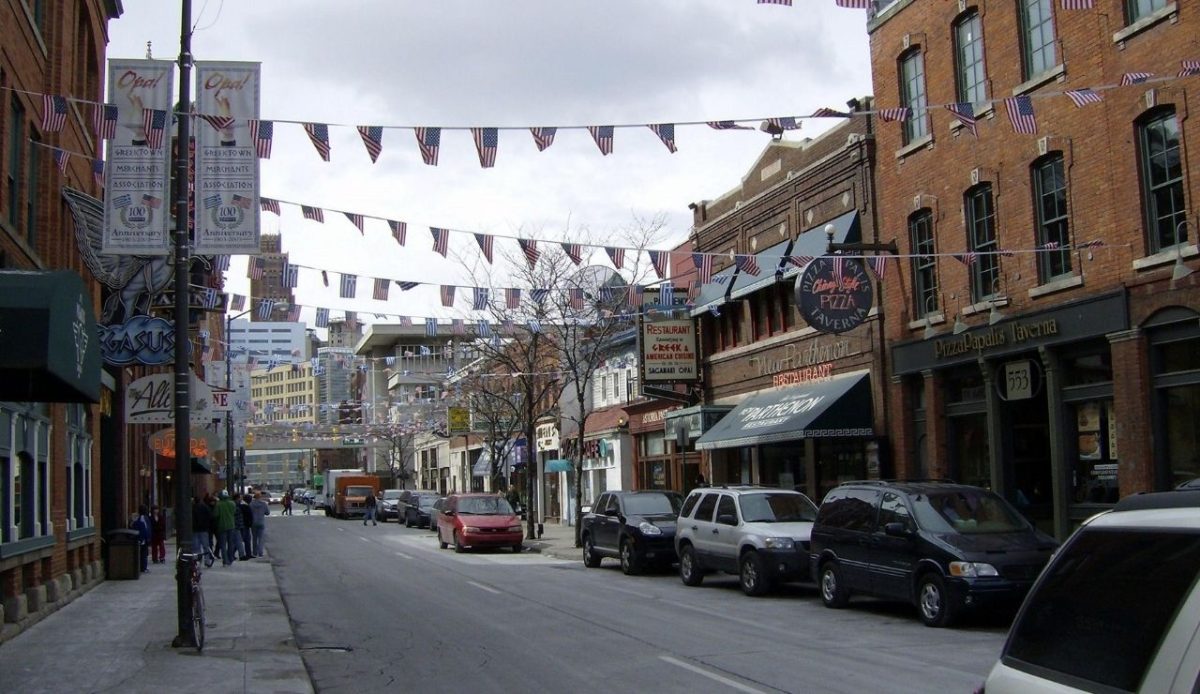
Detroit’s street culture is linked to reclamation rather than spectacle. Around Eastern Market, large murals appear on warehouses and loading docks, built through ongoing public art programs and painted by local and visiting artists. The market itself keeps the area grounded in daily trade, so art exists beside produce stands and neighborhood errands. Themes often reference labor, Motown history, and community pride, with older scars left visible. Visitors who only know decline narratives often find a place where creativity is practical and neighborhood scale, not corporate branding. Street festivals and weekend crowds make the murals feel lived in, not a detached gallery.
8. Valparaíso, Chile
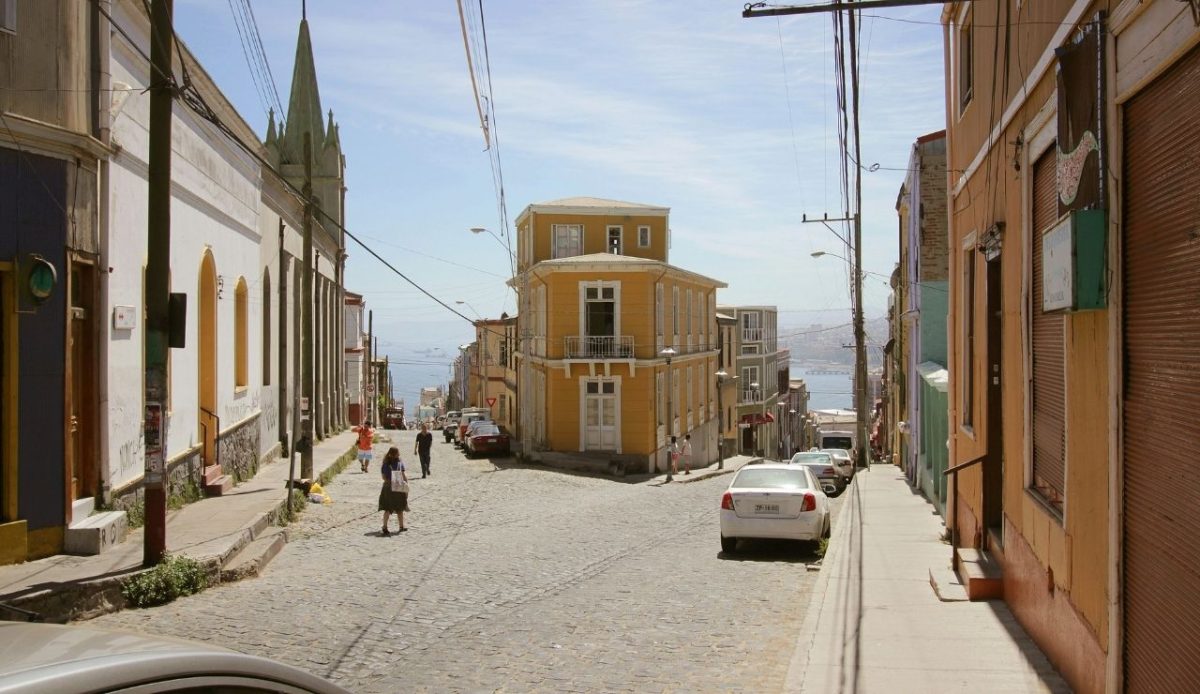
Valparaíso turns gritty street culture into a daily route up the hills. Staircases and retaining walls are covered with murals, stencils, and quick tags that appear between homes, shops, and small lookout points. The port’s labor history and political humor show up in the imagery, while the steep terrain forces most movement on foot, so street art is encountered closely. It is not contained to a single district, and new paint sits beside crumbling plaster. Visitors expecting a quiet seaside stop are often surprised by how much of the city’s personality is written on its walls and steps. The city feels improvised, and that is the appeal.
