
Wildlife tourism is worth over $300 billion globally, but sadly, a very large portion of it still harms the animals that it claims to protect. Sometimes, elephants are trained through painful methods, big cats are kept in cramped enclosures for photos, and “rescue” centers sometimes breed animals for permanent captivity. The truth is that, in today’s world, it is hard to find actual animal sanctuaries that are worth your money, but they do exist.
Real sanctuaries prioritize animal welfare over visitor convenience. They don’t offer rides, forced performances, or stressful contact between their animals and their visitors. So, let’s take a look at 8 animal sanctuaries that are worth your money, from around the world.
1. David Sheldrick Wildlife Trust in Nairobi, Kenya
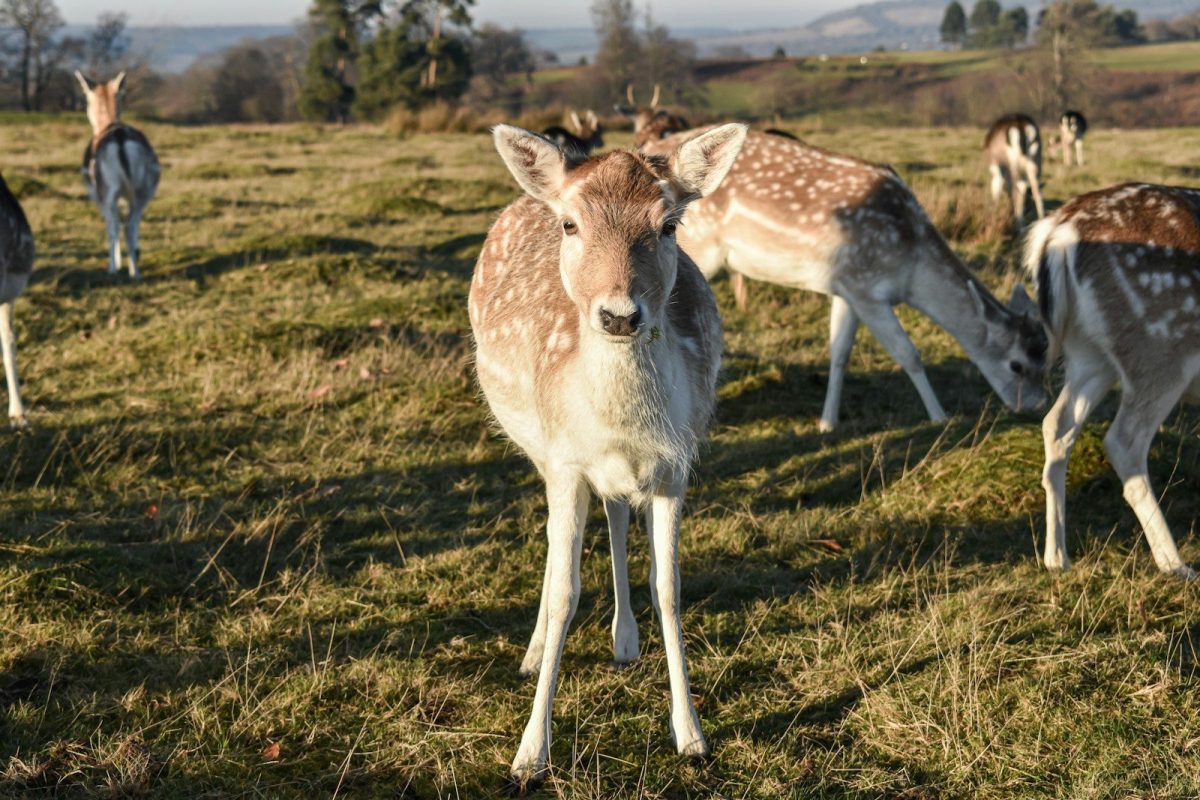
Since 1977, the Sheldrick Trust has been known to rescue and rehabilitate orphaned elephant calves, most of which are pulled from the aftermath of poaching incidents, before returning them to wild herds in Tsavo.
Visitors are welcome to attend one daily public viewing window. They don’t offer rides, or do any performances with their elephants. They protect them; that is their main goal, and that is why they are worth supporting. More than 260 elephants have been successfully rewilded at David Sheldrick Wildlife Trust. If you want to help them out, you can book directly through the Trust’s website to ensure that your money reaches the animals.
2. Elephant Nature Park in Chiang Mai, Thailand
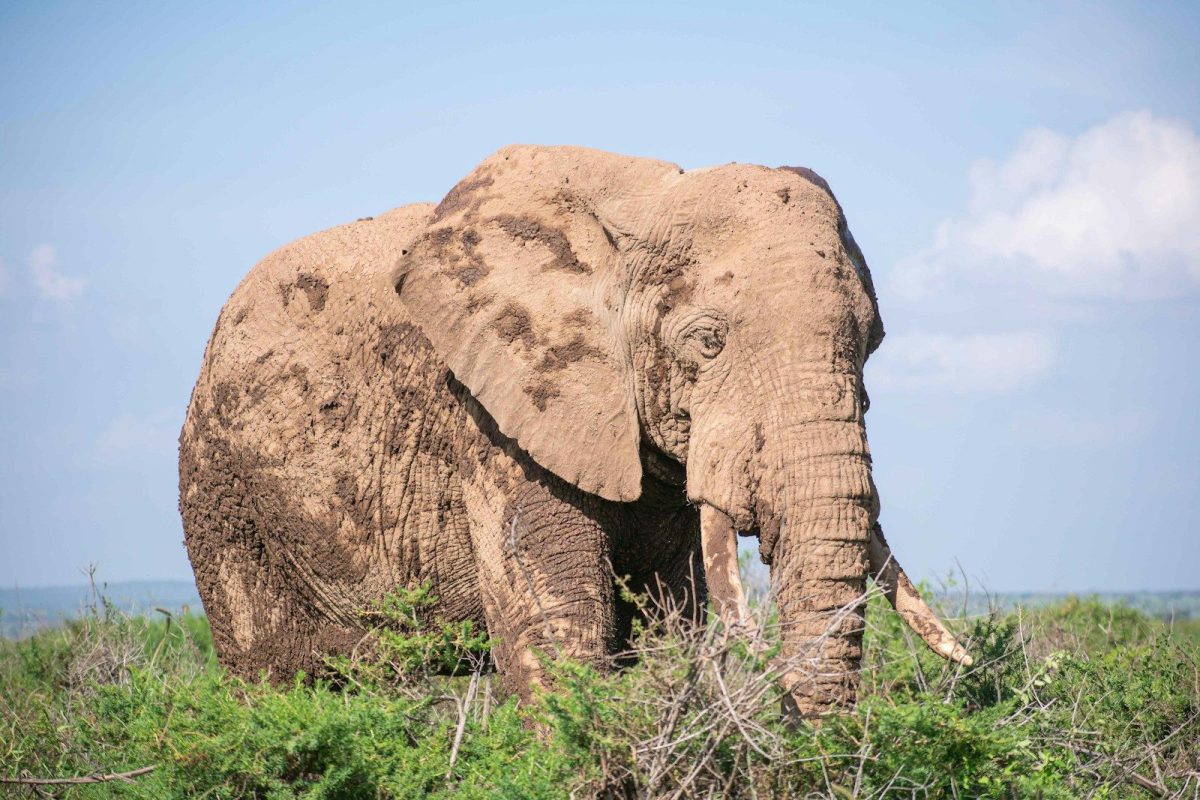
The Elephant Nature Park in Chiang Mai, Thailand was founded by the incredible conservationist Lek Chailert. This GFAS-accredited park rescues elephants from logging camps, street begging circuits, and riding operations.
Visitors are allowed walk alongside the animals rather than riding them, like some other places, watching them forage and mud-bathe at their own pace. The staff speaks candidly about each elephant’s background, treating each animal with the respect it deserves. Multi-day volunteer packages are available but sell out months ahead, so you need to book them early if you are interested!
3. Borneo Orangutan Survival Foundation in Kalimantan, Indonesia
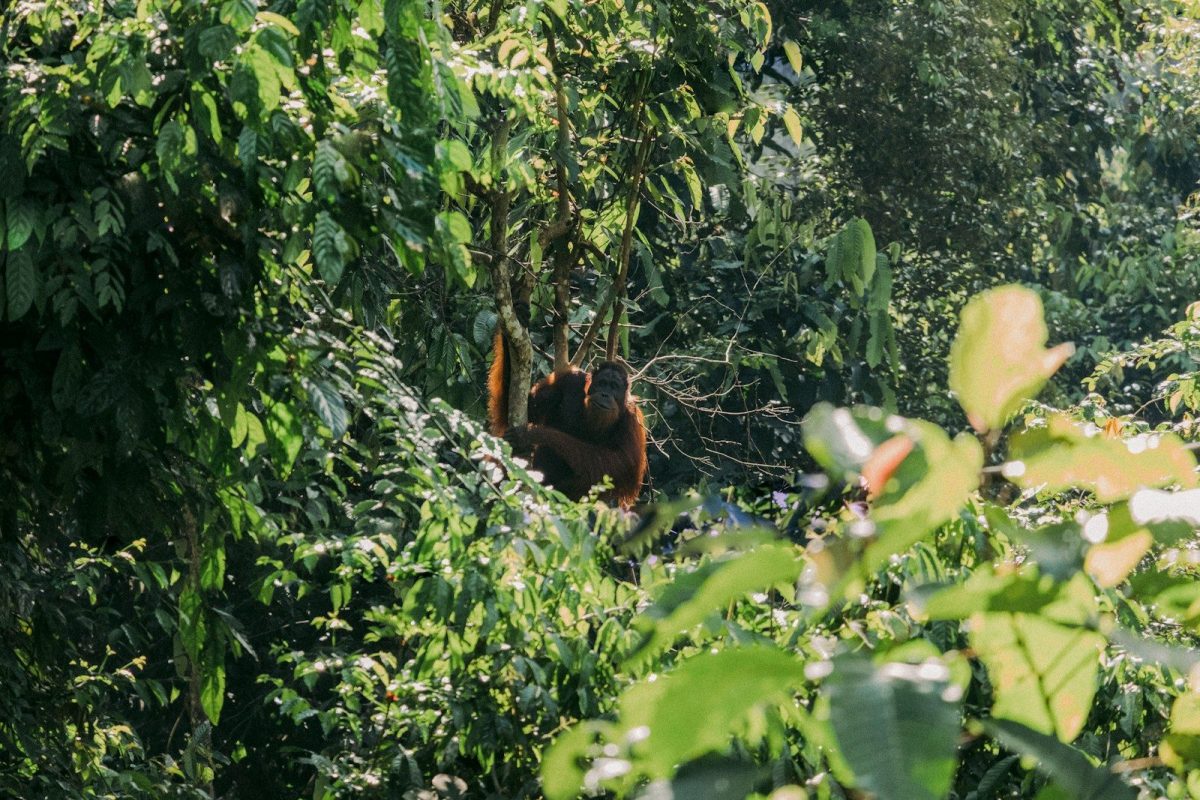
Borneo has lost roughly half its forest cover in four decades. The Borneo Orangutan Survival Foundation runs the largest primate rescue operation in the world, with four centers across Indonesian Kalimantan where they are currently caring for over 3,000 animals.
Here, a forest school program teaches orphaned orangutans to forage and nest before they are release back into the wild. More than 500 animals have been successfully returned to the wild. They cap their visitor numbers, which means that access often feels earned. This is a place worth supporting if you love animals.
4. Best Friends Animal Sanctuary in Kanab, Utah, USA
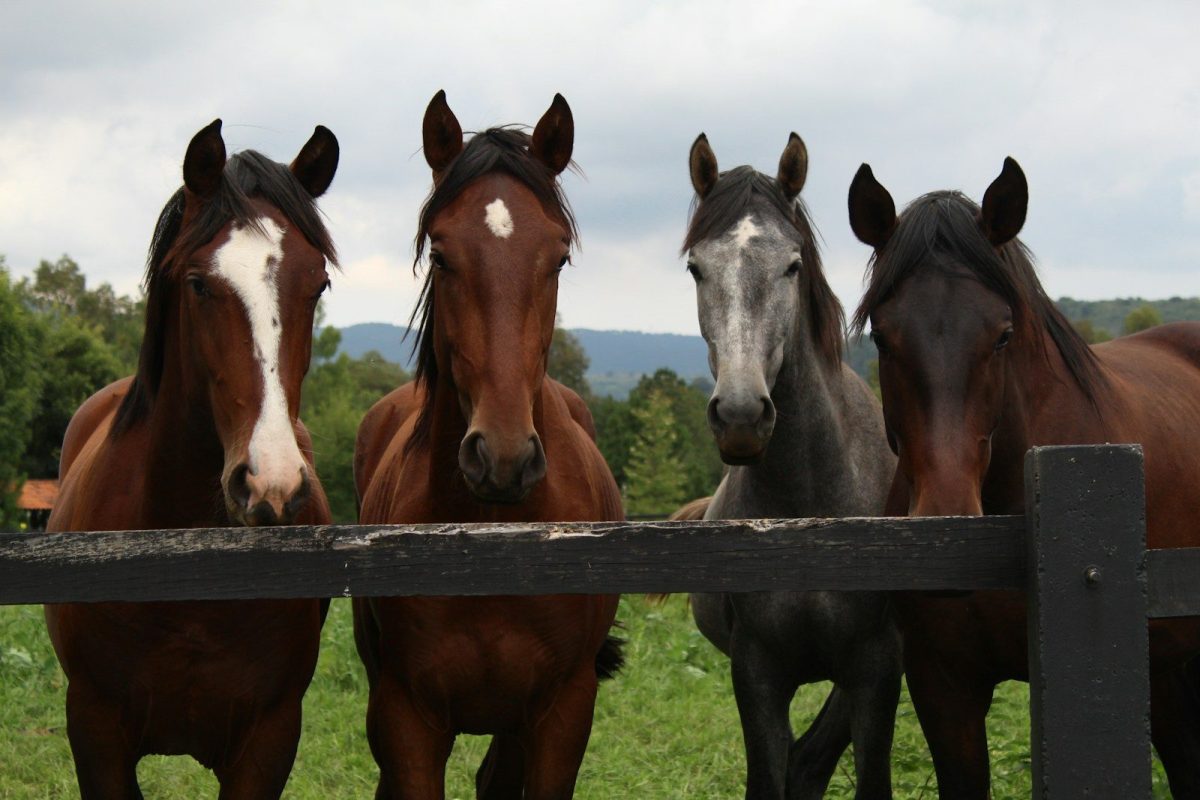
The Best Friends Animal Sanctuary in Kanab, Utah is the largest no-kill animal sanctuary in the United States. It sprawls across 3,700 acres of Utah canyon country and houses up to 1,600 dogs, cats, horses, and many other animals at any given time.
It is open every day to visitors and offers volunteer stays with lodging and meals included. Zion and Bryce Canyon National Parks are both within an hour’s drive of each other, making this a great addition to your next southern Utah trip.
5. Hoedspruit Endangered Species Centre in Limpopo, South Africa
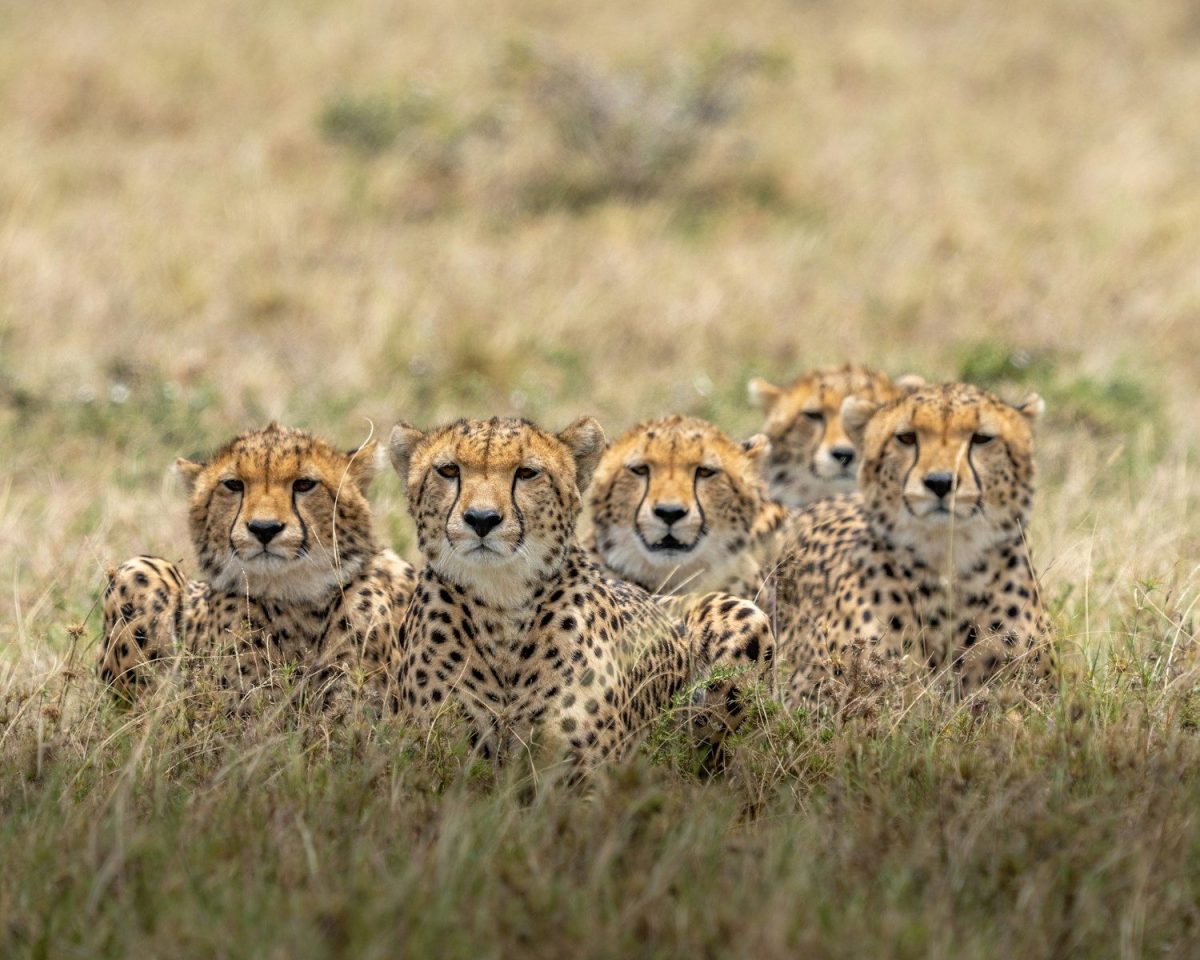
Operating at the edge of the Greater Kruger region for over 30 years, the Hoedspruit Endangered Species Centre in Limpopo, South Africa focuses on cheetah breeding and rehabilitation while also caring for wild dogs, pangolins, and ground hornbills.
Their cheetahs are assessed for rewilding suitability rather than kept as permanent exhibits, and the center works closely with SANParks to return animals to protected reserves. They have guided tours twice a day where they cover the full scope of the operation honestly.
6. Banks Peninsula Marine Mammal Sanctuary in Canterbury, New Zealand
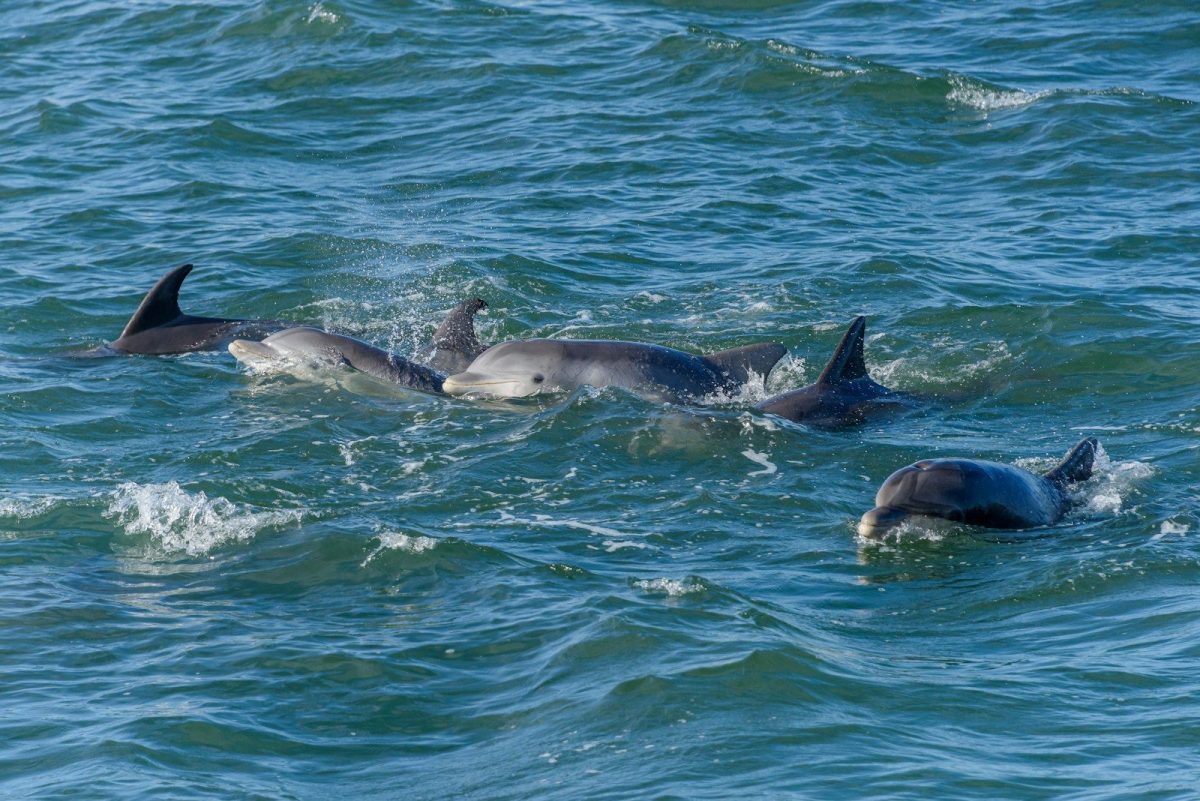
The Hector’s dolphin, the world’s smallest dolphin species, has fewer than 15,000 individuals left. The Banks Peninsula Marine Mammal Sanctuary in Canterbury, New Zealand is one of its last strongholds. Licensed operators here use low-speed vessels, observe no-swim windows when dolphins show stress, and feed their revenue into population monitoring.
Dolphins are seen in open water on their own terms, with no staging or interference. Gillnet restrictions remain the species’ biggest conservation battle, and their tour revenue funds that advocacy directly.
7. Húsavík Whale Watching in North Iceland
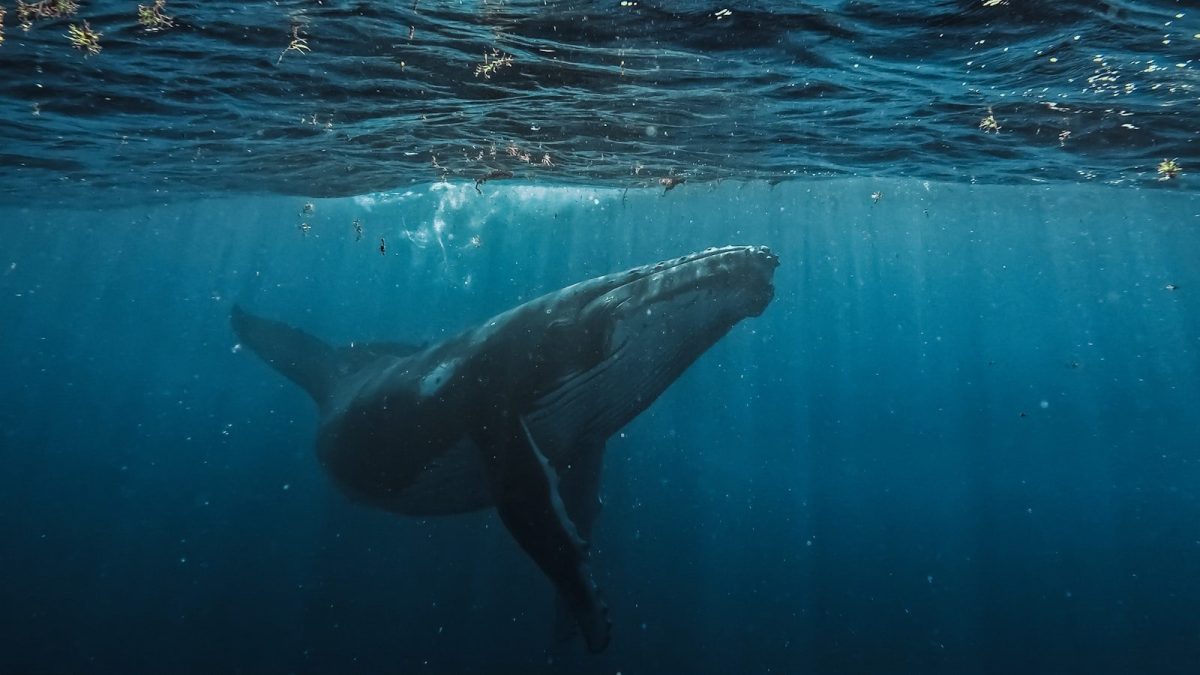
Húsavík has become the model for responsible marine tourism. Operators Gentle Giants and North Sailing use restored oak sailing ships and hybrid-electric vessels to minimize noise in cetacean-rich waters. Skjálfandi Bay draws humpbacks, minkes, and blue whales reliably from May through October, with an approximate 98 percent sighting success rate across 11 recorded species.
Their guides contribute sighting data to active population studies. Their onsite Whale Museum is also worth visiting before or after heading out on the water.
8. Australia Zoo Wildlife Warriors in Queensland, Australia
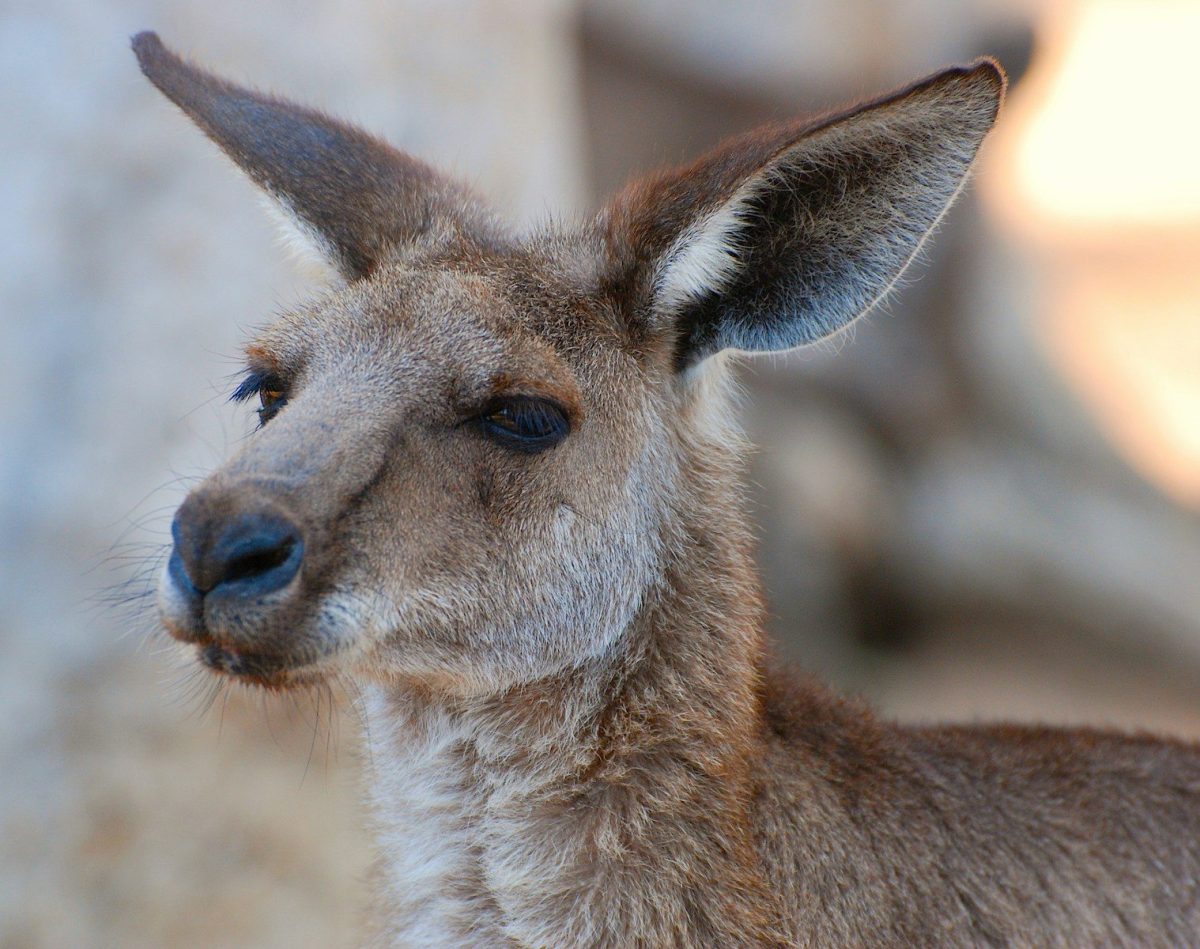
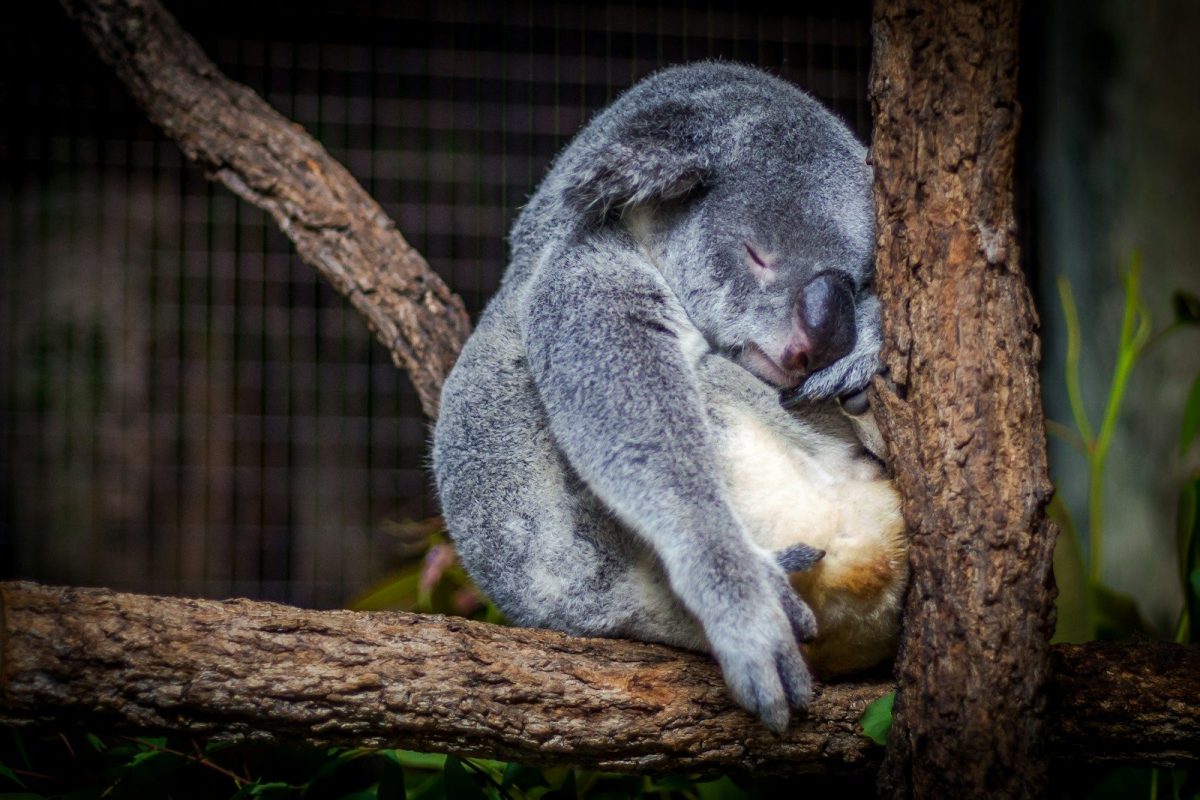
Built on Steve Irwin’s conservation legacy, Australia Zoo Wildlife Warriors in Queensland, Australia runs one of the world’s busiest wildlife hospitals, treating thousands of koalas, echidnas, and sea turtles every year. Visitors are able to observe the hospital through viewing windows as treatments happen in real time.
Their entry fees fund the hospital directly, and an annual Wildlife Warriors membership extends support to field projects across Africa and Asia. The people who visit in the mid-morning typically catch the most active treatment periods.
How to Choose, and What to Avoid
Here are some green flags to look out for when choosing which animal sanctuaries to support: GFAS accreditation, transparent financials, documented rewilding outcomes, no rides or forced contact, and staff who speak honestly about conservation challenges.
And here are the red flags: elephant bathing with excessive contact, tiger selfie experiences, high visitor throughput with no welfare protocols mentioned, and animals that appear sedated or passive around tourists.
Every sanctuary on this list produces a memorable visit. The difference is that the experience comes without cost to the animal. Verify current entry prices and visitor policies directly with each sanctuary before traveling, as these change regularly.
