
Beach tourism keeps many local economies running, but crowd levels can rise faster than roads, water systems, and housing can handle. The gap shows up in traffic, noise, and rising service costs.
When visitors flood in during a few peak weeks, trash pickup, parking control, and emergency response are stretched thin, and residents feel ignored. Short-term rentals and second homes can tighten the squeeze for workers.
Across the country, beach towns have started implementing curfews, reservation systems, cruise limits, and tougher beach rules as patience wears thin. These seven places show the conflict most clearly, with policy changes driven by resident pressure.
1. Miami Beach, Florida
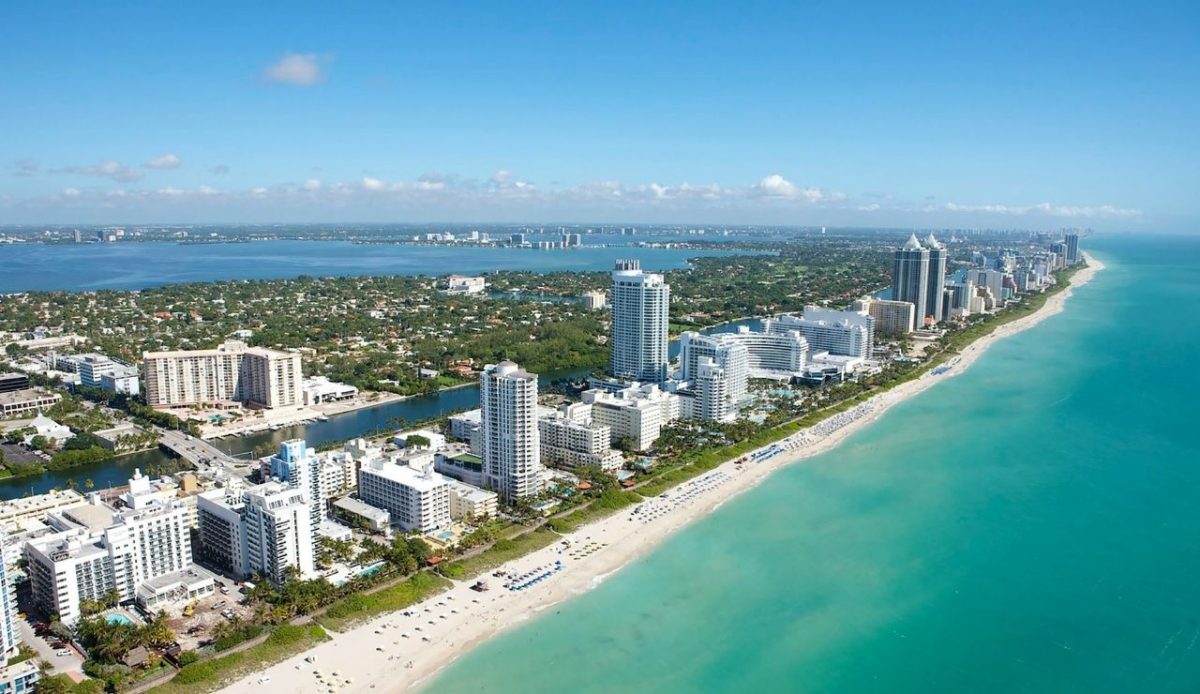
Miami Beach has treated spring break as a public safety problem after shootings, fights, and large street crowds in recent years.
The city approved late-night restrictions, limited beach entry points, and brought in sobriety checkpoints. Ocean Drive sidewalk cafes were restricted, bag checks were added, and towing penalties rose. On key weekends, a flat 100 dollar parking rate in city garages south of 42nd Street was used to deter party traffic.
Residents have pushed for the crackdown, saying the surge concentrates trouble into a few blocks and leaves locals paying for sanitation, police overtime, and disrupted sleep for weeks. Some businesses disagree.
2. Panama City Beach, Florida
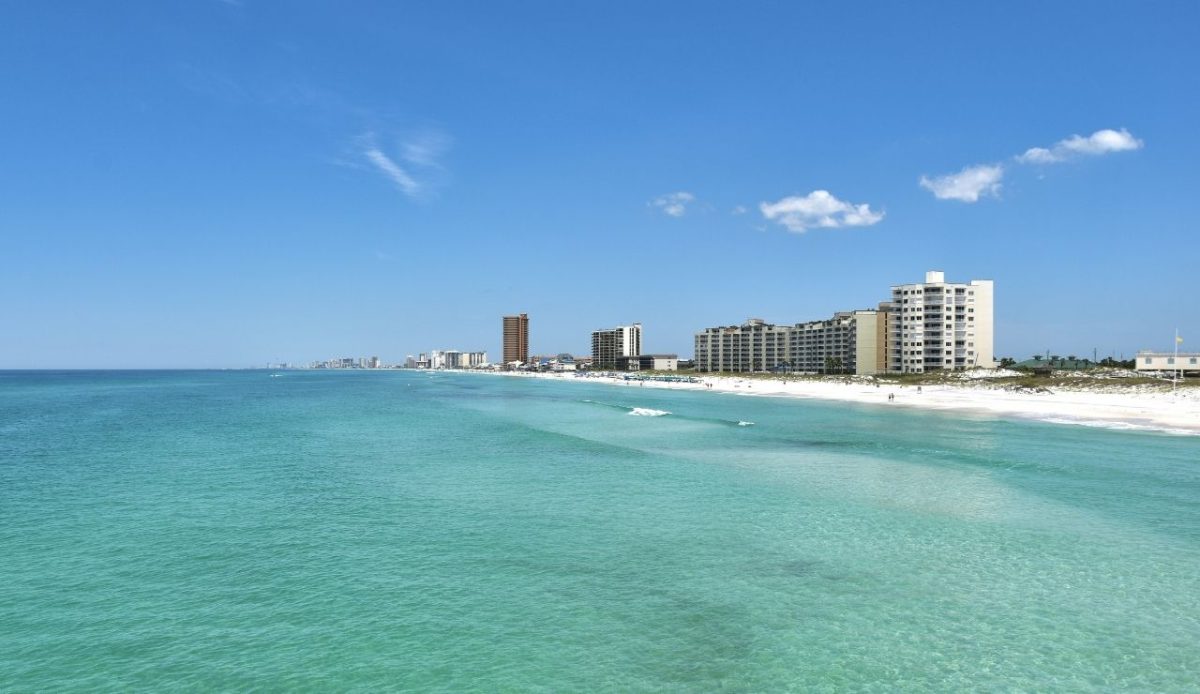
Panama City Beach has long drawn spring break crowds, and city leaders say the volume can tip from busy to unsafe.
After repeated disorder, officials expanded rules and enforcement, including limits on alcohol and stronger policing in entertainment zones. Some seasons added curfew tools for minors and higher fines for violations. Public messaging has urged problem visitors to pick other destinations, reflecting a shift from marketing to deterrence.
Local frustration is tied to injuries, property damage, and the cost of staffing peak weeks. Residents cite gridlocked bridges, littered dunes, and noise that spills into neighborhoods, and they want a family-focused reputation to hold.
3. Key West, Florida
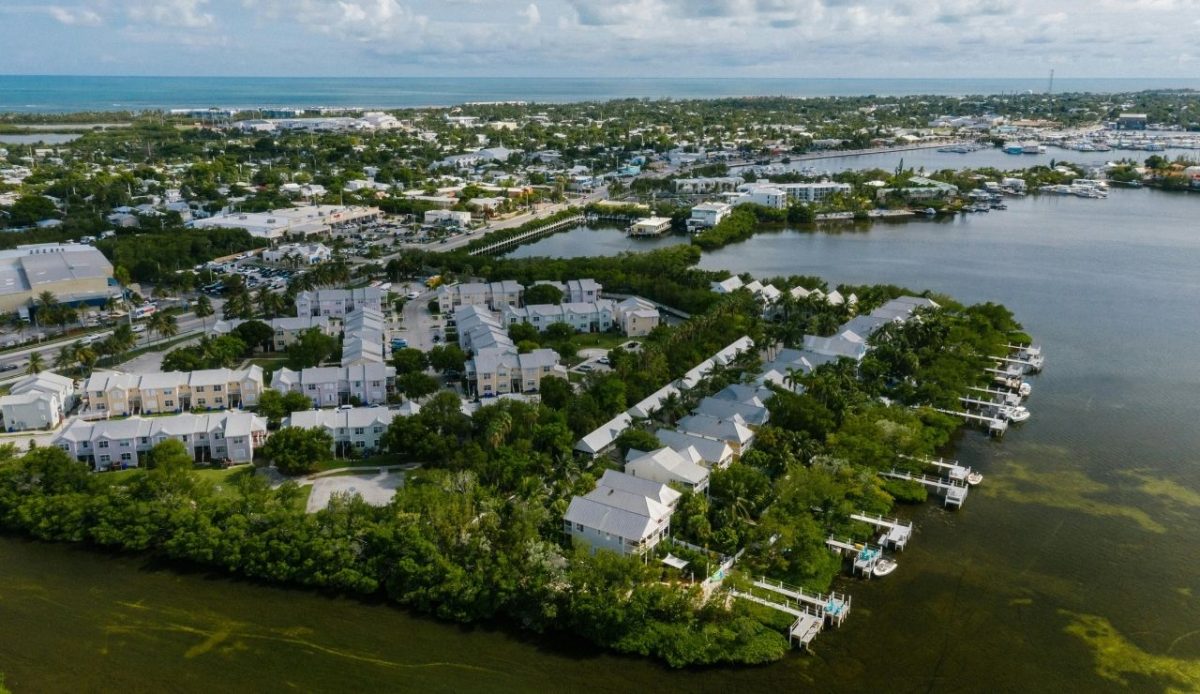
Key West voters backed limits on cruise ships after years of complaints about congestion and strain on a small island grid.
The measures targeted ship size and daily passenger totals, aiming to cut the number of very large calls. A state transportation law later preempted the local vote, and the conflict shifted into court fights and repeated arguments over local control. Residents kept signs up, and leaders looked for alternate routes to reinstate limits.
Anger persists because the port funnels thousands of visitors into a compact downtown at once. Residents argue that sidewalks, wastewater capacity, and reef protection were not built for that scale, even if shops benefit on busy dock days.
4. Gulf Shores, Alabama
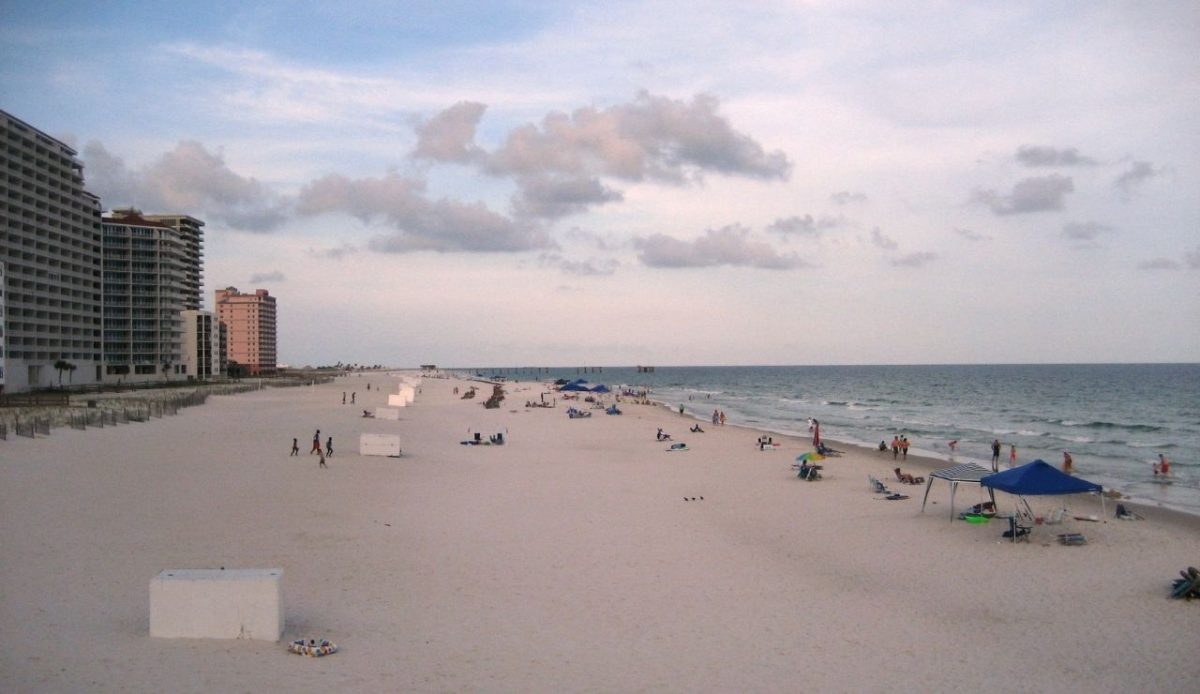
Gulf Shores has used seasonal beach rules to curb spring break behavior after past years brought fights, public intoxication, and injuries.
For Spring Break 2026, the city council approved a ban that makes it unlawful to possess or consume alcohol on the sand of public beach project areas from March 1 through April 28. The rule covers the Gulf front between refuge and state park boundaries within city limits and is backed by fines, towing, and patrols.
Supporters say the policy keeps beaches safer for families and reduces late-night disorder. Critics worry about lost spending, but residents cite calmer crowds, lower cleanup costs, and fewer emergency calls during the busiest weeks.
5. Laguna Beach, California
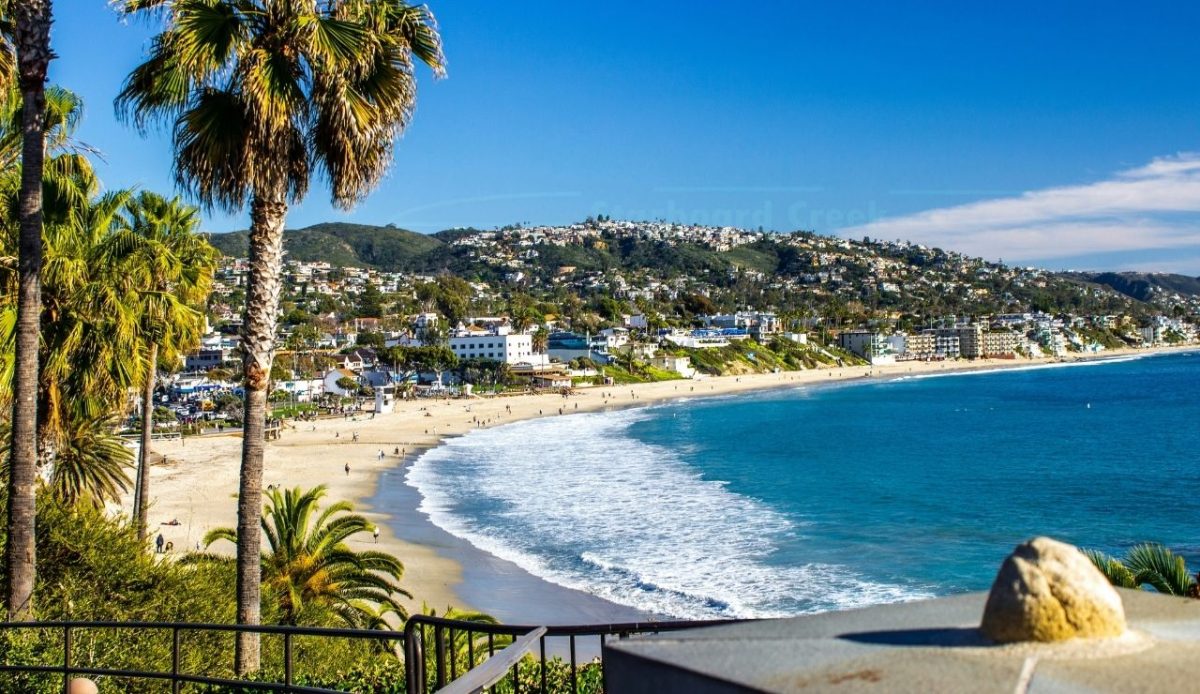
Laguna Beach faces intense summer demand in a small coastal footprint, where steep streets and limited lots magnify crowd pressure.
Complaints from residents often center on short-term rentals that rotate large groups through quiet blocks. City debates have focused on tighter permit rules, compliance checks, and penalties for noise, trash, and illegal occupancy. Beach access disputes have also triggered enforcement when barriers or signs appeared to restrict public use.
The anger is less about visitors existing and more about volume without control. Locals point to gridlocked Pacific Coast Highway, packed stairways, and limited rescue staffing on high surf days.
6. Nantucket, Massachusetts
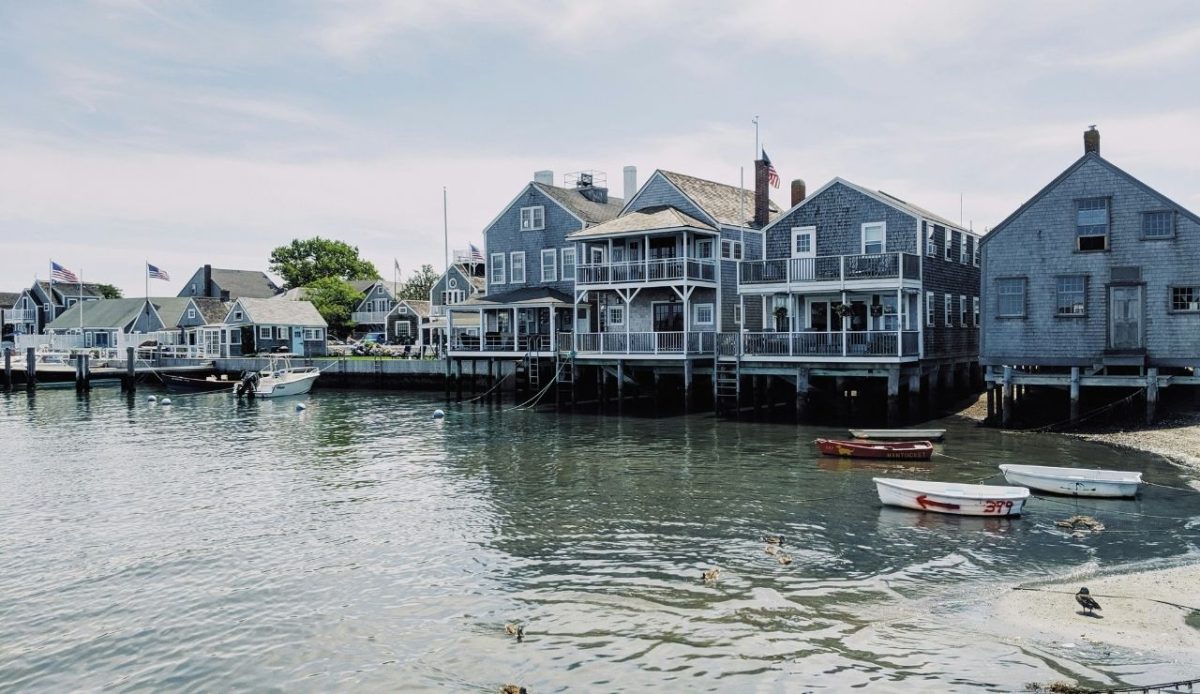
Nantucket’s peak season can multiply the island population every July and August, and the housing market has become the main pressure point behind local backlash.
Short-term rentals and second homes can outbid year-round residents, leaving service workers and public employees scrambling for rooms. Town meetings have repeatedly debated registration systems, occupancy limits, and enforcement capacity, and some disputes have moved into court as rules were challenged.
Residents say the issue is practical, not cultural. Without stable housing, restaurants cut hours, schools lose staff, and basic services weaken, even while beaches and ferries fill at a record pace.
7. Bolinas, California
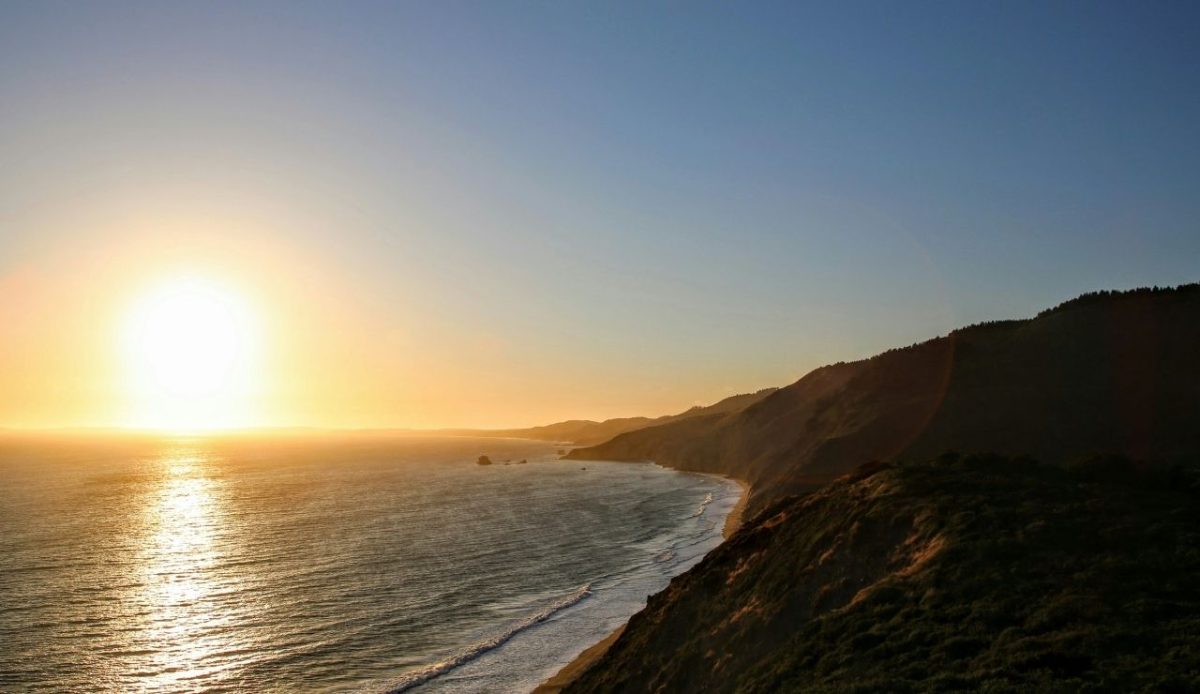
Bolinas, a small Marin County surf town, has wrestled with weekend parking overflow that blocks driveways and narrows emergency access.
A resident permit parking program began implementation in April 2025 for key downtown streets near beach access. The plan restricts overnight parking on parts of Brighton Avenue and Wharf Road to permitted vehicles, and it adds limits for very long vehicles. Enforcement is set to begin as signs go up and sheriff patrols start.
Officials framed the change as safety and livability, not closing the coast. Locals say unmanaged day trips turned public streets into a free campground, and the new rules reset boundaries.
