
Córdoba gives travelers direct access to landmarks that reflect its long and active history. The city layout supports easy movement between major sites, and visitors can cover several important stops within a short distance. Streets in the older areas stay lively throughout the day, which helps travelers understand how residents interact with their surroundings. Museums, courtyards, and open squares provide clear information about earlier communities. The combination of preserved buildings and well-managed public areas allows guests to learn about the region without needing long guided sessions. Córdoba keeps its main attractions accessible, making it suitable for short or extended stays.
1. Mezquita-Catedral of Córdoba
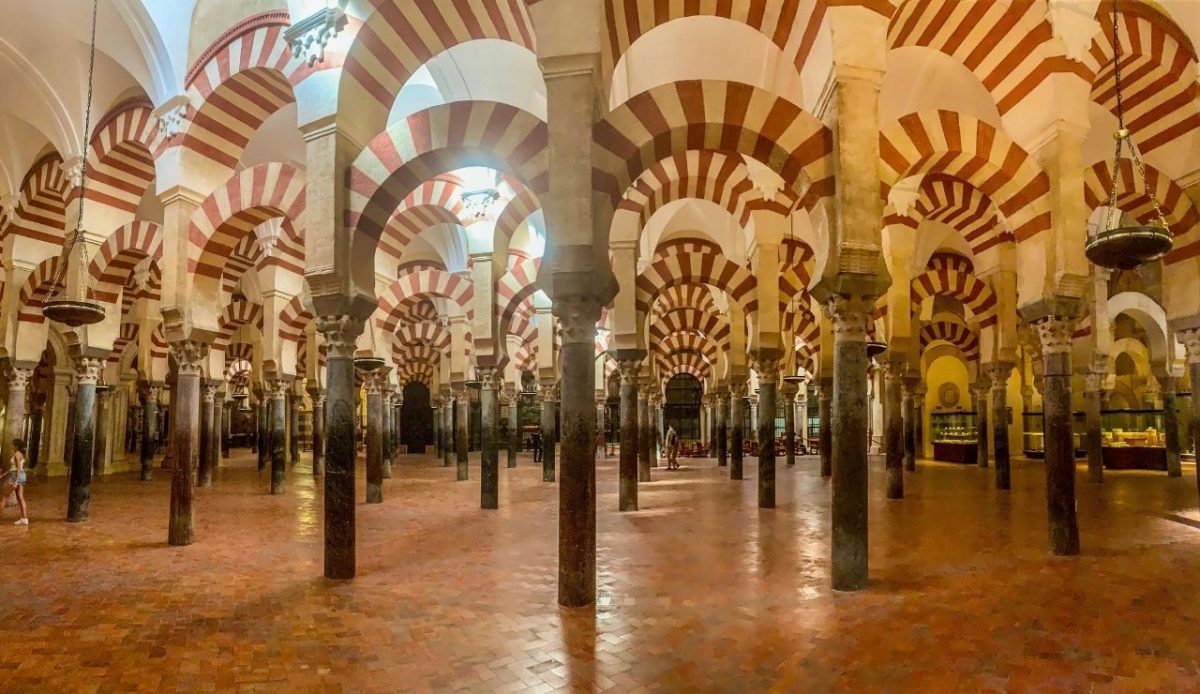
Travelers visit the Mezquita-Catedral to see its hall lined with red and white arches that stretch across the interior. The building shows different periods of construction, and its layout helps visitors understand how the mosque once functioned before the church elements were added. Staff manage large crowds efficiently, so guests move through the space without feeling rushed. People often pause near the mihrab to study its details, and guides explain how earlier rulers expanded parts of the hall. The contrast between the cathedral core and the older design gives travelers a clear picture of Córdoba’s layered past.
2. Roman Bridge of Córdoba
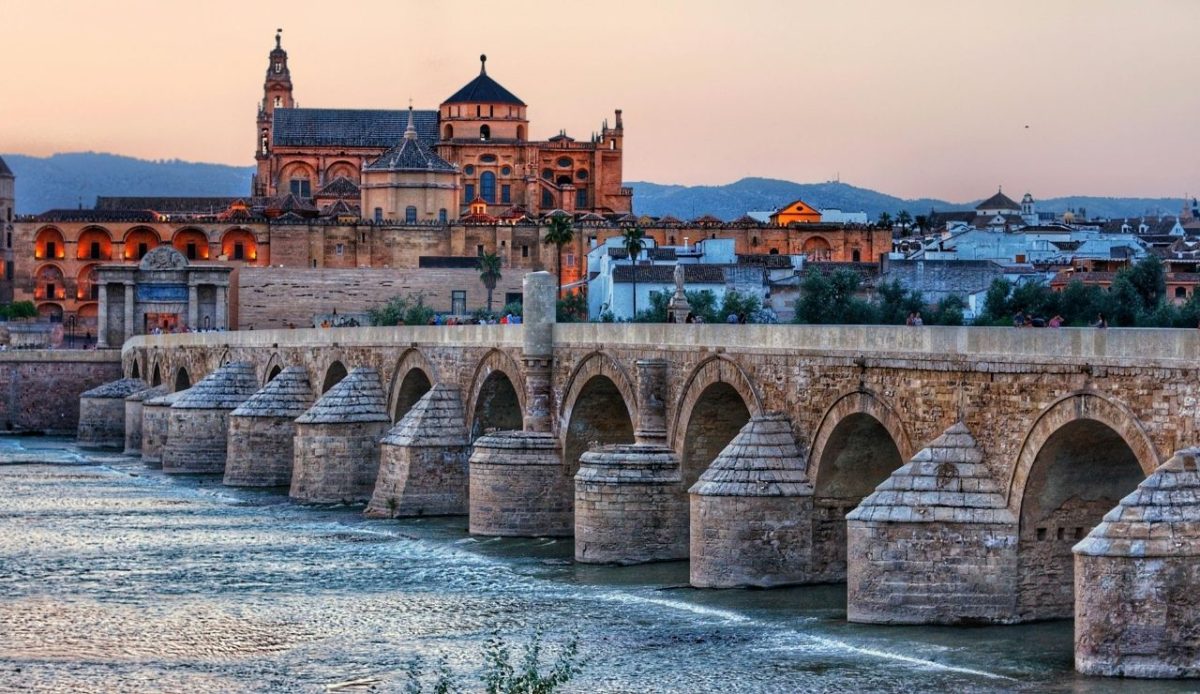
The Roman Bridge draws steady foot traffic throughout the day, and many visitors cross it to see how it frames the city skyline. Photographers stand at both ends because the bridge gives a straight view toward the old town and the Calahorra Tower. People often slow their pace to observe how the river flows beneath the arches, and they use the walk to reach nearby attractions. The lighting at night remains consistent, so travelers feel safe spending time in the area. Local guides also include the bridge in short walking routes to help visitors connect several major sights.
3. Alcázar of the Christian Monarchs
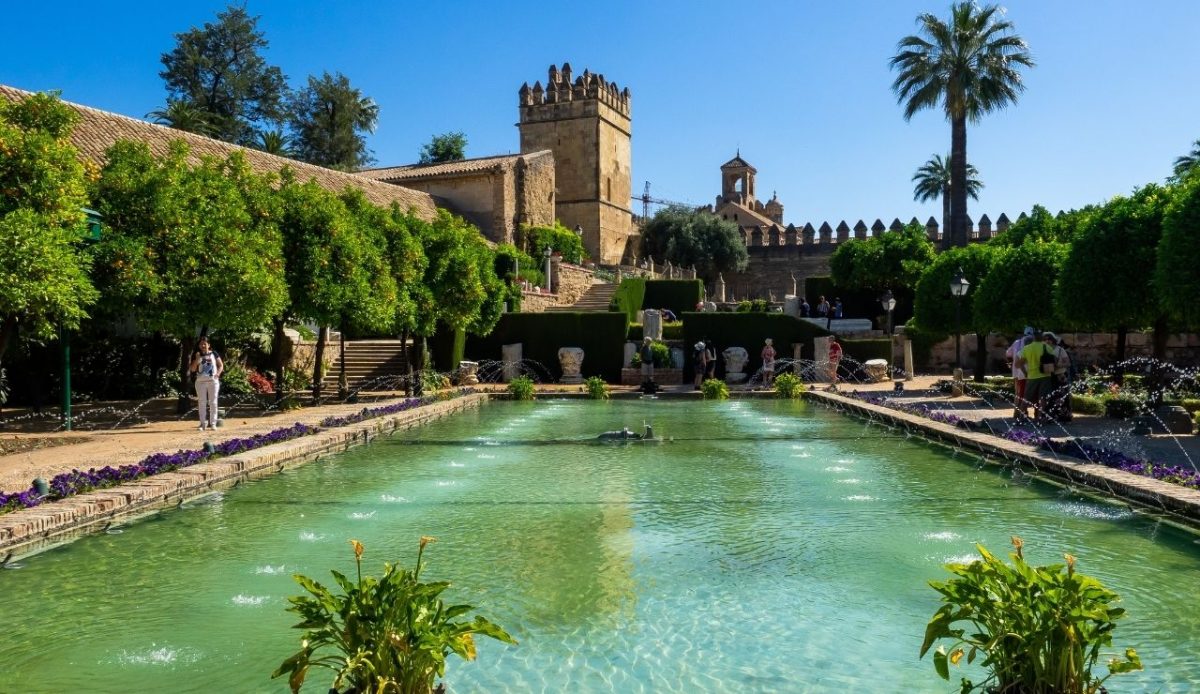
Visitors move through the Alcázar to view its towers, gardens, and historic chambers. The pathways allow travelers to explore the grounds at their own pace, and most people spend time near the ponds because the layout offers clear photo angles. Inside the structure, rooms contain displays that explain how past rulers used the building. Staircases lead to viewpoints where guests observe the old city from above, giving a better sense of the Alcázar’s location. The site staff maintain tidy surroundings, so travelers can focus on the building’s layout, garden plan, and key historical moments linked to the palace.
4. Jewish Quarter (La Judería)
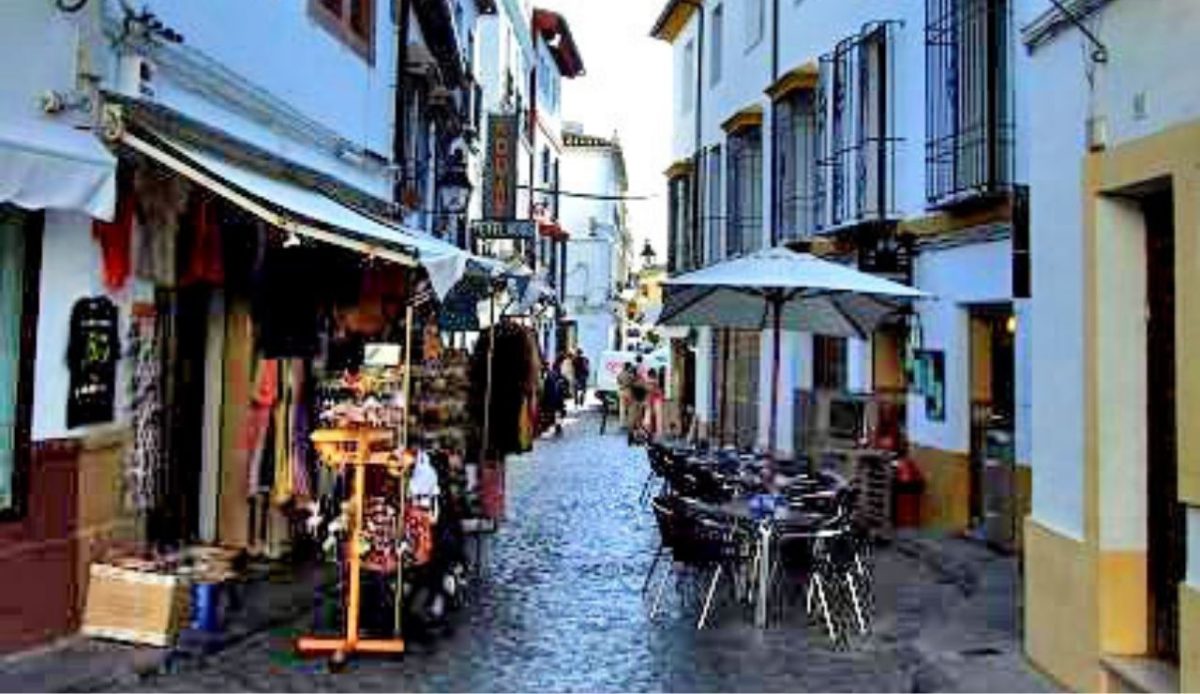
People walk through the Jewish Quarter to experience its network of narrow streets that connect shops, small courtyards, and historic houses. The area stays active throughout the day, and visitors often stop to read plaques that describe past communities that lived there. The whitewashed walls keep the lanes bright, which helps with photography in tight spaces. Many travelers include the Synagogue in their route since it gives a direct look at religious design from earlier centuries. Restaurants and craft stores line several streets, so visitors easily combine a short walk with food stops or souvenir shopping.
5. Medina Azahara
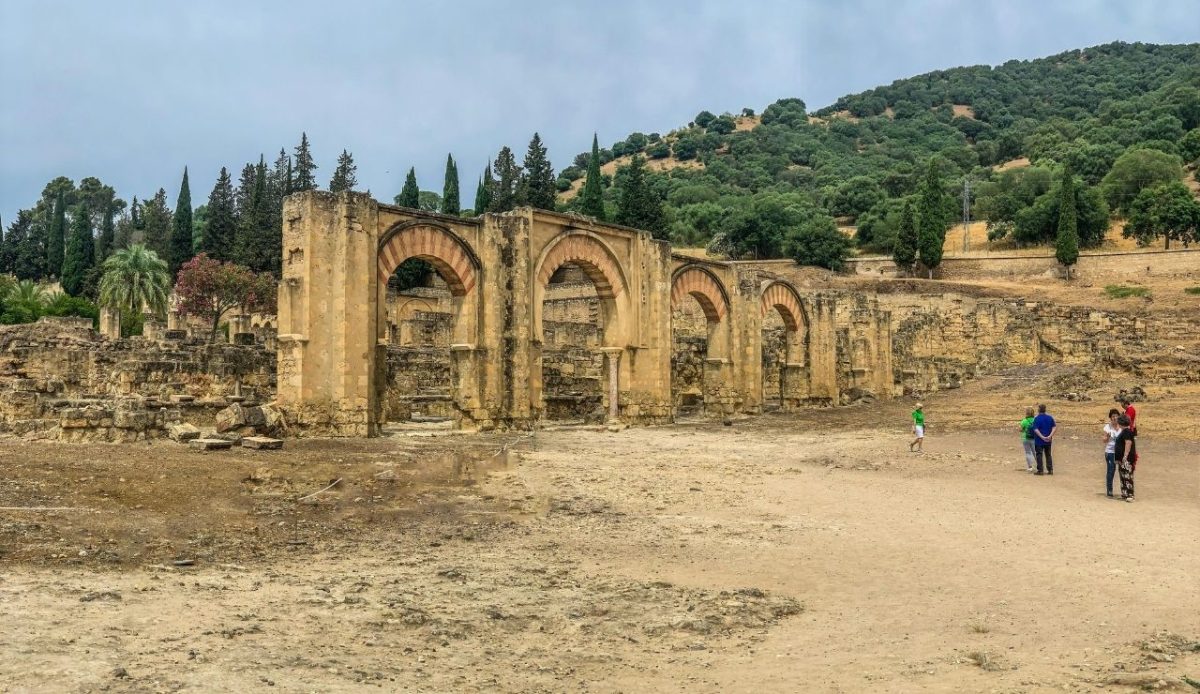
Medina Azahara stands outside the city center, and travelers usually reach it through a short shuttle ride from Córdoba. Guides explain how the site once operated as a ruling complex, and visitors move through the excavated zones to see building foundations, carved stone, and restored structures. People often pause at the viewpoint overlooking the valley because it helps them imagine the scale of the original city. Interpretive signs give clear context, allowing visitors to understand how power and daily life functioned here. The museum near the entrance supports the visit with artifacts and detailed explanations.
6. Patios of Córdoba
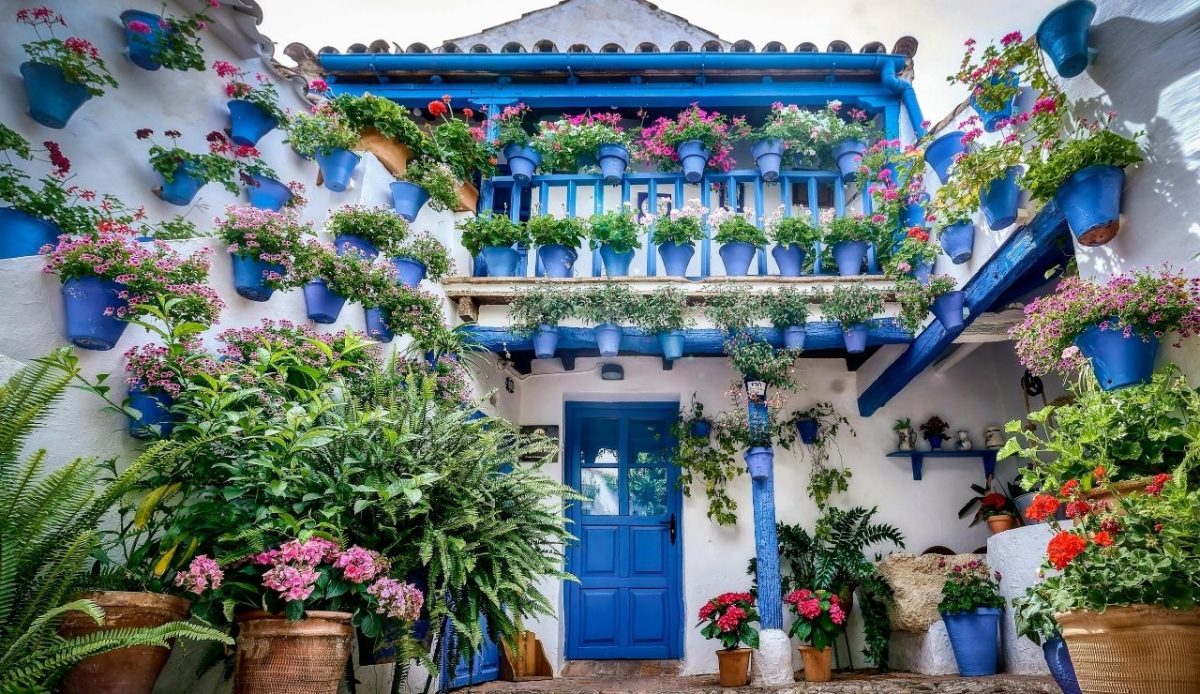
Travelers visit the Patios of Córdoba to see how residents arrange plants, tiles, and small fountains within enclosed spaces. The layout differs from house to house, so visitors observe different design choices as they move through each courtyard. During the annual festival, volunteers guide people through the routes and explain how families maintain these spaces throughout the year. Even outside the festival period, selected patios remain open, giving travelers easy access without large crowds. Most guests take time to photograph the walls because the setup offers a close look at traditional home life in the city.
7. Plaza de la Corredera
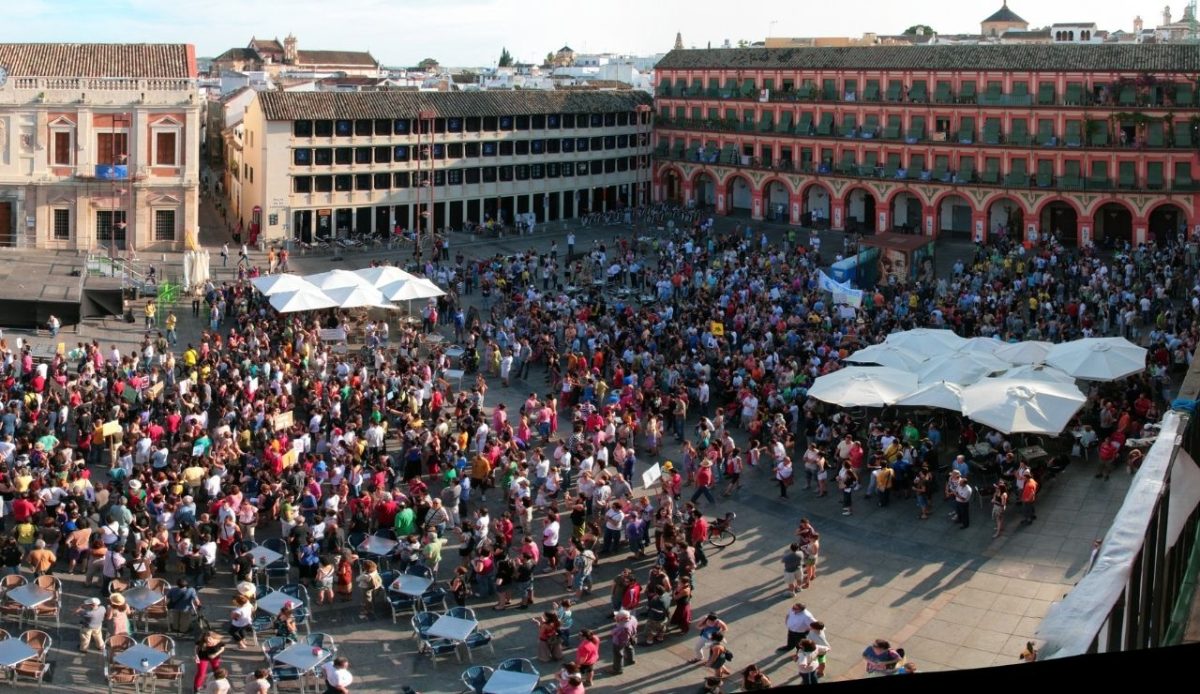
Plaza de la Corredera attracts steady foot traffic as people approach it for its large open layout and surrounding arcades. The square gives travelers many seating options, and restaurants fill their outdoor tables throughout the day. Visitors watch daily routines unfold while they rest, which helps them understand how residents use the plaza. The broad space supports local events, so travelers may encounter live activities when passing through. Many guests stop for photos because the buildings display consistent colors and symmetrical windows, giving the square a clear and recognizable appearance in guidebooks and online searches.
