
Historic hotels don’t just sell nostalgia; they’re often built to outlast the worst day a city can have. Across the U.S., landmark properties have been hit by fires, hurricanes, earthquakes, and surprise emergencies that forced evacuations and closures.
What makes them “historic” isn’t only age, but the way communities rebuild around them. Owners restore original features, update safety systems, and reopen to prove the place still belongs on the map.
These seven hotels have documented disaster moments and a clear “back in business” chapter, showing how preservation, insurance, and pure stubbornness can bring a famous lobby back to life for travelers.
1. The Jefferson Hotel, Richmond, Virginia
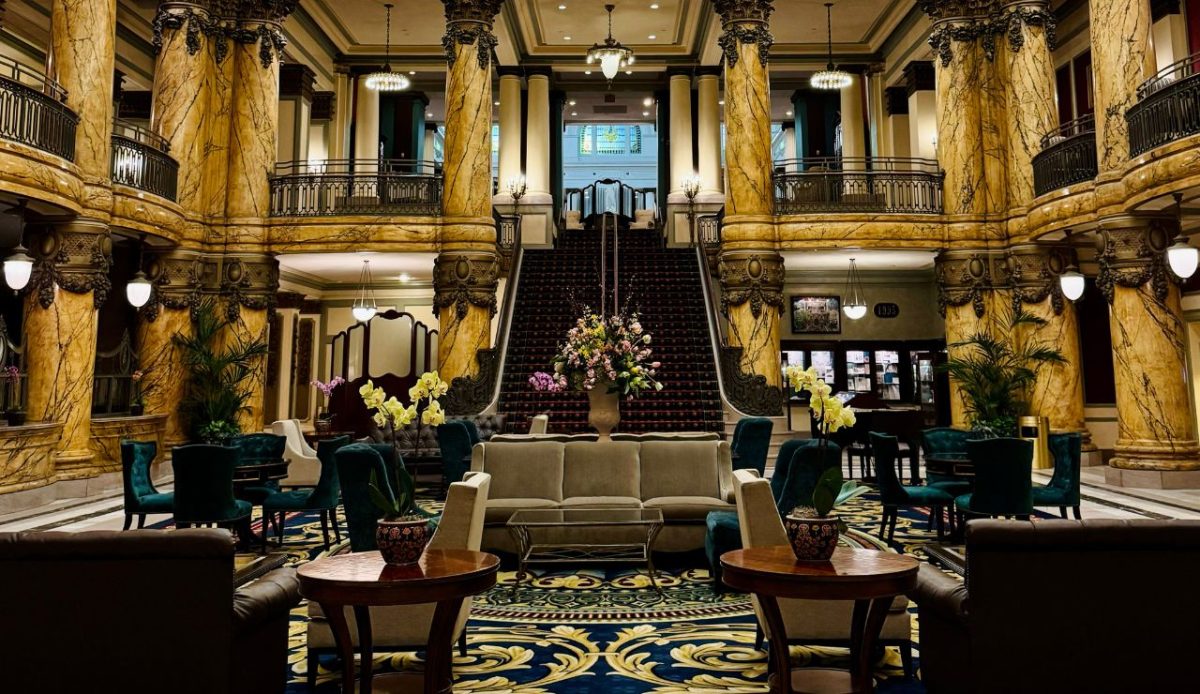
A 1901 fire tore through The Jefferson’s interior, destroying much of what had made it Richmond’s showpiece. Reports from the hotel’s own history describe a defective wire that helped spark the blaze, turning a luxury address into a long restoration project.
Instead of abandoning the property, the owners staged a phased comeback. A block of guestrooms on Franklin Street reopened in 1902, while the most damaged sections waited for funding, design, and hard reconstruction.
By 1907, the restored hotel fully reopened, keeping the dramatic public spaces that guests remember while updating the hidden systems, an early case of “historic look, safer bones.”
2. The Fairmont San Francisco, California, USA
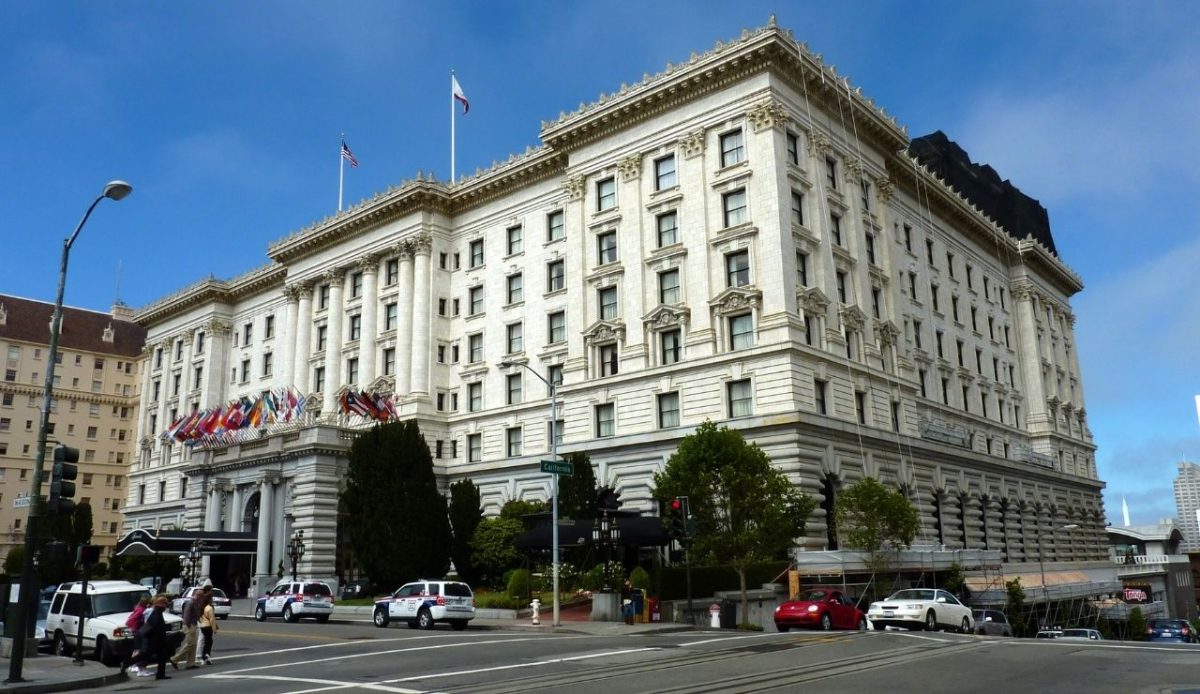
The Fairmont San Francisco was nearly finished when the 1906 earthquake hit. The structure itself held up, but the citywide fires that followed gutted the hotel’s interior, delaying its big debut and forcing major repairs.
Rather than scrap the project, new owners doubled down and brought in engineer-architect Julia Morgan to help rebuild using techniques suited for seismic risk. That decision shaped how the building was strengthened and finished.
The hotel finally opened in 1907, turning a near-miss into a selling point. Its story is basically: built for grandeur, tested by catastrophe, then launched with real resilience baked into the brand today.
3. The Breakers, Palm Beach, Florida
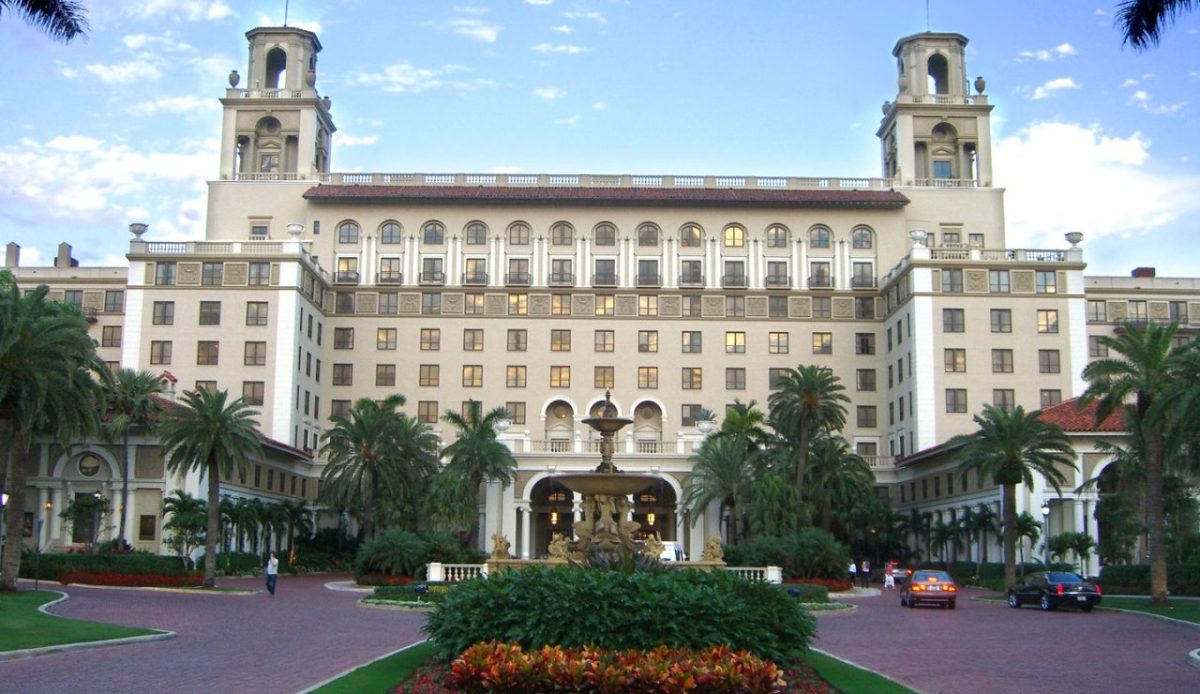
In June 1903, The Breakers in Palm Beach burned down while workers were expanding the original wooden resort. Henry Flagler didn’t treat it as an ending. Within weeks, he publicly committed to rebuilding and getting guests back for the next winter season.
The replacement hotel went up fast, designed to be more durable and less vulnerable to the kind of fire that erased the earlier structure. Rebuilding was also a business move: keeping Palm Beach on the luxury circuit depended on a marquee property staying open.
The Breakers reopened in 1904, and the “we rebuilt it anyway” moment became part of its identity. It’s a reminder that survival sometimes means restarting from zero.
4. The Roosevelt, New Orleans, Louisiana
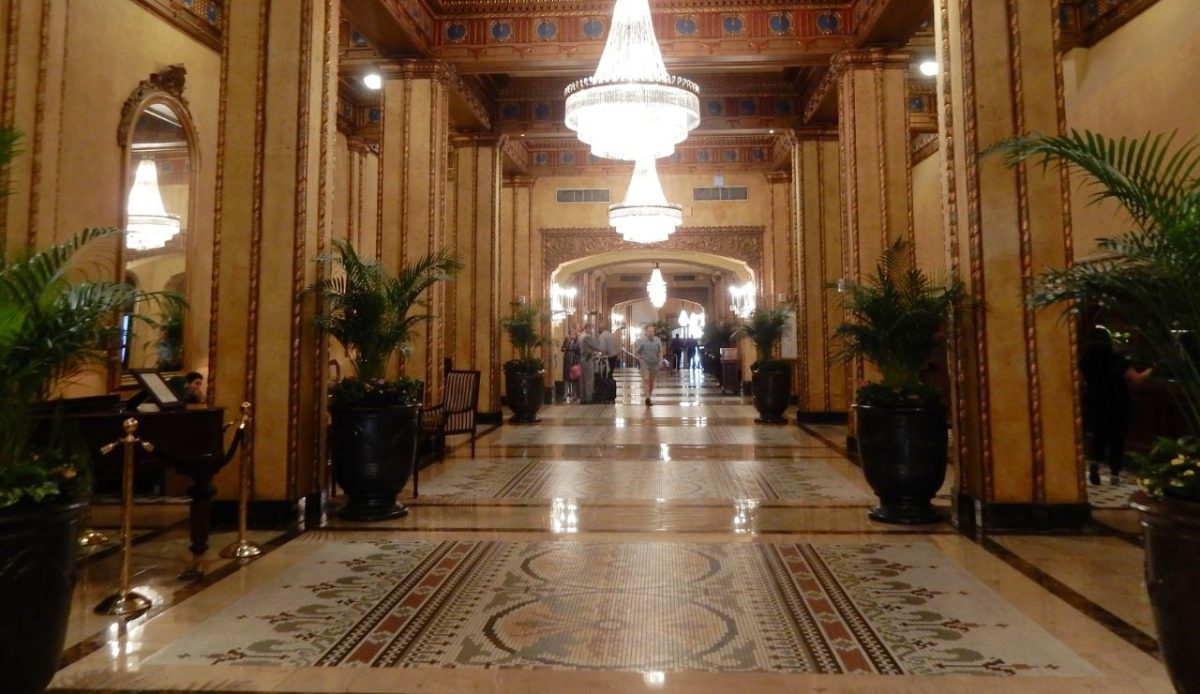
Hurricane Katrina didn’t just knock out power in New Orleans; it flooded and battered major buildings, including The Roosevelt. Reports on its reopening noted around 10 feet of water in the basement, which helped force a long closure instead of a quick mop-up and repaint.
The comeback required a full-scale renovation, with systems, interiors, and public spaces brought back to a standard that could handle modern expectations and tougher resilience planning.
The Roosevelt reopened in 2009 after a major investment, turning a storm-era shutdown into a reset for the property. For travelers, it’s proof that “historic” can mean actively rebuilt, not just carefully preserved.
5. Timberline Lodge, Mount Hood, Oregon
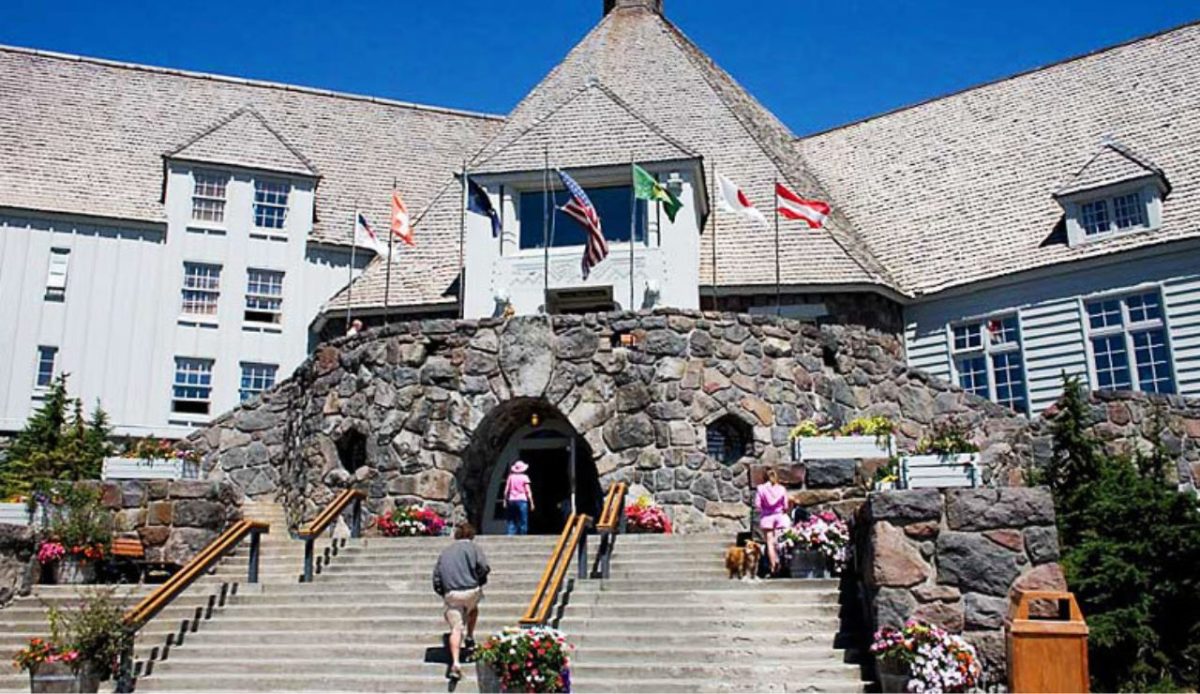
Timberline Lodge on Mount Hood is a 1930s WPA-built landmark, and it got an unwanted stress test in April 2024 when a fire broke out in the roof and attic area. Guests were evacuated, but early assessments described the damage as localized rather than a total-loss nightmare.
Fire crews contained the blaze quickly, and the lodge coordinated relocations and safety checks so the incident didn’t spiral into a longer shutdown. The nearby ski operations also resumed shortly after.
The headline detail is the turnaround: the lodge planned to reopen to guests within days of the fire. It’s a modern example of disaster response plus preservation, protect the structure, then get the doors open again.
6. Omni Grove Park Inn, Asheville, North Carolina
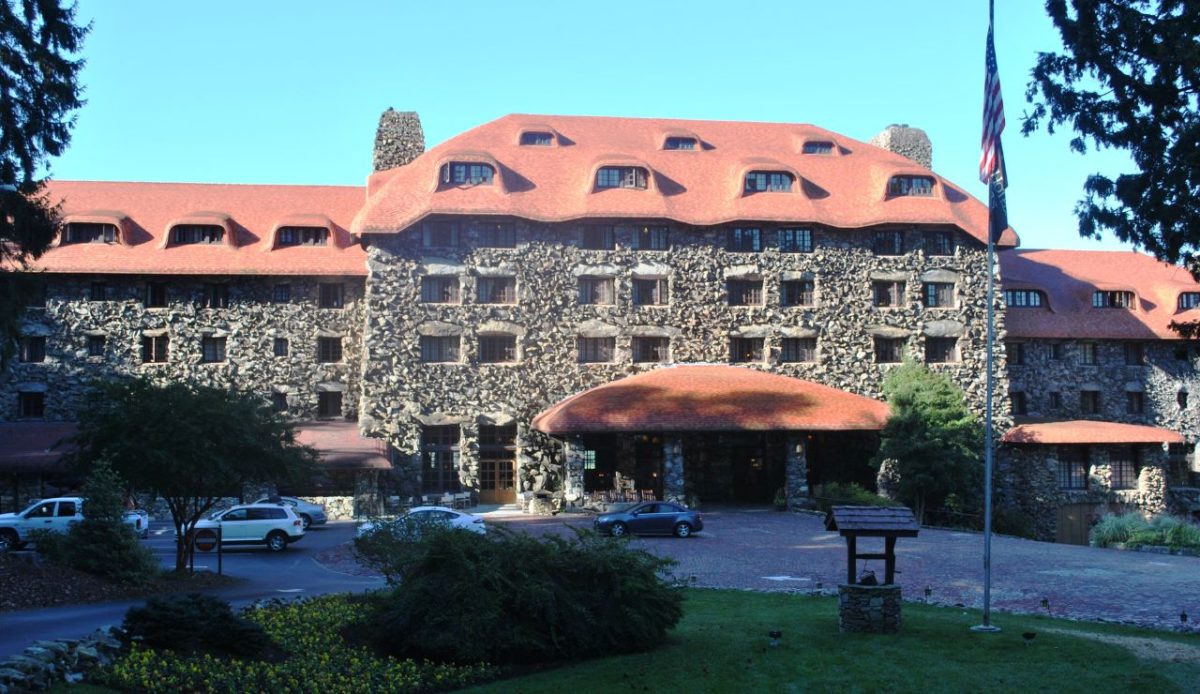
Asheville’s Grove Park Inn has been a mountain icon for more than a century, and it faced a hard interruption after Hurricane Helene damaged the area in 2024. Like many historic properties, it had to pause normal operations while crews assessed impacts and made repairs that guests never see.
The reopening wasn’t a vague “sometime soon” promise. Coverage of the recovery reported that the main inn would welcome guests again on November 15, 2024, with key amenities returning in stages.
That timing mattered for the city as much as the hotel: a high-profile reopening signals that a destination is stabilizing. In this case, the landmark stayed standing, then got back to hosting travelers.
7. Grand Galvez, Galveston, Texas
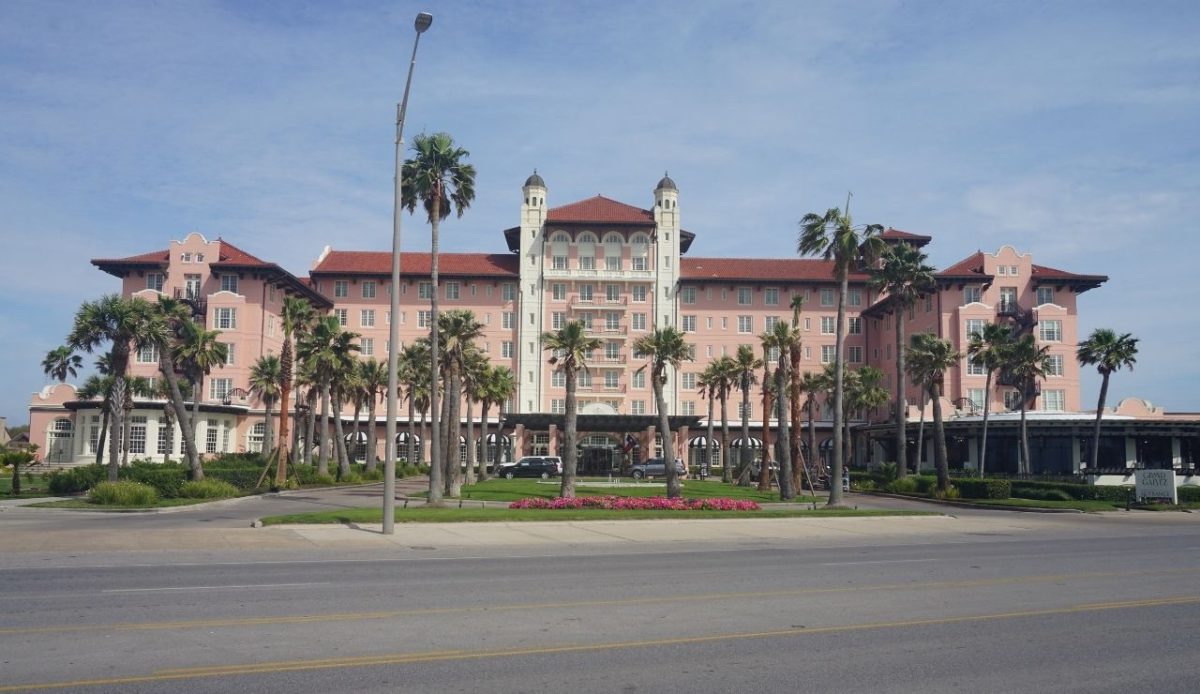
On Galveston Island, the Grand Galvez (long known as Hotel Galvez) has spent its life in hurricane territory, so “survival” is basically part of the job description. The property’s published timeline notes that during Hurricane Alicia in 1983, guests even took refuge there as the storm hit.
Alicia still caused significant damage, and the hotel closed to repair what wind and water can wreck: building envelope, interiors, and critical utilities. The point wasn’t just to patch; it had to be safe to run.
According to the hotel’s history, it reopened the next year after repairs were completed. That reopened chapter is what keeps a coastal landmark from becoming a footnote in storm history.
