
Europe’s thermal spa traditions stretch back centuries, blending geothermal wonders with wellness rituals and cultural heritage. From volcanic lagoons in Iceland to historic bath towns in Germany and thermal pools cascading through Tuscan landscapes, these destinations invite travelers to soak away stress while enjoying local culture, scenery, and cuisine. Each destination has its own personality, from architectural masterpieces to rustic thermal waters in pastoral settings. Explore seven European thermal spa destinations worth a trip, whether seeking historic bathing culture, breathtaking landscapes, or restorative relaxation.
1. Blue Lagoon & Sky Lagoon, Iceland
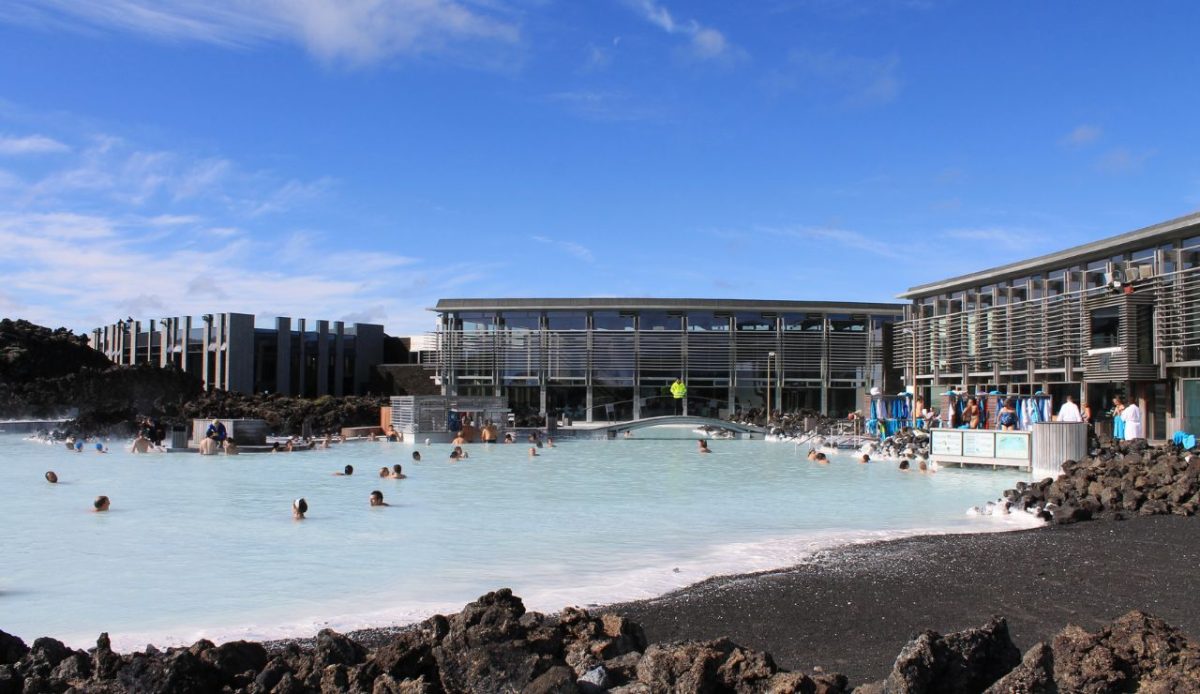
Iceland is volcanic at its core, and its geothermal waters have been used for bathing for centuries. The Blue Lagoon, near Keflavik, became a global icon after opening in 1987 and remains a bucket‑list spa thanks to its milky‑blue, mineral‑rich waters set in a lava field. Nearby, Sky Lagoon offers a dramatic infinity pool overlooking the Atlantic, naturally heated and ideal for relaxation with ocean views. A soak here is both scenic and restorative, perfect after exploring Iceland’s rugged landscapes. Its combination of nature, wellness, and social bathing culture makes Iceland one of Europe’s most memorable thermal spa destinations.
2. Cascate del Mulino, Saturnia, Italy
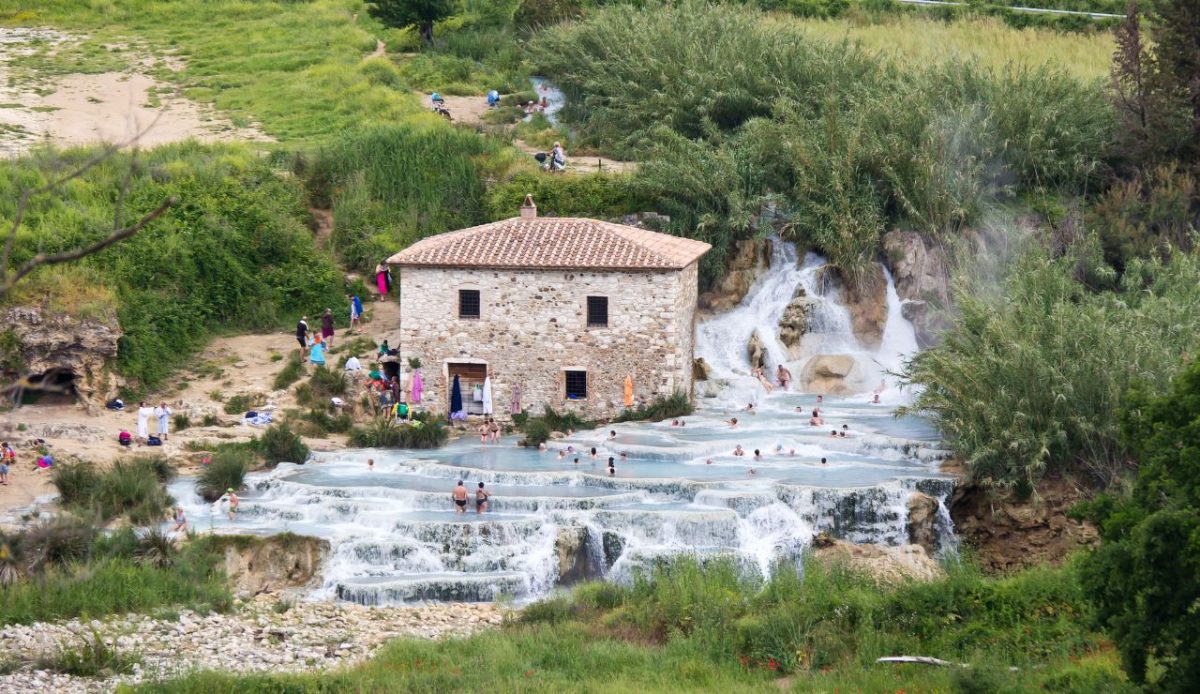
Tuscany’s Cascate del Mulino offers one of Europe’s most cinematic spa experiences in the heart of the Italian countryside. Hot sulfur‑rich water tumbles over natural limestone into a series of milky‑blue thermal pools near Saturnia. Unlike many spa resorts, these cascades are free and open‑air, surrounded by rolling hills, vineyards, and olive groves. The setting evokes centuries of tradition dating back to Roman times, and arriving early or near sunset provides magical light and peaceful soaking. Combining idyllic Tuscan scenery with effortless wellness makes Saturnia a bucket‑list stop for spa lovers and casual travelers alike.
3. Therme Vals, Vals, Switzerland
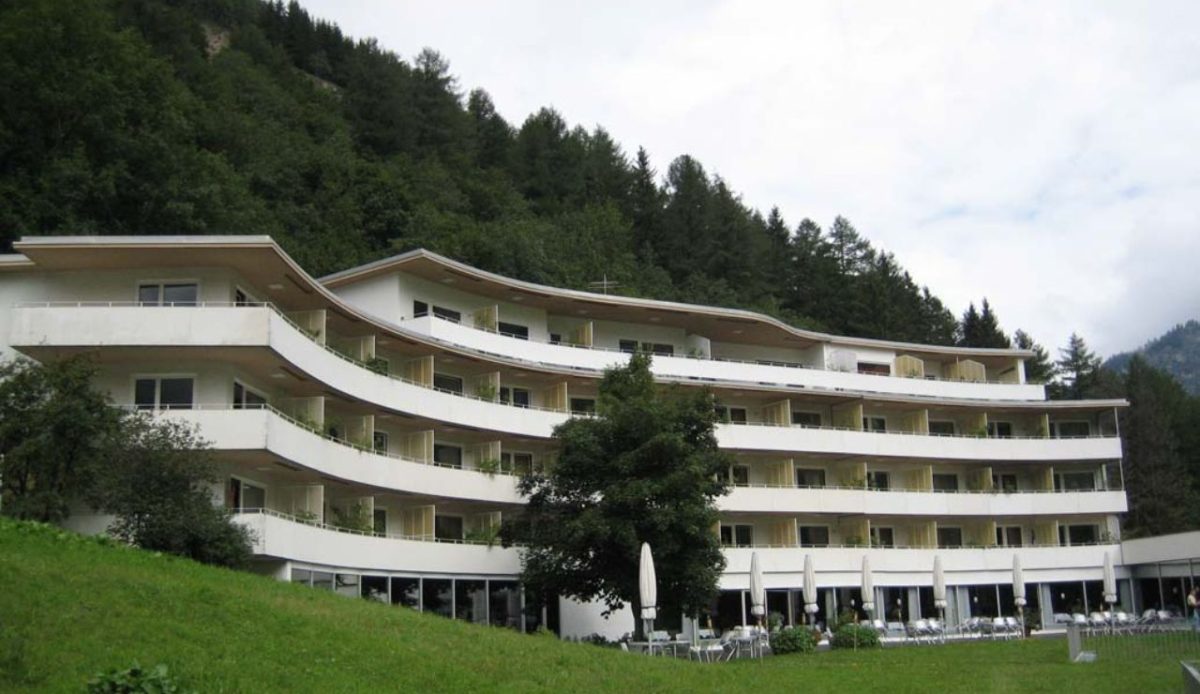
In the Swiss Alps, Therme Vals is a thermal spa experience of art, architecture, and relaxation. Built into the mountainside from 60,000 quartzite slabs, the facility was designed by architect Peter Zumthor and feels like a monumental sculpture as much as a spa. Thermal waters from the Valser Valley flow into pools from icy cold to soothingly warm, surrounded by dramatic stone and light. The architectural focus and mineral-rich springs create a calming environment, attracting visitors seeking wellness and design inspiration. Staying at the adjoining 7132 Hotel enhances the experience, offering alpine luxury alongside healing waters.
4. Baden‑Baden, Germany
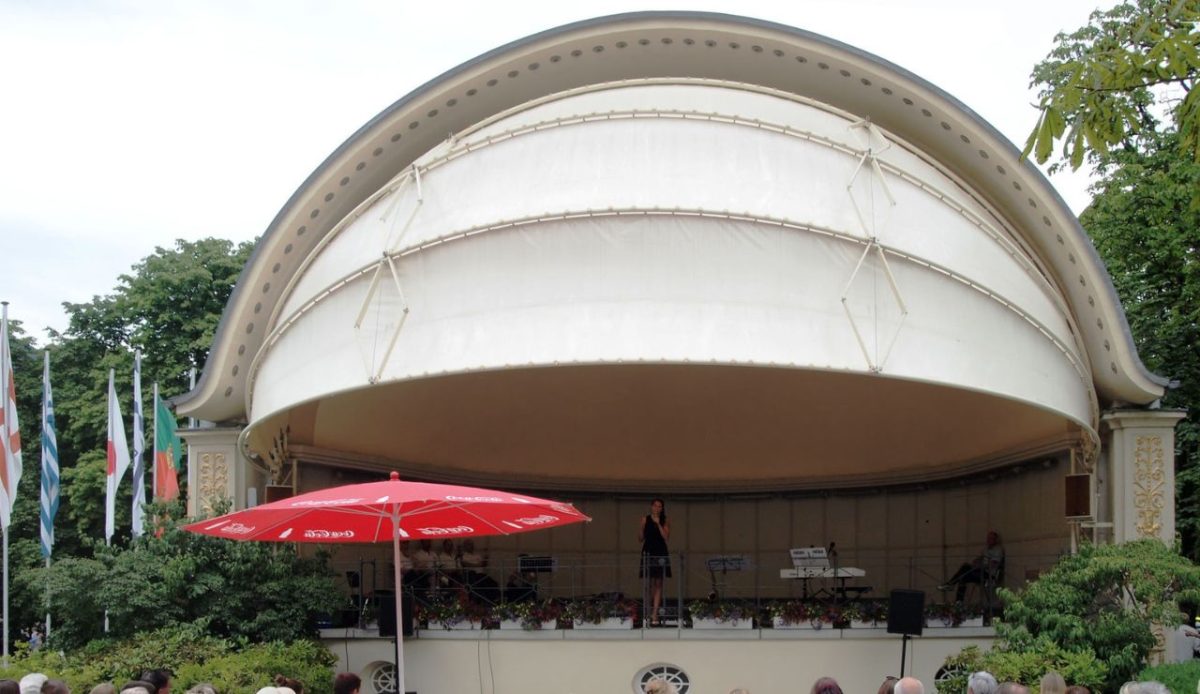
Baden‑Baden has been a spa icon since Roman times, with more than a dozen thermal springs beneath the Black Forest feeding its classic bath culture. The spa experience blends historic elegance with modern wellness. Friedrichsbad, a neo‑Renaissance bathhouse, offers a traditional sequence through steam rooms, thermal baths, and cold plunges. Nearby, Caracalla Spa focuses on contemporary facilities with large indoor and outdoor pools, grottoes, and massage jets. The town’s boulevards, parklands, and wellness hotels complement the thermal experience, making Baden‑Baden a choice for those seeking European spa history and restorative bathing.
5. Széchenyi Baths, Budapest, Hungary
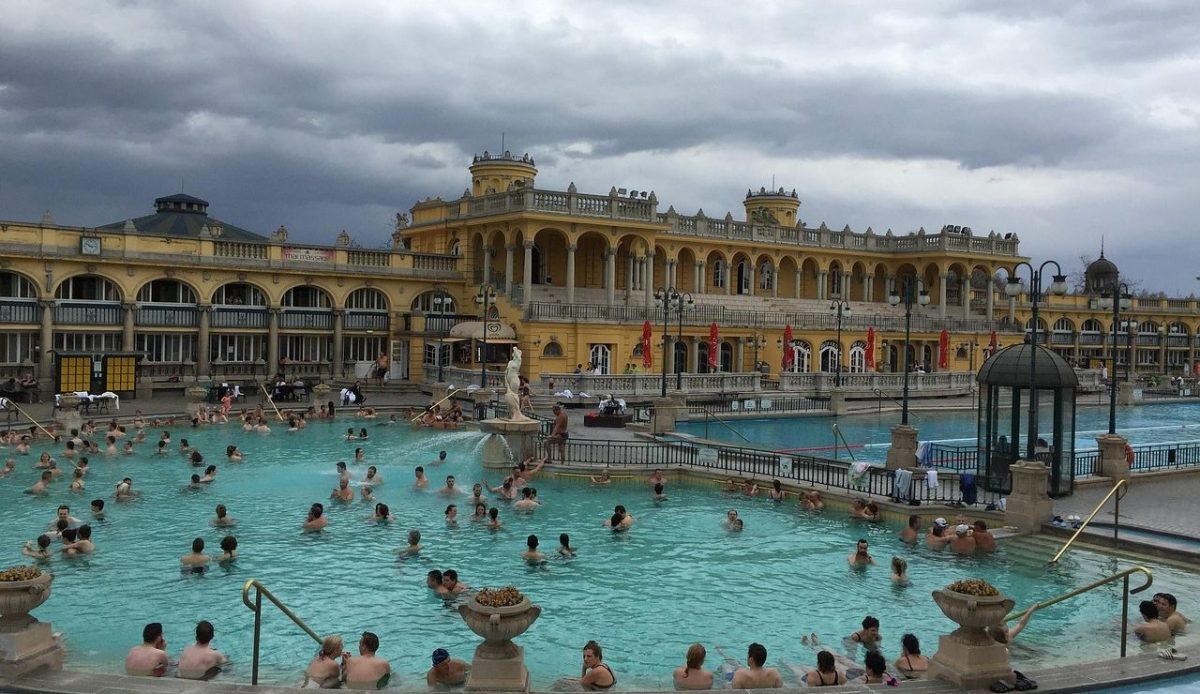
Budapest is called the “City of Spas,” home to over 120 natural thermal springs and a bathing culture dating back to Roman, Turkish, and modern times. Széchenyi Thermal Bath is one of Europe’s largest bath complexes, with indoor and outdoor pools fed by water from deep below the city. Its neo‑Baroque architecture and social bathing culture make it a highlight for wellness travelers. The water’s high mineral content is believed to aid circulation and relieve aches. Year‑round use, including heated outdoor pools in winter, plus an accessible location in City Park, make Széchenyi a must‑visit destination for thermal spa lovers.
6. Piešťany, Slovakia
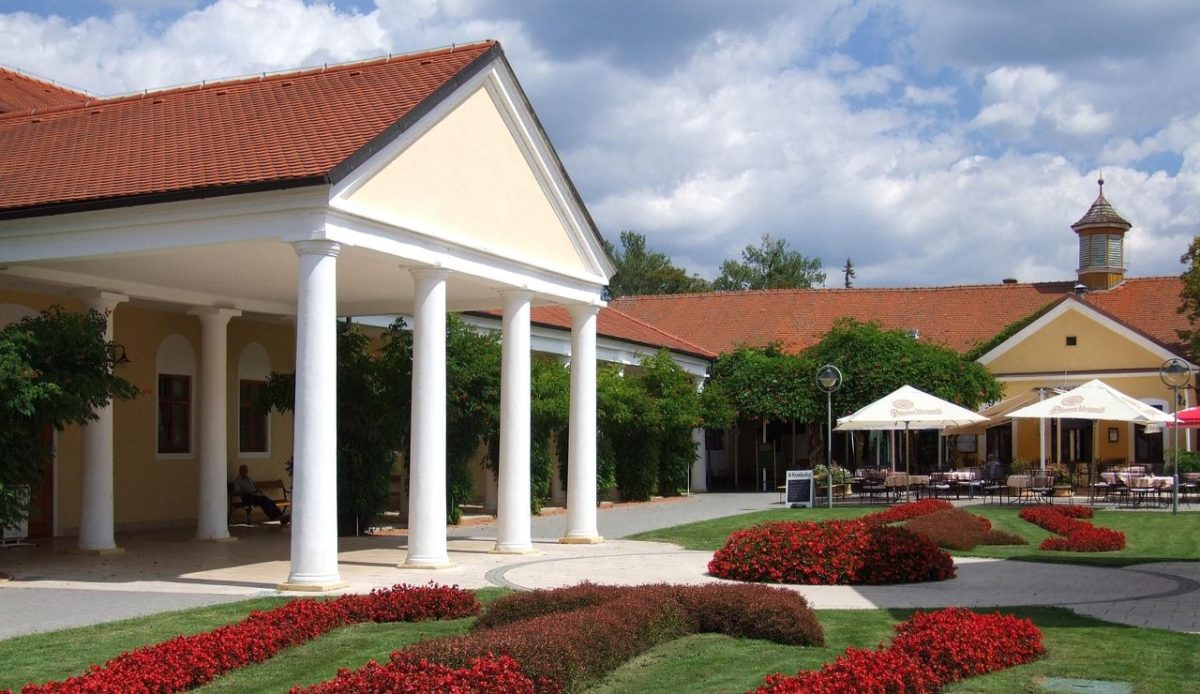
Piešťany is Slovakia’s most renowned spa town, known for thermal springs, mineral mud treatments, and park settings along the Váh River. With centuries of history, it has become a center for therapeutic care and wellness tourism. Outdoor thermal pools, Belle Époque architecture, and walking paths provide a relaxing retreat for all seasons. Its healing thermal waters and mud are used to treat musculoskeletal issues and promote relaxation. Affordable and scenic, Piešťany combines wellness with traditional European spa town charm, ideal for visitors seeking restorative travel without overwhelming crowds.
7. Thermal Spa of Peso, Melgaço, Portugal
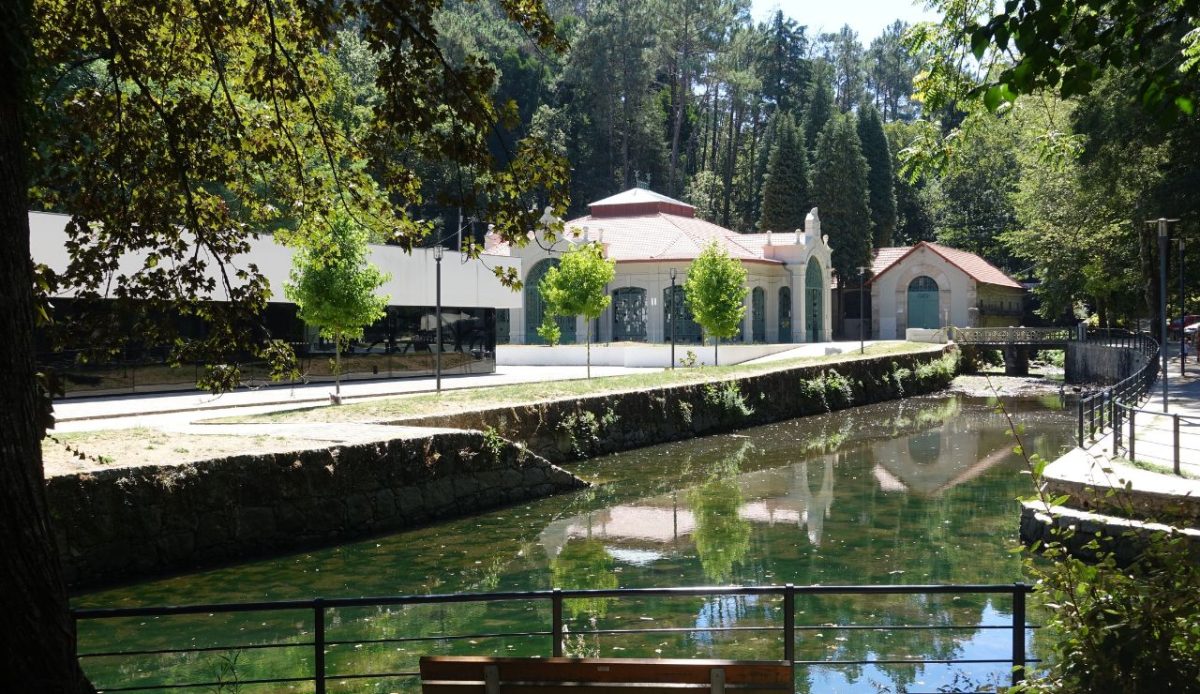
In northern Portugal, the Thermal Spa of Peso (Thermas do Peso) showcases historic spa culture amid a granite‑walled spa park in Melgaço. The 19th‑century spa harnesses local thermal waters believed to have therapeutic properties, attracting visitors for digestive, respiratory, and musculoskeletal benefits. Its baroque architecture and riverside setting add charm, while modern treatments complement the springs. Close to scenic Minho vineyards and cultural villages, Peso invites travelers to experience Portugal’s thermal heritage, ideal for those seeking authentic spa history combined with peaceful rural landscapes.
