
Medical care is easy to assume until something goes wrong, far from a strong hospital network. These destinations were chosen because official travel health guidance warns that advanced treatment is scarce, often concentrated in one city, and that evacuation may be needed for serious problems. Distance, weather, and supply gaps can slow response times, while payment rules can block care. Knowing the limits ahead of time helps travelers choose safer routes, carry the right insurance, and plan how they would reach higher-level treatment if an emergency occurs. It also guides what prescriptions to bring when local pharmacies run short.
1. Antarctica
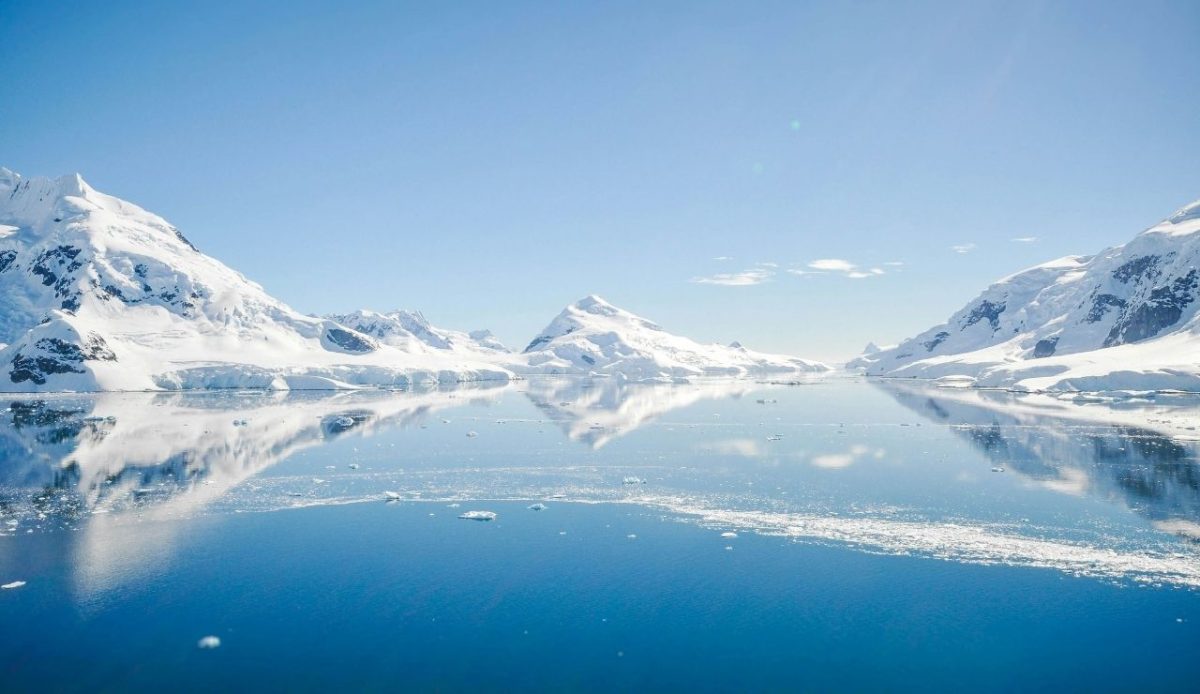
Antarctica has no public hospital system, so care is limited to small clinics at research bases and medical teams on expedition ships. Doctors can treat minor illnesses and stabilize injuries, yet imaging, surgery, and intensive care are not available on the continent. Evacuation can be delayed by storms, darkness, sea ice, or aircraft range limits, which means time matters more than usual. Because transport to South America can cost a fortune, comprehensive medical and evacuation coverage is strongly advised before departure. Even a simple fall may be managed aboard for days while conditions decide if a flight can launch.
2. Madagascar
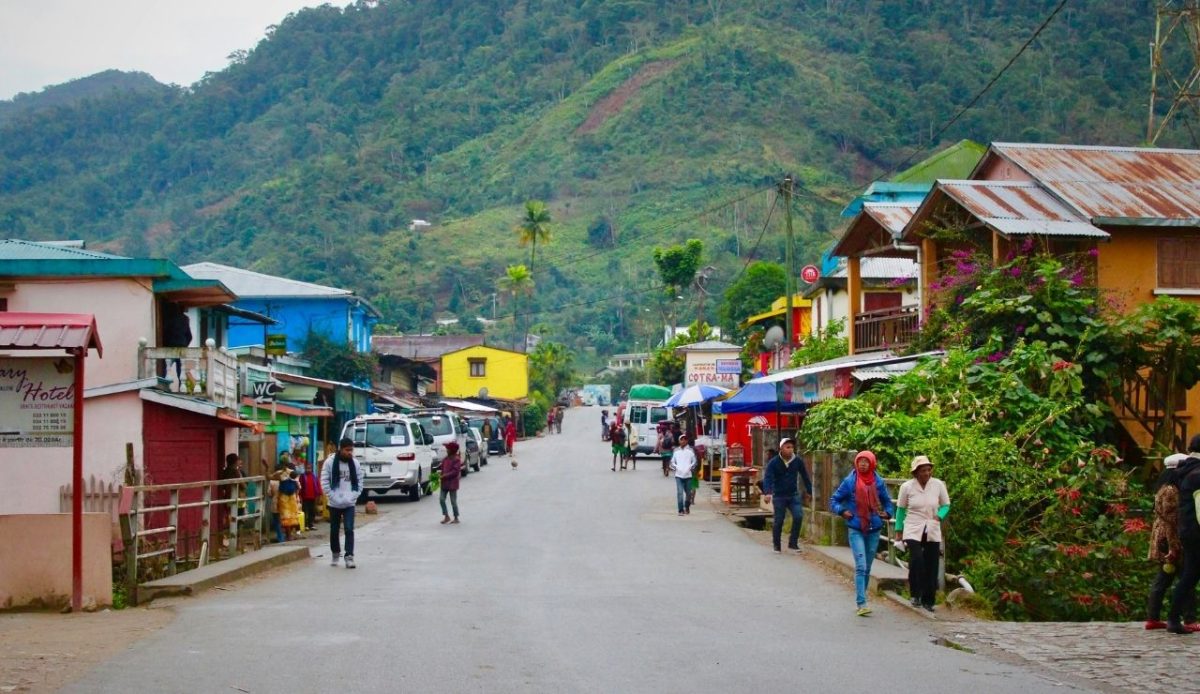
In Madagascar, official guidance notes that hospitals have limited equipment and that skilled specialist care is scarce. Outside Antananarivo, many facilities can provide only basic services, and shortages of medicines and reliable power may affect treatment. Road travel between towns can be slow, so reaching a capable clinic after an accident may take many hours. For severe trauma, cardiac events, or complicated infections, travelers are often advised to plan for evacuation to a nearby country with higher-level care. Payment is frequently expected before services are provided, which can add delays during emergencies.
3. Papua New Guinea
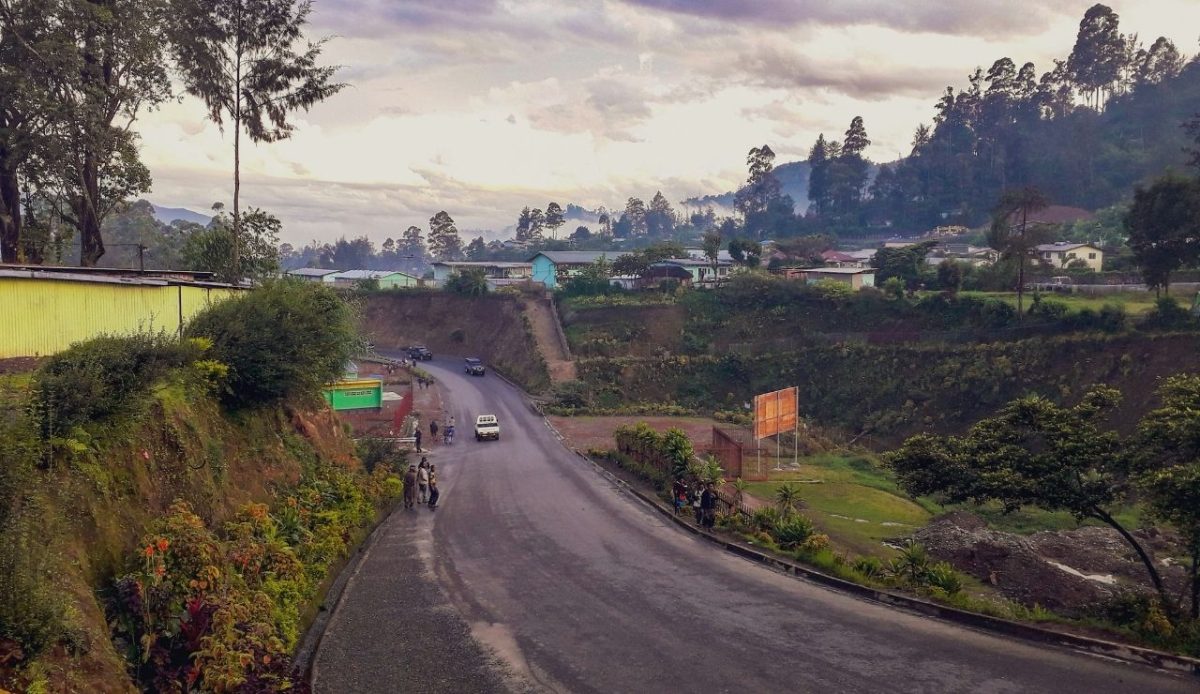
Papua New Guinea is repeatedly described in travel advisories as having inconsistent healthcare services, with the best options centered in Port Moresby. Beyond the capital, clinics may be understaffed, and supplies such as antibiotics, sterile materials, or blood products can be unreliable. Rugged terrain and rough seas can make ground or boat transfers unpredictable, especially during heavy rain. When a serious injury occurs in remote provinces or on outer islands, evacuation abroad is commonly recommended because advanced hospital care may not be reachable in time. Travelers should also carry a medical kit suited to their route.
4. Nepal
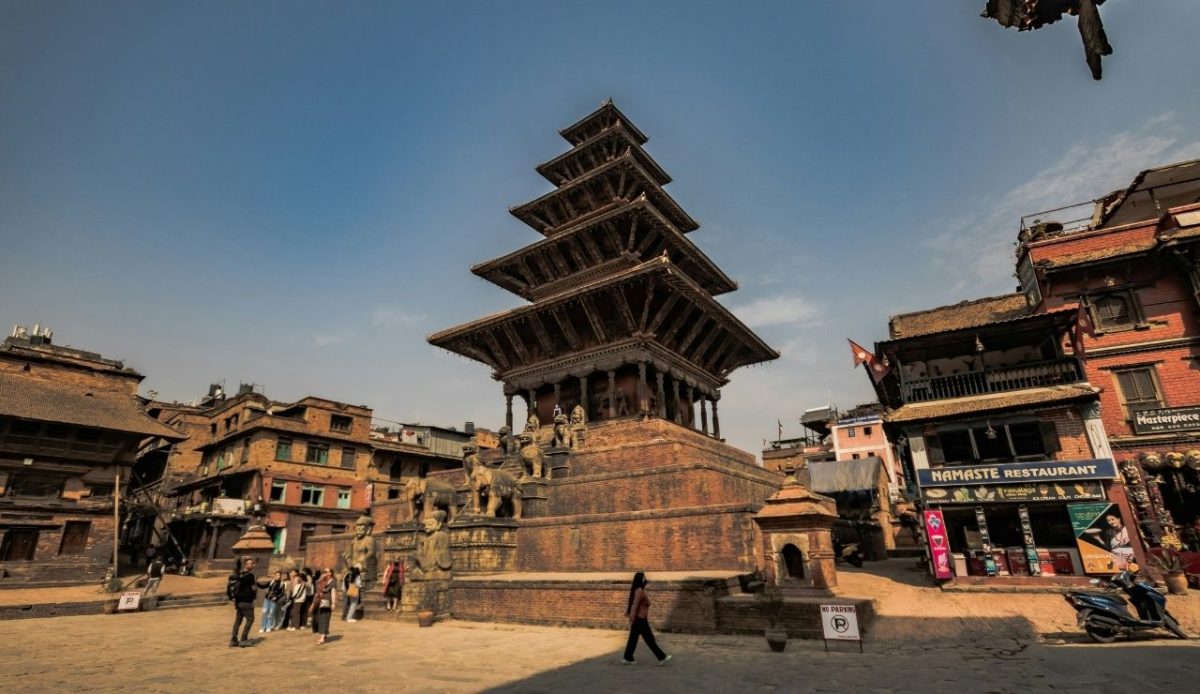
Nepal’s higher capacity hospitals are concentrated in the Kathmandu Valley, and official health advice warns that care elsewhere may be limited. In trekking regions, clinics can handle minor issues but may lack oxygen delivery systems, imaging, and staff for complex emergencies. Altitude illness, fractures, and exposure injuries can worsen quickly, while weather can stop aircraft from flying. Helicopter evacuation is often used for serious cases, yet it can be delayed by clouds or wind and may require proof of payment or insurance before takeoff. Without rapid transport, patients may be carried for hours to the nearest road.
5. Mongolia
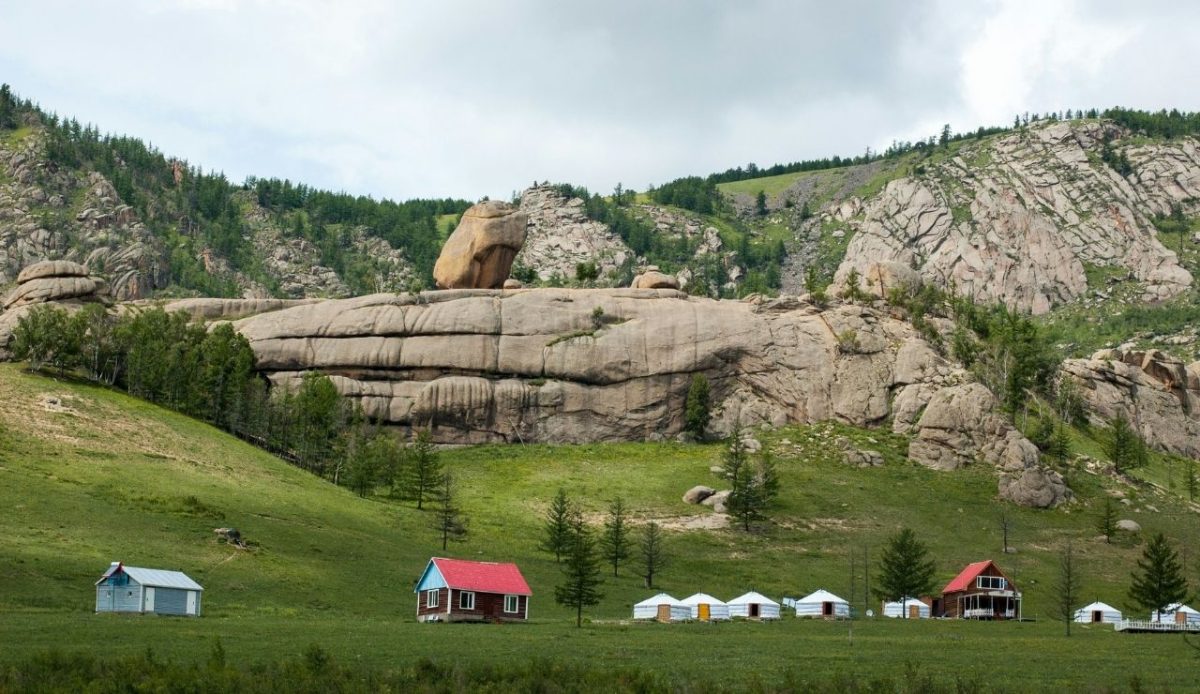
Mongolia’s medical resources are strongest in Ulaanbaatar, and embassy guidance highlights that advanced services are limited outside the capital. In rural provinces, travelers may find small hospitals with few specialists and constrained diagnostic tools, which can affect trauma and cardiac care. Distances between towns are huge, and winter cold can slow road travel or ground air transport, increasing the time to reach help. Because medical evacuation can be extremely expensive, visitors are urged to have evacuation insurance and a plan for contacting assistance when communications fail. Bring critical prescriptions from home.
6. Democratic Republic of the Congo
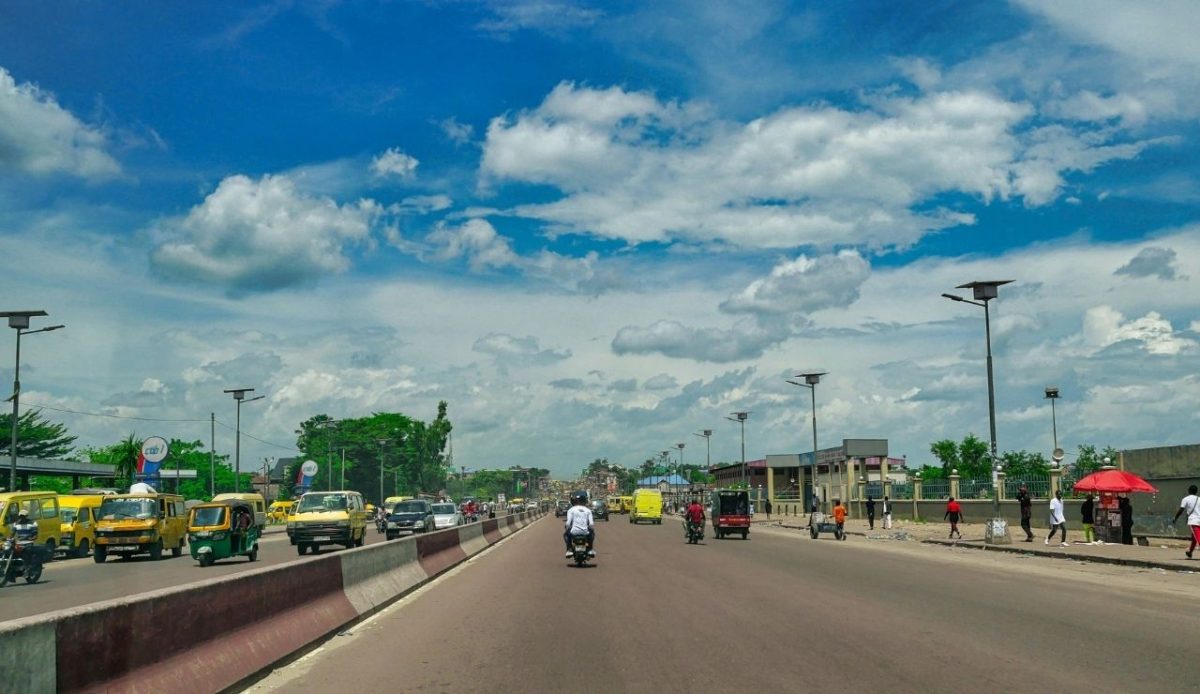
In the Democratic Republic of the Congo, official sources describe medical care as extremely limited, with reliable facilities scarce outside Kinshasa. Even in larger cities, shortages of medicines, testing supplies, and trained staff can affect the quality of treatment. Transport infrastructure is uneven, so an ambulance response may not be realistic, and travelers may need to arrange private transport. For serious illness, major injury, or complicated pregnancy issues, an air evacuation abroad is often advised because higher-level care may not be available locally. Cash payment may be required before admission.
7. Republic of the Congo
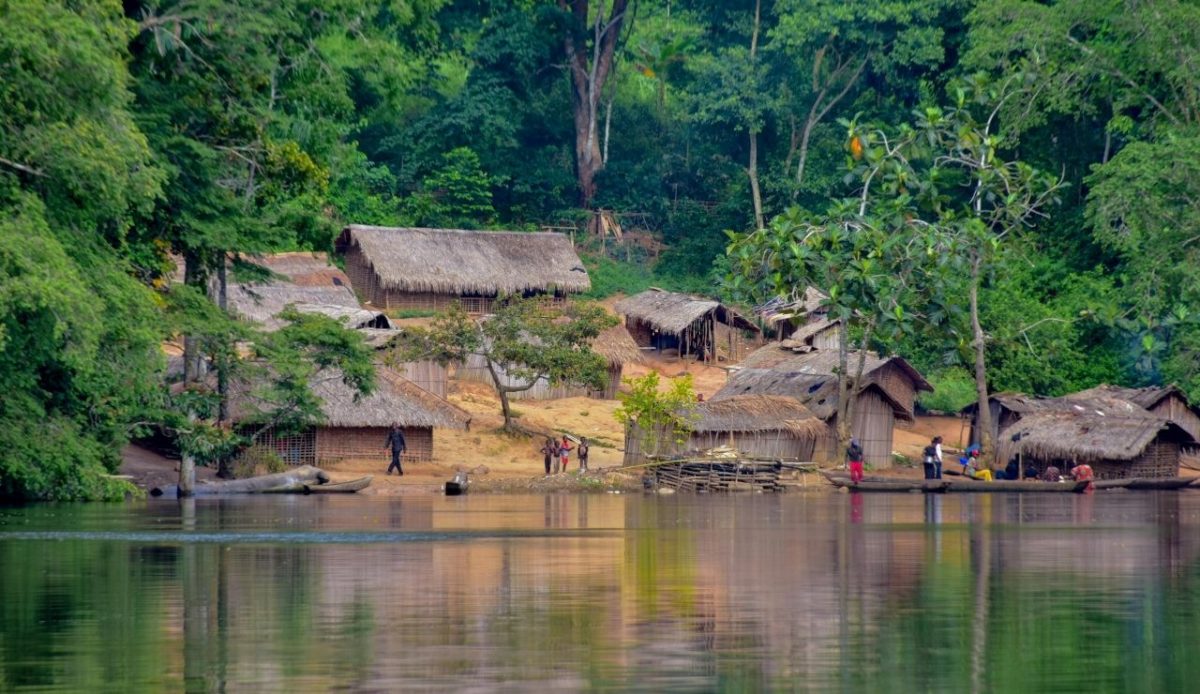
In the Republic of the Congo, travel health guidance notes that medical facilities are limited and that options outside Brazzaville are especially restricted. Smaller hospitals may lack dependable labs, imaging, and specialist support, which can reduce outcomes after serious accidents. Road conditions and long distances can slow transfers, and pharmacy stock can be unpredictable for chronic conditions. For anything beyond basic treatment, evacuation is often considered likely, so travelers should confirm coverage details, carry essential medications, and know how to reach an assistance provider quickly.
