
Some trails attract visitors for the view, but coastal hikes keep people coming back for the feeling. The air shifts as salt meets pine, and the sound of waves sets the pace. Locals across the country are familiar with these routes by season. Some clear the mind in winter, others bloom with color in spring, and many grow calm after summer ends. Each coastline tells its own story through its weather, terrain, and the people who live nearby. These hikes remain part of daily routines and weekend plans, offering familiar paths that never lose their quiet appeal.
1. Cumberland Island Beach Trail, Georgia
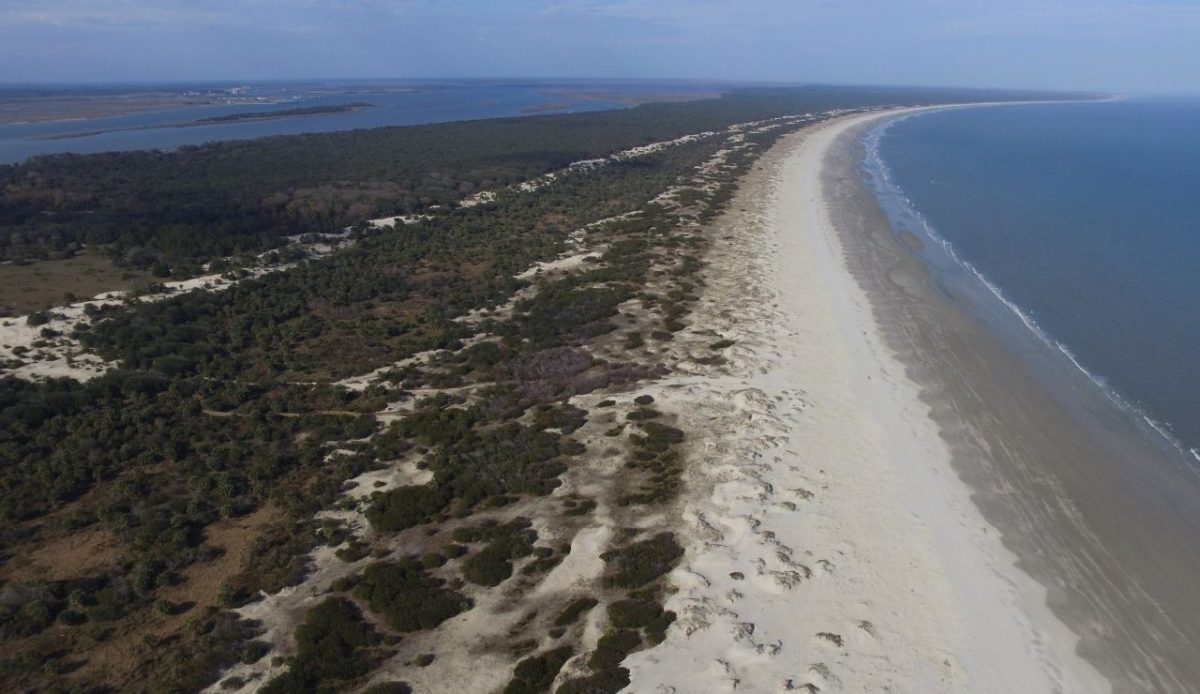
Cumberland Island’s beach trail shows why locals call it Georgia’s last wild coast. Accessed by ferry, it leads from shaded maritime forest to wide stretches of quiet sand. Wild horses often graze along the dunes, and old foundations appear among the trees. Limited daily permits keep numbers low, giving the walk an uncommon sense of space. The island’s isolation has preserved both its ecology and calm pace. Residents return not for the spectacle, but for the steady rhythm of the waves and the feeling of walking where time moves slowly. Rangers at the dock provide maps highlighting ruins of the Dungeness estate, a stop many hikers add to their beach route.
2. Point Reyes Coastal Trail, California
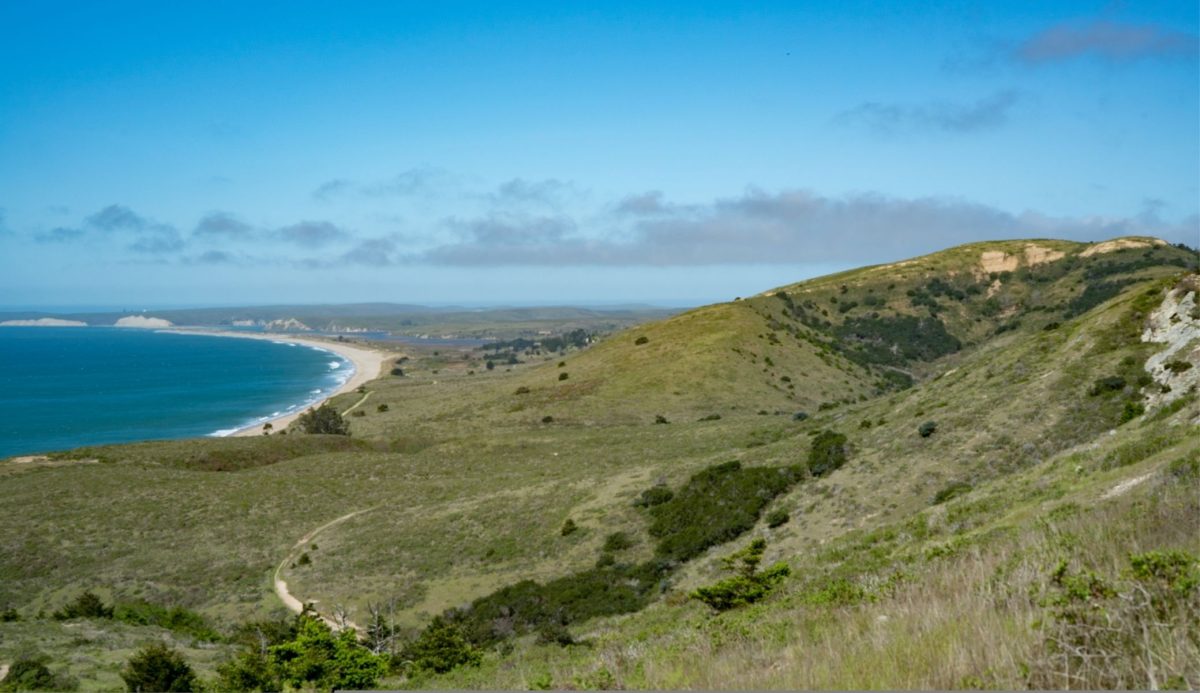
Point Reyes Coastal Trail stretches across meadows, cliffs, and wild shoreline just north of San Francisco. Locals enjoy its 11 miles of changing terrain where elk roam and fog drifts in from the Pacific. The route connects several smaller trails, allowing hikers to tailor distance and pace. Campsites make it possible to stay overnight, though day hikes are common among residents. The scenery changes dramatically with the weather, from clear horizons to mist-covered cliffs. For Bay Area locals, it’s an easy way to experience the coastal wilderness without leaving home for long. Rangers suggest bringing layers, as winds off the Pacific can drop temperatures sharply even during summer afternoons.
3. Acadia’s Ocean Path, Maine
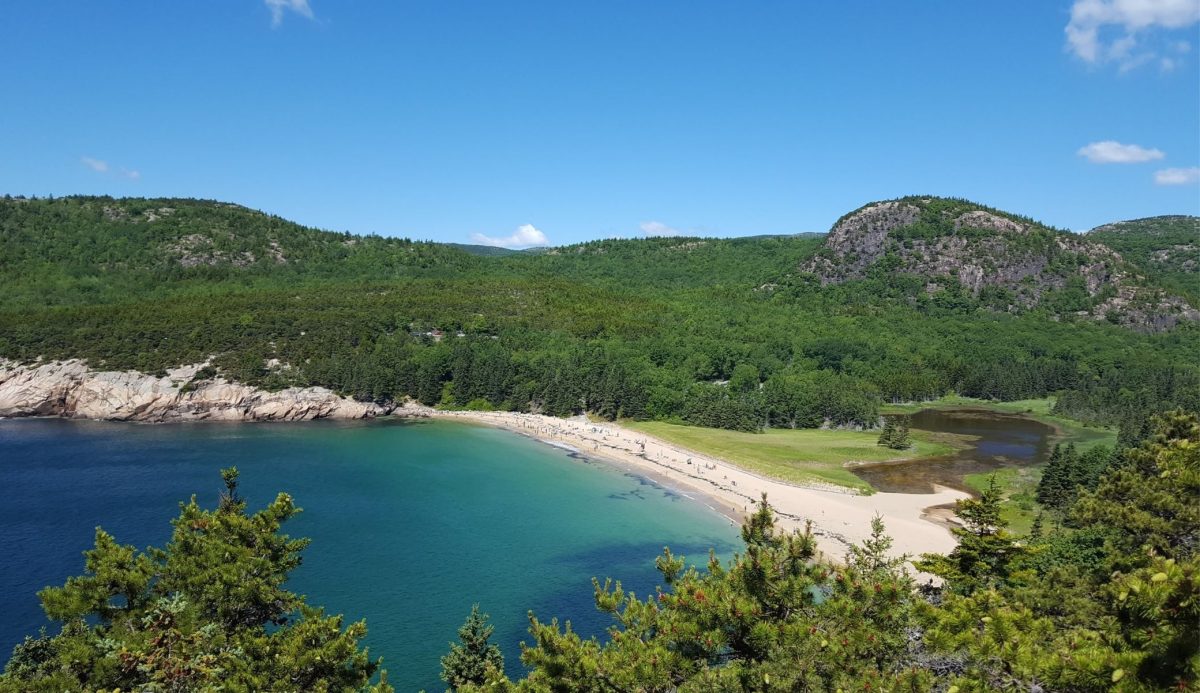
Ocean Path follows Maine’s rugged coast between Sand Beach and Otter Point. The walk is flat and about four miles round trip, perfect for steady pacing beside constant waves. Locals often walk it in the off-season when traffic is light and seabirds are active along the cliffs. The granite shore reflects pink tones in early morning light, and benches provide quiet spots for rest. While simple, the trail gives locals what they value most: fresh air, the smell of salt, and the rhythm of the Atlantic that defines coastal Maine life. Early risers often continue past Otter Cliff for a quieter stretch that reveals seals resting on offshore rocks during calm tides.
4. Kalalau Trail (Ke‘e to Hanakāpī‘ai), Kaua‘i, Hawai‘i
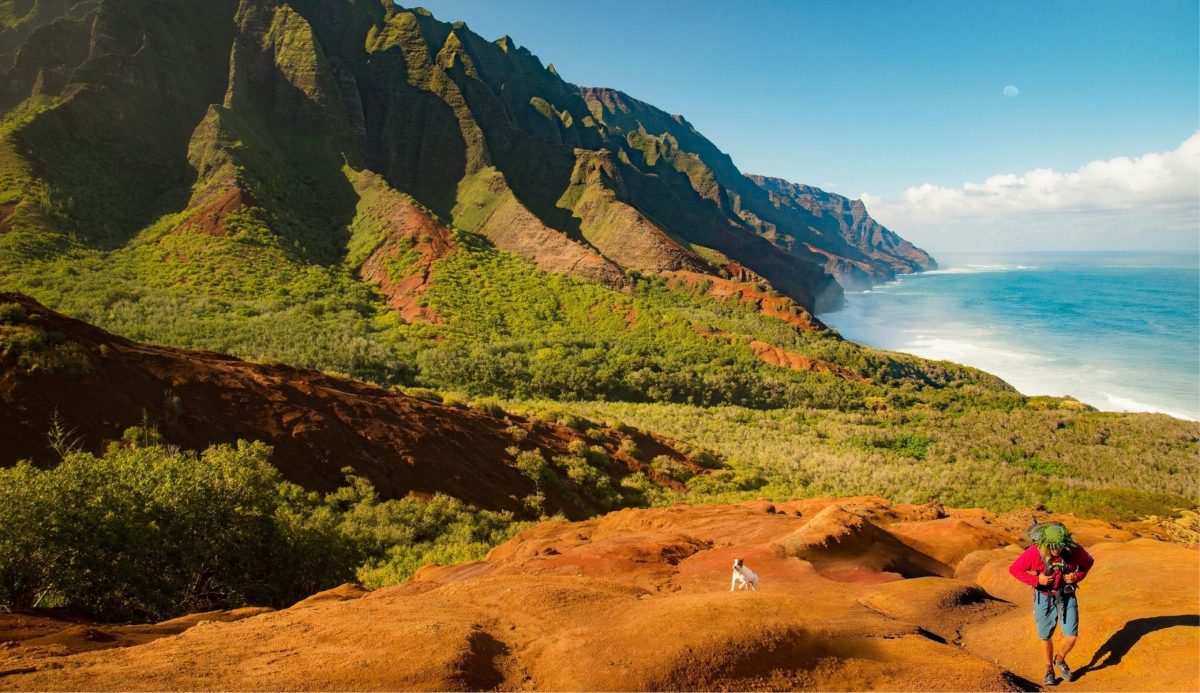
The Kalalau Trail’s first four miles lead from Ke‘e Beach to Hanakāpī‘ai Valley, one of the most photographed stretches in Hawai‘i. Locals know it for steep, muddy climbs and rewarding views of the Nā Pali Coast. The weather can shift from sunshine to downpour quickly, which makes the hike both challenging and memorable. The endpoint, Hanakāpī‘ai Beach, is striking but rough for swimming due to strong currents. Many residents walk this portion regularly for fitness and scenery, calling it the best mix of rainforest, sea cliffs, and unfiltered island nature. Hikers need a state permit if continuing beyond the first section, a rule locals support to limit erosion and overcrowding on narrow paths.
5. Cape Cod’s Great Island Trail, Massachusetts
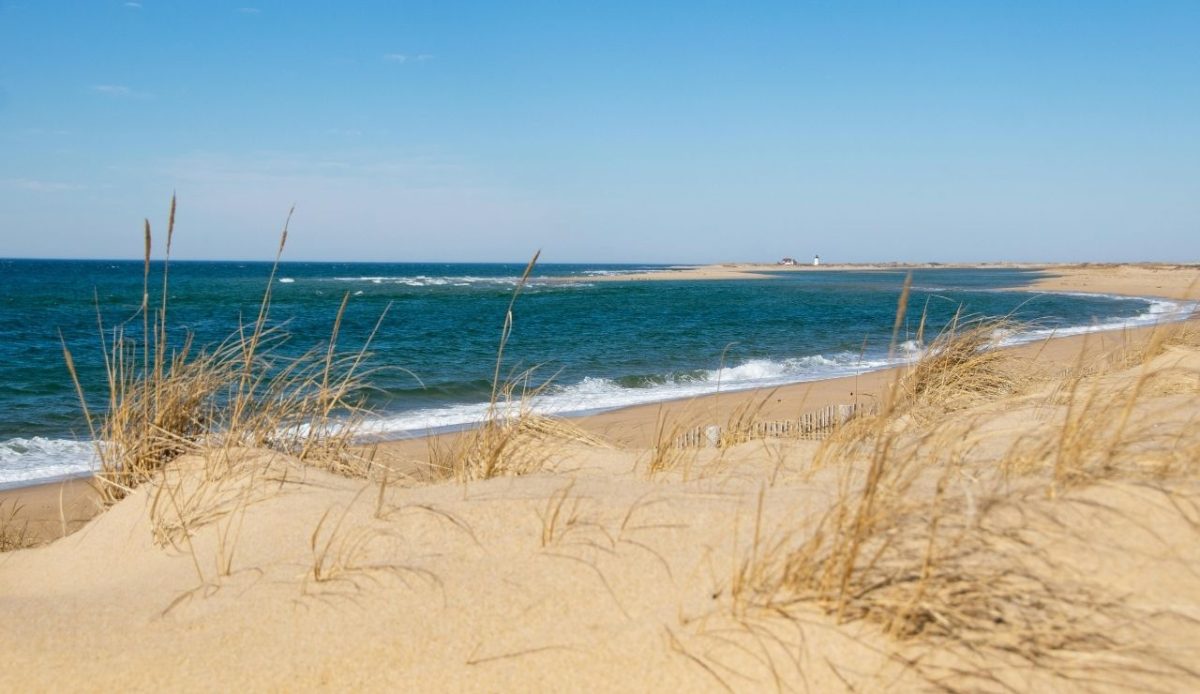
Great Island Trail in Wellfleet offers Cape Cod’s locals a route that feels remote despite its popularity. The seven-mile loop crosses pine forest, marshes, and tidal flats where herons feed. Changing tides reshape the sand each day, making every visit slightly different. Locals often plan walks during low tide to reach the outer beaches. Even during busy summer weeks, sections stay quiet and breezy. The mix of open dunes and protected wildlife areas keeps it one of Massachusetts’s most well-loved trails for long, relaxed walks near the ocean. Many residents recommend insect repellent in warm months since salt marsh mosquitoes can be active around the midsections of the loop.
6. Padre Island National Seashore Trail, Texas
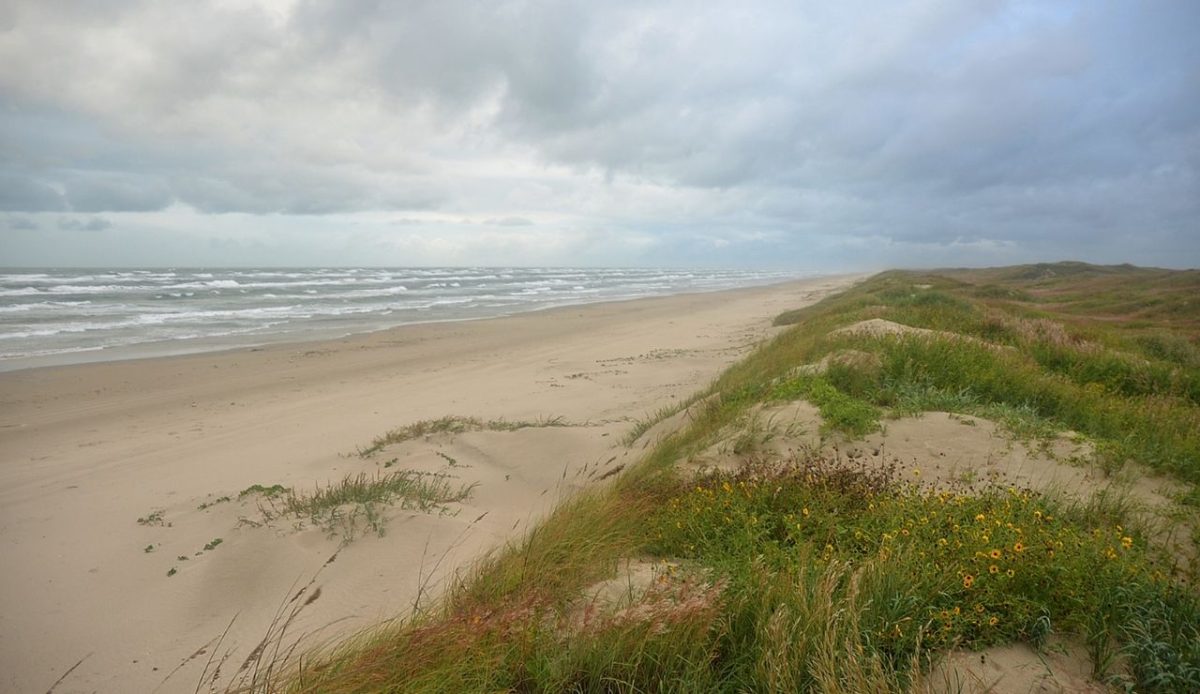
Padre Island’s beaches stretch for more than 60 miles, giving Texas locals room to walk without interruption. The trail here is less defined and follows the shoreline itself, shaped by tide and wind. Birdwatchers and shell collectors find it rewarding year-round, while summer brings sightings of nesting sea turtles. There are few amenities, so visitors come prepared with water and shade. For residents of Corpus Christi and nearby towns, this area serves as a reminder that solitude still exists even along the Gulf’s busiest coastlines. The park also hosts ranger-led programs on dune ecology that attract both families and long-time locals interested in conservation.
7. Big Sur’s Andrew Molera Loop, California
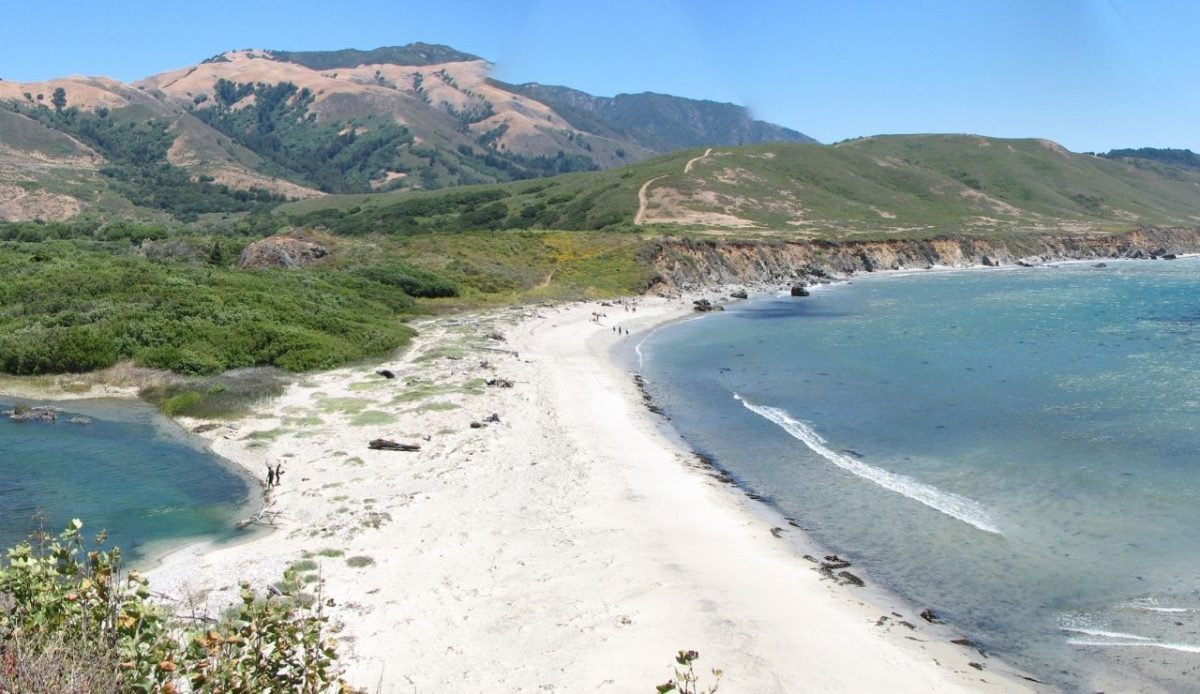
Big Sur locals turn to Andrew Molera State Park when they want long, uncrowded trails. The 8.8-mile loop combines coastal ridges, rolling hills, and a stretch of untouched beach. Creek crossings may be necessary after rain, adding a sense of adventure. California condors are sometimes visible above the cliffs. The trailhead’s easy access and minimal signage keep it quiet compared to more famous Big Sur sites. Residents value its steady elevation and balance of open space, wildflowers, and sweeping Pacific views across Central California’s most dramatic coastline. Rangers recommend checking tide charts in the spring when seasonal bridges are removed, making parts of the loop water-dependent.
