
Ticket prices at famous museums have climbed, and traveler reviews increasingly judge value by comfort, access, and time with key works. Many visitors report that timed entry, long security lines, and crowded rooms shrink the part of the day spent actually looking. Extra charges for audio guides, special shows, or fast-track entry also change the final bill. The museums below remain culturally important, yet recurring feedback says some visits feel overpriced when highlights are hard to reach. Complaints often mention rushed routes, blocked sightlines, and staff focused on crowd control instead of context.
1. The Louvre, Paris
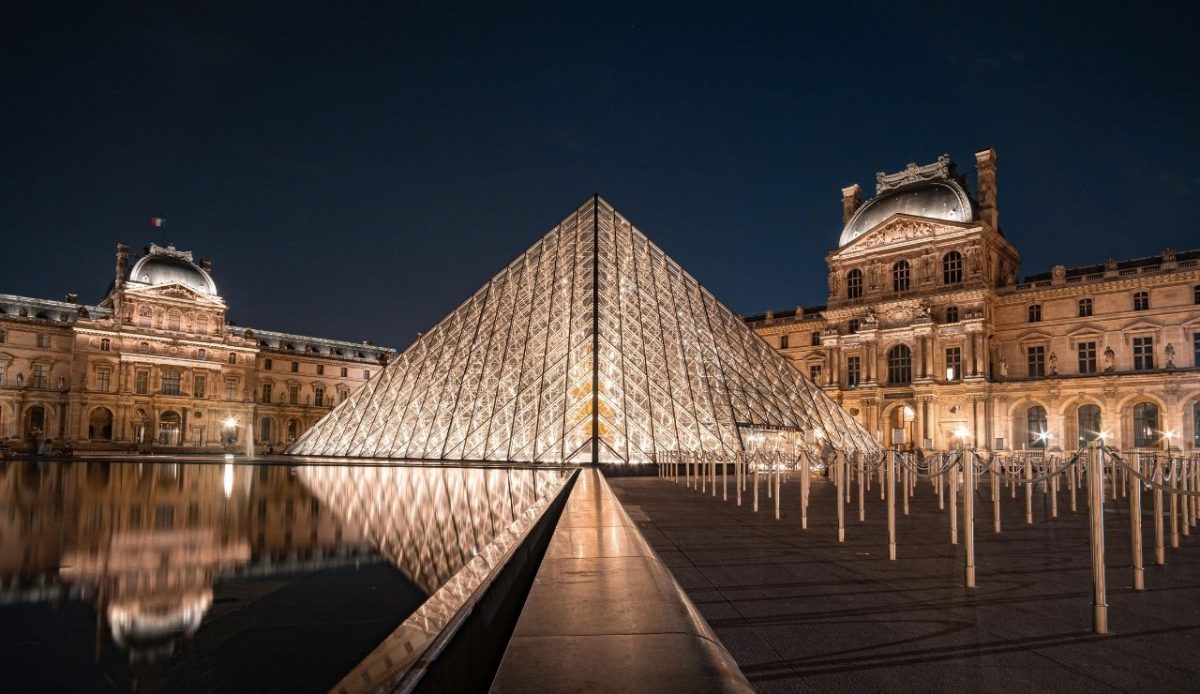
The Louvre draws visitors for landmark paintings and vast decorative arts, but many travelers say the ticket buys stress as much as culture. Reviews describe shoulder-to-shoulder movement in peak seasons, with photo lines that block nearby rooms. Security screening and corridor jams can take an hour, then a timed slot pressures the rest of the visit. Some visitors leave feeling they paid full price to glimpse a few famous works and little else. Navigation is cited as another pain point because closed stairways and one-way flows can force long detours. Many recommend a paid tour to manage the crowds, which raises the total cost.
2. Museum of Modern Art, New York City
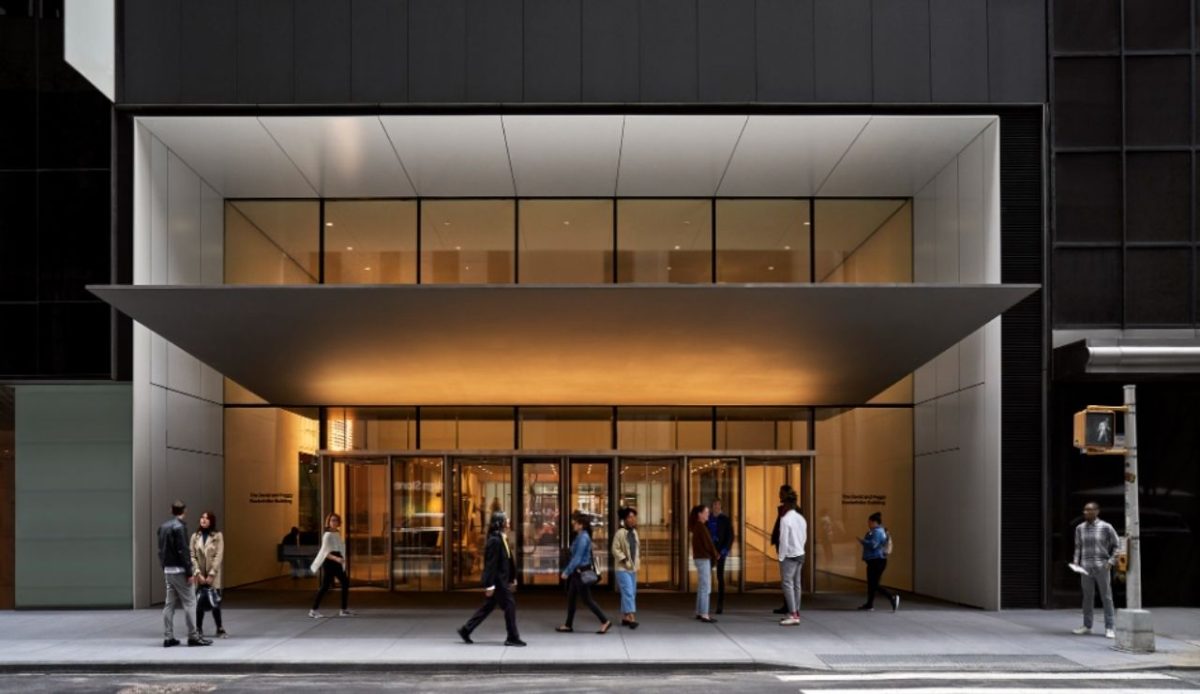
MoMA remains a must-see name, yet travelers often question the value once they factor in admission plus add-ons. Visitors report that popular floors fill quickly, making it hard to pause at signature pieces without being nudged along. Rotating installations can mean fewer widely expected works on view during a given week. Timed entry reduces flexibility, and some reviews say the visit feels compressed compared with the price. Weekend elevator waits, and limited seating push people back into circulation, and café stops can raise the bill. Some note that audio options and certain exhibitions cost extra, so the total rises above the base ticket.
3. Solomon R. Guggenheim Museum, New York City
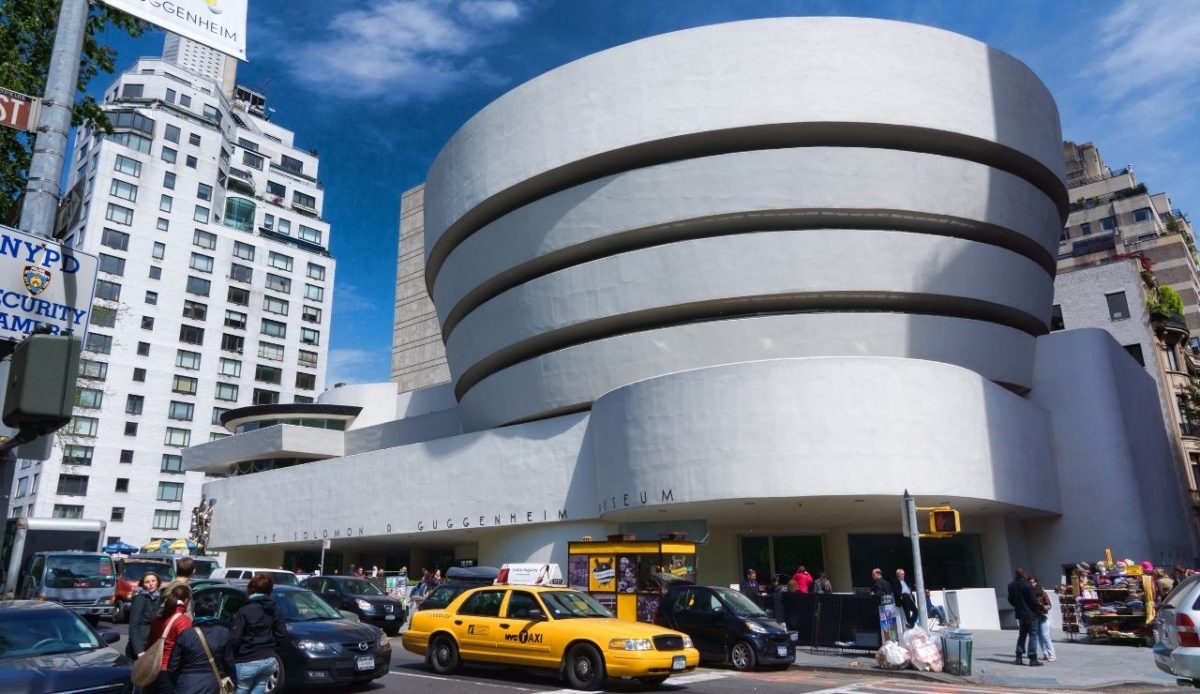
The Guggenheim in New York earns praise for its spiral design, but travelers often say admission feels steep for the amount they can see. Because galleries wrap a single ramp, visitors may finish the circuit faster than expected, especially when a show uses fewer rooms. Several reviews state that crowd movement discourages lingering, and views can be blocked by people stopping for photos. Many conclude the building is the main draw, while exhibition depth varies too much for the price. Limited seating and strict bag rules are mentioned, which can shorten a visit. Travelers comparing it with larger nearby museums say cost per hour feels high.
4. Whitney Museum of American Art, New York City
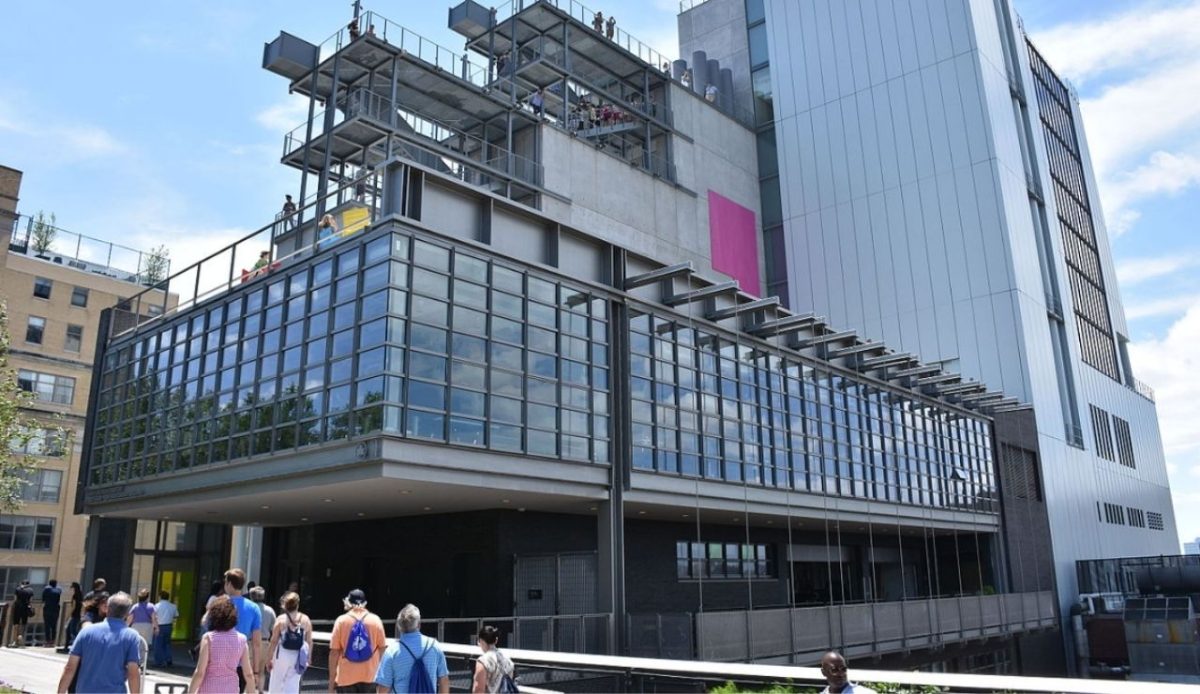
The Whitney’s focus on American art attracts travelers, yet reviews often argue that the ticket price is hard to justify without a strong temporary show. Visitors say they can move through many galleries quickly, then spend more time on the terraces than with the art. On busy afternoons, narrow rooms create bottlenecks that cut viewing time. Some report uneven strength across floors, so the visit depends on current programming, making the cost feel like a gamble. Timed entry limits flexibility, and elevator queues can steal minutes. Many compare it with free Chelsea galleries and say a headline show is needed to justify full admission.
5. Vatican Museums, Vatican City
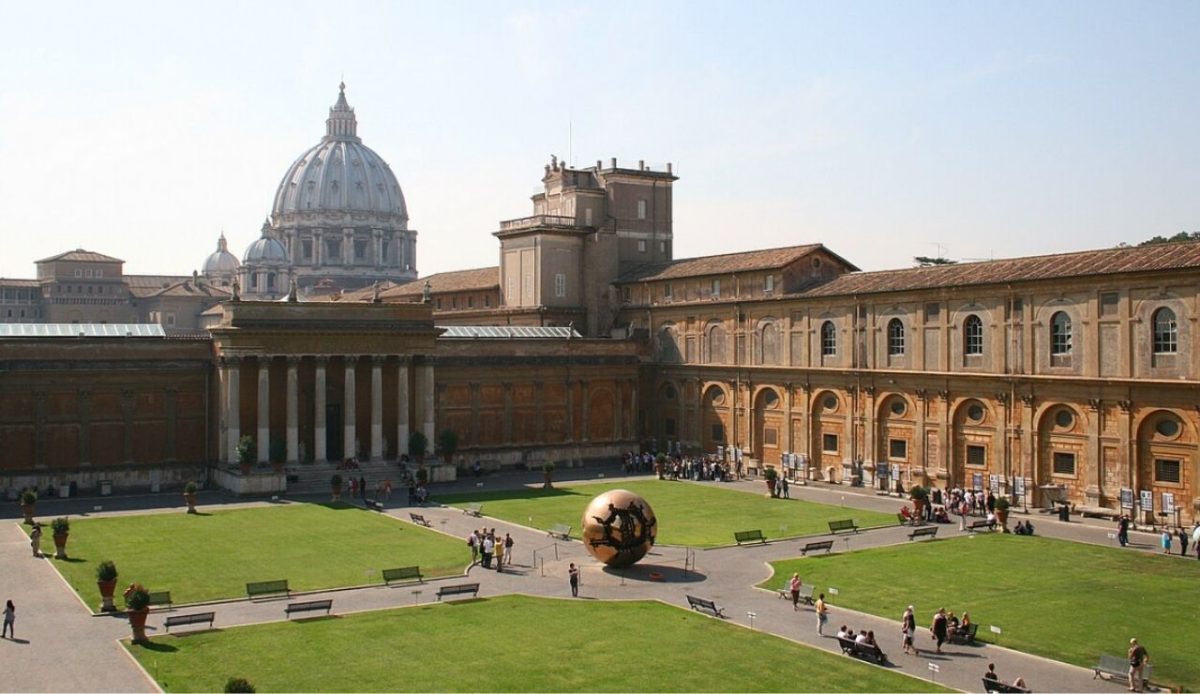
Vatican Museums tickets are often described as expensive once travelers add reserved time slots, guided entries, or partner tickets bought late. Reviews repeatedly mention dense rooms that turn quiet viewing into constant shuffling. The route is long, and some visitors feel they are pushed forward to keep traffic moving, which limits time for details in smaller galleries. Even those who value the Sistine Chapel say fatigue and crowd control can make the day feel like a production line rather than a museum visit. Bag and dress rules can surprise first-timers. Many say it feels worth the price only with an early slot booked at the base rate.
6. National 9/11 Memorial & Museum, New York City
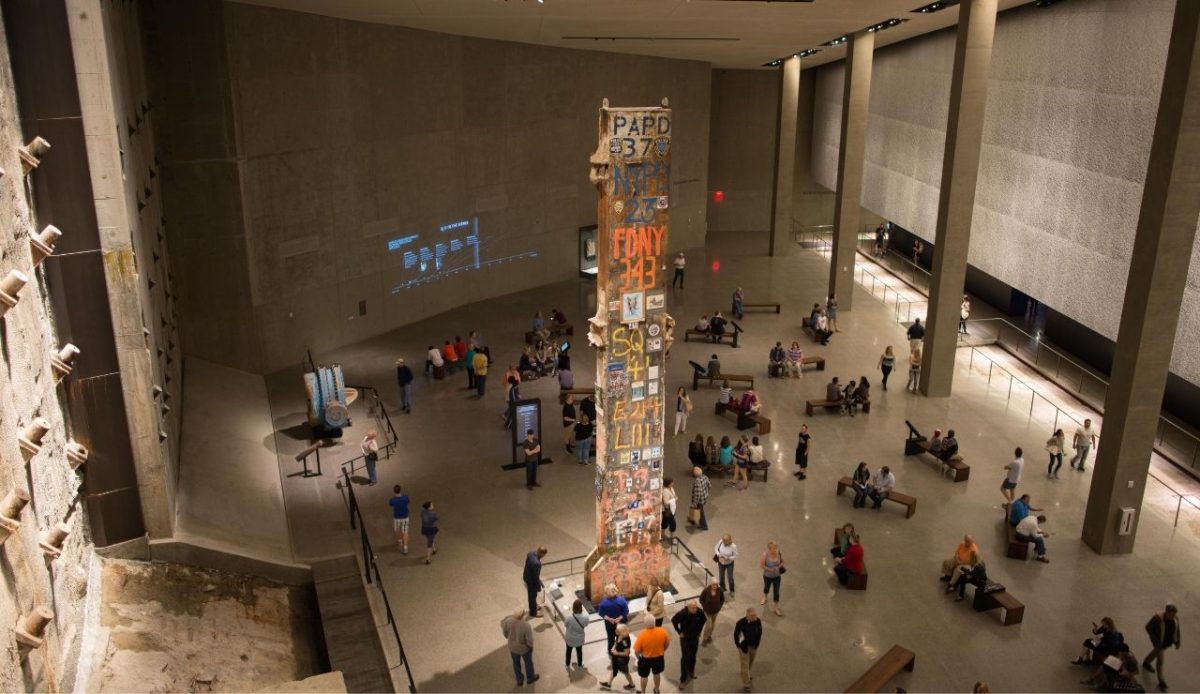
Travelers approach the National 9/11 Memorial and Museum with respect, yet many reviews question whether the admission price is fair for families. Visitors describe a powerful, heavy experience that can feel shorter than expected once they complete the core exhibits. Some note that tours and audio devices add to the cost, while reentry rules limit flexibility during the day. Crowded galleries and school groups can make quiet reflection difficult. Because the outdoor memorial is free, value is judged sharply. Timed entry and security lines can cut time inside. Many say the price would feel fairer with calmer pacing and clearer wayfinding.
7. Churchill War Rooms, London
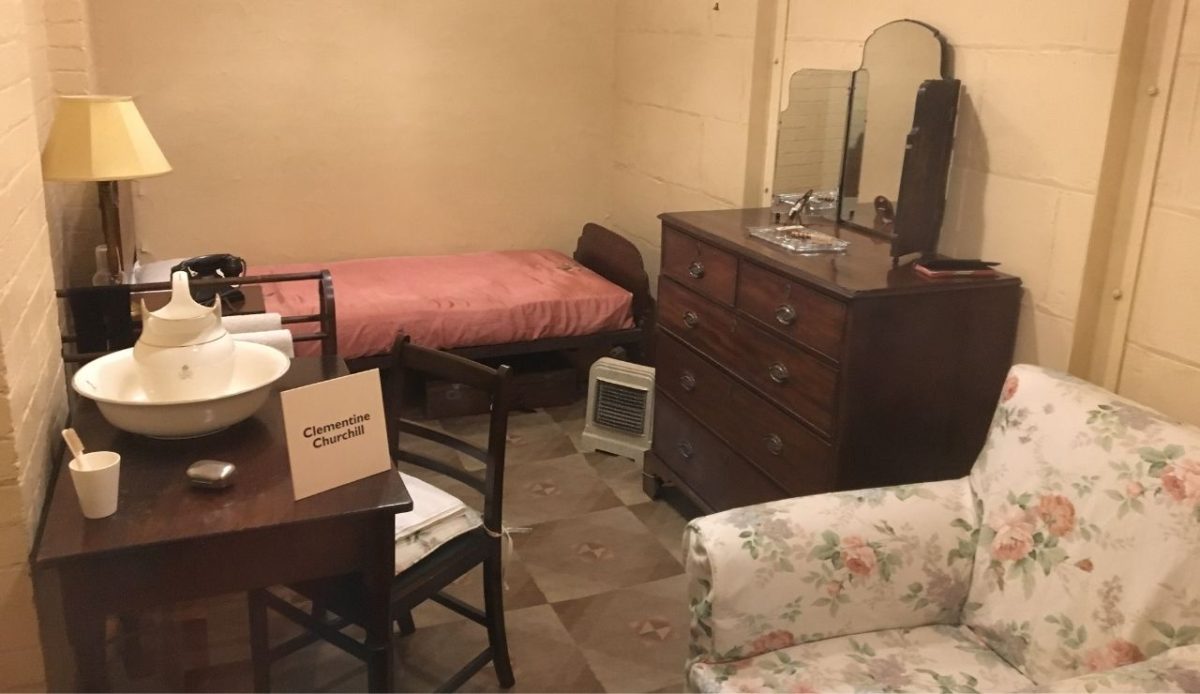
Churchill War Rooms offers an immersive look at Britain’s wartime command center, yet travelers often call the ticket price steep for the scale of the space. Visitors report slow progress through narrow corridors, where audio points can back up and reduce time with displays. On peak days, the museum can feel like a line that happens to be indoors. Some reviews praise the historical content but still say the cost is hard to justify when comparable London museums are free, even if they are less specialized. Timed slots can sell out, and late buyers may pay more. Crowding in the Churchill Museum area can make key labels hard to read.
8. Museum of the Future, Dubai
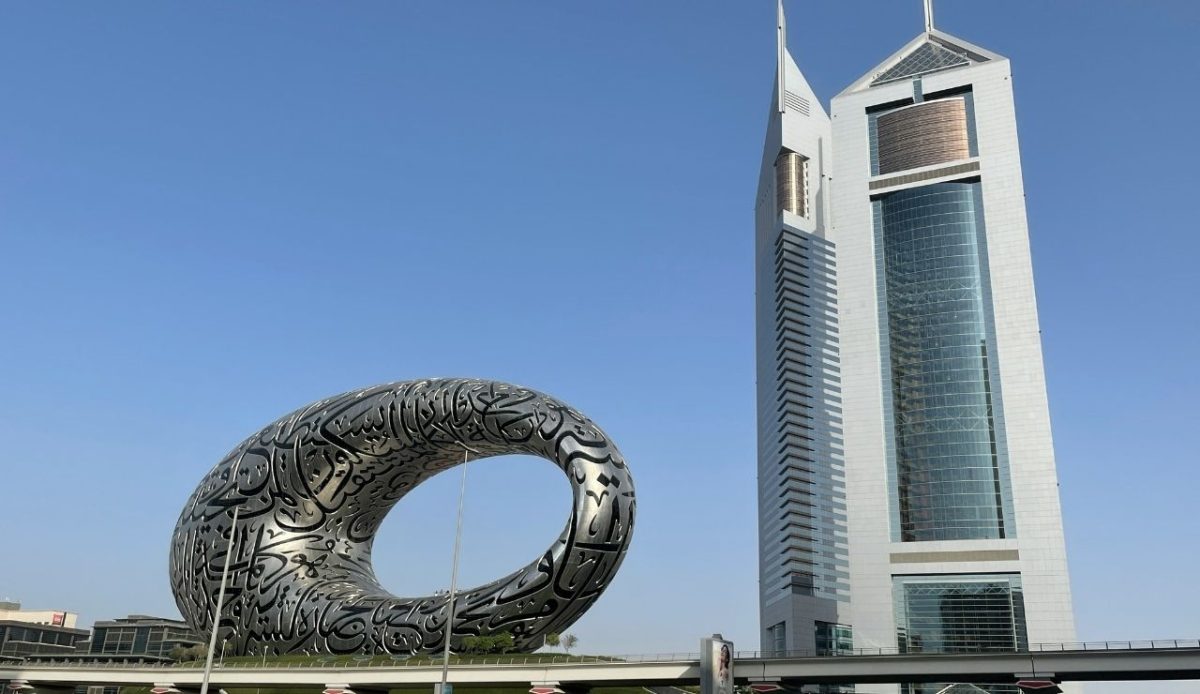
Dubai’s Museum of the Future is widely photographed, but traveler reviews often say the ticket price buys spectacle more than substance. Visitors describe striking architecture and lighting, then report that some galleries feel like branded installations with limited depth. Because many stops are interactive, waits build when groups gather, shortening the hands-on time per station. Several travelers say the visit feels brief for the cost, and that the most memorable part is the building and the lobby photo opportunities, rather than detailed learning. Strict time slots reduce flexibility, a common complaint for families.
9. Anne Frank House, Amsterdam
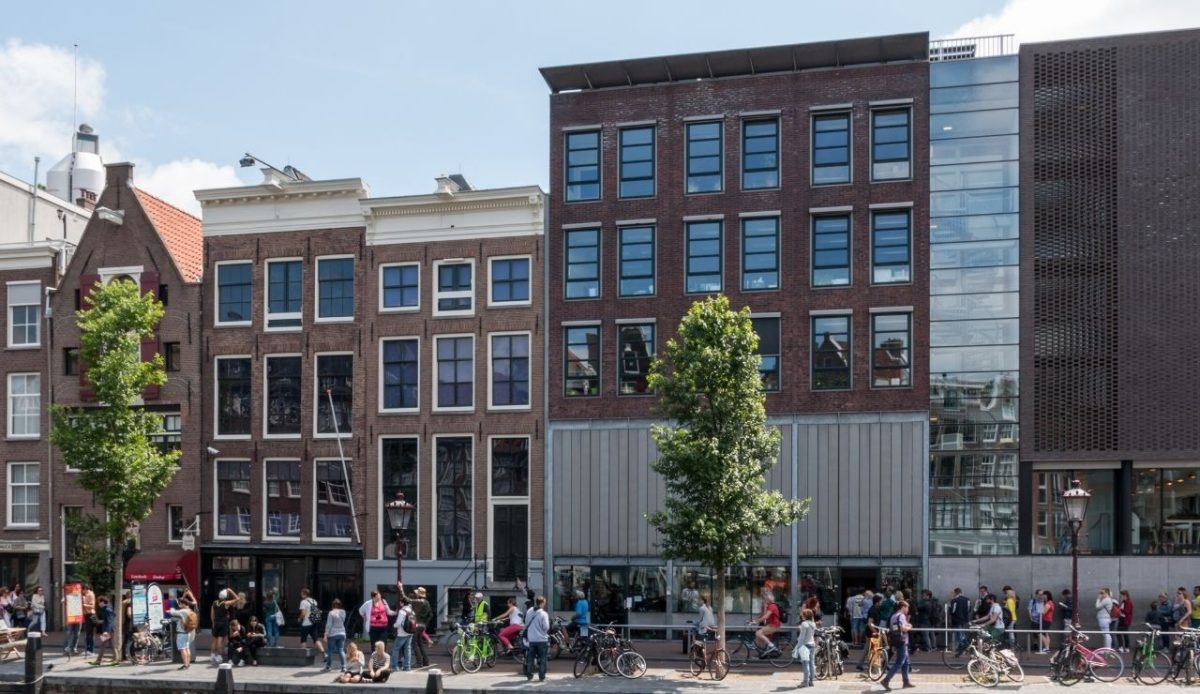
The Anne Frank House remains a meaningful site, yet some travelers say the ticket price feels high given the short, tightly managed walkthrough. Visitors often describe narrow stairs, one-way routing, and packed rooms that limit the time available to absorb each section. Because entry is timed and tickets sell out quickly, planning stress becomes part of the experience. Many reviews still recommend it for historical importance, but they also note that the crowds can feel more like a checkpoint system than a quiet reflection. Some expected a broader exhibit and were surprised by how fast they reached the exit, even with audio.
10. Van Gogh Museum, Amsterdam
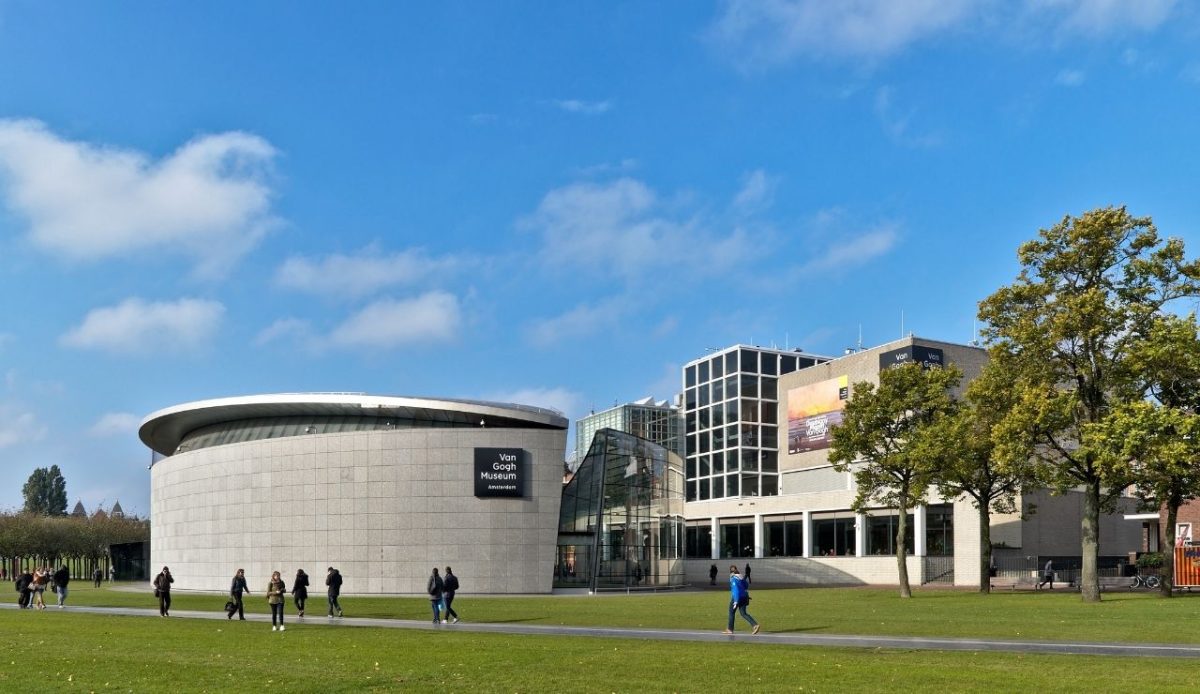
Amsterdam’s Van Gogh Museum attracts huge demand, and travelers often say the admission price feels steep when crowd levels limit the viewing experience. Visitors report that peak-hour rooms can be so full that they cannot stand close enough to read wall text or see brushwork details. Timed tickets help with pacing, but they also create pressure to keep moving. Several reviews mention that the museum shop and lobby areas are congested, and that the visit can feel more transactional than relaxing despite the strength of the collection. Locker lines and late-entry rules frustrate visitors. Many say the price feels fair only in morning slots.
11. Guggenheim Museum Bilbao, Bilbao
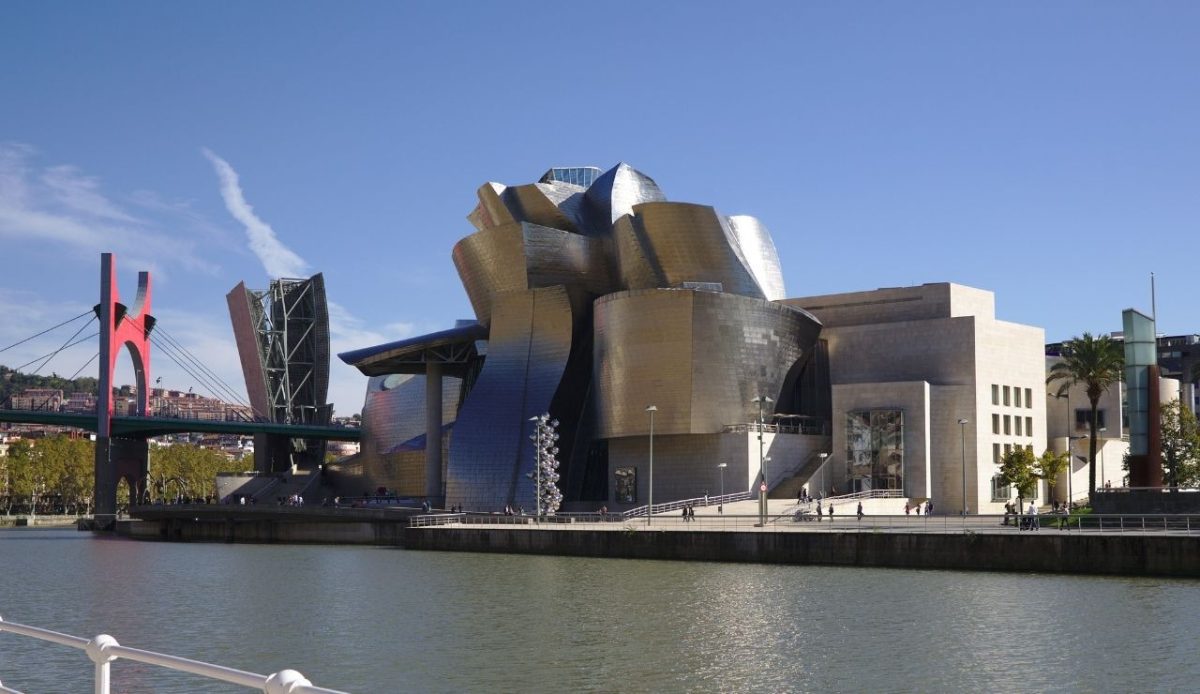
Guggenheim Bilbao is famous for its architecture and a riverfront setting, but travelers sometimes say the ticket price does not match what is on view during certain seasons. Reviews often mention that the building feels more memorable than individual galleries, especially if a visitor expects a large permanent collection. Temporary exhibitions can be excellent, yet they vary, and some travelers finish the museum faster than planned. Because the city trip may be built around this stop, disappointment is sharper when crowds, closures, or limited displays visit feel short for the cost. Many advise checking the schedule before buying.
12. Uffizi Gallery, Florence
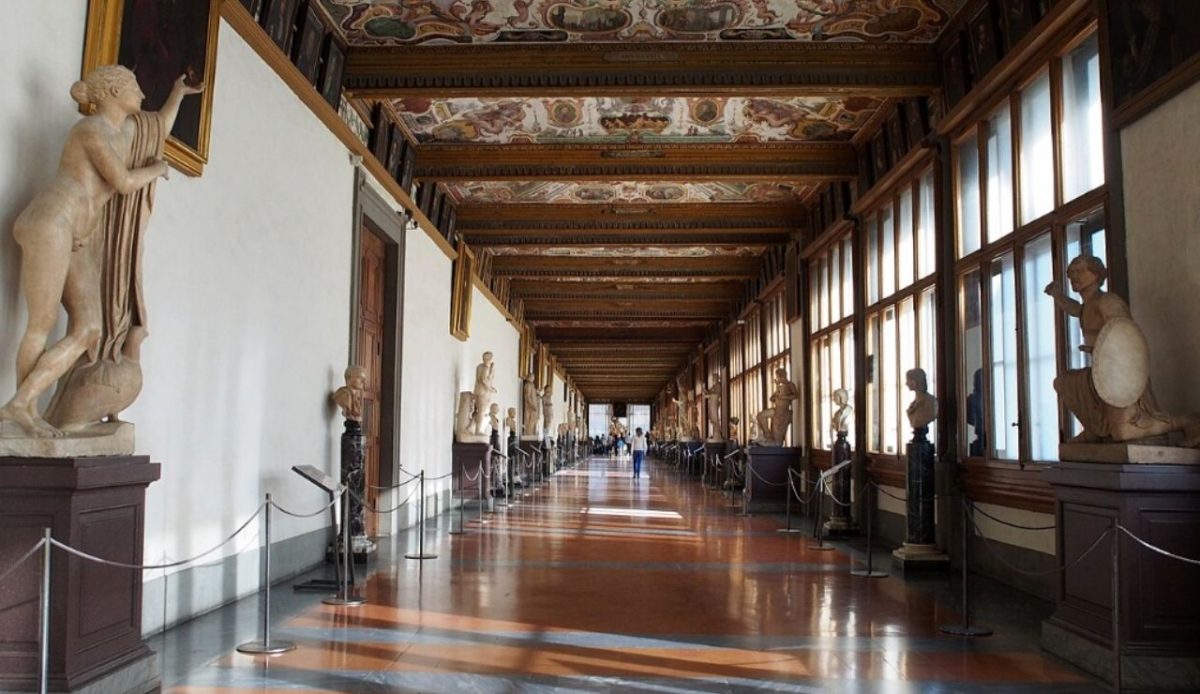
Florence’s Uffizi Gallery is a cornerstone for Renaissance art, yet travelers often complain that the ticket price feels high once they add reservation fees and peak-season surcharges. Visitors describe long lines even with timed entry, plus crowded rooms where famous paintings draw tight circles of people. Many say they spend time navigating stairways and corridors rather than studying details. Because the museum demands focus, fatigue from heat and crowding can reduce enjoyment, and some travelers conclude that the value depends on catching a quieter hour or booking a guided visit. Limited benches are often mentioned in reviews.
13. Rijksmuseum, Amsterdam
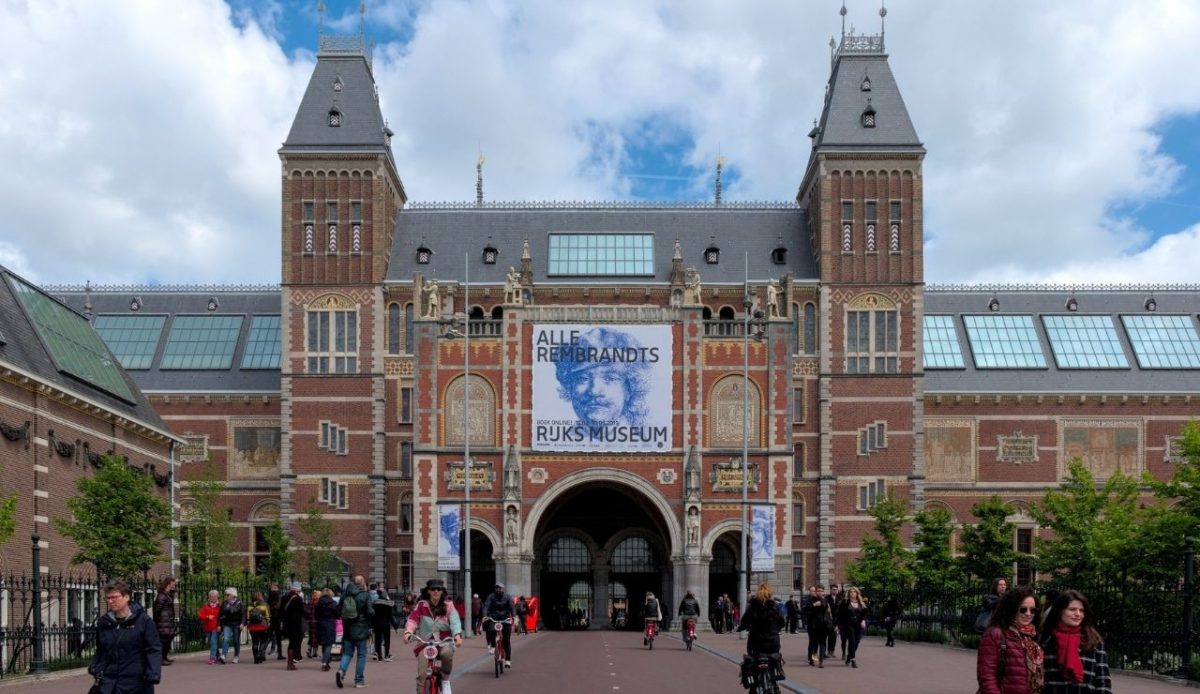
The Rijksmuseum is praised for its Dutch masters, but some travelers say the admission price feels steep when big-name rooms are packed and hard to enjoy. Visitors report crowd clusters around Rembrandt and Vermeer that block sightlines and make photos a priority over looking. Timed entry helps, yet busy hours still bring noise and slow movement. Several reviewers note that special exhibitions or multimedia areas can be uneven, so the visit feels expensive if the traveler’s main goal is a calm, close viewing of a few highlights rather than a full day exploring the broader collection. Locker queues and café prices add to the strain.
14. Topkapi Palace Museum, Istanbul
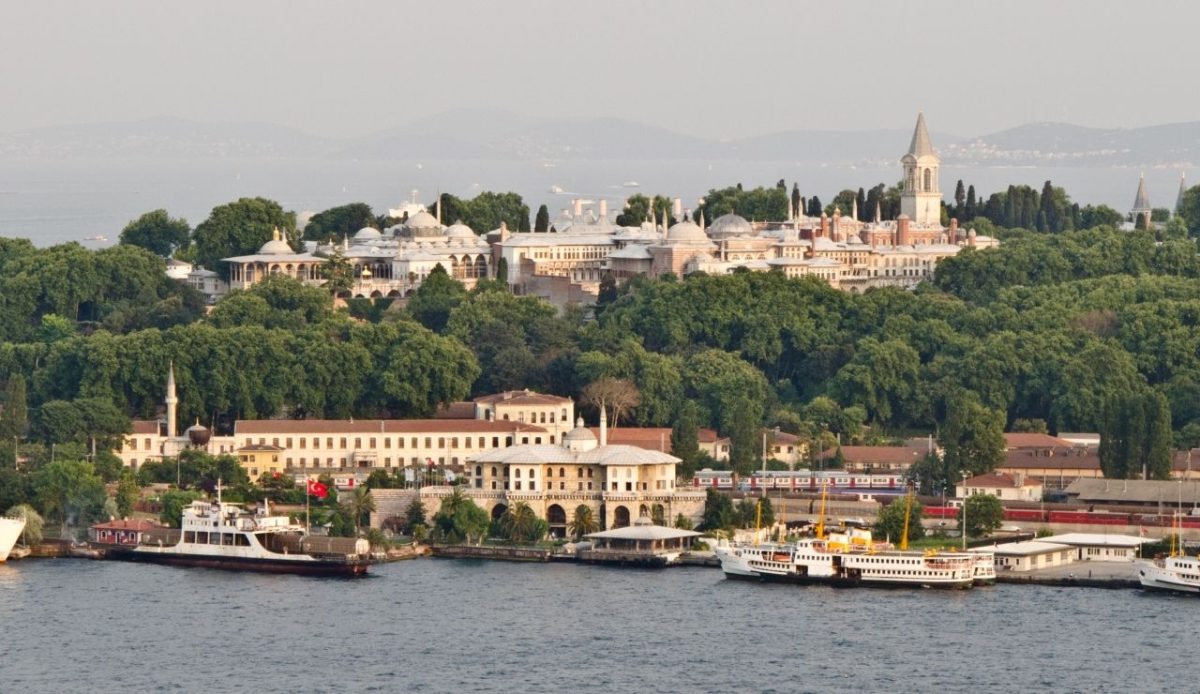
Istanbul’s Topkapi Palace Museum is marketed as essential, yet travelers sometimes say the ticket price feels inflated once they pay extra for premium sections. Visitors report that courtyards and views are impressive, but interiors can be crowded and dim, with security checks between areas that slow progress. Labels may feel limited for first-time visitors trying to understand the complex history. Several reviews mention that the day becomes a sequence of queues, and that the value drops if key rooms are closed or if the paid add-ons do not match expectations set by photos and guidebooks. Planning around opening hours is often recommended.
