
Indonesia can feel easygoing, but visitors soon notice social habits that guide everyday life. These customs are rarely posted, yet they affect clothing choices, greetings, and how problems are handled. People often value calm tone, respect for religion, and courtesy in shared spaces. Many cues are subtle, like how hands are used or where footwear is left at a doorway. When travelers match these expectations, help is offered more readily, and awkward moments are avoided. The rules below describe patterns observed across islands, with extra weight in smaller towns where community norms are followed closely.
1. Dress Modestly Off The Beach
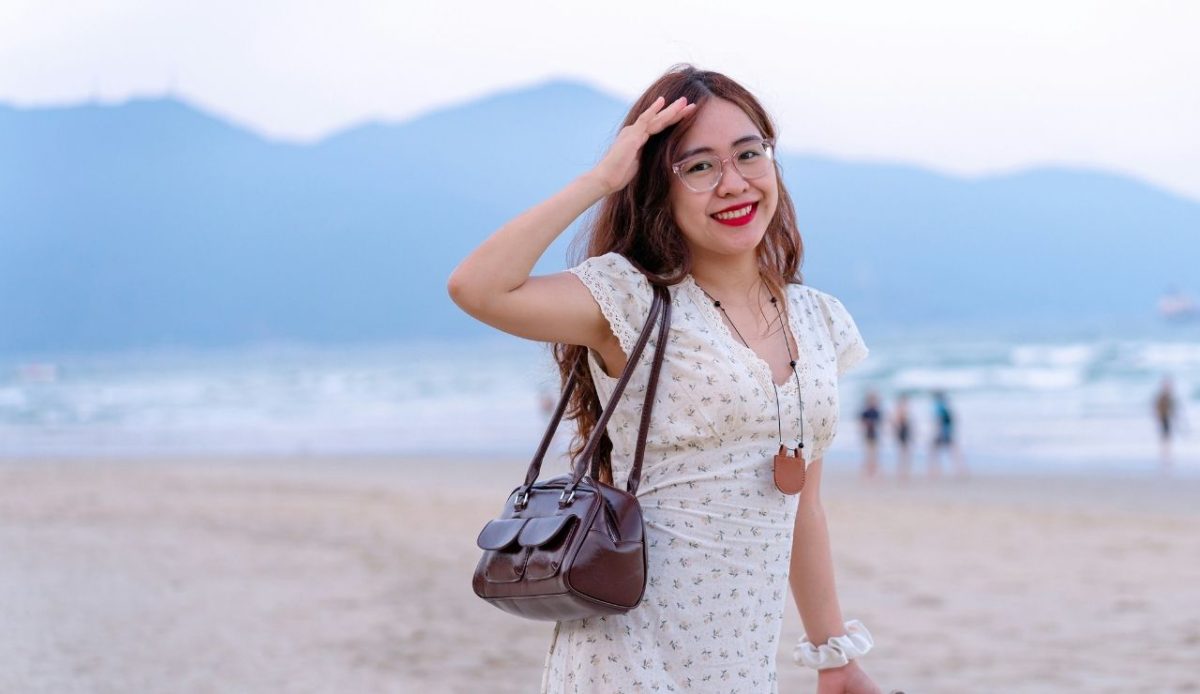
Outside resort strips, many locals dress with covered shoulders and longer hems, even in hot weather. In markets, bus stations, and neighborhood streets, revealing outfits can draw stares and make one feel out of place. Light cotton shirts, loose pants, and knee-length skirts tend to fit local expectations while staying comfortable. A thin scarf in a day bag helps when stepping into a mosque area, a family home, or an office where rules are stricter. In regions with stronger religious practice, modest clothing is taken as basic respect, so small changes can make conversations easier. It also reduces unwanted attention in crowded places.
2. Leave Shoes At The Door
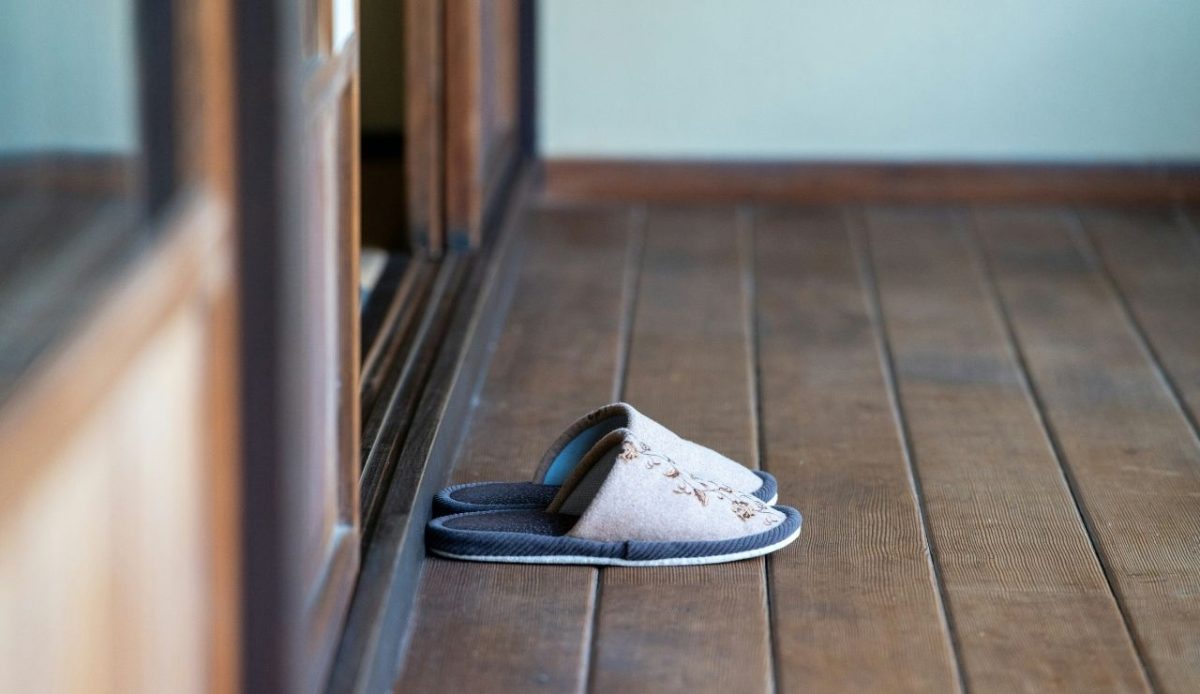
At many homes and small guesthouses, shoes are left at the entrance as a cleanliness sign. Visitors often notice pairs lined up near a door or a mat that marks the change from outside to inside. Even when no one says anything, stepping in with shoes can be taken as careless. If you are unsure, pause and look for a shelf or follow the host’s gesture. Slip-on sandals help during frequent stops, and clean socks are appreciated. In some prayer spaces and a few local offices, footwear rules are followed as closely as they are in private houses. During rainy months, this practice keeps mud off tile floors and prevents slips.
3. Keep Romance Private

Public affection tends to stay minimal, particularly outside beach nightlife areas. Holding hands is usually fine, yet kissing or long hugs can attract attention in streets, malls, and transport hubs. Shared space is treated as communal, so modest behavior helps others feel comfortable. Visitors can show care through conversation, small gestures, and privacy rather than display. Couples who keep contact brief are rarely noticed by passersby. This expectation applies to travelers as well as residents, and it carries extra weight in places where neighbors observe daily routines. In conservative areas, hotel staff may also remind guests.
4. Use The Right Hand
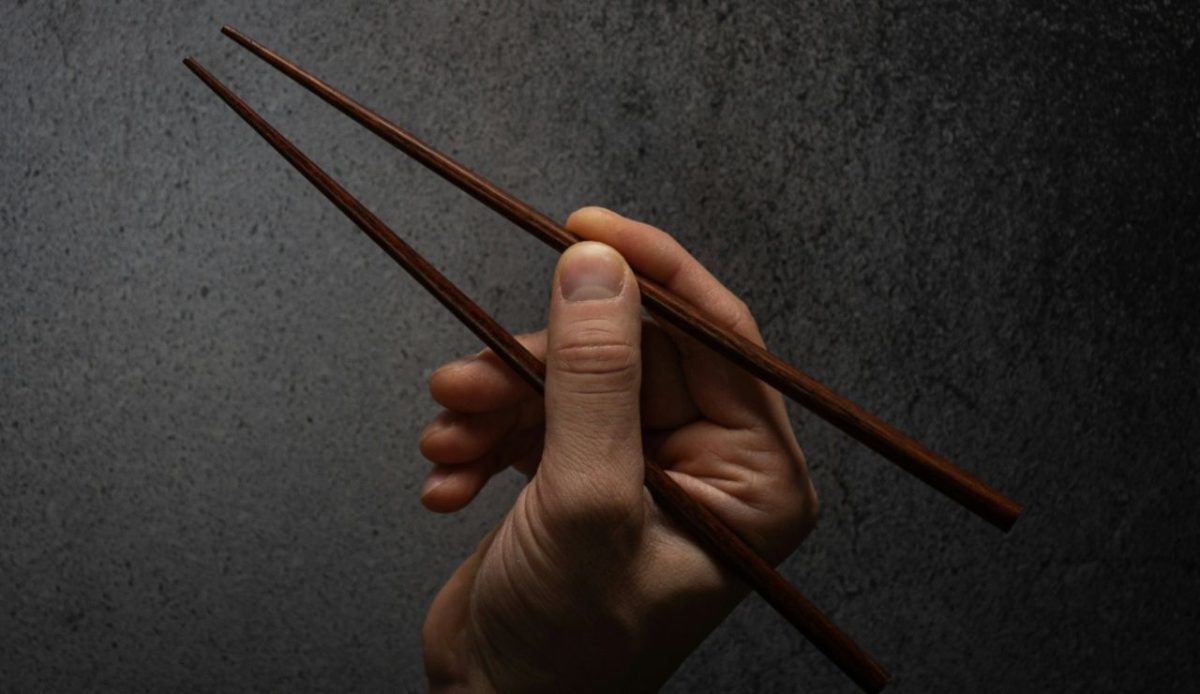
The right hand is normally used to give money, pass food, and accept items from another person. The left hand has long been linked with hygiene tasks, so using it alone may feel disrespectful. Travelers can watch locals switch hands when paying, handing change, or offering a business card. If the right hand is busy, offering with both hands is commonly accepted and reads as careful. When eating by hand, bites are taken with the right fingers while the left steadies a plate. Following this habit prevents awkwardness during shopping, meals, and quick exchanges at a counter. It also helps when giving ID to an officer or clerk.
5. Stay Calm In Public

A calm tone is preferred when something goes wrong, even in stressful situations like missed transport. Raised voices and public arguments are generally avoided because they can embarrass everyone nearby. Problems are often handled quietly, and help may be offered once patience is shown. In shops and cafes, a soft request and a smile can open more options than blame. If you need to complain, doing it away from a crowd protects the other person’s dignity. Keeping your voice steady, waiting your turn, and showing restraint often leads to quicker solutions than confrontation would. It helps during traffic stops and ceremony detours.
6. Smile Through Small Issues
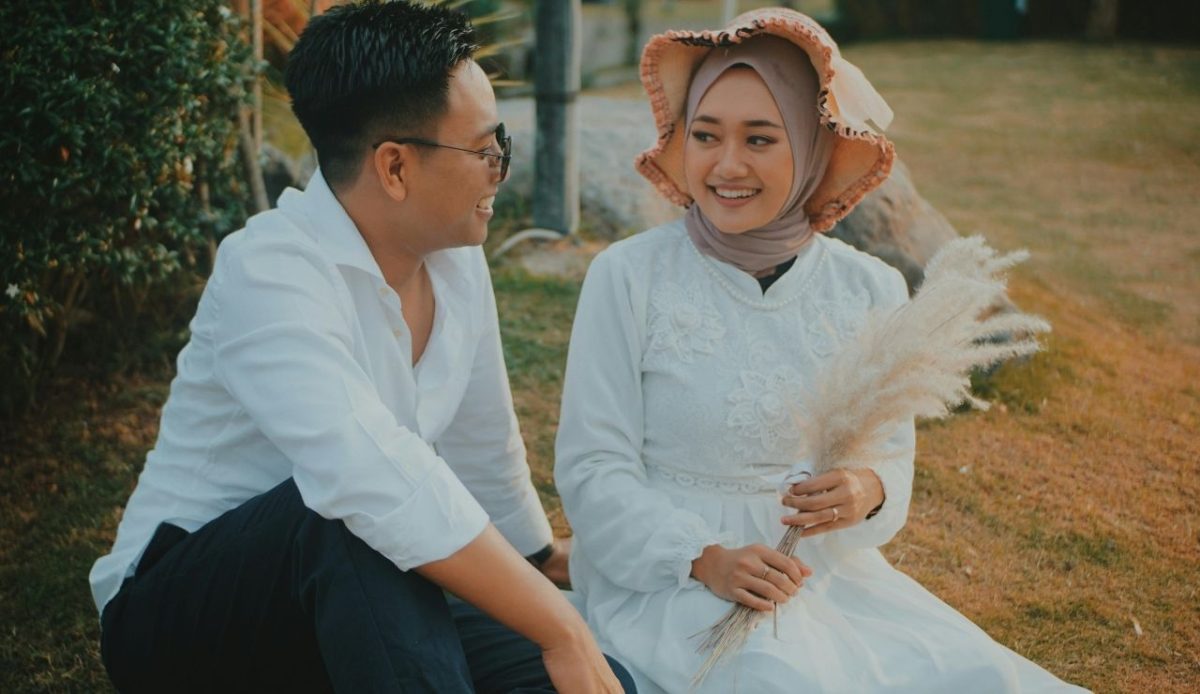
Smiles are used as social glue, including when something is inconvenient or confusing. Travelers may see a grin during a delay, a wrong order, or a language misunderstanding. This does not always signal joy, but it can mean politeness, patience, or a wish to keep tension low. Meeting that expression with a calm response helps the interaction continue. If you need clarification, a soft repeat and a simple question work better than a sharp tone. Using brief words like permisi for excuse me or maaf for sorry is noticed and can bring quicker help. A calm approach allows everyone to save face when mistakes happen.
7. Bargain With Courtesy

In traditional markets, bargaining is common, yet it is treated as a friendly exchange, not a fight. Vendors expect a counteroffer, but they also notice tone and body language. Starting with a greeting and asking the price first is appreciated. Offering far below a reasonable range can be taken as disrespect. If your offer is refused, a smile and thanks keep things polite, and you can walk away without drama. Having small cash bills helps, since change may be limited. Paying a fair amount matters because many sellers rely on small margins for daily income. In malls and supermarkets, prices are fixed, so bargaining is not expected.
8. Point With An Open Hand
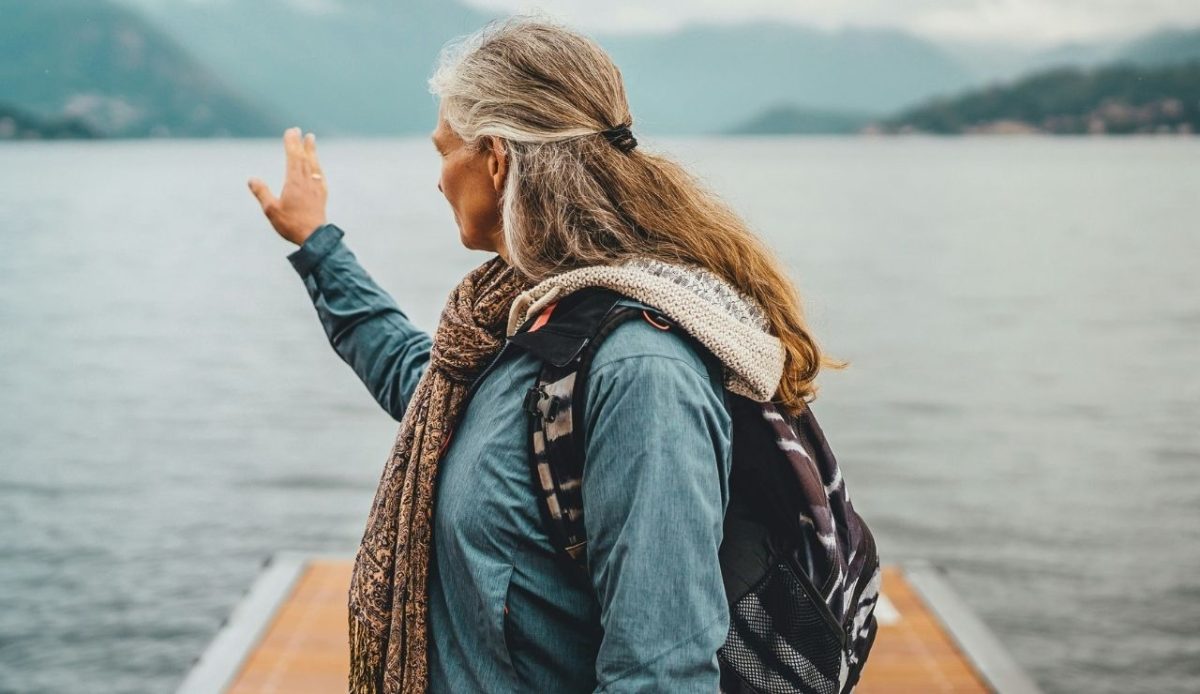
Pointing with a single finger can feel sharp, especially when aimed at a person. Many locals indicate direction with an open hand, a gentle sweep, or a thumb. Travelers notice this when asking for a restroom, a bus stop, or a shop. Using softer gestures helps requests sound polite even without perfect language and reduces the sense of command. When calling someone over, a palm-down motion is safer than curling one finger, which can be seen as rude. Copying these gestures makes interactions smoother in busy places like markets, ports, and ticket lines. If unsure, showing a map on your phone can replace pointing entirely.
9. Correct People Quietly
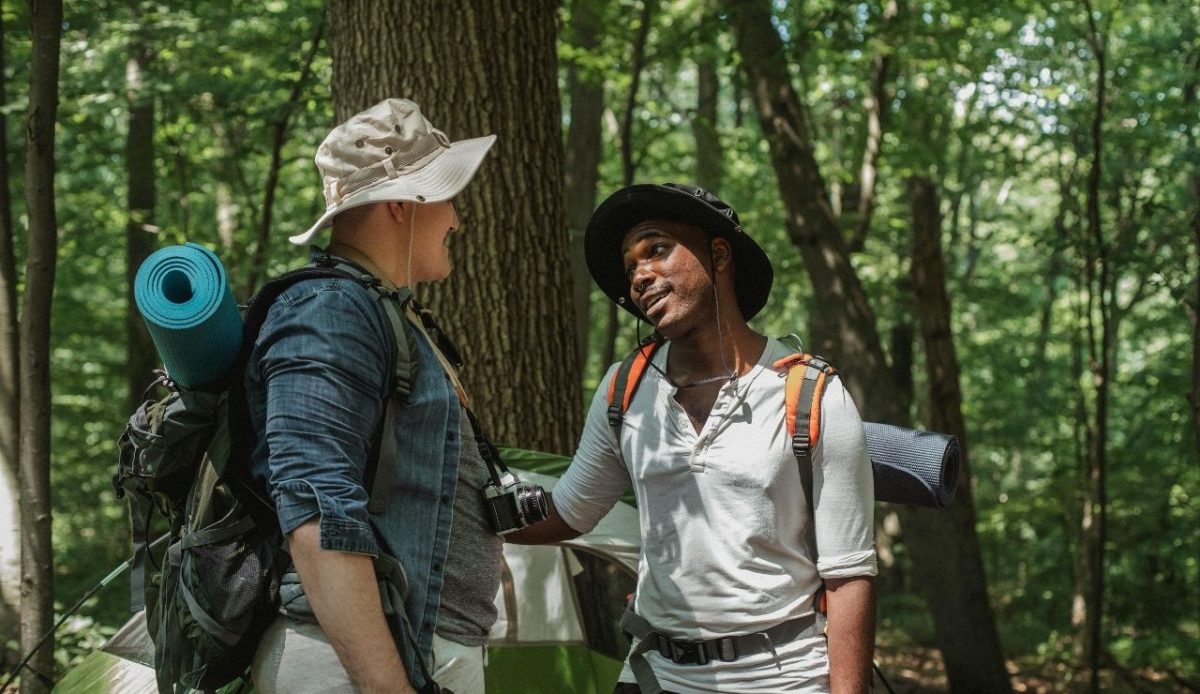
Public correction can cause embarrassment, so criticism is often handled indirectly. If a mistake happens, people may use hints, quiet suggestions, or private conversation instead of calling it out. Travelers who complain loudly can cause the other person to lose face, and the room may go silent. A better approach is to speak softly and step aside if possible, then explain the problem with simple facts. Clear details can still be given, just without an audience. This method is respected in shops, hotels, and transport offices where staff must remain composed while others are watching. A receipt can support your request without pressure.
10. Give Ceremonies Space
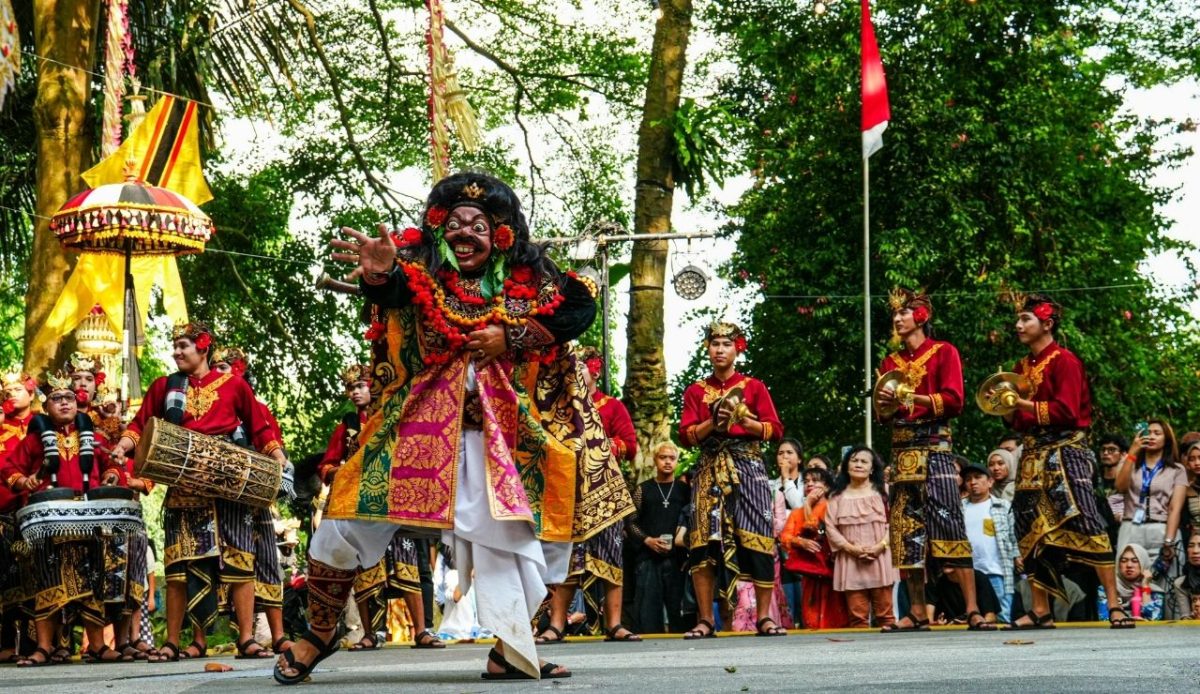
Religious events can change traffic and schedules with little warning, and they are given priority. On Bali, offerings and processions may slow roads, while in other areas, prayer times affect business hours. Visitors are expected to wait patiently and avoid stepping through a ceremony line. Photos may be limited, and loud chatter is unwelcome near prayer. Watching from a respectful distance is safest, and a small donation box may be present at some sites. Accepting these pauses as part of normal life helps travelers avoid conflict and shows respect for local beliefs in public space. Drivers may stop suddenly when a procession appears.
11. Ask Before Photos
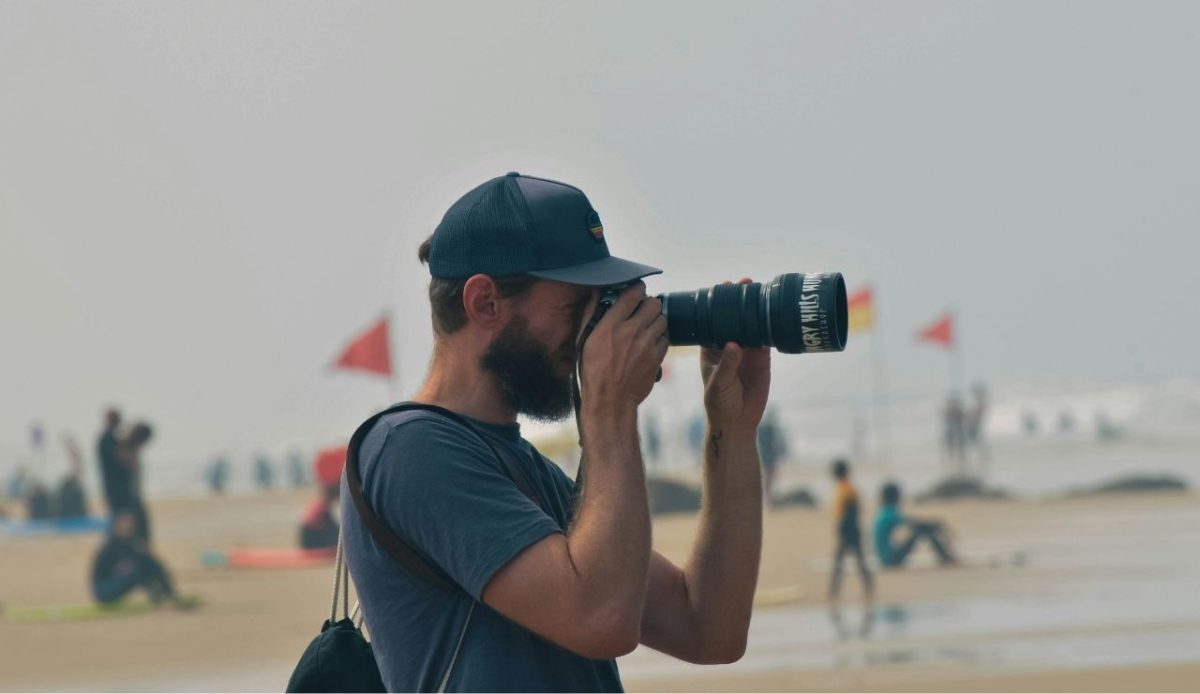
People often prefer to be asked before they are photographed, especially in villages and informal work settings. A smile, a nod toward the camera, or a short question can signal respect. Some will agree, while others may decline without explanation, and that answer should be accepted. Children, elders, and ceremonies require extra care, and flash can be disruptive indoors. Tourists who shoot first may be confronted or ignored later. When permission is granted, a quick thank you and showing the photo on the screen can build goodwill and lead to a better portrait. Avoid cameras near police posts or military sites.
12. Stop To Eat Snacks

Eating on the move is less common in many local areas, where food is treated as something to enjoy with a pause. Street snacks are often eaten near the stall or at a nearby bench, and wrappers are kept until a bin is found. Walking while chewing can look rushed or messy in places that value tidy public conduct. Visitors can stop for a few minutes, finish, and continue. This also reduces litter and attracts less attention. In crowded markets, pausing to eat keeps pathways clear, helps avoid spills on others, and makes it easier to handle spicy sauces safely. On buses and shared vans, strong food smells are often disliked.
13. Dress For Temple Visits
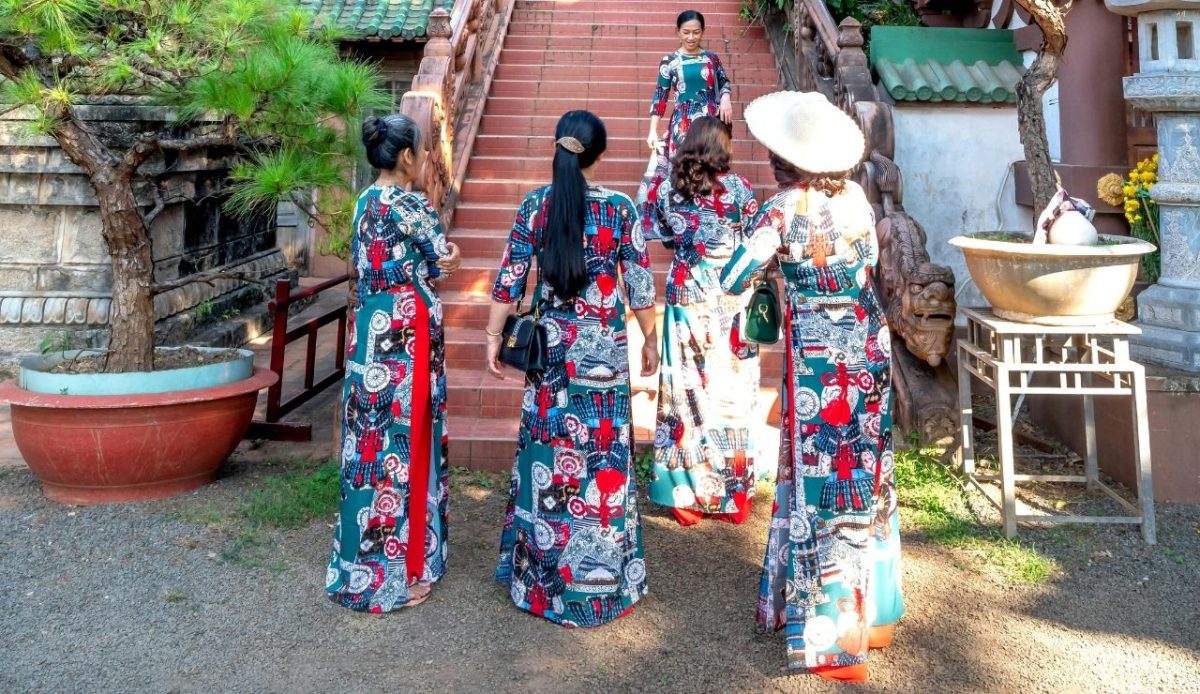
Many temples require covered shoulders and legs, and rules apply even on hot days. In Bali, a sarong and sash may be required, and they are often rented or provided at entrances. Visitors may also be asked to avoid certain areas during prayer or when a rite is underway. Following posted signs and staff guidance prevents refusal at the gate. Carrying a light wrap helps with surprise stops, and it can double as a sun cover later. Respectful clothing also affects how locals treat visitors in nearby streets and shops after the visit, since temple etiquette is taken seriously. Hats are often removed, and voices are kept low inside courtyards.
