
Remote mountain towns can feel peaceful for introverts because stimulation is limited by distance, elevation, and weather. Small populations reduce surprise encounters, and nearby public land offers room to reset without planning. These towns were selected for documented mountain settings plus quiet living traits such as sparse development, nights, and modest nightlife. Crowds may show up during peak weeks, yet calm is usually restored once day visitors leave and the local rhythm returns. Most offer a few essentials like a café, a small market, or a post office, so solitude does not require hardship.
1. Stanley, Idaho
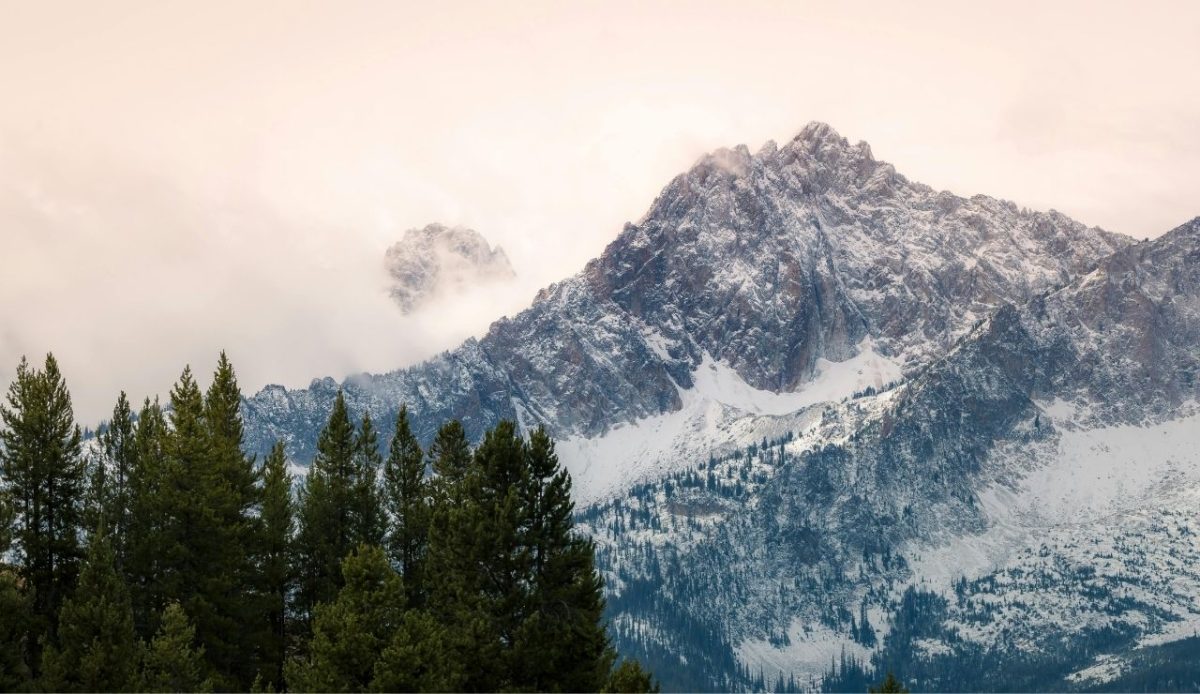
Stanley lies high in Idaho’s Sawtooth Valley, where long distances and thin traffic keep daily noise low. With only a few streets, errands take minutes, then attention shifts to the Salmon River, nearby lakes, and trailheads. Because services are limited, the town avoids constant commercial sound and late hours, and chain retail is absent. Shoulder season days can pass with little more than wind and water moving. Evenings are made quieter by cold air and wide spacing between buildings, and privacy is rarely questioned. For people who recharge alone, Stanley offers predictable routines, star-filled nights, and quick access to open ground.
2. Cooke City, Montana
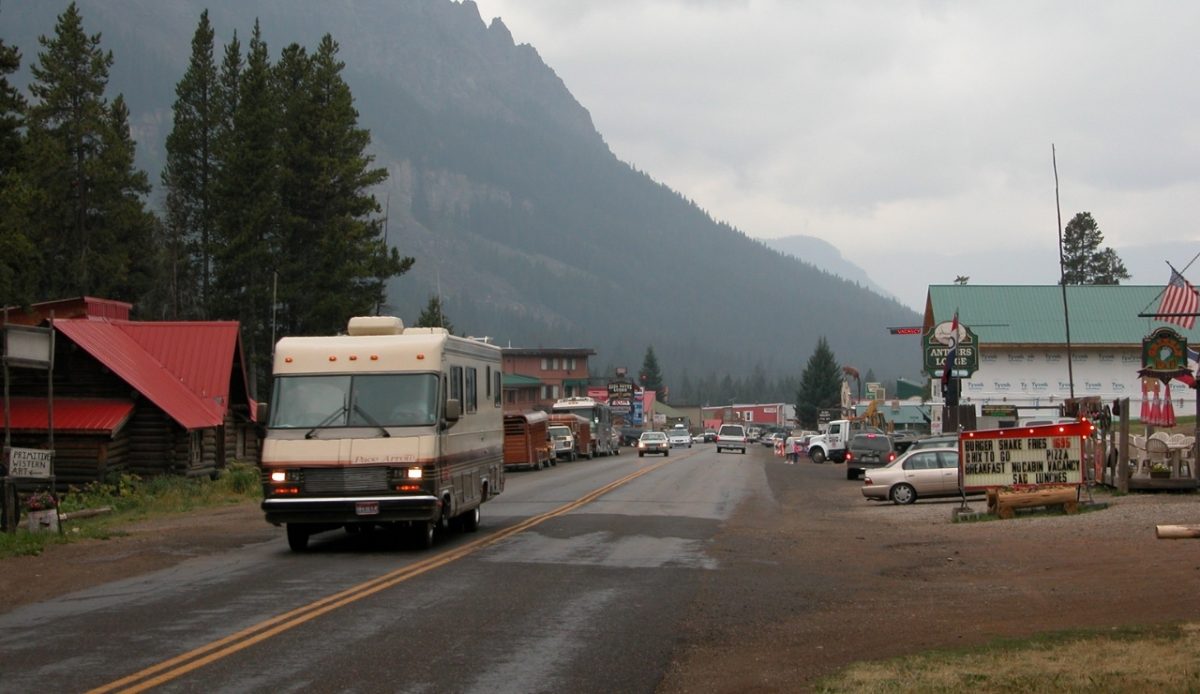
Cooke City is reached by a single mountain route near Yellowstone’s northeast entrance, so casual pass-through traffic stays limited. Winter conditions narrow activity to essentials, and long pauses are common between storms. Lodging and stores remain straightforward, which keeps the town from feeling like a staged resort. Wildlife sightings are frequent, and caution is built into daily movement. Cell coverage can be inconsistent, which reduces constant scrolling and alerts. Many visitors head out early, leaving afternoons for reading, slow walks, and a sense that personal space is being respected.
3. Westcliffe, Colorado
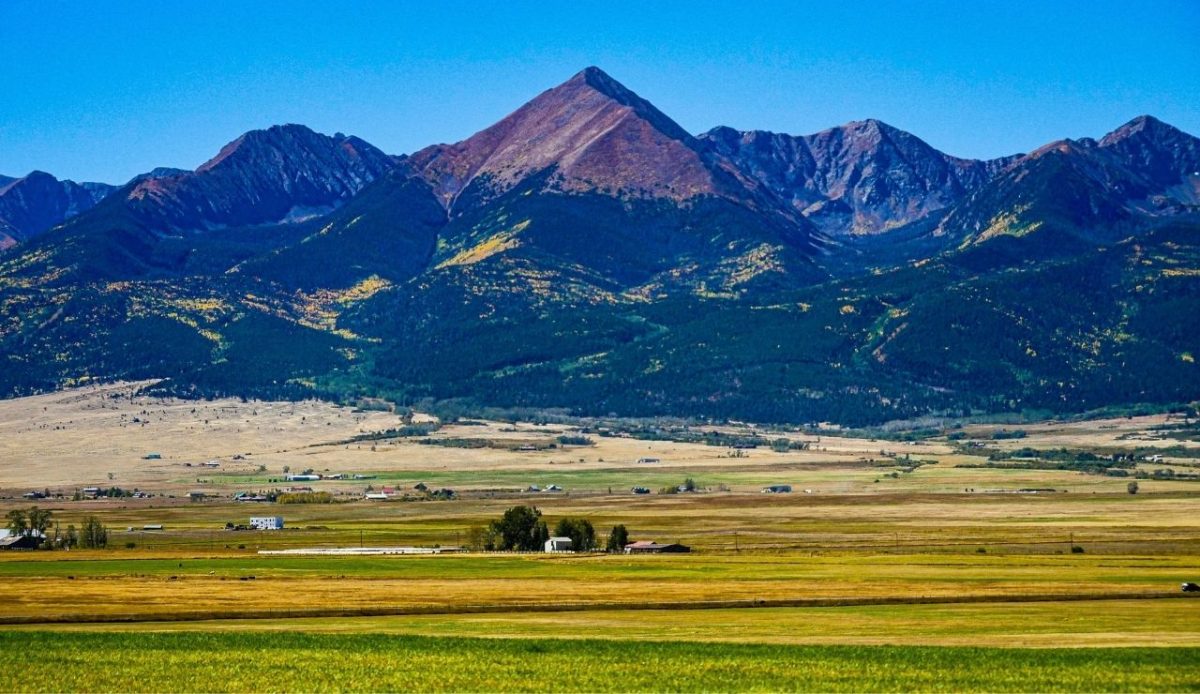
Westcliffe occupies Colorado’s Wet Mountain Valley beneath the Sangre de Cristo range, far from major highways and dense development. International Dark Sky rules keep artificial lighting low, so nights feel calmer, and sleep is often improved. Daytime life leans on small errands, short conversations, and outdoor time instead of crowded venues. Open parcels between homes reduce sound transfer, and the horizon stays uncluttered. Even on weekends, stimulation can be managed by choosing a quiet trail or a slow drive through the valley. This town works well for people who prefer silence as a default setting.
4. Creede, Colorado
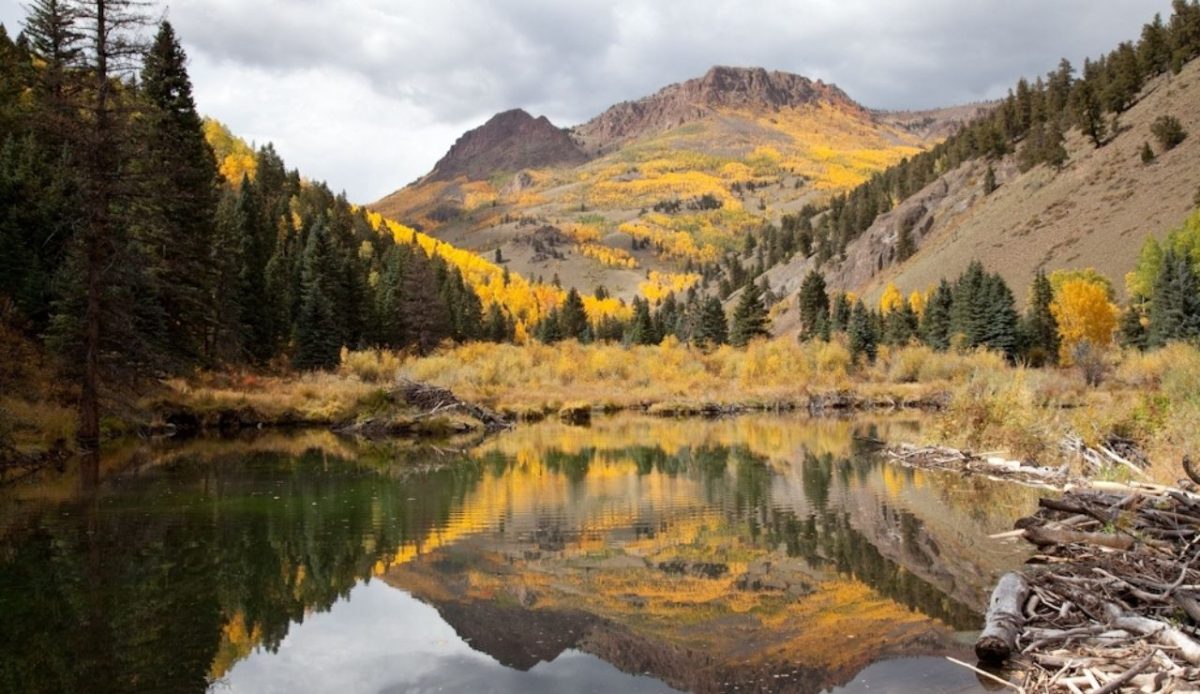
Creede was built inside a narrow San Juan canyon, and the steep walls still restrict sprawl and heavy traffic. The year-round population is small, so services exist without constant crowds being required. Visitors come for fishing, hiking, and history, then disperse into side valleys and forest roads. The canyon mutes sound, and wind replaces city noise on some days. Main Street activity is usually confined to daylight hours, and evenings settle quickly once temperatures drop. Because the town is compact, it can be navigated without long exposure to busy areas. Privacy is easy to keep, while support remains nearby if help is needed.
5. Torrey, Utah
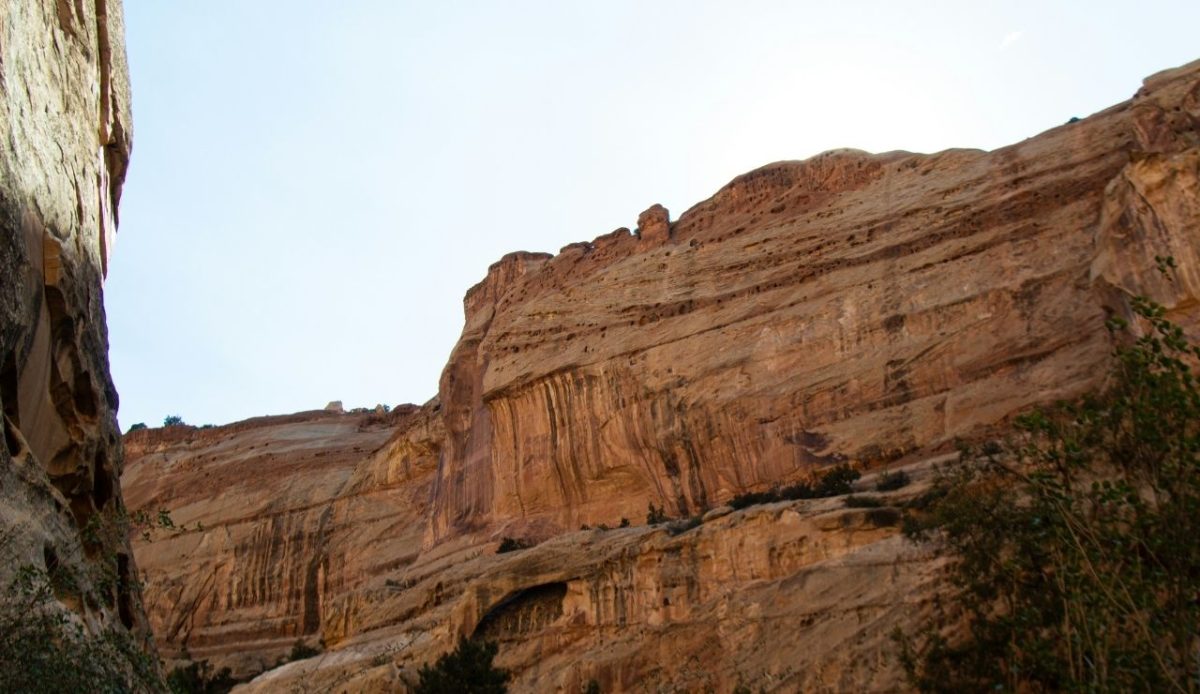
Torrey is near Capitol Reef, yet it stays removed from Utah’s busiest routes, which keeps the pace unhurried. Local services are few, so the town avoids the buzz that builds around larger park gateways. Most visitors drive into the park early, leaving midday hours calmer for porch reading, short walks, or a quiet meal. Public land pulls people outward, so the center stays low volume. After sunset, traffic drops sharply, and the sky becomes the main attraction. With wide roads and low-density housing, encounters can be kept brief and friendly. For an introvert, Torrey supports solitude without cutting off comfort.
6. Mazama, Washington
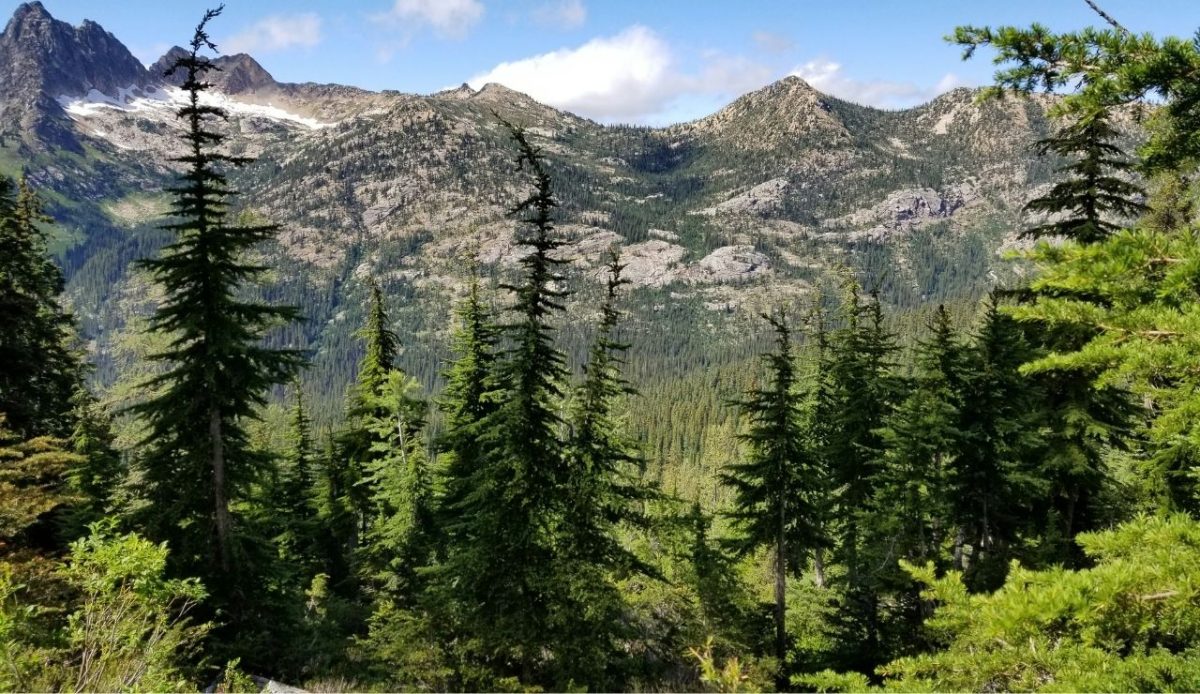
Mazama is a tiny Methow Valley community near the North Cascades, with more trail access than built entertainment. Because it is unincorporated and small, there is little pressure to act like a destination. Lodging is limited, which caps crowds and keeps mornings calm. People arrive for skiing, biking, and quiet roads, then spread out across public land instead of gathering in one spot. Phone service can be uneven, and that break from constant messages is often appreciated. Meals tend to be simple, and evenings stay dark and still. For anyone who prefers low-stimulation days, Mazama offers space, routine, and easy escape from noise.
7. Winthrop, Washington
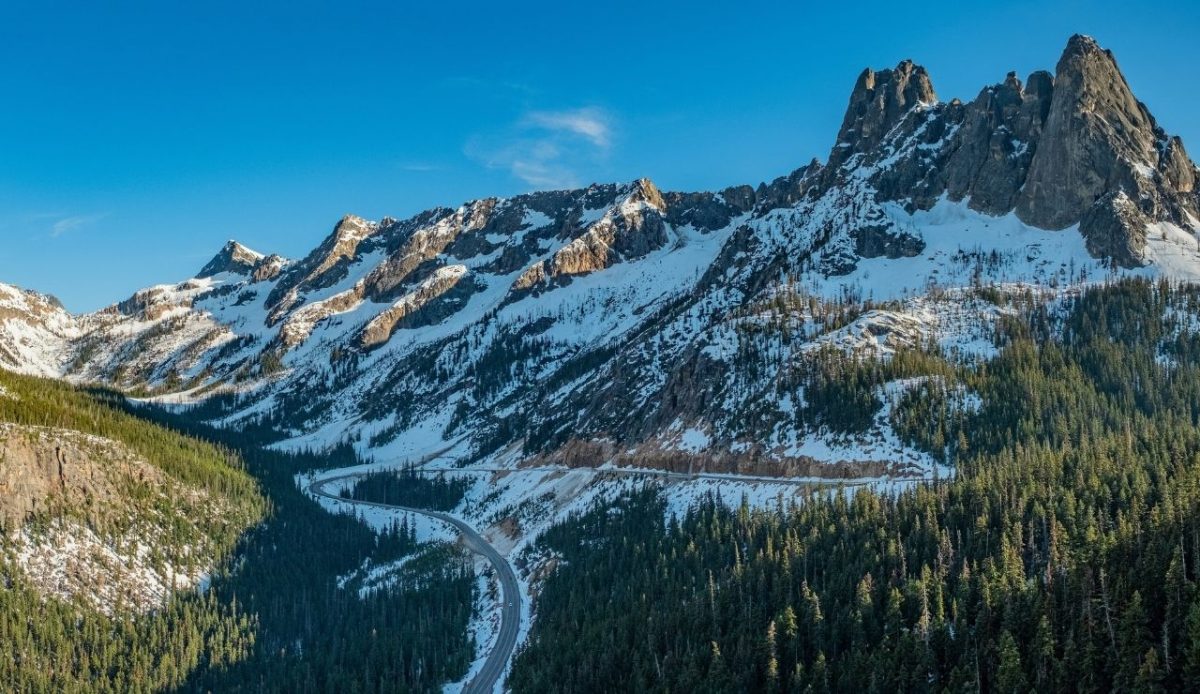
Winthrop is larger than nearby hamlets, yet it can feel remote when the Methow Valley turns quiet outside summer weekends. When Highway 20 closes over the pass in winter, the area becomes more inward-facing and less transient. The town provides groceries, cafés, and basic services, which help long stays without needing a resort scene. Morning streets are usually quiet, and trail access is close enough that a quick drive leads to empty forest routes. Nightlife is modest, so late noise is limited, and sleep is rarely disrupted. Social contact can be kept optional, with space to step away after a short conversation.
8. Joseph, Oregon
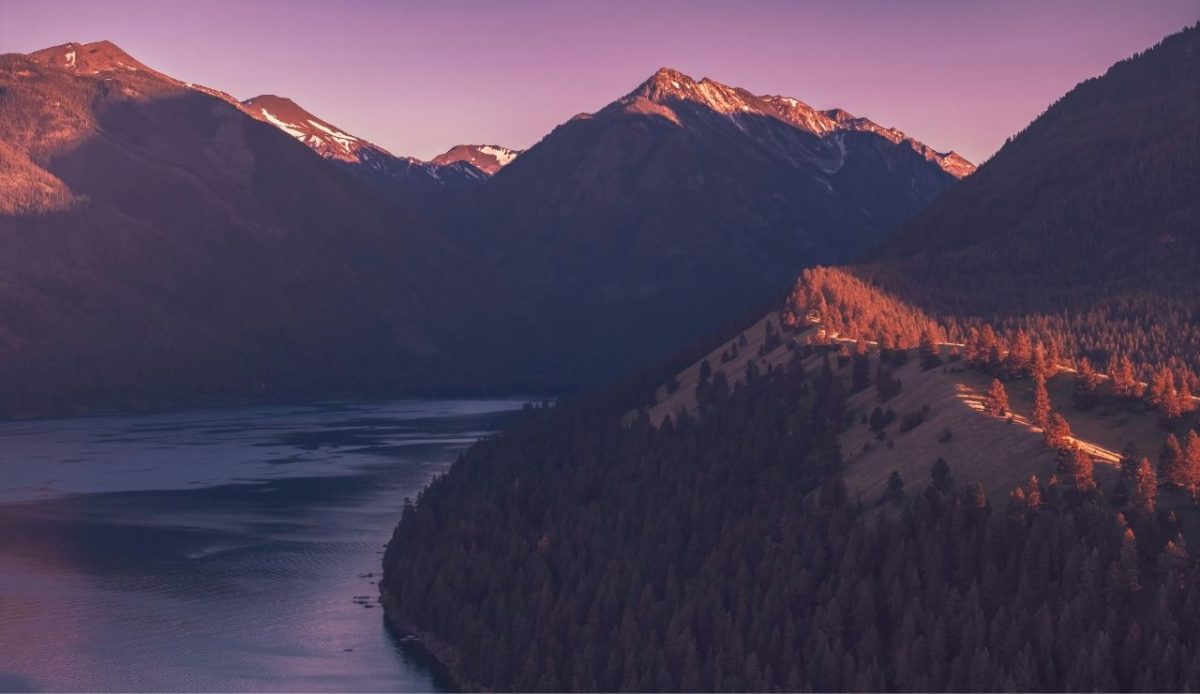
Joseph lies at the base of the Wallowa Mountains, where the town feels like a quiet threshold to alpine country. Small galleries and cafés exist, yet the pace remains steady and easy to control. Many days are organized around lake time, hikes, or scenic drives rather than packed social calendars. Shops close early, which helps nights feel settled. Seasonal visitors arrive, but they often disperse quickly onto trails and boat launches. Evenings are low-key, and parking is simple, which reduces stress. For a person who prefers calm over chatter, Joseph offers clean air, wide views, and interactions that end on your terms.
9. Pinedale, Wyoming
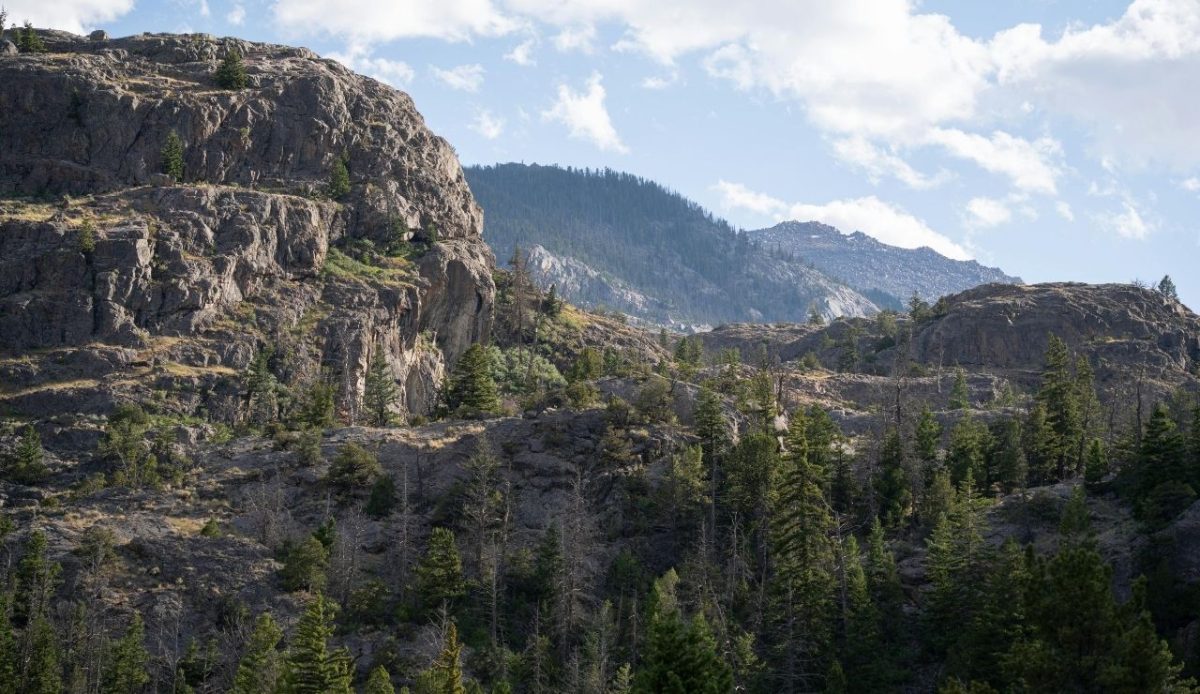
Pinedale is positioned near the Wind River Range and still functions as a working town, so daily life stays practical. Ranching, weather, and trail access shape routines, and flashy nightlife is not a core draw. The street grid is short, so errands can be finished quickly without extended exposure to crowds. Large wilderness areas ring the region, making day trips easy with minimal planning and few interruptions. Even when tourists arrive, they tend to disperse into the outdoors, so downtown pressure drops fast. Quiet seekers often like Pinedale because it feels grounded, consistent, and easy to navigate.
10. Cloudcroft, New Mexico
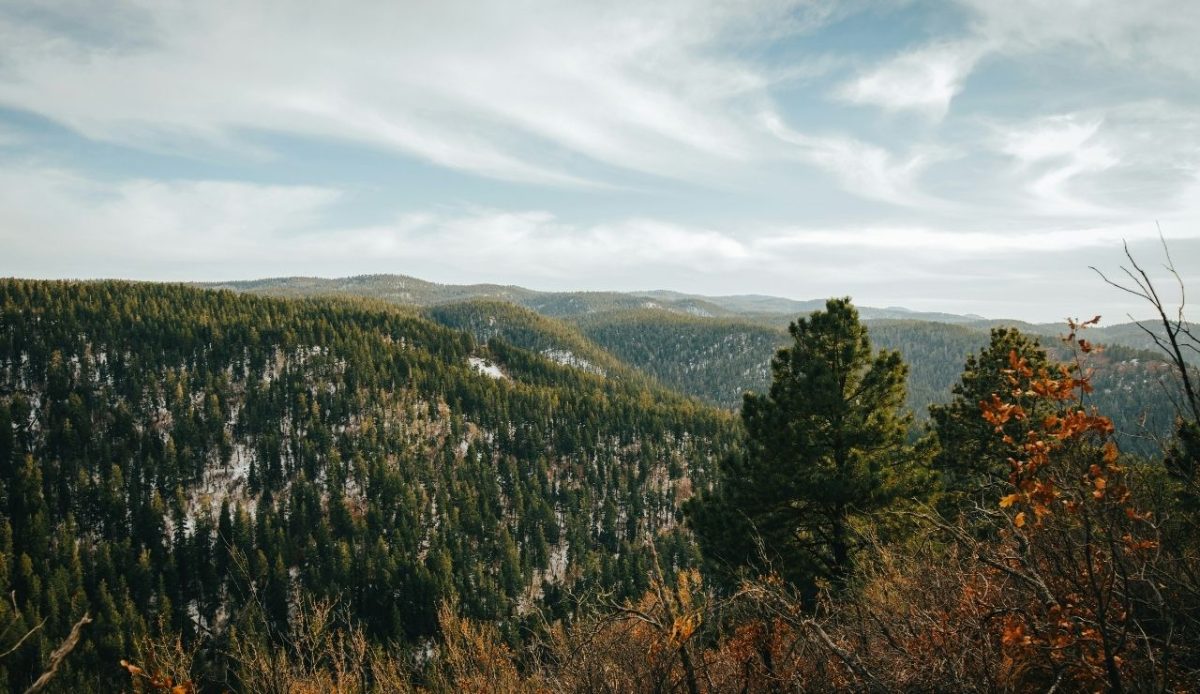
Cloudcroft is set in New Mexico’s Sacramento Mountains among tall pines, where cooler air and tree cover soften sound. The village stays small, and many streets feel residential rather than built for heavy visitor turnover. Trails begin close to town, so a quiet walk can replace a busy outing without a long drive. Forest shade lowers glare, and evenings are often spent indoors with a book or a simple meal. Because the pace is slow, conversations stay brief and friendly, and personal boundaries are respected. For introverts, Cloudcroft offers calm scenery, manageable errands, and nights that feel genuinely restful.
11. Silverton, Colorado
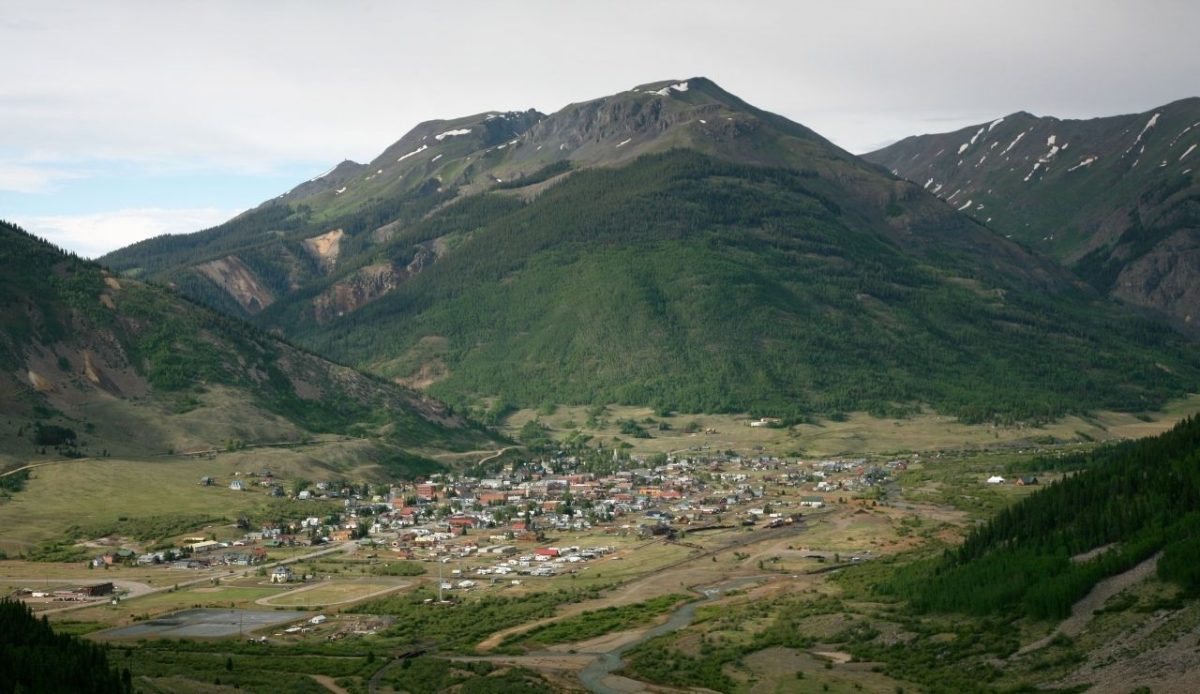
Silverton lies high in Colorado’s San Juan Mountains, surrounded by steep slopes that keep the town compact. The main street can be active in summer, yet calm often returns once day trippers depart. Side roads and high basins are close, so solitude can be reached in minutes without complicated logistics. Cool nights and thin air discourage late hours, and many businesses close early. Noise is also reduced by the small resident population, especially outside holiday weeks. For an introvert, Silverton works best with early starts and off-peak timing, when the mountains feel private for long stretches.
12. Alma, Colorado
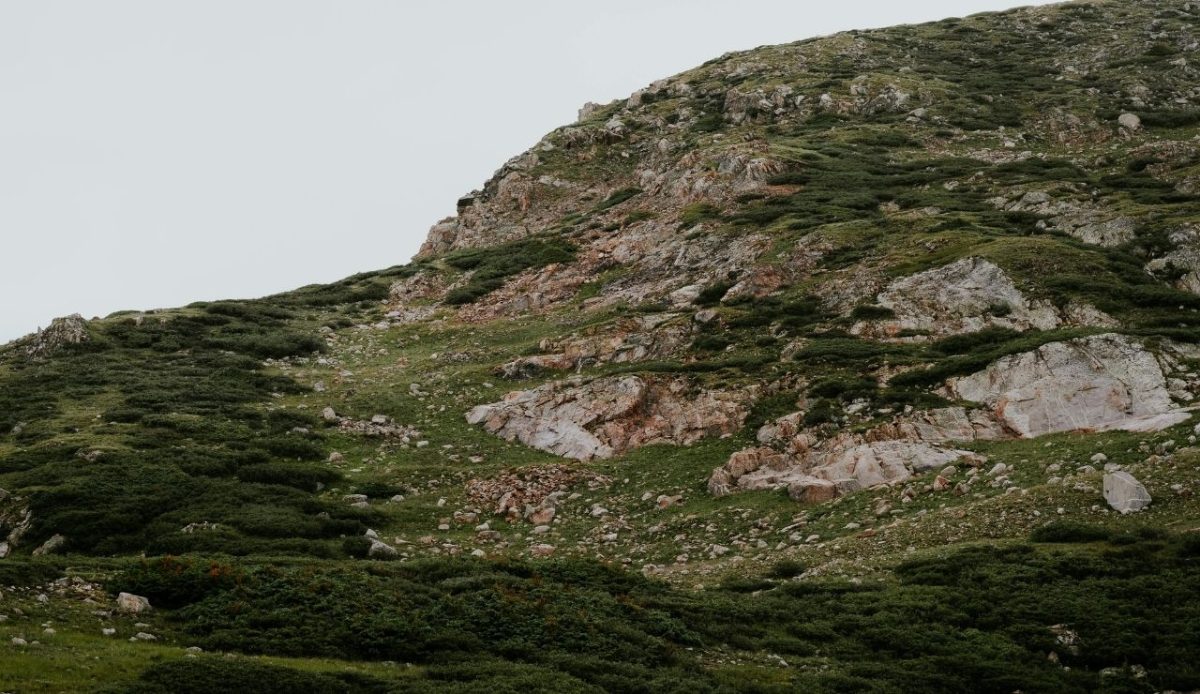
Alma is one of Colorado’s tiniest incorporated towns, located above 10,000 feet near the Mosquito Range. Because homes are spread out and the commercial strip is small, crowd energy rarely builds. Outdoor time becomes the default plan, with high country routes close and views that encourage slow pacing. Limited shopping reduces noise and choice fatigue, and many errands are handled in nearby Fairplay instead. Evenings feel quiet because temperatures drop fast and streets empty early. For introverts, Alma offers a simple base where personal space is normal, and solitude is easy to protect most days.
13. Chama, New Mexico
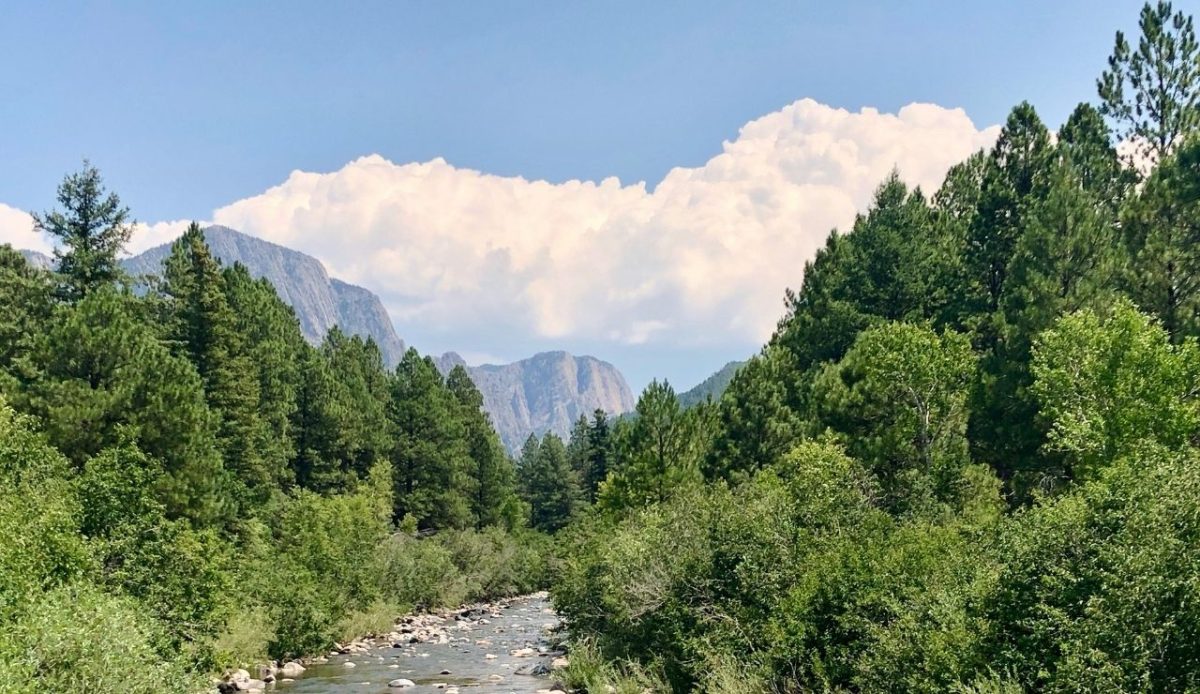
Chama is located in northern New Mexico near the southern Rockies, where forests and ridgelines keep the setting quiet. Outside of train and summer peaks, streets move slowly, and daily routines stay consistent. Drives into nearby high country reach empty pullouts, creeks, and trailheads that feel removed from noise. Nights cool quickly, and the sky often stays dark, so late activity is limited by comfort as much as culture. Local dining and shopping are modest, which helps interactions stay brief. For people who prefer calm boundaries, Chama offers steady days, clear air, and silence close at hand.
