
Cruises promise comfort, safety, and smooth sailing, but those experiences depend on rules that keep every passenger secure. Over time, cruise lines have tightened what travelers can pack, banning items that pose fire hazards, security risks, or space concerns. Some changes surprise first-time cruisers, while others make sense once you understand the reasons. From small gadgets to everyday household items, these restrictions reflect years of lessons learned at sea. Knowing what’s no longer allowed can save you from delays, confiscations, or last-minute stress.
1. Irons and Steamers
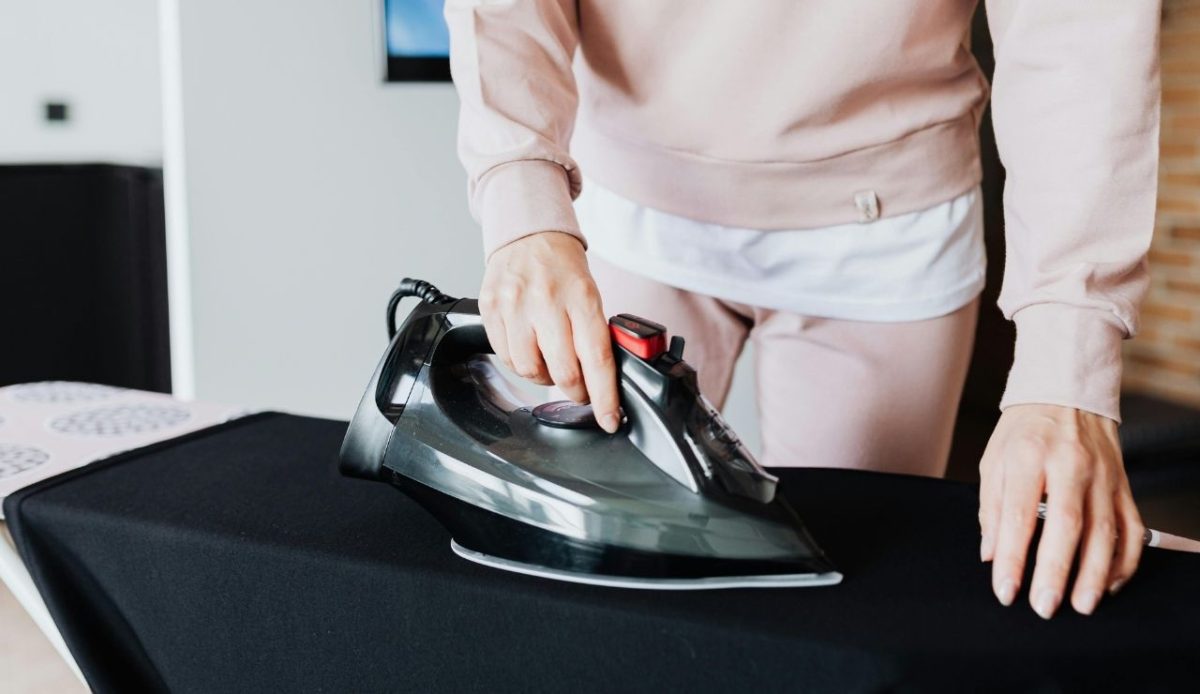
Clothes wrinkle easily in suitcases, but cruise ships strictly forbid irons and steamers. Both present a fire hazard in confined spaces. Cabins have smoke detectors sensitive enough to trigger alarms from the steam, and crew members must minimize fire risks at all costs. Instead, most lines offer laundry services with pressing options, and some provide supervised ironing stations. A few ships even stock wrinkle-release sprays in onboard shops. Planning ensures your outfits stay neat without risking safety violations that could spoil your trip.
2. Power Strips With Surge Protectors
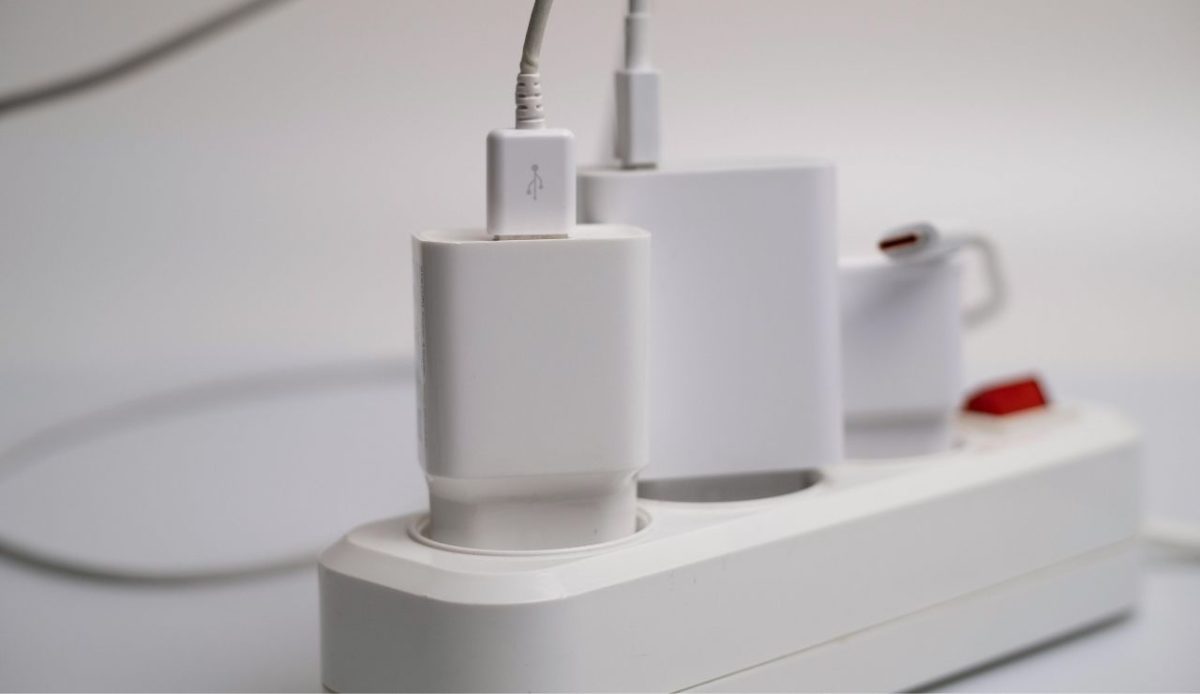
Travelers often pack power strips to charge multiple devices, but those with surge protectors are banned. The built-in components can overheat and interfere with the ship’s power system, creating electrical risks in cabins. Standard, non-surge power cubes or multi-port USB hubs are usually acceptable alternatives. Some ships provide extra outlets near desks or bedside tables, though space is limited. Bringing the wrong kind of strip could mean it gets confiscated at boarding, leaving you short on charging spots. Always check your cruise line’s policy to avoid losing a useful item before you even unpack.
3. Large Liquor Bottles

Many travelers hope to bring their own alcohol, but most cruise lines only allow limited amounts of wine or champagne. Large bottles of liquor are banned, as they cut into onboard sales and create security concerns. Crew members often screen luggage carefully, and bottles that slip through can be taken mid-cruise. To enjoy drinks responsibly, most ships offer beverage packages covering cocktails, beer, or wine by the glass. While these options cost more upfront, they remove the hassle of sneaking bottles aboard and help the cruise maintain a safe environment for all passengers.
4. Homemade or Perishable Foods

Food safety is a serious matter at sea, so homemade or perishable items rarely make it past security. Cruise lines worry about spoilage, contamination, and the spread of pests. Instead, passengers are encouraged to enjoy the wide variety of meals prepared by trained chefs on board. Most ships cater to dietary needs with gluten-free, vegetarian, or allergy-sensitive menus. If you require specific snacks, sealed and packaged goods are usually allowed in moderation. For travelers who want comfort foods from home, it’s best to plan with the ship’s dining team rather than risk losing items at embarkation.
5. Hoverboards and Electric Scooters
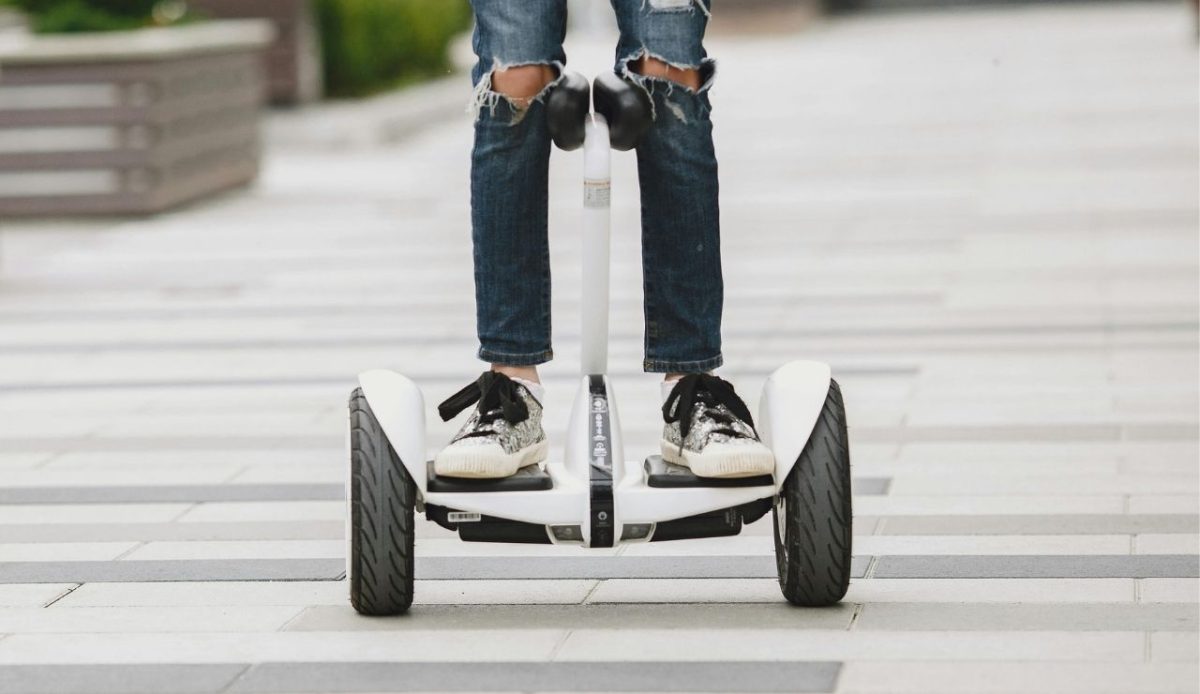
While they may seem like convenient ways to get around, hoverboards and electric scooters are banned for safety reasons. Lithium-ion batteries inside these devices can overheat and even catch fire in confined spaces. Cruise lines have little tolerance for risks tied to combustible batteries, especially after reports of accidents worldwide. Most ships are designed for easy walking, and many provide mobility scooters for those who need them. If you rely on such equipment, approved medical scooters are permitted but must meet strict guidelines. For leisure, passengers are encouraged to enjoy the open decks and walking paths onboard.
6. Candles and Incense

Candles and incense may create a calming atmosphere at home, but on a ship, they present an unacceptable fire risk. Even a small flame can spread quickly in a compact cabin filled with fabrics and furniture. Cruise ships are built with strict fire prevention systems, making open flames completely off-limits. For travelers wanting a relaxing scent, battery-operated candles or plug-in air fresheners are usually fine alternatives. Some ships even sell approved fragrance options in onboard shops. Sticking to these choices keeps your cabin cozy without breaking the rules or risking confiscation during security checks.
7. Drones and Remote-Controlled Gadgets
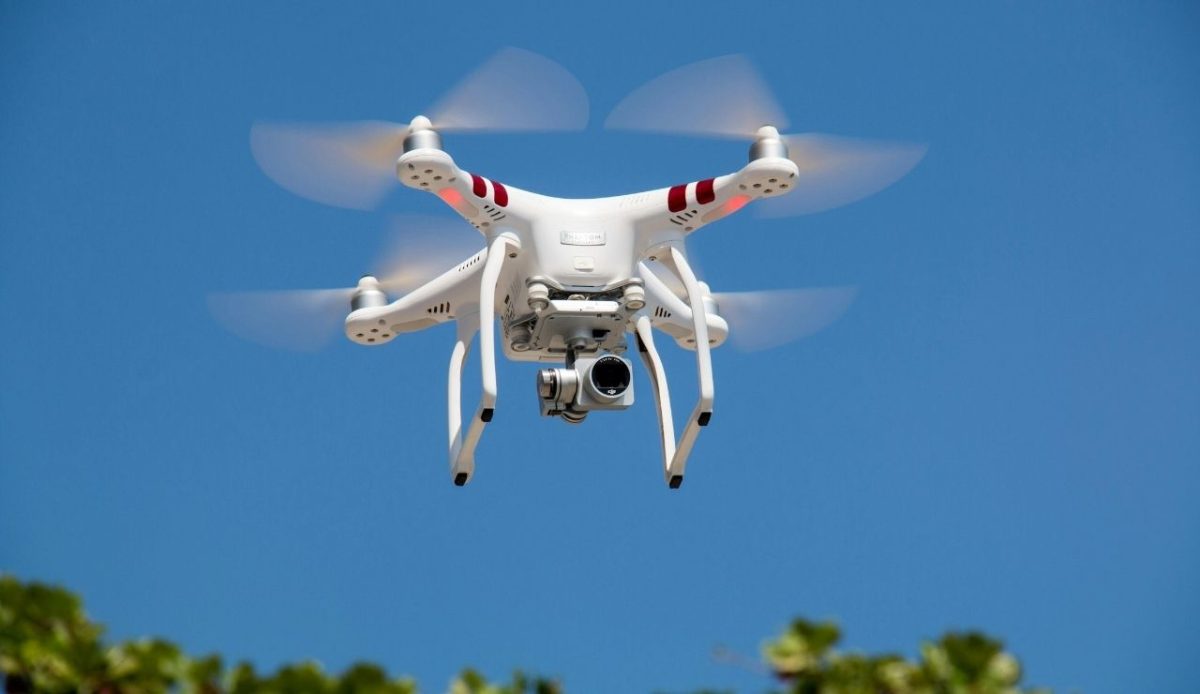
Drones and similar gadgets have grown popular with travelers who want aerial photos, but cruise lines prohibit them. The risks include privacy concerns, interference with navigation equipment, and potential injuries if a drone malfunctions over crowded decks. Even if you plan to use it only in port, most ships still ban them from being carried onboard. A few lines may allow drones to be checked and returned at disembarkation, but this is rare. Instead, cruisers are encouraged to capture memories with standard cameras or smartphones, which remain the safest way to record life at sea.
8. Weapons or Sharp Objects
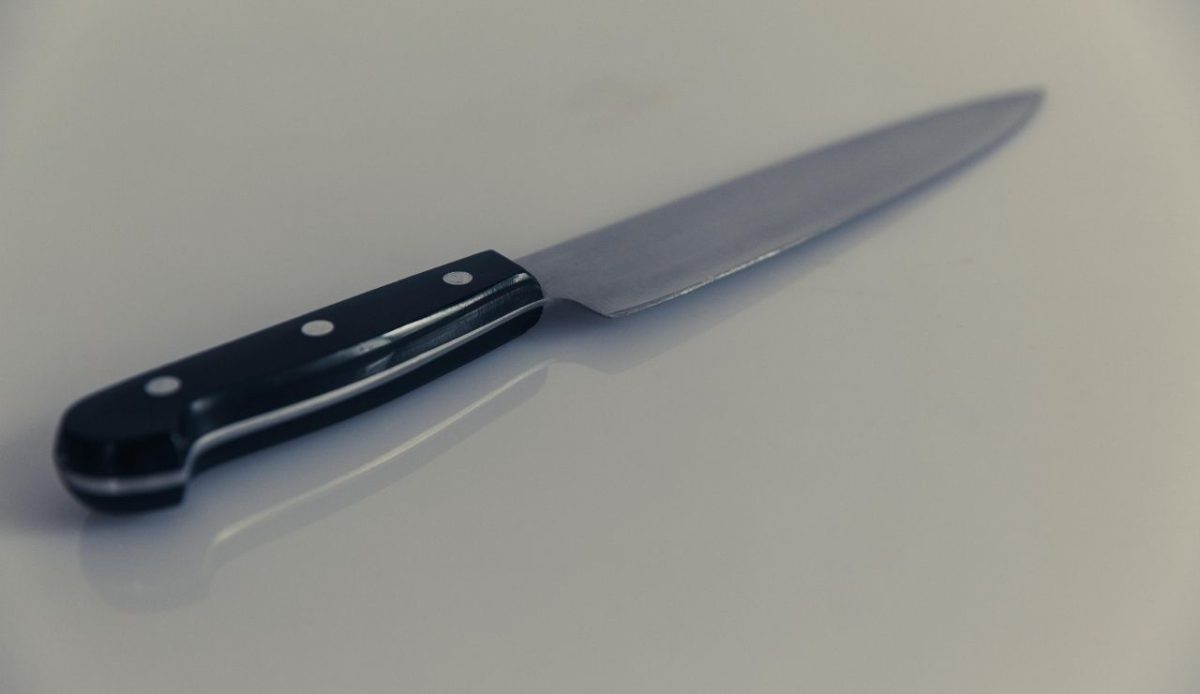
Weapons of any kind, including firearms, knives, and even certain sports equipment, are strictly forbidden on cruise ships. Security measures are in place to protect passengers and staff, and anything considered dangerous is removed during boarding. Small pocket knives or utility blades, often overlooked by travelers, are also on the banned list. To maintain safety, cruise lines provide their own tools for excursions or activities where sharp items are required. Passengers can feel more secure knowing these measures reduce risks of accidents or intentional harm while enjoying the ship’s entertainment options.
9. Fireworks and Explosives

It may sound surprising, but some travelers have attempted to bring fireworks onboard for special celebrations. Cruise lines take a hard stance against these items, as even small fireworks pose extreme hazards at sea. The risk of fire spreading on a vessel surrounded by water is a nightmare scenario for crew and passengers alike. Explosives or similar devices are flagged immediately during luggage screenings. For those wanting celebrations, ships offer safe alternatives such as light shows, deck parties, and onboard events. These experiences create excitement without putting anyone at risk of injury or fire.
10. Marijuana and Other Drugs

Even in regions where marijuana is legal on land, cruise ships do not allow it on board. Ships must follow international maritime law, which often overrides local rules. Passengers caught with marijuana, CBD oils containing THC, or other controlled substances can face penalties, including being removed from the ship at the next port. Cruise lines stress that onboard medical staff provide approved medications if needed, and travelers should bring only legally prescribed drugs in original containers. Understanding these rules prevents unnecessary trouble and ensures your vacation remains focused on relaxation, not legal issues.
11. Certain Electrical Appliances
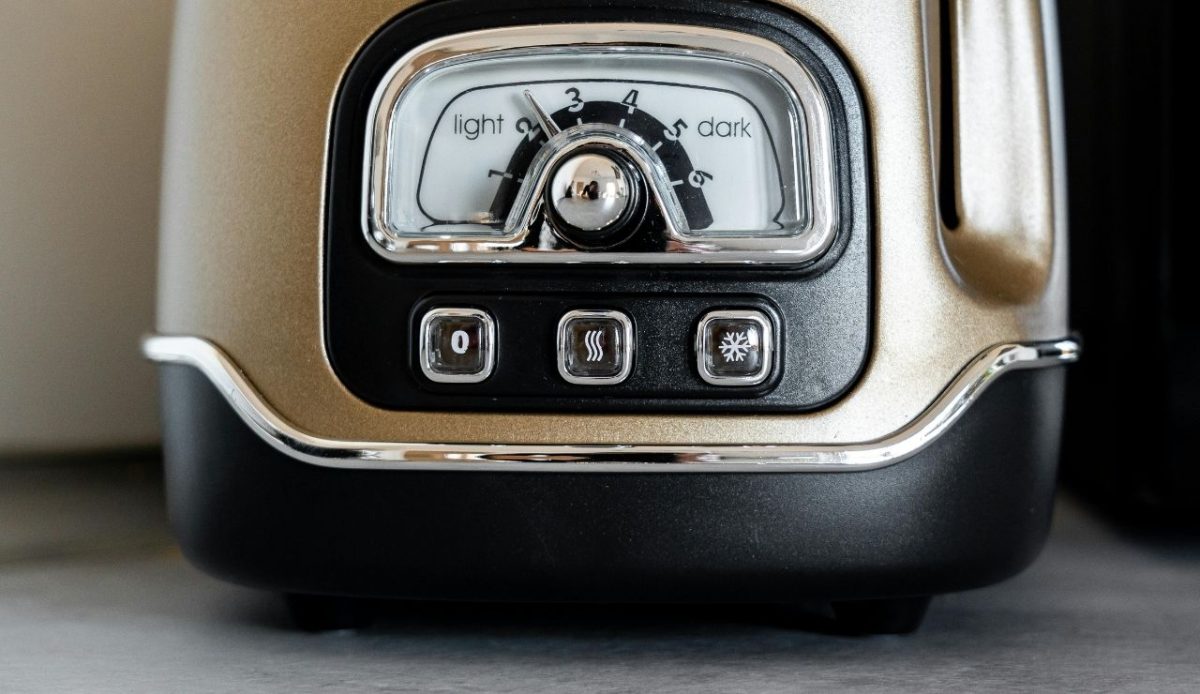
Appliances like coffee makers, hot plates, and toasters are not permitted in cabins. These devices create fire hazards and overload the ship’s limited electrical system. Cabins are compact, making it risky to operate heating elements in such tight quarters. Instead, passengers can find fresh coffee and hot meals available around the clock at dining areas or room service. Many ships also provide kettles or specialty coffee shops for those who want more control over their drinks. By banning unsafe appliances, cruise lines protect both travelers and staff from accidents that could spread quickly in confined spaces.
12. Walkie-Talkies and Ham Radios
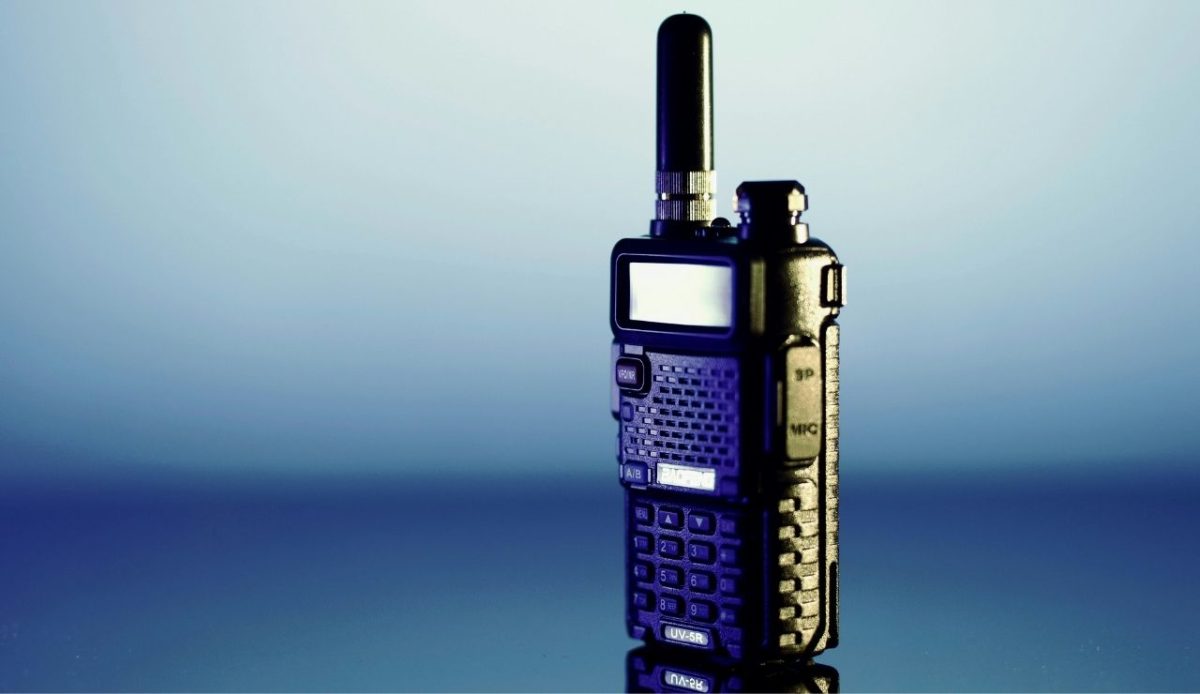
Walkie-talkies, ham radios, and similar communication devices may seem helpful for keeping in touch, but they can interfere with the ship’s systems. Cruise lines often provide onboard messaging through apps, cabin phones, or scheduled meeting spots to make coordination easier. For families or groups traveling together, purchasing internet packages or using ship-approved apps offers a safe way to stay connected. Radios that operate on restricted frequencies pose real risks to navigation and safety. Removing these items from the packing list ensures smoother sailing and helps maintain reliable communication for the crew when it matters most.
