
The wide range of terrain across South America gives hikers plenty of routes where each turn reveals new scenery. Peaks shift from sharp granite to soft volcanic slopes, and lakes appear in shades that reflect minerals carried by centuries of glacier activity. Weather patterns also change quickly, so hikers adjust their pace as light moves across ridges and valleys. Trails that climb toward ice fields or descend toward dense forest show how elevation influences color, air, and the way sound carries. These experiences help travelers understand why many of the continent’s paths earn such strong reputations among hikers who return year after year.
1. W Trek, Torres del Paine, Chile
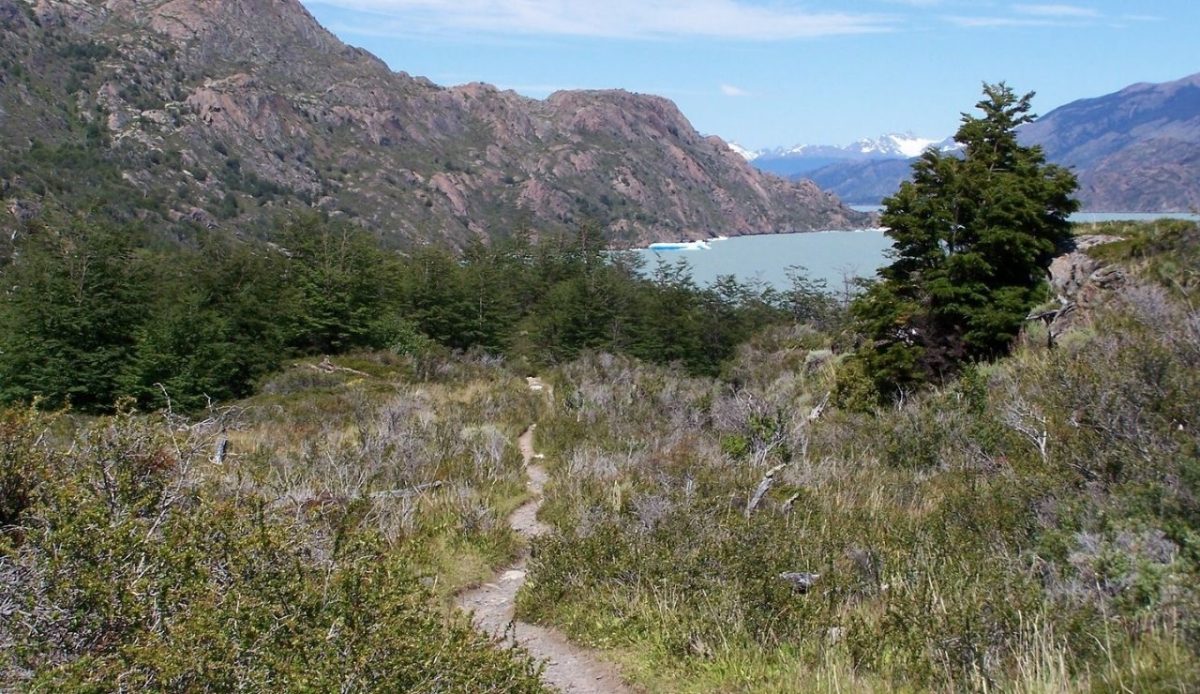
Wind pushes across the open steppe as hikers approach the first valley, and wide bands of color show where rock meets old glacier deposits. The towers appear and disappear behind low clouds, and every shift in light changes how their surfaces look from a distance. Lakes along the route show different shades as mineral content changes near shallower edges. Camps see steady movement because groups arrive from several connecting paths, and early starts help people avoid afternoon gusts. Rangers maintain marked routes so visitors move away from unstable areas near streams carved by ice runoff. Most travelers note how each segment feels different from the last.
2. Laguna 69 Trail, Huascarán National Park, Peru
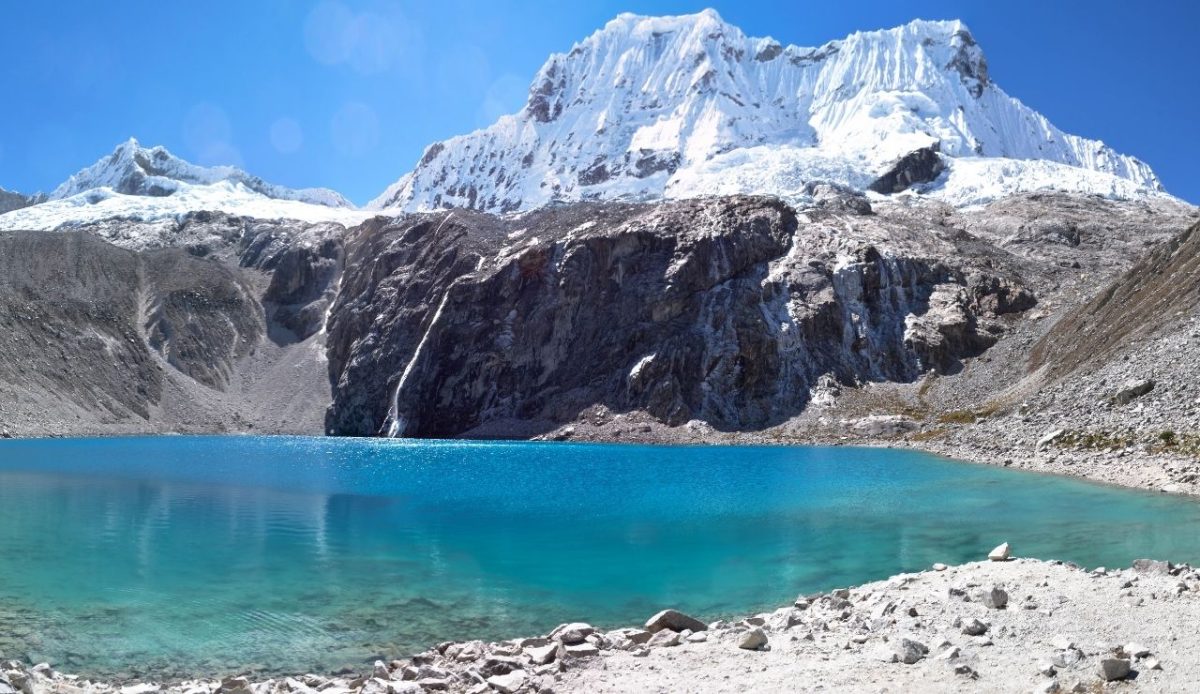
The path begins with gentle meadows where cattle graze, though the climb becomes steeper as hikers reach the valley’s upper bowl. Waterfalls drop from ice walls on the surrounding peaks, and their sound echoes across the basin. The final ascent gains height quickly, so visitors pause to adjust breathing as the air thins. The lake’s bright color comes from suspended rock particles that scatter sunlight, giving it a striking tone that contrasts with the dark cliffs behind it. The weather can shift fast, and clouds form along ridgelines that limit visibility. Most hikers begin early to avoid afternoon storms that sweep across the range.
3. Fitz Roy Trail, Laguna de los Tres, Argentina
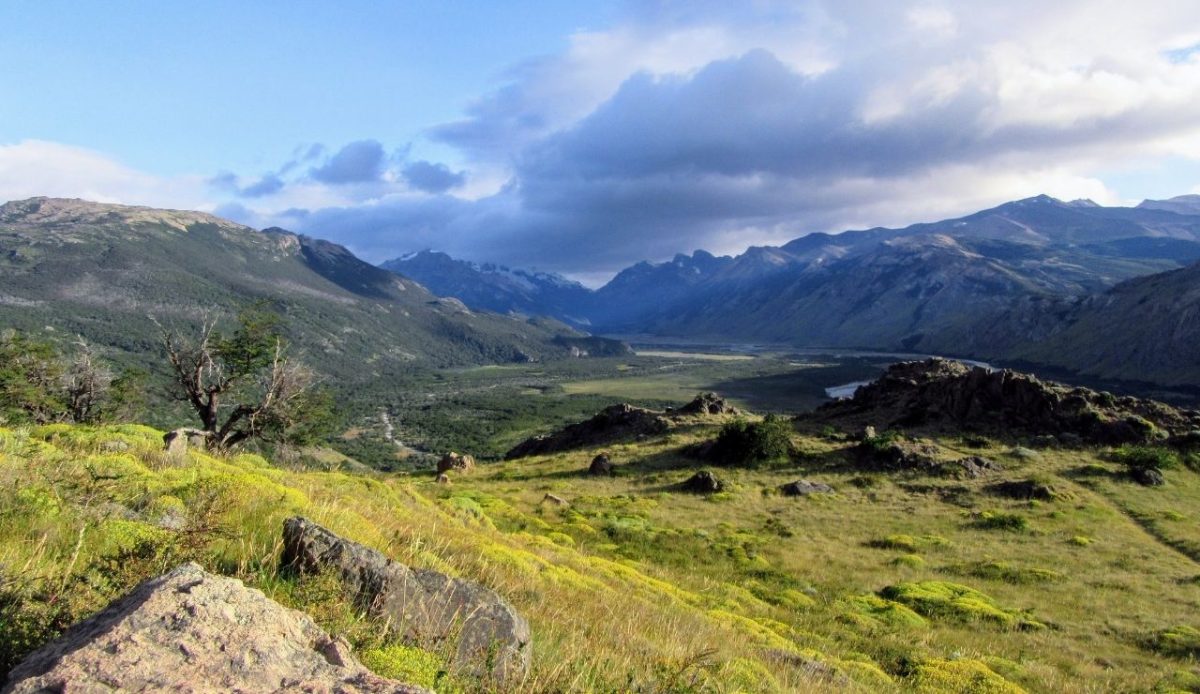
Crowds gather in El Chaltén before sunrise because early movement gives the best chance of steady light on the peaks. The trail climbs through forest where the sound of the wind changes as trees thin near the upper slopes. The final stretch climbs a rocky hill that tests balance and pacing, and hikers often create slow, steady lines toward the lookout. The lagoon reflects the sharp edges of Mount Fitz Roy, and shadows shift across the water as the sun moves behind passing clouds. People remain at the viewpoint longer than planned because the scenery shifts constantly as the wind moves across the ridge.
4. Quilotoa Loop, Ecuador
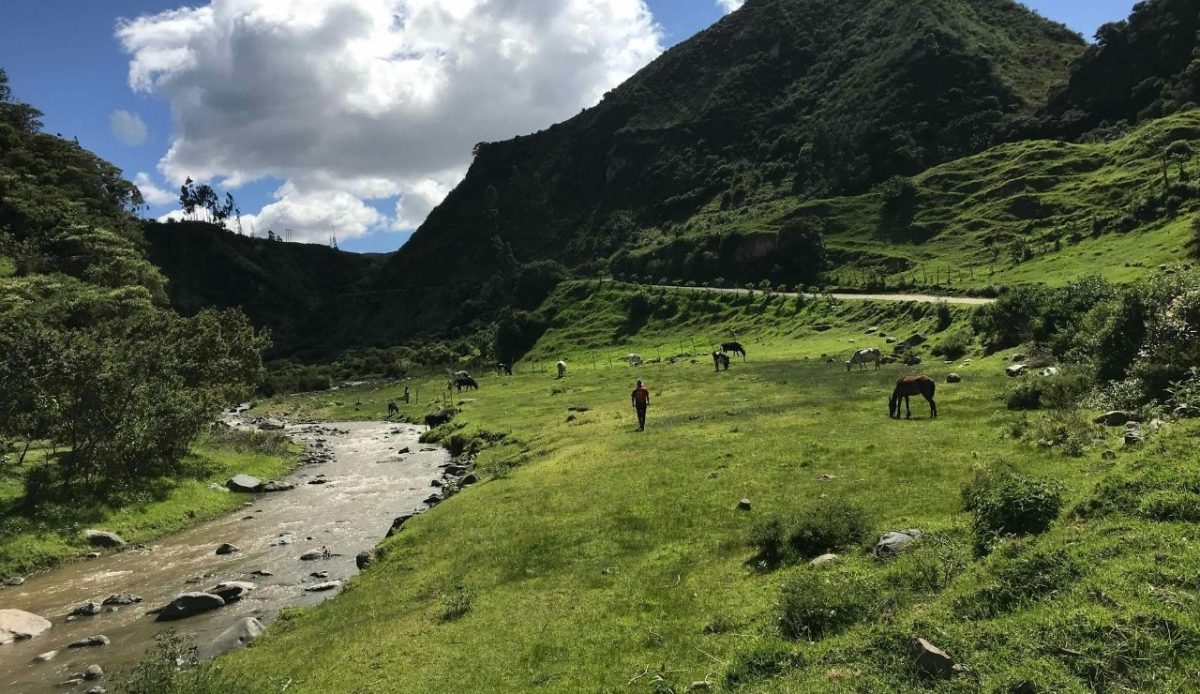
Villages along the loop offer simple stays where hikers learn about the local rhythm of daily life. Footpaths cross farmland, canyon edges, and plateaus marked by older eruptions that shaped the soil. When travelers reach the crater rim, the lake’s color changes with cloud cover and the angle of sunlight. Some sections require careful steps where loose gravel collects near steeper slopes. Because the loop stretches across several communities, hikers spread their journey over multiple days and see how the weather influences the direction of travel. Clear mornings allow sweeping views across the Andes, while afternoons often bring short bursts of rain.
5. Mount Roraima Trek, Venezuela / Guyana / Brazil
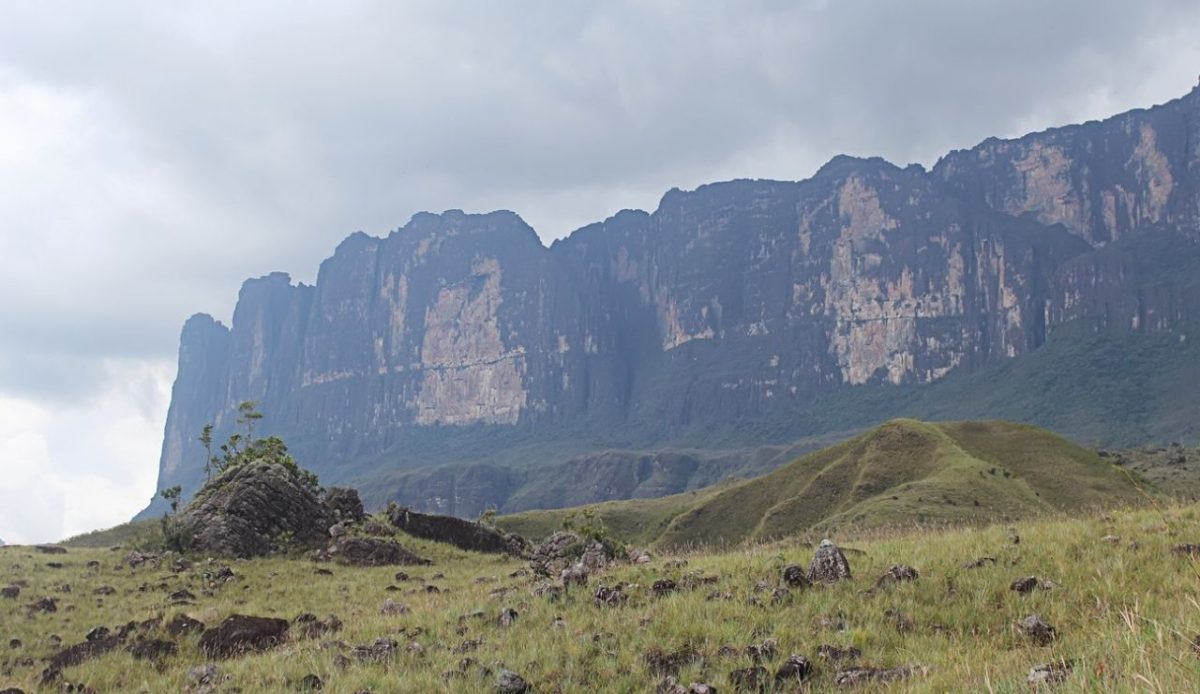
Guides lead groups through savanna grasslands before the trail reaches steeper forest near the base of the plateau. The ascent follows a natural break in the cliff where moisture gathers, creating slippery patches that require slow movement. Once on top, the terrain changes entirely, with dark rock formations shaped by constant wind and steady runoff. Pools reflect the sky and create quiet spots where the only sound comes from distant drops hitting rock. Fog rolls across the surface without warning, hiding views that return minutes later. Many travelers describe the summit as otherworldly because the ground patterns remain unlike typical mountain routes.
6. Colca Canyon Trek, Arequipa, Peru
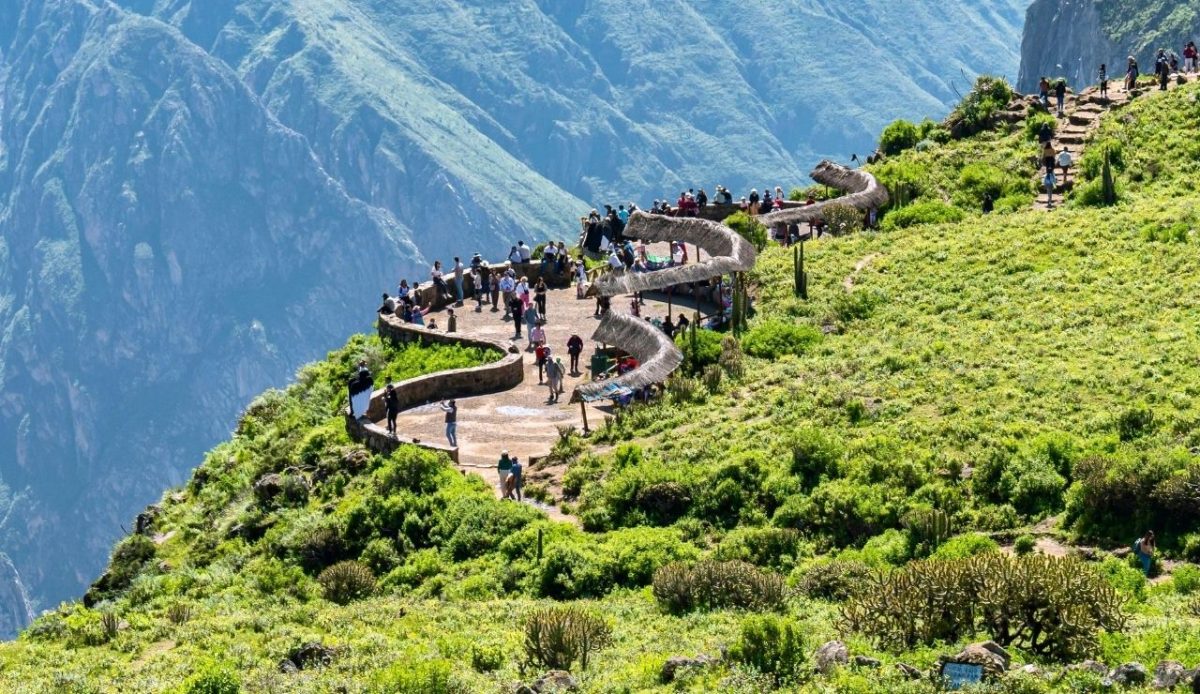
Terraced fields surrounding the upper valley give travelers a clear view of how communities use steep land for crops. As hikers descend, stone paths show signs of long use, and switchbacks reveal the canyon’s depth as walls rise sharply on both sides. Morning air stays cool, and condors glide along warm updrafts that lift them above the cliffs. Villages at the bottom offer rest points where visitors adjust to the slower rhythm shaped by distance from major towns. The climb out demands steady pacing, and each turn exposes new angles of the canyon that show color changes in the rock layers.
7. Huayna Picchu Trail, Machu Picchu, Peru
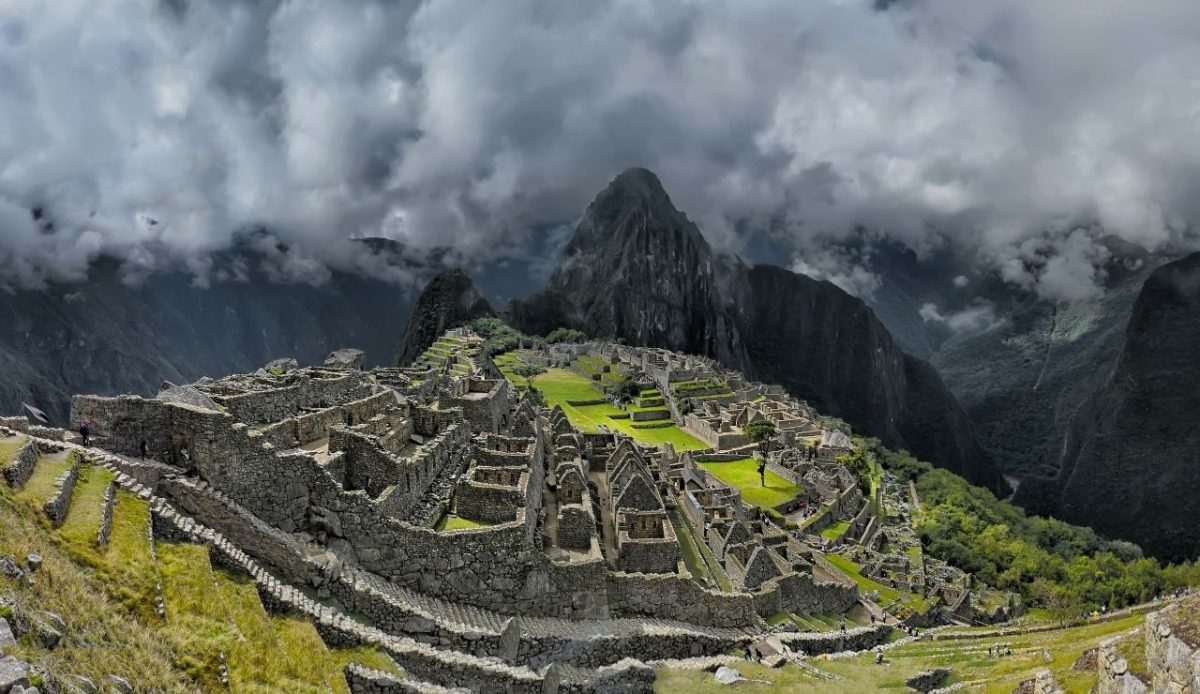
Entry requires timed access because the route climbs a narrow ridge that overlooks the citadel from above. Steps carved into stone create steep movements that test balance, and hand cables help hikers move across tighter edges. From higher points, terraces appear in geometric patterns that match the hillside’s curve, and the river below winds through a deep valley hidden from most viewpoints at ground level. Clouds form quickly along the ridge, changing the clarity of the ruins. Afternoon humidity slows progress, so early slots remain popular among visitors who want steady conditions and clearer views across the surrounding peaks.
8. Torres del Paine O Circuit, Chile
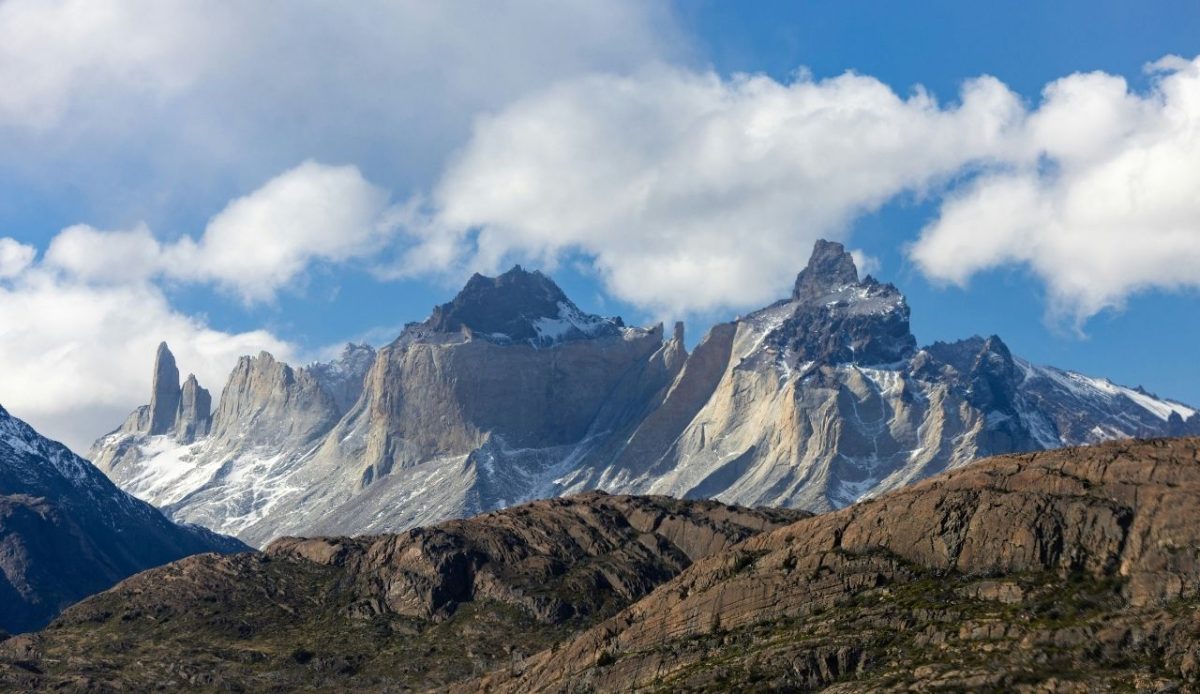
This longer loop follows quieter sections of the park where fewer groups pass through each day. Forested areas near rivers offer moments of calm compared to open stretches where the wind accelerates across the plain. The climb toward John Gardner Pass reveals one of the route’s most striking sights as the Grey Glacier spreads across the valley below. Campsites sit at planned intervals because the distance between segments requires controlled pacing. Weather shifts more dramatically here compared to the W Trek, so hikers plan flexible days. Those who complete the circuit describe how each side of the massif tells a different story.
9. Ciudad Perdida Trek, Colombia
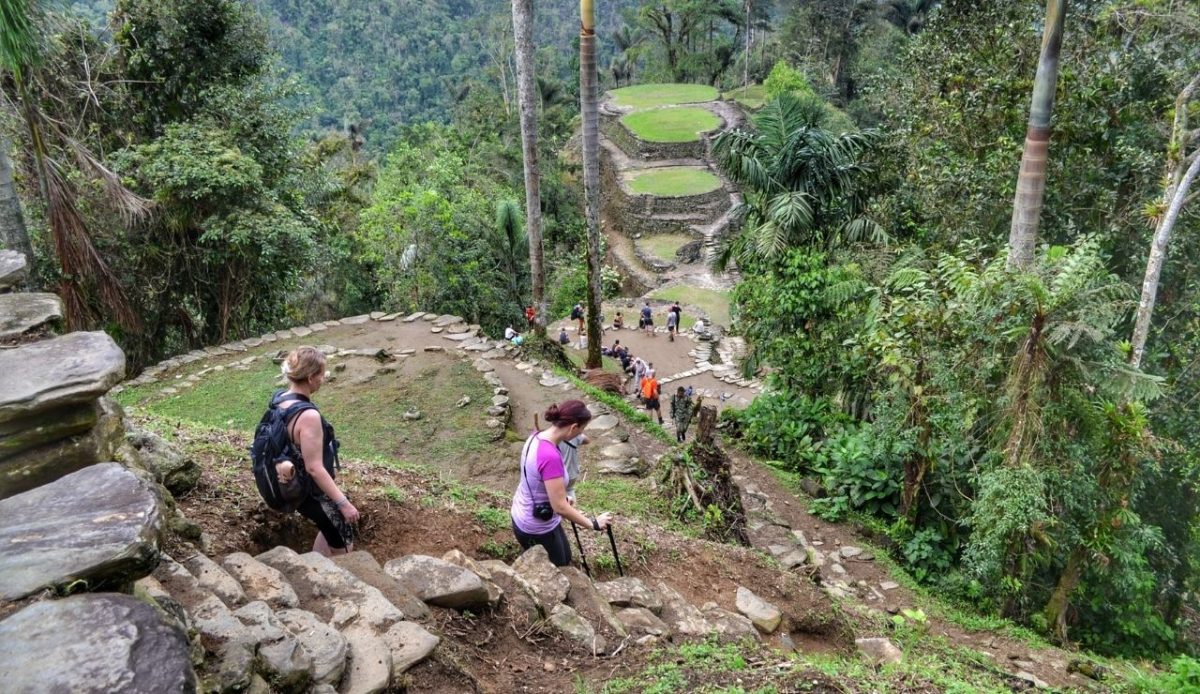
Dense forest limits long views in the early days, though steady climbs show how the terrain changes from humid lowlands to cooler elevations. River crossings form natural breaks along the route, and guides help groups choose safe spots during periods of strong flow. Stone steps leading to the terraces rise in uneven patterns, reminding travelers how old routes were built without modern tools. The wide platform at the top reveals circular structures that stretch across the hillside. Morning fog moves through the site, softening edges and creating a quiet setting that contrasts with the effort required to reach the summit.
10. Pico Bolívar Ascent, Sierra Nevada de Mérida, Venezuela
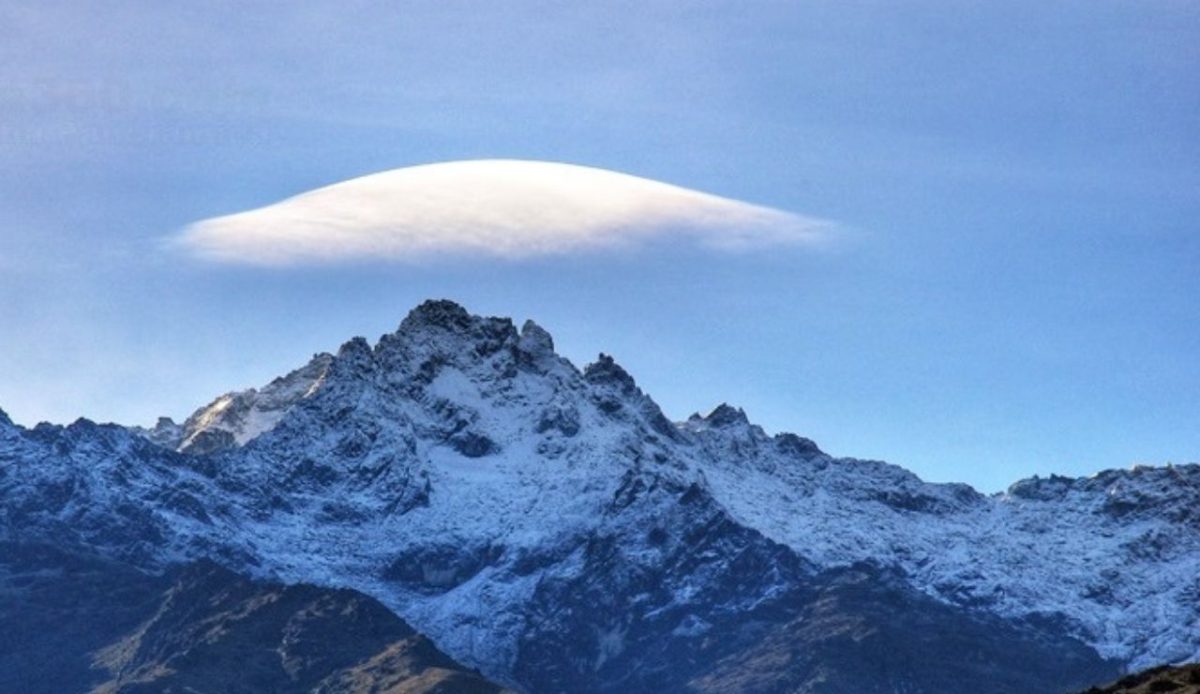
Routes toward Pico Bolívar begin in a forest that thins as hikers gain height along rocky paths shaped by freeze-thaw cycles. Cold air settles quickly in shaded gullies, and small patches of ice form even outside peak winter months. The final section involves scrambling along ridges where every step demands attention because loose stones shift without warning. Views across the Sierra Nevada reveal steep valleys and lakes that rest at lower elevations. Climbers time their approach to avoid afternoon clouds that reduce visibility near the summit. Guided groups help maintain a steady pace so fatigue does not increase risks at higher points.
11. Quilombos Trail, Serra do Cipó National Park, Brazil
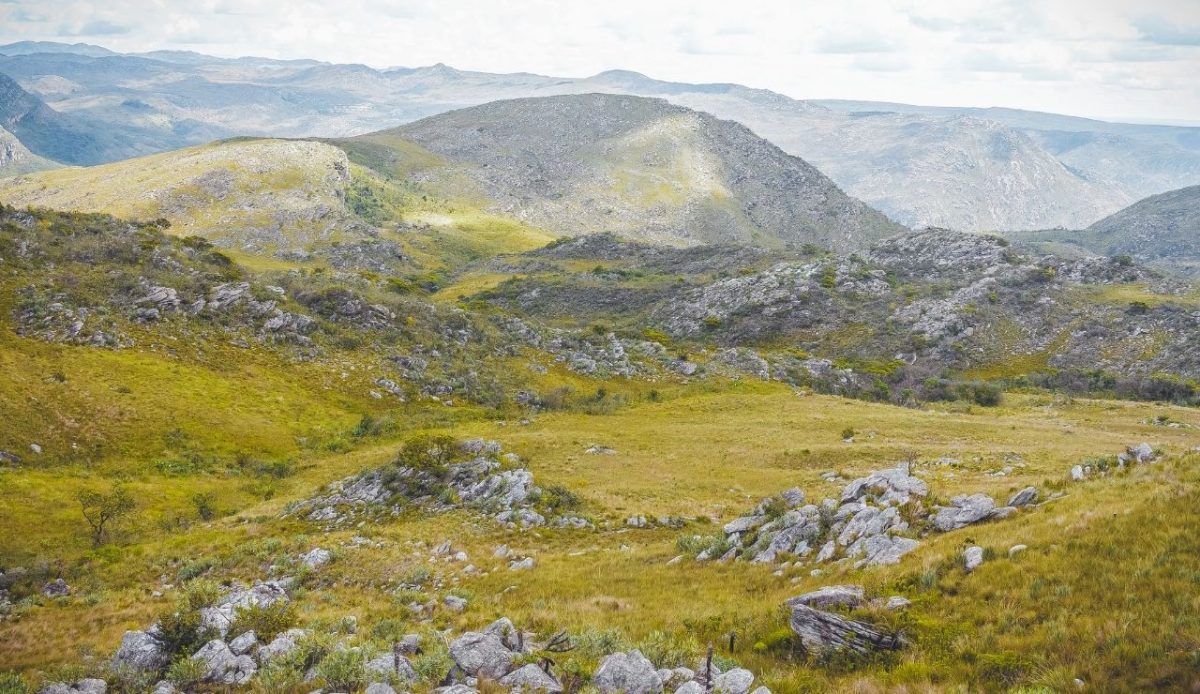
Hikers begin across open highlands where quartzite formations rise in irregular shapes above the grasslands. The terrain shifts as the path drops into canyons cut by centuries of seasonal flow, and clear pools reflect the wide sky. Wildflowers appear during certain months and add color to long stretches that would otherwise feel more subdued. The gradual climb along stone slabs reveals distant plateaus framed by soft shadows toward late afternoon. Because the park spans several ecosystems, each segment presents a new set of plants and insect sounds that signal changing elevation. Visitors often pause near overlooks where light stretches across the valley floor.
12. El Cocuy National Park Glacier Circuits, Colombia
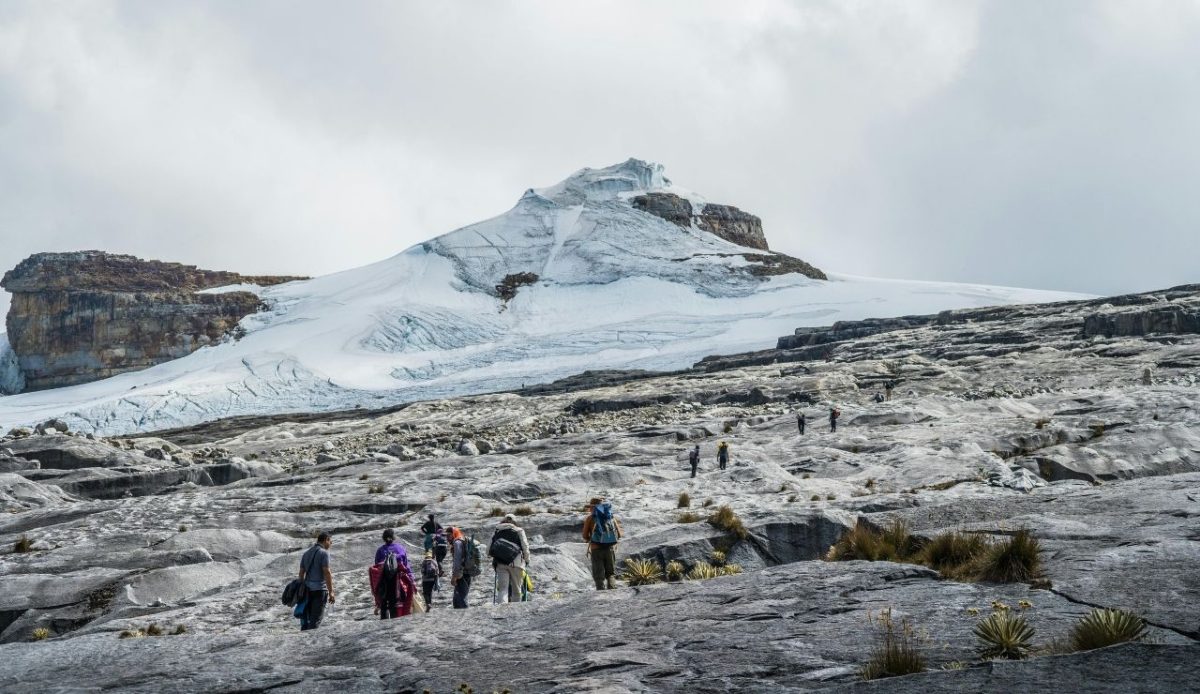
Routes in this high-altitude park move through pale ridgelines where glaciers leave patterns on the rock that reveal older freeze cycles. Lakes along the trail reflect sharp peaks, and their still surfaces create quiet moments before the climb resumes. Altitude demands slow progress, and hikers often take extended rests to adjust their breathing. Rangers require registration to manage access and protect fragile areas that respond quickly to heavy foot traffic. Morning frost coats the ground, adding brightness to the first miles. As the sun reaches the valley, colors shift across the slopes, giving each viewpoint a different character.
