
Witch trials left paper trails that still shape how towns are remembered, from court minutes and sermons to monuments and museum exhibits. To keep this list grounded, each place is tied to a documented prosecution that is widely cited by historians, archives, or local heritage groups. Core details can be cross-checked in reference works such as Britannica and in curated collections like Yale Law Library, Lancaster Castle, and the Museo di Triora. Dates and settings vary, yet the pattern stays clear as fear was amplified, testimony was gathered, and punishments were imposed. Many sites now display names so victims are not forgotten.
1. Salem, Massachusetts
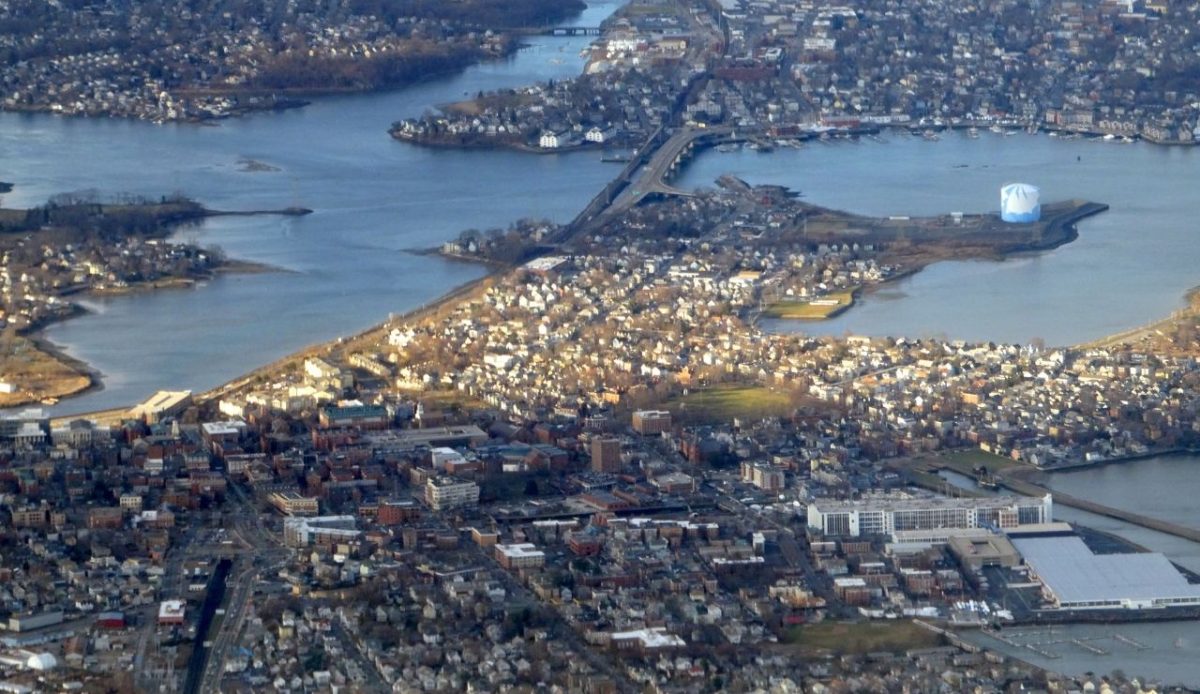
Salem is linked to the 1692 prosecutions in colonial Massachusetts, when complaints from nearby farms were handled in the port town that served as a regional court center. Proceedings were run by the Court of Oyer and Terminer, and written testimony from neighbors became the engine that kept arrests moving. Executions occurred on the outskirts, and later petitions pushed the colony to admit error and grant compensation. Walking routes today connect meetinghouses, cemeteries, and exhibits that explain how the panic rose and then collapsed. The first accusations began in what is now Danvers, which helps map how one dispute spilled into politics.
2. Lancaster, England
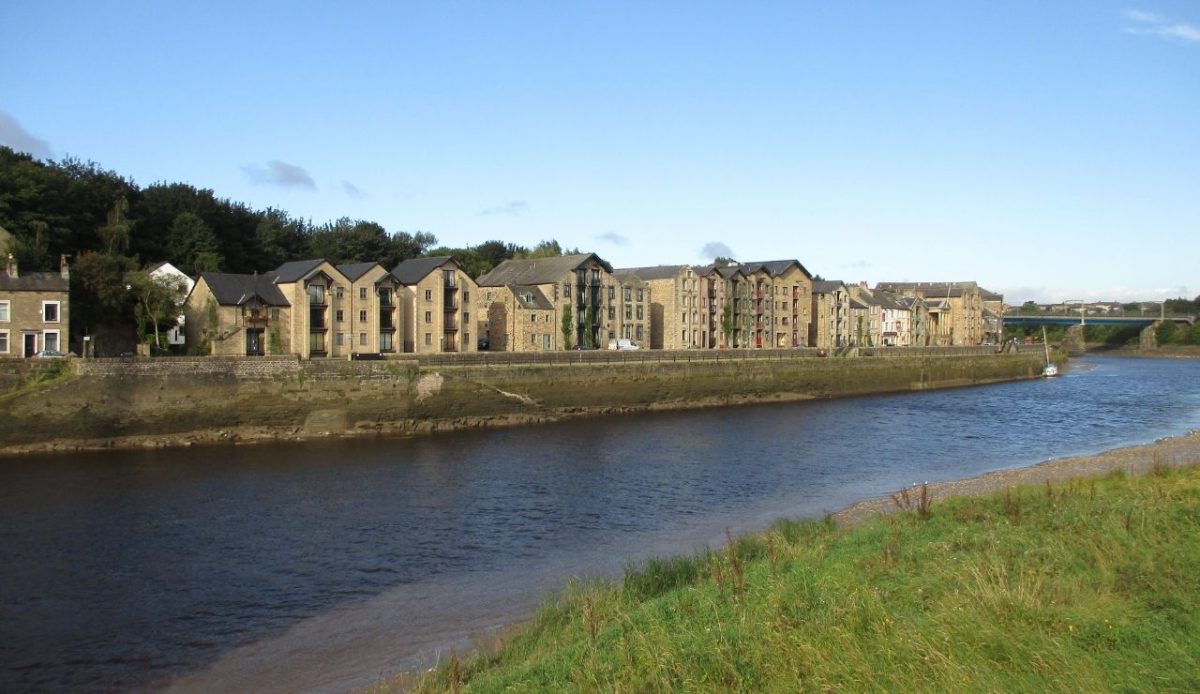
Lancaster is remembered because the assizes held at Lancaster Castle heard the 1612 Lancashire cases that included the Pendle accused. Those trials were carried out under the Jacobean witchcraft statute, and the courtroom was supplied with depositions taken by local magistrates after a rumored meeting at Malkin Tower. Clerk Thomas Potts published the proceedings, which is why names like Demdike, Chattox, and Alice Nutter remain unusually traceable. Ten defendants were convicted and hanged on the moor above the town, and the castle now frames the episode through records, cells, and guided context today.
3. Chelmsford, England

Chelmsford in Essex is linked to one of England’s earliest well-recorded prosecutions under the 1563 Witchcraft Act, when Agnes Waterhouse was tried in 1566. She and two others from Hatfield Peverel were examined at the assizes, and a story about a familiar named Sathan was recorded as evidence of a pact. Waterhouse was condemned and executed, while the related testimony about charms, sickness, and livestock troubles kept circulating in print. Because the paperwork has been studied by the Essex Record Office, visitors can track what was claimed, what was proved, and what later folklore added to.
4. Trier, Germany
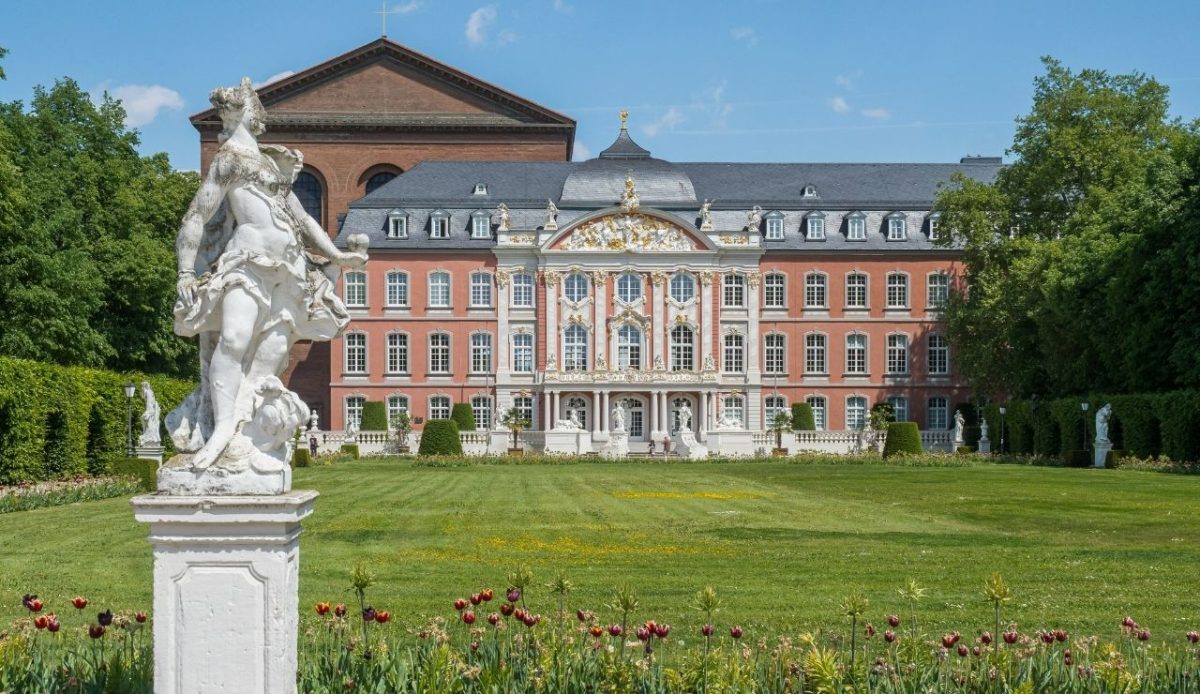
Trier on the Moselle endured a devastating witch hunt, with prosecutions surging in the late 1500s. City officials, church courts, and university voices took part, and the accused included merchants, priests, and administrators. The scale matters because it shows how a campaign became routine once torture-driven confessions and forced denunciations produced new names each week. Public executions were repeated, and Trier is still cited by historians as evidence that legal systems can manufacture momentum during fear and scarcity. Many sources place the toll in the hundreds, making it a benchmark for Central Europe.
5. Würzburg, Germany
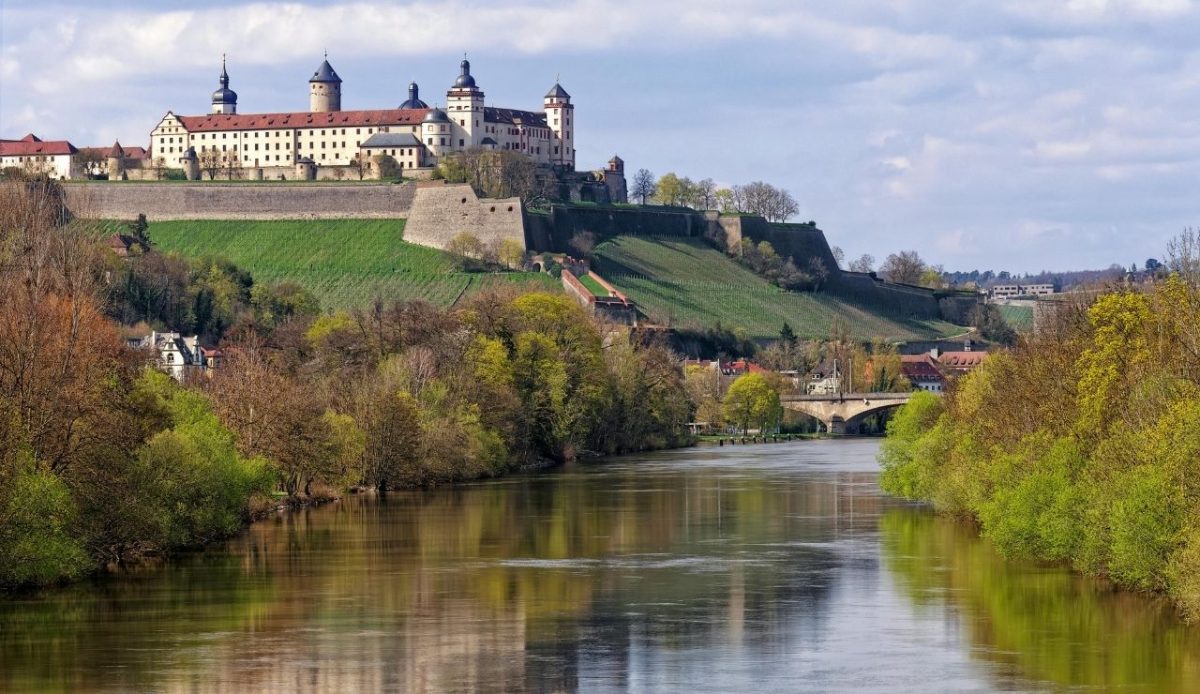
Würzburg became notorious from 1626 to 1631, when the prince-bishop’s courts drove a hunt that spared few social groups. Accounts describe children, students, artisans, and officials being accused, and executions were carried out by burning after coerced confessions. The city matters because it shows how a well-funded tribunal could sustain repeated arrest cycles, even as evidence stayed thin. At least 157 executions in Würzburg itself are documented, with higher totals proposed for the surrounding bishopric. Surviving lists of the condemned and later research projects have made individual biographies easier to trace.
6. Bamberg, Germany
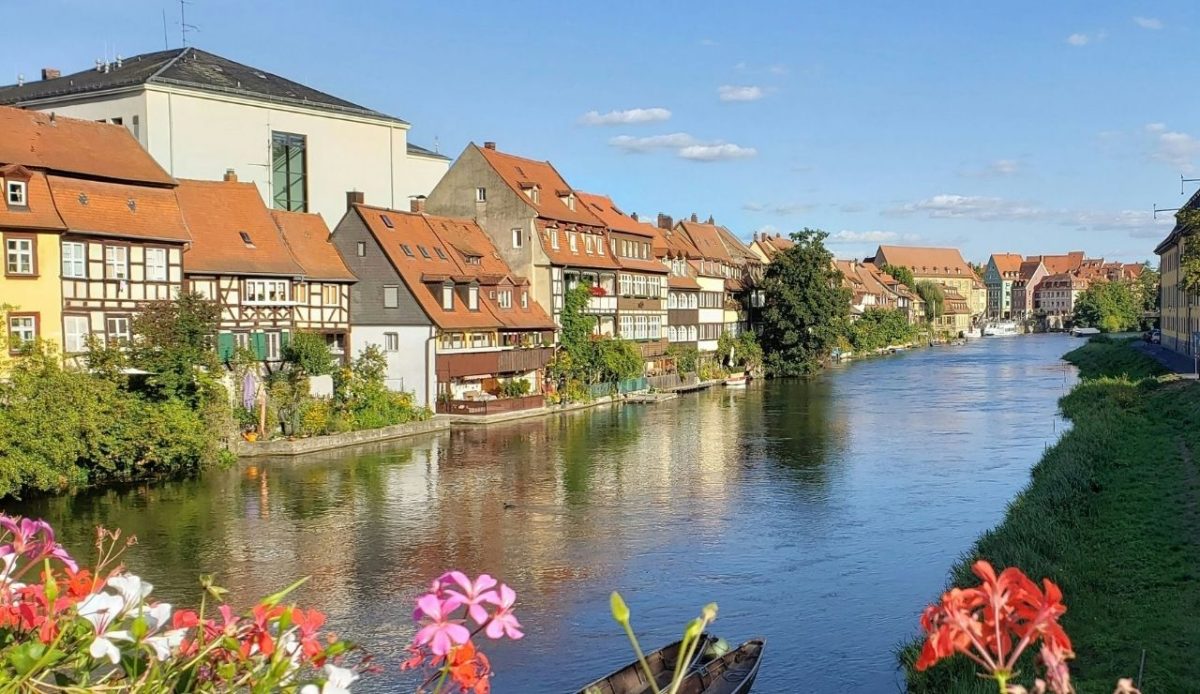
Bamberg’s trials flared in the 1620s and early 1630s, when a special commission pursued alleged witches across the prince-bishopric. A dedicated prison for suspects, often called the Drudenhaus, showed how prosecution had become an administrative project rather than a brief scare. Letters from prisoners such as Johannes Junius describe torture and the demand to name neighbors, which kept the net widening. Totals are disputed, yet Bamberg is routinely cited as one of the deadliest German centers of witch hunting. The case of merchant Dorothea Flock and complaints sent to the emperor reveal that elites also tried to stop the machinery.
7. Zugarramurdi, Spain
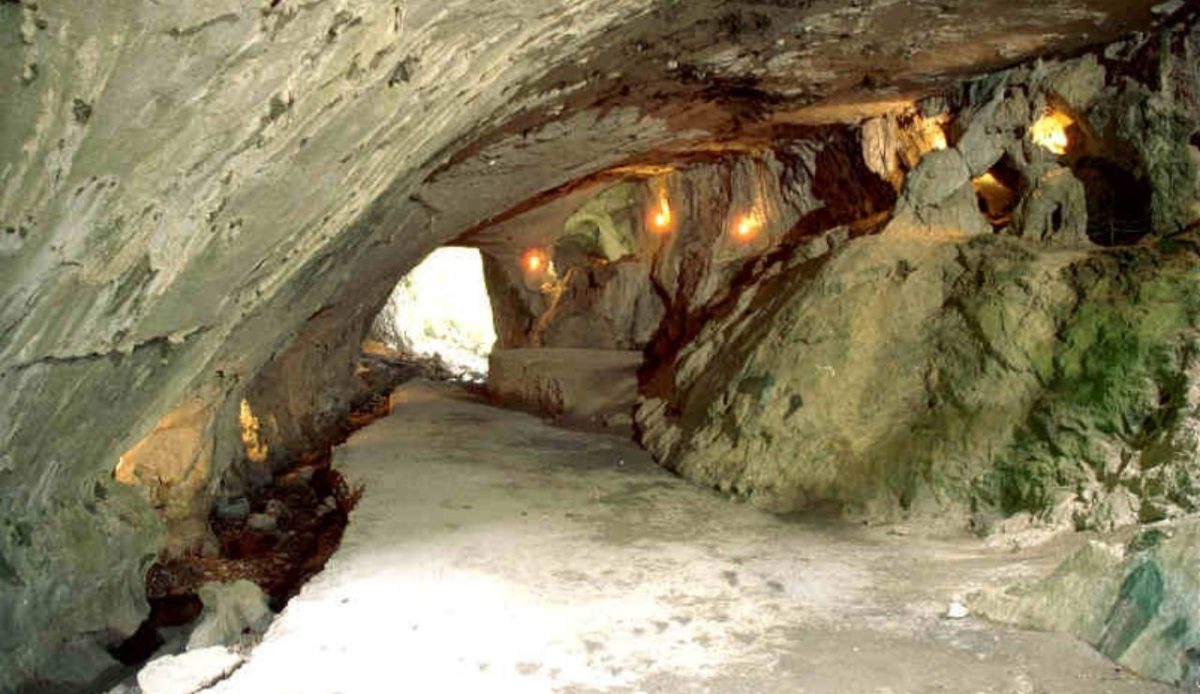
Zugarramurdi in Navarre became shorthand for the Basque witch trials that began in 1609, after rumors of night gatherings spread through border hamlets. Inquisitors investigated hundreds of people, and the nearby cave was entered in records as a reported meeting place for the accused. Many claims were later challenged by Alonso de Salazar y Frías, whose skepticism helped tighten the procedure by asking for tangible proof. A public auto da fé at Logroño in 1610 is the best-known courtroom climax linked to the village. The caves and a small museum are visited today, and both trace how rumor and confession traveled through Inquisition files.
8. Vardø, Norway
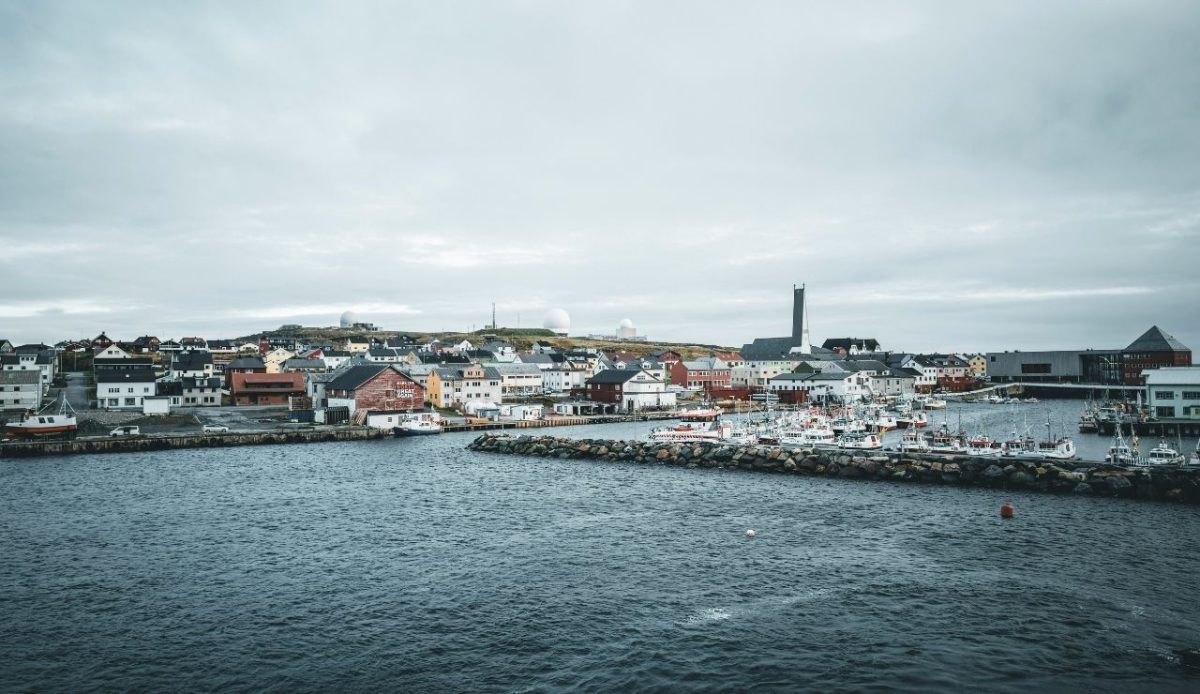
Vardø in Norway’s far north is associated with the Finnmark witch trials, where coastal communities faced prosecutions in the 1600s after disaster and suspicion took hold. Ninety-one people were executed in 1621 in the Vardø area according to memorial documentation, many after accusations tied to storms and seafaring loss. The Steilneset Memorial was built in 2011 and lists victims by name, turning a remote shoreline into a place of public reckoning. Because the setting is so stark, the town makes it easier to understand how fear can be intensified when livelihoods depend on harsh weather. The memorial’s texts are drawn from trial records.
9. North Berwick, Scotland

North Berwick, on the east coast of Scotland, is known for the 1590s prosecutions that began with allegations of a plot against King James VI. Interrogations in Edinburgh and testimony tied to the town’s kirkyard framed a story of meetings with the Devil and weather magic aimed at royal ships. Pamphlets such as Newes from Scotland helped spread the narrative, and the episode later influenced the king’s writing on witchcraft. More than seventy people were implicated as the inquiry widened beyond the town and into nearby East Lothian parishes. St Andrew’s Auld Kirk is often named in the accounts, even as torture molded many confessions.
10. Paisley, Scotland
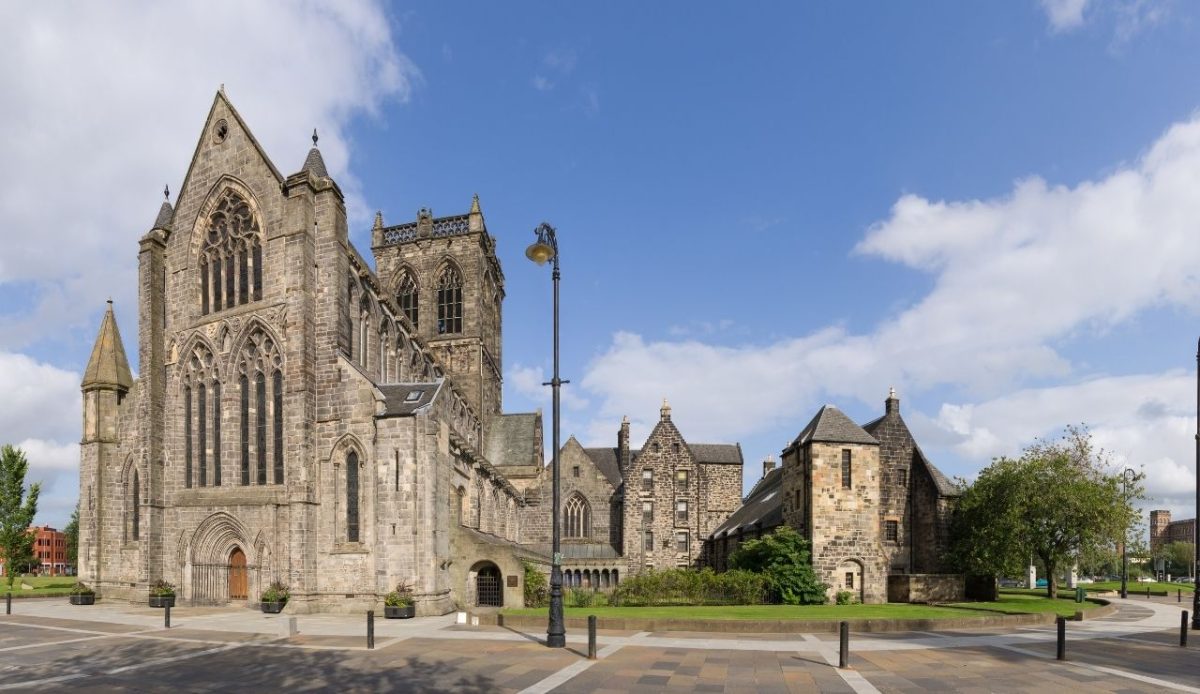
Paisley in Renfrewshire is tied to the 1697 Bargarran case, when an 11-year-old Christian Shaw said she was tormented by witches. A commission investigated, and seven defendants were convicted after testimony about spells, pins, and fits was accepted as criminal proof. They were hanged and then burned at the Gallow Green, an execution often described as the last mass witch killing in Western Europe. A curse attributed to Agnes Naismith became part of the town’s folklore for generations, long after the court was gone. Records show Privy Council involvement and court preaching, revealing how late Scotland still treated witchcraft as a real crime.
11. Triora, Italy
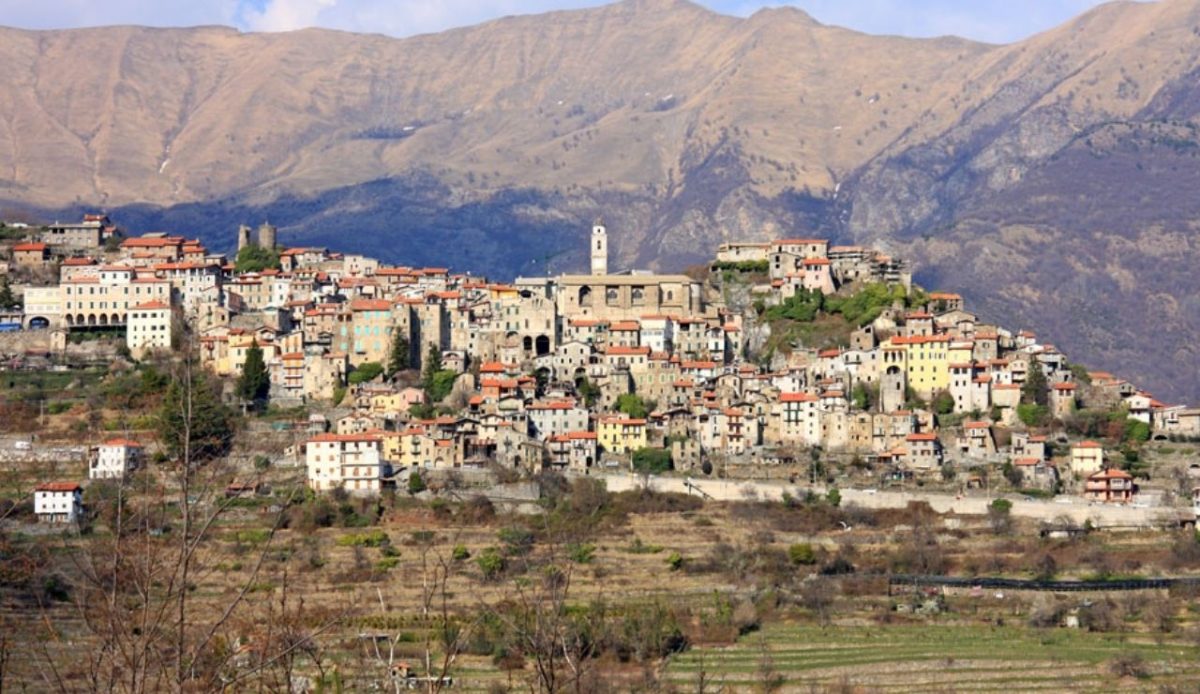
Triora in Liguria earned the nickname Salem of Italy after inquisitorial proceedings in 1587 to 1589, followed by famine and crop failure in the mountain community. Women were accused of sabotaging food stores and harming children, and interrogations included torture that produced contradictory confessions and deaths in custody. The case is distinctive because Genoese authorities and church officials argued over jurisdiction, showing how politics shaped who could punish. Today, the Museo di Triora presents documents and local memory so visitors can separate theatrical legend from the procedural reality of early modern trials.
12. Loudun, France
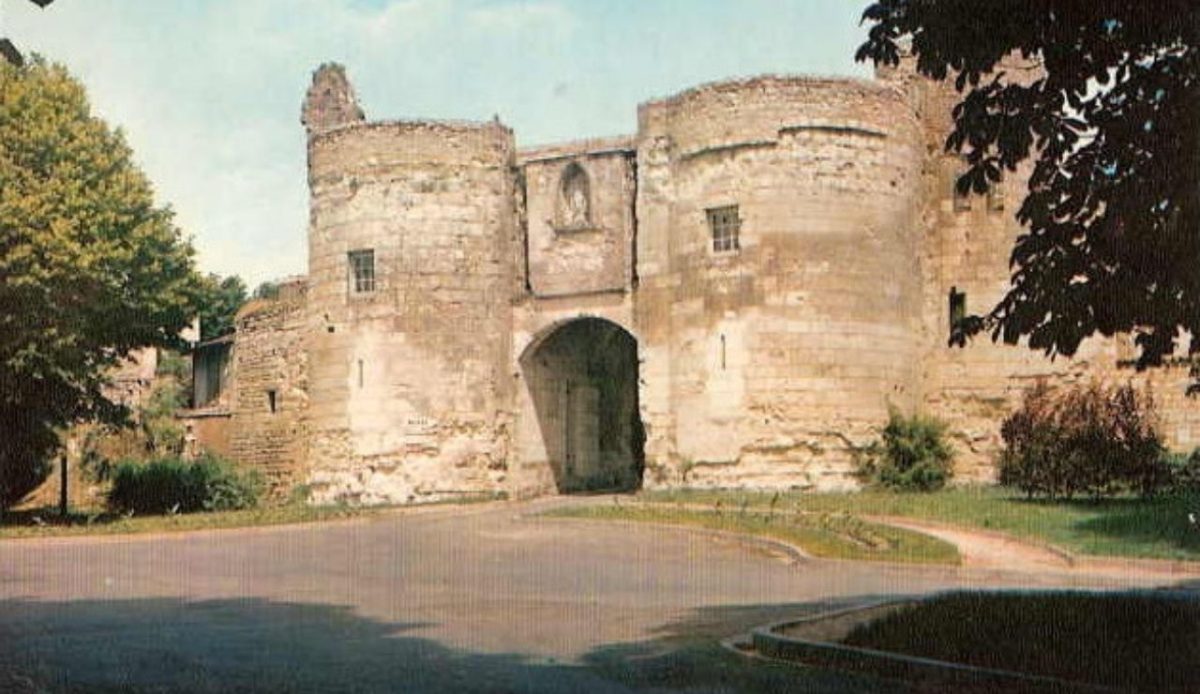
Loudun in western France became infamous in 1634 for the affair called the Loudun possessions, where Ursuline nuns reported demonic attacks and a priest, Urbain Grandier, was blamed. Exorcisms were staged publicly, and political conflict in the town helped turn sensational claims into criminal charges of sorcery. Grandier was convicted and burned, and the episode became a reference point for how possession stories could be used to discipline opponents. Because the convent and churches remain part of the town’s fabric, Loudun offers a clear setting for studying how spectacle and law reinforced each other.
