
Thailand’s most visited places, such as Bangkok, Chiang Mai, and Phuket, draw huge numbers every year, yet much of the country remains quietly authentic. Beyond the main routes, travelers can still find old fishing villages, lush mountains, and island communities that stay true to their roots. These lesser-known spots give a clearer picture of Thai culture, showing a mix of nature, hospitality, and calm daily life. From tranquil coastal escapes to remote forest temples, each destination below offers a rewarding look at a side of Thailand that most visitors never experience.
1. Koh Kood, Trat Province
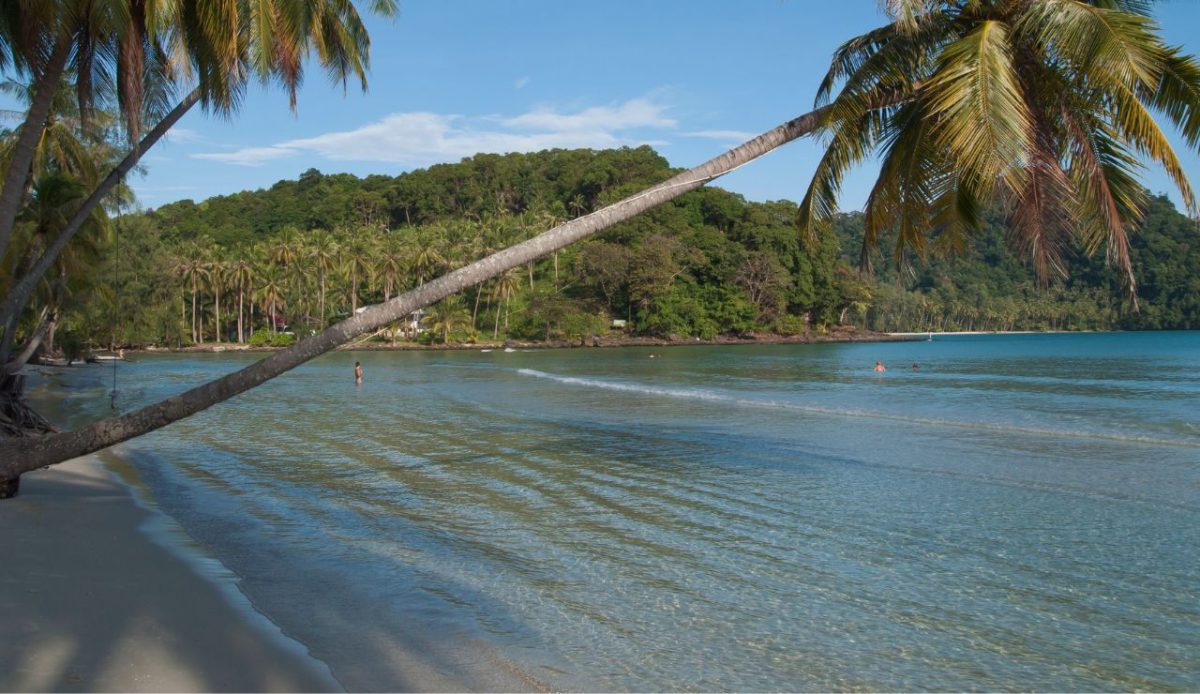
Koh Kood, Thailand’s fourth-largest island, is often called the country’s last untouched tropical retreat. Located near the Cambodian border, it offers clear turquoise waters, empty beaches, and dense forests that stretch inland. Travelers reach it by ferry from Trat and find small bungalows instead of high-rise resorts. Local families run modest guesthouses where seafood is caught fresh each morning. The waterfalls of Klong Chao and Huang Nam Kaew are easy day trips, and snorkeling in Ao Phrao reveals thriving coral reefs. Wi-Fi can be slow, but the island’s charm lies in disconnecting. Visitors come for quiet mornings, soft sand, and a genuine sense of space that busy resorts no longer provide.
2. Koh Mak, Trat Province
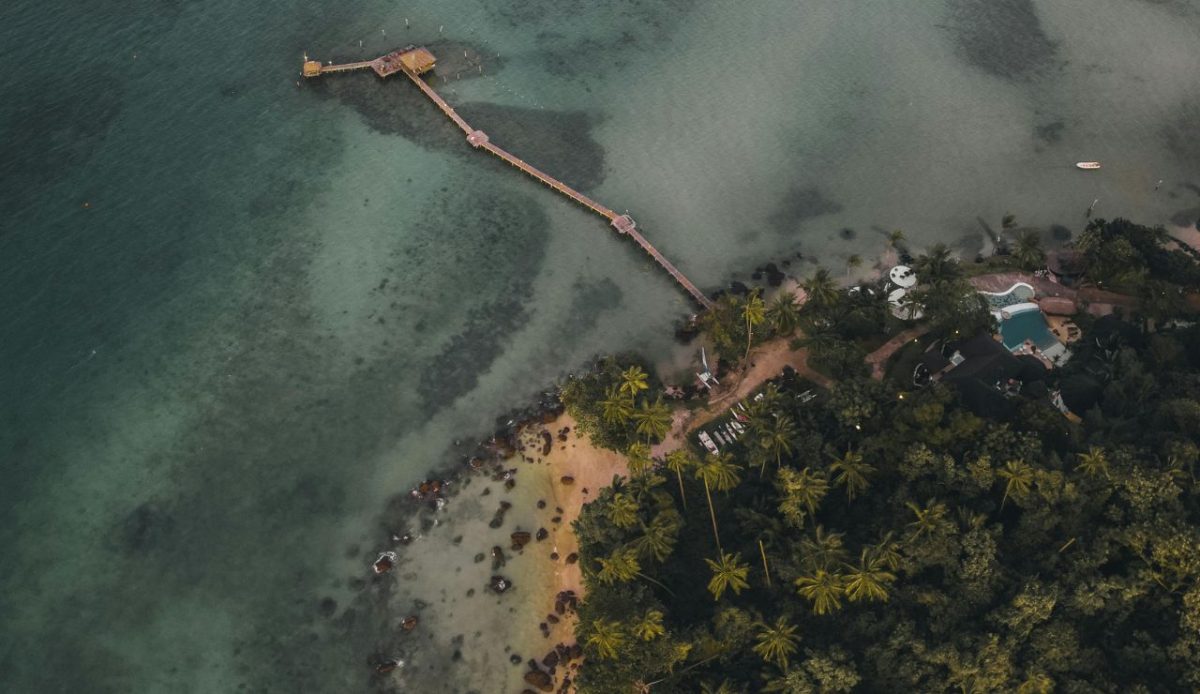
Koh Mak sits between Koh Chang and Koh Kood, a small island of coconut farms, bicycle paths, and family-owned resorts. It covers only about ten square miles, and visitors can circle it by bike in a single afternoon. The beaches, particularly Ao Kao and Ao Suan Yai, are calm and shallow, ideal for swimming or kayaking. The local community actively supports eco-friendly tourism, limiting plastic waste and overbuilding. Most restaurants are beachside, serving Thai curries and fruit shakes under open-air huts. Evenings are quiet, often with only waves and lanterns lighting the shore. It’s an easy place to meet locals, relax, and experience sustainable island living without the noise of mass tourism.
3. Koh Phayam, Ranong Province
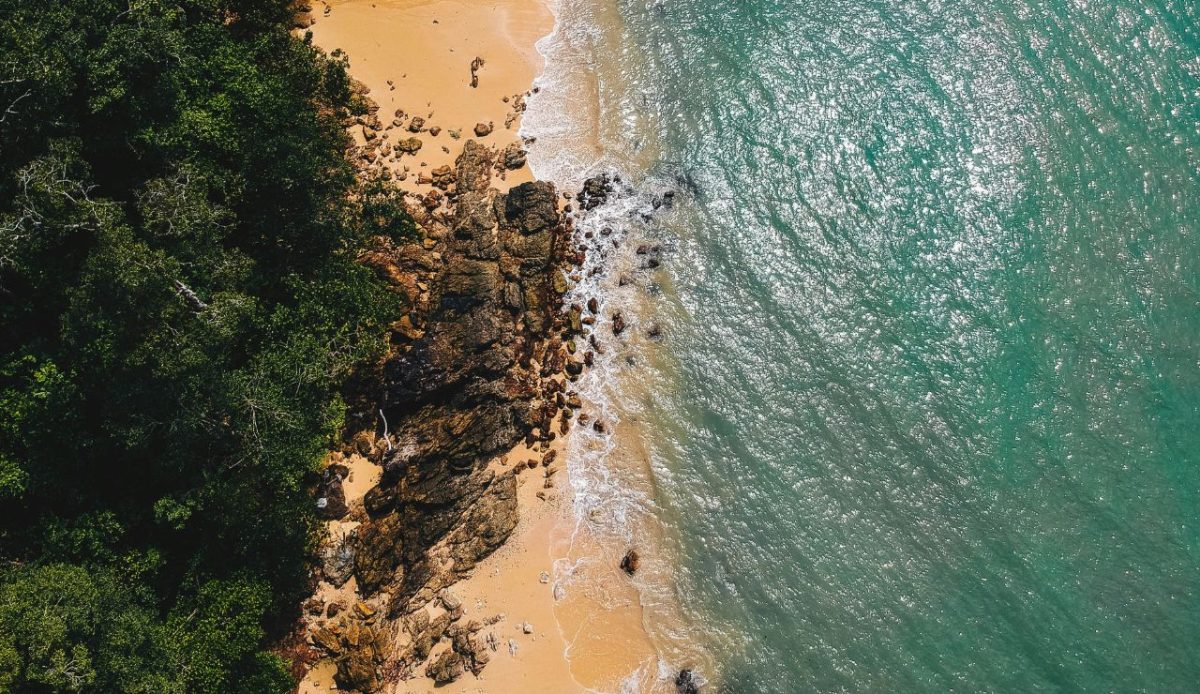
Koh Phayam is one of the last car-free islands in Thailand, reachable by speedboat from Ranong. Here, sandy roads replace pavement, and visitors explore by motorbike or on foot. Ao Yai Beach stretches for miles and is known for its sunsets and simple bungalow stays. Ao Khao Kwai, or Buffalo Bay, draws travelers looking for yoga retreats and small cafés near the water. Electricity is limited in some areas, and accommodations are built from bamboo or wood, keeping the island’s natural look. Most visitors stay several days to enjoy quiet beaches, local seafood, and the slow rhythm of life. Koh Phayam appeals to travelers seeking peace, nature, and a break from overdeveloped island tourism.
4. Koh Phra Thong, Phang Nga Province
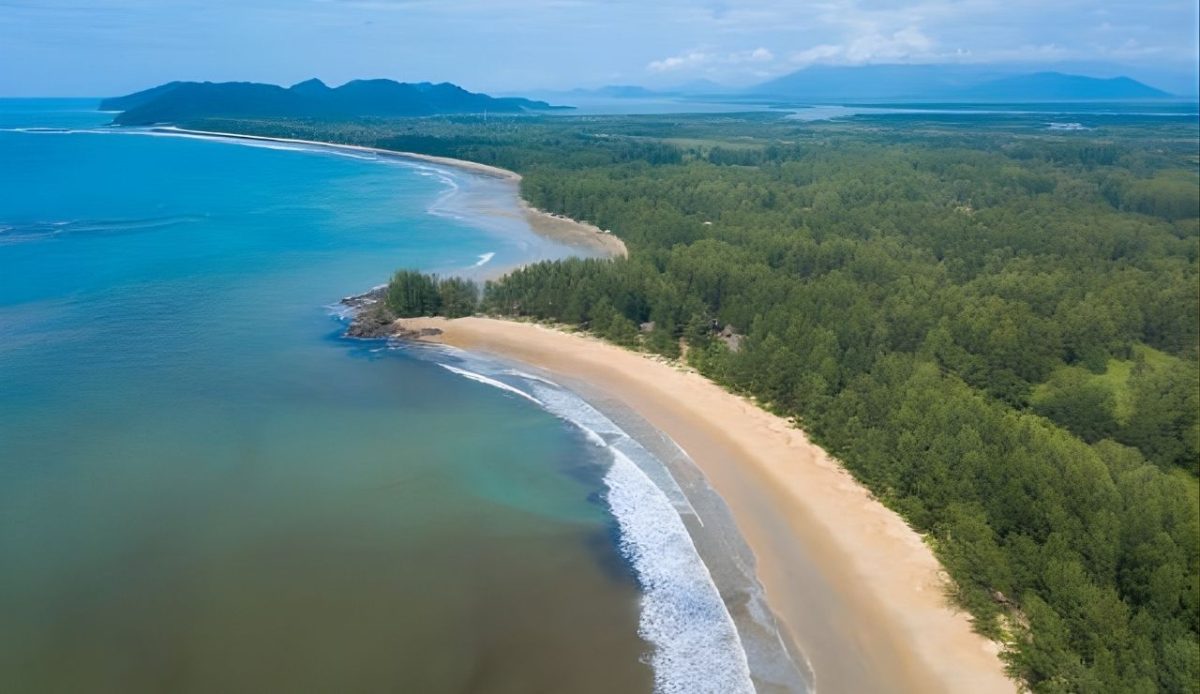
Koh Phra Thong in southern Thailand offers something few islands do: a mix of savannah, mangrove, and beach landscapes that look more African than tropical. It is home to the Moken people, known for their sea-based traditions and welcoming spirit. Few roads exist, and accommodations are limited to eco-lodges that use solar energy and local materials. Birdwatchers often spot rare species, while sea turtles sometimes nest on the island’s unspoiled beaches. Reaching Koh Phra Thong requires a short boat ride from Kuraburi, but travelers who make the effort find privacy and open skies that stretch endlessly. The island’s quiet, low-impact lifestyle offers a striking contrast to the busier Andaman coast nearby.
5. Koh Libong, Trang Province
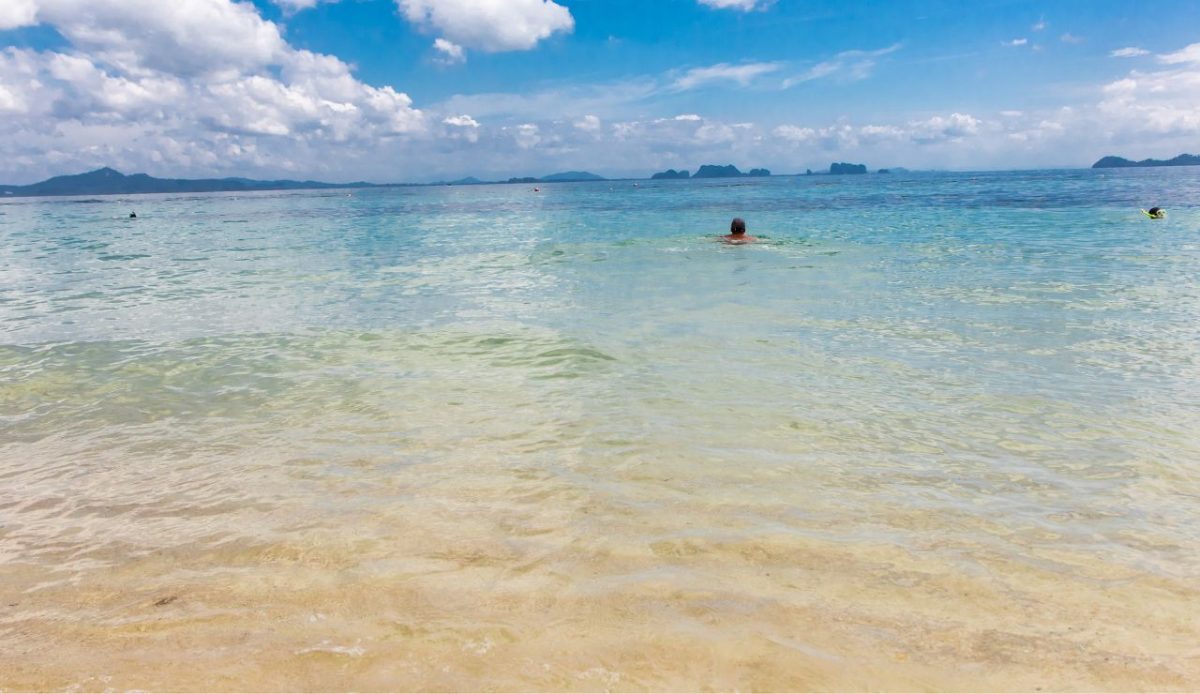
Koh Libong, Trang’s largest island, is best known for its dugongs, rare marine mammals that feed on seagrass along the coast. The island’s calm rhythm makes it ideal for travelers who value authenticity over luxury. Local villages depend on fishing, rubber, and small tourism businesses. Lang Khao Beach offers scenic views and gentle swimming areas, while Thung Yao provides wide sand and quiet walks. Visitors reach Koh Libong from Hat Yao Pier and usually rent scooters or bikes to explore. There are no large resorts, only homestays and simple lodges. Evenings bring seafood dinners and starlit skies instead of bars or clubs, creating a peaceful, nature-centered atmosphere.
6. Bang Krachao, Samut Prakan
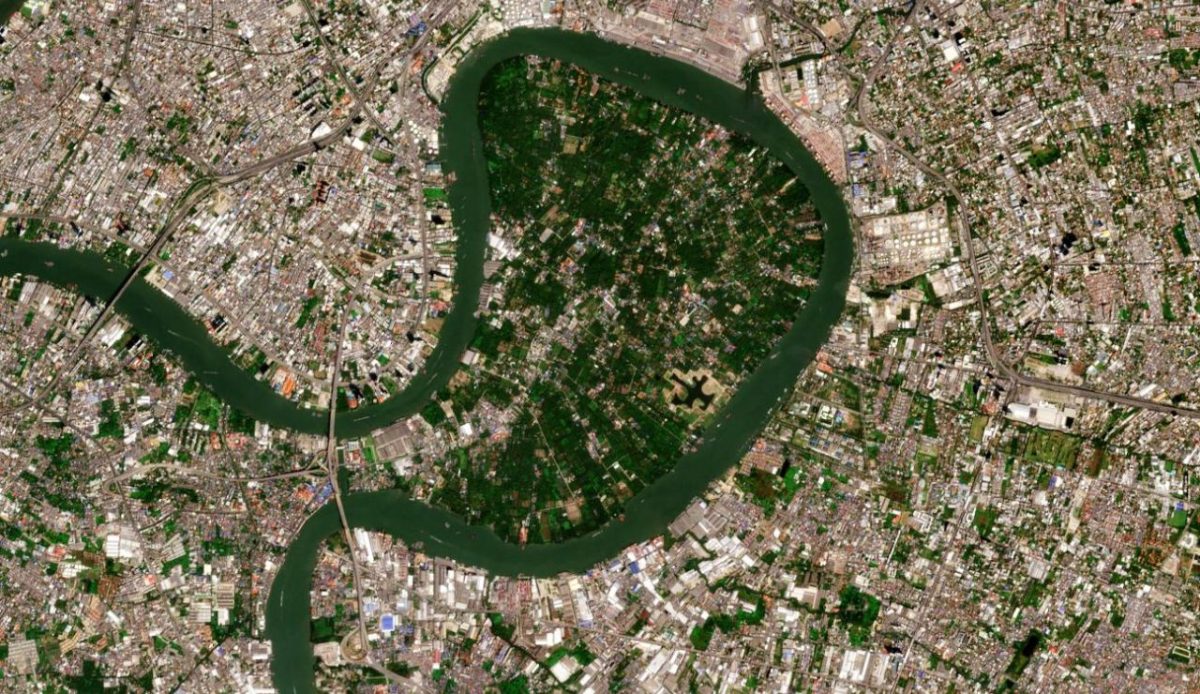
Bang Krachao, often called Bangkok’s green lung, provides a rare escape just minutes from the capital. The man-made island sits across the Chao Phraya River and feels completely different, quiet, car-free, and lush. Elevated bike paths lead through mangroves and tropical gardens, while the Bang Nam Phueng floating market sells local snacks and handmade crafts. Visitors can stay in small homestays or eco-lodges overlooking canals. Despite being near downtown Bangkok, the air feels fresher and the atmosphere slower. It’s popular among locals for weekend cycling or overnight stays. For travelers with limited time, Bang Krachao offers a unique blend of nature, relaxation, and glimpses of village life, all just a short distance from one of Asia’s busiest cities.
7. Chiang Khan, Loei Province
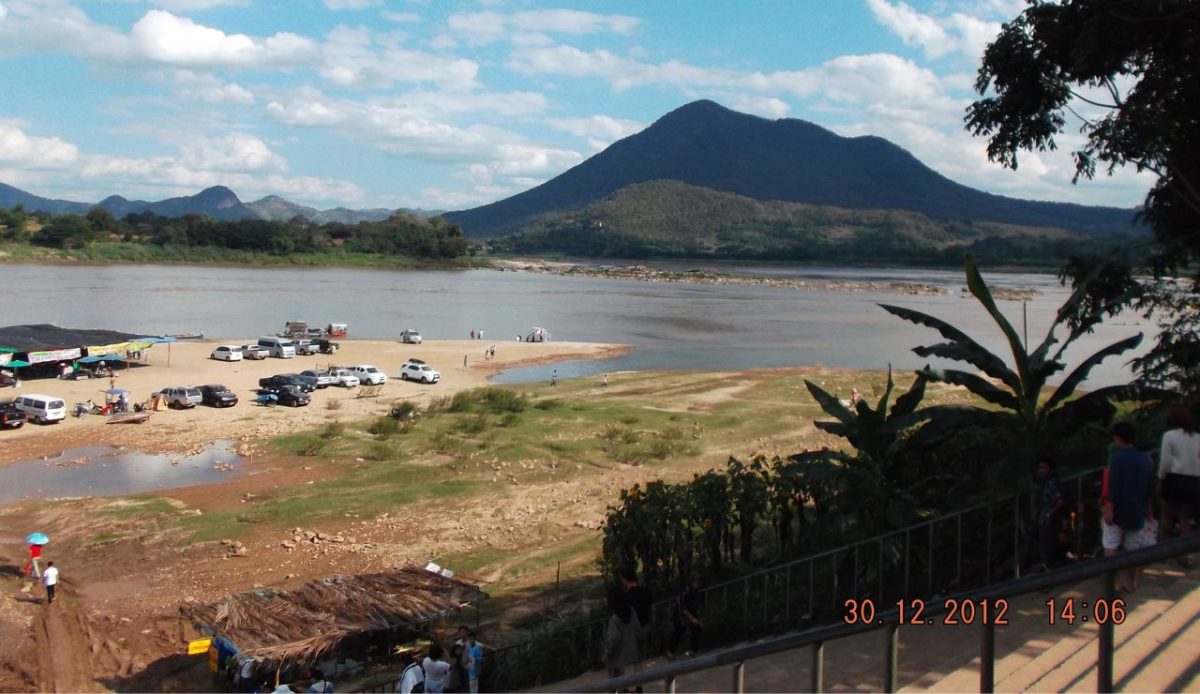
Chiang Khan sits along the Mekong River in northern Thailand and preserves its charm through wooden houses, small temples, and a nightly walking street. Locals sell handmade souvenirs, grilled snacks, and ice cream made from coconut milk. In the morning, visitors join the traditional almsgiving ceremony where monks collect food from villagers in silence. Bicycles are available for rent to ride along the scenic riverside, and boat trips offer views across to Laos. Guesthouses are cozy and affordable, many inside renovated teak homes. Evenings are calm, filled with gentle music from cafés and lanterns glowing over the river. Chiang Khan remains one of Thailand’s most welcoming small towns.
8. Phanom Rung, Buriram Province
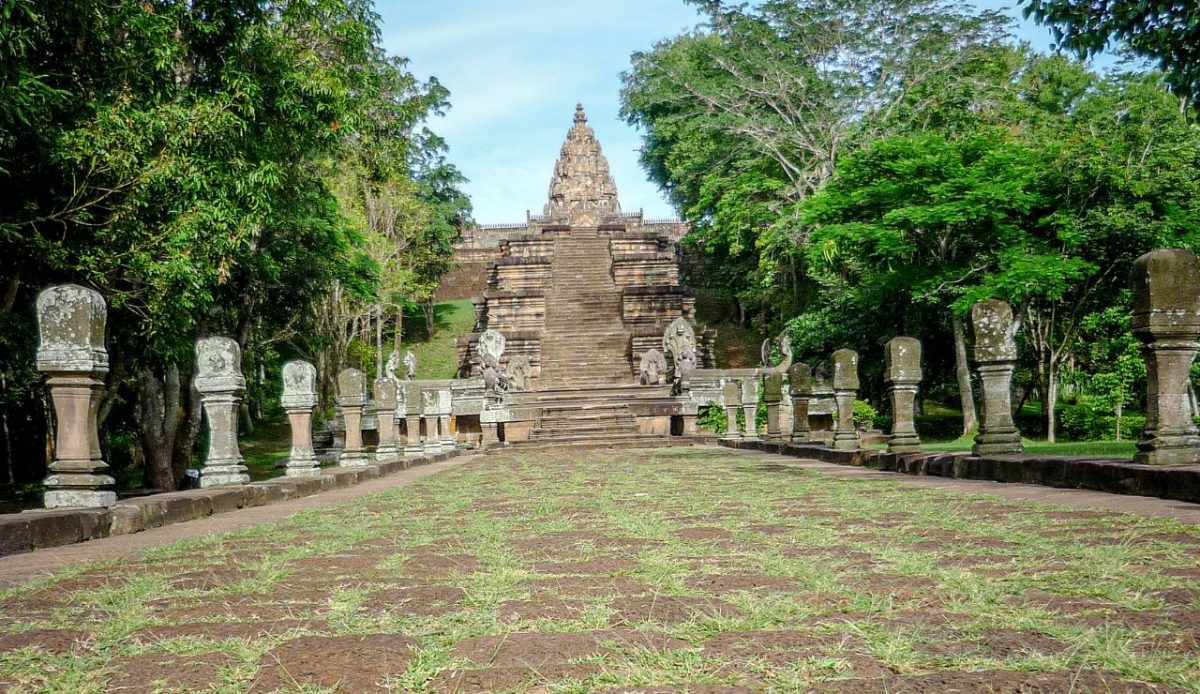
Phanom Rung Historical Park sits on an extinct volcano and showcases Khmer architecture dating from the 10th to 13th centuries. It’s one of Thailand’s most striking ancient sites, often compared to Angkor Wat but without the crowds. The temple’s sandstone carvings depict Hindu legends, and during four specific times each year, the rising sun aligns perfectly through its doorways. A small museum explains the site’s restoration and cultural background. Travelers can easily combine a visit here with the nearby Muang Tam temple or Buriram’s lively night market. Phanom Rung offers both history and panoramic rural views, making it one of the most rewarding heritage stops in northeastern Thailand.
9. Phimai Historical Park, Nakhon Ratchasima Province
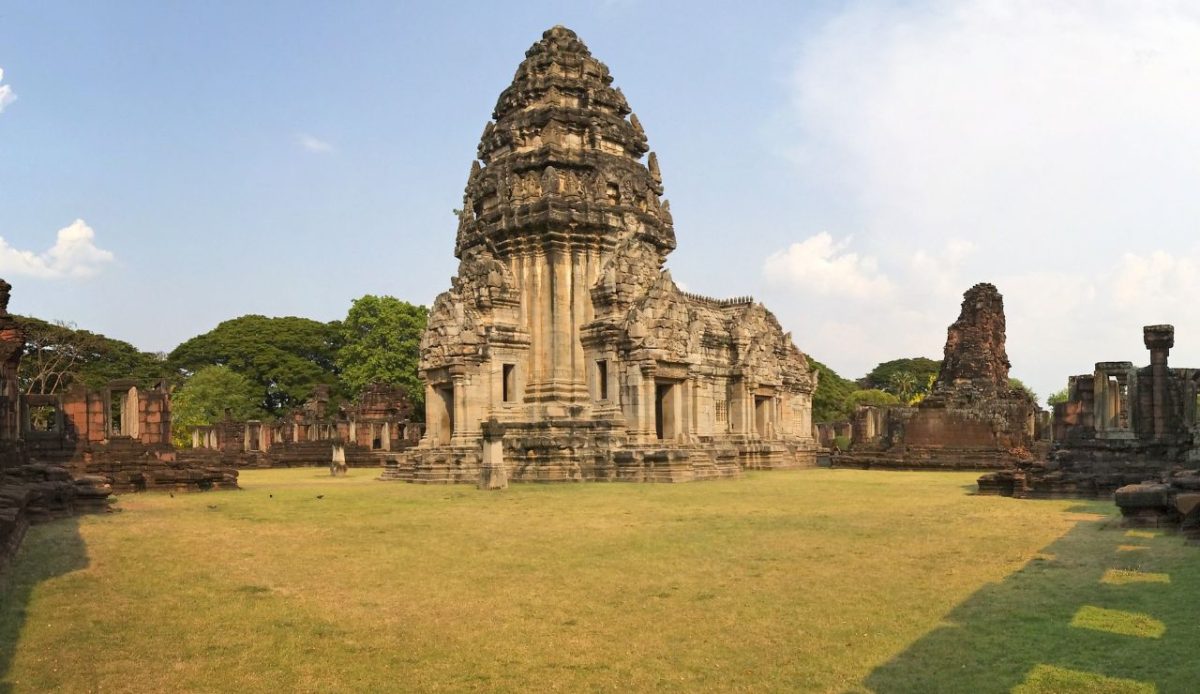
Phimai Historical Park features Khmer ruins that predate many temples in Cambodia, with intricate carvings and wide courtyards surrounded by trees. The central tower stands tall over a layout similar to Angkor Wat’s, but smaller and easier to explore. Visitors often appreciate the quiet atmosphere and freedom to walk without large crowds. Nearby, the Phimai National Museum displays artifacts from the ancient Khmer Empire. The town itself offers small cafés and friendly guesthouses, allowing travelers to stay close to the ruins. Phimai’s combination of accessible history, rural setting, and preserved architecture makes it a perfect stop for those interested in Thailand’s early civilizations.
10. Nan Old Town, Nan Province
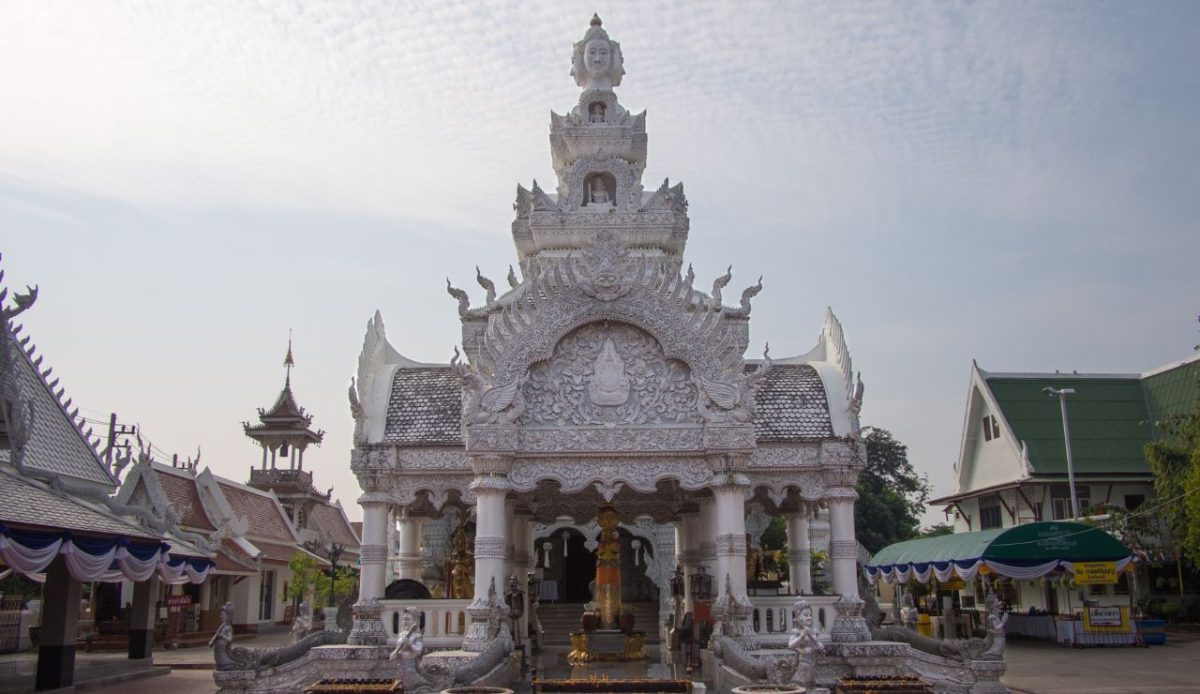
Nan Old Town sits in northern Thailand and showcases traditional Lanna culture in a relaxed setting. The town centers around Wat Phumin, known for its famous murals depicting everyday life centuries ago. Streets are lined with wooden houses, small museums, and local markets selling snacks and silver jewelry. Visitors can easily explore on foot or by bicycle. Evenings are quiet, with food stalls offering northern Thai dishes near the river. Outside the town, scenic drives lead to mountain parks and weaving villages. Nan’s friendly locals, calm pace, and artistic heritage give it a distinctive charm that reflects an older, gentler Thailand.
11. Bo Kluea Salt Wells, Nan Province
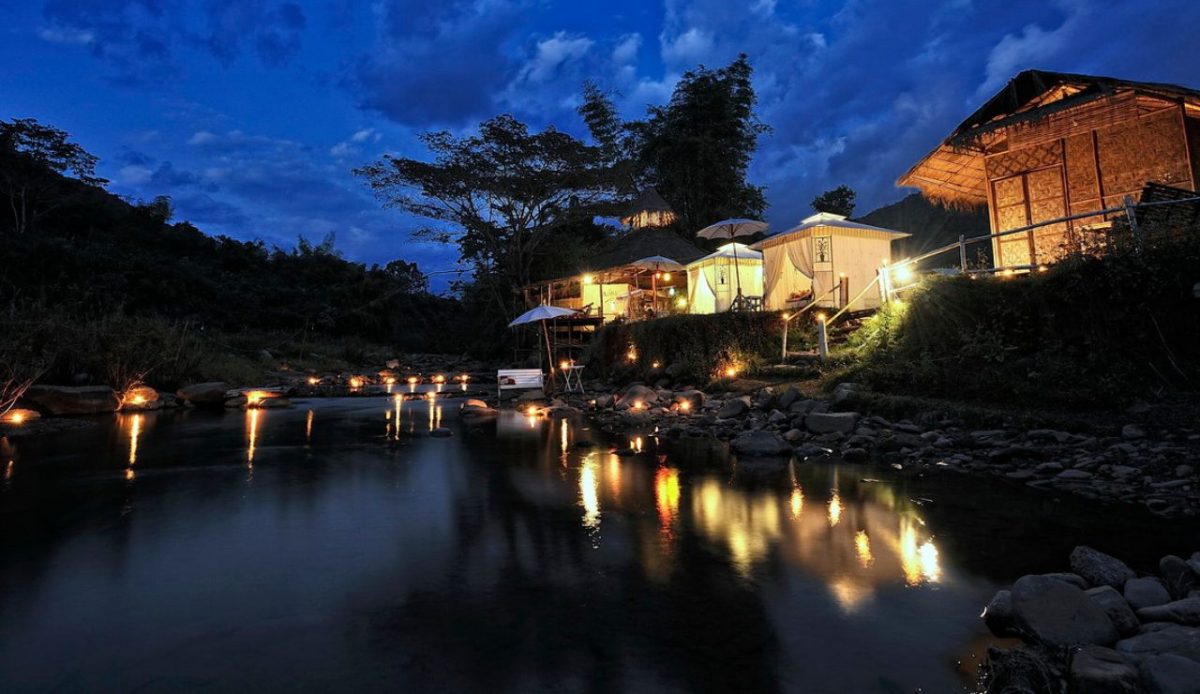
Bo Kluea is a remote mountain village east of Nan, famous for its traditional salt wells that have been in use for generations. Residents draw mineral-rich brine from natural sources and boil it in bamboo-fired pots, producing coarse salt for local trade. The process has become both a livelihood and a cultural attraction. Small lodges and cafés overlook the valley, and visitors can watch salt-making or join short hikes nearby. The surrounding Doi Phu Kha National Park offers waterfalls and viewpoints. With minimal traffic and a friendly pace, Bo Kluea feels like a living museum of northern Thai mountain life, far removed from urban tourism.
12. Chanthaboon Waterfront, Chanthaburi Province
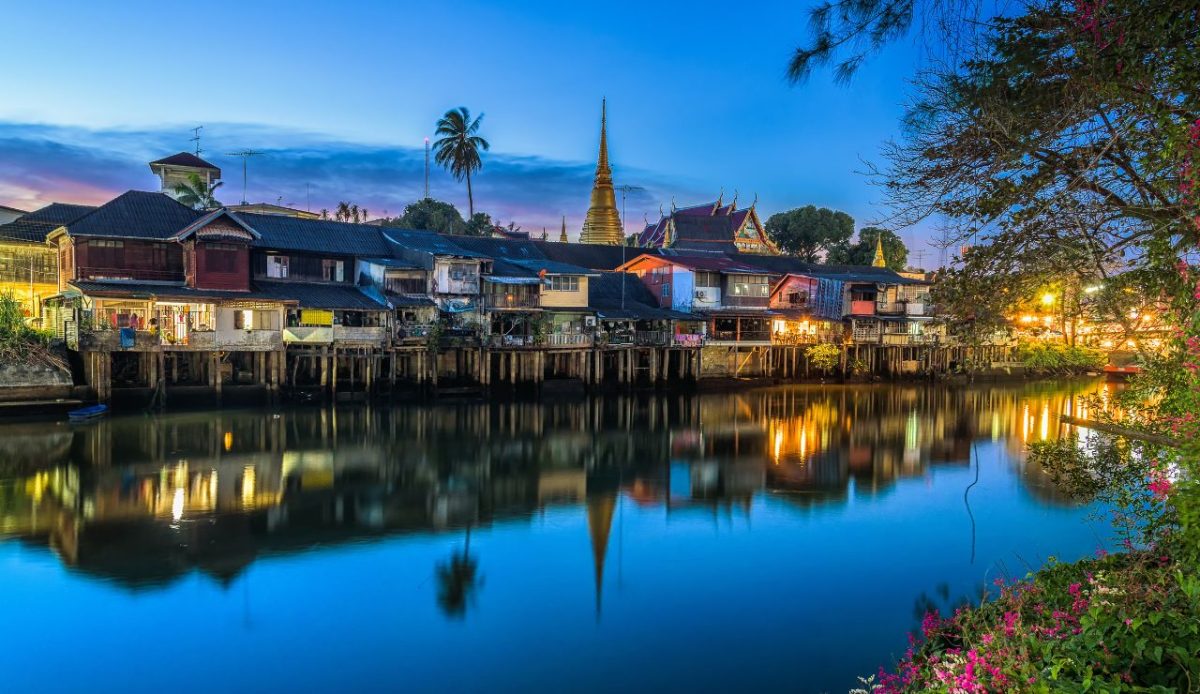
The Chanthaboon Waterfront community combines history, culture, and local creativity along the Chanthaburi River. Wooden shophouses built more than a century ago now host cafés, homestays, and art spaces while families continue daily life upstairs. Walking the narrow lanes reveals Chinese temples, colonial buildings, and colorful street murals. The nearby Cathedral of the Immaculate Conception, one of Thailand’s largest churches, adds to the town’s charm. Visitors sample fruit desserts and browse gemstone jewelry, a specialty of the region. Despite being only a few hours from Bangkok, the waterfront remains calm, offering a glimpse into old river-town life that has quietly survived modern change.
