
Mountaineering is not for the faint of heart. Around the world, extreme peaks and remote landscapes challenge even the most seasoned adventurers. Harsh climates, unpredictable terrain, and high altitudes demand skill, preparation, and resilience. These destinations offer breathtaking views, a sense of accomplishment, and encounters with untouched nature that few people ever experience. Every expedition tests stamina, courage, and decision-making. In this article, we explore 12 extreme locations where only experienced mountaineers venture, combining danger, beauty, and adventure in some of the planet’s most challenging terrains.
1. K2, Pakistan/China
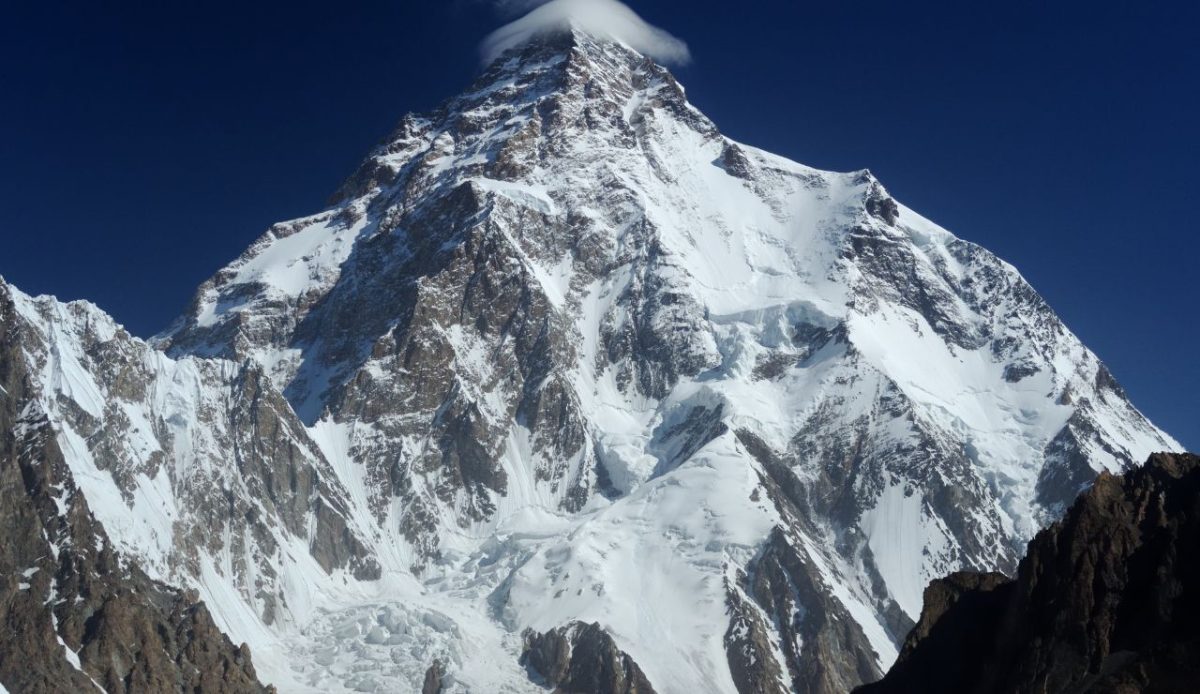
K2, the world’s second-highest peak, is notorious for its steep slopes, unpredictable weather, and technical climbing challenges. Located in the Karakoram range, it demands experience in ice climbing, rock navigation, and high-altitude survival. Avalanches, crevasses, and sudden storms make every ascent risky. Only highly trained mountaineers attempt K2, often requiring weeks of preparation and acclimatization. Those who reach its summit witness breathtaking Himalayan panoramas. K2 is a test of skill, courage, and endurance, making it one of the most extreme destinations for dedicated climbers worldwide.
2. Mount Everest’s West Ridge, Nepal
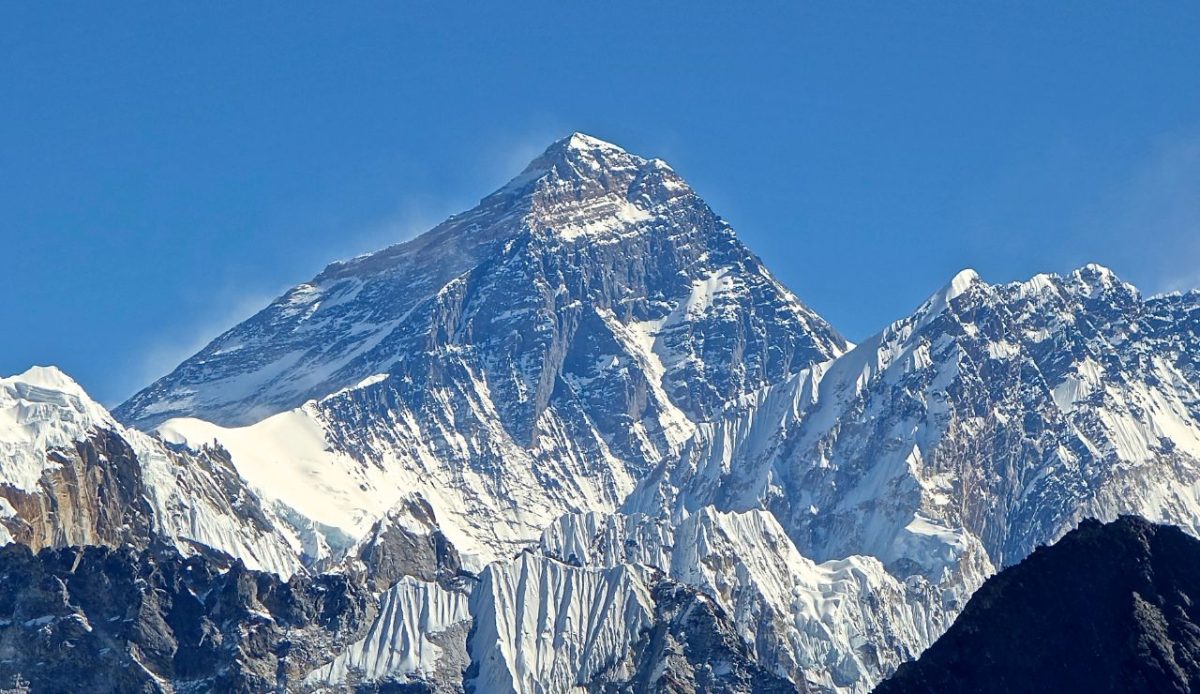
While Everest attracts many climbers, the West Ridge is reserved for experts due to steep rock faces, technical ice sections, and high exposure. Unlike the popular South Col route, this path is rarely attempted and demands advanced skills in mixed climbing. Extreme cold, thin air, and sudden storms heighten the risk. Only experienced mountaineers with prior high-altitude expeditions attempt it. Summiting offers unparalleled views of the Himalayas, along with a sense of achievement few can imagine. The West Ridge exemplifies an extreme climbing challenge beyond the conventional Everest experience.
3. Annapurna I, Nepal
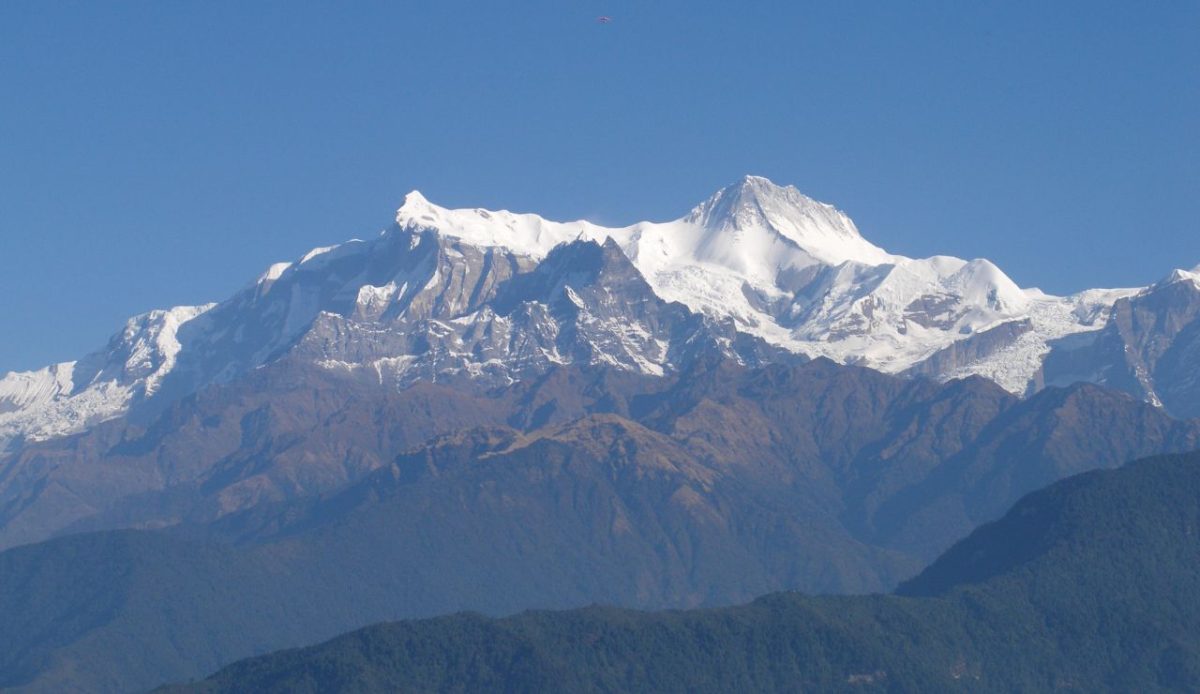
Annapurna I is one of the deadliest 8,000-meter peaks, with avalanche-prone slopes and treacherous terrain. Climbing requires advanced knowledge of ice and rock conditions, high-altitude endurance, and precise weather timing. Even experienced mountaineers face life-threatening challenges. The route offers isolated landscapes, glaciers, and deep valleys that are rarely seen. Success requires meticulous planning, teamwork, and extreme resilience. Annapurna I is a destination where danger and beauty intersect, offering climbers an intense, unforgettable experience far removed from more frequented Himalayan peaks.
4. Nanga Parbat, Pakistan
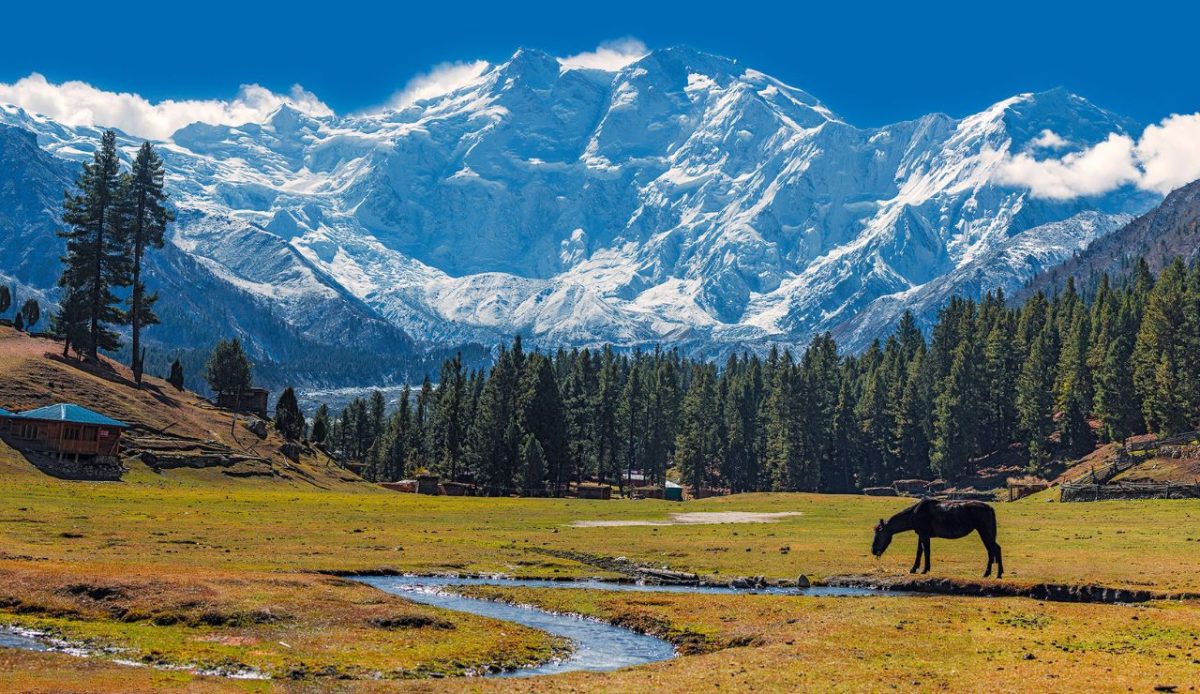
Known as the “Killer Mountain,” Nanga Parbat is famed for its steep granite faces and avalanche risk. Located in Pakistan’s Gilgit-Baltistan region, it requires mastery in technical rock climbing, ice navigation, and high-altitude endurance. Only highly skilled climbers attempt it, often after years of experience on other major peaks. The summit rewards adventurers with panoramic Himalayan views, glaciers, and dramatic vertical terrain. Nanga Parbat tests the limits of mountaineering skill, stamina, and courage, making it a destination for extreme adventure seekers who thrive in the world’s most challenging environments.
5. Matterhorn, Switzerland/Italy
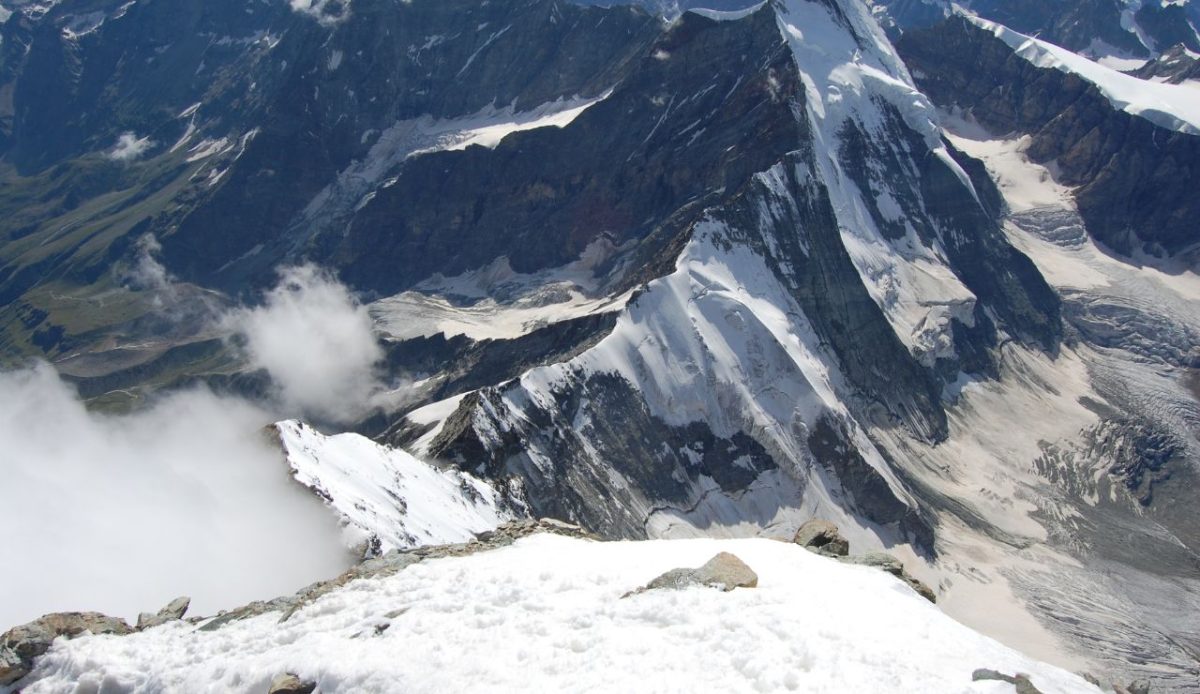
The Matterhorn is an iconic Alpine peak, notorious for sudden weather changes, exposed ridges, and steep rock faces. Climbing requires proficiency in rock and ice techniques, route finding, and high-altitude conditioning. Even short ascents can be technically demanding, with risk of rockfall and rapid storms. Experienced mountaineers navigate the Hörnli or Lion Ridge with precision and careful timing. The summit offers breathtaking panoramic views of the Alps. The Matterhorn combines technical challenge with stunning scenery, making it an extreme but visually rewarding destination for skilled climbers.
6. Denali, Alaska, USA
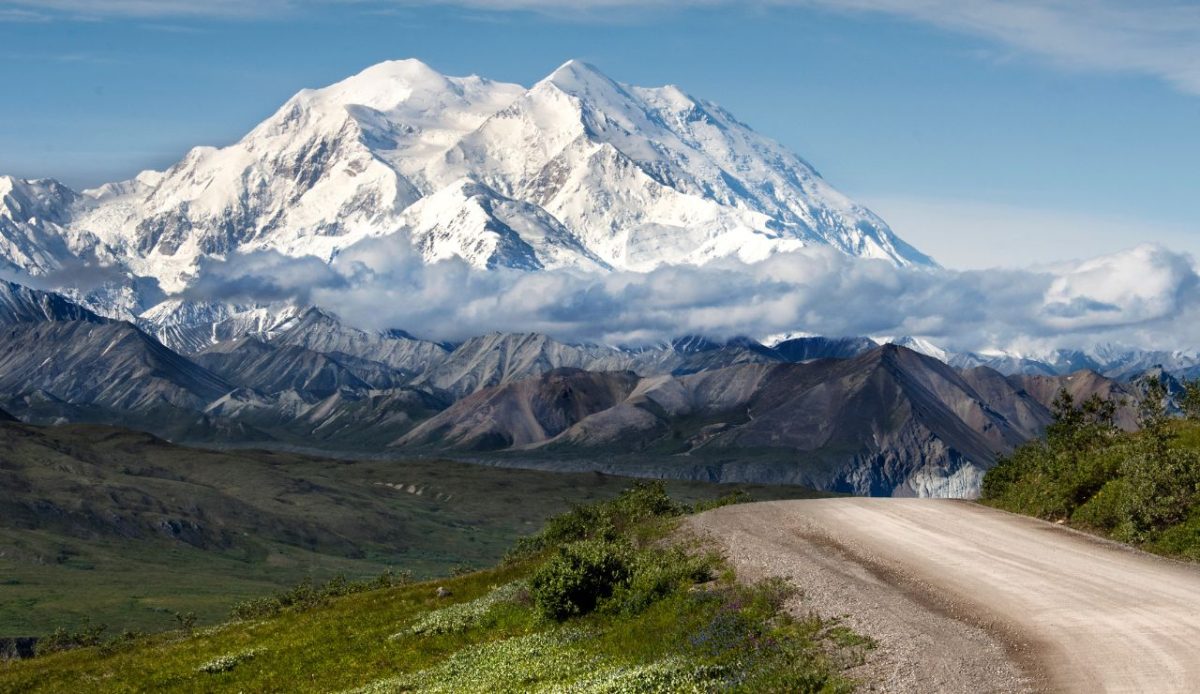
Denali, North America’s highest peak, challenges climbers with extreme cold, altitude, and unpredictable weather. Ice crevasses, heavy snow, and glacial travel demand expert mountaineering skills. Climbers require proficiency in self-arrest, crevasse rescue, and cold-weather survival techniques. Remote terrain and long expedition durations add to the difficulty. Those who reach the summit enjoy unparalleled views of Alaska’s rugged wilderness. Denali is a test of endurance, mental fortitude, and technical ability, attracting only seasoned mountaineers seeking extreme North American alpine adventures.
7. Mount Logan, Canada
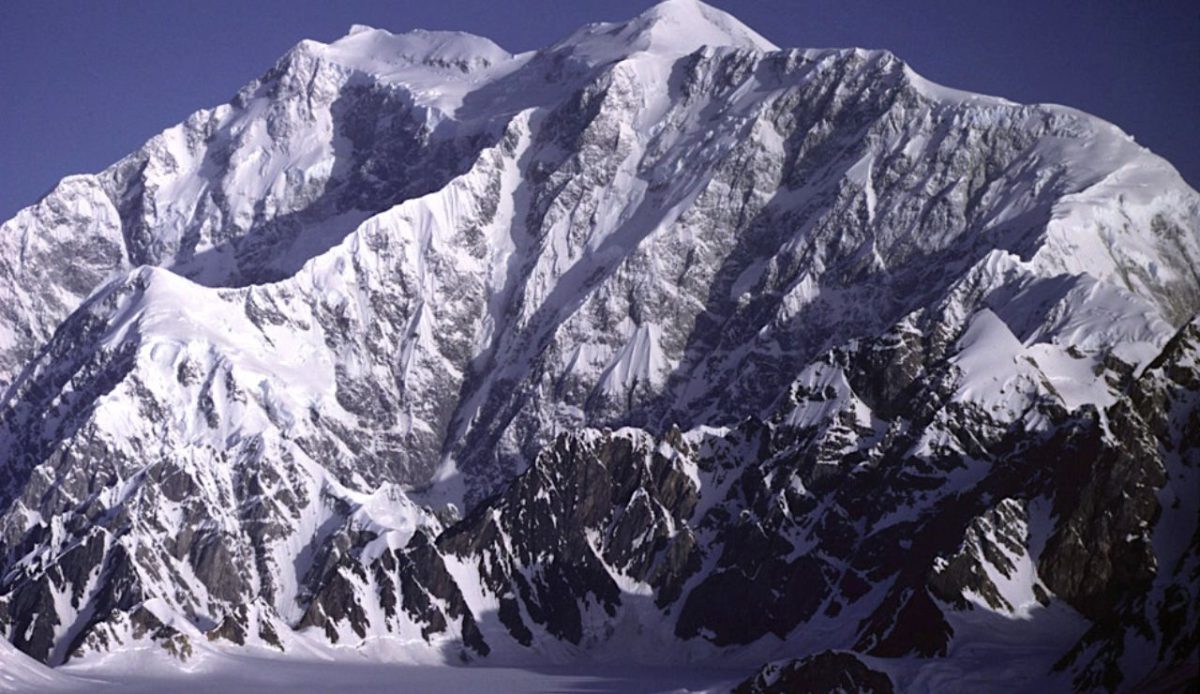
Canada’s highest peak, Mount Logan, presents vast glaciers, high-altitude challenges, and extreme weather. The remote St. Elias Mountains require technical climbing skills, long expeditions, and survival expertise. Avalanches, icefalls, and frigid temperatures make ascent dangerous. Travelers encounter nearly untouched wilderness and awe-inspiring scenery rarely seen by outsiders. Mount Logan’s combination of scale, isolation, and harsh conditions demands top-tier experience, making it one of North America’s most extreme mountaineering destinations for those seeking serious adventure and a connection with pristine alpine landscapes.
8. Mount Vinson, Antarctica
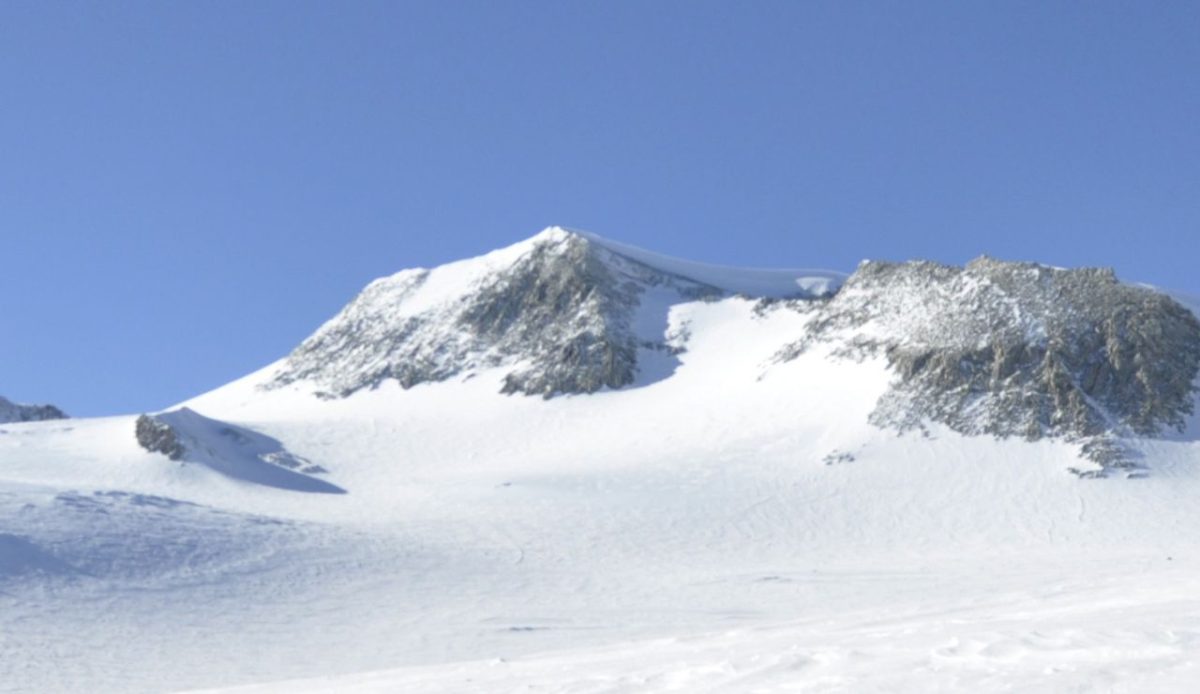
Mount Vinson is Antarctica’s highest peak, offering extreme cold, isolation, and logistical challenges. Climbers face temperatures well below freezing, unpredictable storms, and limited access. Expeditions require careful planning, survival expertise, and self-sufficiency. The remote location amplifies risk and makes rescue operations difficult. Travelers are rewarded with pristine ice landscapes, dramatic glaciers, and the sense of climbing on a continent few people ever visit. Mount Vinson exemplifies extreme adventure in one of the planet’s most isolated environments, attracting only the most experienced and prepared mountaineers.
9. Cho Oyu, Nepal/Tibet
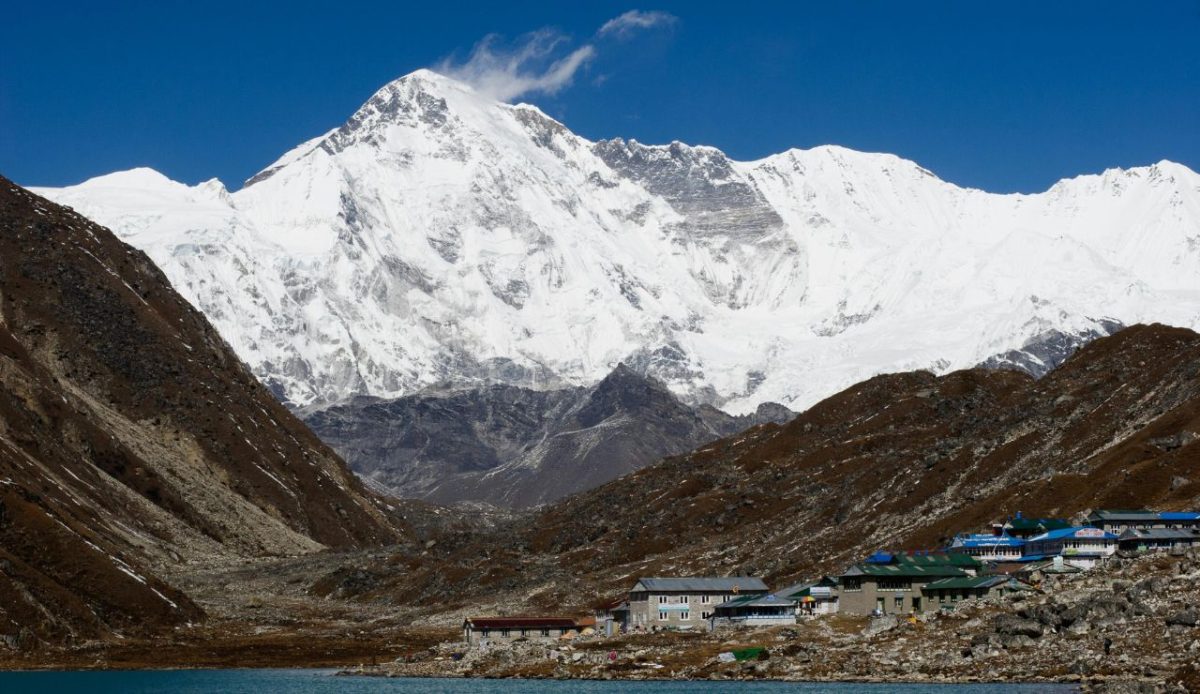
Cho Oyu, the sixth-highest Himalayan peak, offers technical challenges combined with high altitude. Climbing involves glacier navigation, steep ice walls, and harsh weather. Though slightly less dangerous than neighboring 8,000-meter peaks, Cho Oyu requires prior mountaineering experience, high-altitude acclimatization, and precise planning. Remote base camps and icy terrain enhance the sense of adventure. Successful ascents reward climbers with expansive Himalayan panoramas. This peak is suited for mountaineers seeking a blend of challenge, isolation, and natural beauty in one of the world’s highest and most extreme environments.
10. Mount Elbrus, Russia
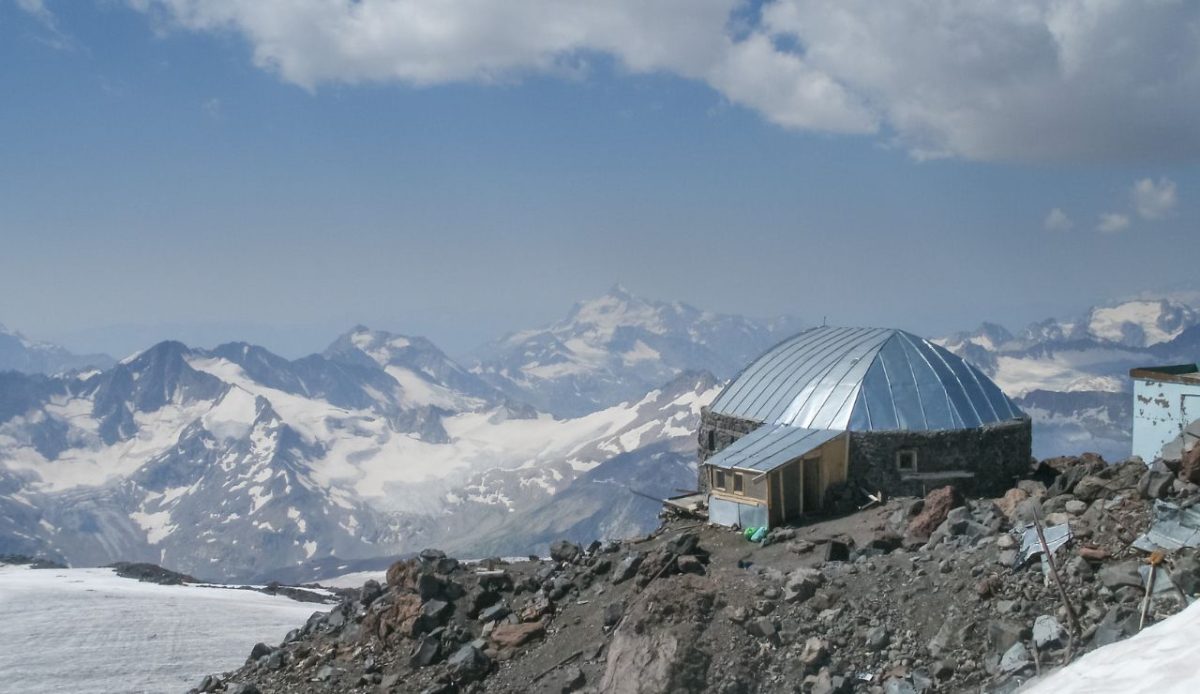
Mount Elbrus, Europe’s tallest peak, is technically accessible but still presents extreme alpine conditions. Ice, snowfields, and unpredictable weather require mountaineering skills and acclimatization. Crevasses and glacial terrain demand technical knowledge and proper equipment. Expeditions often include remote base camps and multi-day climbs. Those who reach the summit are rewarded with sweeping views of the Caucasus Mountains. Elbrus combines breathtaking scenery with physical challenge, making it a destination where experienced mountaineers test endurance, skill, and high-altitude resilience in Europe’s most extreme mountain environment.
11. Manaslu, Nepal
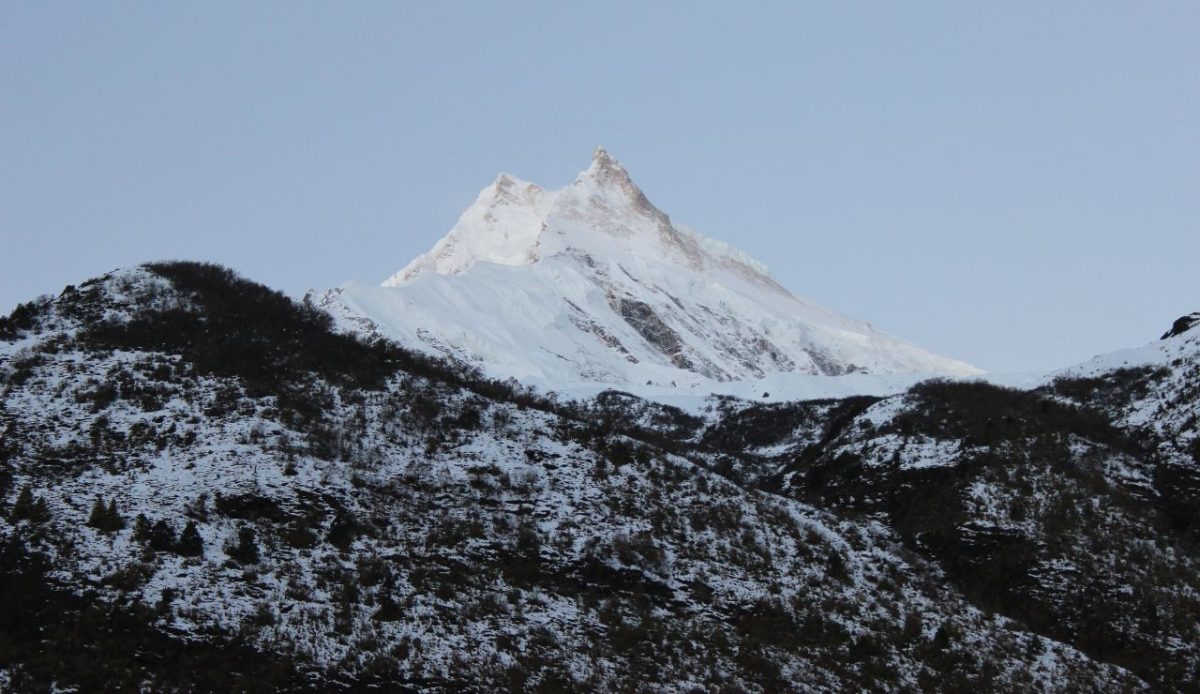
Manaslu, the eighth-highest peak, is a technical Himalayan climb known for avalanches, icefalls, and unstable weather. Only skilled mountaineers with high-altitude experience attempt its slopes. Expeditions require careful acclimatization, glacier travel expertise, and advanced ice-climbing skills. Remote villages and pristine landscapes create an authentic Himalayan experience. The summit rewards adventurers with panoramic views of Nepal’s mountain ranges. Manaslu is a peak that blends danger, beauty, and challenge, offering extreme mountaineering experiences reserved for those capable of navigating some of the harshest conditions on Earth.
12. Shishapangma, Tibet
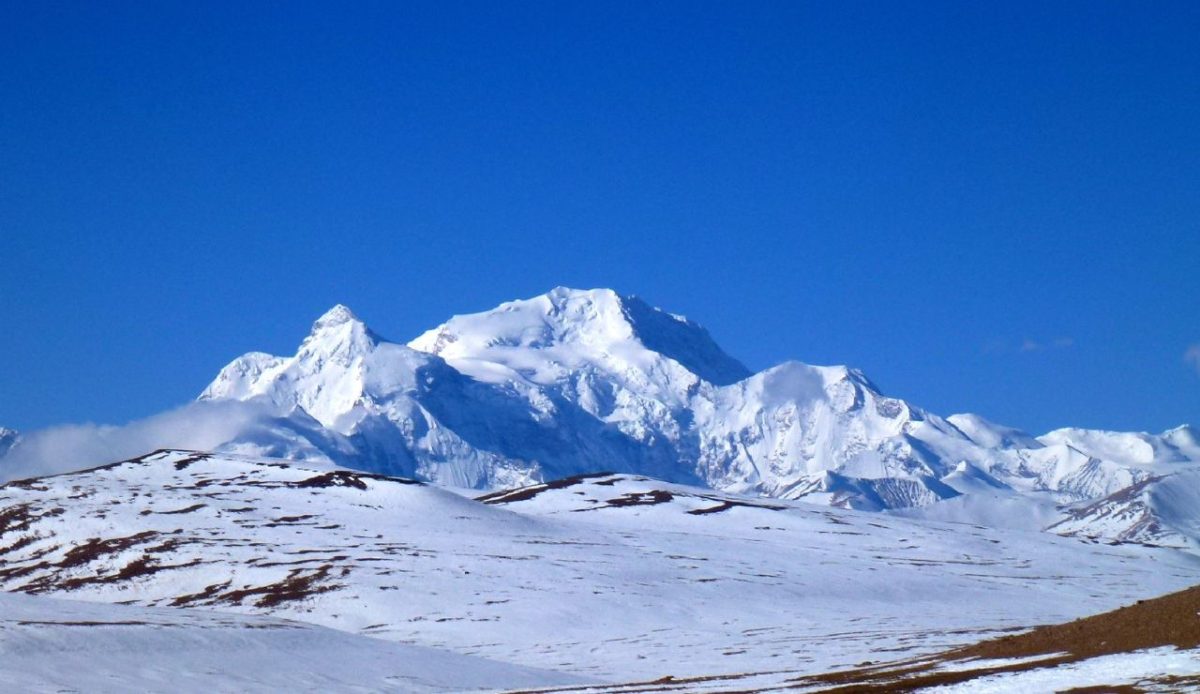
Shishapangma is Tibet’s highest peak, offering extreme altitude and challenging terrain. Glacial crevasses, ice slopes, and thin air make the ascent demanding. Only experienced mountaineers with technical skills and prior Himalayan expeditions attempt it. Its remote location and limited infrastructure add to the adventure and risk. Climbers encounter sweeping Tibetan landscapes, glaciers, and unique cultural surroundings near base camps. Shishapangma provides a rare and extreme mountaineering experience, combining natural beauty, technical challenge, and isolation that only the most prepared adventurers can safely navigate.
