
Each fall, travel across the East Coast shifts from beaches and summer resorts to parks, valleys, and historic towns. Families plan weekend trips, and small communities prepare for local fairs and outdoor markets. State tourism boards track color changes, while travelers follow reports to see when each region reaches its peak. From Maine’s mountain trails to Florida’s coastal walks, every destination marks the season in its own way. Together, they show how autumn remains one of the most active and enjoyable times to explore the eastern United States.
1. Acadia National Park, Maine
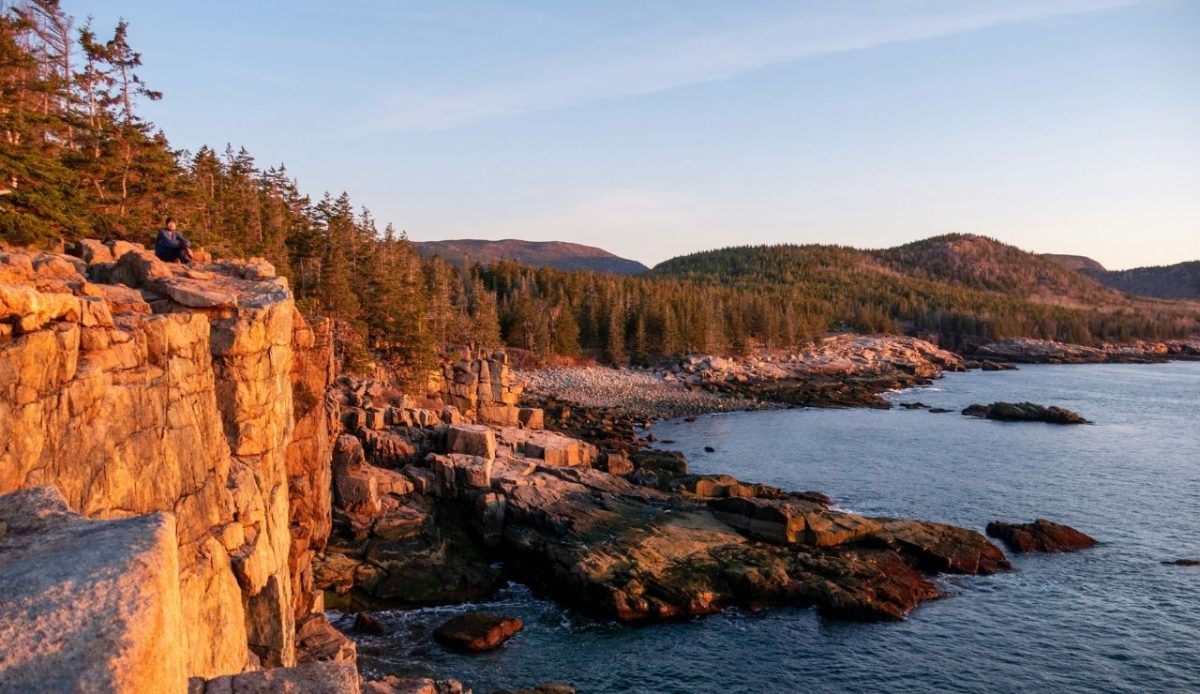
Acadia National Park records some of the earliest fall color in the United States. Its location on Maine’s coast allows visitors to see mountain forests and ocean scenery within the same area. The park loop road connects most viewpoints, and the drive to Cadillac Mountain reaches one of the highest elevations on the Atlantic coast. Forest sections near Jordan Pond and Eagle Lake remain popular with cyclists and walkers. Bar Harbor, located beside the park, continues to serve visitors with restaurants, harbor tours, and small shops through October. Weather conditions stay mild enough for hiking during the day and cool enough at night for clear visibility.
2. Charlottesville, Virginia
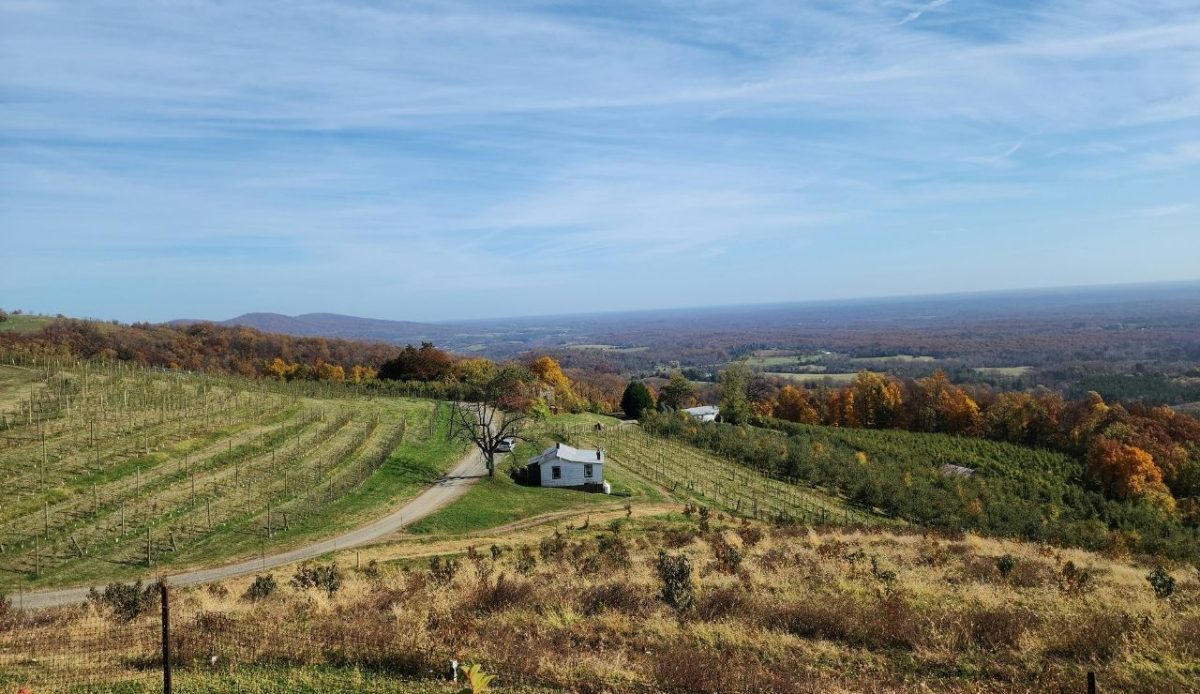
As cooler air reaches central Virginia, Charlottesville enters one of its busiest visitor periods. The city lies near the Blue Ridge foothills, which allows easy access to hiking trails and wineries. Skyline Drive and the Saunders-Monticello Trail provide clear views without long climbs. The University of Virginia campus and Monticello estate remain open for tours throughout fall. Local orchards supply apples and cider for nearby markets. Outdoor cafés and public events continue until early November. The area’s combination of academic, agricultural, and historical sites keeps tourism steady through most of the season.
3. Woodstock, Vermont
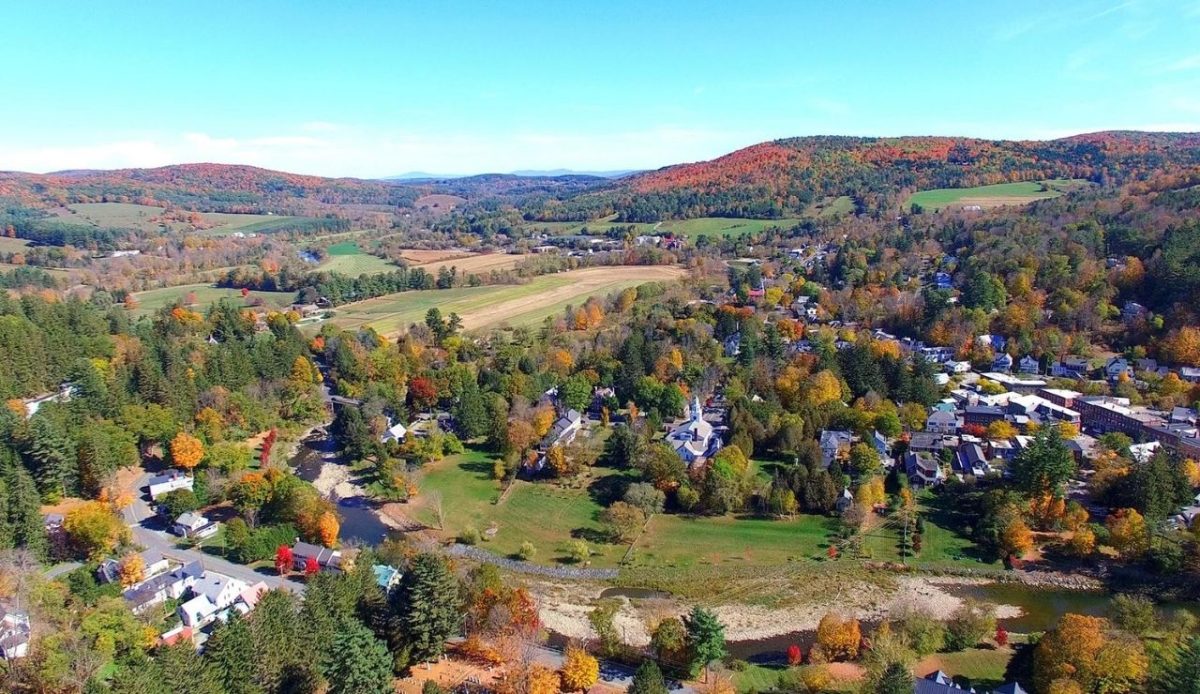
Woodstock represents the traditional image of a New England town during fall, but its attractions remain functional rather than decorative. Middle Bridge spans the Ottauquechee River and connects the town’s center to nearby walking paths. Marsh-Billings-Rockefeller National Historical Park includes trails through protected forest that illustrate early conservation work. The Billings Farm and Museum demonstrates local agricultural methods and food preparation for colder months. Roadside stands sell apples, cheese, and maple products until the first week of November. Most visitors combine these stops with short drives through nearby valleys and small farming communities.
4. Hudson Valley, New York
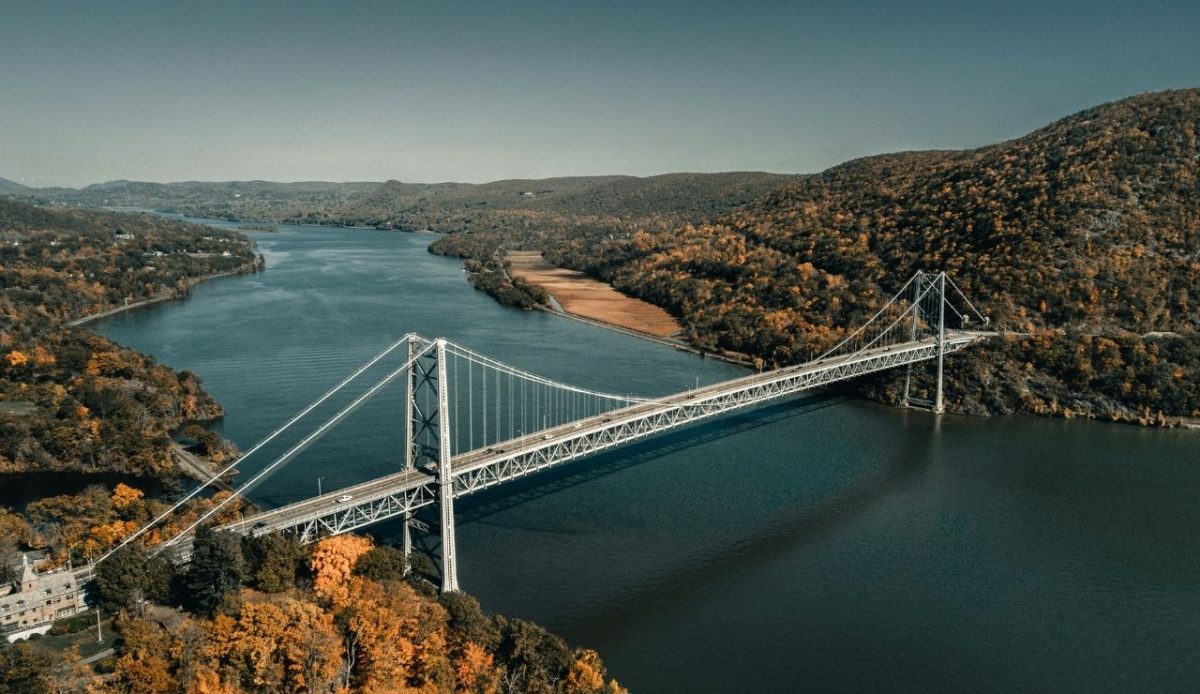
The Hudson Valley extends along the river between New York City and Albany. Rail lines and highways make weekend trips practical for city residents. Towns such as Cold Spring, Beacon, and Rhinebeck operate regular markets, antique fairs, and art spaces during the season. Storm King Art Center near Cornwall and the Walkway Over the Hudson at Poughkeepsie remain open for most of the fall. Hiking at Minnewaska State Park and Mohonk Preserve continues until the first snowfall. Wineries and orchards around New Paltz and Hudson add agricultural interest without large crowds. October remains the busiest month due to the color change along the riverbanks.
5. Catskill Mountains, New York
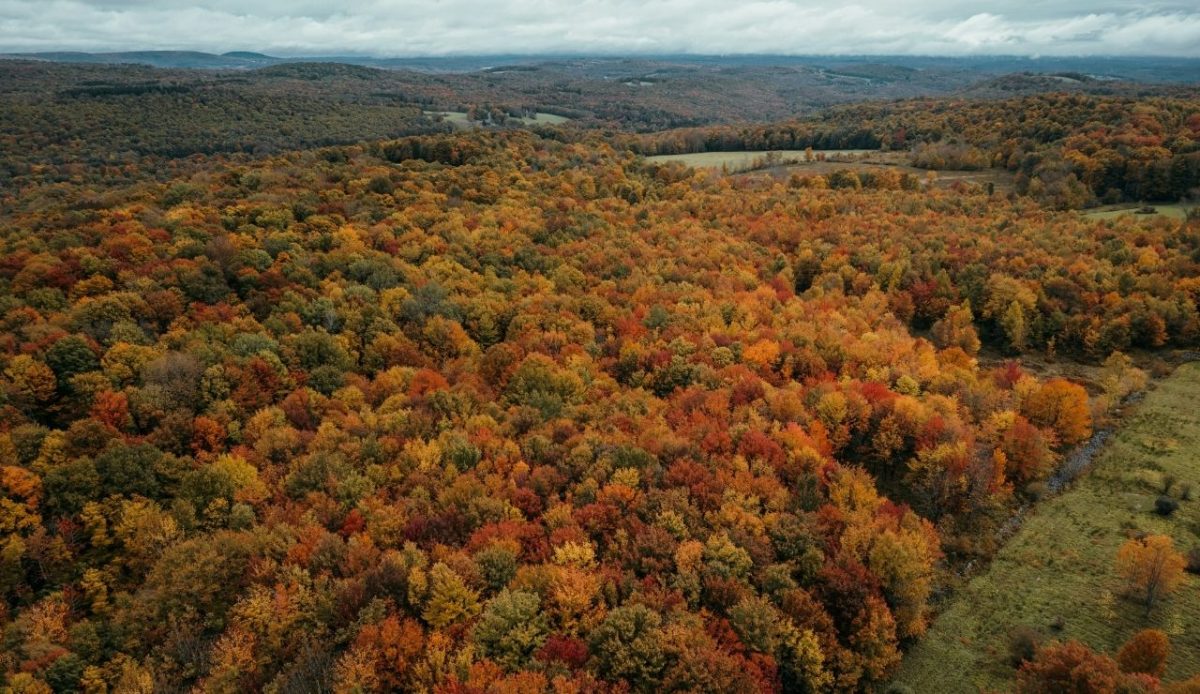
The Catskill Mountains are within driving distance of several major cities, which makes them suitable for short fall trips. State Route 23A passes through valleys with access to waterfalls, picnic areas, and trailheads. Kaaterskill Falls remains one of the most visited natural sites in the region. Hunter Mountain and Windham Mountain operate chairlifts for scenic rides during peak color weeks. Local communities hold harvest weekends that feature regional food and music. Accommodation includes campgrounds, lodges, and smaller hotels that stay open until late October. The area’s compact size allows travelers to visit multiple attractions in one day.
6. The Adirondacks, New York
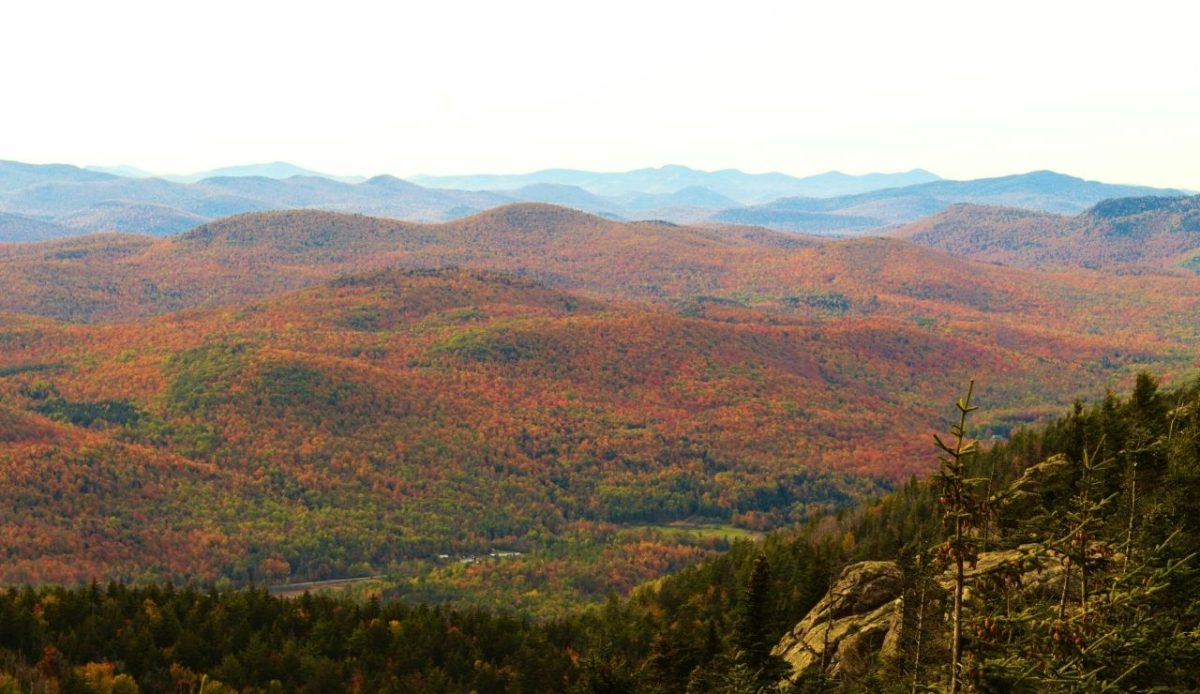
The Adirondack Park covers six million acres and includes both wilderness and permanent towns. Due to differences in elevation, the foliage season starts in late September at higher peaks and lasts until late October in the valleys. Lake Placid and Saranac Lake serve as central points for hiking and boating activities. The Veterans Memorial Highway to Whiteface Mountain remains a main route for panoramic viewing. Several state campgrounds close after Columbus Day, but hotels in the Tri-Lakes region continue operating until early winter. Fishing and kayaking remain possible until water temperatures drop below safe levels.
7. Newport, Rhode Island
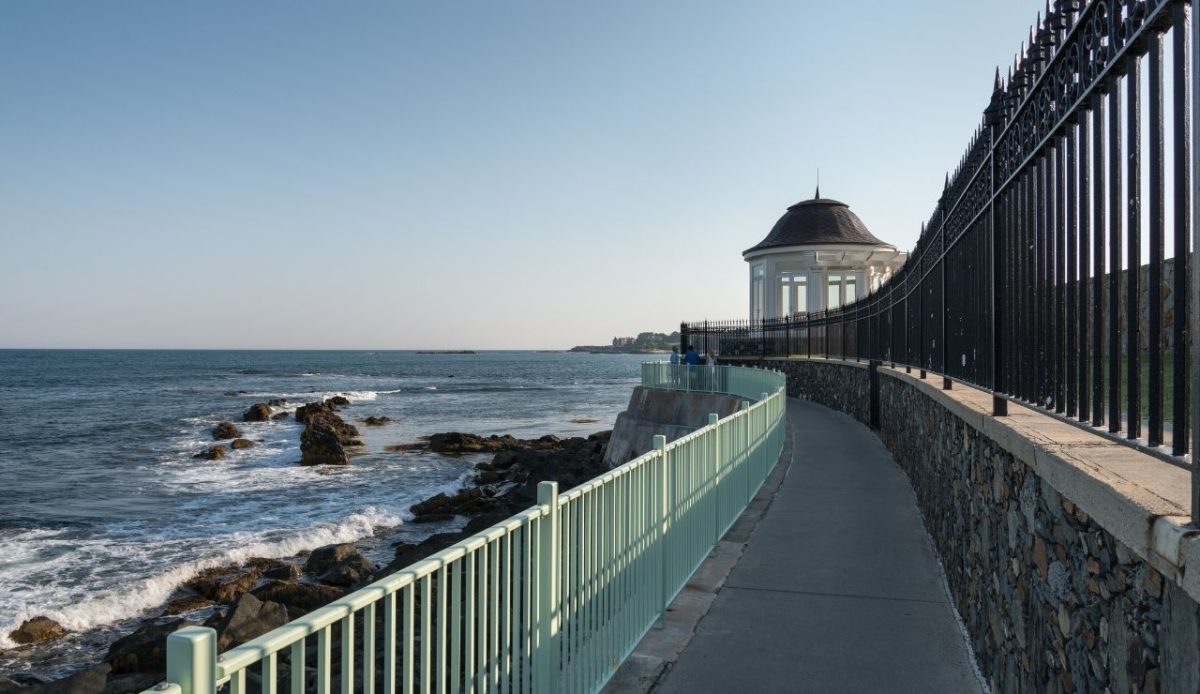
Newport’s appeal in the fall centers on its walkable layout and preserved historic buildings. The Cliff Walk follows the shoreline beside former mansions that remain open for tours. The Breakers, Marble House, and other estates continue to receive visitors with smaller groups compared to summer. The downtown district supports a working harbor with regular sailboat activity through October. Restaurants along Thames Street and Bowen’s Wharf stay open until late in the season. Several art and wine events appear on the local calendar, adding short-term activity without overcrowding. Public transportation and parking remain accessible for day visitors.
8. Shenandoah National Park, Virginia
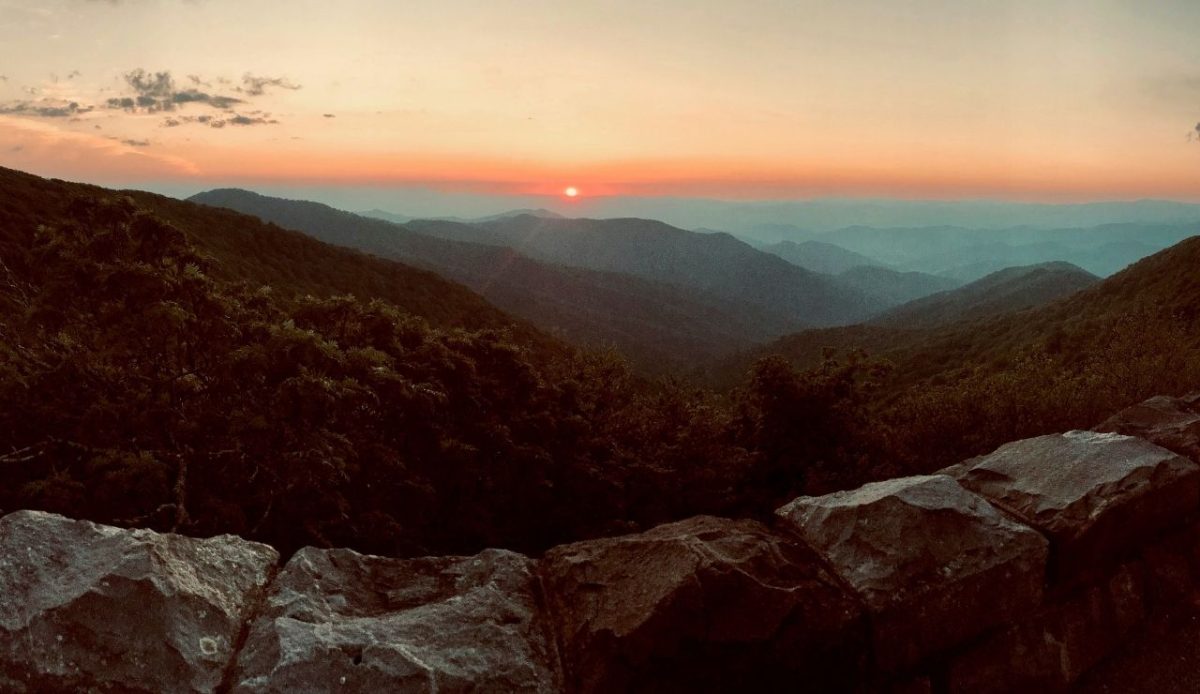
Shenandoah National Park extends more than one hundred miles along the Blue Ridge Mountains. Skyline Drive remains the main route, linking four park entrances and over seventy overlooks. The highest areas change color in early October, while lower valleys reach their peak closer to the end of the month. Popular hiking trails include Hawksbill Summit, Stony Man, and Dark Hollow Falls. Lodges and campgrounds stay open until early November, depending on the weather. The National Park Service provides weekly updates to assist visitors with timing their trips. Wildlife viewing and photography are common daytime activities.
9. Blue Ridge Parkway, Virginia
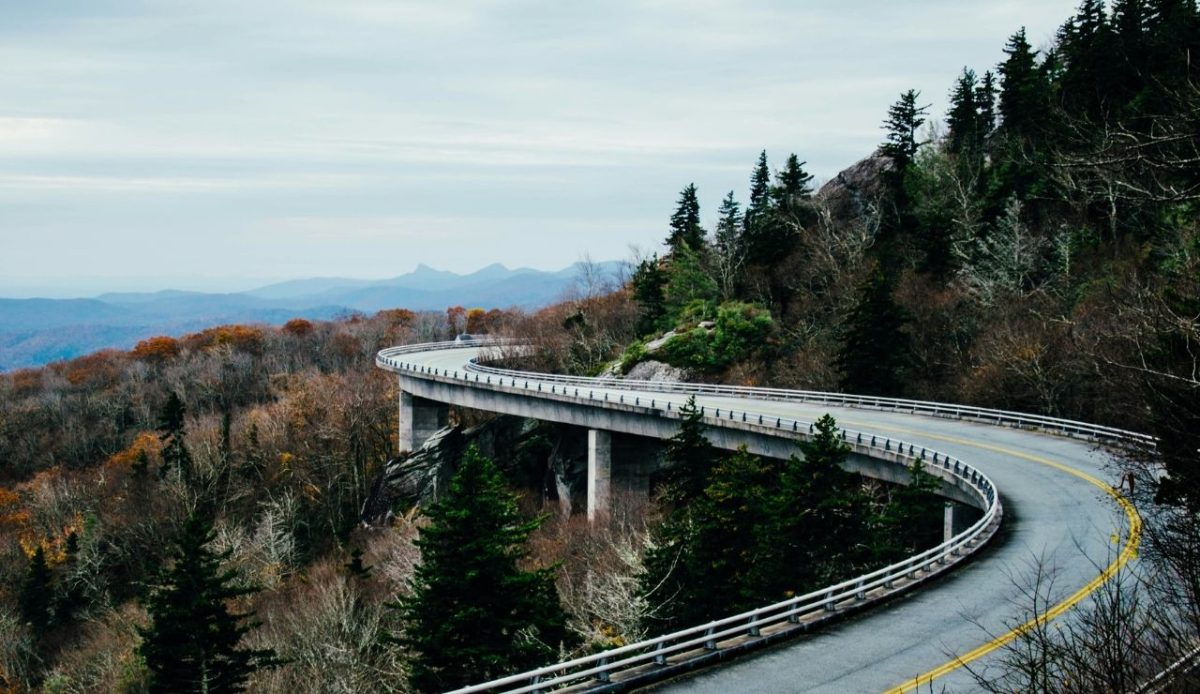
The Blue Ridge Parkway connects Shenandoah National Park in Virginia with the Great Smoky Mountains National Park in North Carolina. The road extends for 469 miles and remains open during most of the fall unless heavy fog or rain limits visibility. Mabry Mill, Peaks of Otter, and Rocky Knob serve as rest points with facilities and short walking paths. Travel speed stays low by design to encourage safe driving. Local information centers post color reports and safety notices each week. This route functions as both a recreational and scenic corridor managed jointly by the National Park Service and nearby communities.
10. Asheville and Great Smoky Mountains, North Carolina
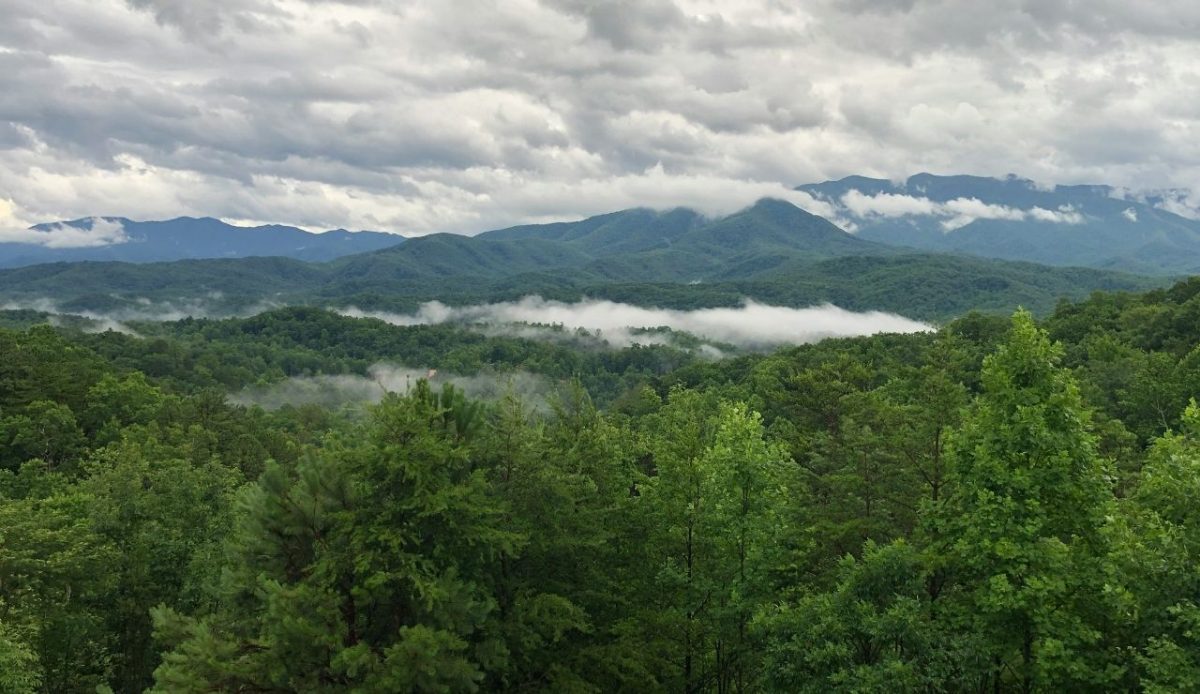
Asheville operates as a regional base for visitors to the Great Smoky Mountains. The Blue Ridge Parkway runs directly past the city, giving access to overlooks such as Craggy Gardens and Mount Pisgah. The National Park includes numerous valleys and ridges where color changes gradually across elevations. Downtown Asheville maintains restaurants, galleries, and lodging for travelers. The surrounding counties host markets that feature seasonal produce and crafts. Due to its position between several natural reserves, Asheville remains active until the end of November when winter weather starts to limit access to higher trails.
11. Savannah, Georgia
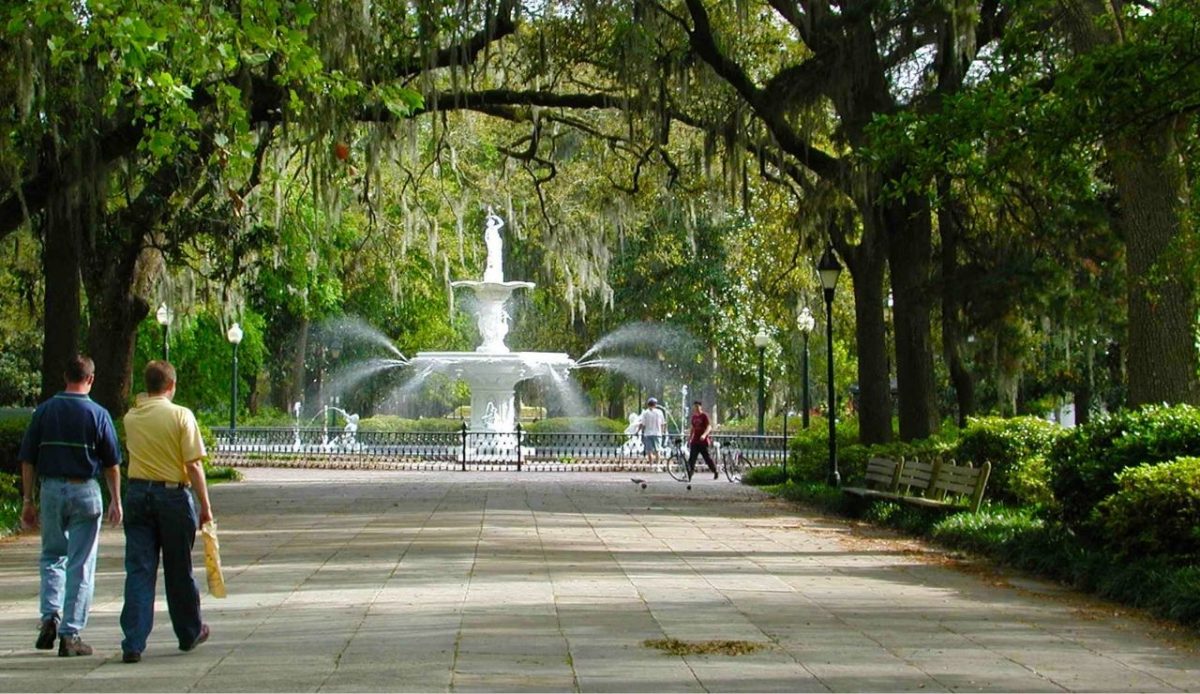
Savannah experiences a more gradual seasonal change than cities farther north, which makes it a comfortable fall destination. The historic district remains the center of activity, with regular walking tours, museums, and parks that stay accessible year-round. Forsyth Park, River Street, and City Market continue to host local gatherings. Restaurants and hotels adjust menus and prices for the lower-traffic months. Cultural events such as film and art festivals occur throughout October and early November. Weather patterns typically keep humidity low and temperatures around the mid-70s during the day.
12. St. Augustine, Florida
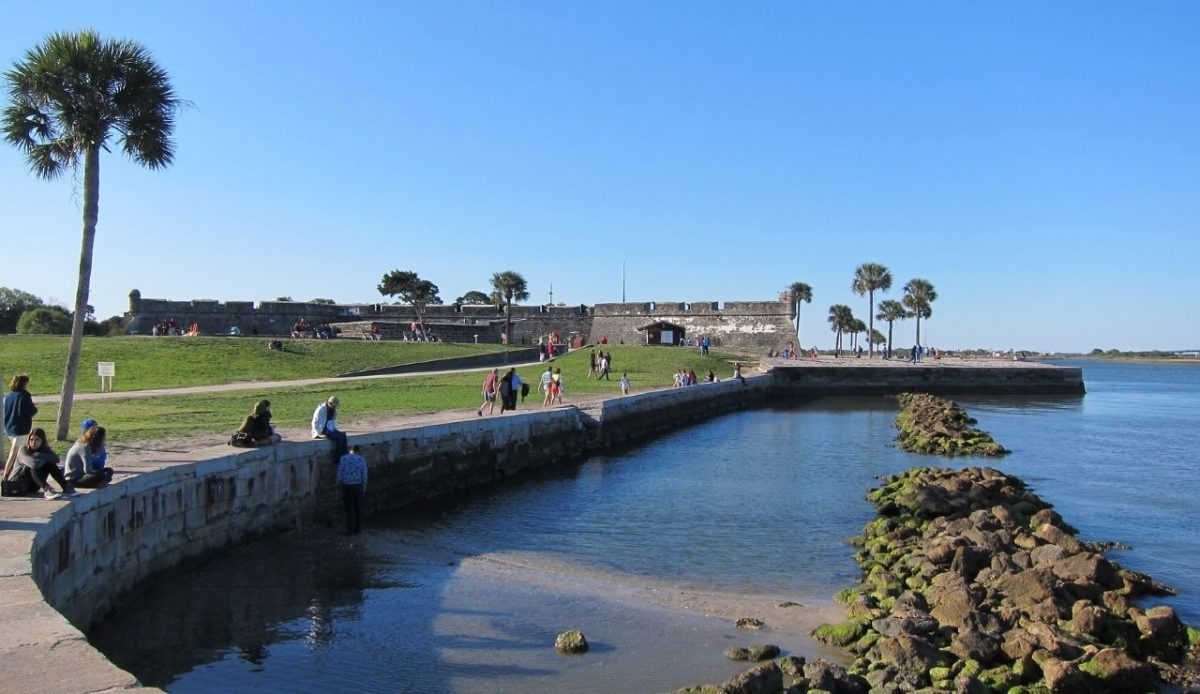
St. Augustine records one of the longest travel seasons on the East Coast due to its mild climate. The city’s historic area includes Spanish-style architecture, museums, and public plazas that remain open throughout the year. Castillo de San Marcos and other landmarks maintain regular hours during the fall. The schedule of art, music, and food events continues through November under comfortable conditions. Beachfront areas stay active but without heavy traffic from summer tourism. Visitors often combine historical sightseeing with short coastal walks before winter programs begin in December.
