
National parks are incredible places to experience nature, but even experienced travelers make errors that lead to wasted time or damaged ecosystems. The most frequent issues come from skipping permits, ignoring park updates, or misjudging conditions. A successful visit begins with planning, early arrival, and respect for the rules that keep these areas safe. By avoiding the mistakes below, visitors protect the environment, stay safer, and enjoy the adventure the way it was meant to be experienced.
1. Skipping Timed Entry Permits And Reservations

Many parks now require timed-entry reservations to manage crowds. Travelers who show up without them often face long delays or are turned away entirely. These systems are especially common in popular parks such as Arches, Glacier, and Yosemite. Checking for reservation windows weeks ahead ensures a smooth arrival and better access to trails and scenic drives. Print or download confirmations since cell service can drop at the gate. Some parks offer limited same-day passes, but planning early prevents frustration and allows rangers to balance visitor flow while preserving natural habitats.
2. Ignoring Seasonal Road And Trail Closures
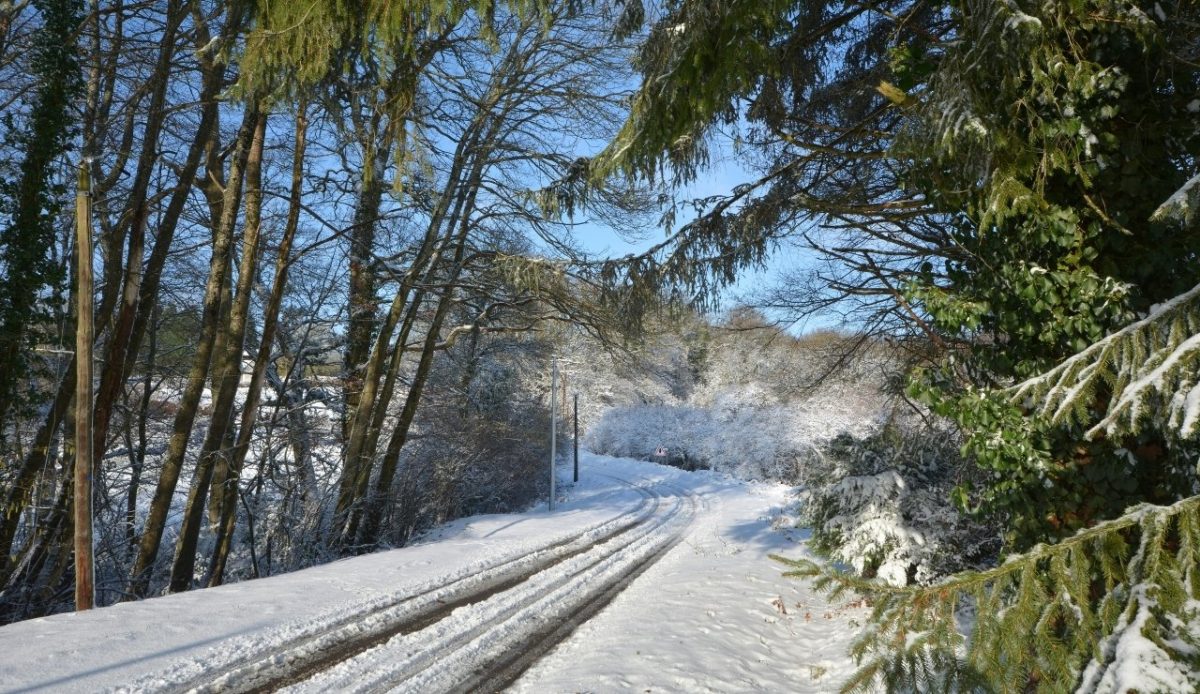
Weather and maintenance determine when roads or trails open, not the calendar. Snow, flooding, and wildfire recovery frequently close routes far longer than most travelers expect. Before leaving home, check the park’s alerts page for updates. Conditions may change quickly even within the same day, so have an alternate route ready. Rangers post closure signs for safety, not inconvenience. Bring extra food, fuel, and patience in case of detours. Planning for unpredictable conditions ensures you see the best of the park rather than waiting behind locked gates.
3. Starting Late And Losing Daylight
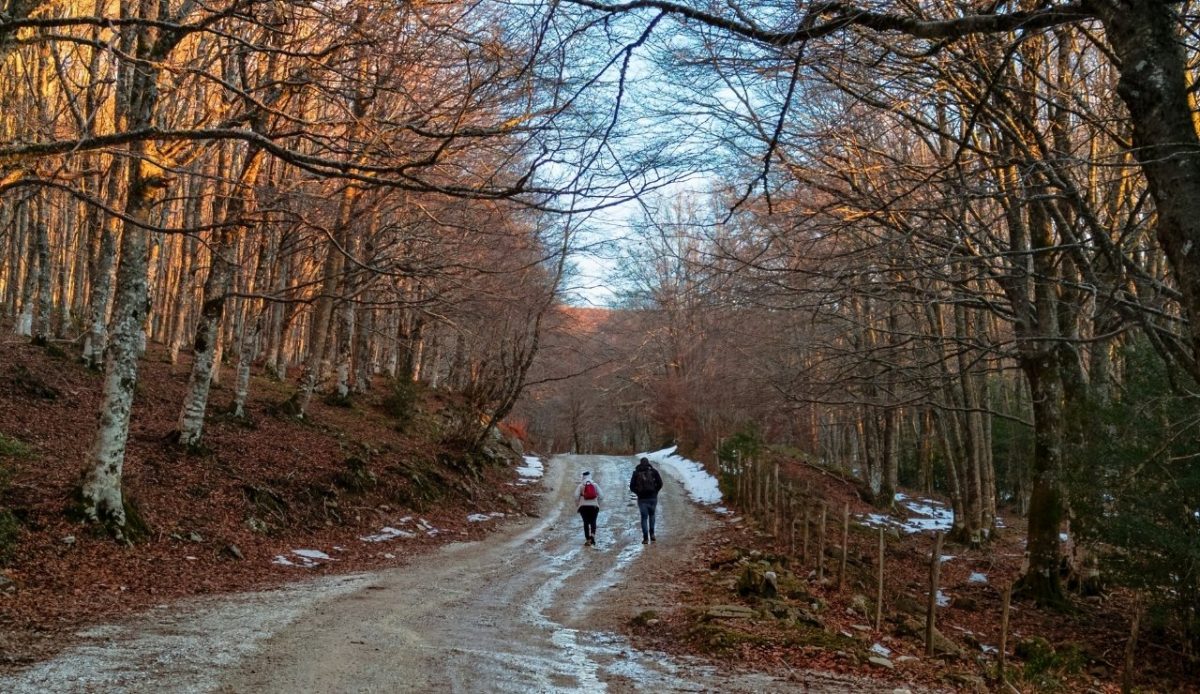
Arriving midmorning often means circling parking lots, hiking in the day’s hottest hours, and rushing before sunset. Early starts let you enjoy quiet trails, cooler air, and more time for photos. Many national parks cover huge areas, and daylight fades faster in canyons or forests. Pack breakfast to go and begin at first light. Finishing your longest hike before noon keeps energy levels high and lowers the chance of being caught out after dark. Starting early adds hours of enjoyment and reduces stress throughout the day.
4. Underestimating Distance, Elevation, And Terrain
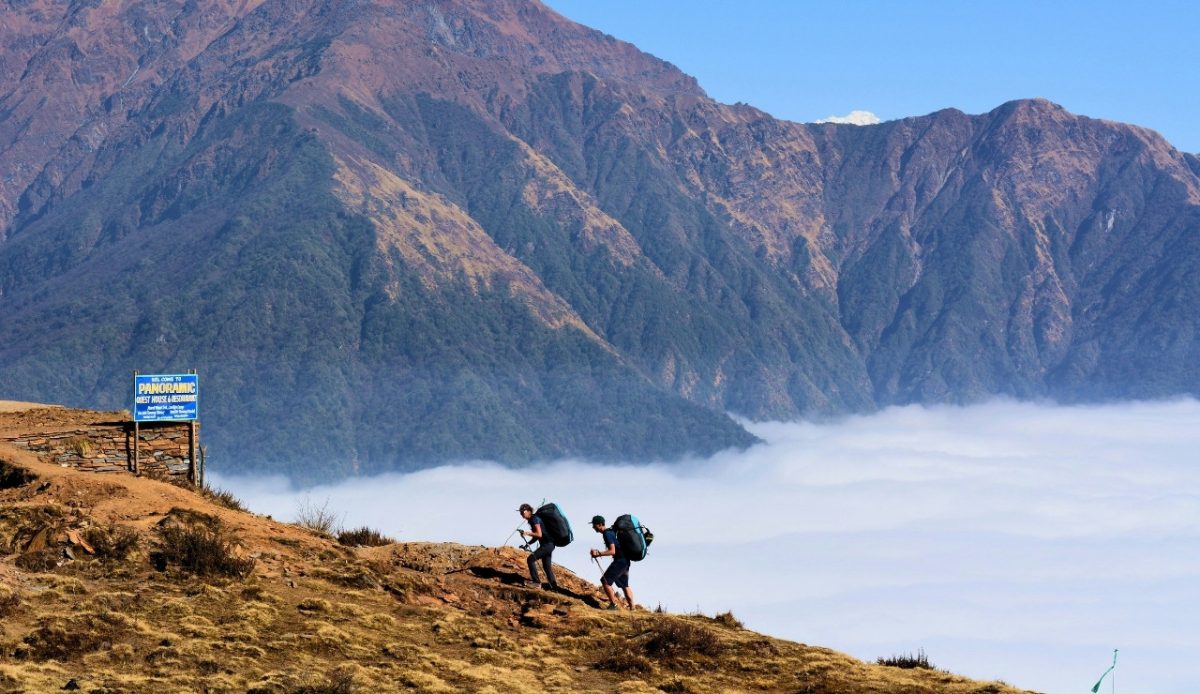
Short distances on a map rarely reflect real effort in the field. Steep climbs, altitude, and rugged footing make progress slower than expected. Review the trail description, elevation profile, and estimated duration before you go. Carry trekking poles for support and pace yourself on ascents. If you are new to high elevations, take it slow for the first few days to acclimate. Choosing a few quality hikes rather than overpacking your schedule helps you appreciate the park instead of rushing through exhaustion. Proper pacing keeps adventures enjoyable and safe.
5. Relying On Cell Service Instead Of Offline Maps

Cell signals disappear quickly once you leave developed areas. Travelers who rely on live navigation often lose directions and reservation details when service drops. Download offline maps through navigation apps or the park’s official app before departure, and always carry a paper map. Save ranger station numbers and emergency contacts directly on your device. Tell someone your route and return time in case of trouble. Reliable navigation ensures confidence when exploring remote trails or scenic roads where help may be hours away.
6. Bringing Too Little Water And Fuel
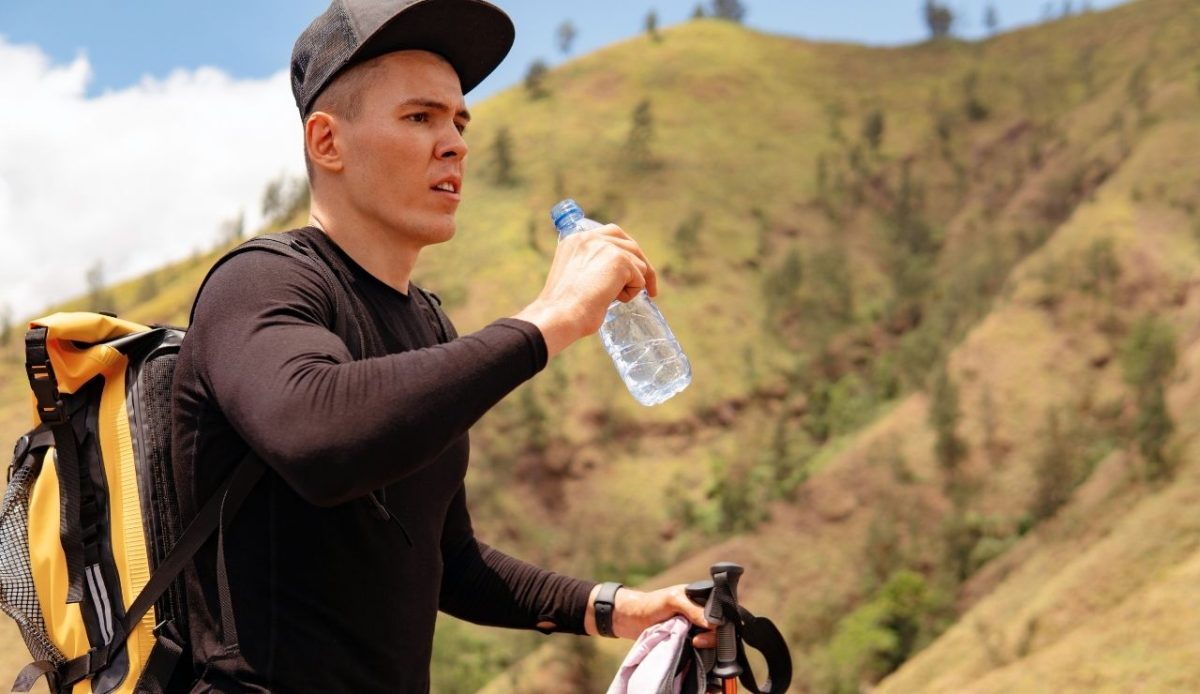
Parks in desert or mountain climates can drain energy fast, and gas stations are often miles apart. Carry at least a gallon of water per person per day, plus electrolyte tablets and snacks. Refill your tank whenever possible and avoid driving long stretches on low fuel. Many rangers respond to preventable emergencies caused by dehydration or empty tanks. Keep an insulated bottle in your pack, and freeze water jugs in advance for long road days. Staying hydrated and fueled lets you focus on the scenery instead of survival.
7. Wearing The Wrong Footwear And Layers

Improper clothing and footwear cause many injuries. Sandals or casual sneakers slip easily on rocks and wet ground, while cotton holds moisture and chills fast. Choose sturdy hiking boots or trail shoes with traction, and wear layers you can adjust throughout the day. Bring a waterproof jacket, a hat, and sunscreen, even if the forecast looks clear. Weather can shift from hot sun to cold wind within minutes at high elevation. Dressing smart prevents blisters, discomfort, and exposure so you can explore longer with less fatigue.
8. Leaving Food Out And Attracting Wildlife

Leaving food unattended invites wildlife and endangers both visitors and animals. Bears, raccoons, and smaller scavengers learn quickly where to find easy meals. Store all food, coolers, and scented items in bear lockers or closed vehicles. Clean picnic areas, seal trash bags, and never feed animals directly. Once wildlife connects people with food, they lose fear and may have to be relocated or euthanized. Responsible storage protects animals’ natural habitats and keeps your campsite safe from unwanted visitors during the night.
9. Getting Too Close To Animals
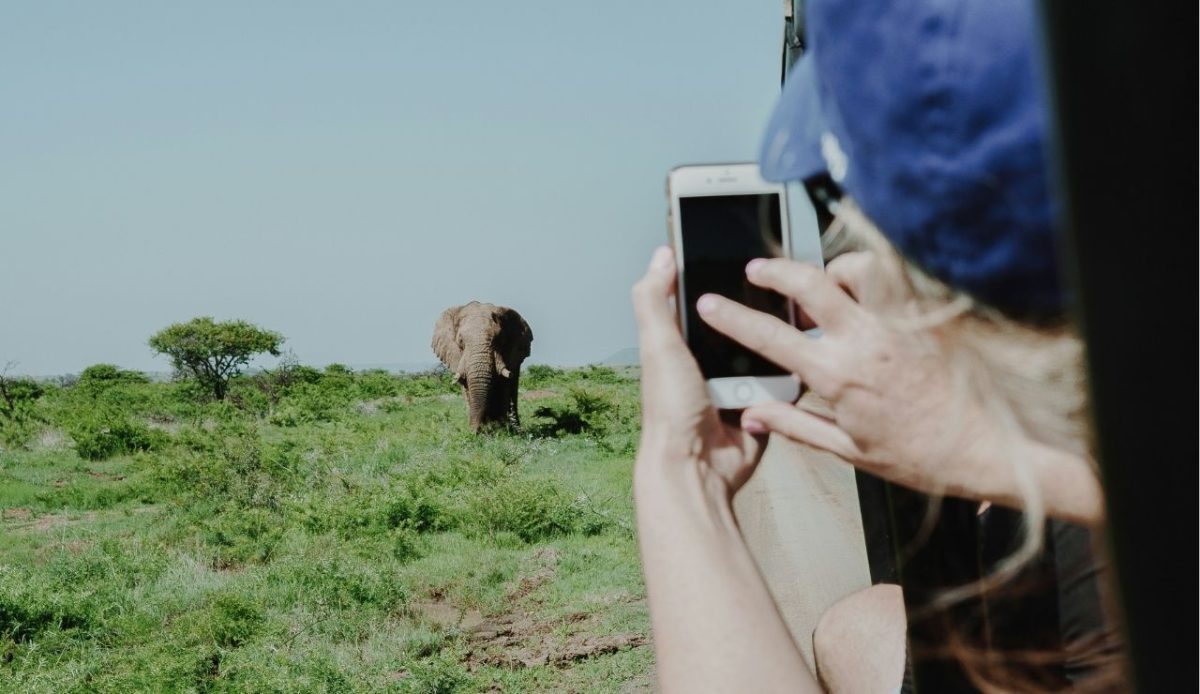
Many accidents happen when visitors approach wildlife for photos or handouts. Animals that become comfortable around people often behave unpredictably. Always keep at least 25 yards from most species and 100 yards from predators like bears, wolves, or moose. Use zoom lenses instead of stepping closer. Feeding animals disrupts their natural diets and can cause illness or aggression. Parks exist to protect wild behavior; keeping your distance ensures those behaviors remain intact and prevents serious injuries to both visitors and wildlife.
10. Straying Off Marked Trails And Sensitive Areas
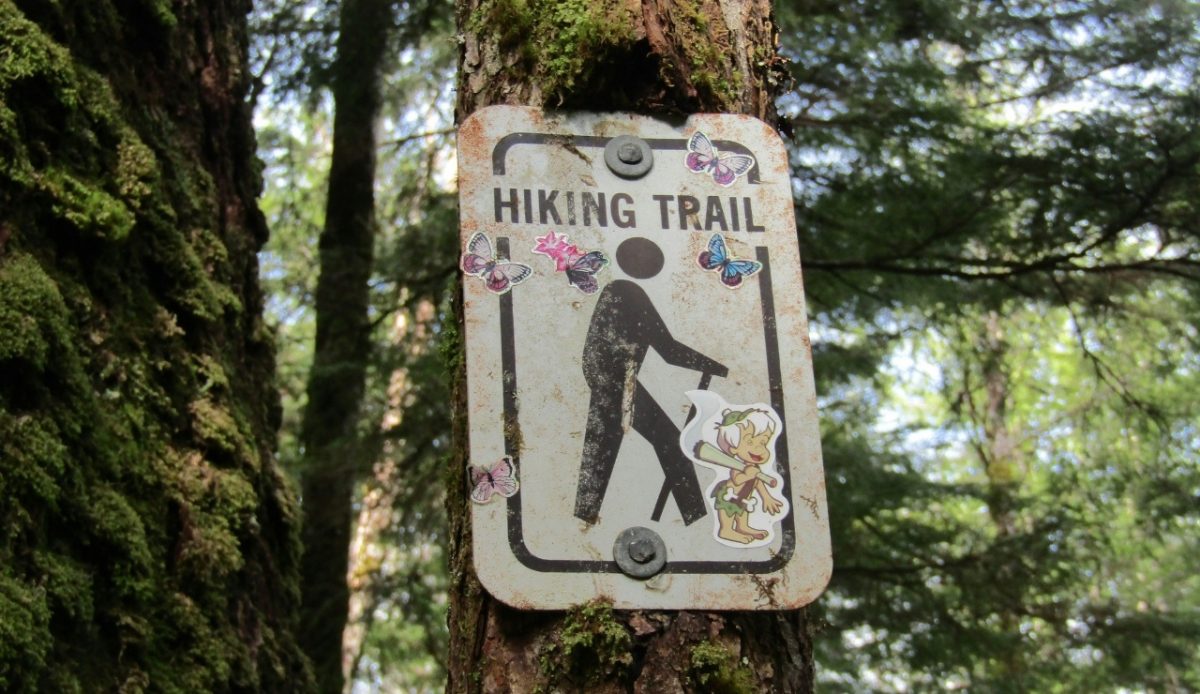
Leaving designated paths damages fragile vegetation and soil that may take decades to recover. One shortcut can erode hillsides or destroy protective plant layers. Trails are designed to balance visitor safety and environmental protection, so follow them even if they seem indirect. If you must pass others, step onto rock or hard ground, not plants. Rangers work year-round to repair off-trail damage that could have been avoided with simple care. Staying on marked routes preserves the land and prevents unnecessary rescues.
11. Ignoring Fire Restrictions
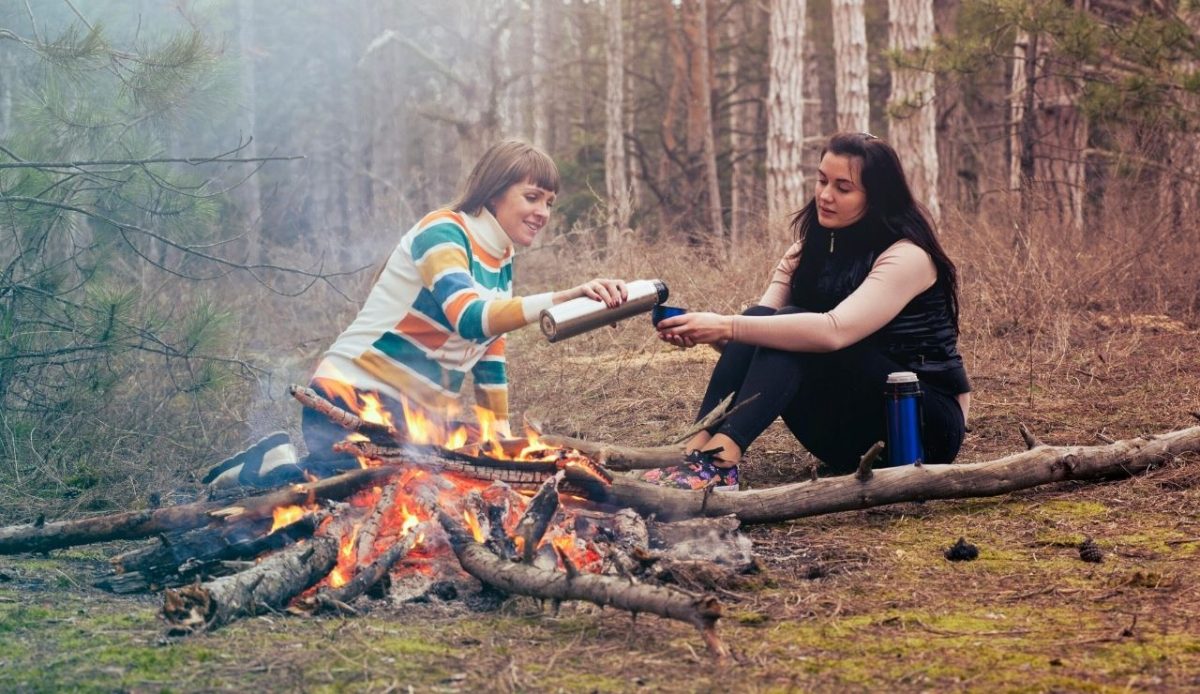
One careless ember can ignite thousands of acres. During dry seasons, fire bans often apply even when temperatures drop at night. Always check current conditions and only use established fire rings where permitted. Keep a bucket of water or shovel nearby and never leave a flame unattended. Fully extinguish fires by stirring and feeling the ashes before leaving. Portable camp stoves are safer and easier to control. Following fire restrictions preserves forests, reduces wildfire risk, and ensures everyone enjoys a safe camping experience.
12. Chasing Photos In Unsafe Places
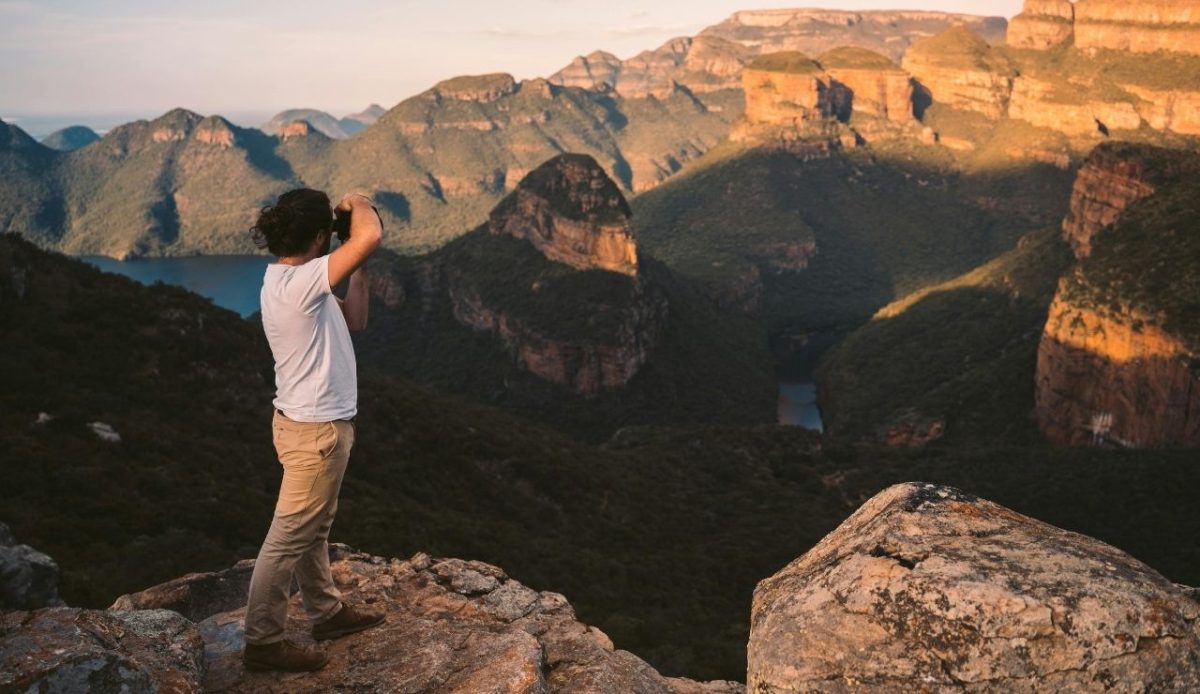
Parks record numerous rescues each year linked to risky photo attempts. Standing near cliff edges, climbing wet rocks, or crossing barriers for the perfect shot can lead to tragedy. Respect warning signs and stay behind guardrails, no matter how tempting the view. Wait for space or use a longer lens to capture your image safely. Photographs should record memories, not cause emergencies. Exercising patience and awareness ensures that both you and your photos make it home safely.
