
Small towns in the U.S. often evoke images of quiet streets, friendly locals, and tight-knit communities. Yet, appearances can be deceiving: some towns struggle with higher crime rates that surprise visitors expecting idyllic tranquility. From property crimes to occasional violent incidents, these challenges affect both residents and travelers. Understanding the reality behind the charm helps visitors plan responsibly. In this article, we explore 11 small towns where crime issues are notable, highlighting the importance of awareness while still appreciating each community’s character and unique attractions.
1. Camden, New Jersey

Camden, once known for industry and waterfront attractions, has struggled with crime despite recent revitalization efforts. Violent crime rates remain above the national average, prompting heightened police presence and visitor caution. City centers and historic sites can still be explored safely during the daytime, but awareness is key. Camden also offers cultural attractions like the Adventure Aquarium and Battleship New Jersey Museum. While its reputation surprises first-time visitors, the city shows a mix of economic challenges, community efforts, and cultural opportunities beyond its crime statistics.
2. St. Louis, Missouri

Some smaller neighborhoods and suburbs around St. Louis have crime levels that can surprise visitors expecting Midwestern calm. While the city has a rich history, iconic architecture, and sports culture, certain areas struggle with violent and property crime. Travelers are advised to stick to well-known tourist districts and cultural sites such as the Gateway Arch, Forest Park, and City Museum. Awareness of local conditions enhances safety, while still allowing enjoyment of the city’s offerings. St. Louis illustrates that urban charm in smaller areas may coexist with safety challenges that require careful planning.
3. Flint, Michigan
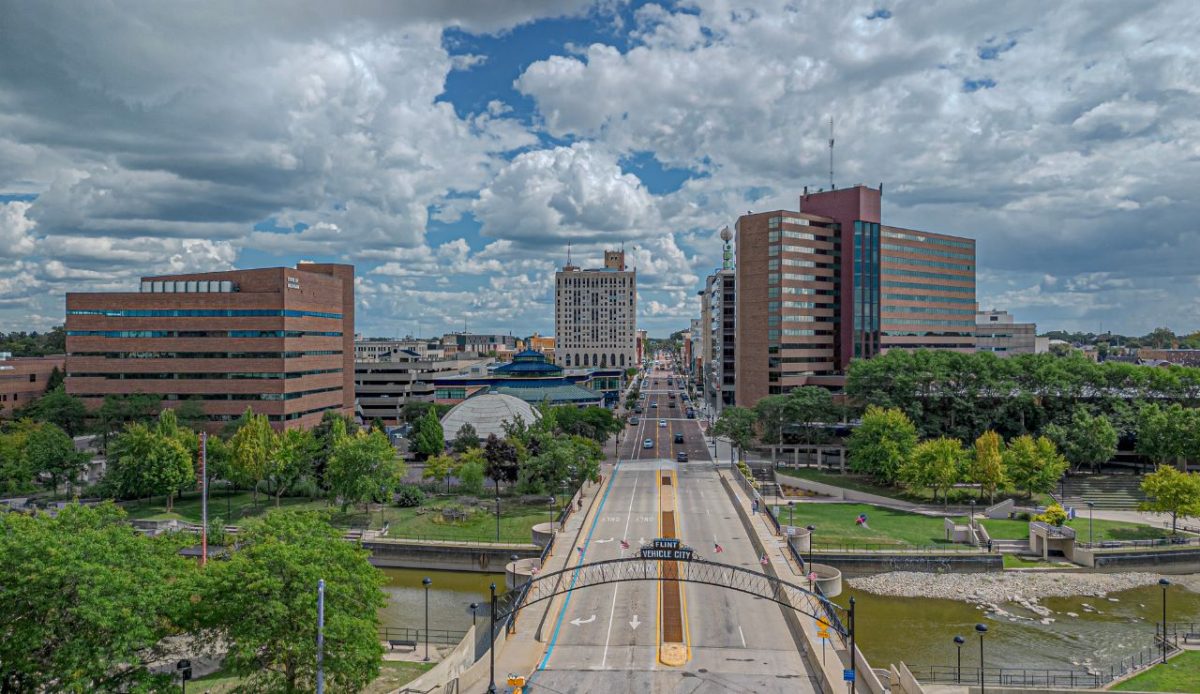
Flint’s legacy includes its industrial past, water crisis, and elevated crime rates, which can surprise visitors expecting calm. Violent crime, property theft, and economic struggles affect parts of the city, though revitalization projects continue. Cultural and educational attractions, including the Flint Institute of Arts and Sloan Museum, remain accessible for daytime visitors. Awareness of local conditions is essential, particularly when exploring beyond tourist-friendly areas. Flint reflects resilience, community effort, and challenges small industrial towns face, making it both educational and cautionary for travelers.
4. Gary, Indiana

Gary, located near Chicago, surprises some travelers with its high crime rates despite its historic steel-town charm. Abandoned buildings and limited economic opportunities contribute to property crime and occasional violent incidents. Visitors exploring the city are encouraged to stay within populated areas and daytime hours, focusing on historical architecture and local cultural spots. Lake Michigan’s proximity offers scenic escapes away from urban streets. Gary exemplifies how small towns can balance rich history and industrial heritage with modern challenges, making visitor awareness an important aspect of a safe, informed trip.
5. East St. Louis, Illinois
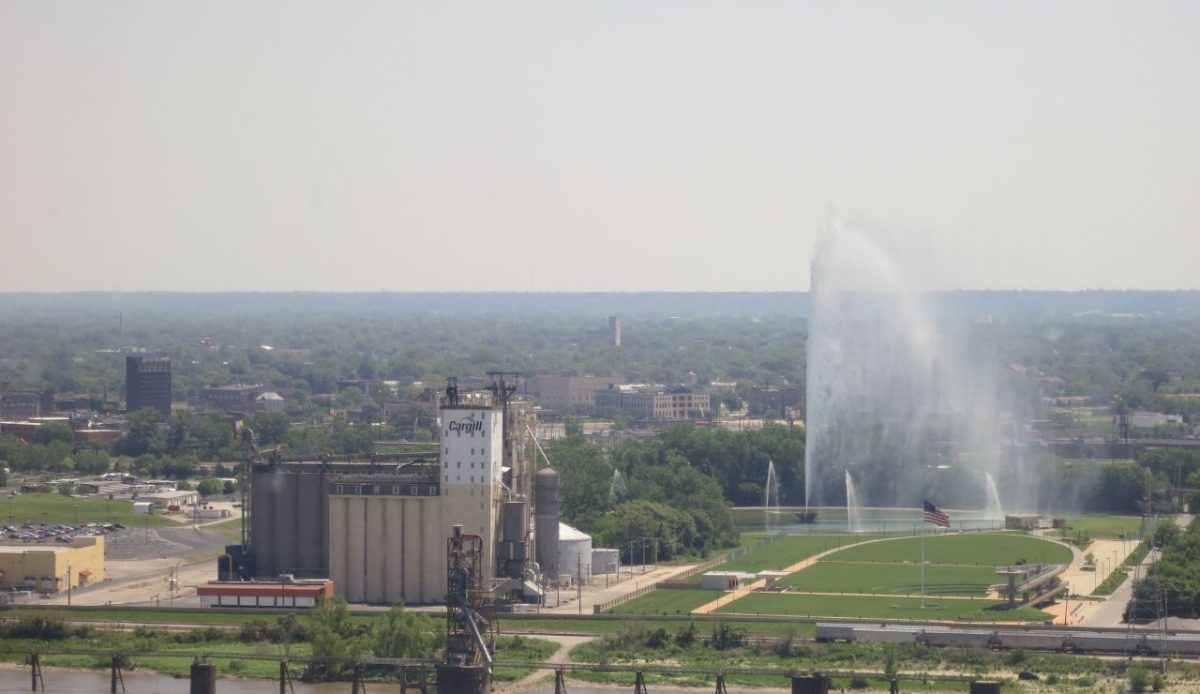
East St. Louis has earned a reputation for crime that often surprises first-time visitors. Economic decline, vacant properties, and social challenges contribute to higher rates of violent and property crime. While downtown and commercial zones see attention, tourists must exercise caution in residential areas. Despite these challenges, community-driven revitalization projects are underway, and landmarks like the Malcolm W. Martin Memorial Park offer safe experiences. Understanding the realities behind the town’s reputation ensures both safety and appreciation for residents’ resilience and culture.
6. Baltimore, Maryland
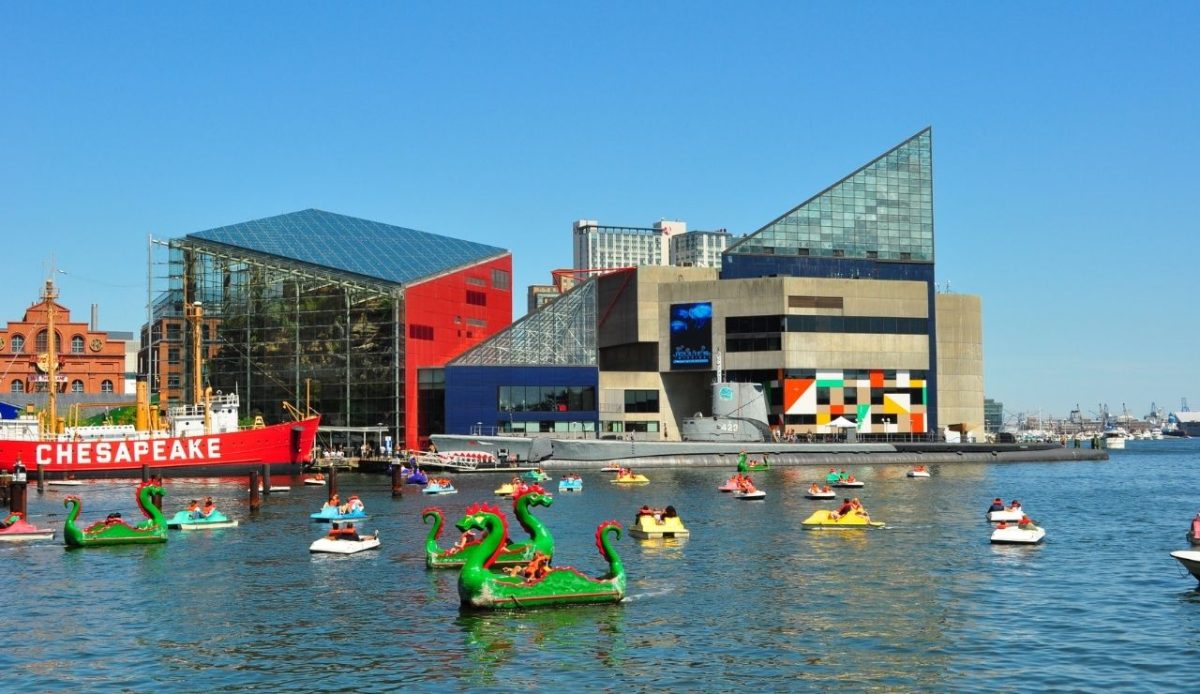
Baltimore may feel more like a mid-sized city than a small town, but its neighborhoods often carry crime surprises for visitors. While historic districts like Fells Point and Inner Harbor are generally safe, other areas experience higher rates of violent crime and theft. Cultural attractions such as the National Aquarium, Fort McHenry, and local markets offer safe daytime exploration. Awareness of local conditions and sticking to well-traveled routes help ensure a positive visit. Baltimore demonstrates that small-town charm mixed with urban history can coexist with safety challenges, making preparation and vigilance crucial.
7. New Orleans, Louisiana

New Orleans is famed for Mardi Gras, jazz, and French Quarter charm, yet some small surrounding neighborhoods have higher crime rates than visitors expect. Petty theft, armed robberies, and occasional violent incidents can surprise tourists venturing beyond popular tourist districts. Sticking to well-lit, populated areas and organized tours ensures safety while still enjoying local culture, cuisine, and music. The city’s resilience and vibrant arts scene offer rich experiences despite safety concerns. Understanding the balance between cultural richness and risk enhances a visitor’s ability to safely explore New Orleans’ unique offerings.
8. Memphis, Tennessee
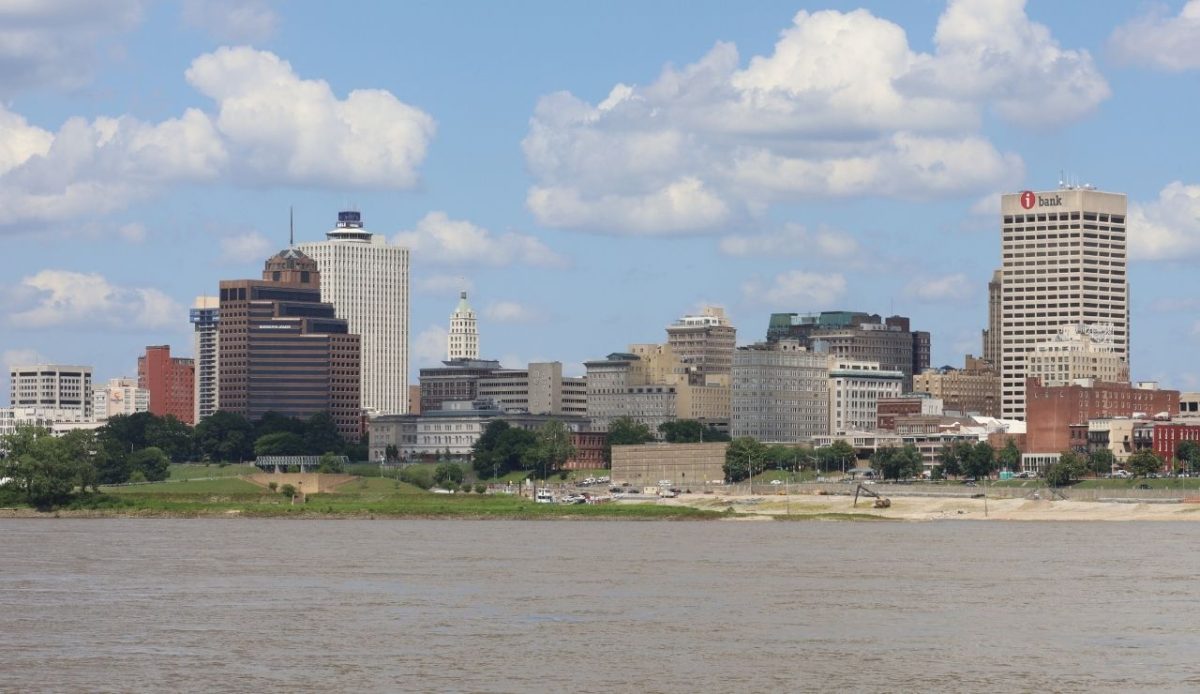
Memphis is renowned for its music heritage, barbecue, and riverfront, but some smaller areas carry crime challenges that surprise first-time visitors. Violent crime and property theft are concentrated in specific neighborhoods. Tourists are advised to focus on downtown attractions such as Beale Street, Graceland, and the National Civil Rights Museum. Daytime exploration in these zones is generally safe, while awareness of local conditions ensures a smooth visit. Memphis illustrates how small-town charm and iconic culture can coexist with urban crime concerns, highlighting the need for informed travel decisions.
9. Rockford, Illinois
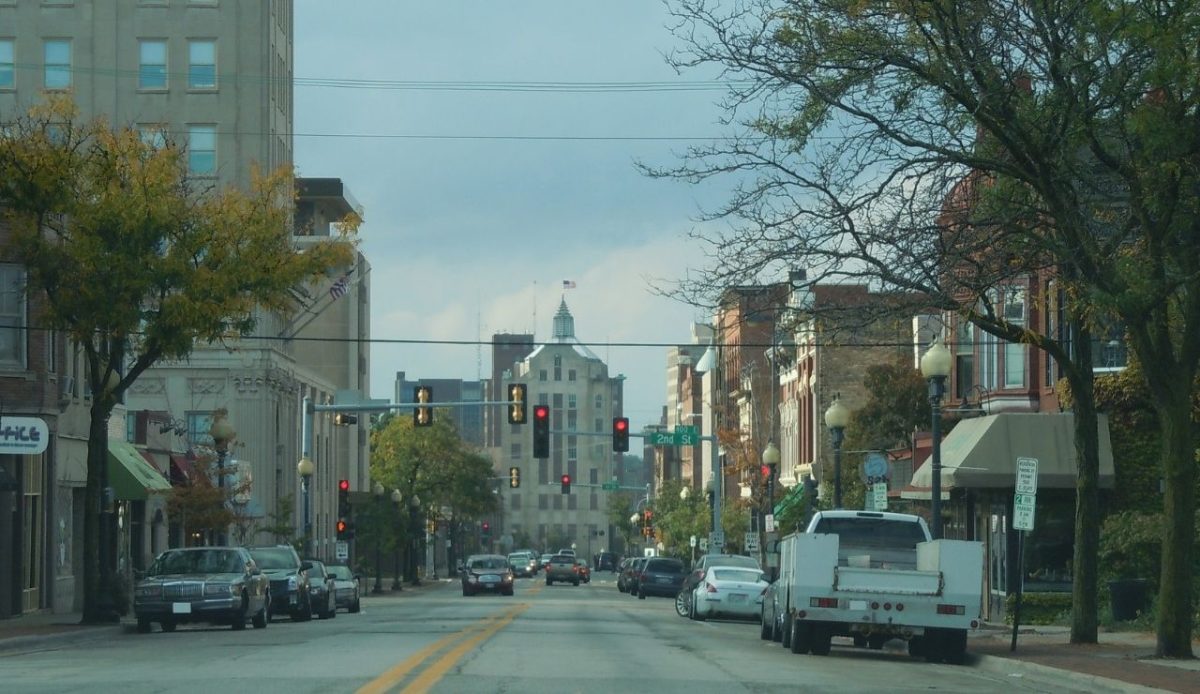
Rockford, once a manufacturing hub, surprises visitors with crime rates higher than expected for a mid-sized city. Property crime and occasional violent incidents are notable in certain areas. Tourists can enjoy cultural attractions such as Anderson Japanese Gardens, Burpee Museum of Natural History, and local festivals by sticking to well-traveled routes. Community initiatives aim to revitalize downtown and public spaces, showing resilience amid challenges. Awareness and planning help visitors navigate Rockford safely, combining exploration of local culture with smart precautions in a town where appearances can be deceiving.
10. Birmingham, Alabama
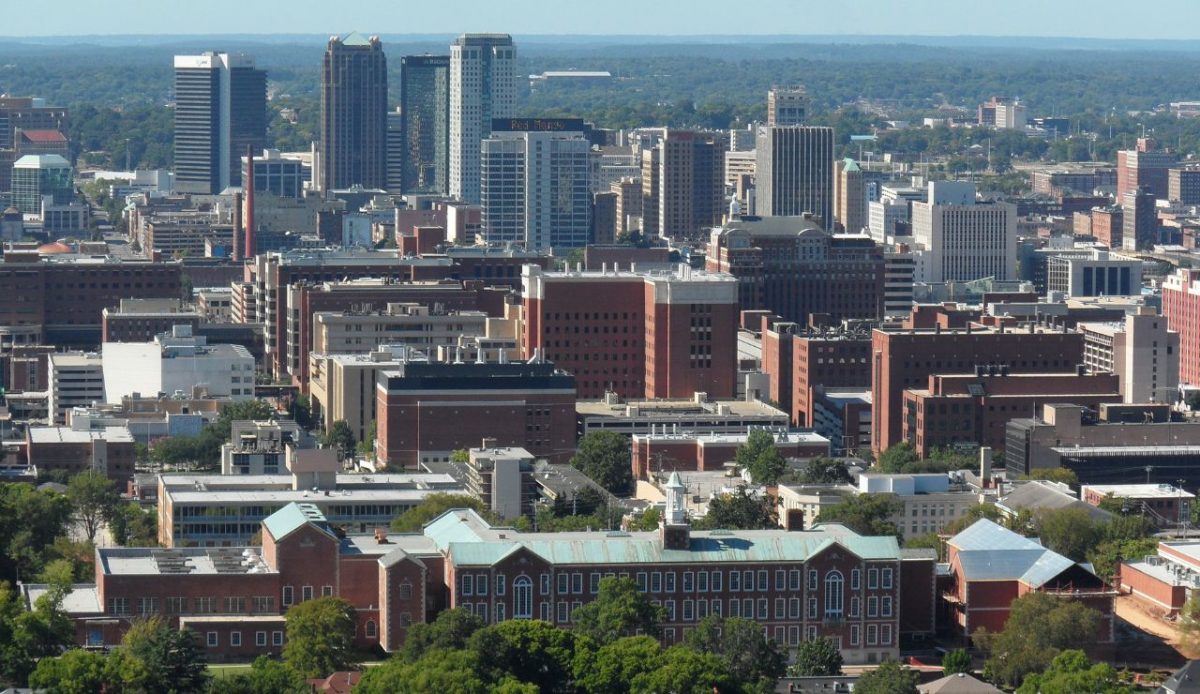
Birmingham blends Southern charm with history, yet some neighborhoods see higher crime than visitors anticipate. Violent crime and property theft can occur outside tourist-focused districts. Attractions such as the Birmingham Civil Rights Institute, Vulcan Park, and Railroad Park offer safe spaces for exploration. Awareness of neighborhood conditions is key, as crime is concentrated in specific zones. Birmingham demonstrates that historic charm, cultural depth, and community revitalization can coexist with safety challenges. Visitors benefit from vigilance and planning while enjoying the city’s rich heritage and Southern hospitality.
11. Detroit, Michigan
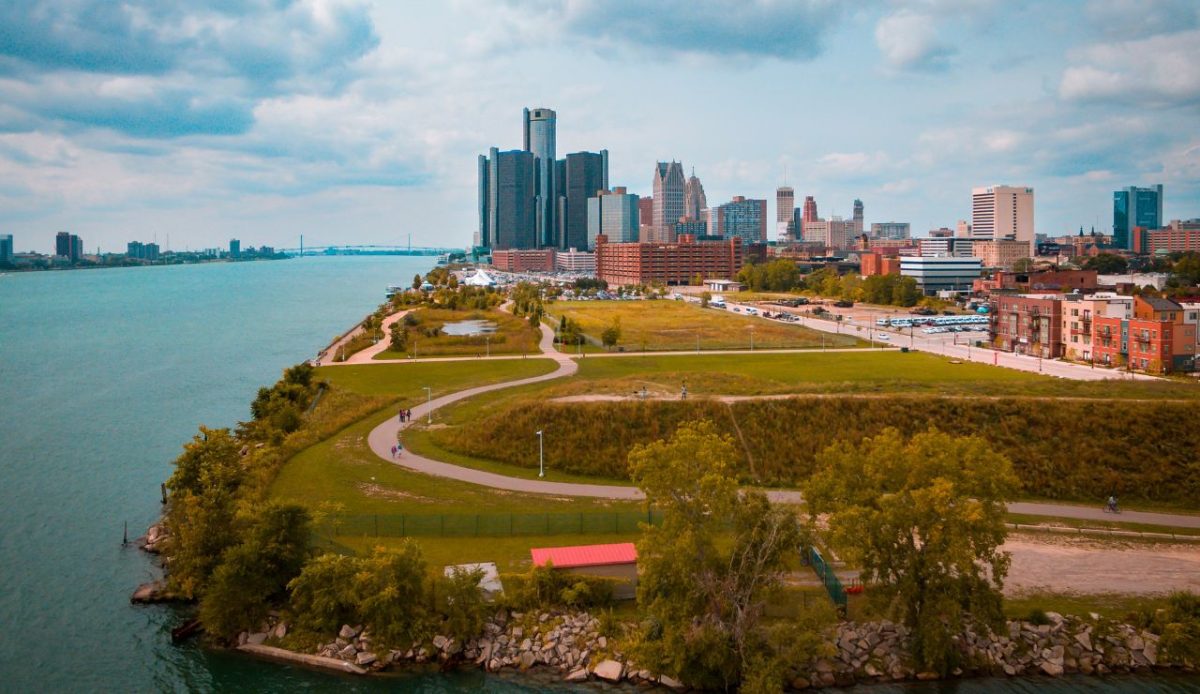
Detroit’s reputation for crime often surprises tourists unfamiliar with its revitalization efforts. While some areas experience higher violent crime and property theft, downtown and cultural districts are increasingly safe for visitors. Attractions like the Detroit Institute of Arts, Motown Museum, and Belle Isle offer secure experiences. Travelers should remain aware of neighborhoods and avoid venturing into less-populated or poorly lit areas. Detroit’s history, resilience, and ongoing cultural renaissance show that even towns with crime concerns can provide rich, memorable travel experiences for informed visitors.
