
Israel’s land frontiers connect it to Egypt, Jordan, Lebanon, Syria, and the Gaza Strip, and each line runs under a distinct legal instrument. Peace treaties shape two borders, while UN-monitored arrangements govern the northern ceasefire zone and the Lebanon withdrawal line.
Since 2023, security decisions have tightened movement at several terminals. Cargo checks, controlled hours, and temporary closures have become routine tools after attacks, rocket fire, or intelligence warnings.
This article treats set to explode as a risk profile, not a forecast. Borders ignite when armed groups, disputed terrain, and civilian traffic share narrow corridors where one incident can trigger rapid retaliation.
1. Menachem Begin Taba Crossing Israel Egypt
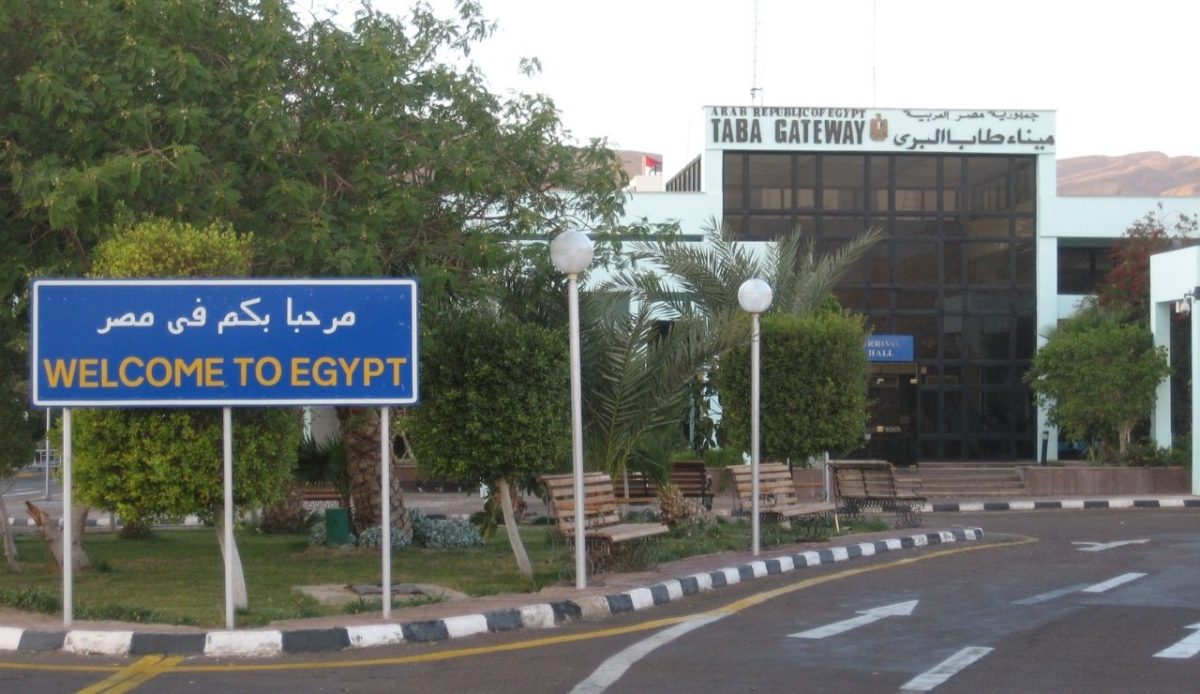
Menachem Begin, the Taba terminal, sits about 10 km south of Eilat and serves as Israel’s southern tourist gate to Egypt. It runs under the Israel Airports Authority, so fees, hours, and screening rules can be changed quickly during alerts.
The Sinai side has faced periodic militant threats, so risk management often relies on tightening checks rather than changing the treaty framework. A brief closure can be triggered by intelligence leads or incidents elsewhere in the peninsula.
Escalation exposure here is operational. When security posture shifts, queues build fast, day trips collapse, and the border becomes a signal platform for broader regional tension.
2. Nizhana Crossing Israel Egypt
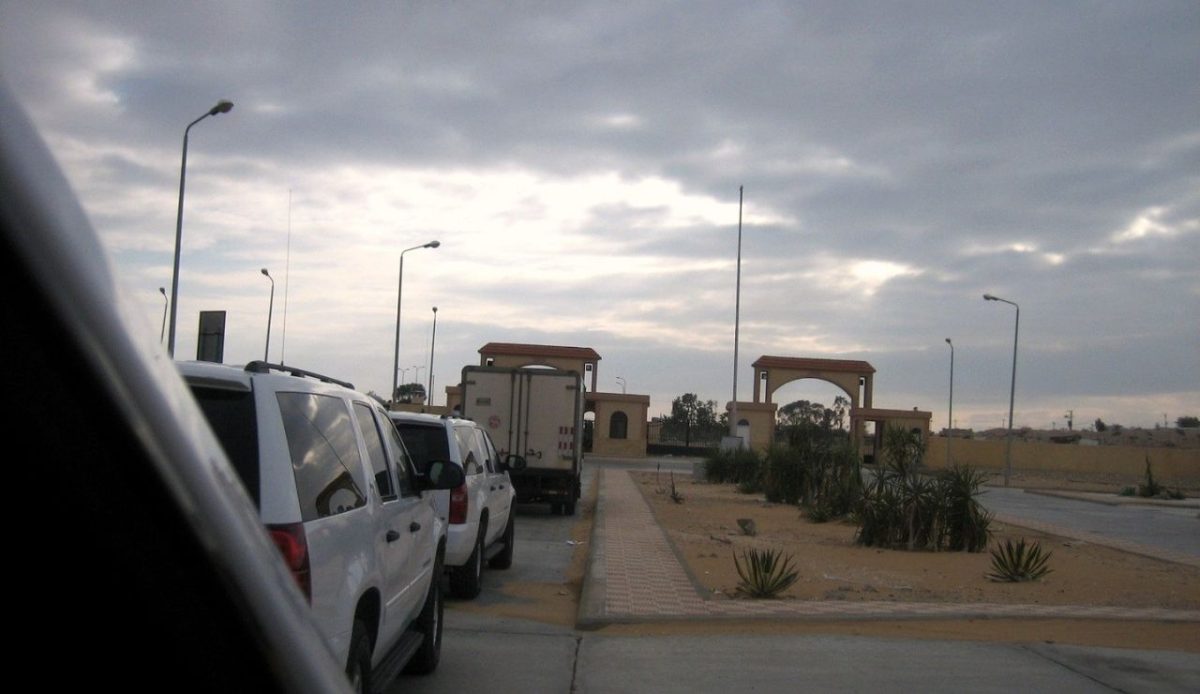
Nizhana at Pitchat Nitzana is the main land route for goods moving between Israel and Egypt. Israel Airports Authority describes it as the primary terminal for imported and exported cargo, built for containers and documentation control near Kadesh Barnea.
Because freight is concentrated here, disruption spreads into supply chains quickly. Extra screening steps, driver vetting, or lane reductions can cut throughput at scale without any formal policy change.
The mechanism that can spark conflict is economic pressure. When regional fighting raises smuggling concerns, stricter enforcement can be read as escalation, while traders feel immediate cost shocks.
3. Yitzhak Rabin Wadi Araba Crossing Israel Jordan
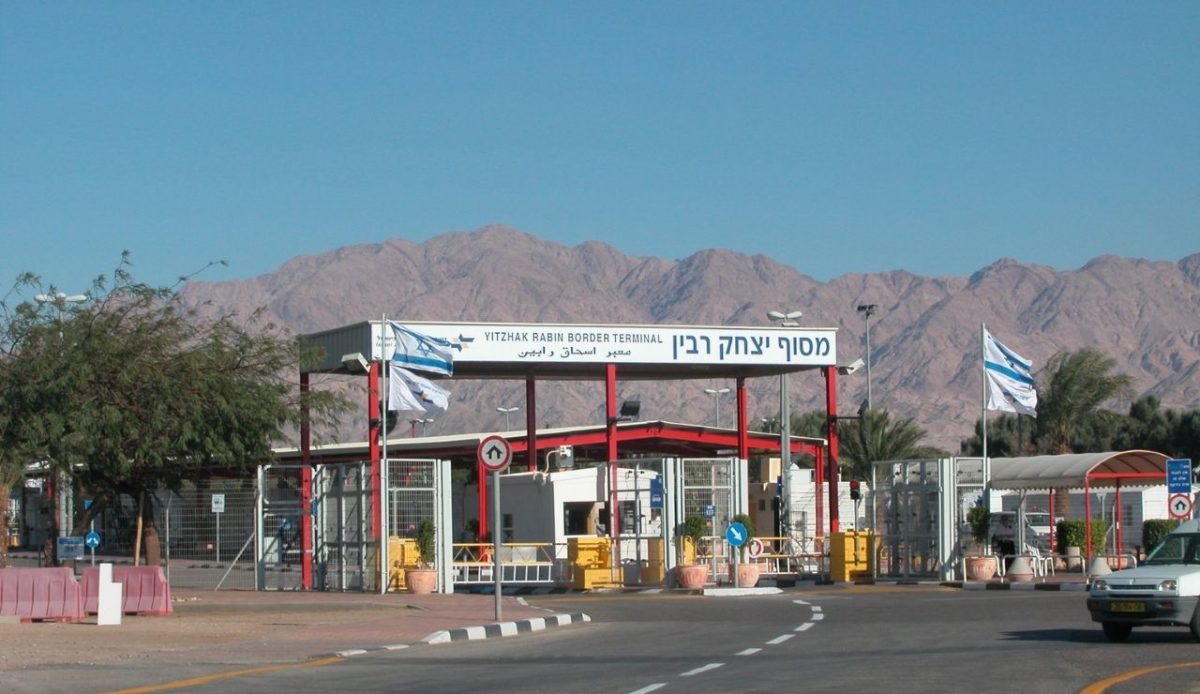
The Yitzhak Rabin terminal, also called Wadi Araba, links Eilat with Aqaba and supports both tourists and merchandise. Its design allows vehicle passage and pedestrian flow, so controls can target specific risk channels.
Although Israel and Jordan have a peace treaty, border operations still react to political shocks. Authorities can narrow categories of entry, adjust hours, or add layers of questioning when tensions rise around Jerusalem or the West Bank.
Instability here tends to be administrative, yet it can still escalate. A closure strands travelers on both sides and can amplify public anger, which then feeds back into diplomatic messaging.
4. Jordan River Sheikh Hussein Crossing Israel Jordan
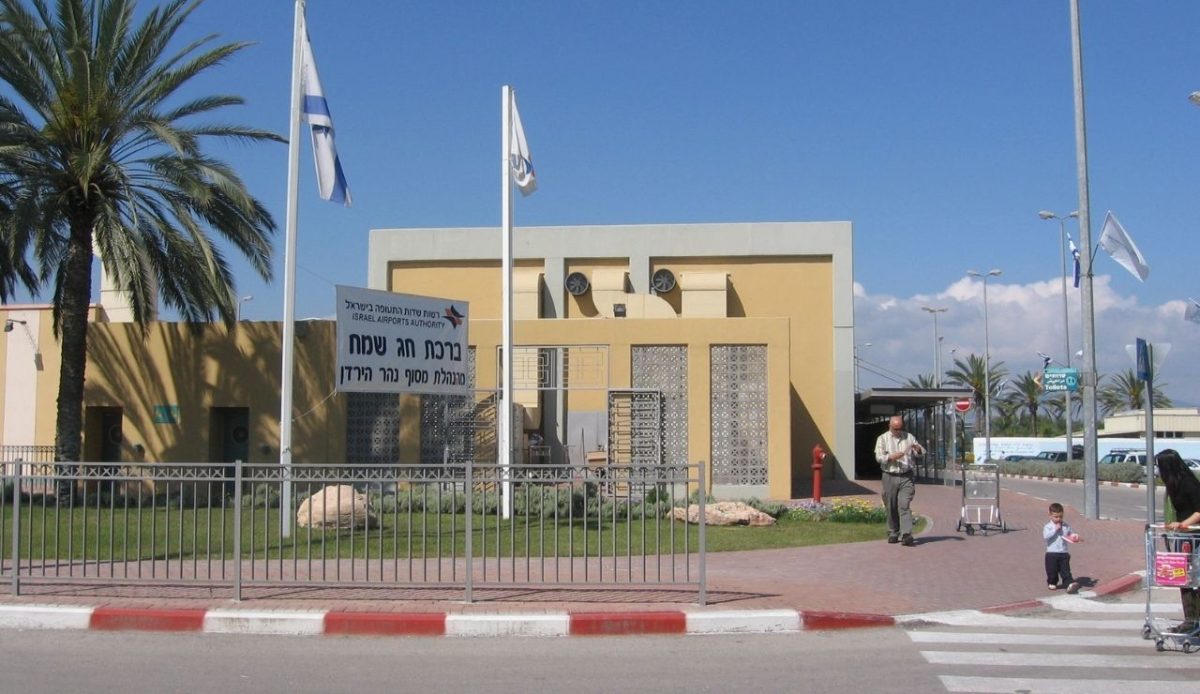
The Jordan River terminal, known as Sheikh Hussein, is the northern Israel-Jordan crossing and sits near major road links to Irbid and Beit She’an. Israel Airports Authority frames it as an economic hinge because of nearby ports and industrial zones, with year-round operations that can pause on major holidays.
This gate is sensitive to spillover from nearby flashpoints. A single attack attempt, a protest wave, or a security clampdown elsewhere can prompt tighter vehicle searches and slower processing.
Escalation risk is indirect but real. When travel is interrupted, Jordanian and Israeli audiences often treat the change as a political message, even if the trigger was purely security logic.
5. Erez Beit Hanoun Crossing Israel Gaza
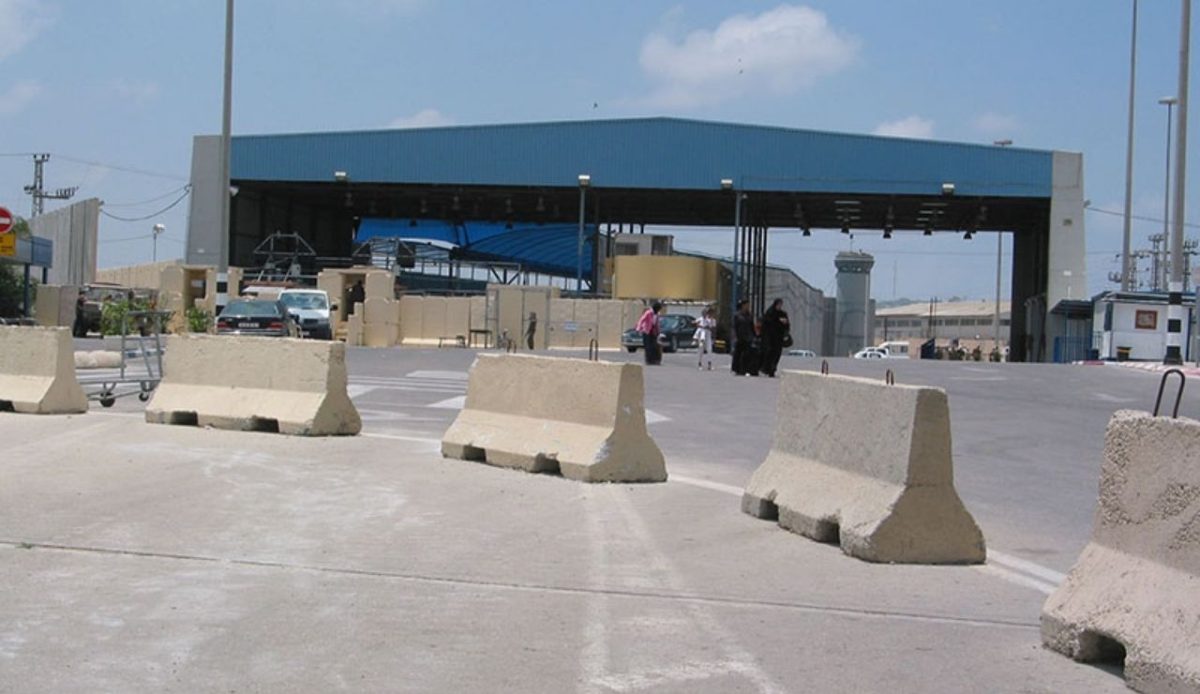
Erez, also described as the Beit Hanoun crossing, is the best-known controlled passage between Israel and northern Gaza. In wartime, it becomes a security checkpoint first and a mobility channel second, so access changes with battlefield conditions.
When rockets or raids occur nearby, the site is often shut with little notice. Reopening requires staff safety, perimeter control, and a clearance process that can be paused by fresh intelligence.
That stop-start pattern raises escalation risk. Each closure affects medical referrals, aid coordination, and political leverage, so decisions at this gate can trigger immediate responses from armed groups.
6. Kerem Shalom Crossing Israel Gaza
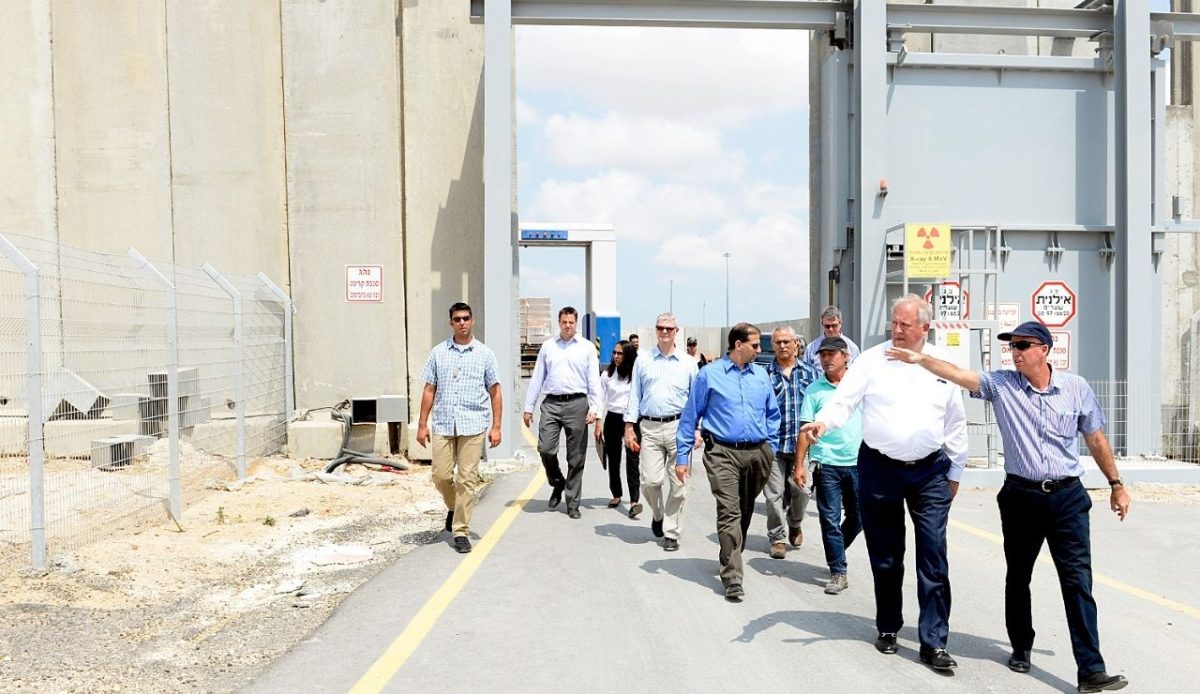
Kerem Shalom, called Kerem Abu Salim in Arabic sources, is the main inspection point for goods entering Gaza from Israel. Reporting has repeatedly tied aid volumes to Israeli security screening at this terminal.
Because the route handles food, medicine, and shelter supplies, any slowdown becomes a humanitarian and diplomatic event. Inspection standards, staffing, and permitted categories are adjustable levers that can tighten overnight.
Escalation here often starts with disputed access. Armed factions may frame restrictions as collective punishment, while Israel treats stricter screening as necessary after attacks, producing a fast feedback loop.
7. Kissufim Crossing Israel Gaza
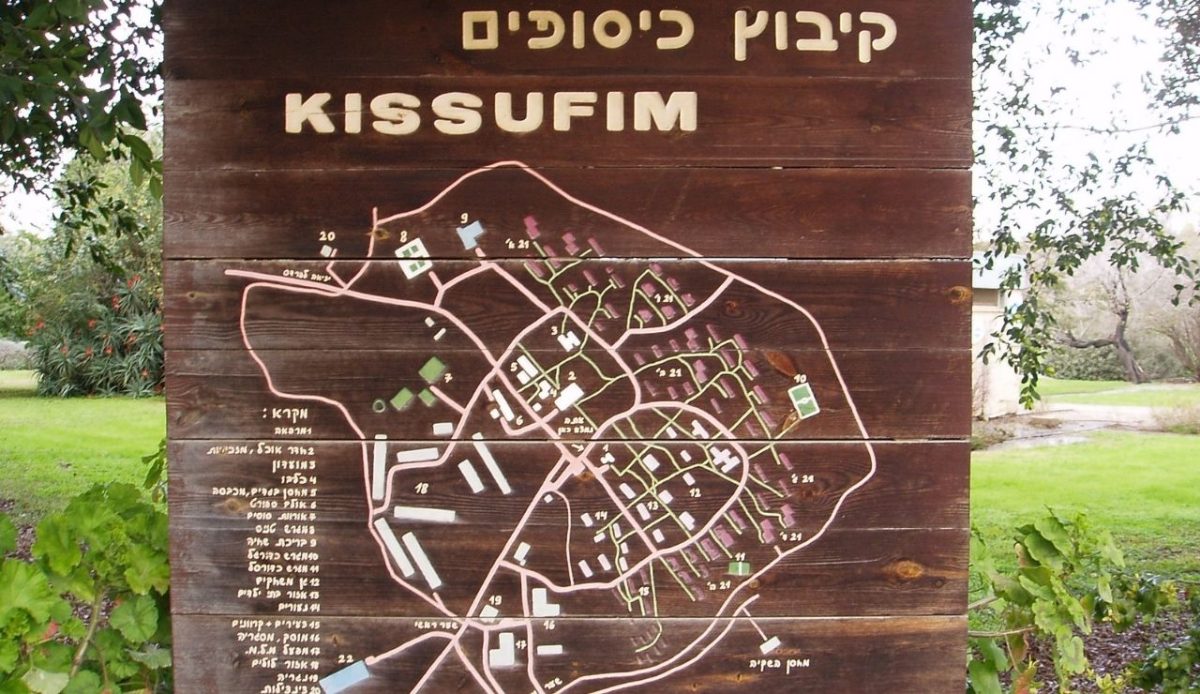
Kissufim sits along Israel’s Gaza boundary toward central Gaza and can be used as an added entry route when other gates cannot handle volume. Reporting in late 2024 described plans to reopen it to increase aid flow, showing how policy can shift fast.
Because this post can be activated or idled by military order, it acts like a pressure valve. Opening expands convoy options, while closure concentrates trucks elsewhere, raising delays and political disputes over access.
Escalation risk comes from signaling. A reopening may be framed asa concession or as a tactical maneuver, and any attack near the gate can quickly reverse the decision and widen fighting.
8. Sufa Crossing Israel Gaza
Sufa is a gate area around Gaza’s boundary fence with Israel that has been used for military logistics and, at times, for controlled movements. A recent court case described smuggling allegations tied to access through the Sufa crossing during the war.
That case shows how border control can be undermined from within. If restricted goods move through a military channel, trust in screening collapses, and authorities respond with stricter measures across nearby gates.
Escalation risk here is about governance failure. Corruption claims or security breaches can trigger sweeping closures, broader inspections, and retaliatory narratives that intensify tension along the entire Gaza line.
9. Rosh HaNikra Sector Israel Lebanon
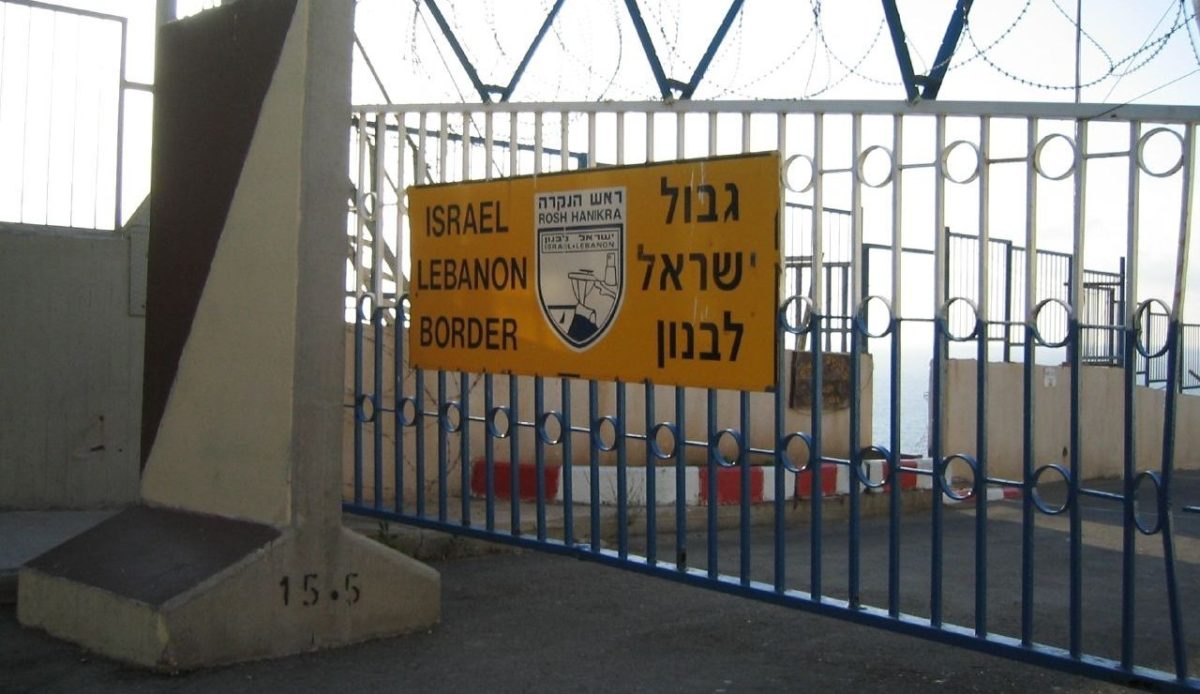
Rosh HaNikra sits at Israel’s northwest edge, facing Lebanon, and is tied to the UN Blue Line withdrawal demarcation. In October 2024, reporting said the Israeli military declared nearby towns, including Rosh HaNikra, closed military zones after a security assessment.
That designation changes daily life by restricting access roads and limiting civilian presence near the frontier. Fewer civilians reduce immediate casualties, yet it also signals that the area is treated as an active theater.
Escalation becomes more likely when routine movement stops. A border that is already sealed makes deconfliction harder, and any strike or misfire can draw quicker, heavier response cycles.
10. Ghajar Border Dispute Sector Israel Lebanon
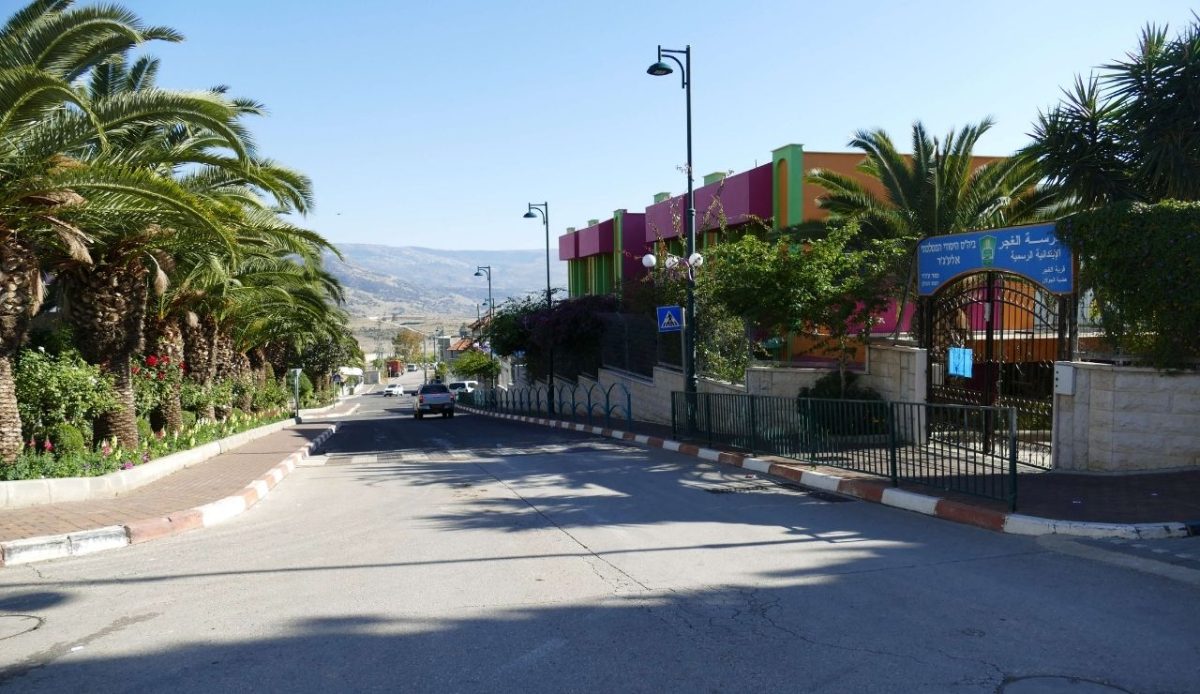
Ghajar is a village whose status is entangled in the Israel-Lebanon dispute set around the Blue Line. UN background material lists Ghajar among the specific contested points that remain unresolved along the demarcation.
Because the dispute is geographic and administrative, small changes carry outsized meaning. A fence extension, a new patrol route, or construction work can be treated as a sovereignty claim and may trigger armed posturing.
The escalation driver is ambiguity. When neither side accepts the line as final, incidents are harder to settle with paperwork, so local friction can quickly escalate to a national-level confrontation.
11. Quneitra Alpha Gate Israel Syria Separation Line
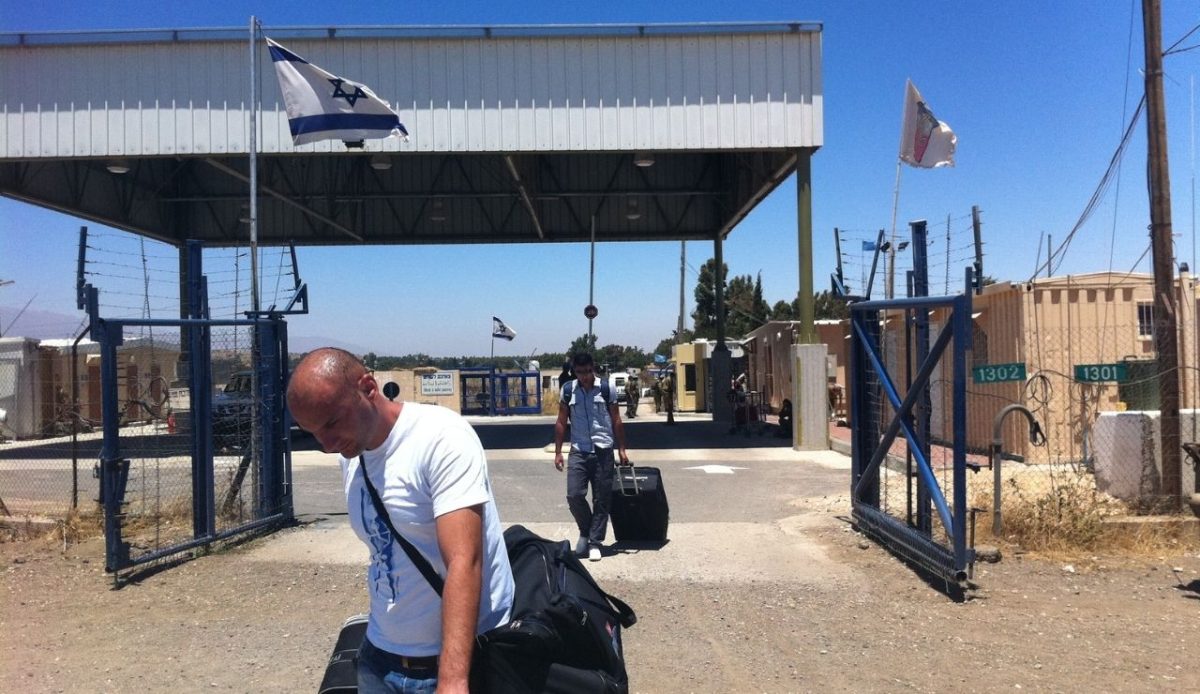
The Israel-Syria frontier across the Golan Heights is managed through the 1974 separation system monitored by UNDOF. The UN describes an Alpha line on the Israeli side and a Bravo line on the Syrian side, with a buffer area between.
A focal point is the Quneitra crossing and its Alpha gate, used for UN operations and limited supervised movement. UN reporting has referenced activity at the Alpha gate within the area of separation.
Tension rises when construction or troop movement is seen as crossing the ceasefire limits. UN criticism of work along the Alpha Line shows how engineering projects can become escalation triggers even without direct fire.
