
Epic cultural road trips work when roads link everyday life to museums, historic districts, and local food without forcing long, empty drives. A strong plan leaves room for markets, small towns, and regional festivals, while keeping navigation and lodging practical. The eleven countries below were chosen because touring corridors are clearly mapped and supported by signage, visitor centers, and steady services, so heritage sites and living traditions can be visited in a calm rhythm. Each pick also offers variety on one drive, letting travelers compare dialects, building styles, and regional dishes from stop to stop.
1. Scotland

Scotland’s North Coast 500 starts and ends in Inverness, then threads through fishing ports, crofting areas, and castle country, where local history is easy to place on the map. Stops like small heritage museums, kirkyards, and community archives add context to clan stories and coastal trade. Roadside Gaelic names reinforce regional identity, and distillery tours connect craft to terrain and regulation. Evenings in pub music sessions or village ceilidhs keep tradition active. Because villages are spaced close together, time can be spent in galleries, stone circles, ruins, and village halls instead of behind the wheel.
2. Ireland
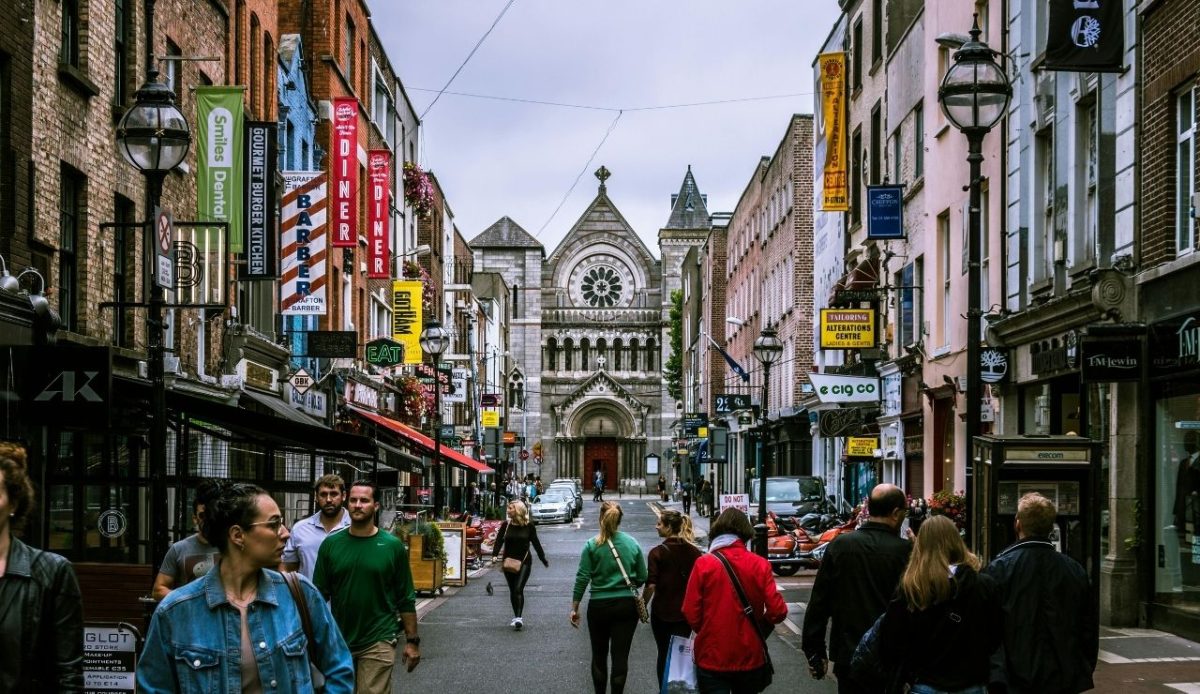
Ireland’s Wild Atlantic Way follows the west coast through counties where seafaring, farming, and emigration left clear marks on towns and speech. A drive can link ring forts, early monasteries, and cliffside paths with working harbors and small music venues that host trad sessions. Local heritage centers explain famine history and the sea trade that funded many streetscapes. Gaeltacht areas add Irish language signage and storytelling nights. Food markets, set dancing events, and smokehouses offer culture that is tasted as well as seen. Frequent short legs make it simple to stop for craft shops, museum rooms, and festivals.
3. Portugal
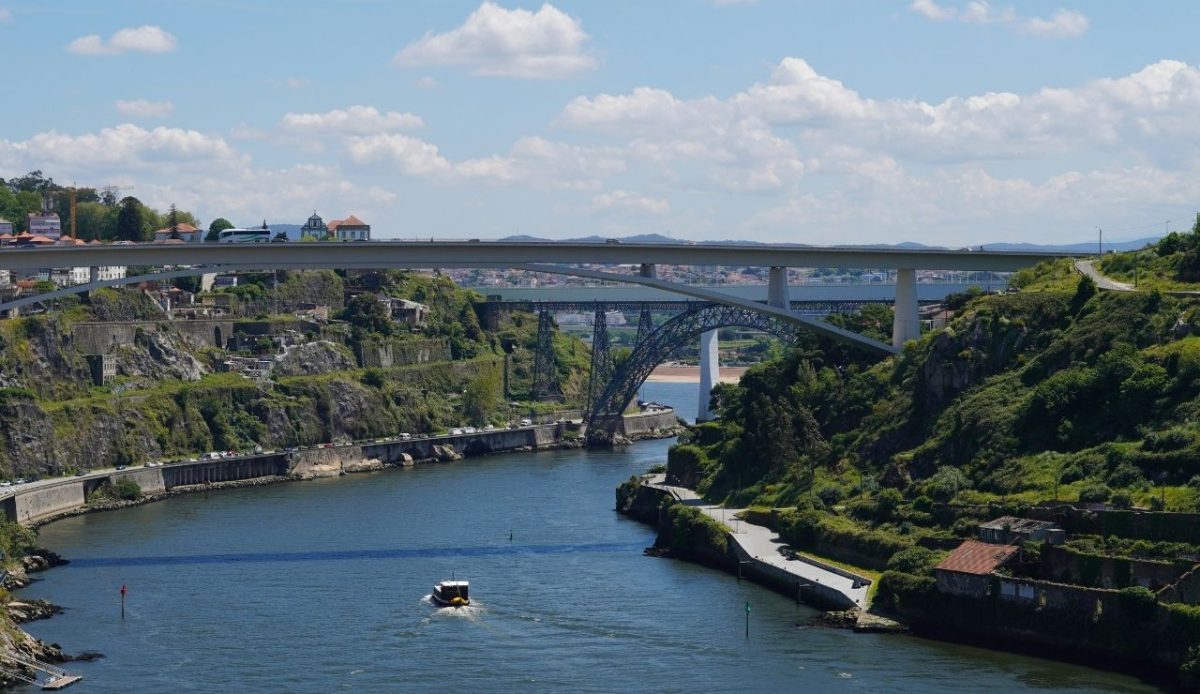
Portugal’s Estrada Nacional 2 runs from Chaves to Faro, giving drivers a single road that crosses wine country, river valleys, and interior towns often skipped by coastal trips. Along the way, Roman ruins, medieval cores, and tiled civic buildings show how power and trade moved across regions. Municipal museums and craft cooperatives highlight cork work, ceramics, and textile skills. Regional cooking changes by province, from hearty stews inland to seafood markets nearer the south. Because stops fall in a clear sequence, the drive feels like a cultural survey rather than a collection of random detours.
4. France
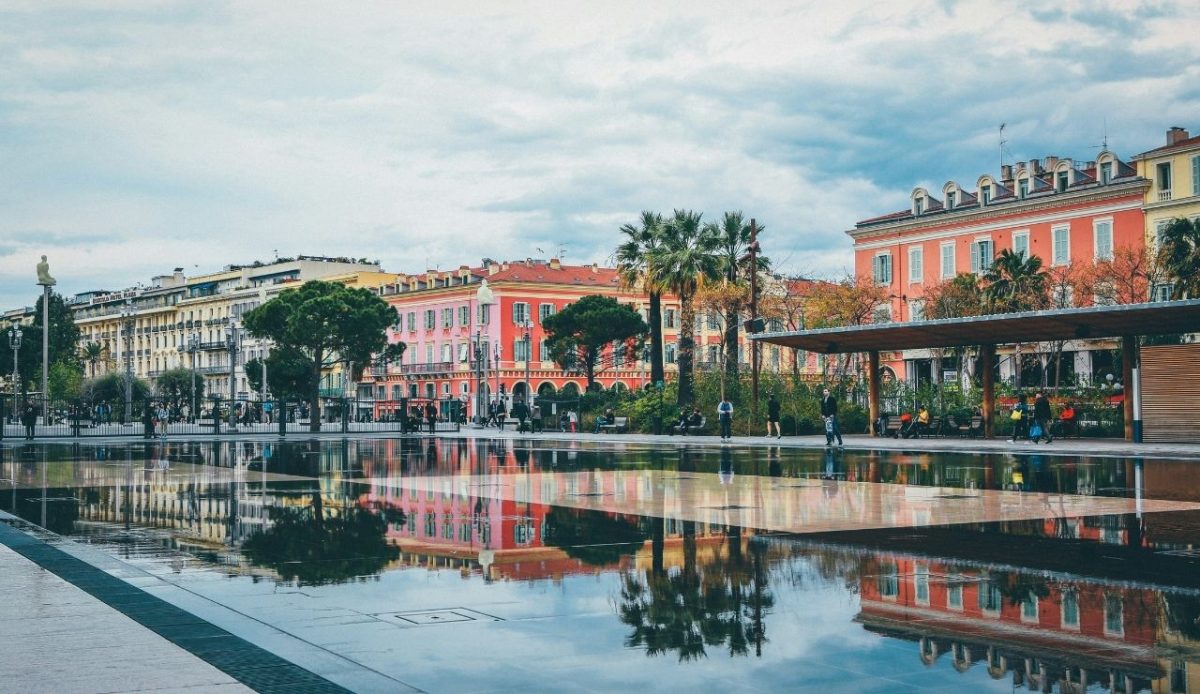
France’s Route des Grandes Alpes links Lake Geneva to the Mediterranean through passes once used for trade, military movement, and seasonal herding. Each valley brings a different building tradition, from stone farmhouses to chalet forms, influenced by climate and available materials. Small museums cover alpine crafts, border politics, and the rise of early tourism. Weekly markets and village bakeries show regional tastes, while local festivals keep folk dress and music in public view. The route’s steady climb and descent also make it easy to pair culture stops with memorable viewpoints without long backtracking.
5. Italy
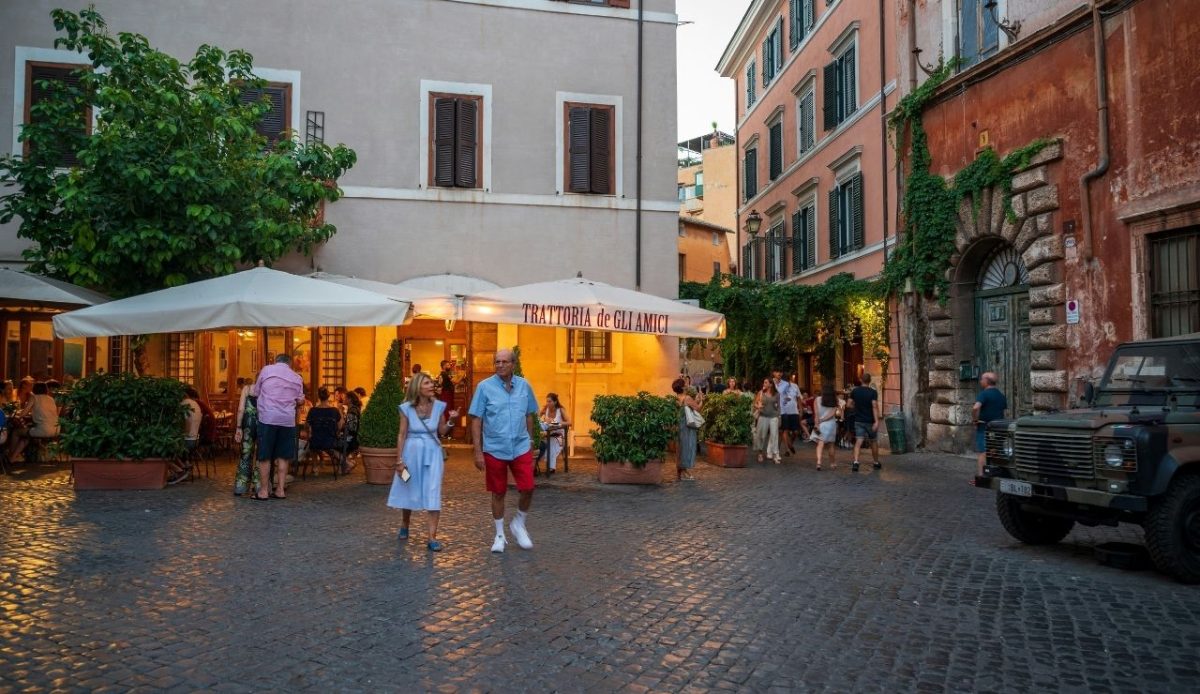
Italy suits cultural road trips because historic centers lie close together, yet each town keeps its own art, food, and civic rituals. A central loop can link Florence and Siena with smaller hill towns where walls, piazzas, and churches record rival city-states. Several stops hold UNESCO status, which helps protect streets and monuments. Wineries, artisan studios, and markets show how craft and cooking stay tied to family work. Archaeological parks and regional festivals add layers beyond the Renaissance story. Short drives leave time for museum time, evening passeggiata, and neighborhood trattorias where locals set the tone.
6. Spain
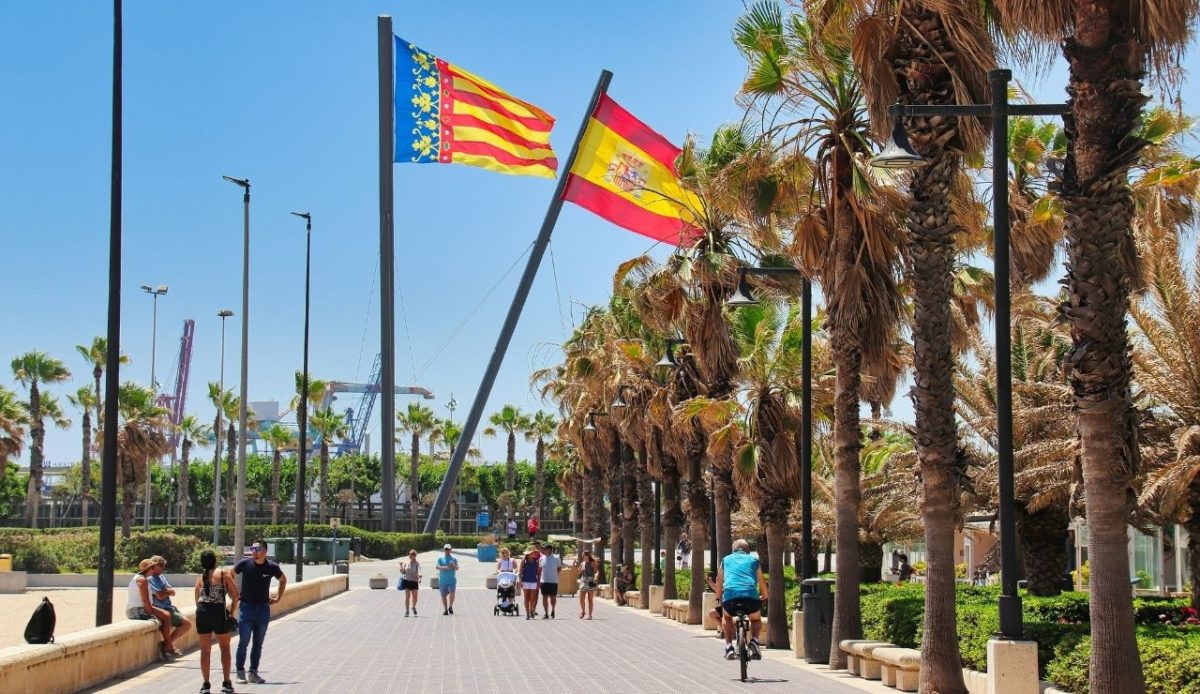
Spain works well for cultural road trips because major heritage cities are linked by fast roads, while smaller villages keep their regional identity. An Andalusia route can connect Seville, Córdoba, and Granada, where Islamic and Christian eras overlap in palaces, courtyards, and old quarters. Roman bridges and theaters appear on side trips that widen the timeline. White towns in the hills add craft shops, olive oil mills, and local fairs. Flamenco venues, tapas bars, and food markets reveal daily culture, not staged shows. Distances stay manageable, so drivers can combine monuments with neighborhood walks and museum time in one day.
7. Turkey

Turkey offers cultural road trips along the Aegean and Marmara coasts, where layered history can be followed in a practical sequence. A drive from İzmir through Selçuk brings travelers to Ephesus and nearby museums that explain Greek and Roman life, then onward to Ottoman era towns. Local bazaars, seaside tea gardens, and artisan workshops keep the route tied to current routines. Detours to ancient theaters and hilltop fortresses add depth without complex planning. Because distances between key sites are moderate, time remains for hammams, regional cooking, and conversations in family-run cafes.
8. Morocco
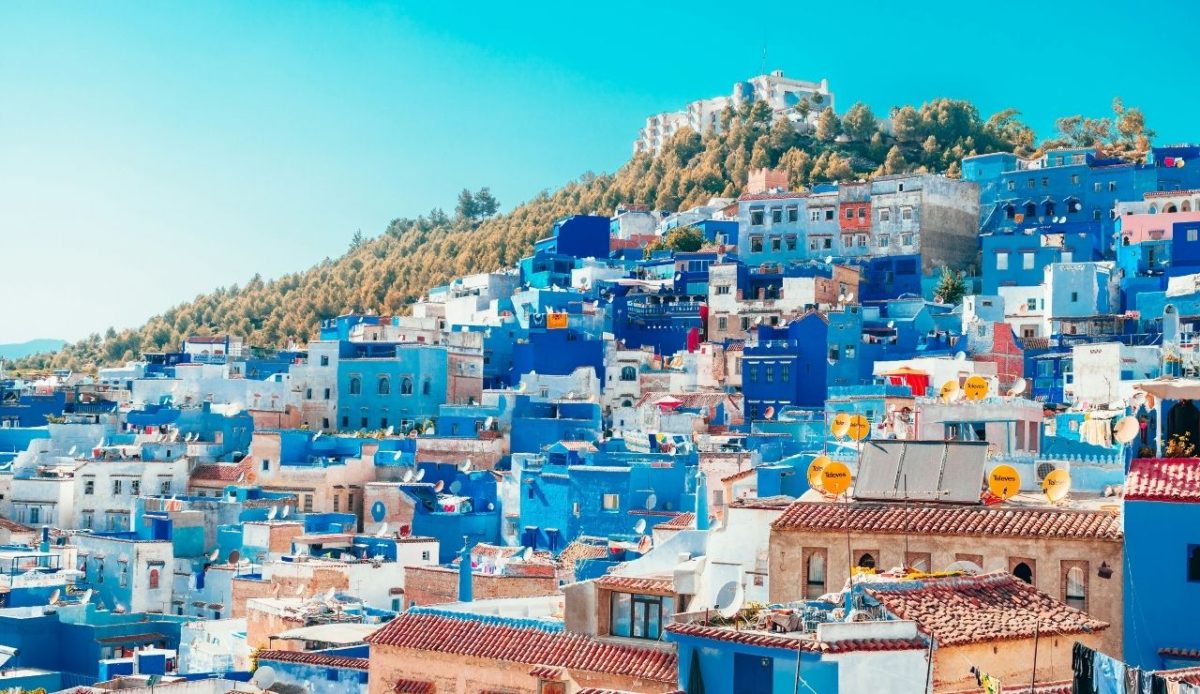
Morocco fits cultural road travel through the Imperial Cities corridor, where each stop carries distinct architecture, crafts, and court history. Drivers can link Rabat, Meknes, Fez, and Marrakech while adding medina walks guided by local rules and guild systems. Caravansary sites, city walls, and museums explain trade routes that connected the Sahara to Atlantic ports. Workshops for leather, metal, and wood carving remain visible in daily commerce. Riads and hammams add another layer of social life. Evenings bring food stalls, call to prayer, and public squares that make culture easy to observe with respect and patience.
9. Japan
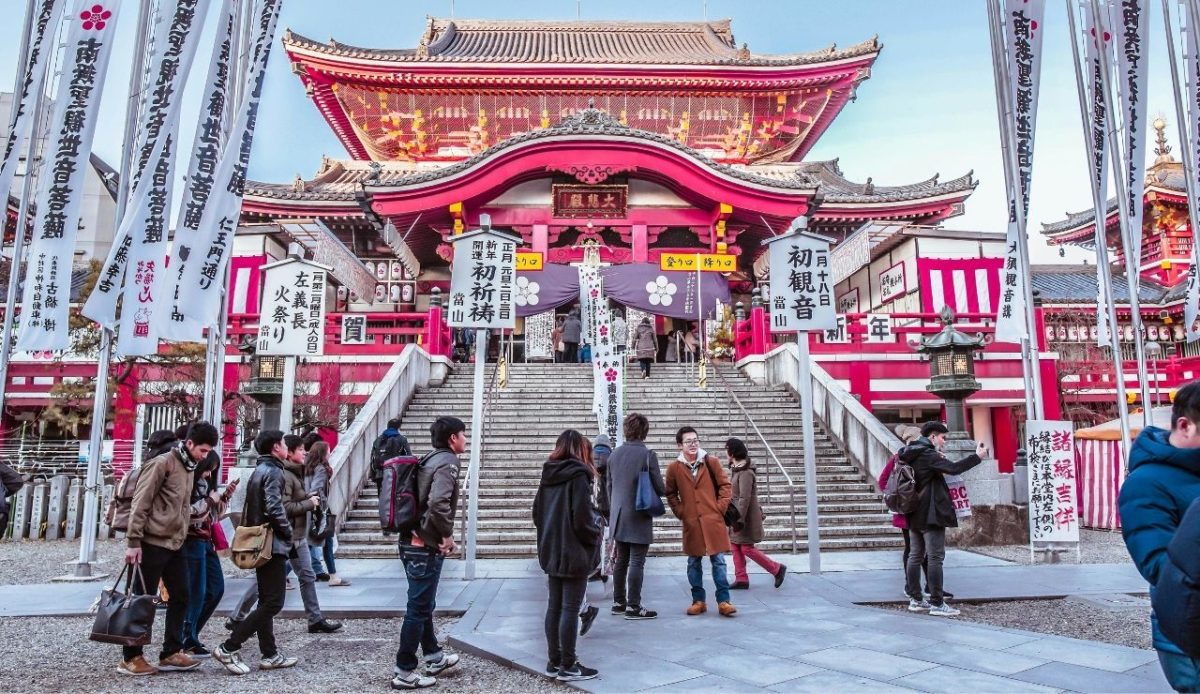
Japan supports cultural road trips when drivers focus on regions such as Kyushu, where ports, castle towns, and hot spring communities are within easy reach. A route can connect Nagasaki’s historical sites, Kumamoto’s castle area, and craft towns known for ceramics and textiles. Shrines, local matsuri, and small folk museums explain beliefs and community structure beyond big city highlights. Food culture shifts by prefecture, from ramen styles to seafood markets. With clear signage and rest areas, drivers can slow down for temple time, walks through old streets, and conversations in family-run inns.
10. New Zealand
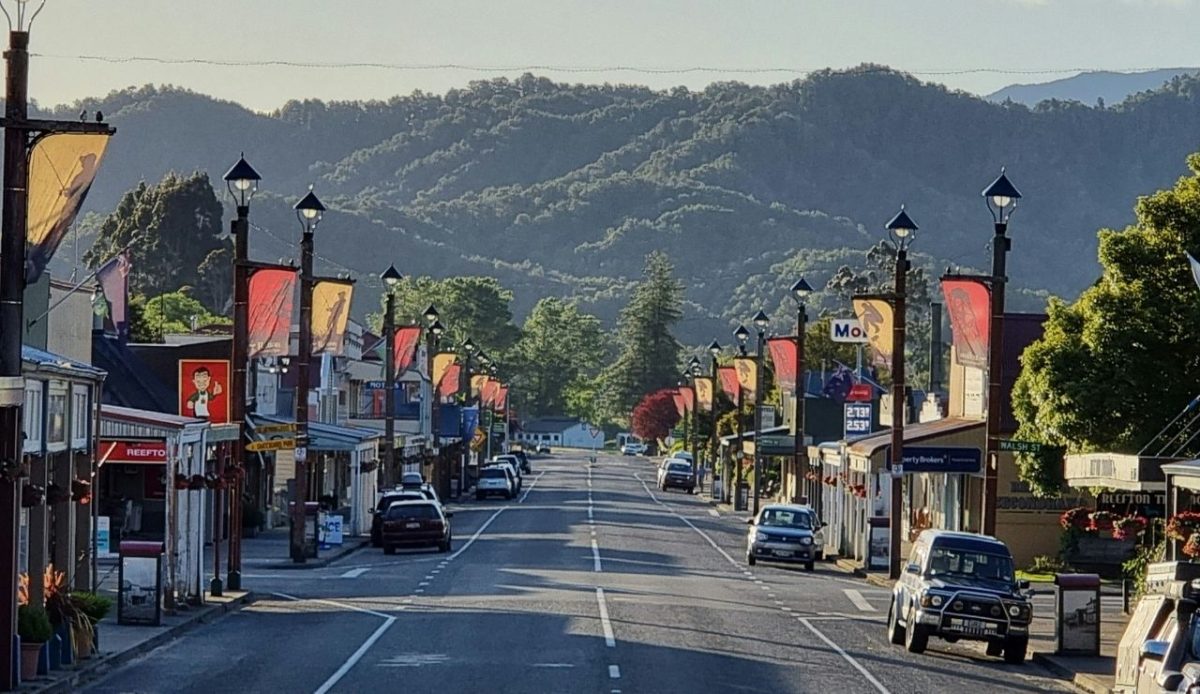
New Zealand offers a culture-centered road trip in the North Island, where Māori history and modern community life can be visited with care and context. Starting in Northland, travelers can stop at Waitangi sites and local cultural centers, then drive south through towns with museums that address settlement and conflict. Carved meeting houses, guided performances, and art galleries connect visitors to living traditions rather than static displays. Regional food and coastal markets add everyday detail. Road distances remain reasonable, so the trip can include short hikes, historic walks, and time to learn proper etiquette from hosts.
11. United States
The United States delivers an epic cultural road trip on Historic Route 66, which ties together migration stories, roadside businesses, and changing ideas of mobility. Driving sections of the route links small town main streets, neon era motels, diners, and local museums curated by residents who protect community memory. Architecture shifts across states, as does food, accent, and music, giving constant change without leaving the highway theme. Many preserved sites have formal historic recognition, adding credibility for travelers who want context. The long distance also makes it a true journey, not a weekend loop.
