
Not all cities express culture through quiet museums or formal ceremonies. Some are known for playful, mischievous traditions that bring humor, surprise, and community spirit into everyday life. These traditions may involve friendly chaos, satire, costumes, food fights, or clever pranks that locals proudly pass down. Rather than causing harm, they create shared laughter and memorable moments. Travelers often find themselves smiling at unexpected events, realizing mischief can be meaningful. These destinations show how humor, creativity, and playful traditions strengthen local identity while offering a fun, authentic cultural experience.
1. Buñol, Spain
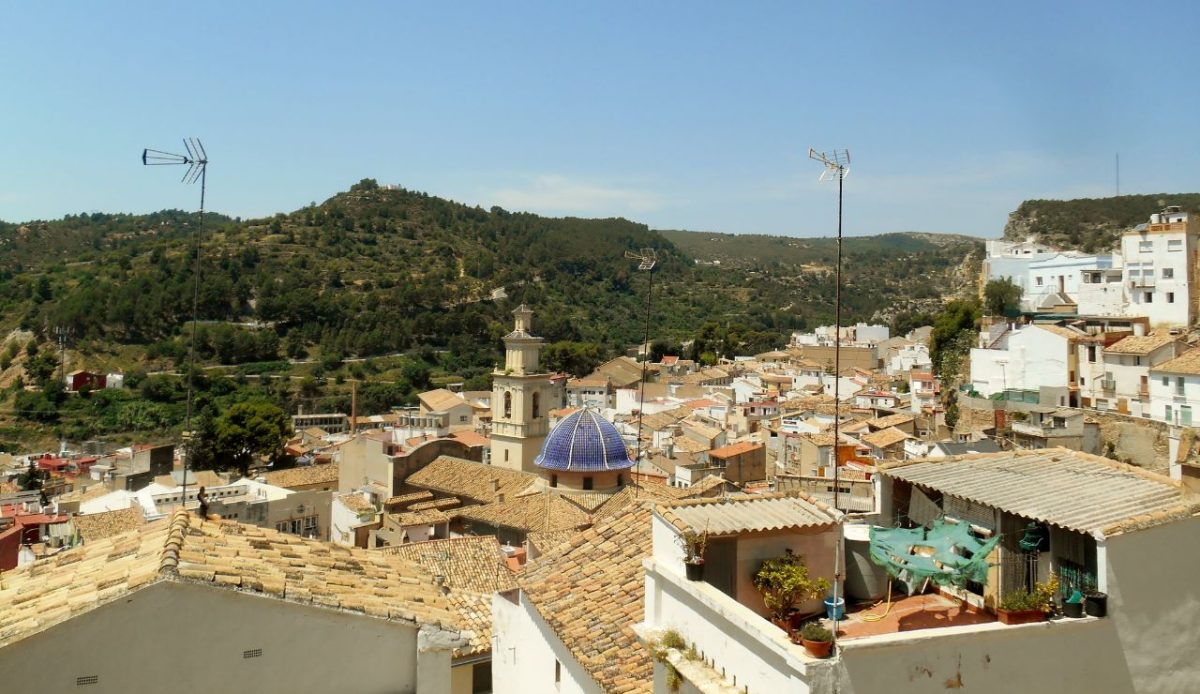
Buñol becomes the center of global attention each year during La Tomatina, a festival that transforms the town into a joyful mess of crushed tomatoes. Locals and visitors flood the streets, throwing tomatoes in a celebration that feels playful rather than destructive. What makes this tradition special is how fully the community embraces the chaos, preparing streets, organizing safety, and welcoming outsiders. The event encourages laughter and shared experience, where everyone looks the same by the end of the day. Buñol’s mischievous reputation comes from turning disorder into joy, proving that fun can matter more than convention.
2. Ivrea, Italy
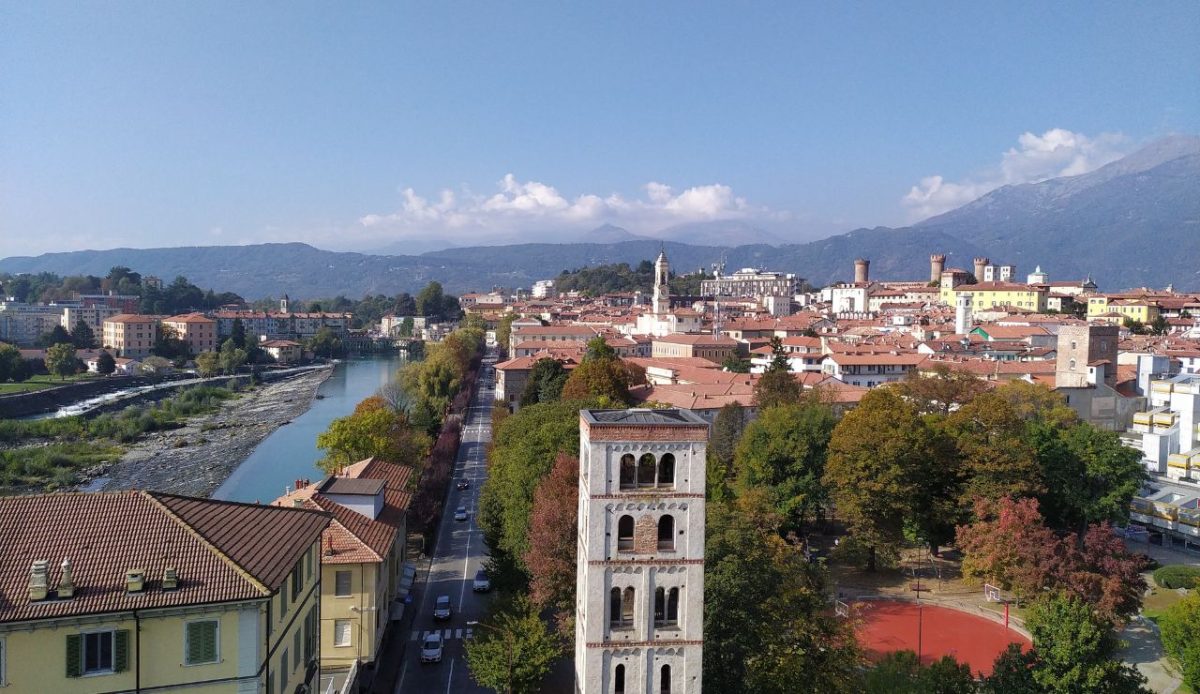
Ivrea’s Battle of the Oranges is one of the most unusual and mischievous festivals in Europe. Thousands of participants divide into teams and throw oranges at one another across city streets. While rooted in medieval history, today’s event feels more like an organized, playful rebellion. Locals dress in traditional costumes, cheer loudly, and fully commit to the spectacle. The streets fill with citrus scent, laughter, and energy. Despite the chaos, there is structure and pride behind the tradition. Ivrea’s mischievous spirit comes from turning a symbolic act of resistance into a joyful community celebration that visitors never forget.
3. Lopburi, Thailand
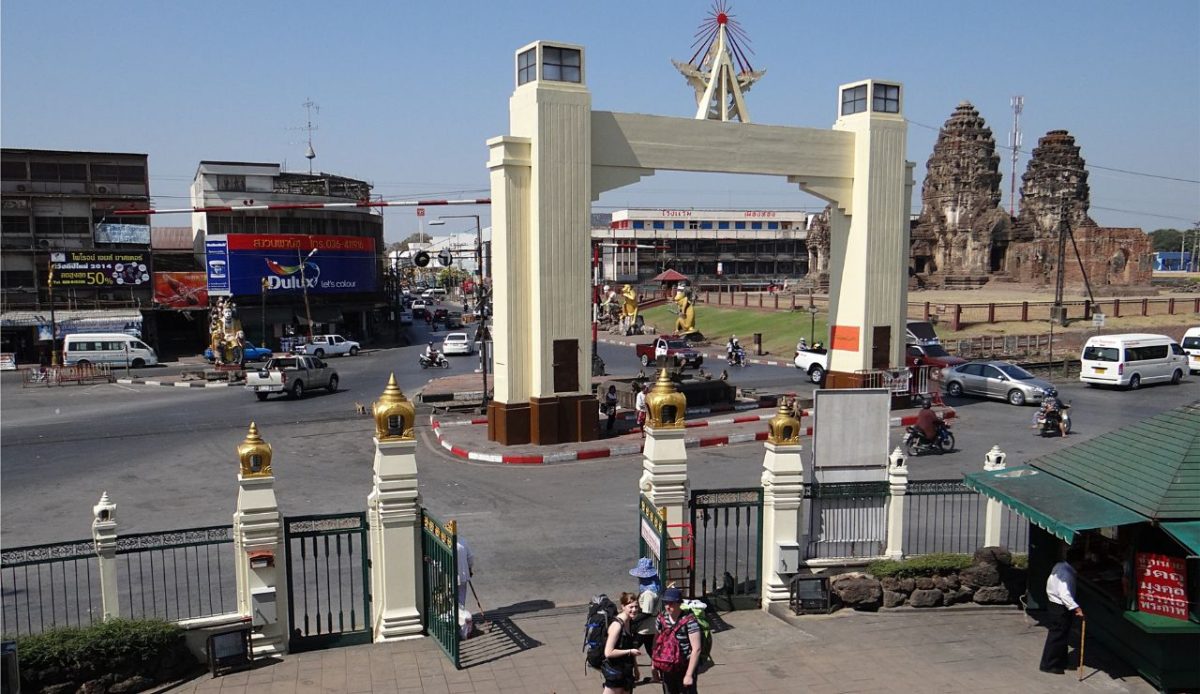
Lopburi is famous for its mischievous monkeys that freely roam the city, climbing buildings and interacting with people. These monkeys are not just tolerated but celebrated, especially during an annual festival where huge fruit displays are set out for them. Locals accept the playful trouble as part of daily life, warning visitors to hold onto belongings while laughing at the monkeys’ bold behavior. The tradition reflects a unique coexistence between humans and wildlife. Lopburi’s mischief isn’t planned by people but embraced culturally, turning unpredictable moments into a defining feature of the city’s identity and charm.
4. Haro, Spain
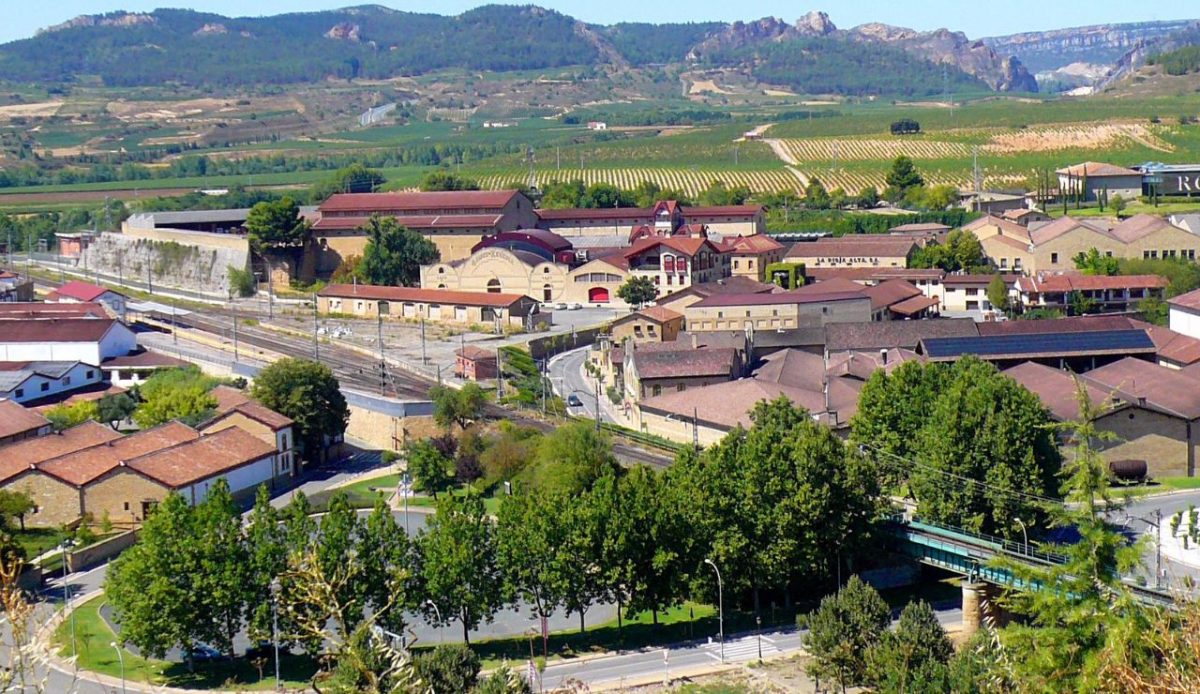
Haro’s Wine Battle is a tradition that combines celebration, mischief, and local pride. Participants gather wearing white clothes and proceed to soak each other in red wine using buckets, bottles, and water guns. By the end, everyone is stained purple, smiling, and laughing. The event is playful rather than reckless, emphasizing community and shared enjoyment. Locals see it as a lighthearted way to honor wine culture without seriousness. Haro’s mischievous reputation comes from transforming something valuable into something joyfully wasted, reminding visitors that fun and togetherness matter more than perfection.
5. Copenhagen, Denmark
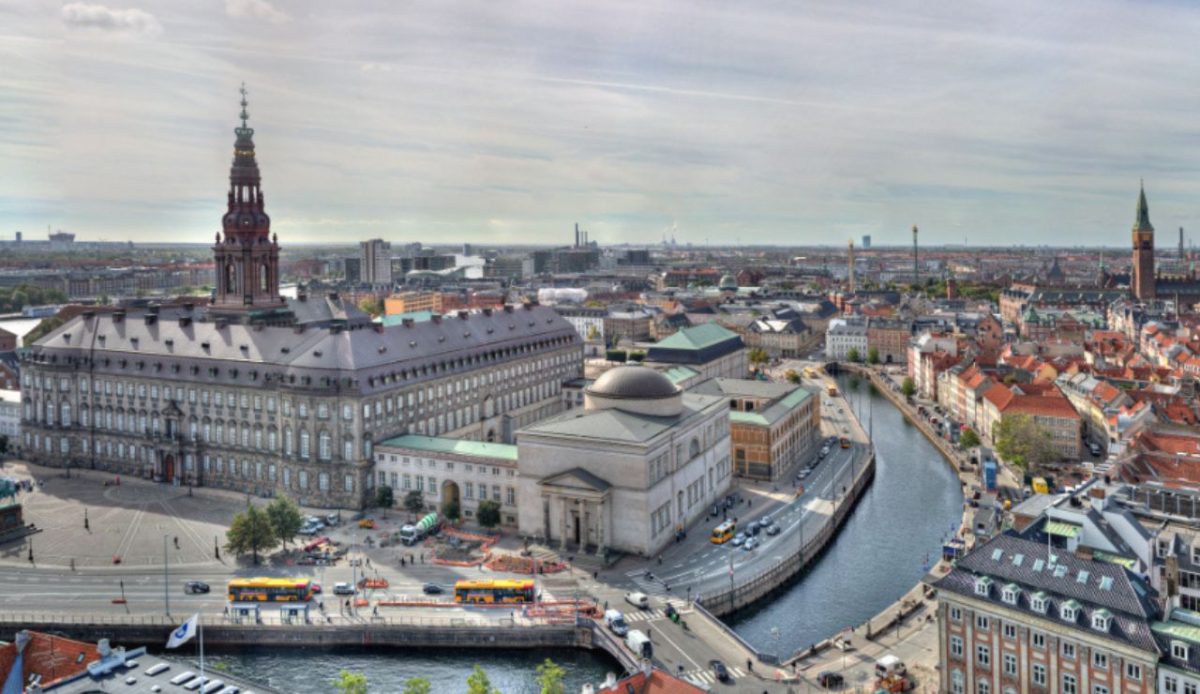
Copenhagen expresses mischief through creativity rather than chaos. The city is known for playful public art, humorous installations, and spontaneous traditions that surprise passersby. Locals enjoy gently challenging expectations, whether through costumes on statues or tongue-in-cheek design elements around the city. These moments reflect Denmark’s relaxed approach to life. Mischief here is clever, subtle, and inclusive rather than loud. Visitors often stumble upon something amusing without warning, making exploration enjoyable. Copenhagen shows that mischief can exist quietly, turning ordinary spaces into moments of delight.
6. Basel, Switzerland
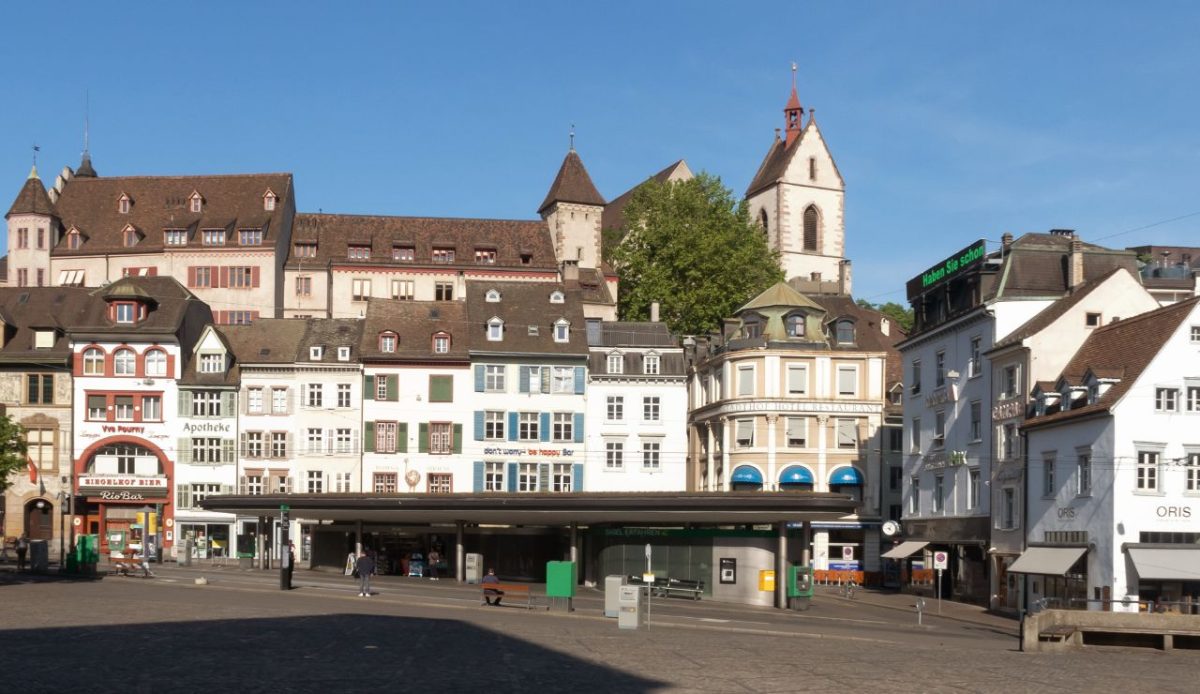
Basel’s Fasnacht festival allows the city to temporarily break from its orderly reputation. For several days, masked participants parade through the streets with satirical music, lanterns, and exaggerated costumes. Performances openly mock politics, authority, and social issues using humor and wit. The mischief lies in speaking freely through art and parody. Locals look forward to this tradition as a release from normal constraints. While carefully organized, the spirit of the event is rebellious and playful. Basel proves that even disciplined societies value moments where humor replaces rules and laughter becomes the main language.
7. New Orleans, USA
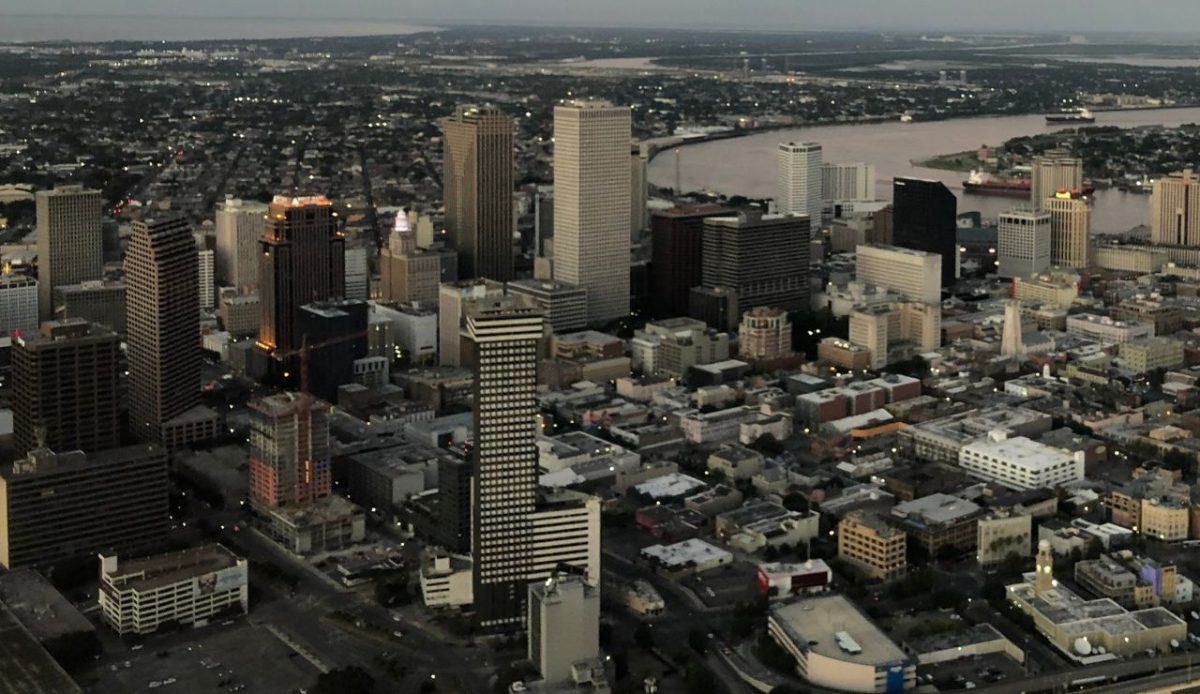
New Orleans is built on playful traditions that celebrate freedom, expression, and mischief. Mardi Gras is the most famous example, filling the city with costumes, beads, music, and satirical floats. Locals and visitors alike participate in street celebrations that feel spontaneous and joyful. Humor is woven into everything, from parade themes to interactions with strangers. The city embraces exaggeration and fun without judgment. These traditions are deeply rooted in local culture rather than tourism alone. New Orleans’ mischievous spirit reflects a belief that joy, laughter, and celebration are essential parts of life.
8. Kyoto, Japan
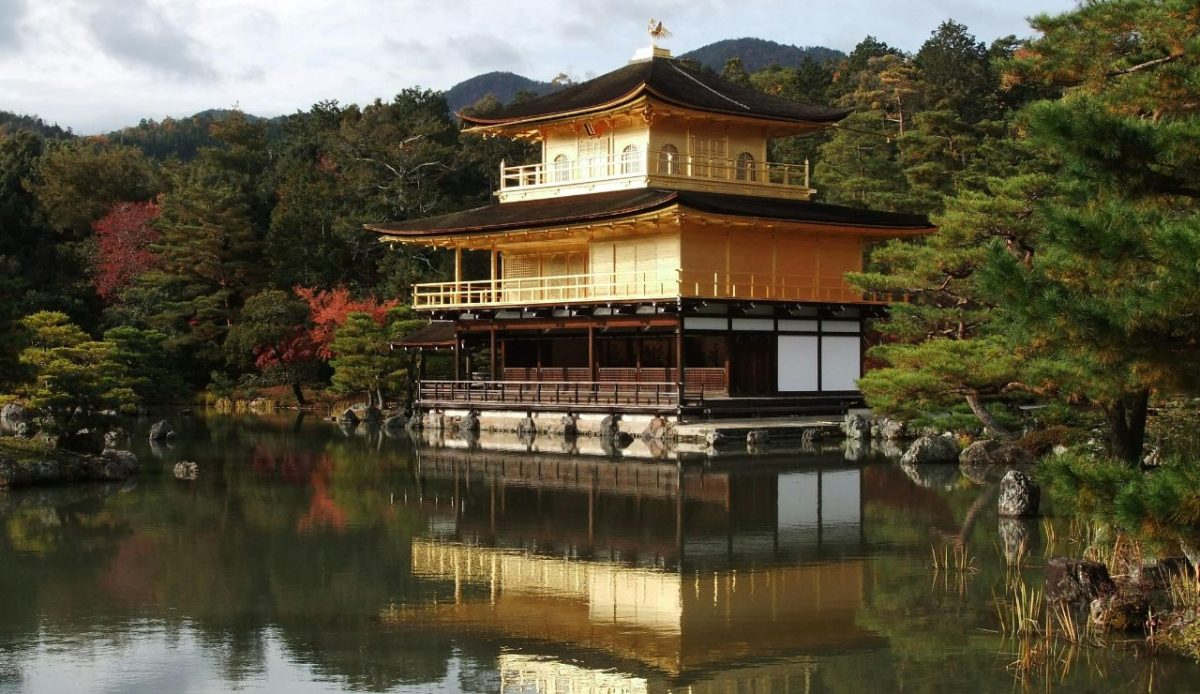
Kyoto’s mischief appears in gentle, surprising ways during festivals and traditional events. While known for discipline and formality, the city allows moments of playful expression through humorous rituals, costumed performances, and symbolic pranks. Some traditions encourage light teasing through fortunes, seasonal customs, or comedic storytelling. These small acts of humor add warmth to formal settings. Locals understand when to balance respect with fun. Kyoto’s mischievous traditions remind visitors that even highly traditional cultures leave room for laughter, showing that joy and humor can exist alongside deep respect for history.
9. Edinburgh, Scotland

Edinburgh thrives on storytelling, wit, and playful mischief. The city’s humor shines brightest during its famous festivals, where satire, comedy, and absurd performances fill streets and theaters. Locals enjoy poking fun at history, politics, and themselves through sharp humor. Even outside festival season, storytelling traditions often exaggerate events for amusement. Visitors quickly notice that conversation itself can feel playful and mischievous. Edinburgh’s traditions celebrate cleverness over chaos, showing how humor can shape a city’s personality and make culture feel welcoming rather than intimidating.
10. Rio de Janeiro, Brazil
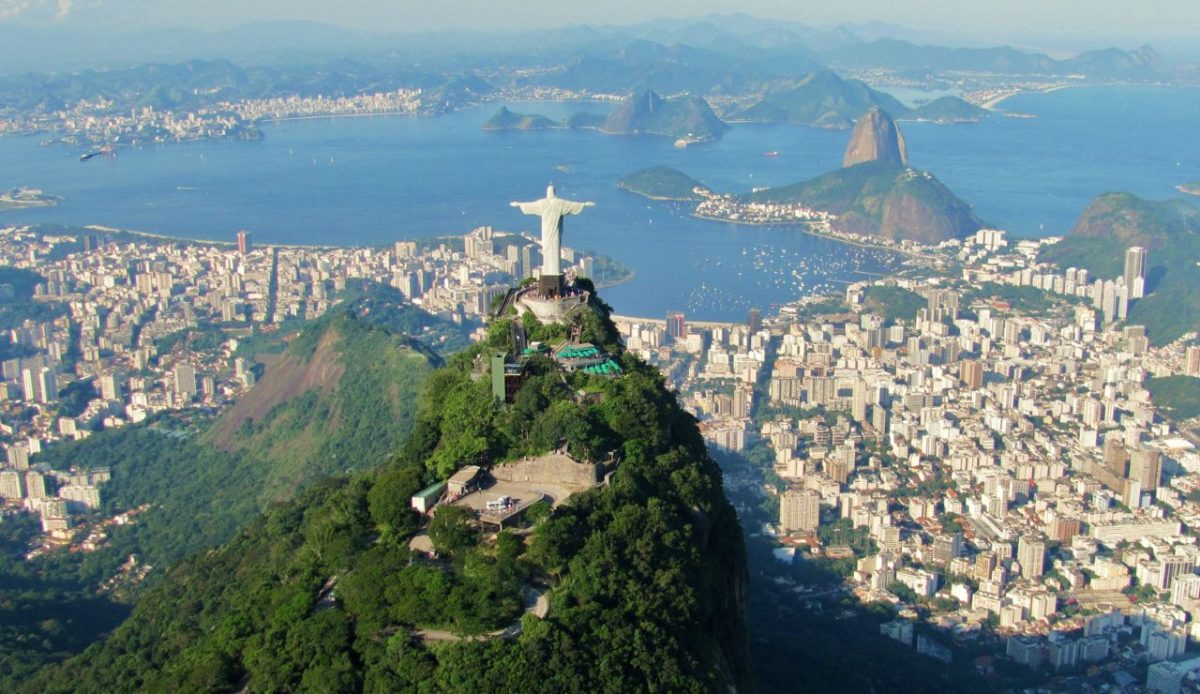
Rio’s Carnival represents one of the world’s largest celebrations of joyful mischief. For days, music, dancing, and costumes take over the city as normal routines disappear. People express creativity, humor, and boldness through exaggerated outfits and playful performances. The mischief comes from temporarily ignoring social boundaries in favor of shared joy. Locals see Carnival as a necessary release rather than disorder. It strengthens community bonds and cultural pride. Rio’s traditions prove that mischief can be positive, uniting people through celebration, laughter, and collective freedom of expression.
11. Valencia, Spain
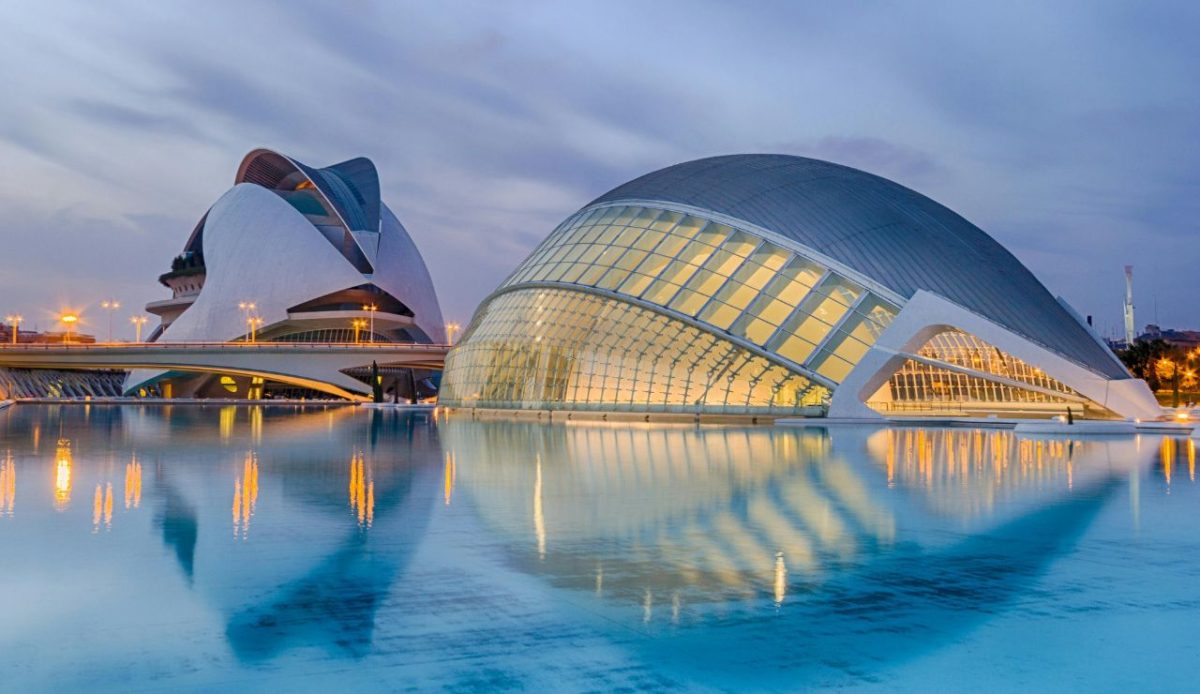
Valencia’s Las Fallas festival blends satire, creativity, and destruction in a uniquely mischievous way. Massive sculptures are built throughout the city, many mocking public figures and current events. After days of admiration, the sculptures are burned dramatically. Locals embrace the irony of destroying something beautiful, seeing it as symbolic renewal. The tradition allows humor, criticism, and celebration to coexist. Fireworks, music, and costumes fill the streets. Valencia’s mischievous spirit comes from its willingness to laugh at itself while turning satire into an unforgettable cultural experience.
