
Urban planning mistakes can leave lasting marks on cities, affecting residents, businesses, and visitors alike. From poor transportation choices to haphazard development, costly missteps can slow growth, increase congestion, and reduce quality of life. Some American cities are still grappling with the consequences of decisions made decades ago, from inefficient road networks to poorly planned zoning. Exploring these cities reveals the impact of planning errors and provides insights into how thoughtful urban design is critical for thriving, sustainable communities that balance growth and livability.
1. Detroit, Michigan
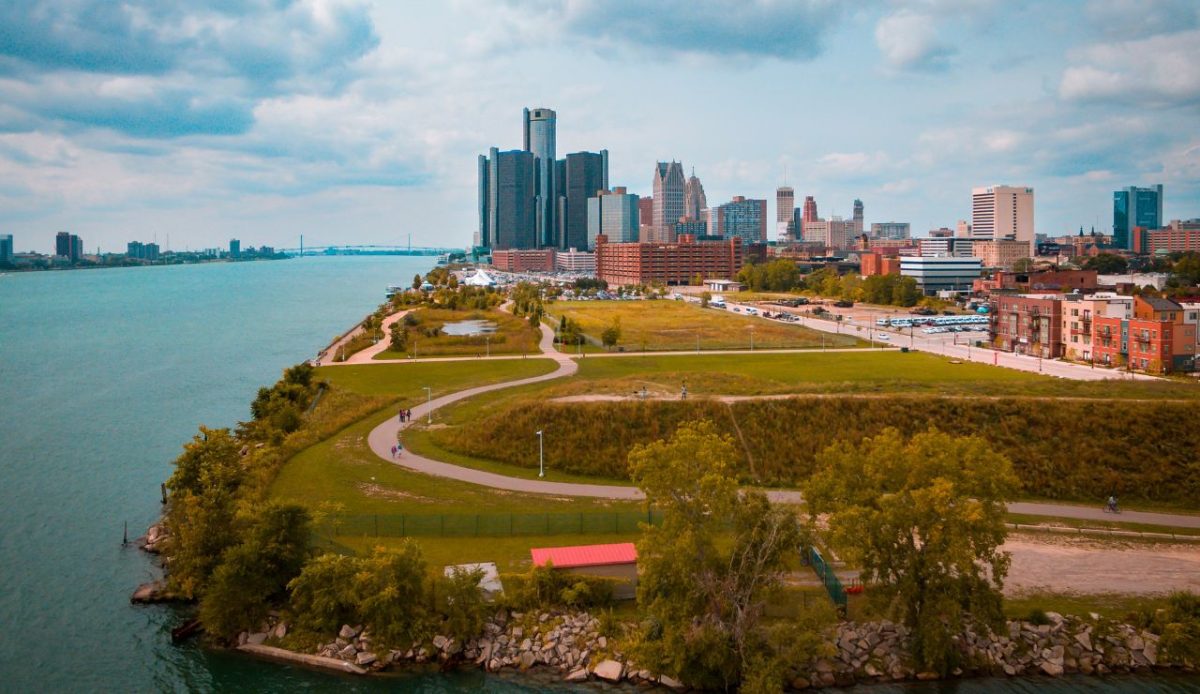
Detroit’s history is marked by industrial boom and decline, but urban planning missteps worsened the city’s challenges. Suburban sprawl, abandoned neighborhoods, and inefficient public transportation made recovery difficult. Large sections of the city remain underutilized, with infrastructure struggling to meet residents’ needs. Poorly coordinated redevelopment projects and zoning decisions have slowed revitalization efforts. Despite investments in downtown and cultural hubs, Detroit continues to grapple with systemic planning flaws that offer lessons for cities aiming to balance growth, livability, and equitable development.
2. Los Angeles, California
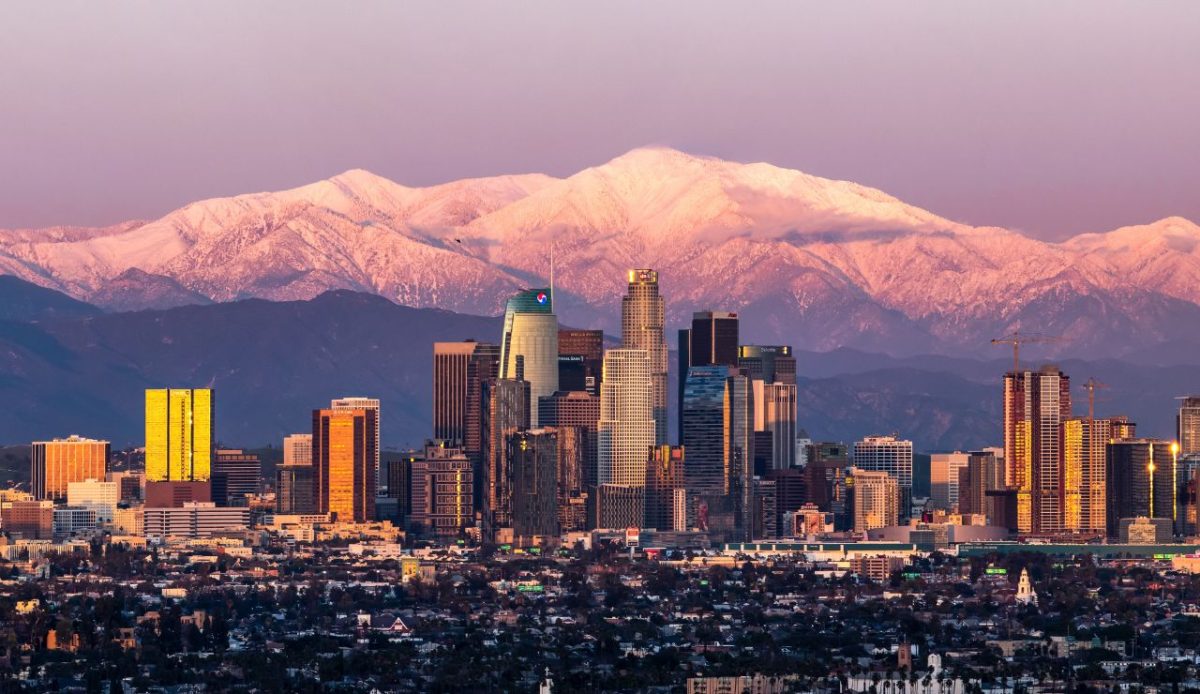
Los Angeles is notorious for traffic congestion, stemming from decades of car-centric planning. Sprawling suburbs and limited public transportation created reliance on cars. Inefficient zoning has contributed to housing shortages and high costs, affecting affordability and quality of life. Efforts to improve transit face challenges due to the city’s size and historical layout. Poor coordination between municipalities has hindered cohesive development. Los Angeles shows how prioritizing cars over people and neglecting integrated planning can create long-term urban issues affecting residents and visitors alike.
3. New Orleans, Louisiana
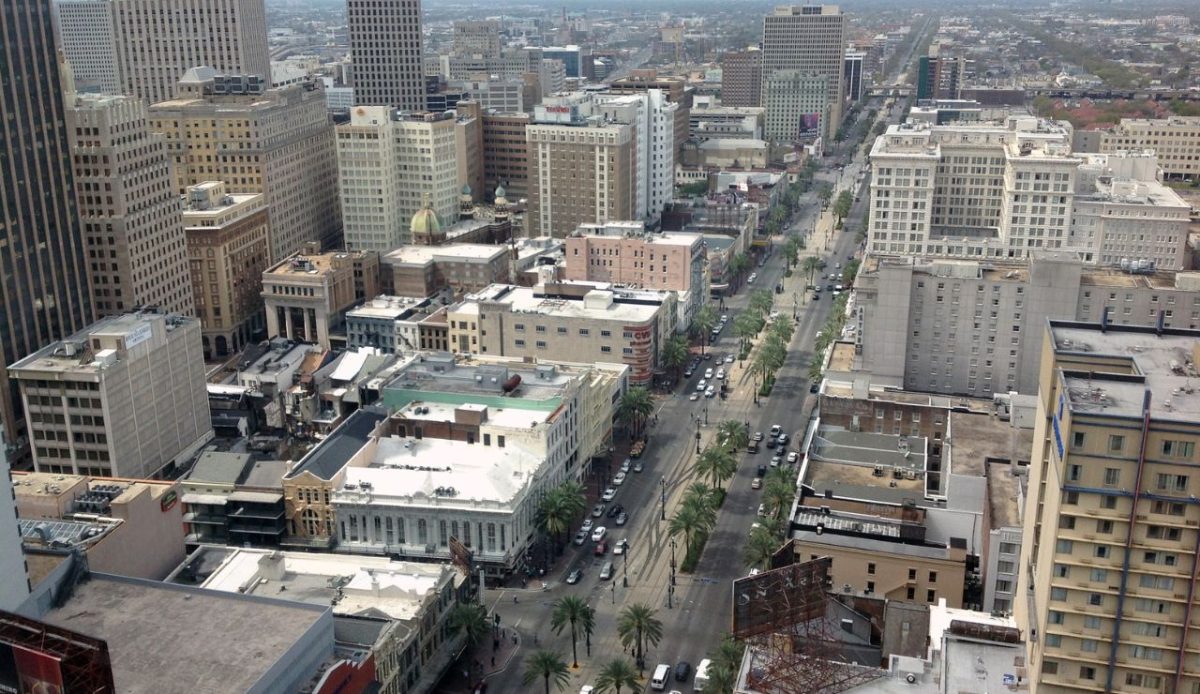
New Orleans faces unique urban planning challenges due to its geography and history. Flood-prone areas, poorly maintained levees, and uneven development have magnified disasters like Hurricane Katrina. Inefficient zoning and disjointed infrastructure complicate recovery and limit economic growth. Public transportation remains limited, making access difficult for residents. While the city has iconic architecture and vibrant culture, decades of planning oversights create costly challenges. New Orleans shows the importance of resilient, well-thought-out urban design in vulnerable regions prone to natural hazards.
4. Baltimore, Maryland
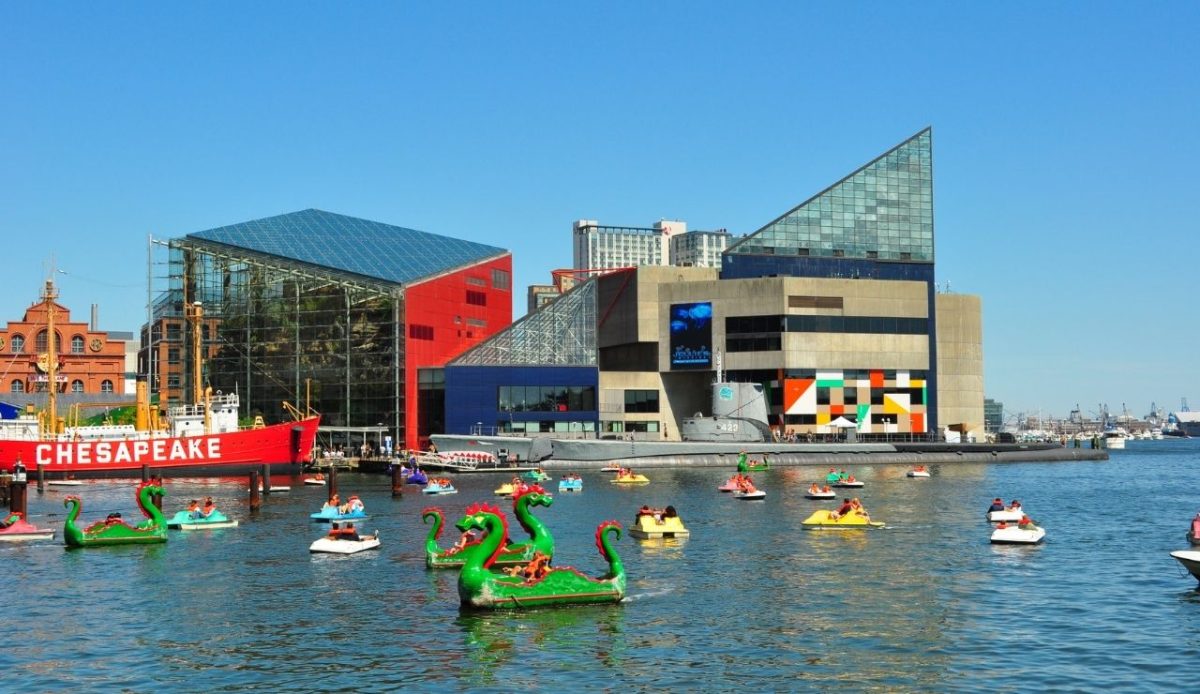
Baltimore’s struggles stem from industrial decline combined with inconsistent urban planning. Poorly planned neighborhoods, disconnected communities, and underfunded infrastructure create persistent challenges. Transit gaps and neglected public spaces reduce accessibility and livability. Revitalization efforts sometimes overlook community needs, contributing to inequality and urban decay. Baltimore highlights the consequences of short-sighted development and a lack of comprehensive planning. Correcting historic missteps is essential for building equitable, functional, and thriving urban environments for residents and businesses alike.
5. San Francisco, California

San Francisco faces high housing costs, traffic congestion, and limited space for growth, partly due to planning errors. Strict zoning regulations and delayed development approvals have restricted housing supply. Overemphasis on preserving historic neighborhoods sometimes conflicts with modern urban needs. Public transit challenges persist despite expansion efforts. The combination of high demand, limited development, and poorly coordinated infrastructure has made living and commuting difficult. San Francisco shows the delicate balance needed between historic preservation, growth, and modern urban demands.
6. Cleveland, Ohio
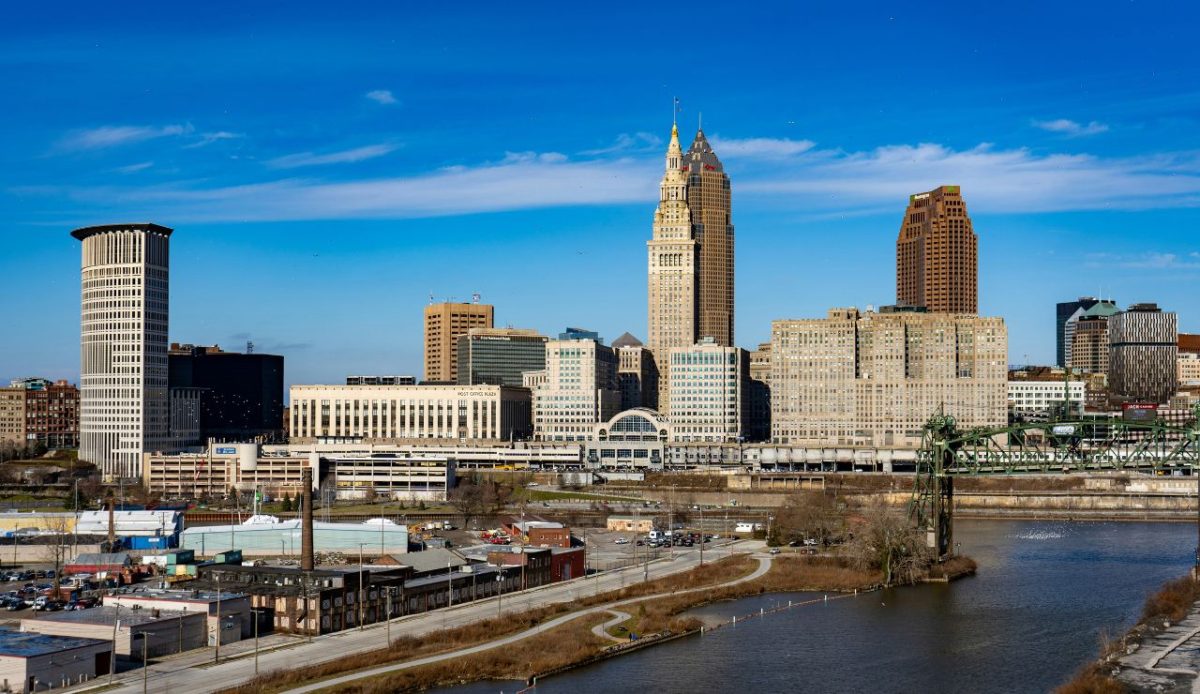
Cleveland’s urban planning missteps have contributed to population decline and economic stagnation. Suburban flight left downtown and industrial neighborhoods underutilized. Poorly coordinated redevelopment and transportation planning complicated revitalization. Abandoned properties and fragmented communities challenge the city’s growth. While cultural and educational institutions thrive, infrastructure inefficiencies and zoning errors highlight the importance of cohesive urban planning. Cleveland’s story shows how decades of oversight can create enduring challenges that require innovative solutions for sustainable renewal.
7. Miami, Florida
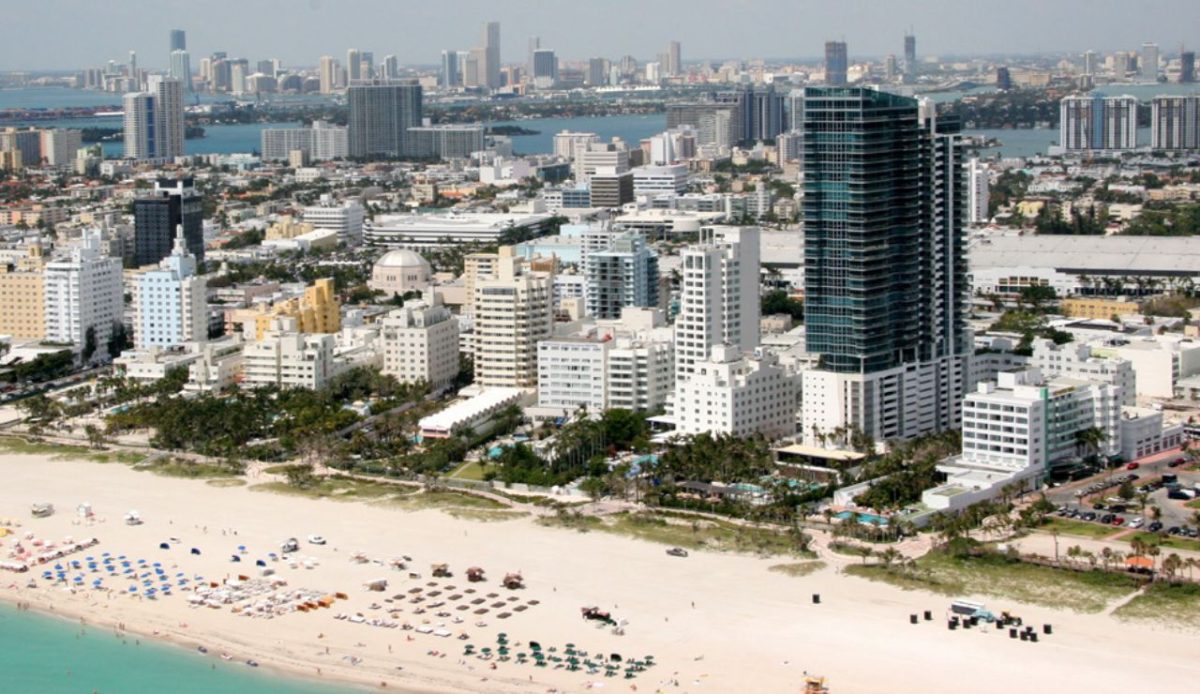
Miami faces costly urban planning challenges due to rapid growth, coastal geography, and climate risks. Inefficient zoning has led to traffic congestion, limited green spaces, and haphazard development along vulnerable coastlines. Rising sea levels and frequent flooding further exacerbate infrastructure weaknesses. Coordination between city and county planning has struggled to keep pace with development pressures. While Miami is a global tourism hub, planning missteps create long-term costs and risks for residents and businesses. The city demonstrates the importance of forward-thinking, resilient planning in fast-growing coastal urban areas.
8. Phoenix, Arizona
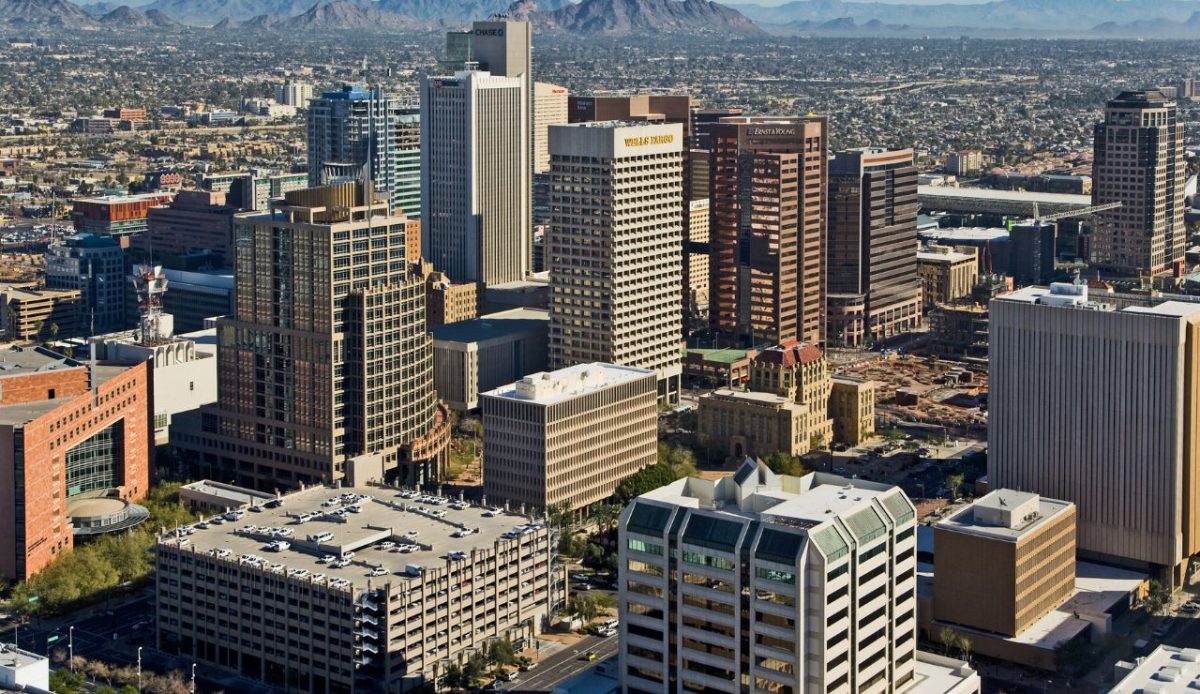
Phoenix’s sprawling development and car-dependent infrastructure illustrate costly planning missteps. Suburban expansion without adequate public transit has created traffic congestion and long commutes. Water resource management is a critical challenge due to arid conditions. Inefficient zoning and low-density development have increased urban heat and environmental impacts. While Phoenix has grown into a major metropolitan area, planning oversights have led to sustainability challenges and infrastructure strain. The city provides lessons in managing rapid growth, environmental constraints, and transportation priorities.
9. Philadelphia, Pennsylvania
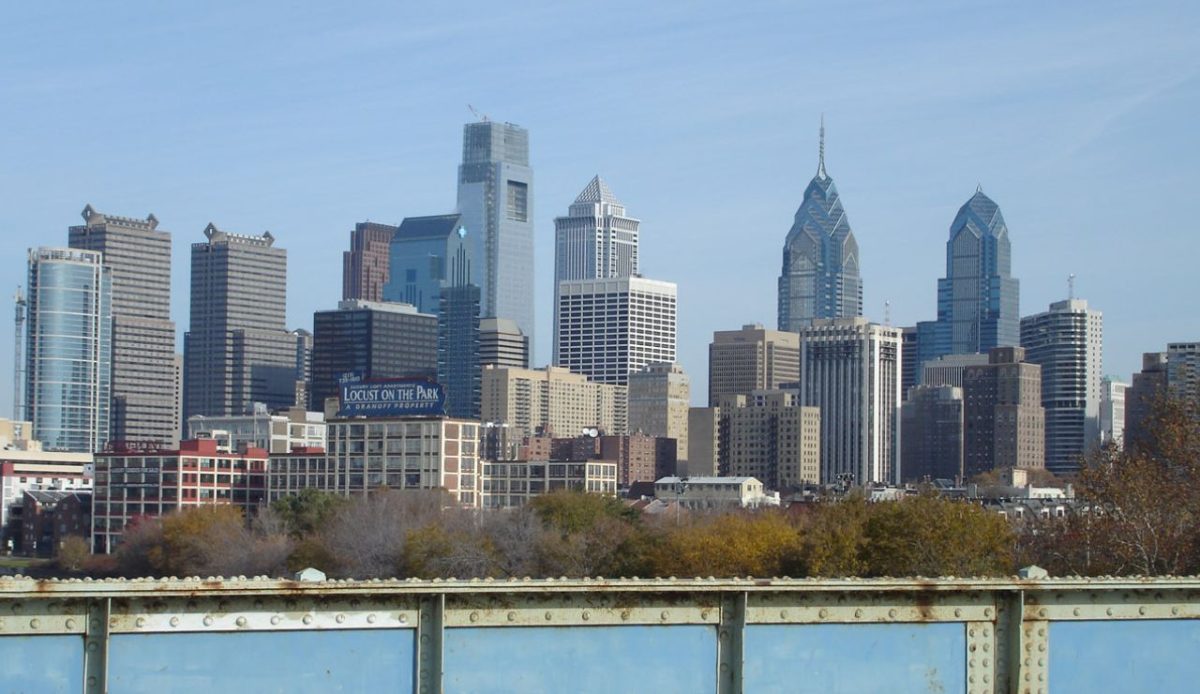
Philadelphia’s historic streets, while charming, pose planning challenges for modern urban demands. Narrow roads, limited parking, and uneven infrastructure cause congestion and mobility issues. Past zoning and redevelopment decisions have created uneven development, with pockets of prosperity next to struggling neighborhoods. Public transit gaps and aging utilities add complications. Philadelphia shows how historic layouts combined with inconsistent planning can create persistent costs for residents and authorities. Thoughtful planning is needed to reconcile historic preservation with contemporary urban needs.
10. St. Louis, Missouri
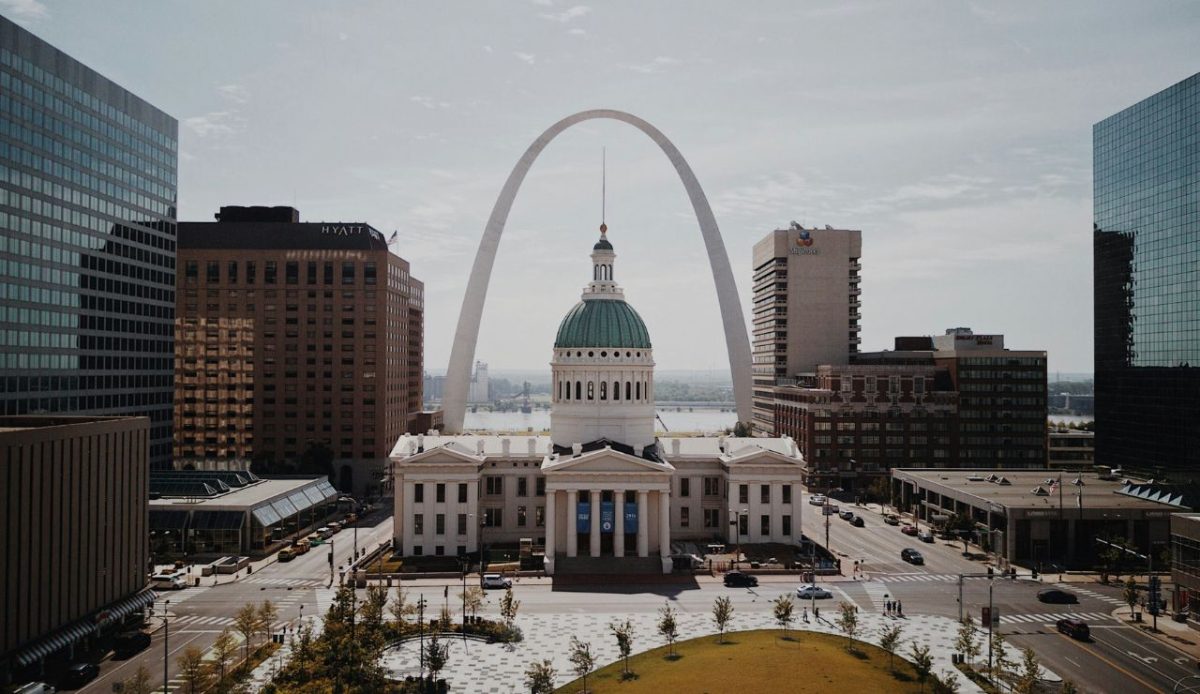
St. Louis has faced decades of planning missteps, from suburban sprawl to poorly integrated transit systems. Neighborhood decline, underfunded infrastructure, and fragmented urban development have slowed revitalization. Historic industrial reliance compounded population loss. Attempts to revitalize downtown sometimes overlook long-term sustainability and equity. St. Louis exemplifies how past planning errors can impact economic growth, livability, and urban cohesion. Addressing infrastructure, zoning, and transit challenges remains critical for making the city more functional and resilient for residents and visitors alike.
11. Chicago, Illinois
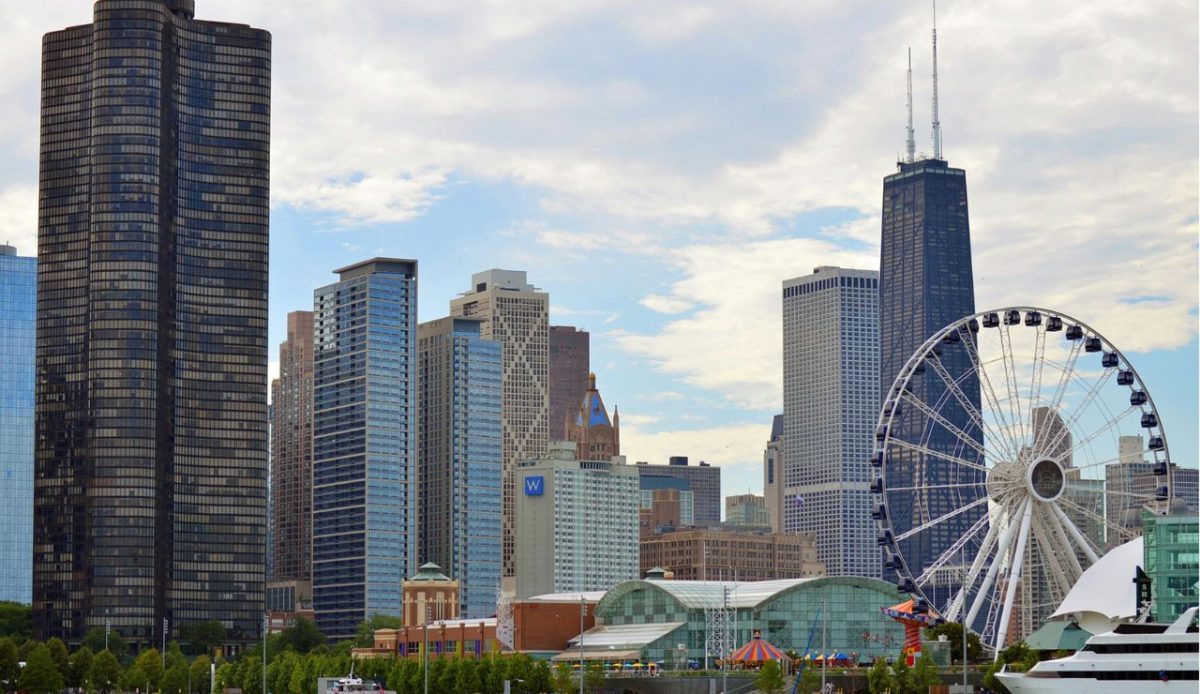
Chicago’s iconic skyline and history mask underlying planning challenges. Traffic congestion, aging infrastructure, and fragmented neighborhoods are partly a result of past development decisions. Overemphasis on downtown growth sometimes neglects peripheral communities. Transit inefficiencies and zoning inconsistencies have added long-term costs for maintenance and urban expansion. While Chicago remains vibrant, these planning missteps highlight the importance of forward-thinking, comprehensive urban design. Balancing historic preservation, infrastructure, and equitable growth is essential for supporting residents and visitors alike.
