
Sun-seeking travelers often assume all of South America stays hot, yet large areas cool sharply in winter or at night. These ten destinations were chosen because long-term climate normals show warm average highs in every month, with only small dips. They are mostly low-elevation coasts or islands where nearby ocean water limits cold snaps. Rainy periods can bring clouds and higher humidity, but the air temperature remains comfortably warm, making planning easier for beach time and outdoor sightseeing. Data was cross-checked across national weather services and global climate databases that summarize multi-decade averages.
1. Cartagena, Colombia
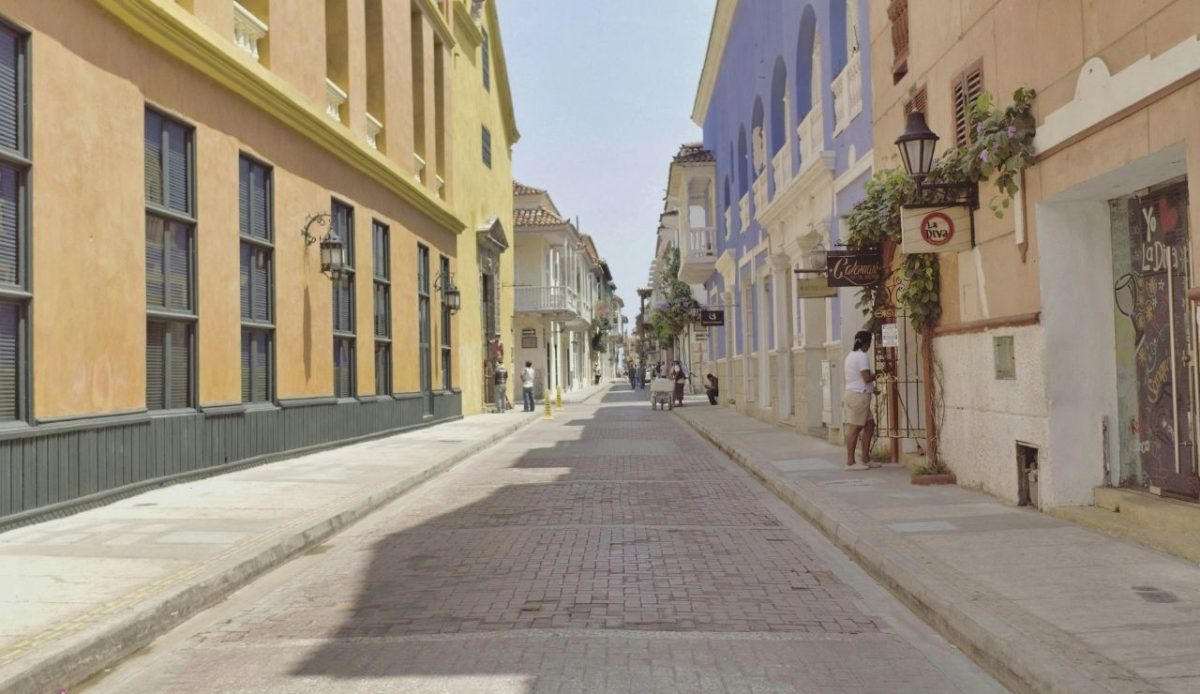
Cartagena on Colombia’s Caribbean shore stays warm throughout the year, with typical daytime highs near 30 C and warm nights. Because it is at sea level and open to the Caribbean, cool inland air rarely reaches the city. The driest stretch usually runs from December into April, so more blue sky is often seen then, while warmer rain showers arrive later. Even in the wettest months, heat is steady, and beach plans remain practical. Sea breezes soften the afternoon without dropping temperatures much, and water temperatures stay good for boat trips. Light layers are enough at night.
2. Santa Marta, Colombia
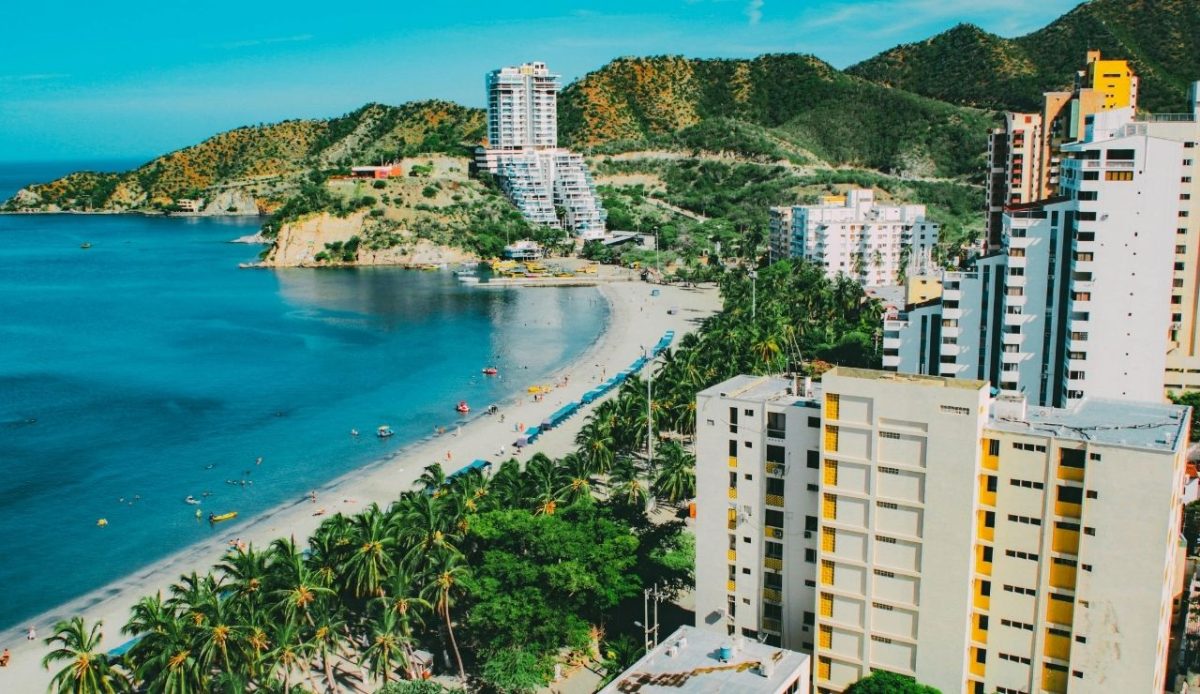
Santa Marta keeps a reliable tropical feel thanks to its Caribbean setting and low elevation. Daytime readings usually fall around 29 to 32 C in every month, and overnight temperatures remain mild. The sea moderates extremes, while steady winds can make the heat feel less heavy on the waterfront. A drier season often arrives in winter, which can mean clearer mornings for snorkeling or city walks, yet the temperature pattern changes very little across months. Nearby mountains create quick weather shifts on higher trails, but the urban coast stays warm, so day trips can start in heat and end in cooler air above.
3. San Andrés, Colombia
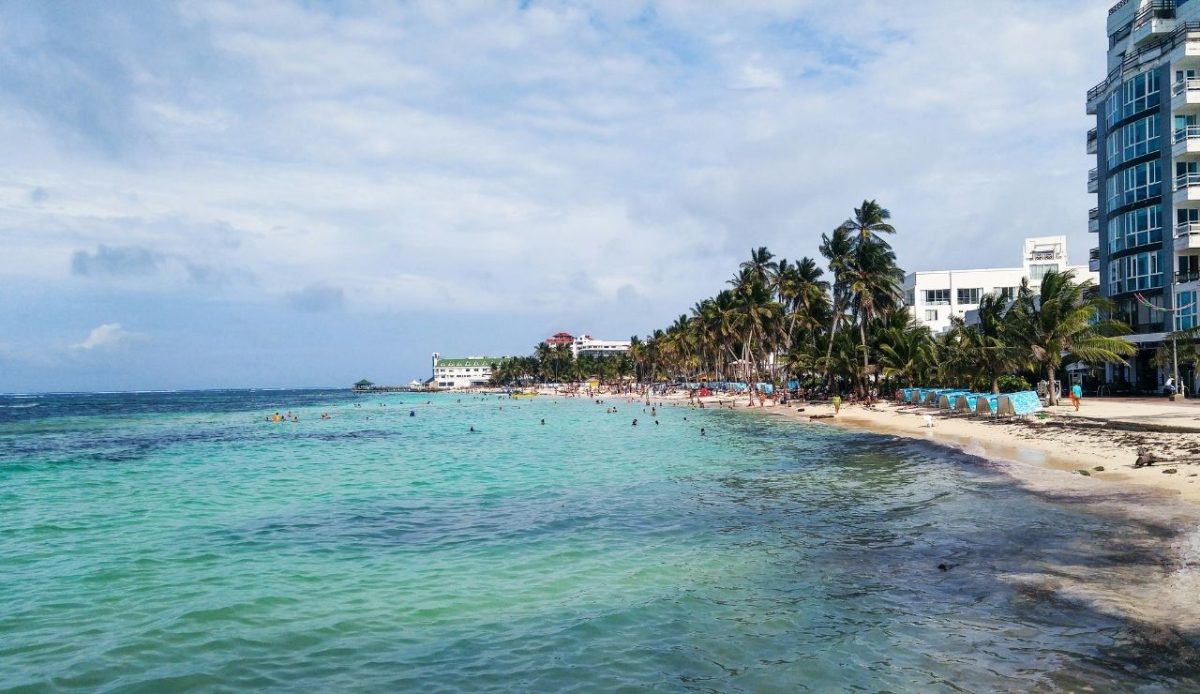
San Andrés is a small Colombian island where temperature swings are minimal because warm Caribbean water surrounds it. Monthly averages cluster in the mid to high 20s C, so it rarely feels different from one season to the next. Trade winds help with comfort, especially on open beaches, and brief showers tend to pass quickly. The main seasonal change is sea state and rainfall timing, not cool air, which keeps swimming and water sports practical in any month. Storm risk exists in the wider basin, yet the island is outside the core hurricane belt, so long stretches of stable warmth are common. Sun protection is essential.
4. Ríohacha, Colombia
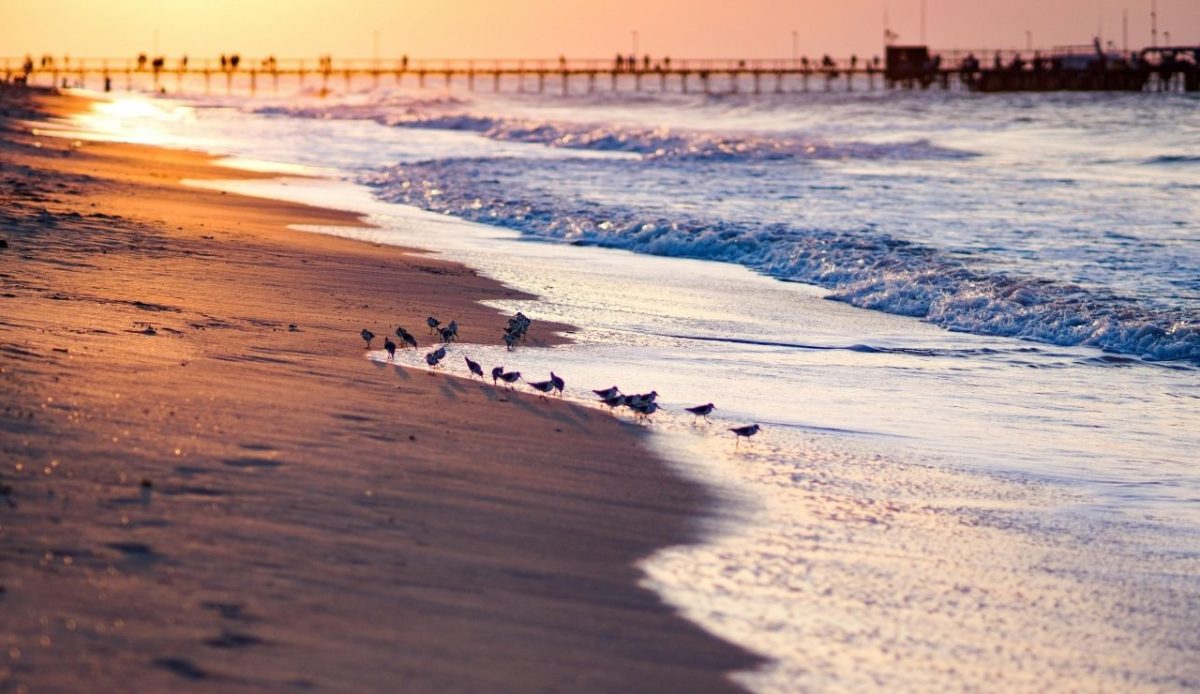
Ríohacha in La Guajira lies on a drier stretch of Colombia’s Caribbean coast, so warmth comes with more frequent sun. Typical highs hold near 30 C across the year, and the strong coastal breeze can feel refreshing rather than cool. Rain tends to be lighter and more scattered than in many nearby cities, which supports bright afternoons. The steady heat also suits desert excursions toward Cabo de la Vela, where similar warm air continues, and nights stay comfortable with a light jacket. Lower humidity is often reported compared with swampier coasts, and kitesurfing conditions are favored by the reliable wind without a drop into chilly weather.
5. Porlamar, Venezuela
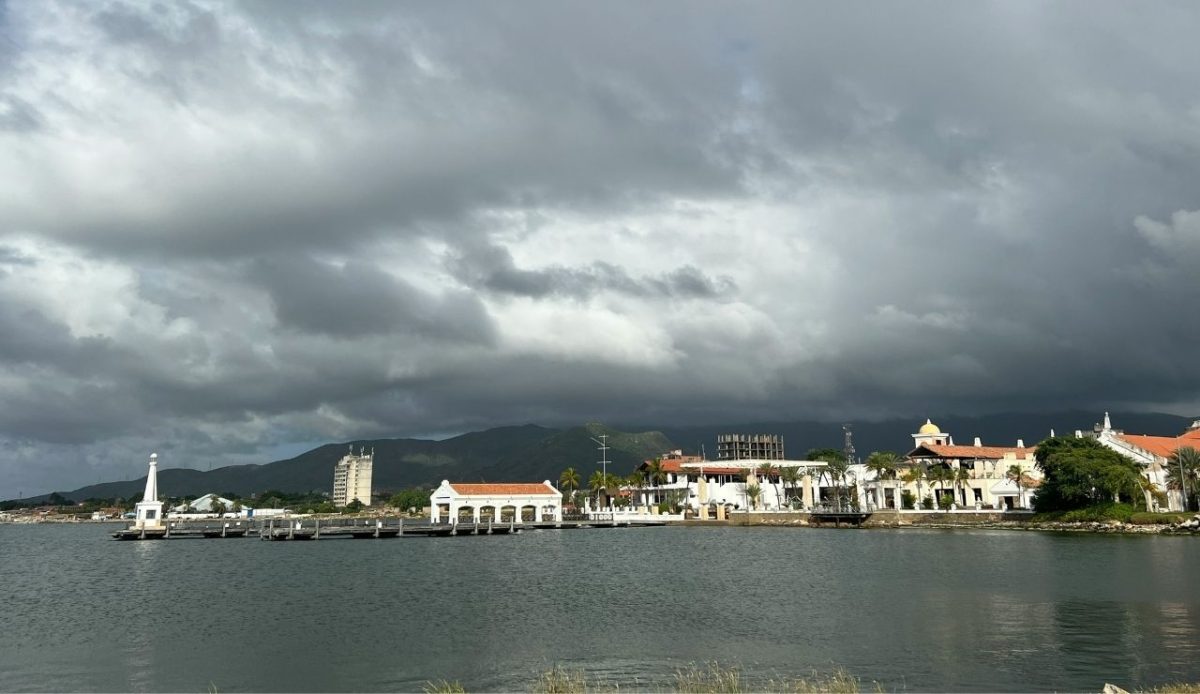
Porlamar on Isla Margarita holds steady tropical heat year-round because the surrounding water buffers the island, and there are no high peaks to cool the air. Typical afternoons reach the upper 20s C, while evenings stay comfortable for strolling and dining outside. Clearer weeks often appear during the drier season, and summer can bring heavier showers, yet temperatures shift only slightly. Coastal breezes add comfort, and seawater remains pleasant for swims, snorkeling, and short boat rides. Because chill is unlikely, a light rain shell and breathable clothes cover most days, with shade breaks used during the hottest hours.
6. Guayaquil, Ecuador
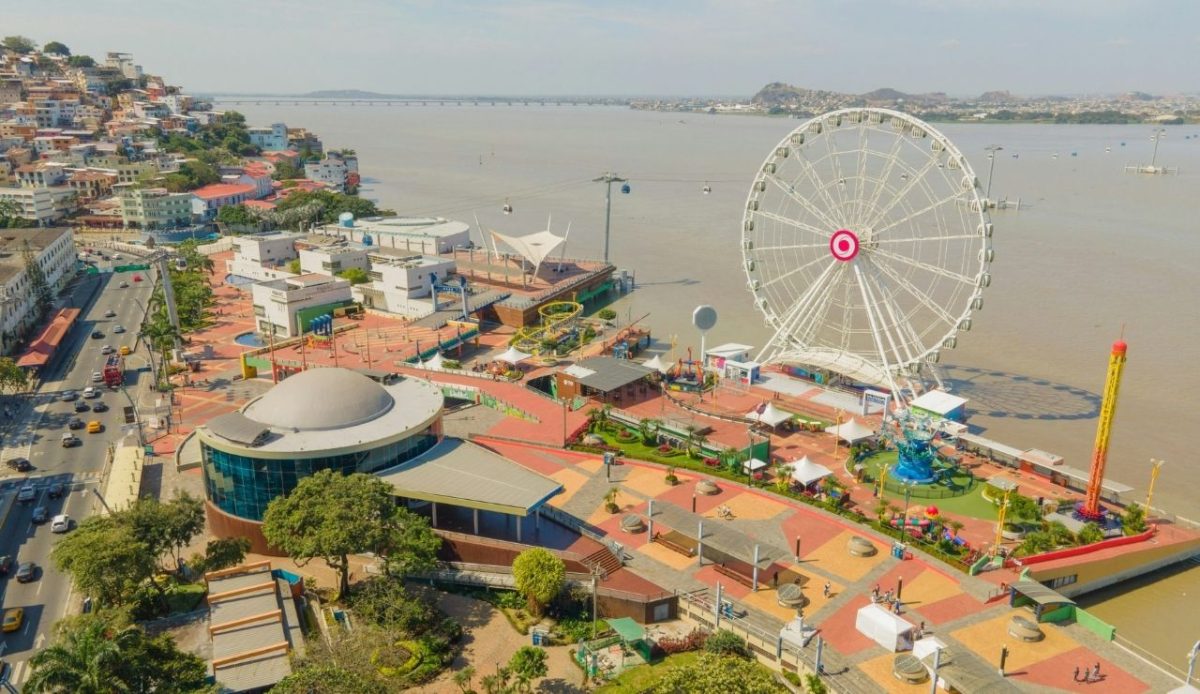
Guayaquil remains warm in every month because it lies near the equator on Ecuador’s coastal plain and sits close to sea level. Daytime readings commonly reach about 28 to 32 C, and true cool spells are uncommon. The biggest change is a humid, rainier season followed by a drier period when breezes feel cleaner. Even when marine clouds roll in, heat persists for riverfront walks and visits to nearby wetlands without heavier layers. Since humidity can push the heat index up, early starts and midday shade are often preferred. After sunset, the temperature eases slightly but remains warm enough for outdoor meals.
7. Fortaleza, Brazil
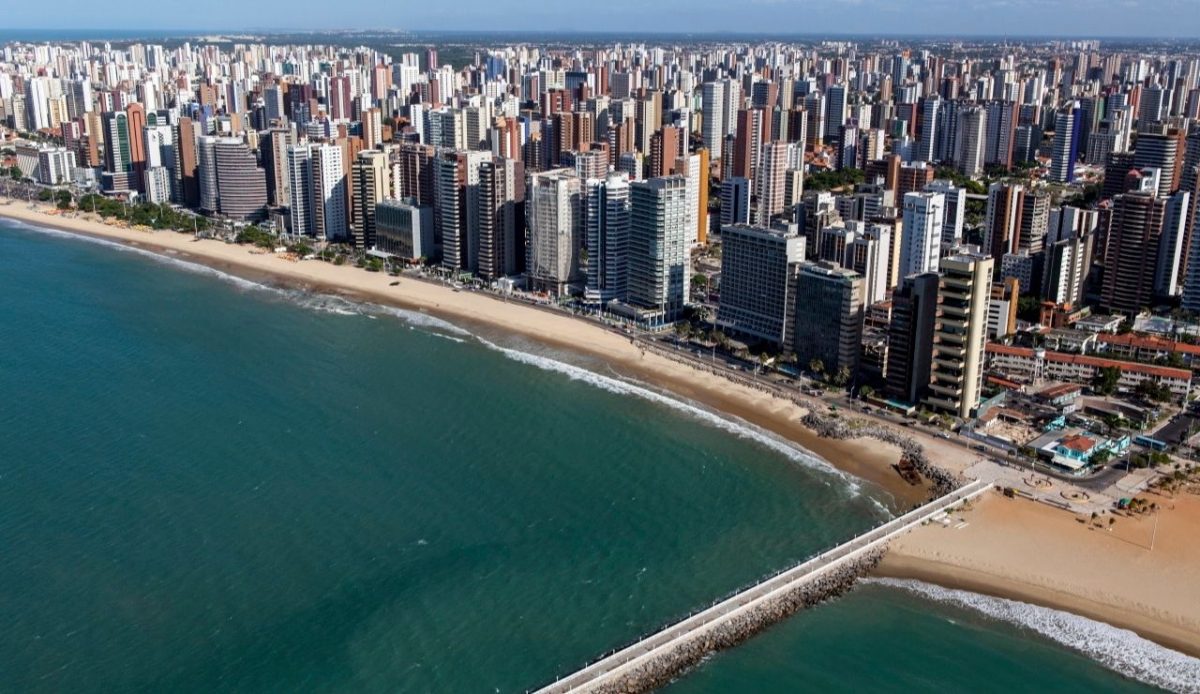
Fortaleza in northeast Brazil is known for consistent warmth, with daytime temperatures often reaching about 30 °C year-round and only a small monthly variation. Atlantic trade winds bring a steady breeze that can make afternoons pleasant without creating a cool season. The rainy period tends to be concentrated in late summer and early fall, yet temperatures remain stable, and beach culture continues. Warm ocean water supports year-round swimming, and evenings stay mild for outdoor markets and waterfront dinners. Outside the rainy weeks, long sunny runs are common, and wind sports are liked because the breeze arrives with heat rather than chill.
8. Natal, Brazil
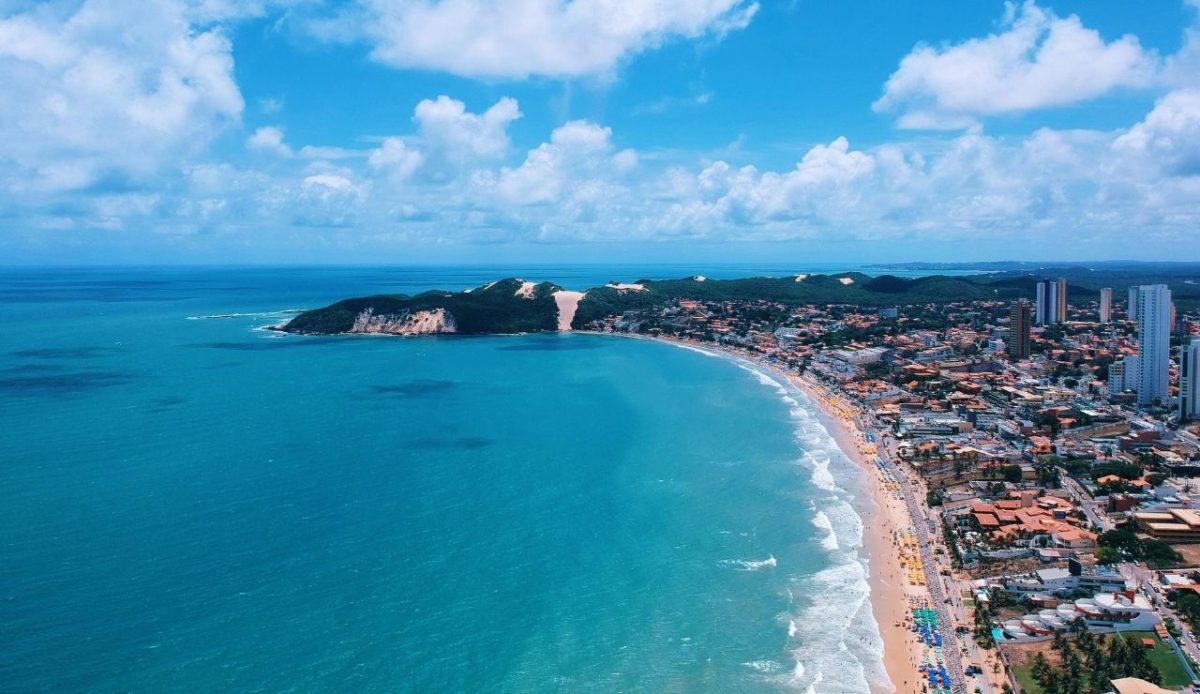
Natal stays warm year-round on Brazil’s northeastern tip, where the Atlantic keeps air temperatures steady. Highs commonly reach close to 30 C, while evenings remain comfortable rather than cool. Seasonal differences show up mainly in rainfall and cloud cover, not in temperature. Dunes and beaches near the city benefit from regular breezes, which can reduce the sticky feeling on humid days. Because cold fronts seldom reach this latitude, outdoor plans like lagoon trips and coastal drives can be scheduled in any month with similar clothing. Ocean water stays comfortable for long swims, and sunrise outings work well in the drier stretch.
9. Recife, Brazil
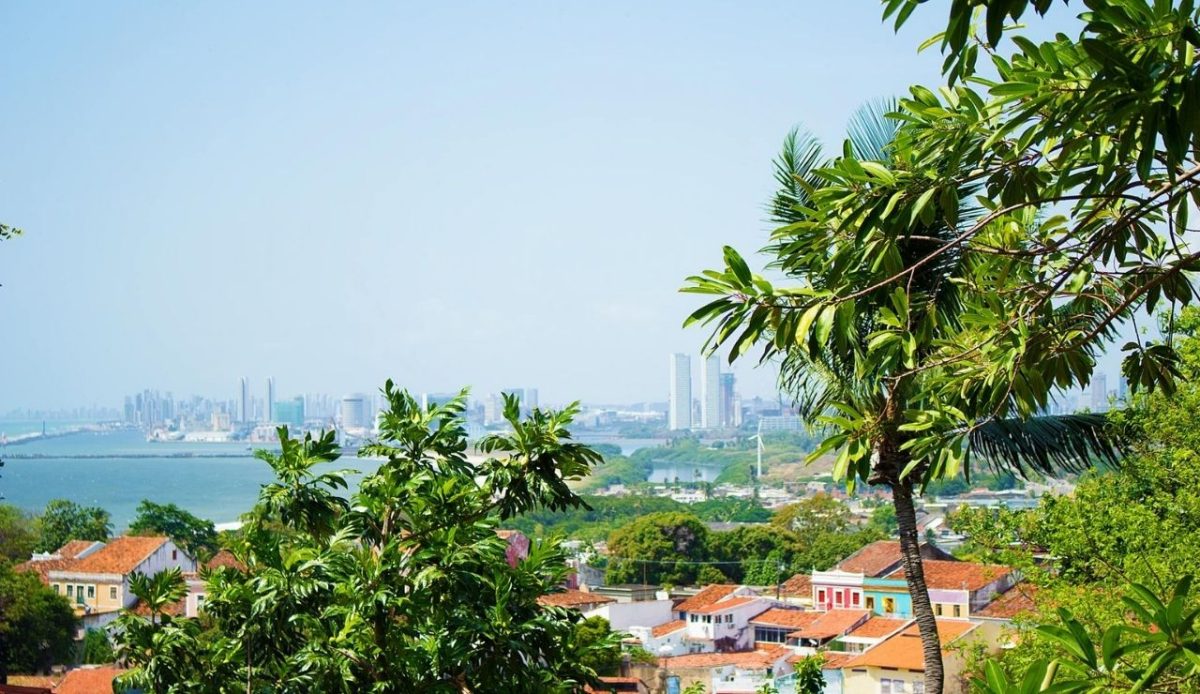
Recife delivers steady heat in every season because it sits at a low elevation along warm Atlantic water. Average highs remain in the upper 20s to low 30s C through all months, and nights rarely feel cool. The wet season can bring frequent showers and higher humidity, but the temperature does not drop much afterward. Cloudy mornings may occur, yet beach time is still possible between showers. This consistency makes Recife a practical base for nearby coastal towns, since day trips are not limited by seasonal cold. A sea breeze often arrives late, so lightweight fabrics help, and sun protection matters even when skies look hazy.
10. Salvador, Brazil
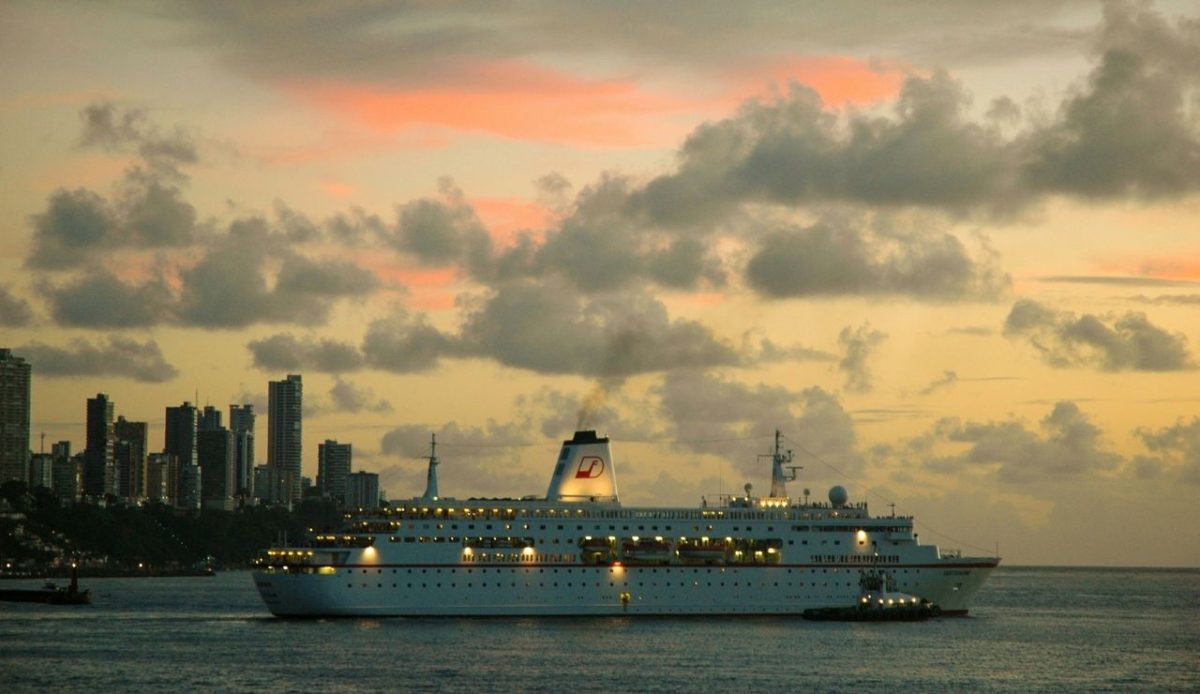
Salvador in Bahia keeps tropical warmth across the calendar, helped by its Atlantic coastline and low latitude. Daytime temperatures usually hover near 27 to 30 C, and nights stay mild for music venues and walks through historic streets. Rain can arrive in any season, yet humidity changes more than heat. Ocean breezes help along the bay, so afternoons feel manageable even during wetter weeks. With little seasonal cooling, trips can be timed for festivals or flight deals without worrying about chilly evenings. The sea stays warm for swimming, and a light shirt is usually enough at night. Sandals work most days.
