
Long before modern borders, Native peoples built thriving communities, sacred places, and cultural centers that still endure. Today, travelers can visit heritage sites that preserve thousands of years of history, from cliff dwellings and effigy mounds to living pueblos and world-class museums. Each destination invites visitors to experience deep traditions, learn Indigenous stories, and walk landscapes where America’s earliest histories unfolded. Exploring these places not only honors Native heritage but also offers unforgettable journeys that blend travel, education, and cultural respect.
1. Mesa Verde National Park, Colorado
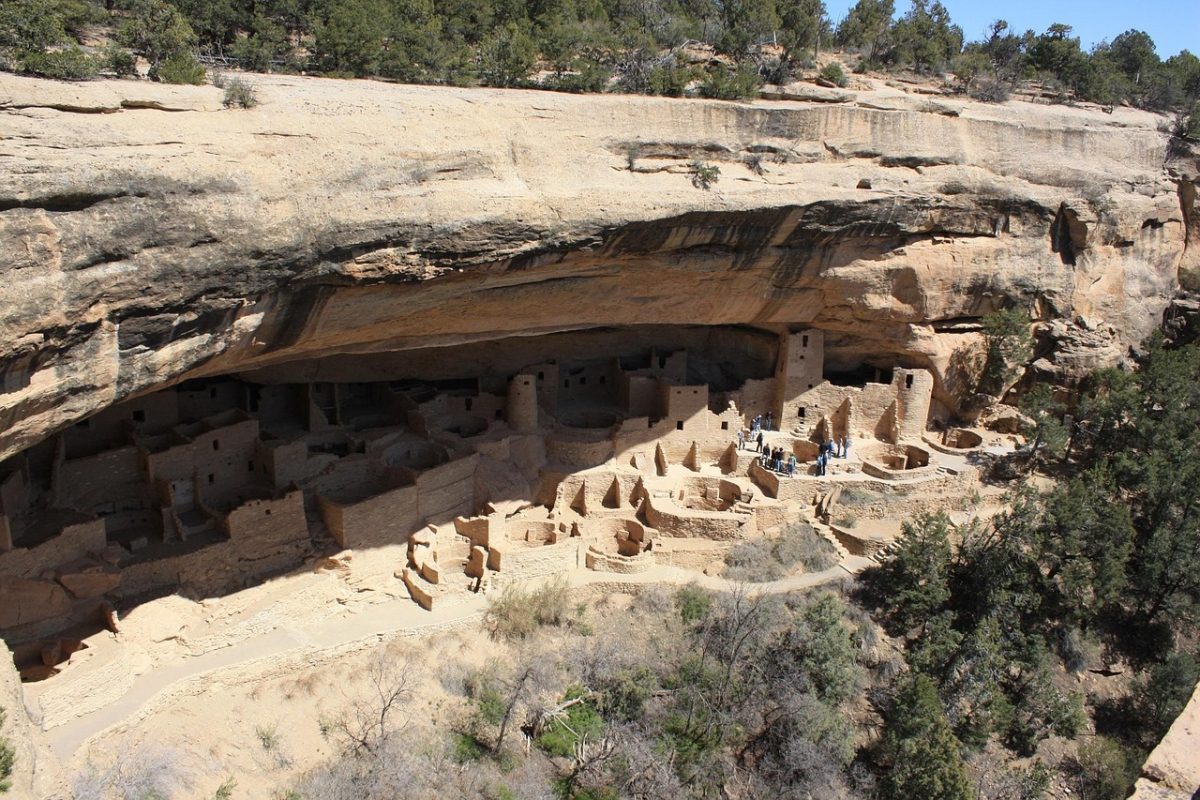
Set high in the cliffs of southwest Colorado, Mesa Verde preserves more than 600 dwellings built by the Ancestral Puebloans between 600 and 1300 A.D. Visitors can explore incredible sites like Cliff Palace, the largest cliff dwelling in North America, and Balcony House, accessible only by ladders and tunnels. Ranger-led tours explain how people lived, farmed, and thrived in this rugged landscape. Practical tip: Reservations are required for many tours, so book early and prepare for some climbing on narrow stone paths.
2. Chaco Culture National Historical Park, New Mexico
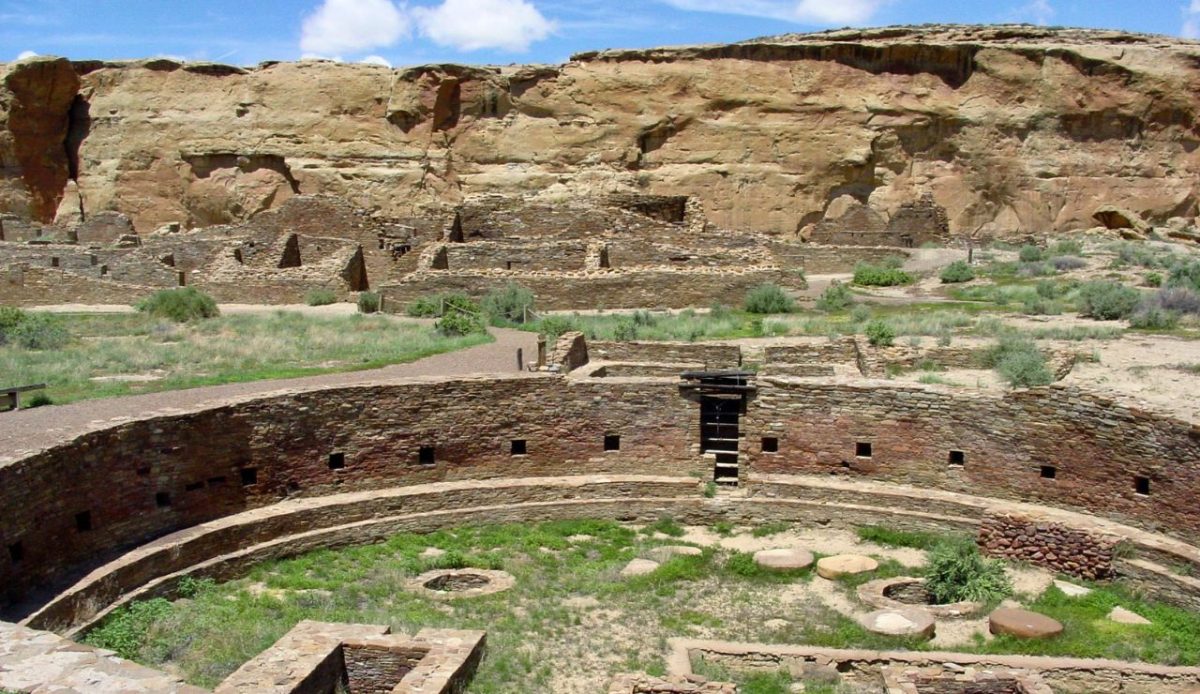
Hidden in the desert, Chaco Canyon was once a major ceremonial, trade, and cultural center. From 850 to 1250 A.D., its people built massive “great houses” aligned with the sun and stars. Today, travelers can drive the scenic loop road, hike to remote ruins, and attend night sky programs under some of the darkest skies in the U.S. Practical tip: the park is very remote with limited services, so bring water, snacks, and plan carefully for your visit.
3. Cahokia Mounds State Historic Site, Illinois
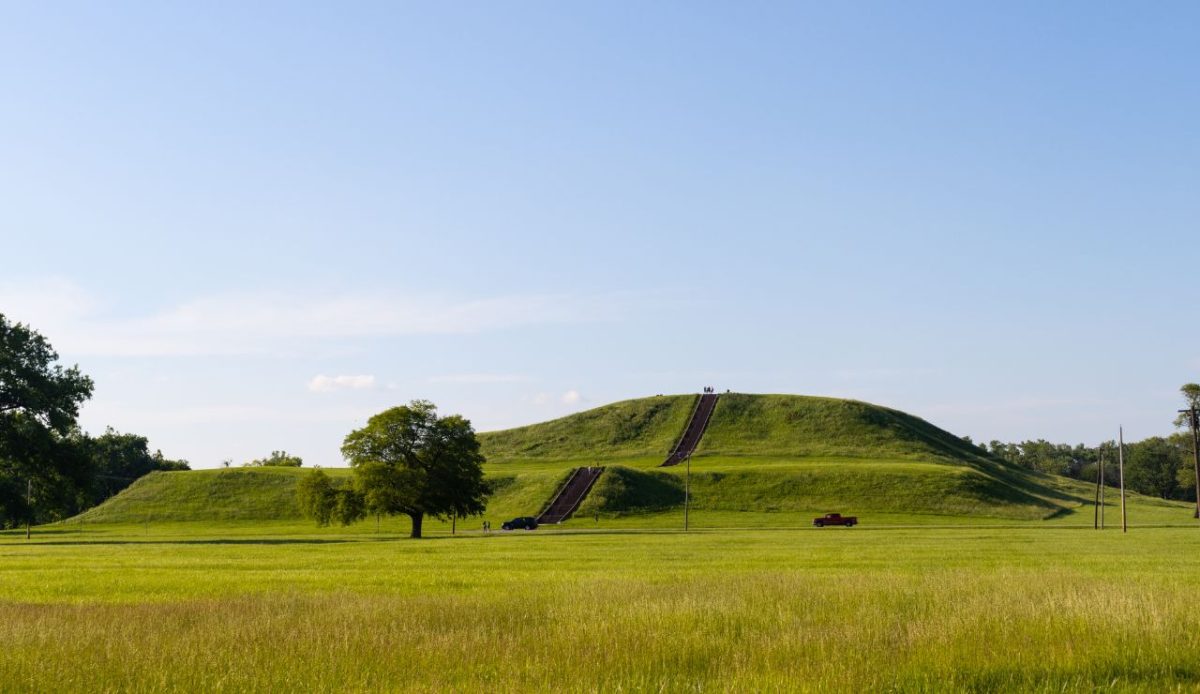
Near St. Louis, Cahokia once held tens of thousands of residents, making it North America’s largest pre-Columbian city. Visitors can climb Monks Mound, a 100-foot-high earthwork, for sweeping views of the surrounding floodplain. Trails guide travelers through plazas and remnants of neighborhoods, while the interpretive center highlights artifacts that reveal Cahokia’s influence across the continent. Practical tip: allow time to explore both the museum and outdoor mounds, and wear comfortable shoes for walking the expansive grounds.
4. Taos Pueblo, New Mexico
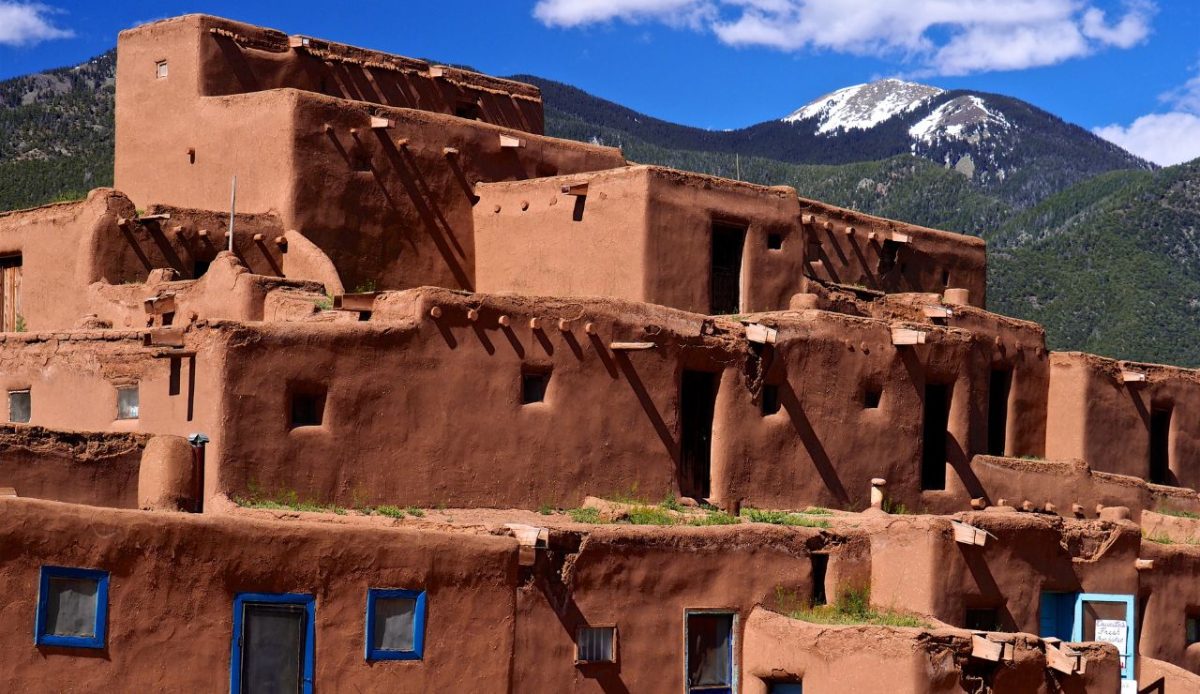
A UNESCO World Heritage Site, Taos Pueblo has been continuously inhabited for more than 1,000 years. Its iconic multi-story adobe homes, set against the Sangre de Cristo Mountains, create one of the most photographed Native landmarks in the U.S. Visitors can join guided tours led by community members, browse traditional crafts, and learn about Pueblo culture. Practical tip: respect local customs; some areas are private, and photography is only permitted with approval in designated locations.
5. Canyon de Chelly National Monument, Arizona
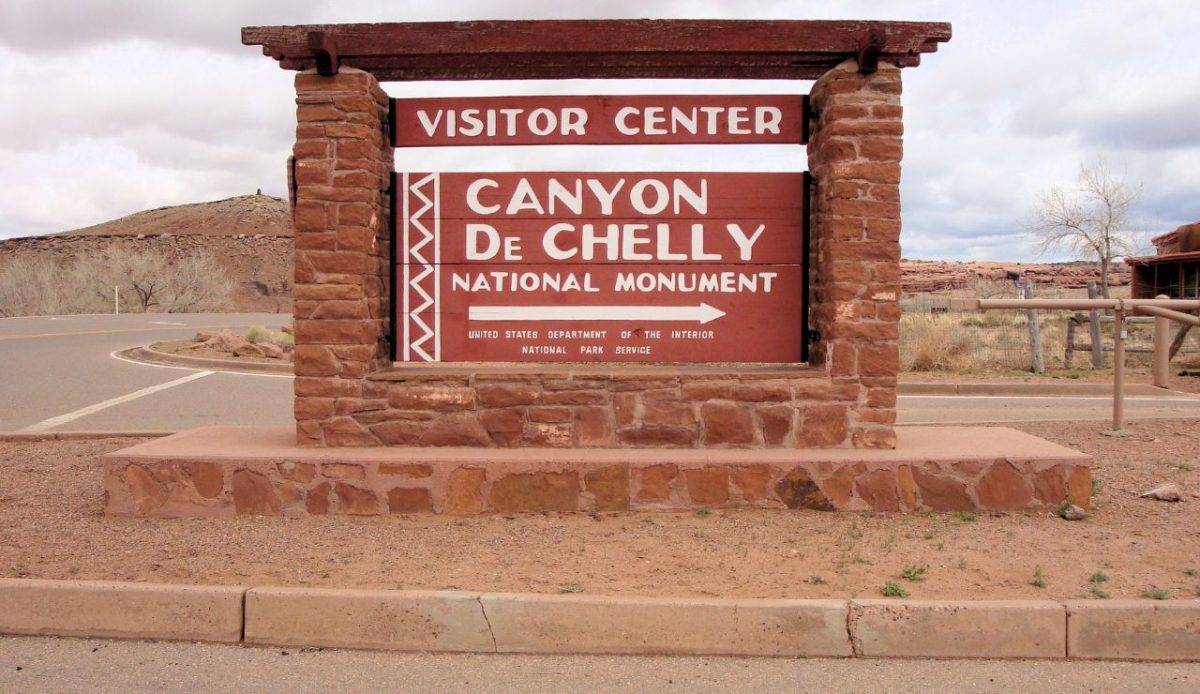
This breathtaking canyon, carved by rivers over millennia, is home to ancient cliff dwellings and Navajo families who live here today. Travelers can view highlights like Spider Rock from rim overlooks or take guided jeep and horseback tours led by Navajo guides into the canyon floor. Rock art and centuries-old homes tell stories of resilience and tradition. Practical tip: self-guided hikes are limited, so book a Navajo-led tour to access deeper parts of the canyon.
6. Wupatki National Monument, Arizona

North of Flagstaff, Wupatki protects red sandstone pueblos built after a volcanic eruption reshaped the land around 1100 A.D. The largest, Wupatki Pueblo, once held over 100 rooms, a ceremonial kiva, and even a ball court. Visitors can explore multiple ruins connected by trails through the desert landscape, where history meets striking scenery. Practical tip: combine your visit with the nearby Sunset Crater Volcano National Monument for a deeper understanding of how geology shaped settlement patterns.
7. Ocmulgee Mounds National Historical Park, Georgia
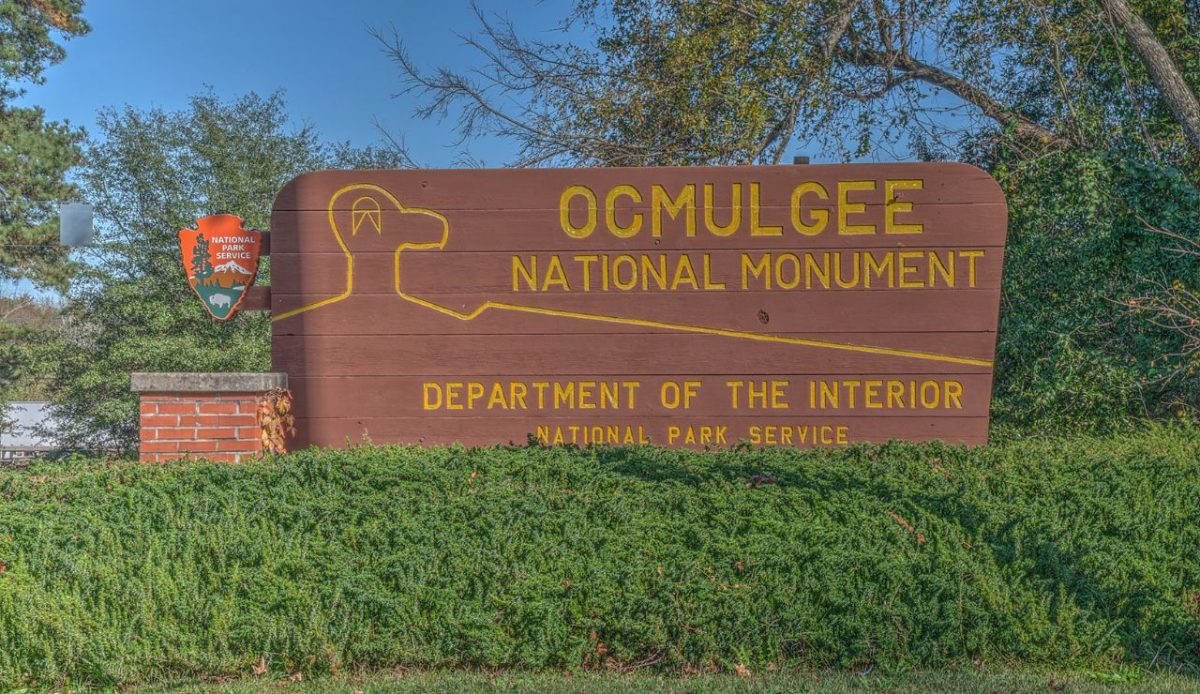
This site showcases 17,000 years of continuous human habitation, from ancient earth lodges to Mississippian mounds. Travelers can walk into a reconstructed ceremonial earth lodge, hike riverside trails, and learn from engaging museum exhibits. The park is especially lively during the annual Ocmulgee Indigenous Celebration, where Native communities share traditions. Practical tip: plan your trip around the festival for a deeper cultural experience.
8. Bandelier National Monument, New Mexico
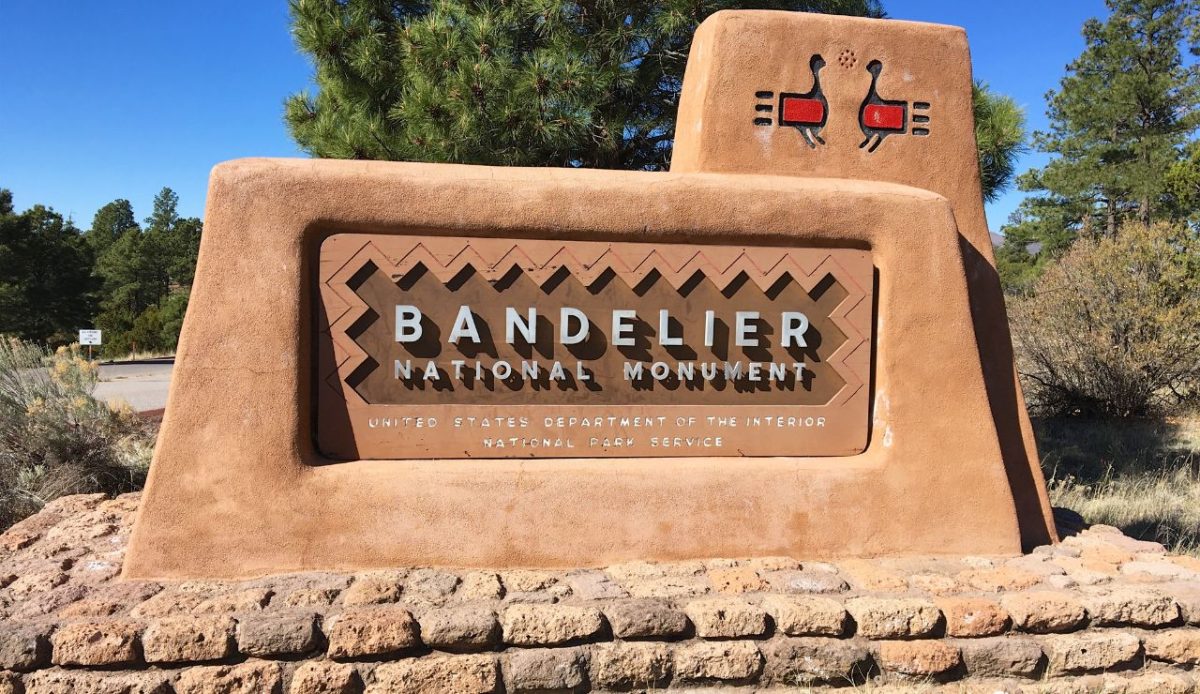
Bandelier preserves cliff dwellings, petroglyphs, and kivas left by Ancestral Puebloans over 800 years ago. Travelers can climb wooden ladders into alcove homes carved into volcanic tuff and hike trails winding through Frijoles Canyon’s rugged scenery. Petroglyphs etched into the rock reveal spiritual life and artistry. Practical tip: allow extra time for longer hikes, remote ruins along the trails are less crowded, offering a quiet, more immersive glimpse into the past.
9. Serpent Mound, Ohio

Stretching over 1,300 feet, Serpent Mound is the world’s largest effigy mound, shaped like a winding snake across a hilltop. Built by Indigenous cultures more than a thousand years ago, it may align with celestial events. Visitors can walk trails encircling the mound and climb an observation tower for the best views of its form. Practical tip: visit during solstices or equinoxes when the mound’s astronomical connections are most noticeable, adding meaning to the experience.
10. National Museum of the American Indian, Washington, D.C.

Part of the Smithsonian, this museum showcases Indigenous cultures of the Americas through artifacts, stories, and contemporary voices. The building’s flowing stone design reflects natural landscapes, while exhibits highlight everything from ancient art to modern activism. Travelers can explore galleries, attend cultural performances, and enjoy Native-inspired foods at the Mitsitam Café. Practical tip: admission is free, but plan extra time, rotating exhibits and special programs often provide unique experiences beyond the permanent displays.
