
When people first boarded jetliners in the 1950s, they began to see speed as the new symbol of comfort, progress, and modern life. Every breakthrough that followed pushed aircraft to fly higher, farther, and faster, turning air travel from a luxury into an essential part of global connection. Engineers competed to shorten flight times and improve efficiency, while airlines promoted each new model as a step toward a faster world. From the record-breaking Concorde to today’s advanced long-range jets, each design on this list reflects how speed innovation reshaped the way people move, work, and live across continents.
1. Supersonic Pioneer: Concorde
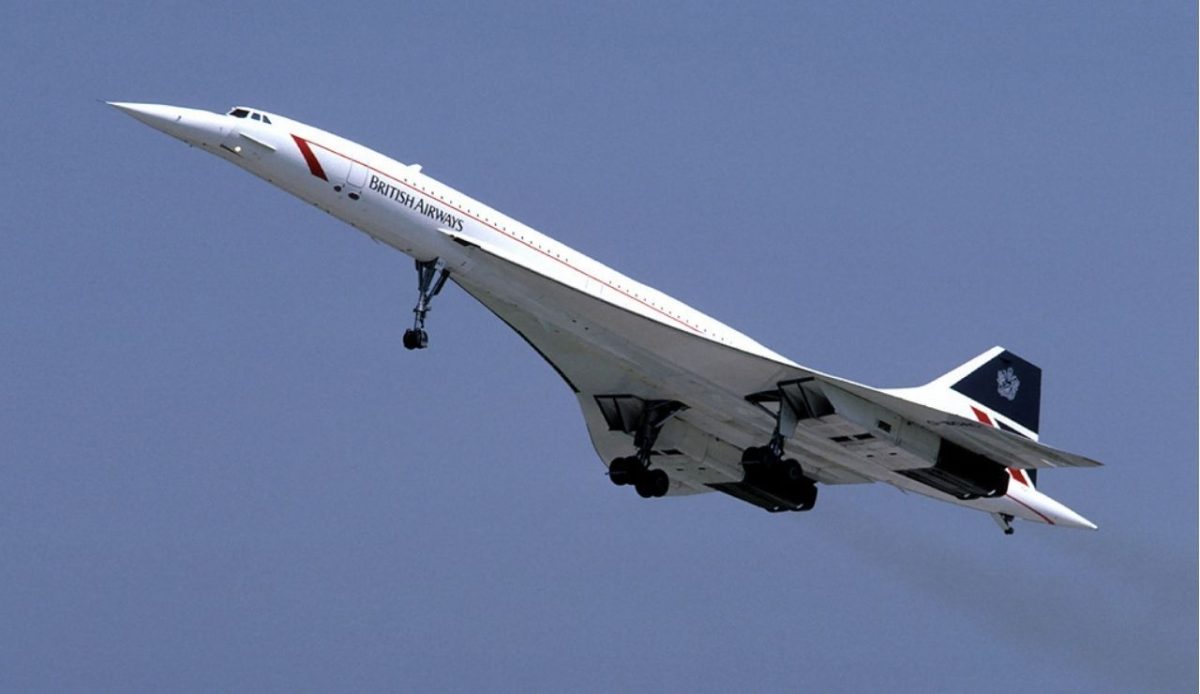
The Concorde, developed by Britain and France, entered commercial service in 1976 and routinely cruised at Mach 2.04, or about 1,354 miles per hour. It reduced London to New York travel times to under three and a half hours, proving that supersonic flight could be safe and repeatable. Engineers used a delta wing and high-temperature aluminum to handle the stress of high-speed flight. The aircraft’s operation required dedicated procedures for airspace, maintenance, and noise compliance. Although retired in 2003, Concorde remains the most successful supersonic airliner ever built and continues to inspire future high-speed transport research.
2. Soviet Supersonic: Tupolev Tu-144
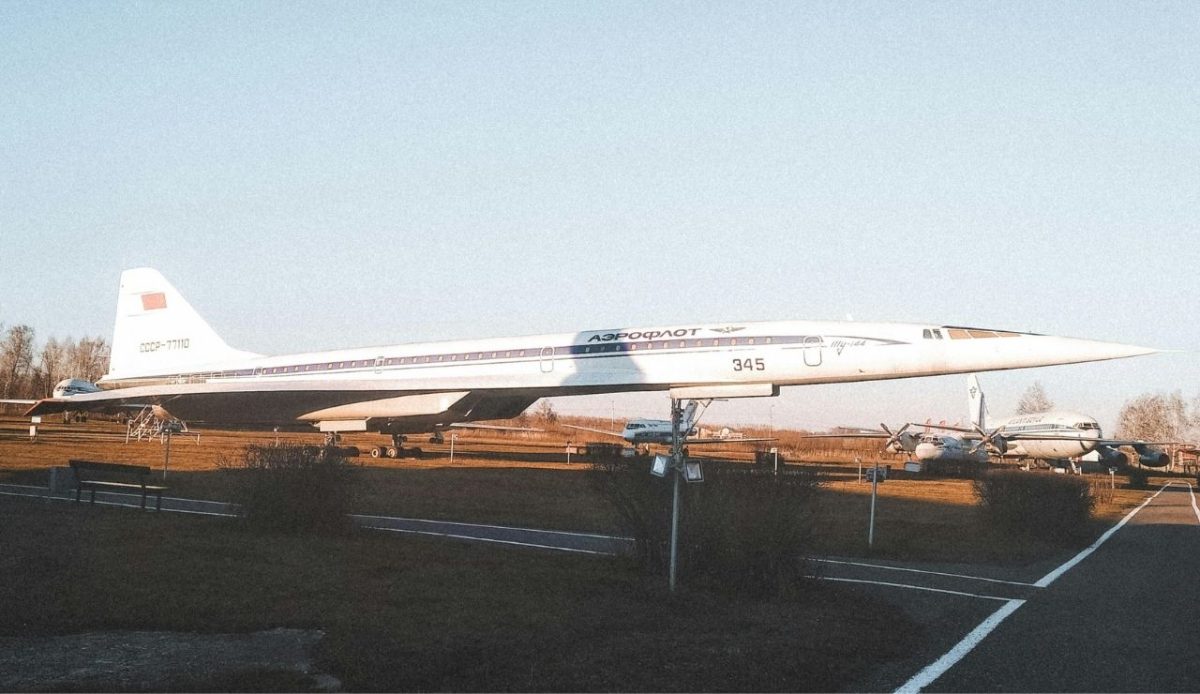
The Tupolev Tu-144 was the first supersonic airliner to take flight, beating Concorde to the skies in 1968. It reached Mach 2 in testing and briefly entered passenger service in the 1970s. Known for its dramatic canard layout and powerful afterburning engines, the Tu-144 showcased bold Soviet engineering. Despite a short career, it provided vital data on structural heating, high-altitude aerodynamics, and engine management at supersonic speeds. NASA later used a modified Tu-144 for research on future transports. Its design lessons influenced material development, aerodynamic control, and future studies in sustainable fast flight.
3. Enduring Range: Airbus A340-600
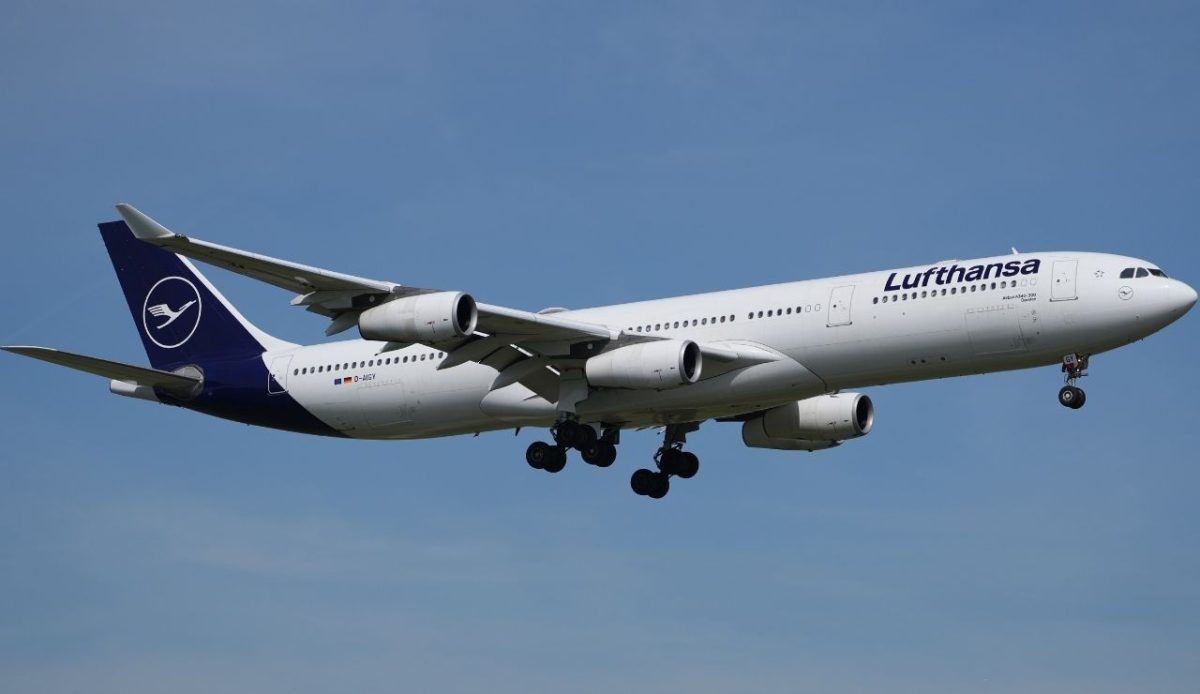
The Airbus A340-600 entered service in 2002 as one of the longest passenger aircraft ever built. It cruised at Mach 0.86 and combined long-range capability with reliable four-engine operation. Airlines used it for ultra-long-haul routes connecting major cities across continents. Its efficient aerodynamics, advanced materials, and high subsonic speed allowed direct connections that were previously impossible. The A340’s contribution to intercontinental travel extended the reach of civil aviation. Even as twin-engine designs replaced it, the aircraft’s range and pace left a lasting mark on the development of long-distance flight.
4. Speed Challenger: Convair 880
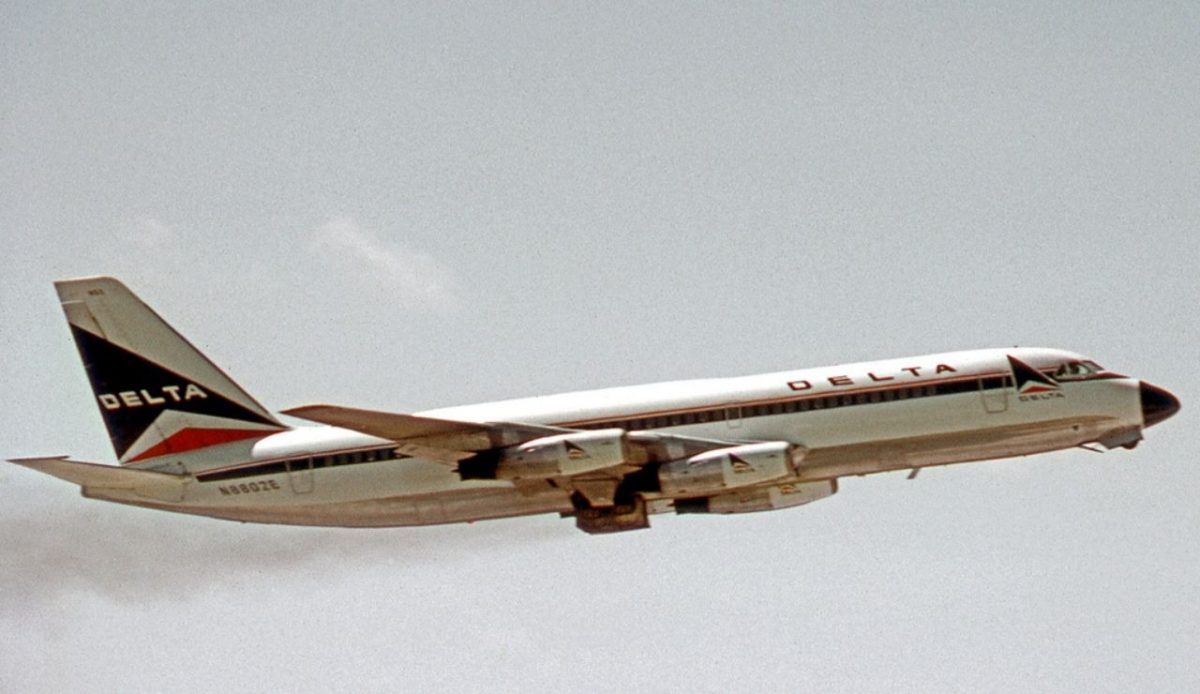
The Convair 880, introduced in 1960, was built to be the fastest subsonic jet airliner of its time. Cruising at around 615 miles per hour, it aimed to give airlines a competitive edge through speed rather than size. The sleek design and powerful engines allowed faster schedules on major routes, though fuel efficiency limited its success. Despite modest sales, the 880 offered engineers valuable insight into drag reduction and high-speed stability. Its legacy continued through later aircraft that balanced speed with efficiency. The Convair 880 remains a symbol of early jet-age ambition focused on performance over economy.
5. Subsonic Giant: Airbus A380
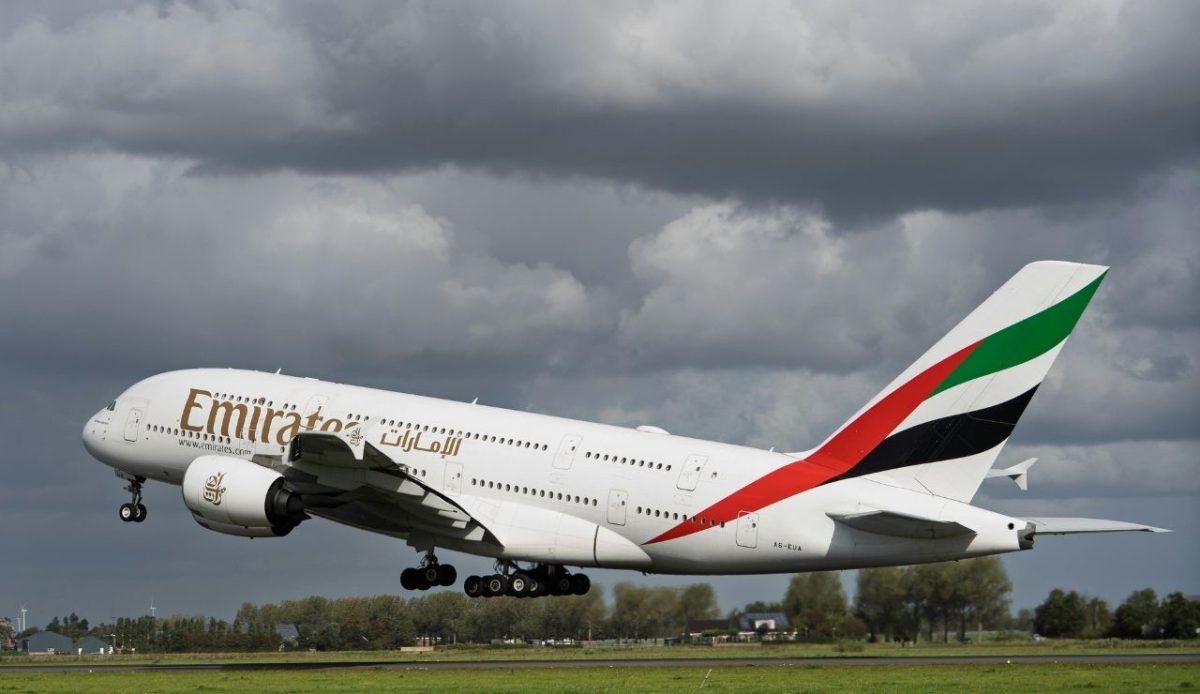
The Airbus A380, the largest passenger aircraft ever built, entered service in 2007. It cruises at Mach 0.89, around 683 miles per hour, making it one of the fastest subsonic airliners. Its twin-deck design accommodates up to 800 passengers on long routes while maintaining near-quiet cabins. The A380 validated large-scale composite structures and fly-by-wire systems for aircraft of its size. Airlines used it to move record numbers of travelers efficiently between global hubs. Even though production has ended, the A380’s engineering continues to influence modern high-capacity, high-speed airliner design.
6. Efficient Long-Haul: Boeing 787 Dreamliner
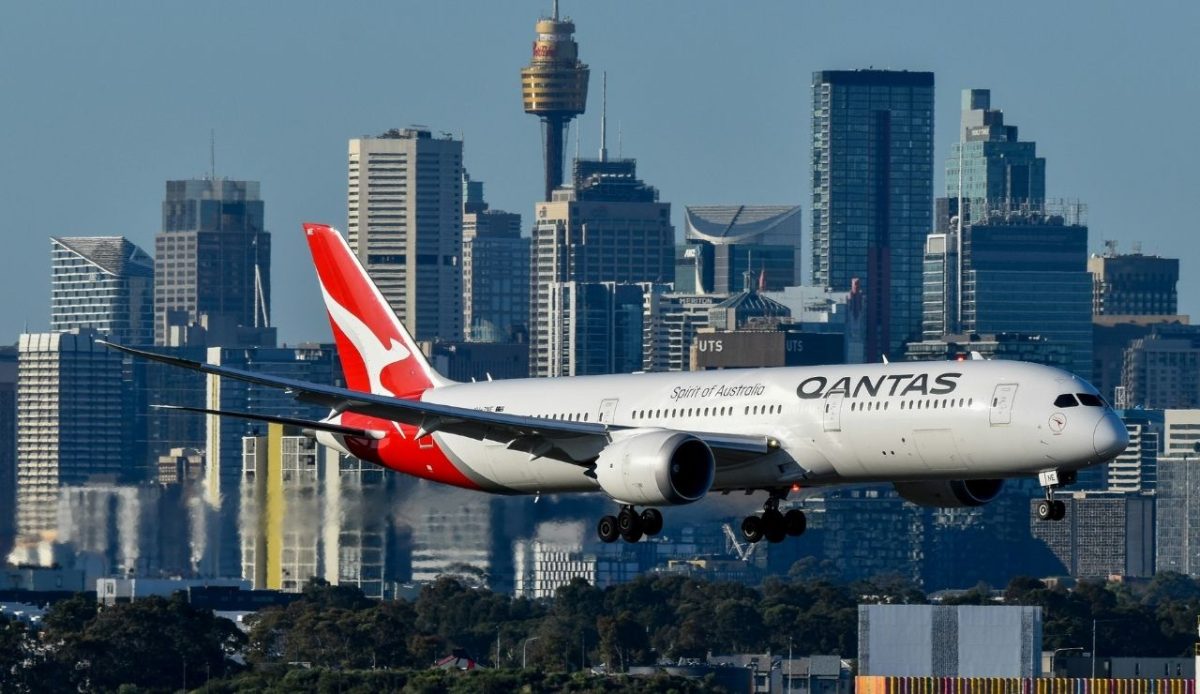
The Boeing 787 Dreamliner represents a leap forward in speed, efficiency, and passenger comfort. Cruising at Mach 0.85 and capable of Mach 0.90, it connects distant city pairs without stopovers. The lightweight composite fuselage and advanced wings minimize drag while new engines offer fuel savings and lower emissions. The 787 made long-haul, point-to-point travel economically viable, eliminating the need for central hubs. Its smooth flight characteristics, quiet cabin, and large windows changed expectations for modern air travel. Today, it remains one of the fastest and most efficient airliners in service.
7. Classic Jetliner: Boeing 707
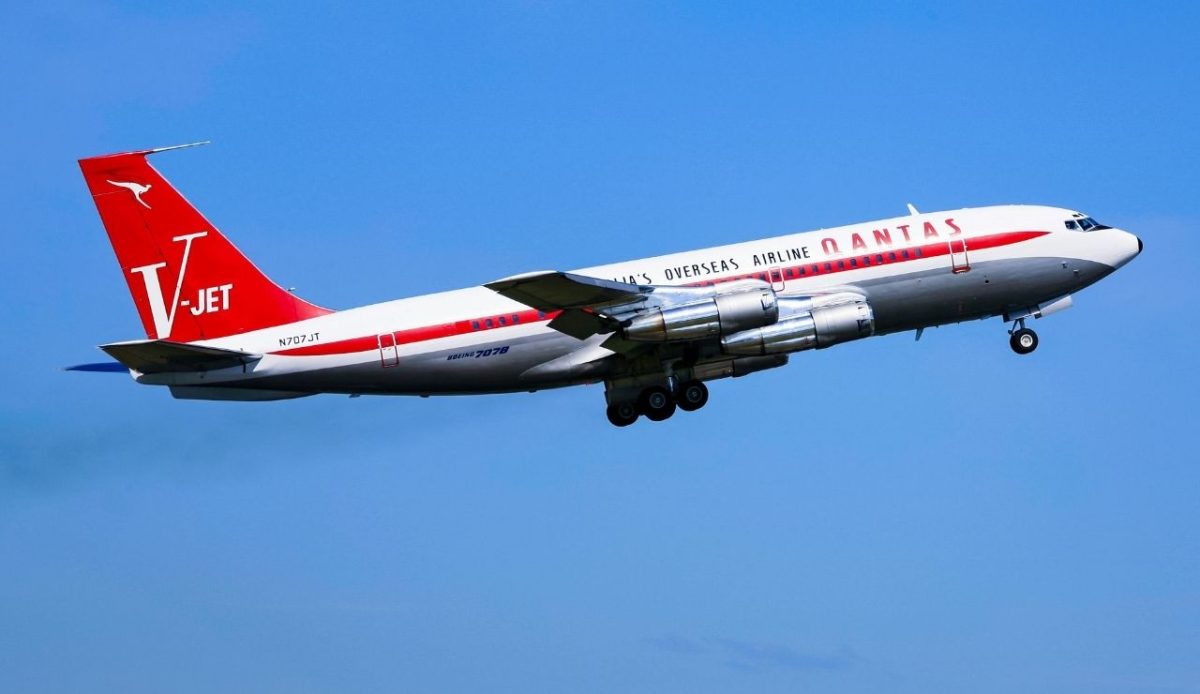
The Boeing 707 marked the true beginning of the jet age. Entering service in 1958, it cruised near Mach 0.90, cutting travel time dramatically compared with earlier propeller-driven aircraft. Its swept-wing design and efficient turbojet engines made intercontinental flight practical and affordable. Airlines quickly adopted the 707 for routes across the Atlantic and Pacific, making air travel accessible to millions. The aircraft set engineering standards for future generations, and its success established Boeing’s dominance in commercial aviation. The 707’s speed and reliability made jet travel the norm rather than the exception.
8. Quiet Speed: Airbus A350
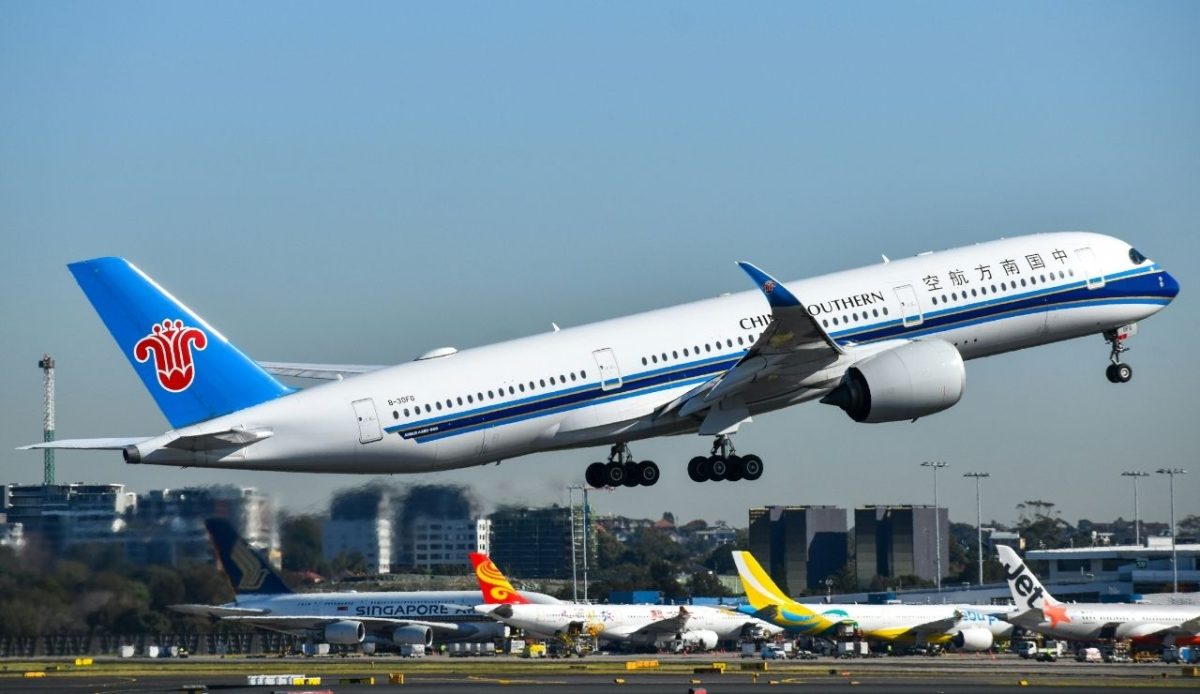
The Airbus A350 combines speed and environmental efficiency better than most long-haul jets. It cruises at Mach 0.85 with a certified limit of Mach 0.89. Made mostly of carbon fiber composites, the A350 uses flexible wingtips and advanced aerodynamics for faster, quieter, and more fuel-efficient flight. The aircraft allows airlines to operate long routes with less environmental impact while maintaining quick travel times. Its comfort-focused cabin and high-speed capability make it one of the most advanced airliners in service today. The A350 embodies modern aviation’s balance between speed and sustainability.
9. Jet Age Starter: Douglas DC-8
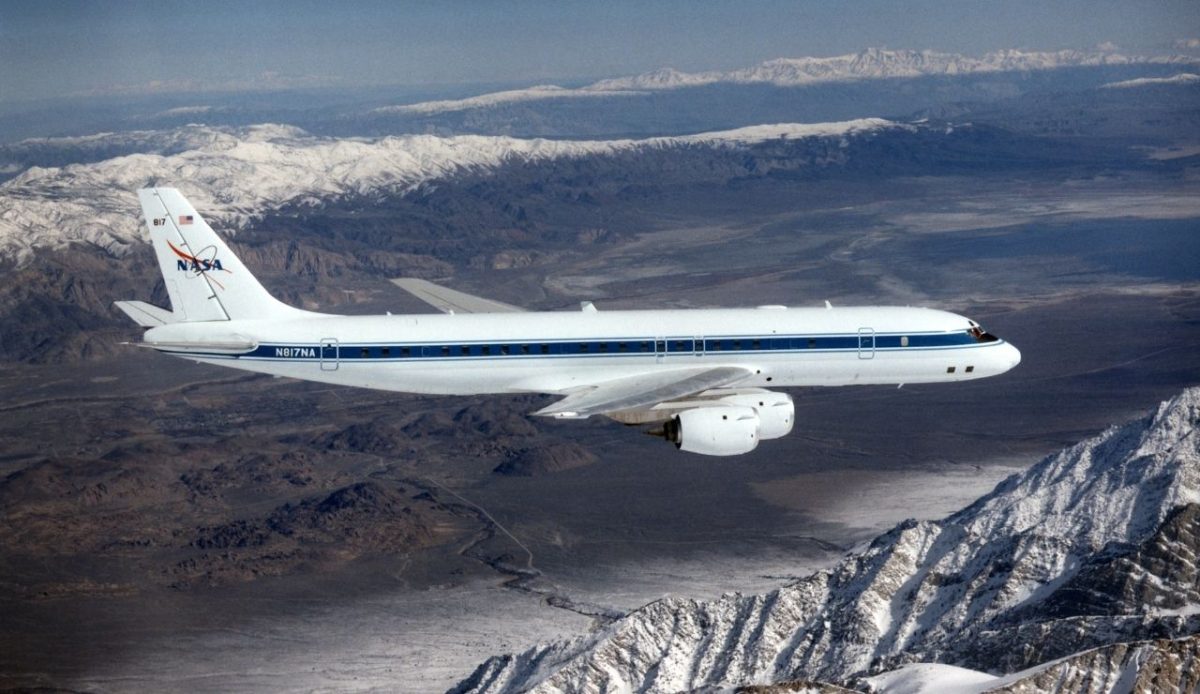
The Douglas DC-8 defined early jetliner reliability and performance. Entering service in 1958, it cruised at Mach 0.82 but was the first commercial aircraft to exceed Mach 1 during a controlled dive in 1961. That test gave engineers vital information about structural behavior beyond normal limits. Airlines appreciated its long-range capability and spacious cabin, using it widely on global routes. The DC-8’s precision engineering helped shape airworthiness standards for future designs. Decades later, some variants still fly in cargo service, a testament to its durable design and pioneering role in high-speed aviation.
10. Modern Twin-Engine Marvel: Boeing 777
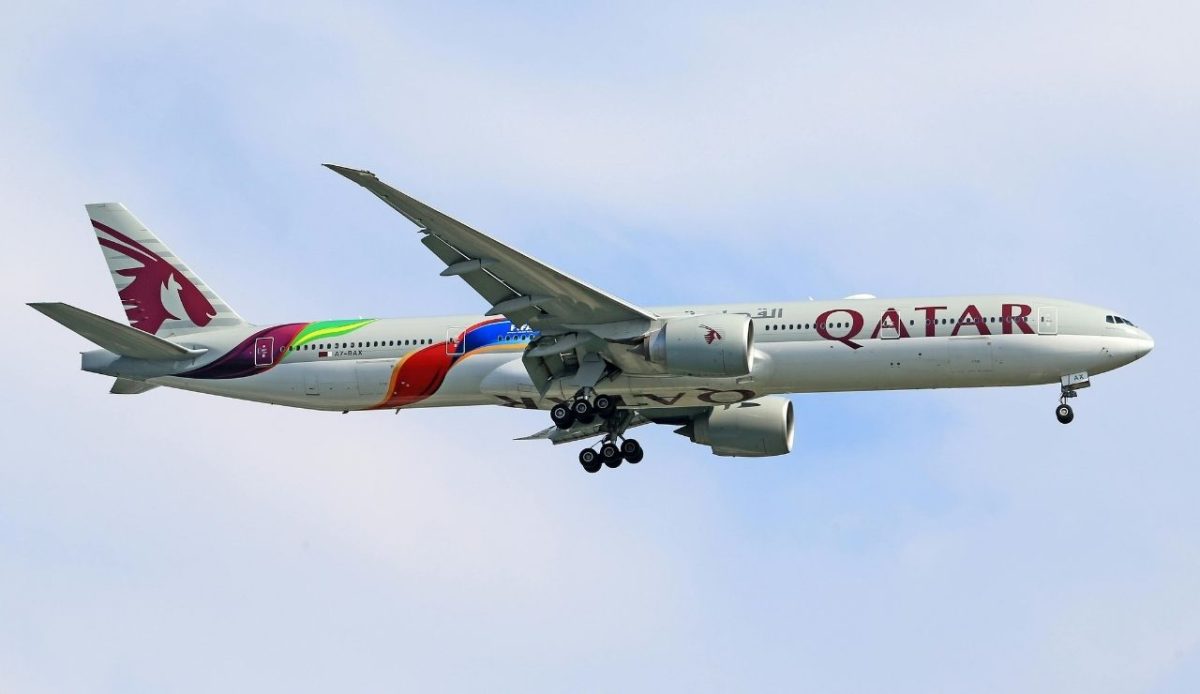
The Boeing 777 entered service in 1995 and quickly became a cornerstone of long-haul aviation. Cruising near Mach 0.84, it offered high speed with unmatched reliability from only two engines. The aircraft’s wide body, digital systems, and advanced aerodynamics enabled efficient travel across the world’s longest routes. Airlines embraced it for reduced maintenance costs and high passenger comfort. The 777 introduced extended twin-engine operations certification, changing how airlines planned transoceanic flights. Its balance of speed, range, and safety redefined the capabilities of modern long-haul jets and remains vital to global air travel.
