
Europe’s busiest city centers are being managed more like limited public space than an unlimited draw. Record visitor volumes have raised local costs and have strained sanitation, policing, and metro lines. In many places, resident pushback has been amplified through elections and court fights.
Rules now target the drivers of peak congestion, including day trip surges, short-term let density, and cruise passenger spikes. License caps, timed entry, and higher local fees are being applied, and enforcement has been staffed and funded.
For U.S. travelers, planning needs a policy check as much as a map. You may need reservations, registered accommodation, or smaller tour formats, and some routes have been redirected away from fragile cores.
1. Venice, Italy
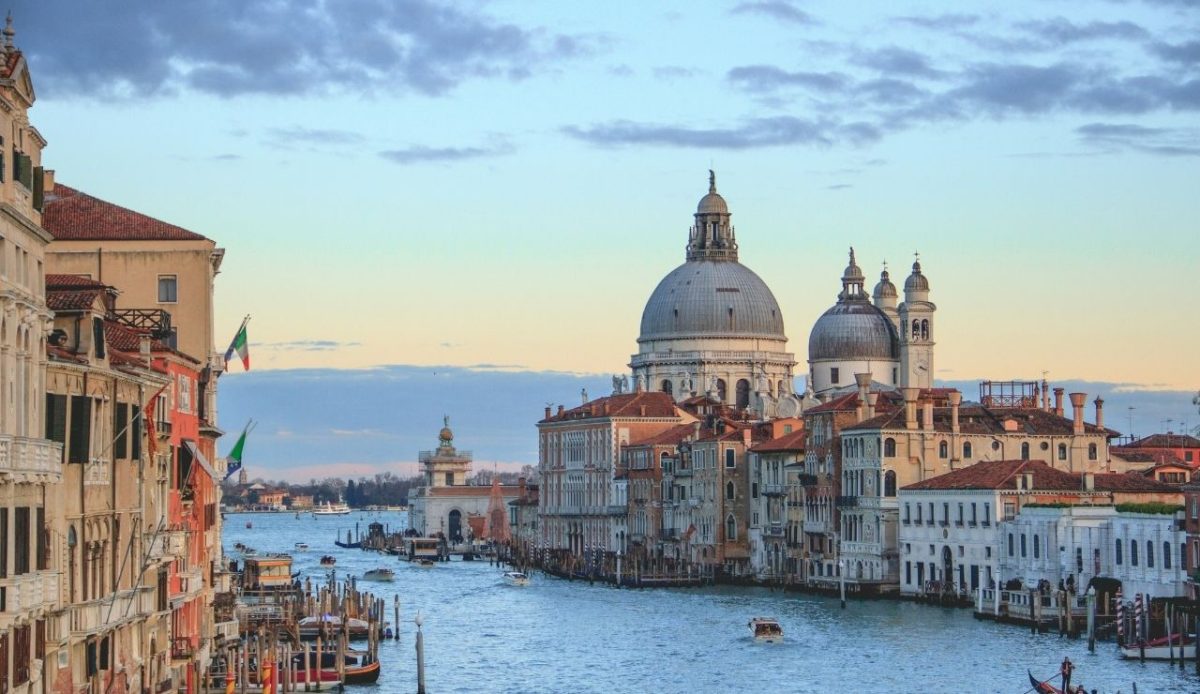
Venice has brought back a paid access system for certain peak days aimed at day visitors. Entry is linked to online registration, and checks were reported at key arrival points, with fines used to support compliance.
The city also limited guided groups to 25 people and banned loudspeakers in the historic center. These rules were framed as crowd control for narrow lanes where flow breaks down quickly.
Cruise policy has also been tightened through routing and capacity management, reducing large vessel pressure near sensitive waterways. Together, the measures are meant to cut the sharpest surges while keeping longer stays viable for residents and workers.
2. Barcelona, Spain
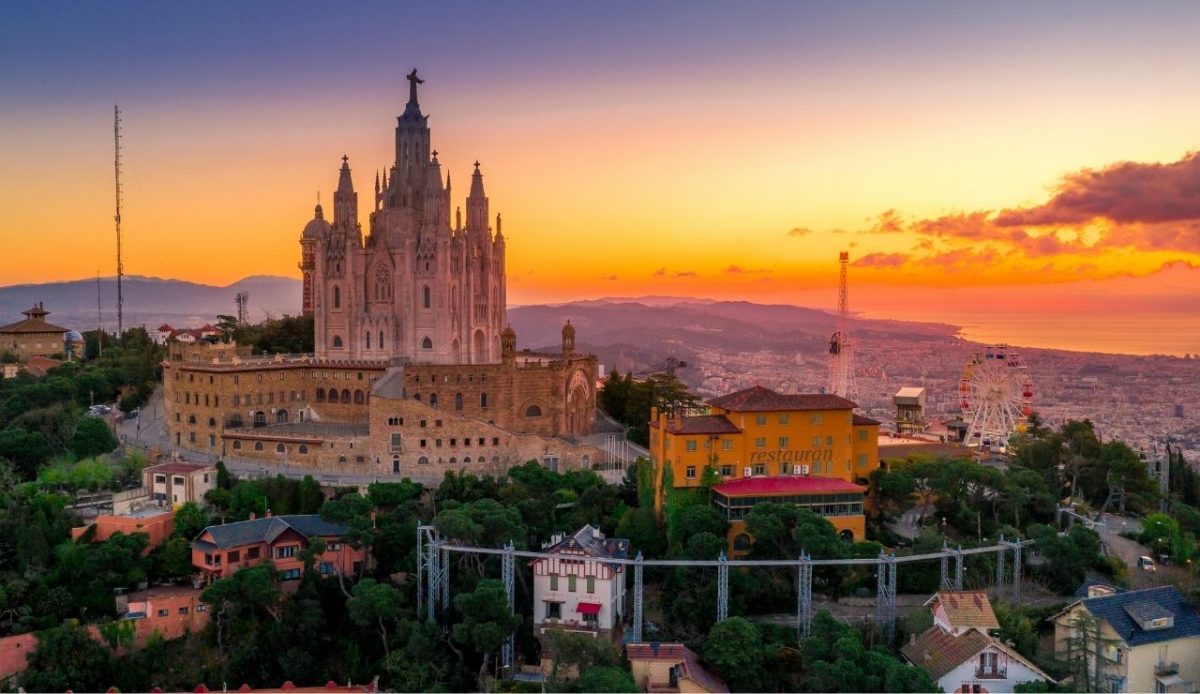
Barcelona has moved to shrink the scale of tourist apartments by ending renewals of existing licenses on a set timeline. The policy was tied to housing availability and to rent pressures in central districts after sustained resident protests.
Visitor taxes were raised, and revenue was positioned for local services and housing-related spending. Stronger inspection work has been reported, with fines used against illegal listings and repeat operators.
Limits on where short lets can operate have been paired with neighborhood-level planning. By reducing bed supply in apartments, the city aims to shift demand toward regulated hotels and restore residential stock.
3. Amsterdam, Netherlands
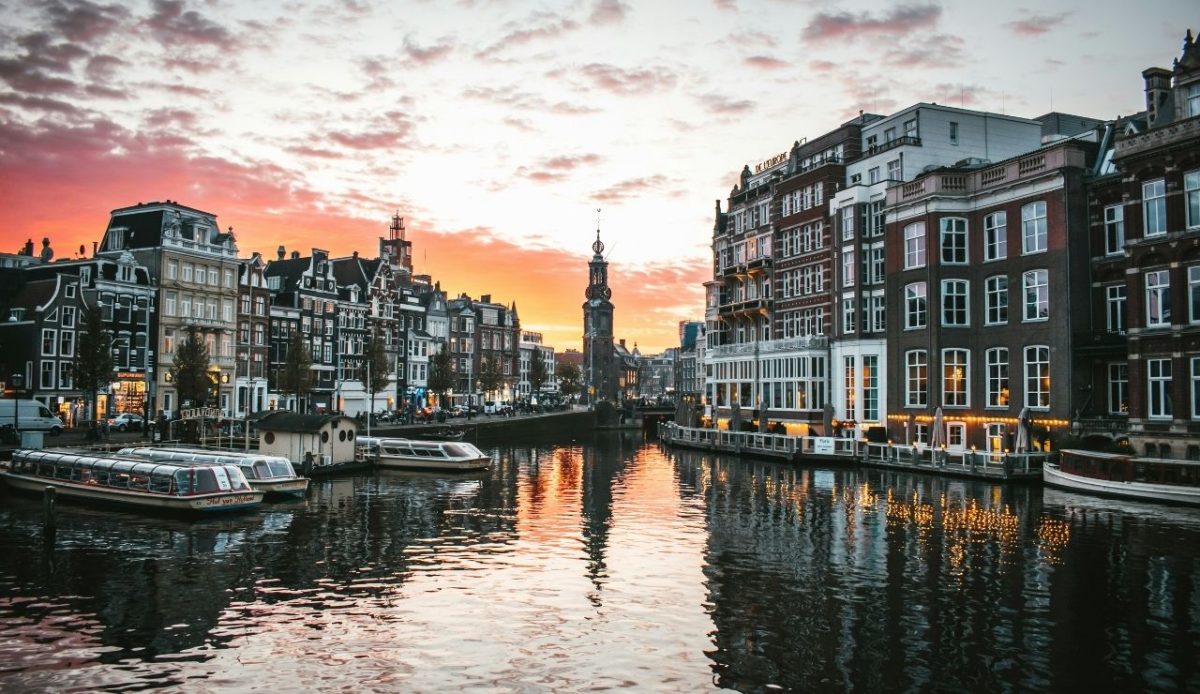
Amsterdam adopted a no net growth approach for hotels, allowing new projects only when they replace existing capacity. That rule was presented as a way to prevent more beds from driving more volume in the center.
Short-term rental controls require registration and cap the number of nights a home can be let each year. Enforcement has been strengthened, and fines can be issued when listings are unregistered or exceed limits.
The city has also acted on cruise impacts by setting reduction targets for calls and by planning changes to terminal operations. These steps aim to lower peak day crowding and to reduce local emissions around dense canals and nearby residential districts.
4. Florence, Italy
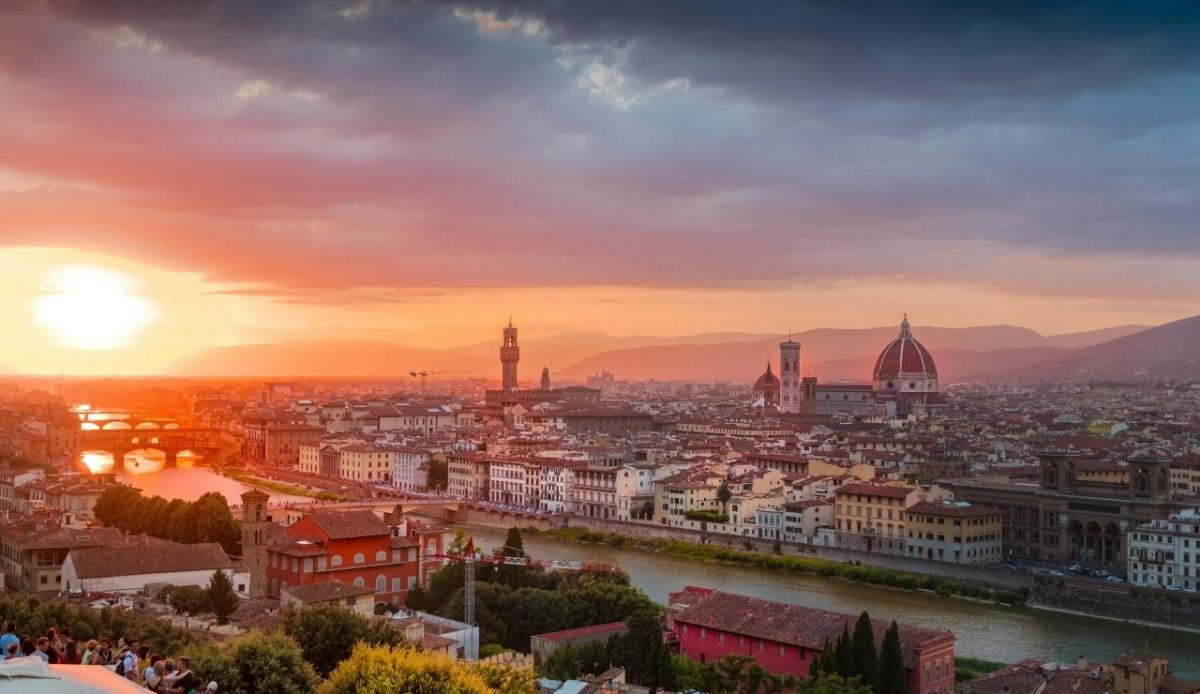
Florence has restricted self-check-in practices used by short-term rentals by ordering the removal of street-mounted keyboxes in its core. Fines have been used, and compliance checks were reported near high-traffic blocks around the UNESCO-listed center.
The change was linked to building security and to the rapid turnover associated with visitor lets. Officials said that anonymous access increased nuisance complaints and reduced accountability for rule-breaking.
Broader limits on short-term rental growth have been discussed for saturated historic zones. Florence’s approach treats housing as infrastructure, so tourist convenience is being weighed against local stability.
5. Milan, Italy
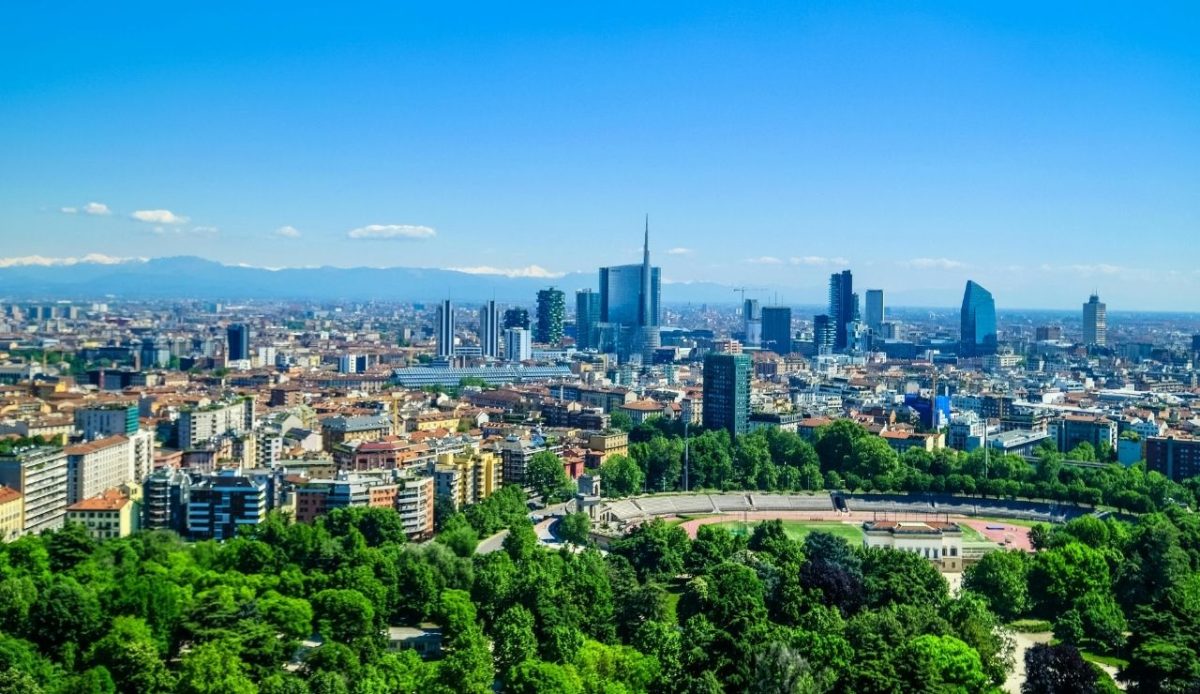
Milan set a ban on self-check-in keyboxes placed in public spaces for short-term rentals, with enforcement tied to fines. The policy was presented as a safety measure and as a way to curb unregulated visitor turnover.
Hosts have been pushed toward verified check-in methods that can be audited. Municipal local teams can remove devices that violate rules, and building administrators were given clearer grounds to report issues.
The city has also monitored how tourism demand concentrates near major shopping and event districts. Rental pressure is being treated as part of the housing problem, so compliance has been prioritized over voluntary guidance.
6. Lisbon, Portugal
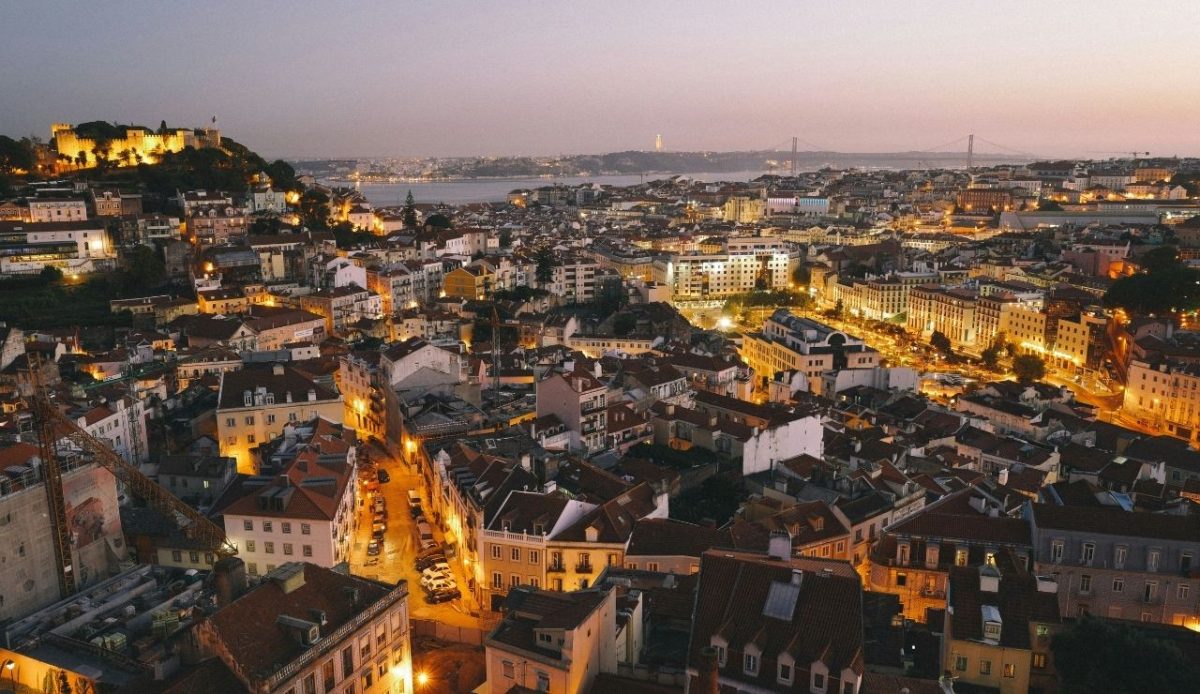
Lisbon updated its local lodging framework to tighten approvals in containment zones where short-term rentals are concentrated. In some parishes, new registrations can be restricted when housing balance thresholds are exceeded.
Transfers and changes to existing licenses have been made harder to prevent silent expansion through paperwork. Officials argue that stable year-round residency is needed in central neighborhoods that lost population.
Municipal authority was strengthened under national reforms, so local rules can be applied with clearer legal backing. The intent is to keep tourism revenue while reducing displacement and keeping basic services workable.
7. Athens, Greece
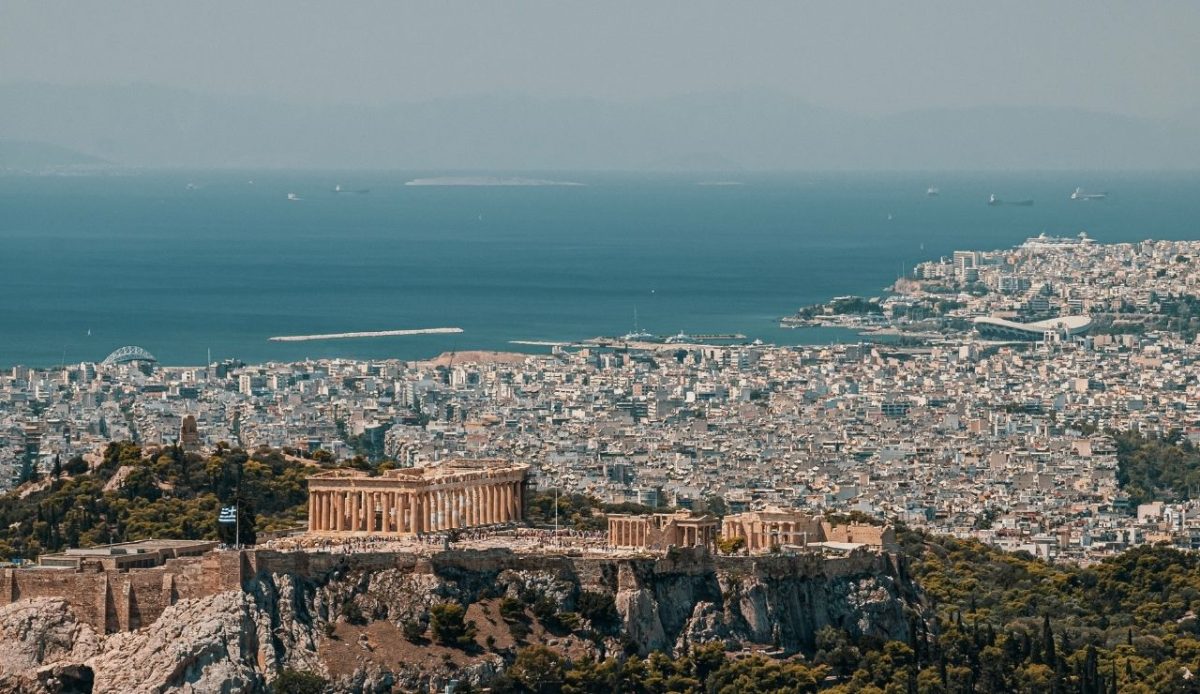
Athens introduced timed entry and daily attendance limits at the Acropolis using booked slots, reported as a ceiling of about 20000 visits. The system spreads arrivals across the day, and it was adopted after safety concerns from dense crowding and extreme heat.
Digital ticketing allows counts to be tracked and entry rates to be adjusted when thresholds are near. Lines have been reduced in peak windows, and staffing can be aligned with expected volumes for security and first aid.
These controls also reduce wear on paths and steps that were not built for continuous high throughput. Tour operators have been required to adapt schedules, and late booking flexibility has been reduced for large groups.
8. Prague, Czech Republic
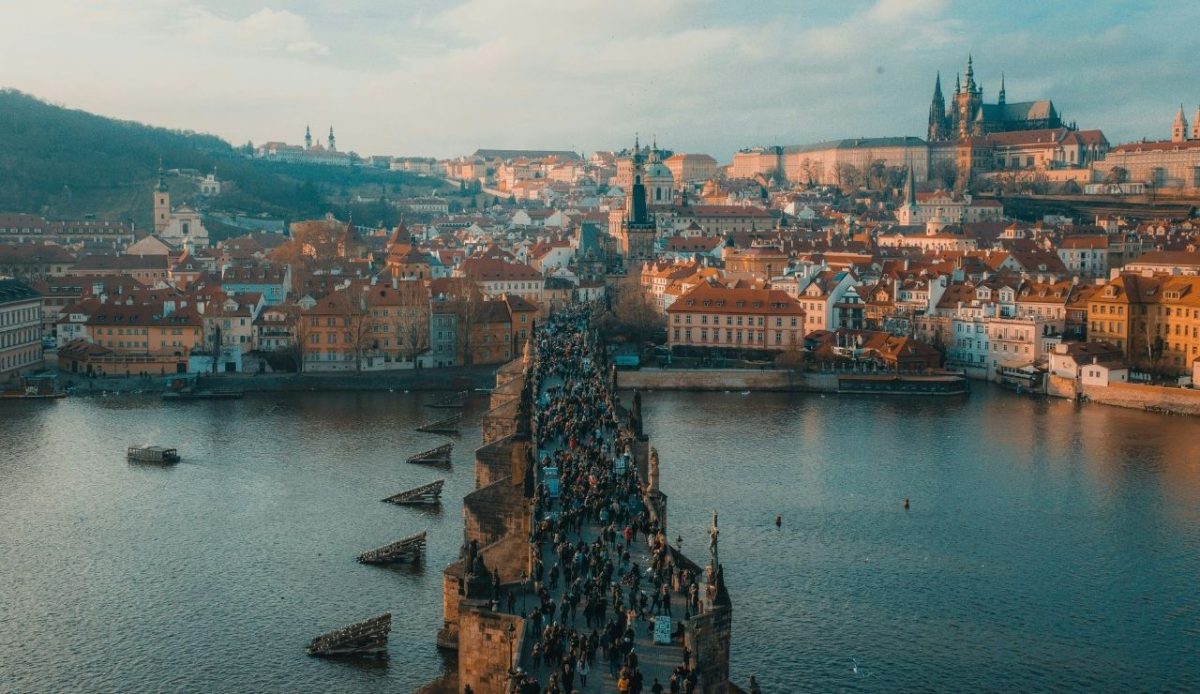
Prague restricted party tourism by banning organized pub crawls operated by agencies in the historic center during overnight hours. The rule targets nuisance behavior that has been linked to policing and sanitation costs.
Permits and fines are used to enforce the restriction, and marketing aimed at stag-style travel has been discouraged. Officials said that the city’s cultural economy was being distorted by low-value, high-disruption visits.
Other measures have included tighter rules for short-term rentals and stronger checks on noise complaints in core districts. The goal is to protect residential life while keeping normal nightlife and dining viable.
9. Cannes, France
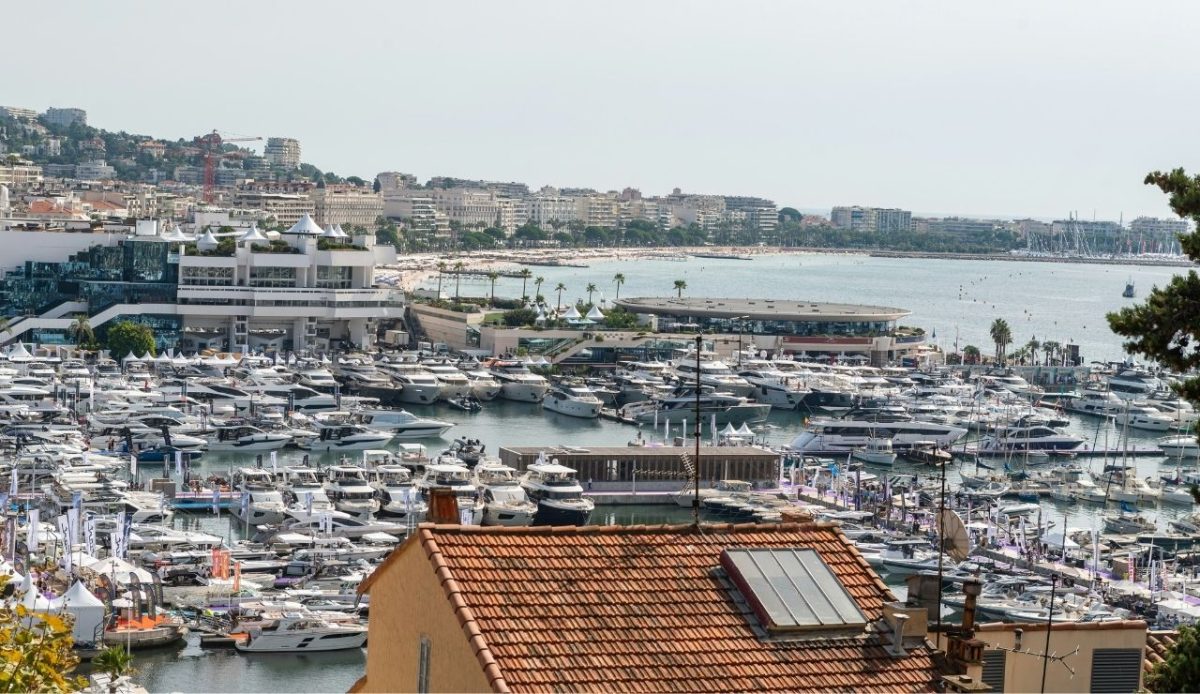
Cannes moved to limit cruise crowd surges by setting a daily cap on disembarking passengers and restricting the largest ships. Local leaders cited congestion and air quality concerns tied to peak arrivals in the old port area.
Port scheduling has been adjusted so that fewer high-capacity vessels are handled at once. Smaller ships have been favored, and operators were required to align with new thresholds for tender boat and bus flow.
The approach shifts the city toward lower-volume shore visits that can be managed by streets, buses, and waste systems. It also signals that coastal destinations can regulate tourism even when the port economy is influential.
10. Dubrovnik, Croatia
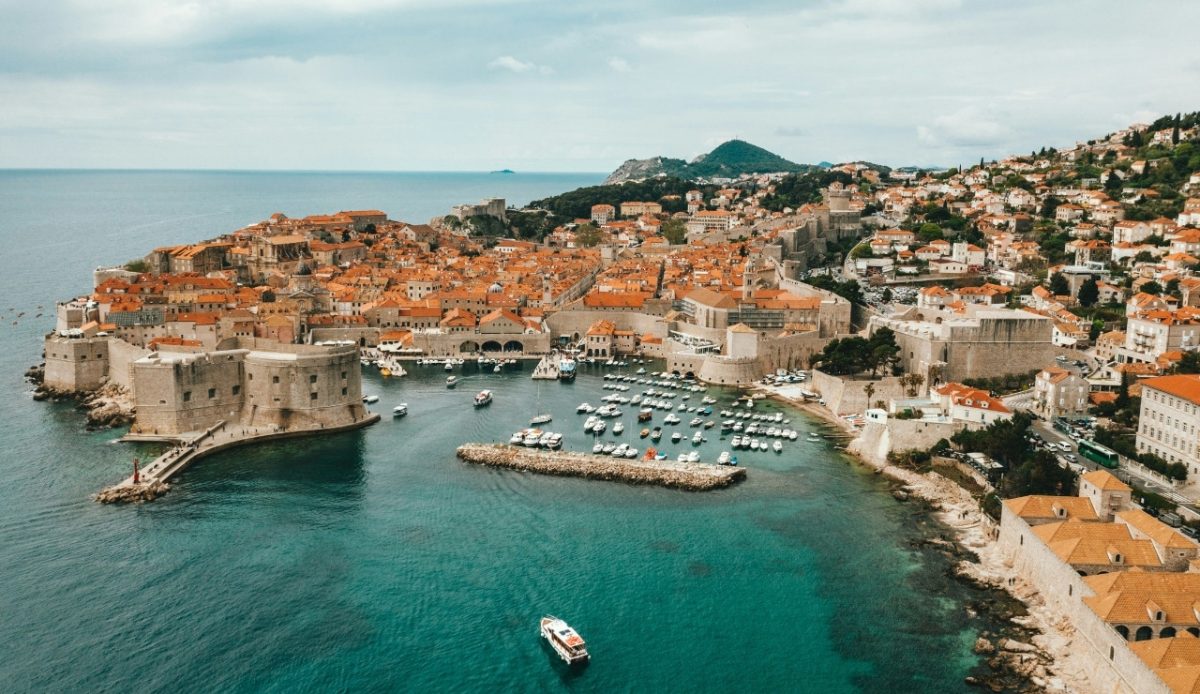
Dubrovnik has managed overtourism by limiting cruise arrivals, commonly described as a cap of two ships per day, and by coordinating schedules to avoid simultaneous disembarkation peaks near the UNESCO walled center.
Visitor flow within the Old Town has been monitored with counting systems that track density in real time. Access can be slowed when thresholds are approached, and staff can be deployed to redirect movement through gates.
These controls were adopted to protect heritage fabric and to reduce resident disruption from short, high-intensity surges. By smoothing arrivals, the city aims to keep tourism revenue while limiting the worst crowd compression.
