
European rail passes are designed to save money and simplify travel across multiple countries, but many travelers make avoidable mistakes. Misunderstanding pass rules, failing to reserve seats, or using it on the wrong trains can quickly turn convenience into frustration. Planning routes, checking restrictions, and knowing activation rules are crucial to maximizing the pass’s value. Travelers who ignore these steps often waste time and money, creating stress on their journey. Learning the most common mistakes ensures smoother travel, prevents unnecessary costs, and allows travelers to explore Europe efficiently, stress-free, and fully prepared.
1. Not Planning Routes in Advance

Failing to plan routes ahead of time can be costly and frustrating. Travelers may choose slower regional trains, miss optimal schedules, or waste hours figuring out connections. Some high-speed or international routes require seat reservations even with a pass. Planning ensures that you choose the fastest trains, secure seats, and optimize travel time. Researching timetables and understanding connections helps maximize the pass’s value. Without proper route planning, travelers risk extra costs, missed experiences, and inefficient travel, undermining the convenience a European rail pass is meant to provide.
2. Activating the Pass Too Late
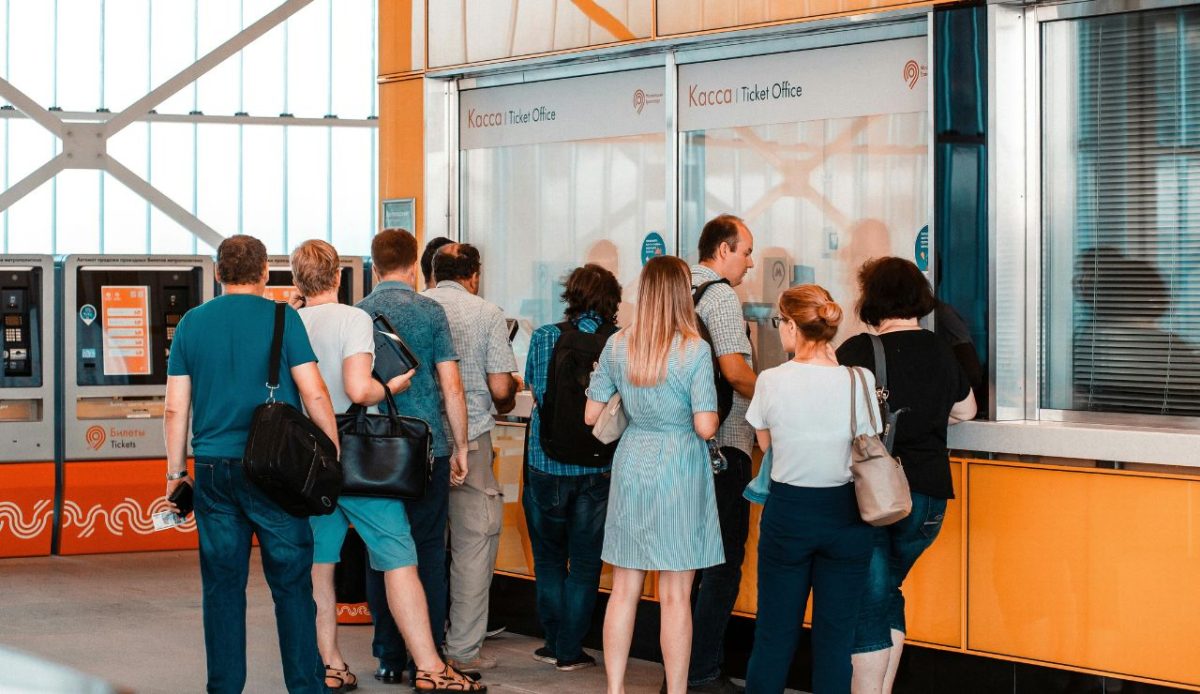
Activating a rail pass on the wrong date is a common error that can reduce its value. Some travelers start their pass after arrival, wasting precious travel days. Others mistakenly activate it too early, missing opportunities for long-distance trips. Checking activation rules and planning the first travel day carefully ensures maximum usage. Correct timing avoids lost days and confusion when boarding trains across multiple countries. Proper activation planning is essential for travelers who want to explore Europe efficiently. One small oversight can lead to wasted value and additional expenses, defeating the purpose of the rail pass entirely.
3. Ignoring Seat Reservations

Many travelers mistakenly assume a rail pass guarantees a seat on every train. High-speed, international, and popular routes often require separate reservations, which must be booked in advance. Skipping this step can lead to being denied boarding or paying hefty fees. Popular routes like Paris to Barcelona or Rome to Florence frequently sell out, making early reservations essential. Booking ensures comfort, avoids standing on long trips, and reduces stress. Ignoring reservations undermines the convenience of a rail pass, potentially turning a smooth journey into an unpleasant, costly experience for unsuspecting travelers.
4. Using the Pass on Non-Covered Trains
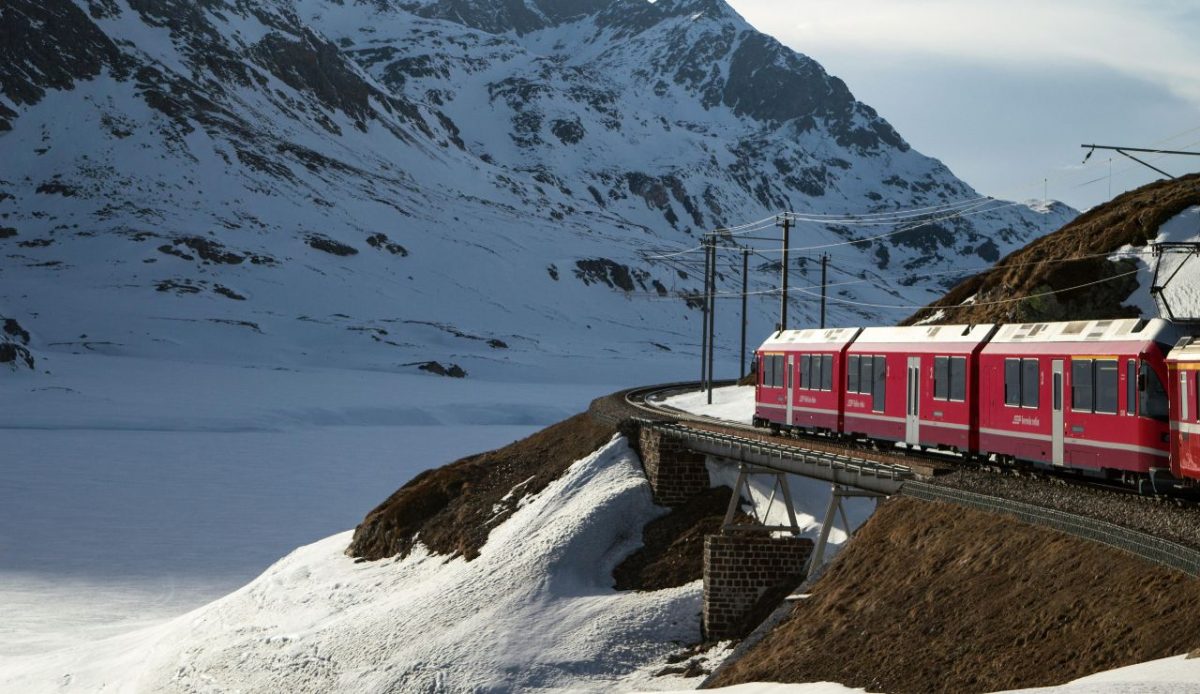
Not all trains are included with European rail passes. Private operators, night trains, and some scenic or regional services often require extra tickets. Assuming the pass covers every train can result in surprise fees at the station. Understanding which routes are included prevents unexpected costs. Travelers should check each itinerary, especially for cross-border journeys. Awareness of exclusions ensures efficient and cost-effective planning. By knowing which trains are covered, travelers avoid frustration, save money, and get the most out of their rail pass, ensuring smooth travel without wasted time.
5. Forgetting to Validate Tickets

Forgetting to validate a rail pass or individual ticket before boarding is a costly mistake. Many European countries require a stamped or activated pass, and conductors enforce this strictly. Validation may involve a ticket office or self-service machine, depending on the country. Without proper validation, travelers risk fines or denied boarding, delaying plans and causing unnecessary stress. Staying aware of local rules for ticket activation ensures smooth travel across borders. By validating each pass properly, travelers comply with regulations, prevent penalties, and maintain a hassle-free journey across Europe’s rail system.
6. Traveling During Peak Hours Without a Plan
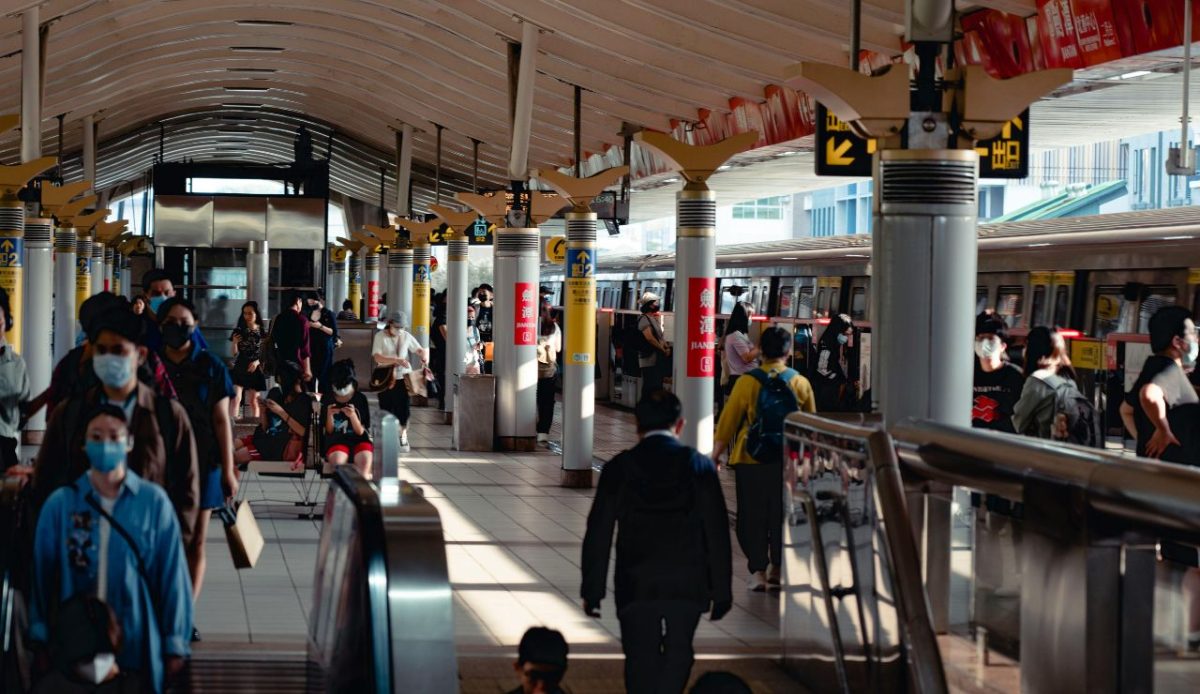
Europe’s trains can be crowded during rush hours, weekends, and holidays. Travelers who fail to plan for peak travel times may spend long trips standing or face sold-out trains. Knowledge of peak periods allows passengers to adjust departure times for comfort and convenience. Combining seat reservations with off-peak travel minimizes stress and maximizes the rail pass’s benefits. Failing to plan around busy times can make journeys uncomfortable and reduce sightseeing time. Understanding schedules ensures travelers enjoy smooth, efficient, and pleasant experiences without wasted energy or delays.
7. Misjudging Travel Distances

Travelers often underestimate distances between European destinations. Long journeys without proper planning can eat into sightseeing time, leave travelers exhausted, or force expensive overnight stays. Checking timetables ensures realistic expectations and allows proper scheduling. Combining travel planning with efficient train selection prevents rushed experiences. Travelers who misjudge distances may miss important activities or incur unexpected costs. Awareness of travel times helps maximize the enjoyment of each destination while avoiding fatigue. Proper distance planning is key to balancing exploration and travel efficiency.
8. Not Considering Pass Flexibility Options

European rail passes offer different formats: continuous or flexible days. Choosing the wrong type can result in lost opportunities or higher costs. Flexible passes suit non-consecutive travel, while continuous passes work for back-to-back trips. Ignoring these options may limit efficiency or increase expenses if travelers cannot use all travel days optimally. Understanding pass flexibility ensures cost-effectiveness and freedom to explore. Careful selection based on itinerary prevents wasted days or extra fees, allowing travelers to fully enjoy European destinations with maximum comfort and convenience.
9. Forgetting to Bring Identification

Many travelers forget that European rail passes require valid identification, often matching the name on the pass. Without ID, passengers may face fines, denied boarding, or delays that waste precious travel time. Always carry passports or government-issued IDs while traveling. Conductors check identification frequently, and proper documentation ensures compliance with regulations. Forgetting this small but essential requirement can ruin plans and create costly complications. Carrying identification at all times guarantees smooth travel, seamless boarding, and peace of mind throughout your entire European rail adventure.
10. Overestimating the Pass’s Cost Savings

Not every itinerary benefits from a rail pass. Travelers who plan only a few trips or stick to low-cost regional trains may spend more than purchasing individual tickets. Calculating total ticket costs versus the pass’s price is essential. Understanding when a pass truly saves money prevents wasted investment. Researching travel plans, train types, and route options ensures efficiency and cost-effectiveness. A rail pass is ideal for extensive multi-country travel, but miscalculations lead to overspending. Informed planning guarantees travelers maximize savings while enjoying Europe’s extensive rail network without unnecessary expense.
