
The American Northeast features some of the country’s most recognizable natural and coastal landmarks. From powerful waterfalls hidden in state parks to historic lighthouses guiding ships along rocky coasts, each location offers both beauty and accessibility. These destinations attract millions of visitors every year for hiking, sightseeing, or short getaways. The following places highlight what makes the region so appealing, with spectacular scenery, well-preserved trails, and a balance between popular tourist sites and quieter viewpoints that continue to draw travelers season after season.
1. Taughannock Falls State Park, New York
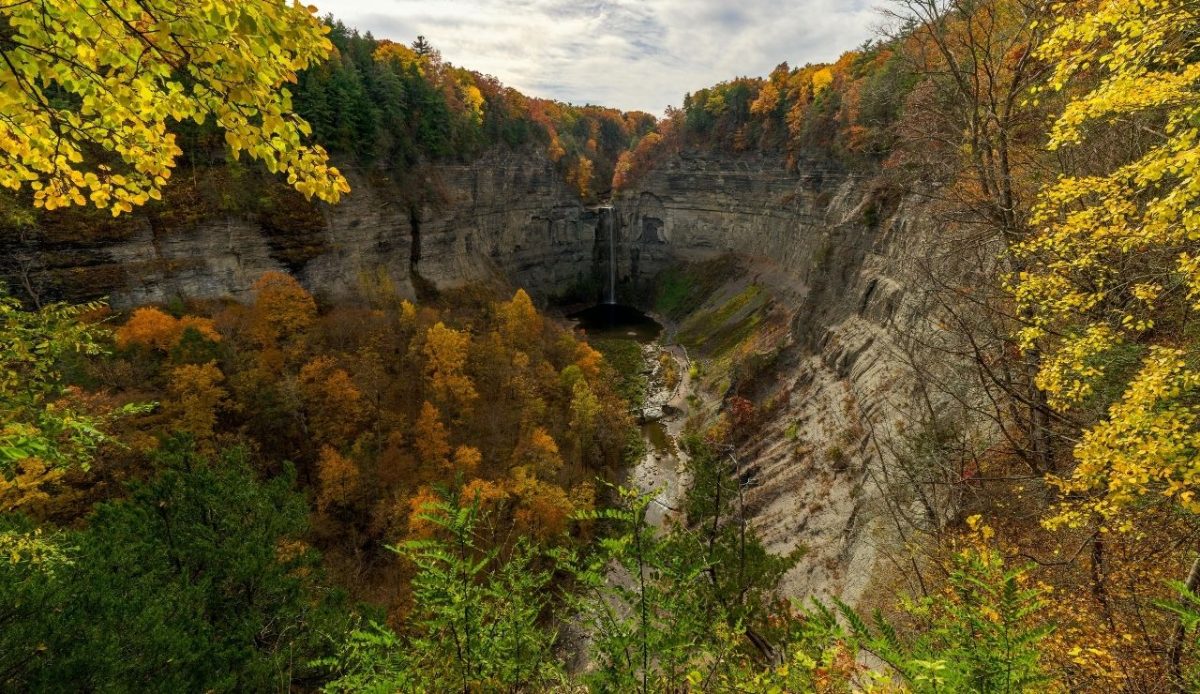
Taughannock Falls measures 215 feet, making it the tallest single-drop waterfall east of the Rockies. The overlook area offers an excellent panoramic view, while the Gorge Trail provides a short walk leading directly to the base. The surrounding rock walls display visible layers of shale and sandstone, showing how water erosion has shaped the valley over thousands of years. The park includes picnic areas, a swimming beach at Cayuga Lake, and seasonal programs for visitors. Nearby Trumansburg offers local restaurants and lodging, making the area suitable for both day trips and weekend stays in New York’s Finger Lakes region.
2. Portland Head Light, Maine

Located in Fort Williams Park near Portland, this 1791 lighthouse is among the oldest in the United States. It continues to serve as a navigational aid for ships entering Casco Bay. Visitors can walk paved trails along the cliffs, visit the museum inside the former keeper’s house, and view historic exhibits about maritime trade and shipwrecks. The park offers free parking, open lawns, and picnic spaces overlooking the ocean. Clear-weather days provide wide views of passing vessels and nearby islands. Portland Head Light remains one of Maine’s most visited sites, maintained jointly by the Town of Cape Elizabeth and the U.S. Coast Guard.
3. Kaaterskill Falls, New York
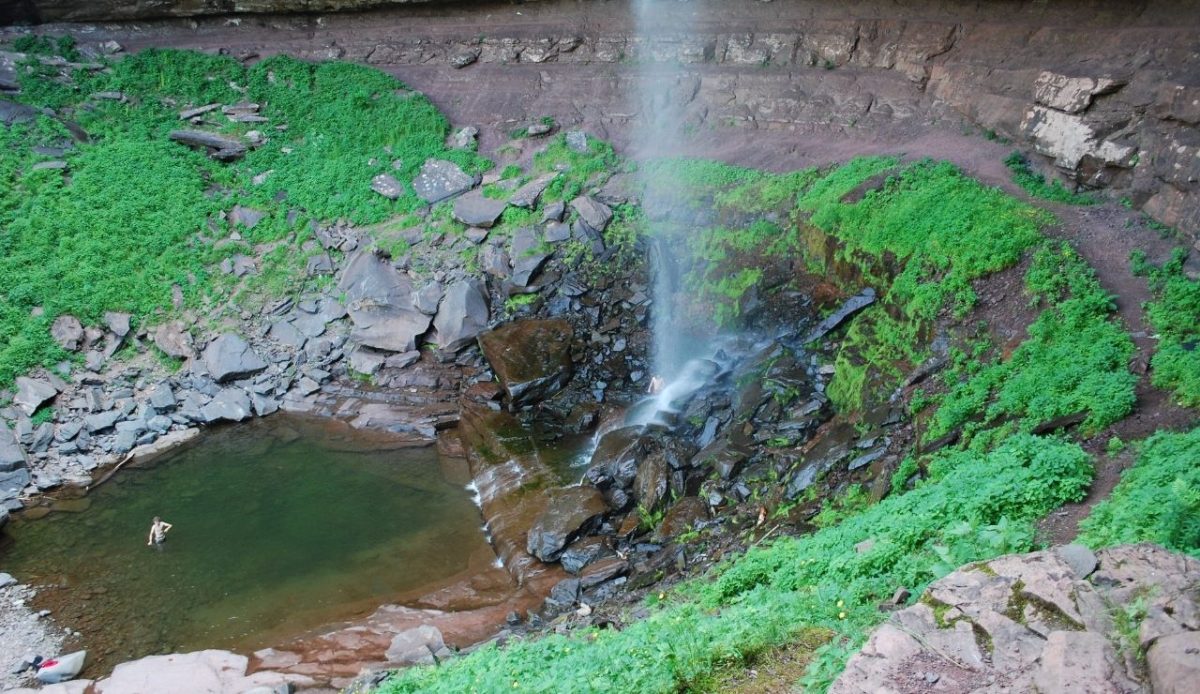
Kaaterskill Falls in the Catskill Mountains features a two-tier cascade with a total drop of 260 feet. The main trail begins near Route 23A and leads to a viewing platform that overlooks both levels of the waterfall. The area includes improved safety barriers, interpretive signs, and designated parking to manage the high visitor volume. This site has been documented in art and literature since the 19th century and continues to attract nature enthusiasts throughout the year. Visitors should plan for uneven terrain and wear proper footwear. The falls are particularly busy during summer weekends and peak fall foliage in October.
4. Race Point Light, Massachusetts
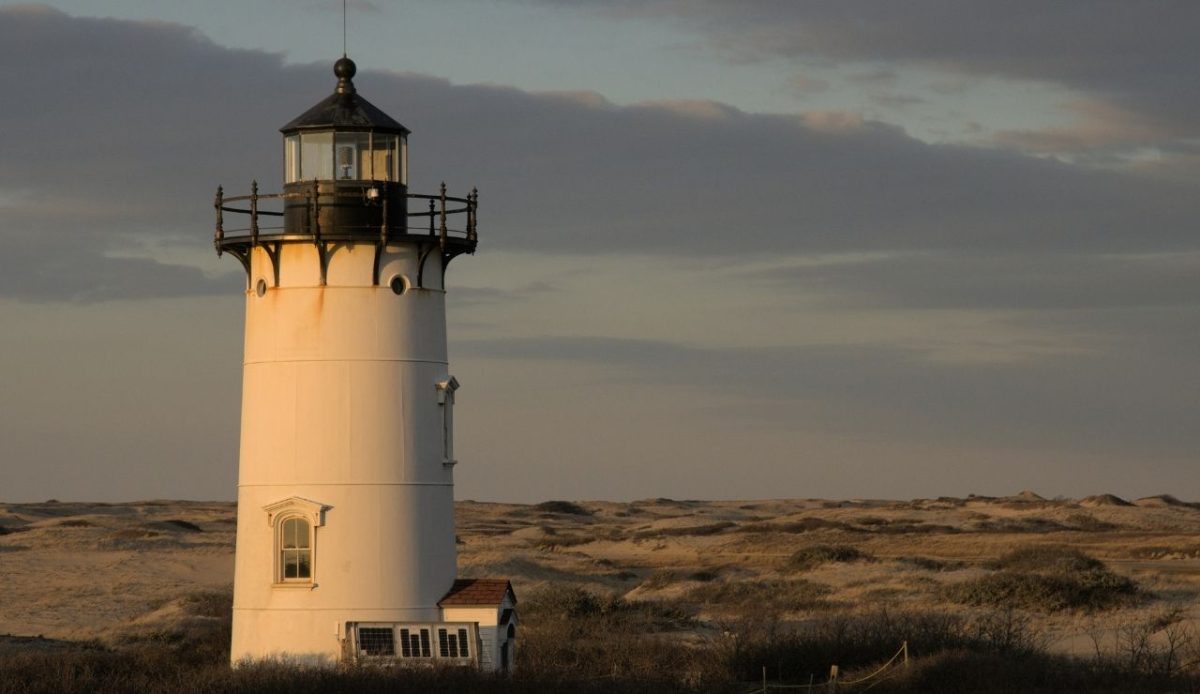
Race Point Light stands on the northern tip of Cape Cod within the Cape Cod National Seashore. Reaching the lighthouse requires a one-mile walk along a sandy trail or an authorized four-wheel-drive permit. The restored keeper’s house is available for overnight stays during warmer months through the American Lighthouse Foundation. Visitors can tour the site, learn about its operational history, and explore nearby dunes protected by the National Park Service. Wildlife sightings are common, including seals and migratory shorebirds. Clear evenings provide good conditions for viewing sunsets across the Atlantic horizon and photographing the coastal landscape.
5. Watkins Glen State Park, New York
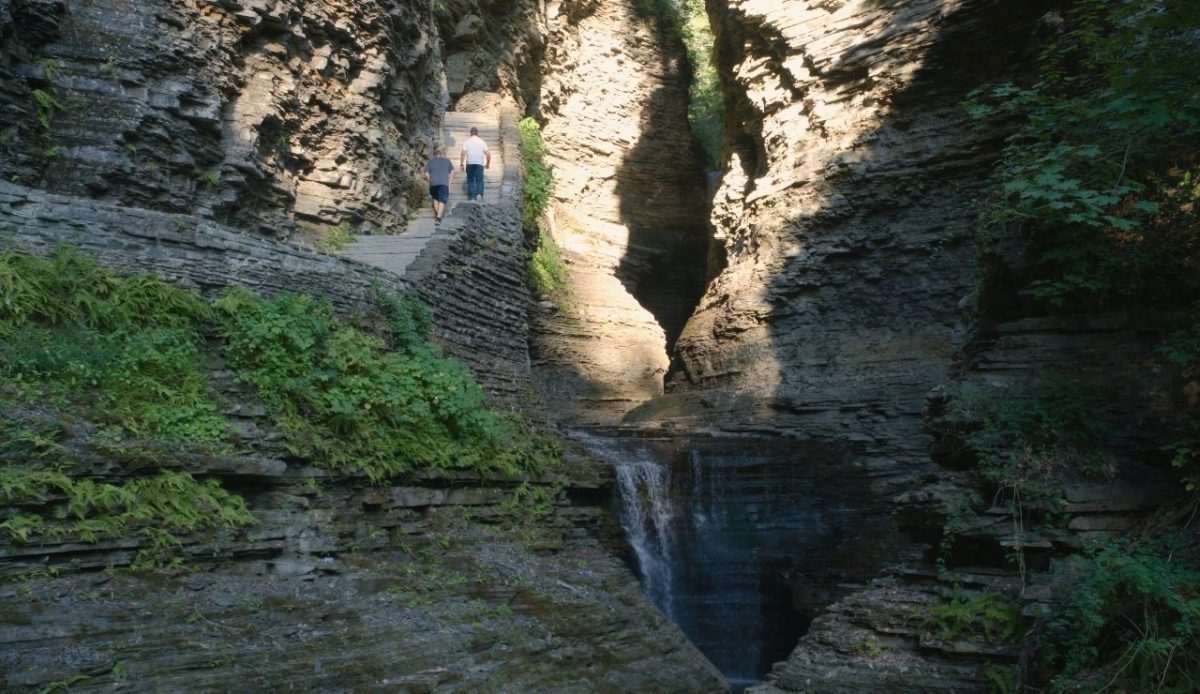
Watkins Glen State Park is located at the southern end of Seneca Lake and is known for its narrow gorge carved by Glen Creek. The Gorge Trail extends for about two miles and passes 19 waterfalls connected by stone bridges and stairways. Safety railings and maintenance work by the New York State Parks Department ensure accessibility for most visitors. The park includes picnic areas, campgrounds, and a visitor center with geological exhibits. Morning hours usually have fewer crowds, and parking areas accommodate buses and tour groups. Watkins Glen remains one of the most visited natural attractions in the Finger Lakes region.
6. Fire Island Lighthouse, New York
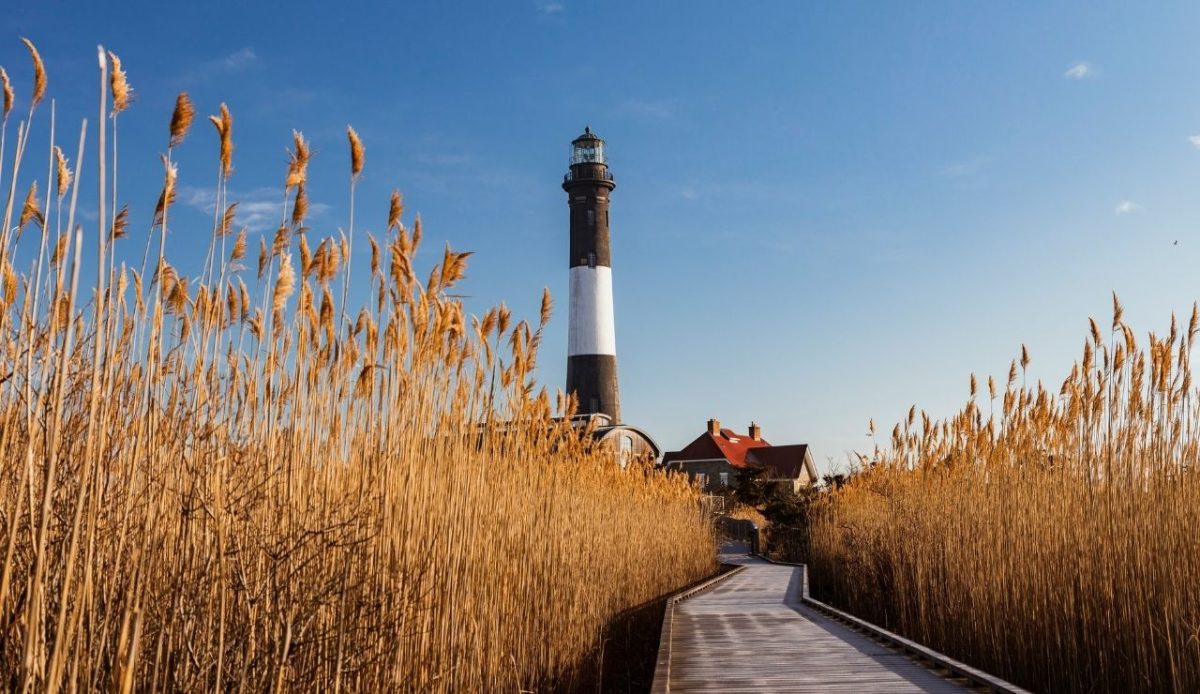
Fire Island Lighthouse stands at the western end of Fire Island National Seashore, a short ferry ride from Long Island. Built in 1858, it continues to function as an active navigation aid visible more than 20 miles offshore. Visitors can climb 182 steps to reach the top for views of the Great South Bay and Atlantic Ocean. The adjacent visitor center and boardwalk explain the island’s maritime and ecological history. The lighthouse is managed through a partnership between the National Park Service and the Fire Island Lighthouse Preservation Society. It remains a popular stop for day trips and educational tours year-round.
7. Montauk Point Lighthouse, New York
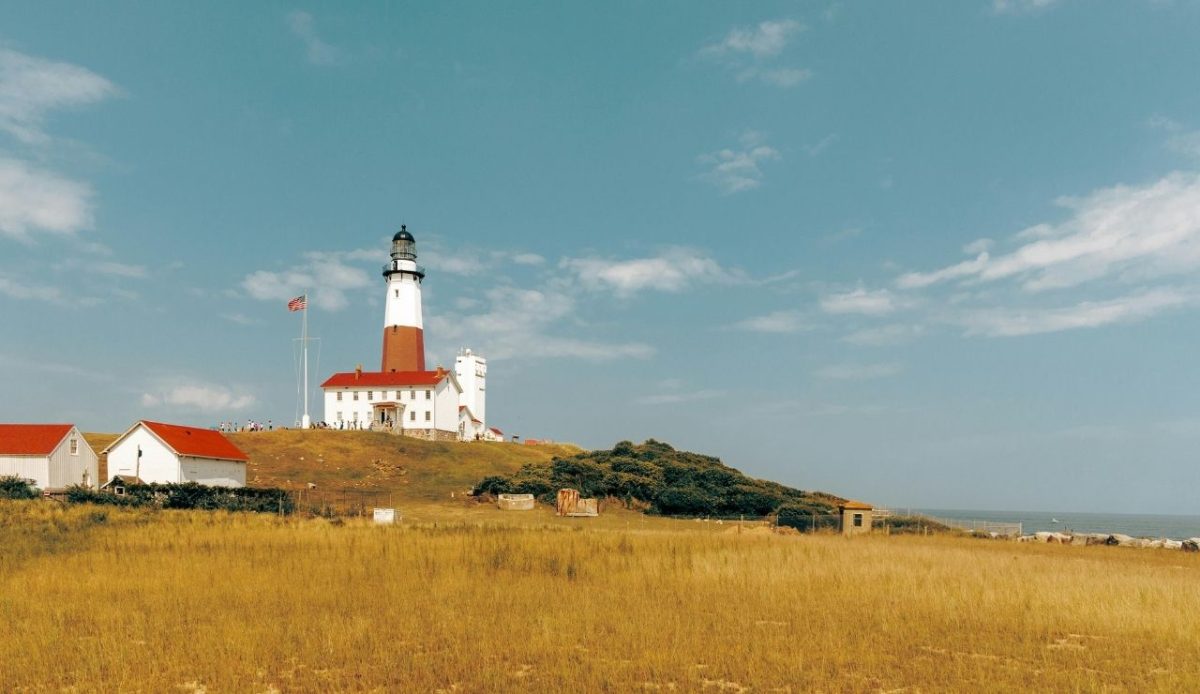
Montauk Point Lighthouse marks the easternmost tip of Long Island and has operated since 1796. Commissioned under President George Washington, it holds the distinction of being the oldest lighthouse in New York State. The museum exhibits navigation equipment, early photographs, and Coast Guard records. Visitors can access the observation platform for broad ocean views and watch local fishing boats enter nearby harbors. The site is maintained by the Montauk Historical Society and welcomes hundreds of thousands of guests each year. Parking, walking trails, and picnic spaces make it suitable for families visiting the scenic Montauk Point State Park.
8. Ricketts Glen State Park, Pennsylvania
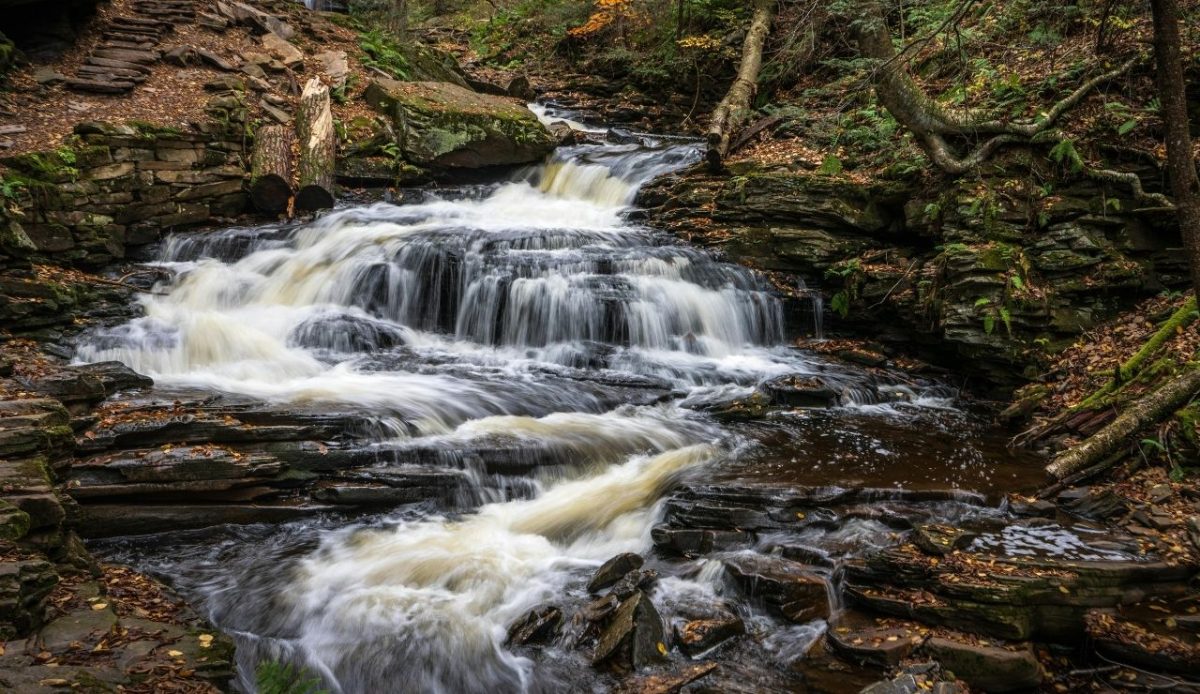
Ricketts Glen covers over 13,000 acres and contains 24 named waterfalls along its Falls Trail System. Ganoga Falls, the tallest at 94 feet, serves as the centerpiece of the park. The loop trail spans about 7.2 miles, connecting a series of cascades surrounded by hemlock and oak forest. The Pennsylvania Department of Conservation and Natural Resources maintains the paths and provides safety updates for hikers. Ricketts Glen is open year-round, though sections may close in winter due to ice conditions. Campgrounds, swimming beaches, and educational programs make it one of Pennsylvania’s most versatile outdoor destinations.
9. Nauset Light, Massachusetts
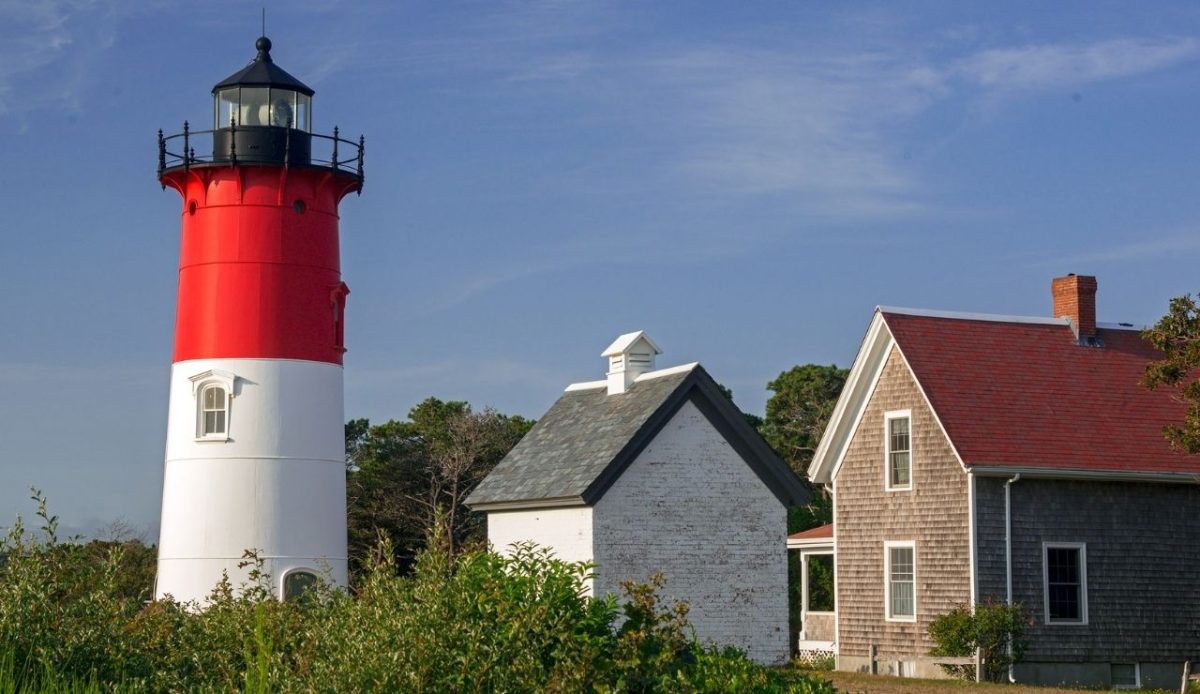
Nauset Light stands in Eastham within Cape Cod National Seashore and remains one of New England’s best-recognized beacons. Relocated in 1996 due to coastal erosion, the 1877 cast-iron tower continues to operate as a private aid to navigation. The Cape Cod National Seashore provides parking, guided tours, and historical interpretation programs. Nearby beaches attract heavy summer traffic, and visitors often combine lighthouse visits with shoreline walks. The Nauset Light Preservation Society maintains the structure and coordinates volunteer events throughout the year. Its easy access and strong visual appeal make it a key attraction for travelers exploring outer Cape Cod.
10. Schoodic Peninsula, Maine
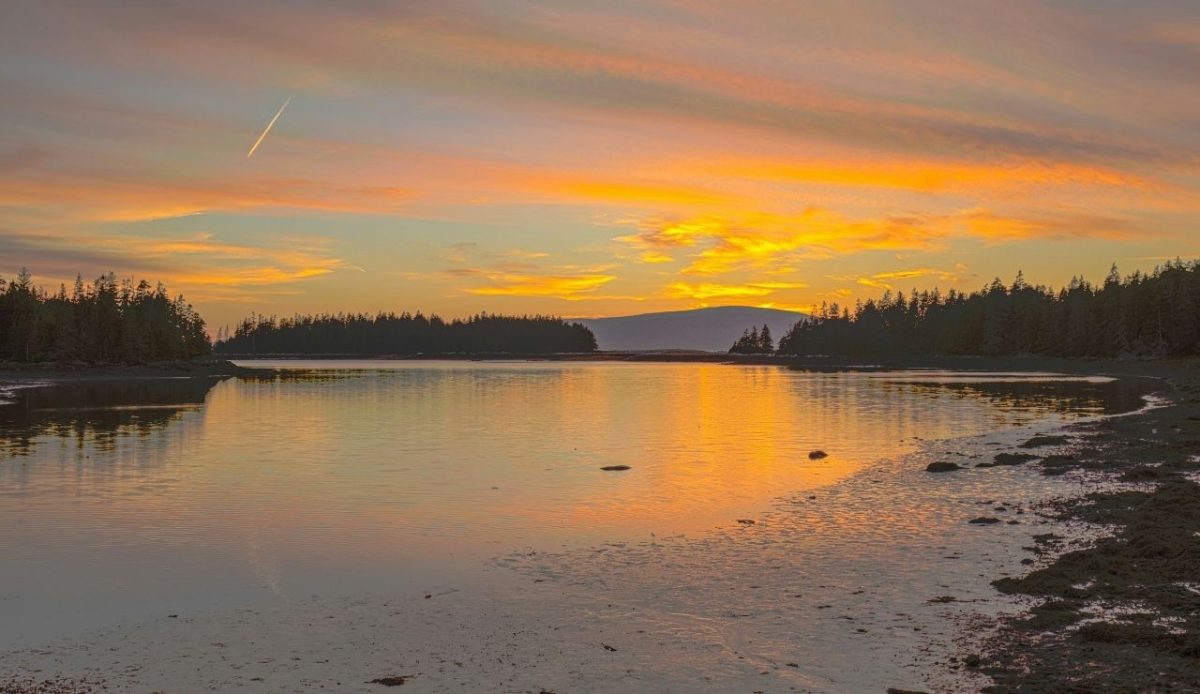
Schoodic Peninsula forms the only mainland section of Acadia National Park and offers the same coastal scenery with fewer crowds. The 6-mile loop road passes rocky shorelines, tide pools, and several picnic pullouts. The Schoodic Education and Research Center hosts seasonal programs about marine ecology and park management. Rangers maintain hiking routes such as the Alder Trail and the Schoodic Head climb, which give wide views of Mount Desert Island. The peninsula’s combination of accessible trails and quieter surroundings attracts travelers seeking an alternative to the more visited sections of Acadia National Park.
